
10 Natural Fat Burning Methods

In a world filled with fad diets, fat-burning supplements, and extreme workout programs, it’s easy to forget one simple truth: your body already has the ability to burn fat naturally.

The key is learning how to activate that ability.

If you’re looking to lose weight in a sustainable, healthy way—without starving yourself or relying on quick fixes—this guide will walk you through 10 powerful, natural fat burning methods that actually work.

These methods are backed by science, easy to implement, and designed to help you build long-term habits that support lasting fat loss.

Why Natural Fat Burning Matters

Natural fat loss focuses on working with your body instead of against it. Instead of forcing rapid results, you support your metabolism, hormones, and energy systems so your body can burn fat efficiently.

Benefits of natural fat burning:

  • Sustainable weight loss
  • Better energy levels
  • Improved metabolism
  • Reduced risk of rebound weight gain
  • Long-term health improvements

Let’s explore the most effective natural strategies you can start today.

1. Prioritize Protein in Every Meal

Protein is one of the most powerful nutrients for fat loss.

It increases satiety, reduces hunger hormones, and helps preserve lean muscle mass—which is essential for maintaining a higher metabolism.

When you eat more protein, your body also burns more calories during digestion (this is known as the thermic effect of food).

Best sources of protein:

  • Eggs
  • Chicken breast
  • Fish
  • Greek yogurt
  • Beans and legumes

Tip: Aim for 20–30 grams of protein per meal.

2. Drink More Water

Water plays a critical role in metabolism and fat oxidation.

Drinking enough water can:

  • Boost calorie burning
  • Reduce appetite
  • Improve workout performance

In some cases, thirst is mistaken for hunger, leading to unnecessary calorie intake.

Simple habit: Drink a glass of water before meals to help control portions.

3. Get Enough Quality Sleep

Sleep is often overlooked, but it’s one of the most important factors in fat loss.

Lack of sleep disrupts hormones like:

  • Ghrelin (increases hunger)
  • Leptin (signals fullness)

This leads to increased cravings and reduced willpower.

Aim for 7–9 hours of high-quality sleep every night.

4. Strength Training

Building muscle is one of the most effective ways to boost your metabolism naturally.

Muscle tissue burns more calories than fat—even at rest.

Strength training also:

  • Improves body composition
  • Increases fat-burning hormones
  • Enhances long-term weight maintenance

Start with 2–4 sessions per week focusing on full-body exercises.

5. Increase Daily Movement (NEAT)

NEAT stands for Non-Exercise Activity Thermogenesis—basically all the movement you do outside of workouts.

This includes:

  • Walking
  • Standing
  • Cleaning
  • Taking the stairs

Small movements add up and can significantly increase your daily calorie burn.

Tip: Aim for 8,000–10,000 steps per day.

6. Drink Green Tea

Green tea is a natural fat-burning beverage rich in antioxidants called catechins.

These compounds help:

  • Increase fat oxidation
  • Boost metabolism
  • Enhance exercise performance

For best results, drink 2–3 cups per day without added sugar.

7. Reduce Refined Sugar and Processed Foods

Highly processed foods are designed to be addictive and easy to overeat.

They cause rapid spikes and crashes in blood sugar, leading to:

  • Increased hunger
  • Fat storage
  • Energy crashes

Focus on whole, nutrient-dense foods instead:

  • Vegetables
  • Fruits
  • Whole grains
  • Lean proteins
8. Manage Stress Levels

Chronic stress increases cortisol, a hormone linked to fat storage—especially around the abdominal area.

Stress also triggers emotional eating and cravings for high-calorie comfort foods.

Natural ways to reduce stress:

  • Meditation
  • Deep breathing
  • Spending time in nature
  • Journaling

Even 5–10 minutes a day can make a difference.

9. Try Intermittent Fasting

Intermittent fasting involves cycling between periods of eating and fasting.

This method can help:

  • Improve insulin sensitivity
  • Increase fat burning
  • Reduce overall calorie intake

Popular approach: 16:8 method (16 hours fasting, 8-hour eating window)

Note: This isn’t for everyone—listen to your body and choose what works for you.

10. Eat More Fiber

Fiber helps regulate digestion, stabilize blood sugar, and keep you full longer.

High-fiber diets are strongly linked to reduced body fat.

Best sources:

  • Vegetables
  • Fruits
  • Oats
  • Chia seeds
  • Legumes

Aim for 25–35 grams of fiber per day.

How to Combine These Methods for Maximum Results

The real power comes from combining these habits into a simple daily routine.

Example:

Morning:

  • Drink water
  • Eat a protein-rich breakfast
  • Get light movement

Afternoon:

  • Balanced meals with protein and fiber
  • Stay active (walking, standing)

Evening:

  • Light dinner
  • Relax and reduce stress
  • Prioritize sleep

You don’t need to do everything perfectly. Start with 2–3 habits and build from there.

Common Mistakes to Avoid

Even with natural methods, some mistakes can slow progress:

  • Expecting overnight results
  • Being inconsistent
  • Overeating “healthy” foods
  • Ignoring sleep and stress
  • Relying on one method only

Fat loss is a process—not a quick fix.

Final Thoughts

Natural fat burning isn’t about extremes—it’s about alignment.

When you support your body with proper nutrition, movement, sleep, and stress management, fat loss becomes easier and more sustainable.

You don’t need expensive supplements or restrictive diets. You just need the right habits, practiced consistently.

Start small. Stay consistent. And trust the process.

Your body is designed to burn fat—you just need to give it the right conditions.

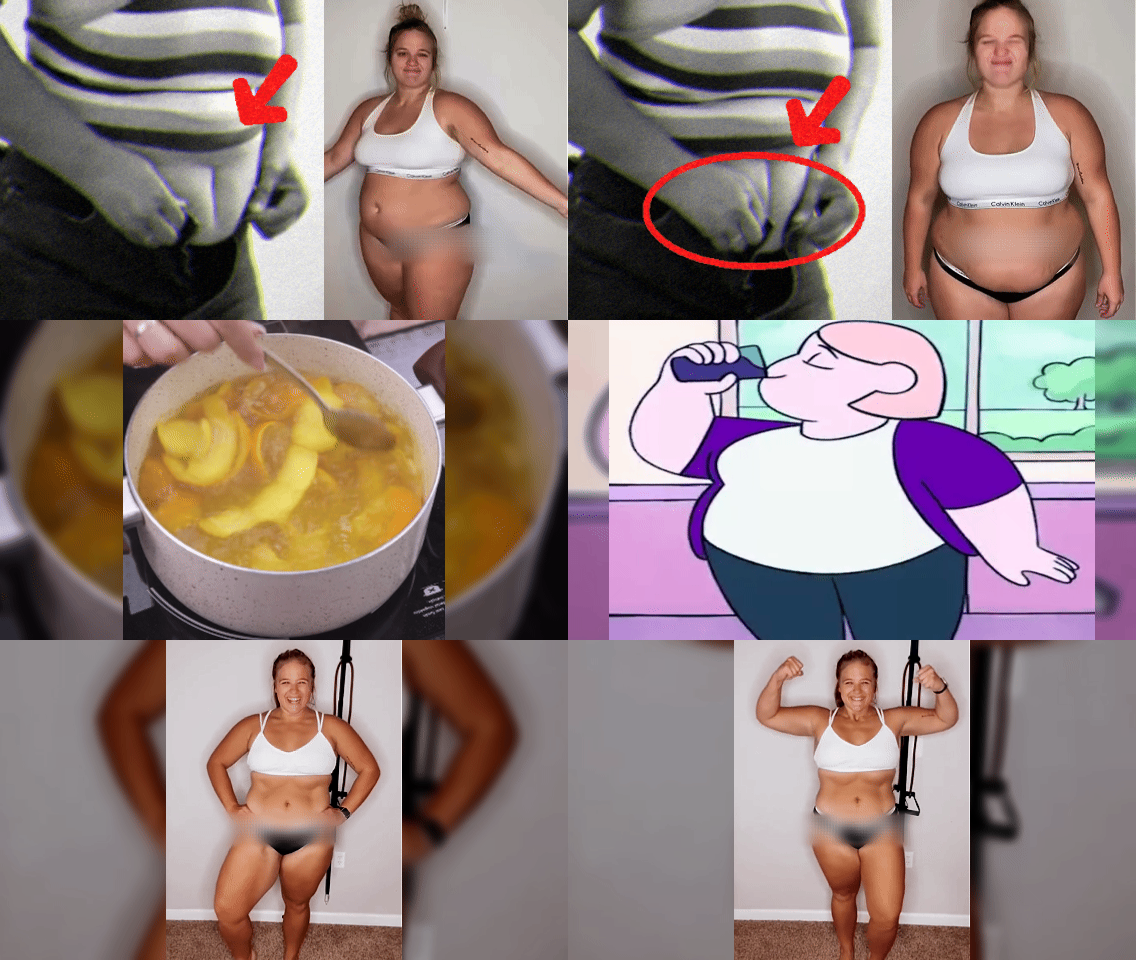
I didn’t expect this to make such a difference, but it actually explains a lot…

If you feel like you’ve tried everything but nothing works,
this short video might be exactly what you’ve been missing.
Simple Lifestyle Changes for Healthy Weight Loss

Losing weight doesn’t have to mean extreme diets, exhausting workouts, or giving up everything you love. In fact, the most effective and sustainable approach to weight loss is built on simple lifestyle changes that you can maintain long-term.

If you’ve been struggling to lose weight or keep it off, this guide will walk you through practical, science-backed habits that support healthy weight loss—without overwhelm or burnout.

Why Lifestyle Matters More Than Diets

Many people fall into the trap of short-term dieting. They follow strict meal plans, cut calories drastically, and may see quick results. But once the diet ends, the weight often returns.

Why? Because habits didn’t change.

Healthy weight loss is not about temporary restriction—it’s about creating a lifestyle that naturally supports a healthy body weight. When your daily routines align with your goals, weight loss becomes a byproduct rather than a constant struggle.

Start with Mindful Eating

One of the simplest yet most powerful changes you can make is how you eat—not just what you eat.

What Is Mindful Eating?

Mindful eating means paying full attention to your food, your hunger signals, and your body’s responses.

How to Practice It:
  • Eat slowly and chew thoroughly
  • Avoid distractions like TV or phones
  • Notice when you feel full
  • Appreciate the taste and texture of your food
Why It Works:

Mindful eating helps prevent overeating, improves digestion, and strengthens your connection with your body’s natural hunger cues.

Prioritize Whole, Nutrient-Dense Foods

You don’t need a complicated diet plan to lose weight. Focus on eating real, whole foods as much as possible.

Include More Of:
  • Vegetables and fruits
  • Lean proteins (chicken, fish, eggs, legumes)
  • Whole grains (oats, brown rice, quinoa)
  • Healthy fats (nuts, seeds, olive oil)
Reduce:
  • Processed foods
  • Sugary drinks
  • Refined carbohydrates
  • Excess fast food

Whole foods are naturally more filling, lower in calories, and rich in nutrients that support your metabolism.

Stay Hydrated Throughout the Day

Drinking enough water is one of the easiest lifestyle changes with noticeable impact.

Benefits of Hydration:
  • Helps control appetite
  • Supports digestion
  • Boosts energy levels
  • Aids fat metabolism
Simple Habit:

Drink a glass of water before each meal. This can help you feel fuller and prevent overeating.

Move Your Body Daily

You don’t need an intense workout routine to lose weight. What matters most is consistency.

Easy Ways to Stay Active:
  • Walking 7,000–10,000 steps per day
  • Taking the stairs instead of the elevator
  • Stretching or doing yoga at home
  • Short home workouts (15–20 minutes)
Why It Matters:

Regular movement increases calorie burn, improves mood, and supports long-term weight management.

Build Muscle with Strength Training

While cardio burns calories, strength training helps you build muscle—which increases your resting metabolism.

Benefits:
  • Burns more calories at rest
  • Improves body composition
  • Enhances strength and confidence
Beginner Tip:

Start with bodyweight exercises like squats, push-ups, and planks 2–3 times per week.

Get Enough Sleep Every Night

Sleep is often overlooked, yet it plays a major role in weight loss.

How Poor Sleep Affects Weight:
  • Increases hunger hormones
  • Reduces energy and motivation
  • Leads to cravings for high-calorie foods
Goal:

Aim for 7–9 hours of quality sleep each night.

Simple Sleep Habits:
  • Go to bed at the same time daily
  • Avoid screens before bedtime
  • Create a relaxing nighttime routine
Manage Stress Effectively

Chronic stress can make weight loss much harder.

Why Stress Causes Weight Gain:

Stress increases cortisol, a hormone linked to fat storage—especially around the belly.

Healthy Ways to Manage Stress:
  • Meditation or deep breathing
  • Journaling
  • Spending time in nature
  • Talking to someone you trust

Even 10 minutes a day of relaxation can make a difference.

Eat Enough Protein

Protein is essential for weight loss because it keeps you full and helps preserve muscle.

Benefits of Protein:
  • Reduces appetite
  • Boosts metabolism slightly
  • Prevents muscle loss during weight loss
Easy Sources:
  • Eggs
  • Chicken or fish
  • Greek yogurt
  • Beans and lentils

Try to include protein in every meal.

Control Portion Sizes Without Obsessing

You don’t need to count every calorie, but being aware of portion sizes can help.

Practical Tips:
  • Use smaller plates
  • Avoid eating straight from packages
  • Serve your food instead of eating from containers
  • Stop eating when you feel satisfied, not stuffed
Limit Liquid Calories

Many people consume hundreds of extra calories through drinks without realizing it.

Common Culprits:
  • Sugary coffee drinks
  • Soda
  • Fruit juices
  • Alcohol
Better Choices:
  • Water
  • Herbal tea
  • Black coffee (in moderation)

Reducing liquid calories is one of the fastest ways to cut excess intake.

Be Consistent, Not Perfect

One of the biggest mistakes in weight loss is the “all-or-nothing” mindset.

You don’t need to be perfect every day. What matters is what you do most of the time.

Healthy Mindset:
  • One bad meal doesn’t ruin progress
  • Focus on long-term habits
  • Celebrate small wins

Consistency beats perfection every time.

Create a Supportive Environment

Your surroundings can either support or sabotage your goals.

Simple Changes:
  • Keep healthy snacks visible
  • Remove junk food from your home
  • Plan meals ahead of time
  • Surround yourself with supportive people

When your environment is aligned with your goals, healthy choices become easier.

Track Progress Beyond the Scale

The scale doesn’t always tell the full story.

Other Signs of Progress:
  • Clothes fitting better
  • Increased energy
  • Better sleep
  • Improved mood
  • Strength gains

Focusing on these non-scale victories keeps you motivated.

Build Habits Gradually

Trying to change everything at once often leads to burnout.

Better Approach:

Pick 1–2 habits at a time and master them before adding more.

For example:

  • Week 1: Drink more water
  • Week 2: Add daily walks
  • Week 3: Improve sleep routine

Small changes add up to big results over time.

Sample Daily Routine for Healthy Weight Loss

Here’s how a simple, balanced day might look:

Morning:

  • Wake up and drink water
  • Light stretching or walk
  • Protein-rich breakfast

Midday:

  • Balanced lunch with vegetables, protein, and whole grains
  • Short walk after eating

Afternoon:

  • Healthy snack if needed
  • Stay hydrated

Evening:

  • Light dinner
  • Relaxation (reading, journaling)
  • Consistent bedtime

This kind of routine is sustainable and effective.

Final Thoughts

Healthy weight loss doesn’t come from extreme measures—it comes from simple, consistent lifestyle changes that support your body and mind.

When you focus on nourishing your body, moving regularly, sleeping well, and managing stress, weight loss becomes a natural outcome rather than a constant battle.

Start small. Stay consistent. Trust the process. Over time, these simple habits will transform not just your body, but your overall quality of life.

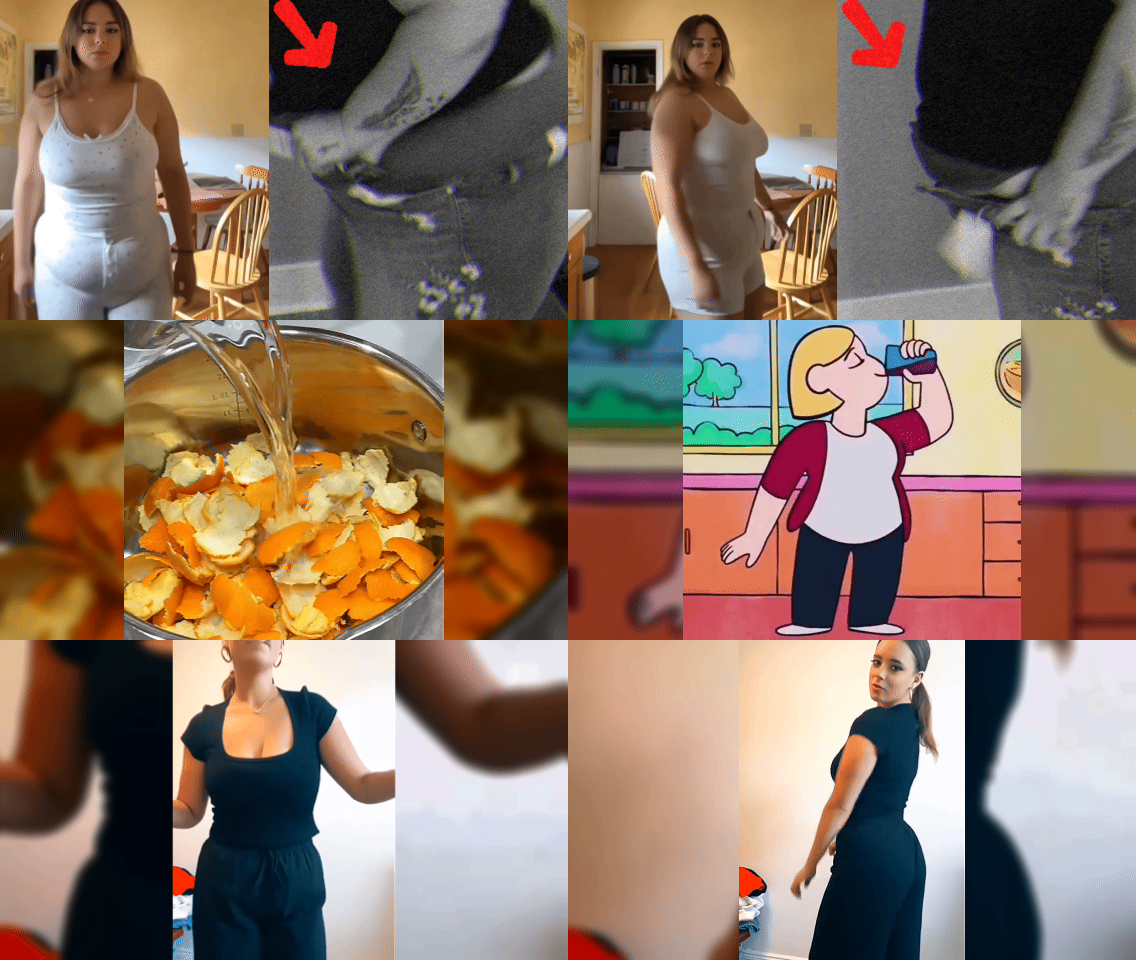
I didn’t expect this to make such a difference, but it actually explains a lot…

Before you get frustrated with your progress again,
watch this video — it might change your perspective completely.

Natural Ways to Support Fat Burning

Losing weight can feel like an uphill battle, especially when you’re bombarded with conflicting advice, trendy diets, and promises of quick results. But the truth is, sustainable fat loss doesn’t come from extreme restrictions or shortcuts—it comes from supporting your body’s natural ability to burn fat efficiently.

If you’ve been searching for realistic, science-backed strategies that actually work, this guide will walk you through natural ways to support fat burning without harming your health or sanity. These methods are simple, effective, and can be done right at home.

Understanding How Fat Burning Works

Before diving into solutions, it’s important to understand how fat burning actually happens.

Your body stores excess energy as fat. When you consume fewer calories than you burn, your body taps into these fat stores for energy. However, this process is influenced by multiple factors, including metabolism, hormones, activity level, sleep, and nutrition.

Supporting fat burning naturally means optimizing these factors so your body becomes more efficient at using fat as fuel.

1. Prioritize Protein in Every Meal

Protein is one of the most powerful nutrients when it comes to fat loss. It increases your metabolic rate through the thermic effect of food, helps preserve lean muscle mass, and keeps you feeling full longer.

When you eat more protein:

  • Your body burns more calories during digestion
  • You reduce cravings and unnecessary snacking
  • You maintain muscle, which supports long-term fat burning

Great sources of protein include eggs, chicken, fish, tofu, Greek yogurt, beans, and lentils. Aim to include protein in every meal to maximize its benefits.

2. Build Muscle Through Strength Training

Muscle is metabolically active tissue, meaning it burns more calories than fat—even at rest. The more muscle you have, the more calories your body burns throughout the day.

You don’t need a gym to start building muscle. At-home workouts can be just as effective:

  • Squats
  • Push-ups
  • Lunges
  • Planks
  • Resistance band exercises

Consistency is key. Aim for at least 3 sessions per week to gradually increase your strength and metabolism.

3. Stay Active Beyond Workouts

Many people focus only on exercise, but daily movement plays a huge role in fat burning. This includes everything from walking around your home to doing chores.

Increasing your non-exercise activity can significantly boost calorie burn without feeling like a workout.

Simple ways to stay active:

  • Walk while talking on the phone
  • Do light stretching during breaks
  • Clean or organize your space
  • Take short movement breaks every hour

These small actions add up and make a big difference over time.

4. Drink More Water

Hydration is essential for optimal fat metabolism. Your body needs water to break down fat and convert it into energy.

Drinking enough water can:

  • Increase calorie burn temporarily
  • Improve digestion
  • Reduce false hunger signals

Try starting your day with a glass of water and keep a bottle nearby to sip throughout the day.

5. Improve Your Sleep Quality

Sleep is one of the most underrated factors in fat loss. Poor sleep disrupts hormones like ghrelin and leptin, which regulate hunger and fullness.

When you don’t sleep enough:

  • You feel hungrier
  • You crave high-calorie foods
  • Your body stores more fat

Aim for 7–9 hours of quality sleep each night. Create a bedtime routine, reduce screen exposure, and keep your sleeping environment cool and dark.

6. Manage Stress Effectively

Chronic stress can sabotage your fat loss efforts. High levels of cortisol, the stress hormone, are linked to increased fat storage—especially around the belly.

To support fat burning, it’s important to manage stress daily.

Try:

  • Deep breathing exercises
  • Meditation or mindfulness
  • Journaling your thoughts
  • Spending time in nature
  • Listening to relaxing music

Even a few minutes a day can make a difference.

7. Choose Whole, Unprocessed Foods

Whole foods are naturally more filling, nutrient-dense, and supportive of fat burning compared to processed foods.

Focus on:

  • Vegetables and fruits
  • Lean proteins
  • Whole grains
  • Healthy fats like nuts, seeds, and olive oil

Processed foods often contain added sugars, unhealthy fats, and empty calories that can slow down your progress.

8. Don’t Skip Meals or Starve Yourself

Skipping meals might seem like a quick way to cut calories, but it often backfires. When you don’t eat enough, your body slows down its metabolism to conserve energy.

This can lead to:

  • Fat storage instead of fat burning
  • Low energy levels
  • Increased cravings later in the day

Instead, aim for balanced meals that keep your body fueled and your metabolism active.

9. Add Fiber to Your Diet

Fiber plays a crucial role in fat loss by improving digestion and promoting satiety.

High-fiber foods help you:

  • Feel full longer
  • Reduce overall calorie intake
  • Stabilize blood sugar levels

Include foods like vegetables, fruits, whole grains, beans, and seeds in your daily meals.

10. Use Natural Fat-Burning Boosters

Certain natural foods and beverages can give your fat-burning efforts a slight boost.

Examples include:

  • Green tea (rich in antioxidants and fat-burning compounds)
  • Coffee (contains caffeine, which increases energy expenditure)
  • Spicy foods (contain capsaicin, which may increase calorie burn)

While these are not miracle solutions, they can complement your overall strategy.

11. Be Consistent with Your Routine

One of the biggest mistakes people make is expecting instant results. Fat loss is a gradual process that requires consistency.

You don’t need to be perfect—you just need to stay consistent.

Focus on:

  • Building daily habits
  • Making small improvements over time
  • Staying committed even when progress feels slow

Consistency always beats intensity in the long run.

12. Listen to Your Body

Your body gives you signals about what it needs. Learning to listen to these signals can help you make better choices.

Pay attention to:

  • Hunger and fullness cues
  • Energy levels
  • Sleep quality
  • Mood and stress levels

When you align your habits with your body’s needs, fat burning becomes more natural and sustainable.

Final Thoughts

Supporting fat burning naturally is not about punishing your body—it’s about working with it. By focusing on nutrition, movement, sleep, and stress management, you create an environment where your body can efficiently burn fat and maintain a healthy weight.

Forget extreme diets and quick fixes. The real transformation happens when you build a lifestyle that supports your health every single day.

Start small. Choose a few strategies from this guide and implement them consistently. Over time, these simple habits will compound into powerful results—not just for fat loss, but for your overall well-being.

Remember, the goal is not just to lose weight—it’s to feel better, move better, and live better.

I didn’t expect this to make such a difference, but it actually explains a lot…

Before you get frustrated with your progress again,
watch this video — it might change your perspective completely.

My Honest Experience Trying to Burn Fat Naturally

If you’re reading this, chances are you’ve tried at least one “quick fix” for weight loss—and maybe it didn’t stick. I’ve been there too. For years, I jumped from one diet to another, hoping for fast results, only to gain the weight back and feel more frustrated than before.

This blog post is not about a miracle solution. It’s about my real, honest experience trying to burn fat naturally—without extreme dieting, pills, or unrealistic routines. If you’re looking for a sustainable way to lose weight, improve your energy, and feel good in your own body, keep reading.

Why I Chose Natural Fat Loss Over Quick Fixes

At one point, I realized something important: every “fast” solution came with a hidden cost—burnout, cravings, mood swings, or even health issues. I was tired of the cycle.

So I made a decision: instead of chasing rapid weight loss, I would focus on natural fat burning methods that support my body rather than fight against it.

Natural fat loss means:

  • Eating real, whole foods
  • Moving your body consistently
  • Improving sleep and stress levels
  • Building habits that last

It sounds simple—and it is—but that doesn’t mean it’s easy.

The First Reality Check: Fat Loss Takes Time

One of the hardest truths I had to accept was this: healthy fat loss is slow.

When I started, I expected visible results within a week. Instead, the first few weeks felt like nothing was happening. But behind the scenes, my body was adjusting.

Here’s what I learned:

  • Fat loss is not linear
  • The scale doesn’t always reflect progress
  • Consistency matters more than perfection

Once I stopped chasing quick results, everything became less stressful—and ironically, that’s when progress began.

What I Changed in My Diet (Without Going Extreme)

I didn’t follow a strict diet plan. Instead, I focused on improving my eating habits gradually.

1. I Stopped Eating Processed Foods Daily

I didn’t eliminate them completely—but I became aware of how often I consumed:

  • Sugary snacks
  • Fast food
  • Packaged meals

I replaced them with:

  • Whole foods like vegetables, fruits, lean proteins
  • Home-cooked meals
  • Simple, balanced dishes

This alone made a huge difference in how I felt.

2. I Increased Protein Intake

Protein became a key part of my meals. It helped me:

  • Stay full longer
  • Reduce cravings
  • Maintain muscle while losing fat

Some go-to protein sources I relied on:

  • Eggs
  • Chicken breast
  • Fish
  • Greek yogurt
  • Beans and legumes
3. I Learned to Eat Until Satisfied, Not Stuffed

Before, I used to eat until I was completely full—sometimes uncomfortable.

Now, I pay attention to my body:

  • Eat slowly
  • Stop when I feel satisfied
  • Avoid emotional eating when possible

This small shift helped reduce unnecessary calorie intake naturally.

4. I Drank More Water Than Ever Before

It sounds basic, but it works.

Drinking more water helped me:

  • Control hunger
  • Improve digestion
  • Stay energized

Sometimes what I thought was hunger was actually dehydration.

My Approach to Exercise: Keep It Simple

I used to think I needed intense workouts every day. That mindset led to burnout quickly.

Instead, I focused on consistency over intensity.

1. Walking Became My Secret Weapon

Walking is underrated.

I started with 20–30 minutes a day and gradually increased. It helped:

  • Burn calories
  • Reduce stress
  • Improve mood

It’s low-impact and easy to maintain long-term.

2. Strength Training 2–3 Times a Week

Building muscle is essential for fat loss.

I kept it simple:

  • Bodyweight exercises (squats, push-ups, lunges)
  • Light weights at home or gym

Benefits I noticed:

  • Better body shape
  • Increased metabolism
  • More strength and confidence
3. I Stopped Punishing Myself with Exercise

Exercise is not punishment for eating.

Once I changed my mindset, workouts became something I enjoyed—not something I feared.

The Hidden Factors That Changed Everything

Diet and exercise are important—but they’re not the whole picture.

1. Sleep Became a Priority

When I didn’t sleep well:

  • I craved sugar
  • I felt tired and unmotivated
  • My workouts suffered

Improving sleep helped regulate my appetite and energy levels.

2. Managing Stress Was Critical

Stress can lead to emotional eating and hormonal imbalance.

I started:

  • Taking breaks during the day
  • Practicing mindfulness
  • Spending time doing things I enjoy

Even small changes made a big difference.

3. I Let Go of Perfection

This might be the most important lesson.

I stopped thinking:

  • “I messed up today, so everything is ruined.”

Instead:

  • One bad meal doesn’t undo progress
  • Consistency over time matters more than daily perfection
The Results I Experienced

After a few months of sticking to natural fat loss habits, I noticed:

  • Gradual, steady fat loss
  • More energy throughout the day
  • Fewer cravings
  • Improved mood and confidence
  • Better relationship with food

It wasn’t dramatic overnight—but it was real and sustainable.

What Didn’t Work for Me

Let’s be honest—not everything works.

Here are things I tried that didn’t last:

  • Extreme calorie restriction (led to binge eating)
  • Overtraining (caused exhaustion)
  • Following trends without understanding my body
  • Relying on motivation instead of habits

These approaches might show short-term results, but they’re hard to maintain.

Tips If You Want to Burn Fat Naturally

If you’re starting your journey, here’s what I recommend:

Start Small

Don’t change everything at once. Pick 1–2 habits and build from there.

Be Patient

Real results take time—but they last longer.

Focus on Habits, Not Outcomes

Instead of obsessing over the scale, focus on:

  • Eating better
  • Moving more
  • Sleeping well
Listen to Your Body

Everyone is different. Pay attention to what works for you.

Stay Consistent

Even on days when you don’t feel motivated—show up in small ways.

Final Thoughts: It’s Not Just About Losing Weight

Burning fat naturally isn’t just about looking better—it’s about feeling better.

It’s about:

  • Having energy for your daily life
  • Feeling confident in your body
  • Building a lifestyle you don’t need to escape from

If you’ve struggled with weight loss before, know this: you don’t need extreme solutions. You need a sustainable approach that works with your body, not against it.

Your journey doesn’t have to be perfect—it just has to be consistent.

And over time, those small, natural changes can lead to powerful results.

Why Some Ingredients May Support Fat Metabolism

When it comes to weight loss, most people focus on calories, workouts, and willpower. While these are undeniably important, there’s another piece of the puzzle that often goes overlooked: the role of specific ingredients that may support fat metabolism.

Understanding how certain foods and compounds interact with your body can help you make smarter choices—not just to lose weight, but to improve your energy, consistency, and long-term results. This article explores the science behind fat metabolism, highlights key ingredients that may support it, and explains how to integrate them into your daily routine in a sustainable way.

What Is Fat Metabolism and Why Does It Matter?

Fat metabolism refers to the process by which your body breaks down fat and converts it into energy. This process involves a complex system of hormones, enzymes, and cellular activity.

In simple terms:

  • Stored fat is broken down into fatty acids
  • These fatty acids are transported into cells
  • Cells convert them into usable energy

When fat metabolism is efficient, your body becomes better at using fat as fuel instead of storing it. This is especially important for people trying to lose weight, improve endurance, or stabilize energy levels.

However, modern lifestyles—characterized by sedentary habits, processed foods, poor sleep, and stress—can slow down this process. That’s where certain ingredients may play a supportive role.

Can Ingredients Really Boost Fat Metabolism?

Let’s be clear: no ingredient is a magic solution. You cannot out-eat a poor diet or replace consistent habits with a single supplement or food.

However, research suggests that some natural compounds can:

  • Increase thermogenesis (calorie burning)
  • Enhance fat oxidation (using fat as fuel)
  • Improve insulin sensitivity
  • Support hormonal balance related to fat storage

When combined with a healthy lifestyle, these ingredients may give you a small but meaningful edge.

Key Ingredients That May Support Fat Metabolism
1. Green Tea Extract

Green tea is one of the most widely studied ingredients for fat metabolism. It contains catechins, particularly EGCG (epigallocatechin gallate), which may enhance fat oxidation.

Benefits include:

  • Increased calorie burning, especially during exercise
  • Improved fat utilization
  • Mild caffeine boost for energy

Drinking 2–3 cups of green tea daily or using a standardized extract may support your weight loss journey over time.

2. Caffeine

Caffeine is a natural stimulant found in coffee, tea, and some supplements. It works by stimulating the central nervous system and increasing adrenaline levels.

This can:

  • Promote fat breakdown
  • Increase metabolic rate temporarily
  • Improve workout performance

However, moderation is key. Excess caffeine can lead to anxiety, poor sleep, and dependency, which ultimately harm fat metabolism.

3. Protein-Rich Foods

Protein is not just for muscle building—it also plays a major role in fat metabolism.

Why protein matters:

  • It has a high thermic effect (burns more calories during digestion)
  • Helps preserve lean muscle mass
  • Keeps you full longer, reducing overeating

Good sources include:

  • Eggs
  • Lean meats
  • Fish
  • Legumes
  • Dairy products

Increasing your protein intake is one of the most effective and sustainable strategies for fat loss.

4. Capsaicin (from Chili Peppers)

Capsaicin is the compound that gives chili peppers their heat. It may slightly boost metabolism by increasing thermogenesis.

Potential benefits:

  • Increased calorie burning
  • Reduced appetite
  • Enhanced fat oxidation

While the effect is modest, adding spicy foods to your meals can be an easy and enjoyable way to support your metabolism.

5. Apple Cider Vinegar

Apple cider vinegar has gained popularity for its potential role in weight management.

Some studies suggest it may:

  • Improve blood sugar control
  • Reduce appetite
  • Support fat metabolism indirectly

A common approach is to dilute 1–2 tablespoons in water before meals. However, it should be used carefully to avoid digestive discomfort.

6. Omega-3 Fatty Acids

Found in fatty fish like salmon, sardines, and mackerel, omega-3s support overall metabolic health.

They may:

  • Reduce inflammation
  • Improve insulin sensitivity
  • Support fat oxidation

Healthy fats are essential for hormonal balance, which plays a critical role in how your body stores and burns fat.

7. Fiber-Rich Foods

Fiber doesn’t directly burn fat, but it creates the conditions for better fat metabolism.

Benefits include:

  • Improved digestion
  • Stabilized blood sugar
  • Increased satiety

High-fiber foods such as vegetables, fruits, whole grains, and seeds help regulate appetite and prevent overeating.

How to Use These Ingredients Effectively

The key is not to rely on a single ingredient, but to build a lifestyle where these elements naturally fit in.

Here’s a simple framework:

Start your day with protein
Include eggs, yogurt, or a protein smoothie to kickstart metabolism and reduce cravings.

Drink smarter
Replace sugary beverages with green tea or black coffee (in moderation).

Add spice to meals
Incorporate chili peppers or spicy sauces to increase thermogenesis.

Focus on whole foods
Prioritize unprocessed, nutrient-dense foods rich in fiber and healthy fats.

Stay consistent
Small daily habits matter more than occasional extreme efforts.

Common Mistakes to Avoid

Even with the right ingredients, certain mistakes can slow your progress:

Relying on supplements alone
No supplement can replace a balanced diet and active lifestyle.

Ignoring sleep and stress
Poor sleep and high stress levels disrupt hormones that control fat metabolism.

Overeating “healthy” foods
Calories still matter. Even nutritious foods can lead to weight gain if consumed in excess.

Expecting quick results
Fat metabolism improvements take time. Consistency is the real secret.

The Bigger Picture: Metabolism Is a System, Not a Shortcut

It’s tempting to search for a single solution—a fat-burning ingredient that will transform your body overnight. But real, lasting weight loss comes from understanding that your metabolism is influenced by many interconnected factors:

  • Nutrition
  • Physical activity
  • Sleep quality
  • Stress levels
  • Hormonal balance

Ingredients can support the system, but they cannot replace it.

Think of them as tools, not answers.

Final Thoughts

Supporting fat metabolism is not about finding a miracle ingredient—it’s about making smarter, more informed choices every day.

By incorporating ingredients like green tea, protein, fiber, and healthy fats into a balanced lifestyle, you create an environment where your body can function more efficiently.

And that’s the real goal: not just losing weight, but building a body that works with you, not against you.

Start small. Stay consistent. Let your habits compound over time.