
Natural Ways to Support Fat Burning

Losing weight can feel like an uphill battle, especially when you’re bombarded with conflicting advice, trendy diets, and promises of quick results. But the truth is, sustainable fat loss doesn’t come from extreme restrictions or shortcuts—it comes from supporting your body’s natural ability to burn fat efficiently.

If you’ve been searching for realistic, science-backed strategies that actually work, this guide will walk you through natural ways to support fat burning without harming your health or sanity. These methods are simple, effective, and can be done right at home.

Understanding How Fat Burning Works

Before diving into solutions, it’s important to understand how fat burning actually happens.

Your body stores excess energy as fat. When you consume fewer calories than you burn, your body taps into these fat stores for energy. However, this process is influenced by multiple factors, including metabolism, hormones, activity level, sleep, and nutrition.

Supporting fat burning naturally means optimizing these factors so your body becomes more efficient at using fat as fuel.

1. Prioritize Protein in Every Meal

Protein is one of the most powerful nutrients when it comes to fat loss. It increases your metabolic rate through the thermic effect of food, helps preserve lean muscle mass, and keeps you feeling full longer.

When you eat more protein:

  • Your body burns more calories during digestion
  • You reduce cravings and unnecessary snacking
  • You maintain muscle, which supports long-term fat burning

Great sources of protein include eggs, chicken, fish, tofu, Greek yogurt, beans, and lentils. Aim to include protein in every meal to maximize its benefits.

2. Build Muscle Through Strength Training

Muscle is metabolically active tissue, meaning it burns more calories than fat—even at rest. The more muscle you have, the more calories your body burns throughout the day.

You don’t need a gym to start building muscle. At-home workouts can be just as effective:

  • Squats
  • Push-ups
  • Lunges
  • Planks
  • Resistance band exercises

Consistency is key. Aim for at least 3 sessions per week to gradually increase your strength and metabolism.

3. Stay Active Beyond Workouts

Many people focus only on exercise, but daily movement plays a huge role in fat burning. This includes everything from walking around your home to doing chores.

Increasing your non-exercise activity can significantly boost calorie burn without feeling like a workout.

Simple ways to stay active:

  • Walk while talking on the phone
  • Do light stretching during breaks
  • Clean or organize your space
  • Take short movement breaks every hour

These small actions add up and make a big difference over time.

4. Drink More Water

Hydration is essential for optimal fat metabolism. Your body needs water to break down fat and convert it into energy.

Drinking enough water can:

  • Increase calorie burn temporarily
  • Improve digestion
  • Reduce false hunger signals

Try starting your day with a glass of water and keep a bottle nearby to sip throughout the day.

5. Improve Your Sleep Quality

Sleep is one of the most underrated factors in fat loss. Poor sleep disrupts hormones like ghrelin and leptin, which regulate hunger and fullness.

When you don’t sleep enough:

  • You feel hungrier
  • You crave high-calorie foods
  • Your body stores more fat

Aim for 7–9 hours of quality sleep each night. Create a bedtime routine, reduce screen exposure, and keep your sleeping environment cool and dark.

6. Manage Stress Effectively

Chronic stress can sabotage your fat loss efforts. High levels of cortisol, the stress hormone, are linked to increased fat storage—especially around the belly.

To support fat burning, it’s important to manage stress daily.

Try:

  • Deep breathing exercises
  • Meditation or mindfulness
  • Journaling your thoughts
  • Spending time in nature
  • Listening to relaxing music

Even a few minutes a day can make a difference.

7. Choose Whole, Unprocessed Foods

Whole foods are naturally more filling, nutrient-dense, and supportive of fat burning compared to processed foods.

Focus on:

  • Vegetables and fruits
  • Lean proteins
  • Whole grains
  • Healthy fats like nuts, seeds, and olive oil

Processed foods often contain added sugars, unhealthy fats, and empty calories that can slow down your progress.

8. Don’t Skip Meals or Starve Yourself

Skipping meals might seem like a quick way to cut calories, but it often backfires. When you don’t eat enough, your body slows down its metabolism to conserve energy.

This can lead to:

  • Fat storage instead of fat burning
  • Low energy levels
  • Increased cravings later in the day

Instead, aim for balanced meals that keep your body fueled and your metabolism active.

9. Add Fiber to Your Diet

Fiber plays a crucial role in fat loss by improving digestion and promoting satiety.

High-fiber foods help you:

  • Feel full longer
  • Reduce overall calorie intake
  • Stabilize blood sugar levels

Include foods like vegetables, fruits, whole grains, beans, and seeds in your daily meals.

10. Use Natural Fat-Burning Boosters

Certain natural foods and beverages can give your fat-burning efforts a slight boost.

Examples include:

  • Green tea (rich in antioxidants and fat-burning compounds)
  • Coffee (contains caffeine, which increases energy expenditure)
  • Spicy foods (contain capsaicin, which may increase calorie burn)

While these are not miracle solutions, they can complement your overall strategy.

11. Be Consistent with Your Routine

One of the biggest mistakes people make is expecting instant results. Fat loss is a gradual process that requires consistency.

You don’t need to be perfect—you just need to stay consistent.

Focus on:

  • Building daily habits
  • Making small improvements over time
  • Staying committed even when progress feels slow

Consistency always beats intensity in the long run.

12. Listen to Your Body

Your body gives you signals about what it needs. Learning to listen to these signals can help you make better choices.

Pay attention to:

  • Hunger and fullness cues
  • Energy levels
  • Sleep quality
  • Mood and stress levels

When you align your habits with your body’s needs, fat burning becomes more natural and sustainable.

Final Thoughts

Supporting fat burning naturally is not about punishing your body—it’s about working with it. By focusing on nutrition, movement, sleep, and stress management, you create an environment where your body can efficiently burn fat and maintain a healthy weight.

Forget extreme diets and quick fixes. The real transformation happens when you build a lifestyle that supports your health every single day.

Start small. Choose a few strategies from this guide and implement them consistently. Over time, these simple habits will compound into powerful results—not just for fat loss, but for your overall well-being.

Remember, the goal is not just to lose weight—it’s to feel better, move better, and live better.

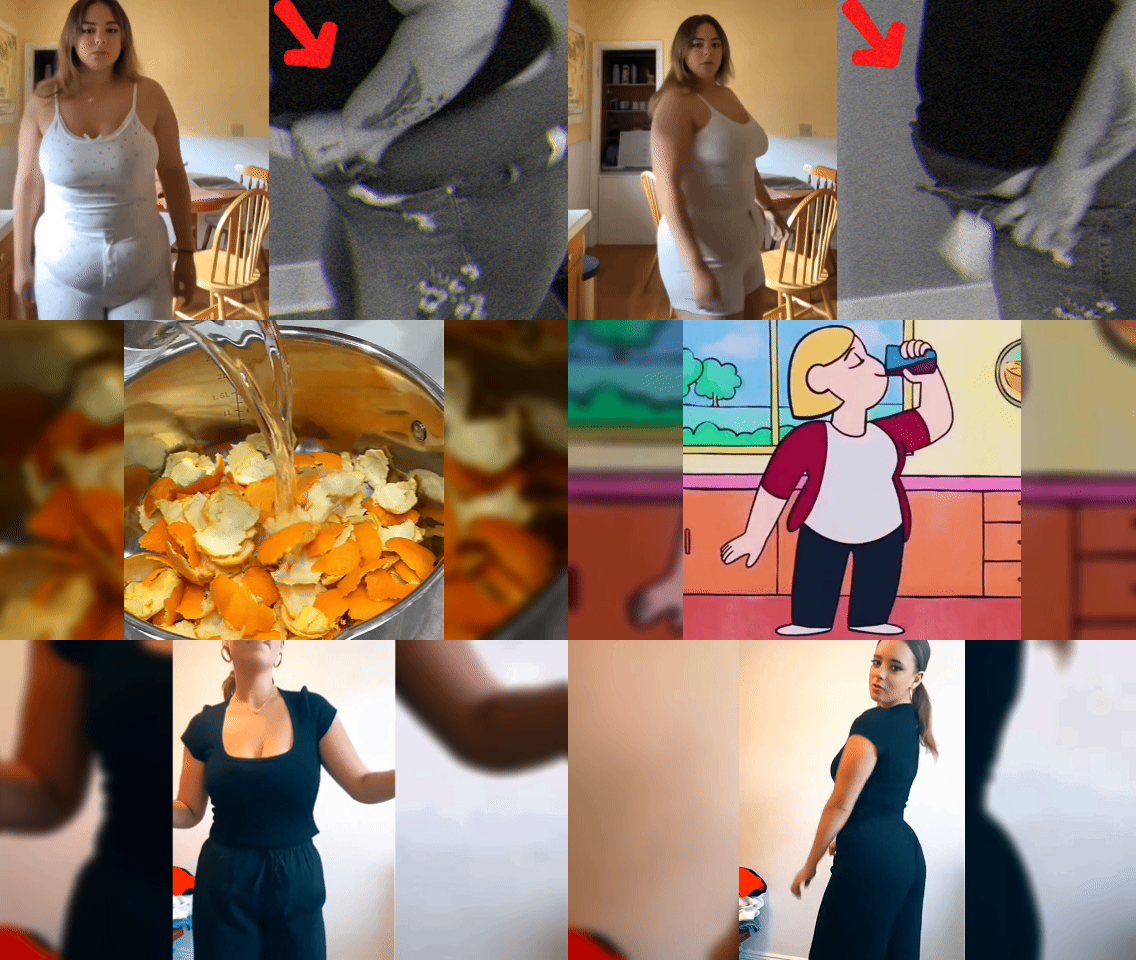
I didn’t expect this to make such a difference, but it actually explains a lot…

Before you get frustrated with your progress again,
watch this video — it might change your perspective completely.
Why Liver Health Is the Missing Key in Most Weight Loss Programs

Have you ever wondered why, despite dieting, exercising, or even fasting, your weight barely changes—or worse, keeps creeping up? You’re not alone. Millions of people struggle with stubborn belly fat, bloating, and sluggish metabolism even after following “perfect” weight loss routines. The truth is, most weight loss programs overlook one of the most powerful yet underrated organs in your body: the liver.

Your liver doesn’t just filter toxins. It plays a central role in fat burning, metabolism, hormone balance, and digestion—all of which are critical for healthy and sustainable weight loss. When your liver isn’t working at its best, your body holds onto fat, your cravings intensify, and your energy plummets.

In this in-depth guide, we’ll explore how liver health directly affects your ability to lose weight, the hidden signs of a sluggish liver, and natural ways to rejuvenate it for lasting fat loss and renewed energy.

The Forgotten Role of the Liver in Weight Management

The liver is often called the body’s “metabolic command center.” It processes everything you eat, drink, and breathe, converting nutrients into usable energy while neutralizing harmful substances. But beyond detoxification, it also controls how your body stores or burns fat.

Here’s what your liver does every day to keep your metabolism running smoothly:

  1. Regulates Fat Metabolism
    The liver breaks down dietary fats and determines whether they’ll be used for energy or stored as fat. If your liver is overburdened, it can’t metabolize fats efficiently—leading to fatty buildup and weight gain, especially around the abdomen.
  2. Balances Blood Sugar Levels
    By storing and releasing glucose, the liver prevents energy crashes and sugar cravings. A sluggish liver often leads to unstable blood sugar, causing you to crave sweets and carbs, which further fuels fat storage.
  3. Processes Hormones
    Hormones like estrogen, insulin, and thyroid hormones depend on the liver for regulation. When liver detox pathways are congested, hormonal imbalance follows—making fat loss much harder, particularly for women.
  4. Removes Toxins That Stall Fat Loss
    The liver filters out thousands of toxins daily from processed foods, alcohol, pollution, and medications. If these toxins accumulate, your body reacts defensively—storing fat to “lock away” harmful substances, protecting your vital organs.

When the liver becomes sluggish, your body shifts into fat-storage mode instead of fat-burning mode.

Signs Your Liver May Be Blocking Your Weight Loss

Most people have no idea their liver is holding them back. Here are subtle but common warning signs that your liver may need attention:

  • Stubborn belly fat that won’t go away, even with exercise
  • Constant bloating or slow digestion
  • Low energy and fatigue after meals
  • Sugar or carb cravings, especially at night
  • Brain fog and poor concentration
  • Dull or oily skin, breakouts, or dark spots
  • Waking up between 1–3 a.m. (when the liver is most active)
  • Difficulty losing weight despite calorie restriction

If these symptoms sound familiar, your liver might be overloaded and unable to support optimal fat metabolism.

How Modern Lifestyles Overload the Liver

The modern world bombards our livers with more toxins and stressors than ever before. Even people who think they’re living “healthy” are unknowingly exposing themselves to substances that clog the liver’s detox pathways.

Here are the biggest culprits:

  • Ultra-processed foods and refined sugars – Increase fat buildup in the liver.
  • Excessive alcohol and caffeine – Overwork detox enzymes.
  • Environmental toxins – Found in plastics, cleaning products, and polluted air.
  • Medications – Many common painkillers, birth control pills, and antibiotics strain liver function.
  • Lack of sleep and chronic stress – Elevate cortisol, which interferes with liver detoxification.

Over time, these factors slow down the liver’s ability to break down fat and balance hormones, leading to stubborn weight gain and exhaustion.

The Science Behind Liver Fat and Weight Gain

When the liver becomes overwhelmed by toxins or poor diet, fat starts accumulating inside liver cells—a condition known as fatty liver. This buildup doesn’t just affect the liver itself; it disrupts the entire metabolic system.

A fatty liver struggles to regulate insulin and process nutrients effectively. The body’s response is to store more fat in other areas, especially the belly. Studies have shown that improving liver function often leads to measurable fat loss—even without changing calorie intake.

That’s why focusing on liver health can be the game-changer for people who have “tried everything” and still can’t lose weight.

How Supporting Your Liver Can Unlock Fat Burning

Once you start supporting your liver, you may notice improvements not only in your weight but also in your mood, digestion, and focus. Here’s how a healthy liver enhances fat loss:

  1. Enhanced Fat Burning
    A clean, well-functioning liver efficiently converts stored fat into energy, increasing your metabolic rate and helping you burn calories even at rest.
  2. Stable Blood Sugar
    Balanced liver function prevents sugar crashes and cravings, making it easier to stick to a healthy diet without feeling deprived.
  3. Hormone Balance
    With toxins and excess estrogen cleared out, your body can regulate insulin and thyroid hormones more effectively, leading to consistent fat burning.
  4. Reduced Inflammation
    Chronic inflammation caused by liver dysfunction makes fat loss harder. A healthy liver reduces inflammation, easing fat metabolism.
  5. Better Digestion and Nutrient Absorption
    A clean liver supports bile production, helping your body absorb fat-soluble vitamins (A, D, E, K) that promote metabolism and overall vitality.

Natural Ways to Restore Liver Health for Weight Loss

You don’t need an extreme detox or expensive supplements to revitalize your liver. Instead, focus on consistent, natural habits that give your liver the nutrients and support it needs to regenerate.

1. Eat Liver-Loving Foods Daily
Incorporate these powerhouse foods into your meals:

  • Leafy greens (spinach, kale) – bind heavy metals and toxins.
  • Beets and carrots – enhance bile flow and detoxification.
  • Garlic and onions – activate liver enzymes.
  • Turmeric – reduces inflammation and protects liver cells.
  • Avocados and olive oil – support fat metabolism.
  • Lemon and apple cider vinegar – help alkalize and stimulate digestion.

2. Stay Hydrated and Support Detox Pathways
Drink plenty of water and herbal teas like dandelion root, milk thistle, or green tea to flush toxins naturally.

3. Reduce Sugar, Alcohol, and Processed Foods
These create fat buildup and oxidative stress in the liver. Choose whole, unprocessed foods whenever possible.

4. Move Your Body Regularly
Exercise improves circulation, enhances detoxification, and reduces insulin resistance—all crucial for liver health and fat burning.

5. Get Sufficient Sleep
The liver performs its most intensive detox work during deep sleep, especially between 1–3 a.m. Poor sleep equals poor detoxification.

6. Manage Stress Levels
Chronic stress raises cortisol, which hinders liver function and increases belly fat. Incorporate breathing exercises, journaling, or nature walks into your routine.

7. Consider Gentle Liver Support Supplements

  • Milk thistle – regenerates liver cells.
  • N-acetyl cysteine (NAC) – boosts glutathione, the body’s master detoxifier.
  • Dandelion root – promotes bile production.
  • Artichoke extract – supports digestion and fat metabolism.

What Happens When Your Liver Heals

Once your liver starts functioning optimally again, you may notice profound shifts in how your body feels and responds:

  • Faster fat loss, especially around the abdomen
  • Reduced bloating and water retention
  • Steadier energy levels and sharper focus
  • Fewer sugar cravings
  • Better mood and sleep quality
  • Radiant skin and improved digestion

The transformation doesn’t just show up on the scale—it shows up in how you feel every single day.

The Bottom Line

The liver is the unsung hero of your metabolism. When it’s overworked or sluggish, even the strictest diet or workout routine can fail. But when you give it the right care, your body’s natural fat-burning machinery switches back on.

If you’ve been struggling with stubborn weight or low energy, it’s time to look beyond calories and exercise. Focus on healing your liver—your body’s most powerful ally in sustainable, effortless weight loss.

When your liver thrives, your metabolism thrives. And when your metabolism thrives, lasting fat loss becomes not just possible—but inevitable.