
From Constant Dieting to Sustainable Fat Loss

If you’ve ever found yourself jumping from one diet to another—keto this month, intermittent fasting the next, and a detox plan somewhere in between—you’re not alone. The cycle of constant dieting is exhausting, both physically and mentally. You start with motivation, see some initial results, then hit a plateau… and eventually fall back into old habits.

Then comes the frustration, the guilt, and the inevitable question: Why can’t I make this work?

Here’s the truth that most diet culture won’t tell you: the problem isn’t your willpower. The problem is the approach.

Sustainable fat loss doesn’t come from extreme restriction or short-term plans. It comes from understanding your body, building consistent habits, and creating a lifestyle you can maintain long after the initial motivation fades.

This article will guide you through the journey from constant dieting to sustainable fat loss—and show you how to finally break free from the cycle.

The Hidden Cost of Constant Dieting

At first glance, dieting seems like the logical solution to weight loss. Eat less, lose weight, and achieve your goals. But when dieting becomes a repeated cycle, it creates more harm than progress.

The Dieting Loop

Most people experience a pattern that looks like this:

  1. Start a strict diet with high motivation
  2. Lose weight quickly in the beginning
  3. Hit a plateau as progress slows
  4. Feel deprived, tired, and frustrated
  5. Slip back into old eating habits
  6. Regain the weight (sometimes more)
  7. Start another diet and repeat

This cycle doesn’t just affect your body—it impacts your mindset. Over time, you begin to associate weight loss with struggle, failure, and inconsistency.

The Metabolic Impact

Frequent dieting—especially extreme calorie restriction—can slow down your metabolism. Your body adapts to lower energy intake by conserving calories, making it harder to lose fat over time.

This means that each new diet often feels harder than the last, even if you’re doing “everything right.”

The Emotional Toll

Constant dieting can also damage your relationship with food. You may begin to:

  • Label foods as “good” or “bad”
  • Feel guilty for eating certain meals
  • Develop an all-or-nothing mindset
  • Experience cycles of restriction and overeating

Sustainable fat loss requires not just physical change, but mental and emotional balance as well.

What Sustainable Fat Loss Really Means

Sustainable fat loss is not about losing weight as fast as possible. It’s about losing fat in a way that you can maintain for life.

It focuses on:

  • Long-term habits over short-term results
  • Nourishing your body instead of depriving it
  • Building strength, not just shrinking your size
  • Creating a lifestyle that supports your goals

The goal is simple: achieve results that last.

The Mindset Shift That Changes Everything

The transition from constant dieting to sustainable fat loss begins with a shift in how you think.

Instead of asking:
“How quickly can I lose this weight?”

Start asking:
“How can I build a lifestyle that makes this weight loss permanent?”

This shift moves you away from urgency and toward consistency. And consistency is where real transformation happens.

The Foundations of Sustainable Fat Loss

Let’s break down the key principles that support long-term success.

1. Stop Chasing Perfection

Perfection is one of the biggest obstacles to sustainable fat loss.

You don’t need to eat perfectly every day. You don’t need to follow a strict plan without deviation. What you need is consistency over time.

A single “imperfect” meal doesn’t ruin your progress—just like one healthy meal doesn’t create it.

Focus on progress, not perfection.

2. Build Balanced Meals

Instead of cutting out entire food groups, aim for balance in every meal. A well-rounded plate typically includes:

  • Protein for muscle and satiety
  • Healthy fats for hormone function
  • Carbohydrates for energy
  • Fiber for digestion and fullness

This approach helps stabilize blood sugar, reduce cravings, and keep your energy levels consistent.

3. Prioritize Protein and Fiber

If there are two nutrients that can make the biggest difference in fat loss, they are protein and fiber.

Protein helps preserve muscle mass and keeps you feeling full longer, while fiber slows digestion and supports gut health.

Together, they create meals that are both satisfying and supportive of your goals.

4. Move Your Body with Purpose

Exercise should not be a punishment for eating—it should be a tool for building strength and improving health.

A sustainable approach includes:

  • Strength training to build muscle and boost metabolism
  • Moderate cardio for heart health and calorie burn
  • Daily movement like walking to stay active

Find activities you enjoy, and you’ll be more likely to stick with them.

5. Focus on Habits, Not Hacks

Quick fixes rarely lead to lasting results.

Instead of searching for the next “magic solution,” invest your energy in building habits that support your goals:

  • Preparing meals ahead of time
  • Staying hydrated
  • Getting enough sleep
  • Managing stress

These habits may seem simple, but their impact compounds over time.

6. Learn to Listen to Your Body

Your body gives you signals—hunger, fullness, energy levels, cravings. Sustainable fat loss requires learning how to respond to these signals instead of ignoring them.

Eat when you’re hungry. Stop when you’re satisfied. Pay attention to how different foods make you feel.

This awareness helps you build a healthier, more intuitive relationship with food.

Why Slow Progress Is Actually Better

In a world that celebrates rapid transformation, slow progress can feel discouraging. But in reality, it’s a sign that you’re doing things right.

When you lose weight gradually:

  • You’re more likely to maintain muscle mass
  • Your metabolism stays more stable
  • Your habits become deeply ingrained
  • The results are easier to maintain

Fast results often fade quickly. Slow results tend to last.

Breaking Free from the All-or-Nothing Mindset

One of the most damaging beliefs in dieting is the idea that you’re either “on track” or “off track.”

This mindset leads to extremes—strict restriction followed by complete abandonment.

Sustainable fat loss lives in the middle.

You can enjoy a treat without losing progress. You can miss a workout and still stay consistent. You can have imperfect days and still succeed.

The key is to keep going.

Creating a Lifestyle You Don’t Need to Escape From

Many diets fail because they are too restrictive to maintain long-term. If your plan feels like something you can only do for a few weeks, it’s not sustainable.

Ask yourself:

  • Can I eat this way for the next year?
  • Can I maintain this routine with my current lifestyle?
  • Does this approach support my overall well-being?

If the answer is no, it’s time to adjust.

Your goal is to create a lifestyle that feels natural—not forced.

The Long-Term Benefits of Sustainable Fat Loss

When you move away from constant dieting and embrace a sustainable approach, the benefits extend far beyond weight loss.

You’ll experience:

  • More consistent energy levels
  • Improved relationship with food
  • Greater confidence in your habits
  • Reduced stress around eating and exercise
  • Long-lasting results that don’t require constant restarting

This is not just about changing your body—it’s about improving your quality of life.

Final Thoughts: Your Journey Starts Here

If you’ve been stuck in the cycle of constant dieting, it’s not because you’ve failed. It’s because you’ve been following a system that wasn’t designed for long-term success.

Sustainable fat loss is not about doing more—it’s about doing things differently.

It’s about choosing consistency over intensity, balance over restriction, and progress over perfection.

You don’t need another diet.

You need a better approach.

And the moment you decide to stop chasing quick fixes and start building lasting habits is the moment everything begins to change.

I didn’t expect this to make such a difference, but it actually explains a lot…

I came across this and found it really interesting.
Take a minute to watch the video below and see what you think.
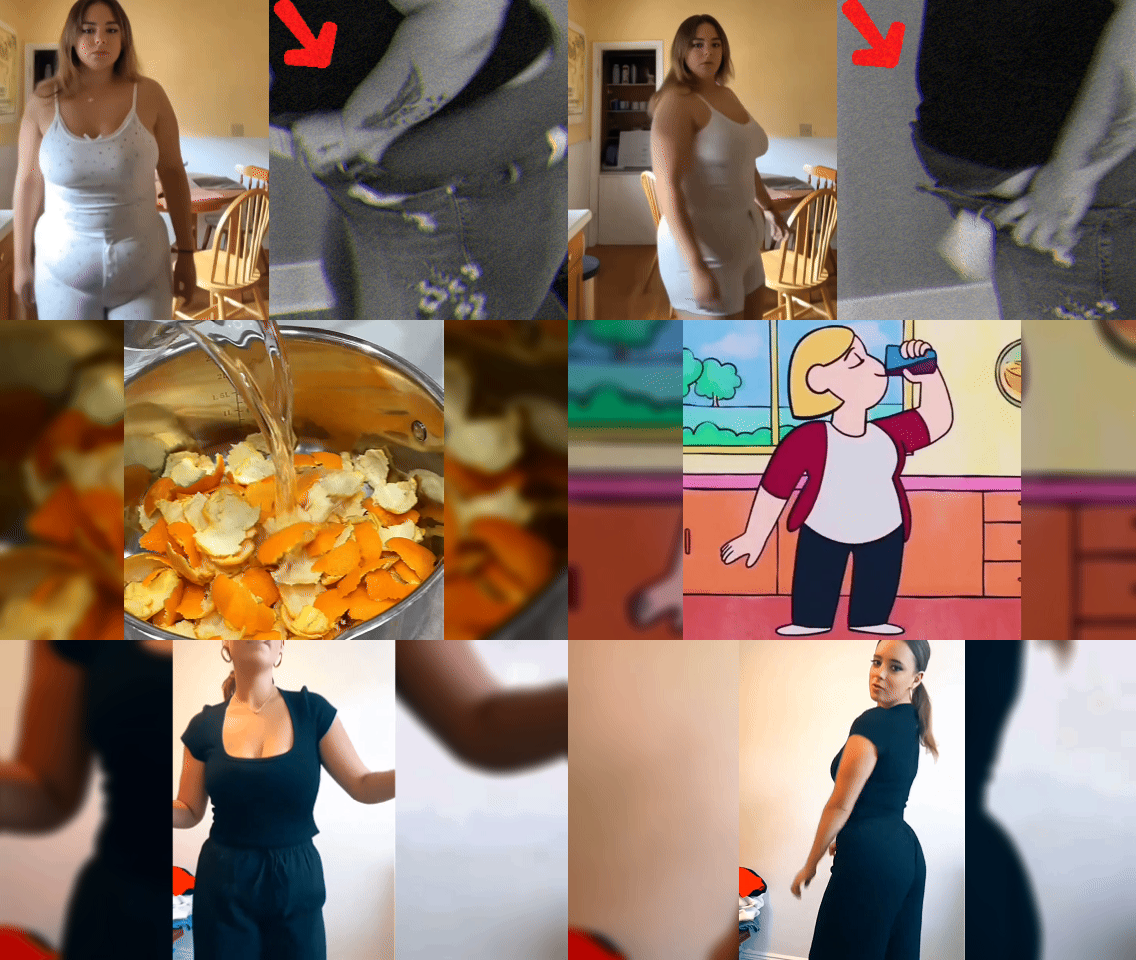
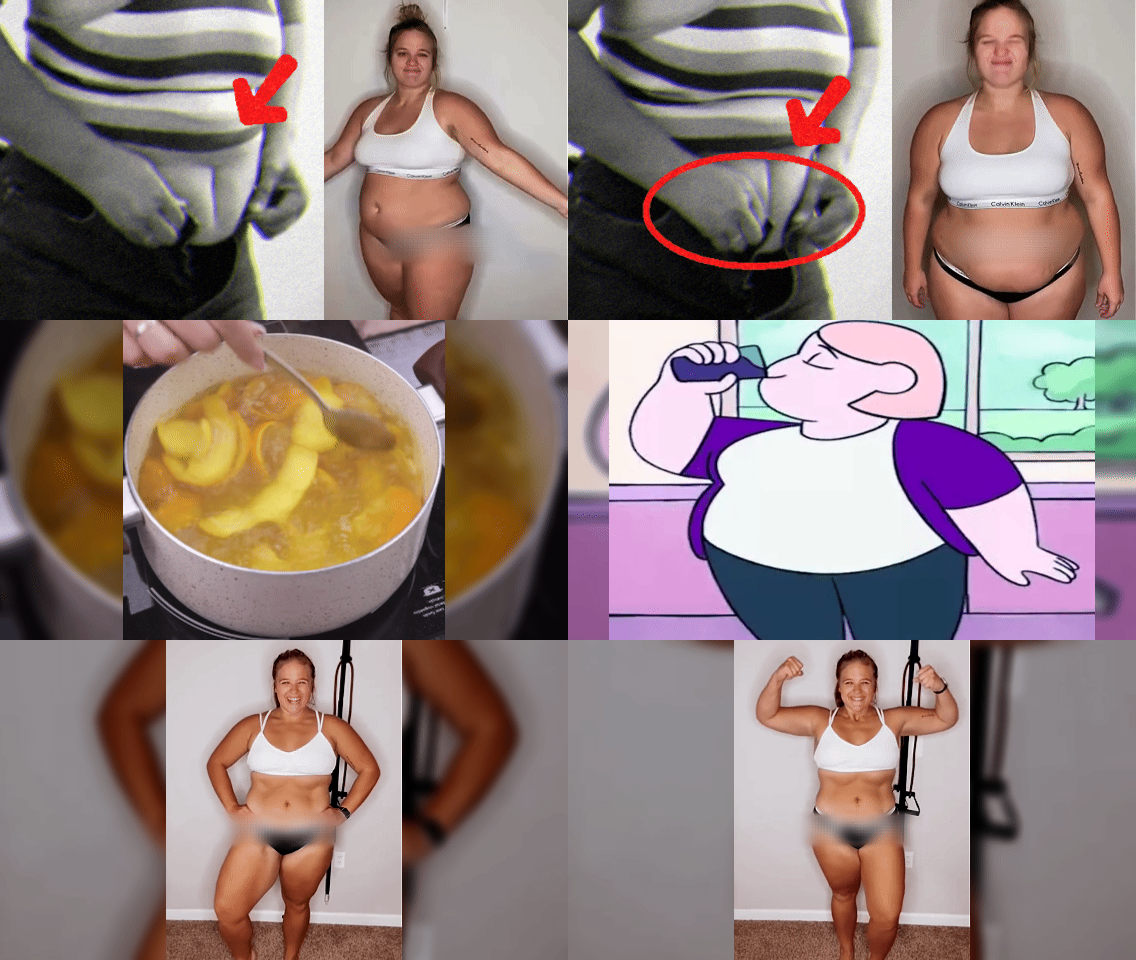
My Honest Experience Trying to Burn Fat Naturally

If you’re reading this, chances are you’ve tried at least one “quick fix” for weight loss—and maybe it didn’t stick. I’ve been there too. For years, I jumped from one diet to another, hoping for fast results, only to gain the weight back and feel more frustrated than before.

This blog post is not about a miracle solution. It’s about my real, honest experience trying to burn fat naturally—without extreme dieting, pills, or unrealistic routines. If you’re looking for a sustainable way to lose weight, improve your energy, and feel good in your own body, keep reading.

Why I Chose Natural Fat Loss Over Quick Fixes

At one point, I realized something important: every “fast” solution came with a hidden cost—burnout, cravings, mood swings, or even health issues. I was tired of the cycle.

So I made a decision: instead of chasing rapid weight loss, I would focus on natural fat burning methods that support my body rather than fight against it.

Natural fat loss means:

  • Eating real, whole foods
  • Moving your body consistently
  • Improving sleep and stress levels
  • Building habits that last

It sounds simple—and it is—but that doesn’t mean it’s easy.

The First Reality Check: Fat Loss Takes Time

One of the hardest truths I had to accept was this: healthy fat loss is slow.

When I started, I expected visible results within a week. Instead, the first few weeks felt like nothing was happening. But behind the scenes, my body was adjusting.

Here’s what I learned:

  • Fat loss is not linear
  • The scale doesn’t always reflect progress
  • Consistency matters more than perfection

Once I stopped chasing quick results, everything became less stressful—and ironically, that’s when progress began.

What I Changed in My Diet (Without Going Extreme)

I didn’t follow a strict diet plan. Instead, I focused on improving my eating habits gradually.

1. I Stopped Eating Processed Foods Daily

I didn’t eliminate them completely—but I became aware of how often I consumed:

  • Sugary snacks
  • Fast food
  • Packaged meals

I replaced them with:

  • Whole foods like vegetables, fruits, lean proteins
  • Home-cooked meals
  • Simple, balanced dishes

This alone made a huge difference in how I felt.

2. I Increased Protein Intake

Protein became a key part of my meals. It helped me:

  • Stay full longer
  • Reduce cravings
  • Maintain muscle while losing fat

Some go-to protein sources I relied on:

  • Eggs
  • Chicken breast
  • Fish
  • Greek yogurt
  • Beans and legumes
3. I Learned to Eat Until Satisfied, Not Stuffed

Before, I used to eat until I was completely full—sometimes uncomfortable.

Now, I pay attention to my body:

  • Eat slowly
  • Stop when I feel satisfied
  • Avoid emotional eating when possible

This small shift helped reduce unnecessary calorie intake naturally.

4. I Drank More Water Than Ever Before

It sounds basic, but it works.

Drinking more water helped me:

  • Control hunger
  • Improve digestion
  • Stay energized

Sometimes what I thought was hunger was actually dehydration.

My Approach to Exercise: Keep It Simple

I used to think I needed intense workouts every day. That mindset led to burnout quickly.

Instead, I focused on consistency over intensity.

1. Walking Became My Secret Weapon

Walking is underrated.

I started with 20–30 minutes a day and gradually increased. It helped:

  • Burn calories
  • Reduce stress
  • Improve mood

It’s low-impact and easy to maintain long-term.

2. Strength Training 2–3 Times a Week

Building muscle is essential for fat loss.

I kept it simple:

  • Bodyweight exercises (squats, push-ups, lunges)
  • Light weights at home or gym

Benefits I noticed:

  • Better body shape
  • Increased metabolism
  • More strength and confidence
3. I Stopped Punishing Myself with Exercise

Exercise is not punishment for eating.

Once I changed my mindset, workouts became something I enjoyed—not something I feared.

The Hidden Factors That Changed Everything

Diet and exercise are important—but they’re not the whole picture.

1. Sleep Became a Priority

When I didn’t sleep well:

  • I craved sugar
  • I felt tired and unmotivated
  • My workouts suffered

Improving sleep helped regulate my appetite and energy levels.

2. Managing Stress Was Critical

Stress can lead to emotional eating and hormonal imbalance.

I started:

  • Taking breaks during the day
  • Practicing mindfulness
  • Spending time doing things I enjoy

Even small changes made a big difference.

3. I Let Go of Perfection

This might be the most important lesson.

I stopped thinking:

  • “I messed up today, so everything is ruined.”

Instead:

  • One bad meal doesn’t undo progress
  • Consistency over time matters more than daily perfection
The Results I Experienced

After a few months of sticking to natural fat loss habits, I noticed:

  • Gradual, steady fat loss
  • More energy throughout the day
  • Fewer cravings
  • Improved mood and confidence
  • Better relationship with food

It wasn’t dramatic overnight—but it was real and sustainable.

What Didn’t Work for Me

Let’s be honest—not everything works.

Here are things I tried that didn’t last:

  • Extreme calorie restriction (led to binge eating)
  • Overtraining (caused exhaustion)
  • Following trends without understanding my body
  • Relying on motivation instead of habits

These approaches might show short-term results, but they’re hard to maintain.

Tips If You Want to Burn Fat Naturally

If you’re starting your journey, here’s what I recommend:

Start Small

Don’t change everything at once. Pick 1–2 habits and build from there.

Be Patient

Real results take time—but they last longer.

Focus on Habits, Not Outcomes

Instead of obsessing over the scale, focus on:

  • Eating better
  • Moving more
  • Sleeping well
Listen to Your Body

Everyone is different. Pay attention to what works for you.

Stay Consistent

Even on days when you don’t feel motivated—show up in small ways.

Final Thoughts: It’s Not Just About Losing Weight

Burning fat naturally isn’t just about looking better—it’s about feeling better.

It’s about:

  • Having energy for your daily life
  • Feeling confident in your body
  • Building a lifestyle you don’t need to escape from

If you’ve struggled with weight loss before, know this: you don’t need extreme solutions. You need a sustainable approach that works with your body, not against it.

Your journey doesn’t have to be perfect—it just has to be consistent.

And over time, those small, natural changes can lead to powerful results.

I Struggled With Belly Fat for Years – Here’s What Finally Helped

If you’ve been battling stubborn belly fat for years, you’re not alone. I know how frustrating it feels to try diet after diet, follow intense workout routines, and still see that same soft, resistant area around your midsection. For a long time, I believed I just didn’t have the “right genetics” or enough discipline. But the truth turned out to be very different.

In this article, I’m going to walk you through what actually helped me lose belly fat—after years of confusion, mistakes, and wasted effort. This isn’t about quick fixes or unrealistic promises. It’s about real, sustainable weight loss strategies that finally made a difference.

Before diving into what worked, it’s important to understand why belly fat is so stubborn. The abdominal area tends to store visceral fat, which is influenced by several factors:

Why Belly Fat Is So Hard to Lose
  • Hormonal imbalances (especially cortisol and insulin)
  • Poor sleep habits
  • Chronic stress
  • Sedentary lifestyle
  • Highly processed diets

For years, I ignored these deeper causes and focused only on calories and exercise. That was my first mistake.

What Didn’t Work (And Why)

Let’s start with what failed—because chances are, you’ve tried some of these too.

1. Endless Crunches and Ab Workouts

I used to believe that doing hundreds of sit-ups would burn belly fat. The reality? Spot reduction is a myth. You can strengthen your core, but you won’t specifically burn fat from that area.

2. Extreme Dieting

I tried cutting calories drastically—sometimes eating less than 1,200 calories a day. It worked temporarily, but I always gained the weight back. My metabolism slowed, and my energy crashed.

3. Cardio Overload

Hours of running and cycling left me exhausted but didn’t significantly change my belly fat. Too much cardio without proper recovery actually increased my stress levels.

4. Following Random Diet Trends

Keto, detox teas, juice cleanses—you name it, I tried it. These methods either weren’t sustainable or didn’t address the root problem.

What Finally Helped Me Lose Belly Fat

After years of trial and error, I shifted my approach completely. Here’s what actually made a lasting difference.

1. Fixing My Nutrition (Without Starving)

Instead of eating less, I started eating smarter. This was a game-changer.

Focus on Whole Foods

I built my meals around:

  • Lean protein (chicken, fish, eggs)
  • Healthy fats (avocado, nuts, olive oil)
  • Complex carbs (brown rice, oats, sweet potatoes)
  • Vegetables (lots of them)
Protein Became My Priority

Increasing protein intake helped me:

  • Stay full longer
  • Reduce cravings
  • Preserve muscle while losing fat
I Stopped Fearing Carbs

Cutting carbs completely didn’t work for me. Instead, I focused on timing and quality—eating carbs around workouts and choosing unprocessed sources.

2. Strength Training Changed Everything

This was the biggest turning point.

Instead of only doing cardio, I started lifting weights 3–4 times per week. Here’s why it worked:

  • Builds muscle, which increases metabolism
  • Helps burn fat even at rest
  • Improves body composition (not just weight)

I didn’t become bulky. Instead, my body became leaner and tighter—including my midsection.

3. Managing Stress (The Hidden Factor)

This was something I ignored for years.

High stress increases cortisol, which is strongly linked to belly fat storage. Once I started managing stress, I noticed real changes.

What helped:
  • Daily walks without my phone
  • Breathing exercises
  • Journaling
  • Reducing unnecessary commitments

Even 10–15 minutes a day made a difference.

4. Prioritizing Sleep

Sleep is often underestimated in weight loss.

When I improved my sleep from 5–6 hours to 7–8 hours per night:

  • My hunger decreased
  • My energy improved
  • My workouts became more effective

Poor sleep disrupts hormones like ghrelin and leptin, which control hunger and fullness. Fixing this alone helped reduce late-night cravings.

5. Walking More (Not Just Working Out)

I used to think workouts were everything. But daily movement matters just as much.

I started aiming for:

  • 8,000–10,000 steps per day

This low-intensity activity helped:

  • Burn extra calories
  • Reduce stress
  • Improve digestion

And the best part? It didn’t feel like a chore.

6. Consistency Over Perfection

This might be the most important lesson.

I stopped chasing perfection and focused on consistency:

  • Eating well 80% of the time
  • Exercising regularly (not excessively)
  • Getting back on track quickly after setbacks

Progress became steady—and sustainable.

7. Tracking Progress the Right Way

For years, I relied only on the scale. That was misleading.

Instead, I tracked:

  • Waist measurements
  • Progress photos
  • How my clothes fit
  • Energy levels

Sometimes the scale didn’t change, but my body clearly did.

A Realistic Timeline for Belly Fat Loss

One of the biggest mindset shifts was accepting that fat loss takes time.

Here’s what I experienced:

  • First 2–3 weeks: small changes, mostly water weight
  • 4–8 weeks: noticeable reduction in bloating and slight fat loss
  • 3–6 months: visible belly fat reduction
  • 6+ months: significant transformation

Quick results are tempting, but lasting results require patience.

Common Mistakes to Avoid

If you want to speed up your progress, avoid these:

  • Skipping meals to “save calories”
  • Overtraining without recovery
  • Ignoring sleep and stress
  • Relying on supplements instead of habits
  • Comparing your progress to others

Your journey is unique.

The Mindset That Made the Difference

For years, I approached weight loss with frustration and self-criticism. That only made things worse.

What finally worked was shifting my mindset:

  • From punishment to self-care
  • From short-term goals to long-term habits
  • From “all or nothing” to balanced consistency

Once I stopped fighting my body and started supporting it, everything changed.

Final Thoughts: You’re Closer Than You Think

If you’ve been struggling with belly fat for years, it doesn’t mean you’ve failed—it just means you haven’t found the right approach yet.

The truth is, you don’t need extreme diets or exhausting workouts. You need:

  • Smart nutrition
  • Strength training
  • Daily movement
  • Stress management
  • Quality sleep
  • Consistency

These simple, sustainable changes are what finally helped me—and they can help you too.

Start small. Stay consistent. And trust the process.

Your results will come.

The Truth About Natural Fat Burners

If you’ve ever searched for ways to lose weight faster, you’ve probably come across the term “natural fat burners.” From green tea and coffee to apple cider vinegar and spicy foods, the internet is full of claims about substances that can supposedly melt fat away effortlessly.

But how much of this is actually true?

In this in-depth guide, we’ll break down the science behind natural fat burners, separate fact from fiction, and show you how to use them effectively—if at all—as part of a sustainable weight loss strategy.

What Are Natural Fat Burners?

Natural fat burners are foods, drinks, or compounds derived from natural sources that are believed to help your body burn fat more efficiently. They typically work through one or more of the following mechanisms:

  • Increasing metabolism (calorie burn)
  • Enhancing fat oxidation (using fat for energy)
  • Suppressing appetite
  • Improving energy levels

While these effects sound promising, the reality is more nuanced.

The Biggest Myth About Fat Burners

Let’s address the most important truth right away:

No natural fat burner can cause significant weight loss on its own.

There is no food, drink, or supplement that can override a poor diet or a sedentary lifestyle. Fat loss ultimately comes down to one fundamental principle:

You must burn more calories than you consume over time.

Natural fat burners may support this process slightly—but they are not a shortcut or a replacement for healthy habits.

How Natural Fat Burners Actually Work

To understand their real impact, let’s look at how these substances interact with your body.

1. Increasing Thermogenesis

Some natural compounds slightly raise your body temperature, which can increase calorie burn. This process is called thermogenesis.

However, the increase is usually small—often just 50–100 extra calories per day at most.

2. Boosting Fat Oxidation

Certain ingredients may encourage your body to use fat as fuel, especially during exercise. This can improve efficiency but doesn’t necessarily mean you’ll lose more body fat overall unless you’re in a calorie deficit.

3. Reducing Appetite

Some natural fat burners help you feel fuller for longer, making it easier to eat fewer calories without feeling deprived.

This is one of the more practical and useful effects.

4. Enhancing Energy Levels

Ingredients like caffeine can increase alertness and reduce fatigue, helping you stay active and burn more calories throughout the day.

Popular Natural Fat Burners: What the Science Says

Let’s take a closer look at some of the most common natural fat burners and evaluate their effectiveness.

Green Tea

Green tea is one of the most widely studied natural fat burners. It contains:

  • Catechins (especially EGCG)
  • Caffeine

These compounds may slightly increase metabolism and fat oxidation.

Reality:
Green tea can provide a small boost, but the effect is modest. Drinking it regularly may support weight loss, but it won’t create dramatic results on its own.

Coffee and Caffeine

Caffeine is a well-known stimulant that can:

  • Increase metabolic rate
  • Improve exercise performance
  • Enhance fat burning during workouts

Reality:
Caffeine can be effective in the short term, but your body builds tolerance over time, reducing its impact.

Apple Cider Vinegar

Often promoted as a weight loss miracle, apple cider vinegar is believed to:

  • Reduce appetite
  • Stabilize blood sugar
  • Improve digestion

Reality:
Some studies suggest mild appetite suppression, but the overall effect on fat loss is minimal.

Chili Peppers (Capsaicin)

Capsaicin, the compound that makes chili peppers spicy, may:

  • Increase thermogenesis
  • Reduce appetite slightly

Reality:
The calorie-burning effect is very small and not enough to significantly impact weight loss.

Protein-Rich Foods

While not usually labeled as “fat burners,” protein-rich foods are incredibly powerful for weight loss.

They:

  • Increase the thermic effect of food
  • Help preserve muscle mass
  • Reduce hunger

Reality:
Protein is one of the most effective nutritional tools for fat loss.

Fiber-Rich Foods

Foods high in fiber, such as vegetables, fruits, and whole grains, help:

  • Increase fullness
  • Slow digestion
  • Reduce calorie intake

Reality:
Fiber doesn’t burn fat directly, but it makes it easier to maintain a calorie deficit.

Why Natural Fat Burners Often Seem to Work

Many people report success with natural fat burners—but the reason isn’t always what they think.

Here’s what’s really happening:

  • They become more mindful of their diet
  • They increase water intake (especially with teas)
  • They feel more motivated and consistent
  • They may eat less due to appetite suppression

In other words, the behavior changes matter more than the fat burner itself.

The Danger of Relying on Fat Burners

One of the biggest risks is developing the wrong mindset.

When you believe a product or food is doing the work for you, you may:

  • Ignore calorie intake
  • Skip exercise
  • Expect unrealistic results
  • Feel frustrated when progress stalls

This can lead to cycles of disappointment and inconsistency.

What Actually Works for Fat Loss

If you want real, lasting results, focus on the fundamentals.

1. Calorie Balance

You don’t need extreme diets—just a consistent, moderate calorie deficit.

2. High-Protein Nutrition

Protein helps you stay full, maintain muscle, and burn more calories through digestion.

3. Strength Training

Building muscle supports your metabolism and improves body composition.

4. Daily Movement

Increasing your daily activity (walking, standing, moving) can significantly boost calorie burn.

5. Sleep and Recovery

Poor sleep disrupts hunger hormones and reduces energy levels, making fat loss harder.

6. Consistency Over Perfection

Long-term habits always beat short-term intensity.

How to Use Natural Fat Burners the Right Way

If you still want to include natural fat burners in your routine, here’s how to do it wisely:

  • Use them as support tools, not solutions
  • Combine them with a structured nutrition plan
  • Pay attention to how your body responds
  • Avoid overconsumption (especially caffeine)
  • Focus on sustainability

Think of natural fat burners as a small bonus, not the foundation of your strategy.

A Smarter Perspective on Fat Loss

The idea of “burning fat quickly” is appealing—but real transformation doesn’t happen overnight.

The truth is:

  • Fat loss is gradual
  • Your body adapts over time
  • Quick fixes rarely last

When you shift your focus from shortcuts to sustainable habits, everything changes.

Instead of asking, “What burns fat fastest?”
Start asking, “What can I do consistently for the next 6 months?”

That’s where real results come from.

Final Thoughts

Natural fat burners are not useless—but they are often misunderstood.

They can provide small benefits, such as slightly increased calorie burn or reduced appetite. However, their impact is minimal compared to the fundamentals of weight loss.

The real key to fat loss isn’t hidden in a tea, supplement, or spice. It’s found in your daily habits:

  • What you eat
  • How much you move
  • How well you recover
  • How consistent you are

When those are in place, natural fat burners can complement your efforts—but they’ll never replace them.

Focus on building a strong foundation first. That’s the truth most people overlook—and the one that actually works.

How Your Metabolism Really Works

When people talk about weight loss, one word comes up again and again: metabolism. It’s often blamed when progress is slow and praised when results come easily. But what exactly is metabolism—and more importantly, how does it really work?

If you’ve ever felt confused by conflicting advice about boosting metabolism, this guide will break it down in a clear, science-backed, and practical way. By the end, you’ll understand how your body uses energy, what actually affects your metabolic rate, and how to work with your metabolism—not against it—for sustainable weight loss.

What Is Metabolism?

Metabolism refers to all the chemical processes in your body that convert food into energy. This energy fuels everything you do—from breathing and thinking to walking and exercising.

Your metabolism is not just one thing. It consists of three main components:

1. Basal Metabolic Rate (BMR)

Your Basal Metabolic Rate is the number of calories your body needs to perform essential functions at rest, such as:

  • Breathing
  • Circulating blood
  • Regulating temperature
  • Supporting organ function

BMR accounts for about 60–75% of the total calories you burn daily. This means that even if you did nothing all day, your body would still burn a significant amount of energy.

2. Physical Activity

This includes all movement, from structured workouts to everyday tasks like walking, cleaning, or even fidgeting. It typically accounts for 15–30% of your daily calorie burn.

There are two key parts:

  • Exercise (EAT): Planned workouts
  • Non-Exercise Activity Thermogenesis (NEAT): Daily movement outside of workouts

Interestingly, NEAT can vary dramatically between individuals and plays a huge role in weight management.

3. Thermic Effect of Food (TEF)

This is the energy your body uses to digest, absorb, and process food. It makes up about 10% of your daily calorie expenditure.

Different macronutrients have different thermic effects:

  • Protein: 20–30%
  • Carbohydrates: 5–10%
  • Fats: 0–3%

This is one reason why higher-protein diets are often effective for weight loss.

The Truth About “Fast” vs. “Slow” Metabolism

Many people believe they have a “slow metabolism” and that this is the main reason they struggle with weight loss. While metabolism does vary between individuals, the difference is often smaller than people think.

Factors that influence your metabolic rate include:

  • Age: Metabolism gradually slows with age
  • Body size: Larger bodies burn more calories
  • Muscle mass: More muscle = higher calorie burn
  • Genetics: Plays a role, but not the whole story
  • Hormones: Thyroid function and other hormones matter

However, lifestyle factors—especially activity levels and eating habits—usually have a much greater impact than genetics alone.

How Metabolism Adapts During Weight Loss

One of the most misunderstood aspects of metabolism is its ability to adapt.

When you reduce calorie intake, your body responds by:

  • Burning fewer calories
  • Becoming more energy-efficient
  • Increasing hunger signals

This is known as metabolic adaptation or “adaptive thermogenesis.”

It’s not your body working against you—it’s your body trying to protect you.

The key takeaway:
Weight loss isn’t just about eating less. It’s about managing your metabolism intelligently so it doesn’t slow down more than necessary.

What Actually Boosts Your Metabolism?

Let’s separate myths from reality.

Myth: Certain foods dramatically boost metabolism

There is no “magic food” that significantly increases metabolism. Spicy foods, green tea, and caffeine may have small effects, but they are not game-changers.

Reality: These factors make a real difference
1. Building Muscle

Muscle tissue burns more calories than fat, even at rest. Increasing your muscle mass can slightly raise your BMR over time.

Strength training is one of the most effective long-term strategies for supporting metabolism.

2. Moving More Throughout the Day

NEAT is often underestimated. Small actions add up:

  • Taking the stairs
  • Walking more
  • Standing instead of sitting
  • Doing household chores

These can significantly increase daily calorie burn without feeling like “exercise.”

3. Eating Enough Protein

Protein helps in several ways:

  • Increases thermic effect of food
  • Supports muscle maintenance
  • Reduces hunger and cravings

A higher-protein diet can make weight loss easier and more sustainable.

4. Avoiding Extreme Calorie Restriction

Severely cutting calories may lead to faster short-term weight loss, but it often slows metabolism and increases the risk of regaining weight.

A moderate, consistent calorie deficit is more effective in the long run.

5. Getting Quality Sleep

Lack of sleep disrupts hormones that regulate hunger and metabolism, such as:

  • Ghrelin (increases hunger)
  • Leptin (signals fullness)

Poor sleep can lead to increased appetite and reduced energy expenditure.

6. Managing Stress

Chronic stress elevates cortisol levels, which can:

  • Increase fat storage
  • Trigger emotional eating
  • Disrupt metabolic balance

Managing stress is not just good for your mental health—it directly impacts your weight loss journey.

Why Weight Loss Plateaus Happen

At some point, many people hit a plateau where progress slows or stops.

This often happens because:

  • Your body weighs less and needs fewer calories
  • Your metabolism adapts to lower intake
  • Activity levels may decrease without noticing

To overcome a plateau, you may need to:

  • Adjust calorie intake slightly
  • Increase activity levels
  • Reassess portion sizes
  • Focus on consistency rather than perfection

Plateaus are not failures—they’re part of the process.

The Role of Hormones in Metabolism

Hormones act as messengers that regulate metabolism. Some key ones include:

  • Insulin: Controls blood sugar and fat storage
  • Thyroid hormones: Regulate metabolic rate
  • Cortisol: Influences stress and fat storage
  • Leptin and ghrelin: Control hunger and fullness

When these hormones are balanced, your metabolism functions more efficiently. Lifestyle habits like sleep, nutrition, and stress management play a major role in keeping them in check.

Sustainable Weight Loss: Working With Your Metabolism

The biggest mistake people make is trying to fight their metabolism instead of understanding it.

Sustainable weight loss comes from:

  • Creating a moderate calorie deficit
  • Prioritizing protein and whole foods
  • Staying physically active daily
  • Building muscle through strength training
  • Getting enough sleep and managing stress

This approach not only helps you lose weight but also maintain your results long-term.

A Healthier Perspective on Metabolism

Instead of seeing metabolism as something “broken” or “slow,” it’s more helpful to view it as a dynamic system that adapts to your environment and habits.

Your metabolism is always responding to:

  • How much you eat
  • How much you move
  • How well you sleep
  • How you manage stress

When you improve these areas, your metabolism adjusts accordingly.

Final Thoughts

Understanding how your metabolism really works removes a lot of frustration from weight loss.

It’s not about finding shortcuts or hacks—it’s about building habits that support your body’s natural processes.

Your metabolism is not your enemy. It’s your ally.

When you learn to work with it—by nourishing your body, staying active, and being consistent—you create a foundation for lasting, healthy weight loss.

And that’s where real transformation happens.