
Simple Lifestyle Changes for Healthy Weight Loss

Losing weight doesn’t have to mean extreme diets, exhausting workouts, or giving up everything you love. In fact, the most effective and sustainable approach to weight loss is built on simple lifestyle changes that you can maintain long-term.

If you’ve been struggling to lose weight or keep it off, this guide will walk you through practical, science-backed habits that support healthy weight loss—without overwhelm or burnout.

Why Lifestyle Matters More Than Diets

Many people fall into the trap of short-term dieting. They follow strict meal plans, cut calories drastically, and may see quick results. But once the diet ends, the weight often returns.

Why? Because habits didn’t change.

Healthy weight loss is not about temporary restriction—it’s about creating a lifestyle that naturally supports a healthy body weight. When your daily routines align with your goals, weight loss becomes a byproduct rather than a constant struggle.

Start with Mindful Eating

One of the simplest yet most powerful changes you can make is how you eat—not just what you eat.

What Is Mindful Eating?

Mindful eating means paying full attention to your food, your hunger signals, and your body’s responses.

How to Practice It:
  • Eat slowly and chew thoroughly
  • Avoid distractions like TV or phones
  • Notice when you feel full
  • Appreciate the taste and texture of your food
Why It Works:

Mindful eating helps prevent overeating, improves digestion, and strengthens your connection with your body’s natural hunger cues.

Prioritize Whole, Nutrient-Dense Foods

You don’t need a complicated diet plan to lose weight. Focus on eating real, whole foods as much as possible.

Include More Of:
  • Vegetables and fruits
  • Lean proteins (chicken, fish, eggs, legumes)
  • Whole grains (oats, brown rice, quinoa)
  • Healthy fats (nuts, seeds, olive oil)
Reduce:
  • Processed foods
  • Sugary drinks
  • Refined carbohydrates
  • Excess fast food

Whole foods are naturally more filling, lower in calories, and rich in nutrients that support your metabolism.

Stay Hydrated Throughout the Day

Drinking enough water is one of the easiest lifestyle changes with noticeable impact.

Benefits of Hydration:
  • Helps control appetite
  • Supports digestion
  • Boosts energy levels
  • Aids fat metabolism
Simple Habit:

Drink a glass of water before each meal. This can help you feel fuller and prevent overeating.

Move Your Body Daily

You don’t need an intense workout routine to lose weight. What matters most is consistency.

Easy Ways to Stay Active:
  • Walking 7,000–10,000 steps per day
  • Taking the stairs instead of the elevator
  • Stretching or doing yoga at home
  • Short home workouts (15–20 minutes)
Why It Matters:

Regular movement increases calorie burn, improves mood, and supports long-term weight management.

Build Muscle with Strength Training

While cardio burns calories, strength training helps you build muscle—which increases your resting metabolism.

Benefits:
  • Burns more calories at rest
  • Improves body composition
  • Enhances strength and confidence
Beginner Tip:

Start with bodyweight exercises like squats, push-ups, and planks 2–3 times per week.

Get Enough Sleep Every Night

Sleep is often overlooked, yet it plays a major role in weight loss.

How Poor Sleep Affects Weight:
  • Increases hunger hormones
  • Reduces energy and motivation
  • Leads to cravings for high-calorie foods
Goal:

Aim for 7–9 hours of quality sleep each night.

Simple Sleep Habits:
  • Go to bed at the same time daily
  • Avoid screens before bedtime
  • Create a relaxing nighttime routine
Manage Stress Effectively

Chronic stress can make weight loss much harder.

Why Stress Causes Weight Gain:

Stress increases cortisol, a hormone linked to fat storage—especially around the belly.

Healthy Ways to Manage Stress:
  • Meditation or deep breathing
  • Journaling
  • Spending time in nature
  • Talking to someone you trust

Even 10 minutes a day of relaxation can make a difference.

Eat Enough Protein

Protein is essential for weight loss because it keeps you full and helps preserve muscle.

Benefits of Protein:
  • Reduces appetite
  • Boosts metabolism slightly
  • Prevents muscle loss during weight loss
Easy Sources:
  • Eggs
  • Chicken or fish
  • Greek yogurt
  • Beans and lentils

Try to include protein in every meal.

Control Portion Sizes Without Obsessing

You don’t need to count every calorie, but being aware of portion sizes can help.

Practical Tips:
  • Use smaller plates
  • Avoid eating straight from packages
  • Serve your food instead of eating from containers
  • Stop eating when you feel satisfied, not stuffed
Limit Liquid Calories

Many people consume hundreds of extra calories through drinks without realizing it.

Common Culprits:
  • Sugary coffee drinks
  • Soda
  • Fruit juices
  • Alcohol
Better Choices:
  • Water
  • Herbal tea
  • Black coffee (in moderation)

Reducing liquid calories is one of the fastest ways to cut excess intake.

Be Consistent, Not Perfect

One of the biggest mistakes in weight loss is the “all-or-nothing” mindset.

You don’t need to be perfect every day. What matters is what you do most of the time.

Healthy Mindset:
  • One bad meal doesn’t ruin progress
  • Focus on long-term habits
  • Celebrate small wins

Consistency beats perfection every time.

Create a Supportive Environment

Your surroundings can either support or sabotage your goals.

Simple Changes:
  • Keep healthy snacks visible
  • Remove junk food from your home
  • Plan meals ahead of time
  • Surround yourself with supportive people

When your environment is aligned with your goals, healthy choices become easier.

Track Progress Beyond the Scale

The scale doesn’t always tell the full story.

Other Signs of Progress:
  • Clothes fitting better
  • Increased energy
  • Better sleep
  • Improved mood
  • Strength gains

Focusing on these non-scale victories keeps you motivated.

Build Habits Gradually

Trying to change everything at once often leads to burnout.

Better Approach:

Pick 1–2 habits at a time and master them before adding more.

For example:

  • Week 1: Drink more water
  • Week 2: Add daily walks
  • Week 3: Improve sleep routine

Small changes add up to big results over time.

Sample Daily Routine for Healthy Weight Loss

Here’s how a simple, balanced day might look:

Morning:

  • Wake up and drink water
  • Light stretching or walk
  • Protein-rich breakfast

Midday:

  • Balanced lunch with vegetables, protein, and whole grains
  • Short walk after eating

Afternoon:

  • Healthy snack if needed
  • Stay hydrated

Evening:

  • Light dinner
  • Relaxation (reading, journaling)
  • Consistent bedtime

This kind of routine is sustainable and effective.

Final Thoughts

Healthy weight loss doesn’t come from extreme measures—it comes from simple, consistent lifestyle changes that support your body and mind.

When you focus on nourishing your body, moving regularly, sleeping well, and managing stress, weight loss becomes a natural outcome rather than a constant battle.

Start small. Stay consistent. Trust the process. Over time, these simple habits will transform not just your body, but your overall quality of life.

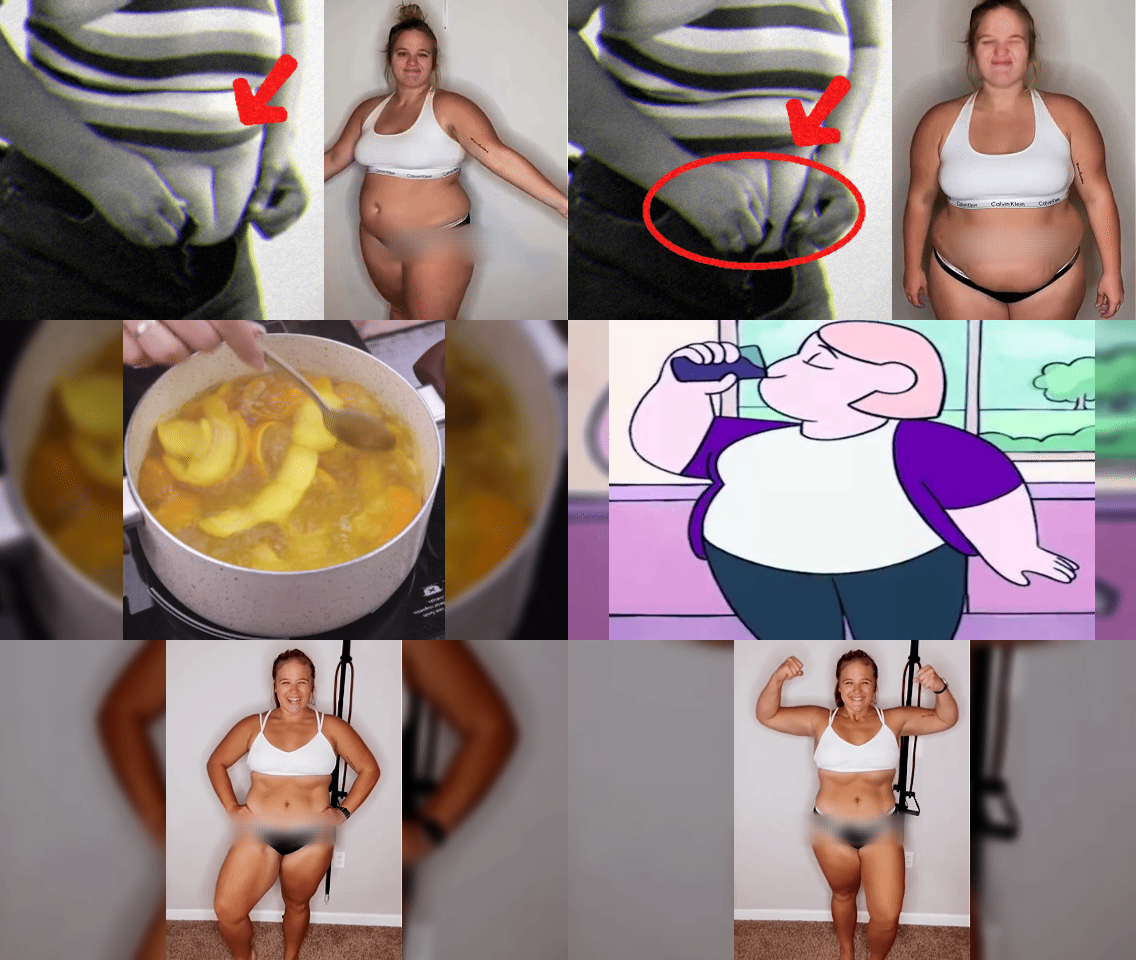
I didn’t expect this to make such a difference, but it actually explains a lot…

Before you get frustrated with your progress again,
watch this video — it might change your perspective completely.

A Simple Daily Plan to Support Healthy Weight Loss

Losing weight doesn’t have to be overwhelming, restrictive, or confusing. In fact, the most effective and sustainable weight loss journeys are built on simple, repeatable daily habits that support your body rather than punish it. If you’ve ever felt stuck in cycles of dieting, losing motivation, or regaining weight, this guide is designed for you.

This article will walk you through a simple daily plan to support healthy weight loss—one that focuses on consistency, balance, and long-term results instead of quick fixes. By the end, you’ll have a clear structure you can follow every day without feeling deprived or stressed.

Why Simplicity Works for Weight Loss

Before diving into the daily plan, it’s important to understand why simple routines are so powerful.

Complex diets often fail because they demand too much change too quickly. When your routine is too rigid or complicated, it becomes hard to maintain—especially during stressful or busy periods. On the other hand, a simple daily structure:

  • Reduces decision fatigue
  • Builds consistency
  • Supports sustainable habits
  • Encourages gradual, lasting progress

Healthy weight loss is not about perfection—it’s about repeating small, supportive actions every day.

The Foundation of Healthy Weight Loss

Before we break down your day, let’s establish the key principles behind effective weight loss:

  • A slight calorie deficit (not extreme restriction)
  • Balanced nutrition (protein, fiber, healthy fats)
  • Regular movement
  • Quality sleep
  • Stress management

This daily plan integrates all of these without making your life feel restricted.

Your Simple Daily Weight Loss Plan
Morning: Start with Intention and Energy

How you start your morning often sets the tone for your entire day.

1. Wake Up and Hydrate

After 6–8 hours of sleep, your body is dehydrated. Drink a glass of water first thing in the morning to:

  • Kickstart your metabolism
  • Improve digestion
  • Reduce unnecessary hunger

You can add lemon for flavor, but plain water works perfectly.

2. Light Movement or Stretching (5–15 Minutes)

You don’t need an intense workout first thing in the morning. A simple routine like:

  • Gentle stretching
  • Yoga
  • A short walk

helps wake up your body and improve circulation.

3. Eat a Protein-Rich Breakfast

Skipping breakfast can lead to overeating later. A balanced breakfast helps control cravings throughout the day.

Good options include:

  • Eggs with vegetables
  • Greek yogurt with fruit
  • Oatmeal with protein (like nuts or seeds)

Protein keeps you full longer and stabilizes blood sugar levels.

Mid-Morning: Stay Focused and Balanced

4. Smart Snacking (Optional)

If you feel hungry, choose a snack that includes protein and fiber:

  • Apple with peanut butter
  • A handful of nuts
  • Boiled eggs

Avoid high-sugar snacks that cause energy crashes.

5. Stay Hydrated

Many people confuse thirst with hunger. Aim to drink water regularly throughout the day.

A simple rule: drink a glass of water before each meal.

Afternoon: Nourish and Move

6. Eat a Balanced Lunch

Your lunch should include:

  • Lean protein (chicken, fish, tofu)
  • Fiber-rich carbs (brown rice, quinoa, vegetables)
  • Healthy fats (avocado, olive oil)

This combination helps maintain energy levels and prevents afternoon fatigue.

7. Walk After Meals (10–15 Minutes)

A short walk after eating can:

  • Improve digestion
  • Help regulate blood sugar
  • Increase daily calorie burn

This is one of the easiest yet most effective habits for weight loss.

Late Afternoon: Avoid Energy Slumps

8. Plan a Light Snack

Instead of reaching for sugary snacks, prepare something nourishing:

  • Yogurt
  • Protein shake
  • Fruit with nuts

This prevents overeating at dinner.

9. Stay Active

If you sit for long periods, take breaks:

  • Stand up every hour
  • Stretch
  • Walk around briefly

Small movements add up over time.

Evening: Wind Down Without Overeating

10. Eat a Light, Balanced Dinner

Dinner should be satisfying but not heavy.

Focus on:

  • Protein
  • Vegetables
  • Moderate carbs

Avoid overeating late at night, as it can affect sleep and digestion.

11. Limit Late-Night Snacking

If you feel hungry, ask yourself:

  • Am I actually hungry or just bored?

If needed, choose a light option like herbal tea or fruit.

Night: Recovery and Reset

12. Create a Relaxing Night Routine

Stress can lead to emotional eating and weight gain. A calming routine might include:

  • Reading
  • Journaling
  • Meditation

Reducing stress helps regulate hormones related to hunger.

13. Get 7–8 Hours of Sleep

Sleep is often overlooked in weight loss. Poor sleep can:

  • Increase cravings
  • Slow metabolism
  • Reduce willpower

Prioritize sleep as part of your weight loss plan.

Weekly Add-On: Exercise That Supports Fat Loss

While daily movement is essential, structured exercise enhances your results.

Aim for:

  • 3–4 days of strength training
  • 2–3 days of cardio (walking, cycling, swimming)

Strength training is especially important because it helps preserve muscle mass, which boosts metabolism.

Common Mistakes to Avoid

Even with a solid plan, certain habits can slow your progress:

1. Eating Too Little

Extreme calorie restriction often backfires, leading to:

  • Fatigue
  • Binge eating
  • Slower metabolism

2. Relying Only on Exercise

Weight loss is mostly influenced by nutrition. Exercise supports it but cannot replace poor eating habits.

3. Being Inconsistent

Doing everything perfectly for a few days and then giving up won’t work. Consistency beats intensity every time.

4. Ignoring Emotional Eating

Pay attention to your triggers. Stress, boredom, and anxiety often lead to overeating.

How to Stay Consistent with This Plan

Consistency is the real secret to weight loss success.

Here’s how to stick with your daily routine:

  • Start small: Don’t try to change everything at once
  • Prepare meals in advance
  • Keep healthy snacks available
  • Track your habits (not just your weight)
  • Be patient with yourself

Remember, progress may be slow—but it will be sustainable.

A Gentle Mindset Shift

Instead of asking, “How fast can I lose weight?” try asking:

“How can I support my body every day?”

This shift changes everything. It turns weight loss from a stressful challenge into a form of self-care.

When you focus on supporting your body—through nourishment, movement, and rest—weight loss becomes a natural byproduct.

Final Thoughts

A simple daily plan is one of the most powerful tools for healthy weight loss. You don’t need extreme diets or complicated routines. You need consistency, balance, and patience.

Start with small changes. Build your routine step by step. Over time, these habits will not only help you lose weight but also improve your energy, mood, and overall well-being.

The goal is not just to lose weight—but to create a lifestyle you can maintain for life.

How to Lose Weight Naturally: Sustainable Strategies for a Healthier You

The pursuit of a healthier, slimmer body is a common goal for many. If you’re wondering how to lose weight naturally, you’re not alone. In a world filled with fad diets and quick fixes, it’s essential to understand that natural weight loss is the most effective and sustainable approach. In this comprehensive guide, we’ll explore five proven strategies on how to lose weight naturally, focusing on long-term results and improved well-being.

  1. How to Lose Weight Naturally: Balanced Nutrition

Achieving natural weight loss begins with a balanced diet. Instead of restrictive eating plans or extreme calorie cuts, focus on a well-rounded, nutritious diet. Key principles include:

  • Whole Foods: Incorporate plenty of fruits, vegetables, lean proteins, whole grains, and healthy fats into your meals.
  • Portion Control: Be mindful of portion sizes to avoid overeating.
  • Limit Processed Foods: Reduce your consumption of processed and high-calorie snacks.
  • Hydration: Drinking water before meals can help control your appetite.
  • Meal Timing: Consider time-restricted eating to regulate calorie intake.
  1. Calorie Management: Tracking for Success

One effective method on how to lose weight naturally is calorie management. To shed excess pounds, you must consume fewer calories than you expend. Monitoring your daily calorie intake through a food diary or a calorie tracking app can help you stay on course.

  1. Regular Exercise: Enhancing Natural Weight Loss

Regular exercise is a crucial component of natural weight loss. Cardiovascular exercises, such as walking, jogging, or cycling, help burn calories and improve overall fitness. Strength training exercises, like squats and lunges, build lean muscle, which boosts your metabolism and aids in weight loss.

To achieve the best natural weight loss results, aim for at least 150 minutes of moderate-intensity exercise or 75 minutes of vigorous-intensity exercise per week.

  1. Mindful Eating: Improving Food Choices

Practicing mindful eating is a powerful strategy for how to lose weight naturally. It involves being fully present during meals, paying attention to hunger and fullness cues, and savoring each bite. Mindful eating can help you make healthier food choices and prevent overeating.

  1. Stress Management: An Often Overlooked Factor

Stress can significantly impact your weight, and learning to manage it is essential for natural weight loss. Chronic stress can lead to emotional eating and weight gain. Incorporate stress-reduction techniques like meditation, yoga, or deep breathing exercises into your daily routine.

Conclusion

In conclusion, if you’re wondering how to lose weight naturally, remember that there are no miraculous shortcuts. Natural weight loss requires a holistic approach that combines balanced nutrition, calorie management, regular exercise, mindful eating, and stress management.

It’s important to maintain realistic expectations and prioritize both your immediate and long-term health. Consult with a healthcare professional or certified fitness trainer before starting any new diet or exercise program. By adopting a combination of these strategies personalized to your needs, you can achieve natural weight loss that leads to a healthier, slimmer, and more confident you. Embrace this journey as an opportunity to improve your overall well-being and quality of life.