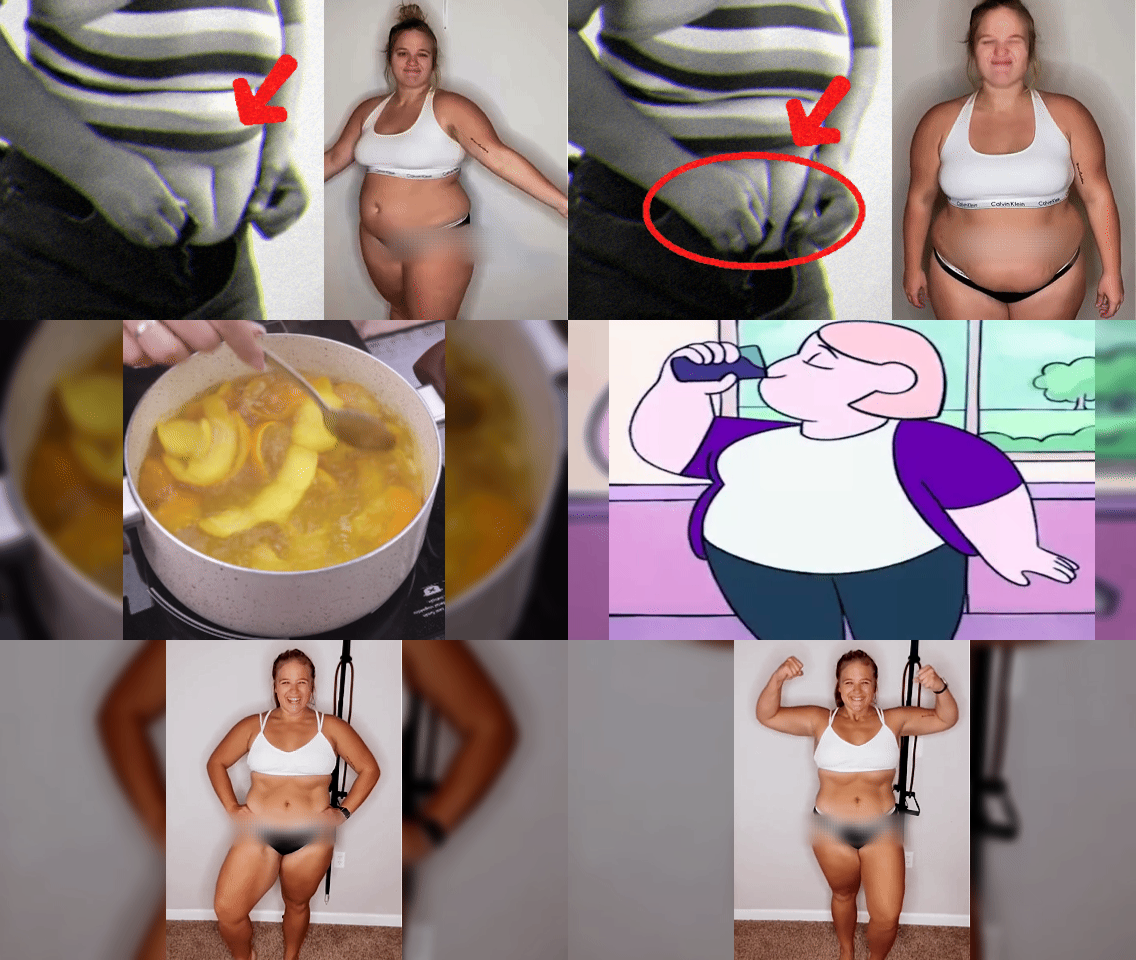
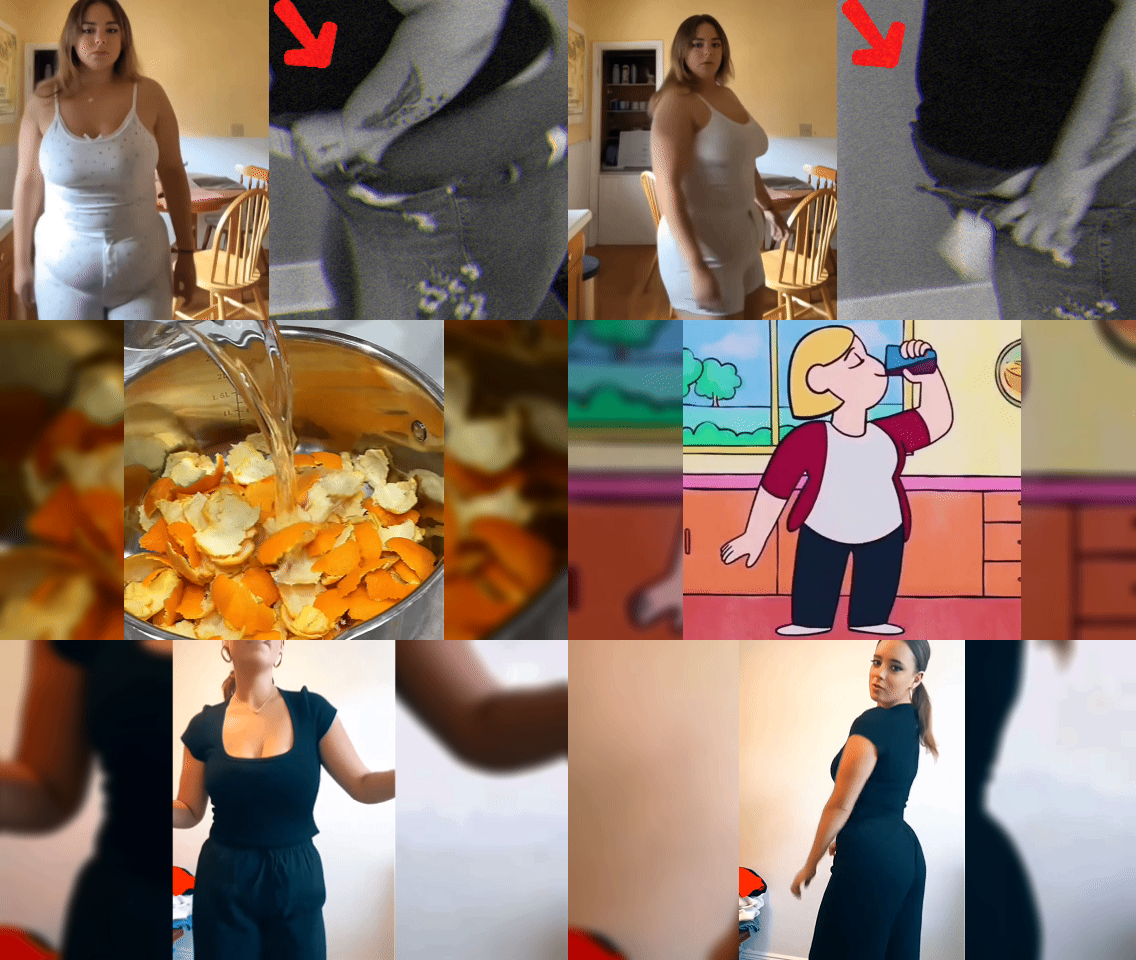
The Habit That Changed My Weight Loss Journey

If you’ve been struggling to lose weight, you’ve probably asked yourself the same frustrating question I once did: “Why isn’t anything working?”

I tried everything—strict diets, intense workout programs, intermittent fasting, cutting carbs, counting calories obsessively. Some methods worked temporarily, but nothing truly lasted. The weight would come off… and then come right back.

But everything changed when I discovered one simple habit.

Not a diet. Not a workout routine. Not a supplement.

A habit.

And once it clicked, my entire weight loss journey shifted—not just physically, but mentally and emotionally too.

In this post, I’ll share the exact habit that changed everything for me, why it works so powerfully for fat loss, and how you can apply it in your own life starting today.

The Habit That Changed Everything: Eating With Awareness

The habit that transformed my weight loss journey was this:

I started eating with awareness instead of on autopilot.

It sounds simple—almost too simple—but don’t underestimate it.

Before this change, I ate:

  • While scrolling on my phone
  • While watching TV
  • When I was stressed, bored, or emotional
  • Without paying attention to hunger or fullness

Food wasn’t just fuel—it was a distraction, a comfort, and sometimes even an escape.

Once I became aware of how I was eating—not just what I was eating—everything started to change.

What Does “Eating With Awareness” Actually Mean?

Eating with awareness (also known as mindful eating) means being fully present during your meals.

It involves:

  • Paying attention to your hunger and fullness cues
  • Eating slowly and intentionally
  • Noticing the taste, texture, and smell of your food
  • Understanding why you’re eating (hunger vs emotion)

This habit helped me reconnect with my body in a way I never had before.

The Moment I Realized I Was Eating Mindlessly

I remember one evening clearly.

I sat down with a bag of snacks, turned on a show, and before I knew it—the entire bag was gone. I didn’t even remember eating it.

That moment hit me hard.

It wasn’t hunger. It wasn’t enjoyment. It was pure autopilot.

And that’s when I realized:

My biggest problem wasn’t food—it was unconscious habits.

How This Habit Helped Me Lose Weight Naturally

Once I started practicing awareness while eating, several things happened almost immediately.

1. I Naturally Ate Less Without Forcing It

When you eat slowly and pay attention, your body has time to signal fullness.

Before:

  • I would overeat without realizing it

After:

  • I stopped eating when I felt satisfied—not stuffed

No calorie counting required.

2. My Cravings Became Easier to Control

I used to crave sugar and junk food constantly.

But when I paused and asked myself:

  • “Am I actually hungry?”
  • “Or am I just stressed or bored?”

I started making better decisions.

Not perfect decisions—but better ones.

3. I Enjoyed Food More Than Ever

Ironically, eating less didn’t feel like deprivation.

Because when I ate mindfully:

  • Food tasted better
  • I felt more satisfied
  • I didn’t feel the need to overeat

It was quality over quantity.

4. Emotional Eating Decreased

I began recognizing patterns:

  • Eating when stressed
  • Eating when tired
  • Eating out of habit, not hunger

Once I noticed these triggers, I could pause—and choose differently.

That pause changed everything.

How I Built This Habit (Step by Step)

Let me be honest—this didn’t happen overnight.

At first, it felt unnatural. But like any habit, it became easier with practice.

Here’s how I built it:

Step 1: I Removed Distractions During Meals

No phone. No TV. No laptop.

Just me and my food.

This alone made a huge difference.

Step 2: I Slowed Down My Eating

I made a conscious effort to:

  • Chew more
  • Put my fork down between bites
  • Take my time

It felt awkward at first, but soon became normal.

Step 3: I Checked In With My Hunger

Before eating, I asked:

  • “Am I truly hungry?”

During eating:

  • “Am I still hungry, or am I full?”

This helped me reconnect with my body’s signals.

Step 4: I Allowed Imperfection

Some meals were still rushed. Some days I ate emotionally.

And that’s okay.

The goal wasn’t perfection—it was progress.

Why This Habit Works Better Than Dieting

Most diets focus on restriction:

  • Eat less
  • Cut this
  • Avoid that

But they often ignore behavior.

This habit works because it addresses the root cause:
how you relate to food.

Instead of forcing discipline, it builds awareness.

And awareness leads to better choices—naturally.

The Science Behind It (In Simple Terms)

Your body has built-in signals for hunger and fullness.

But when you eat too quickly or with distractions:

  • You override those signals
  • You eat more than you need

Eating with awareness helps:

  • Regulate appetite hormones
  • Improve digestion
  • Reduce overeating

It aligns your behavior with your body’s natural system.

The Unexpected Benefits Beyond Weight Loss

What surprised me most was that this habit didn’t just change my body—it changed my mindset.

1. I Felt More In Control

Not in a restrictive way—but in a calm, confident way.

2. My Relationship With Food Improved

Food was no longer the enemy.

It became something I could enjoy without guilt.

3. I Became More Present in Daily Life

That awareness started showing up in other areas:

  • Work
  • Conversations
  • Emotions

It created a ripple effect.

Common Mistakes to Avoid

If you want to try this habit, watch out for these pitfalls:

Trying to Be Perfect

You don’t need to eat mindfully 100% of the time.

Even 1 mindful meal a day is a great start.

Judging Yourself

If you overeat or eat emotionally, don’t beat yourself up.

Just notice it—and learn from it.

Rushing the Process

This is a long-term habit, not a quick fix.

Give it time.

How You Can Start Today

If you take one thing from this article, let it be this:

Slow down and pay attention to your next meal.

That’s it.

No complicated plan. No strict rules.

Just:

  • Sit down
  • Remove distractions
  • Eat slowly
  • Notice how you feel

It may seem small—but small habits create big transformations.

Final Thoughts: One Habit Can Change Everything

Weight loss doesn’t always require drastic changes.

Sometimes, it’s one simple habit—done consistently—that creates the biggest impact.

For me, that habit was eating with awareness.

It helped me:

  • Lose weight naturally
  • Reduce cravings
  • Feel more in control
  • Build a healthier relationship with food

And most importantly, it gave me something no diet ever could:

Sustainability.

If you’ve been struggling, maybe you don’t need a new diet.

Maybe you just need a new way of paying attention.

Start there—and watch what happens.

My Honest Experience Trying to Burn Fat Naturally

If you’re reading this, chances are you’ve tried at least one “quick fix” for weight loss—and maybe it didn’t stick. I’ve been there too. For years, I jumped from one diet to another, hoping for fast results, only to gain the weight back and feel more frustrated than before.

This blog post is not about a miracle solution. It’s about my real, honest experience trying to burn fat naturally—without extreme dieting, pills, or unrealistic routines. If you’re looking for a sustainable way to lose weight, improve your energy, and feel good in your own body, keep reading.

Why I Chose Natural Fat Loss Over Quick Fixes

At one point, I realized something important: every “fast” solution came with a hidden cost—burnout, cravings, mood swings, or even health issues. I was tired of the cycle.

So I made a decision: instead of chasing rapid weight loss, I would focus on natural fat burning methods that support my body rather than fight against it.

Natural fat loss means:

  • Eating real, whole foods
  • Moving your body consistently
  • Improving sleep and stress levels
  • Building habits that last

It sounds simple—and it is—but that doesn’t mean it’s easy.

The First Reality Check: Fat Loss Takes Time

One of the hardest truths I had to accept was this: healthy fat loss is slow.

When I started, I expected visible results within a week. Instead, the first few weeks felt like nothing was happening. But behind the scenes, my body was adjusting.

Here’s what I learned:

  • Fat loss is not linear
  • The scale doesn’t always reflect progress
  • Consistency matters more than perfection

Once I stopped chasing quick results, everything became less stressful—and ironically, that’s when progress began.

What I Changed in My Diet (Without Going Extreme)

I didn’t follow a strict diet plan. Instead, I focused on improving my eating habits gradually.

1. I Stopped Eating Processed Foods Daily

I didn’t eliminate them completely—but I became aware of how often I consumed:

  • Sugary snacks
  • Fast food
  • Packaged meals

I replaced them with:

  • Whole foods like vegetables, fruits, lean proteins
  • Home-cooked meals
  • Simple, balanced dishes

This alone made a huge difference in how I felt.

2. I Increased Protein Intake

Protein became a key part of my meals. It helped me:

  • Stay full longer
  • Reduce cravings
  • Maintain muscle while losing fat

Some go-to protein sources I relied on:

  • Eggs
  • Chicken breast
  • Fish
  • Greek yogurt
  • Beans and legumes
3. I Learned to Eat Until Satisfied, Not Stuffed

Before, I used to eat until I was completely full—sometimes uncomfortable.

Now, I pay attention to my body:

  • Eat slowly
  • Stop when I feel satisfied
  • Avoid emotional eating when possible

This small shift helped reduce unnecessary calorie intake naturally.

4. I Drank More Water Than Ever Before

It sounds basic, but it works.

Drinking more water helped me:

  • Control hunger
  • Improve digestion
  • Stay energized

Sometimes what I thought was hunger was actually dehydration.

My Approach to Exercise: Keep It Simple

I used to think I needed intense workouts every day. That mindset led to burnout quickly.

Instead, I focused on consistency over intensity.

1. Walking Became My Secret Weapon

Walking is underrated.

I started with 20–30 minutes a day and gradually increased. It helped:

  • Burn calories
  • Reduce stress
  • Improve mood

It’s low-impact and easy to maintain long-term.

2. Strength Training 2–3 Times a Week

Building muscle is essential for fat loss.

I kept it simple:

  • Bodyweight exercises (squats, push-ups, lunges)
  • Light weights at home or gym

Benefits I noticed:

  • Better body shape
  • Increased metabolism
  • More strength and confidence
3. I Stopped Punishing Myself with Exercise

Exercise is not punishment for eating.

Once I changed my mindset, workouts became something I enjoyed—not something I feared.

The Hidden Factors That Changed Everything

Diet and exercise are important—but they’re not the whole picture.

1. Sleep Became a Priority

When I didn’t sleep well:

  • I craved sugar
  • I felt tired and unmotivated
  • My workouts suffered

Improving sleep helped regulate my appetite and energy levels.

2. Managing Stress Was Critical

Stress can lead to emotional eating and hormonal imbalance.

I started:

  • Taking breaks during the day
  • Practicing mindfulness
  • Spending time doing things I enjoy

Even small changes made a big difference.

3. I Let Go of Perfection

This might be the most important lesson.

I stopped thinking:

  • “I messed up today, so everything is ruined.”

Instead:

  • One bad meal doesn’t undo progress
  • Consistency over time matters more than daily perfection
The Results I Experienced

After a few months of sticking to natural fat loss habits, I noticed:

  • Gradual, steady fat loss
  • More energy throughout the day
  • Fewer cravings
  • Improved mood and confidence
  • Better relationship with food

It wasn’t dramatic overnight—but it was real and sustainable.

What Didn’t Work for Me

Let’s be honest—not everything works.

Here are things I tried that didn’t last:

  • Extreme calorie restriction (led to binge eating)
  • Overtraining (caused exhaustion)
  • Following trends without understanding my body
  • Relying on motivation instead of habits

These approaches might show short-term results, but they’re hard to maintain.

Tips If You Want to Burn Fat Naturally

If you’re starting your journey, here’s what I recommend:

Start Small

Don’t change everything at once. Pick 1–2 habits and build from there.

Be Patient

Real results take time—but they last longer.

Focus on Habits, Not Outcomes

Instead of obsessing over the scale, focus on:

  • Eating better
  • Moving more
  • Sleeping well
Listen to Your Body

Everyone is different. Pay attention to what works for you.

Stay Consistent

Even on days when you don’t feel motivated—show up in small ways.

Final Thoughts: It’s Not Just About Losing Weight

Burning fat naturally isn’t just about looking better—it’s about feeling better.

It’s about:

  • Having energy for your daily life
  • Feeling confident in your body
  • Building a lifestyle you don’t need to escape from

If you’ve struggled with weight loss before, know this: you don’t need extreme solutions. You need a sustainable approach that works with your body, not against it.

Your journey doesn’t have to be perfect—it just has to be consistent.

And over time, those small, natural changes can lead to powerful results.

Why He Pulls Away From You?

Few things feel more confusing—and painful—than when a man who once seemed interested, attentive, and emotionally present suddenly starts to pull away.

The texts become shorter. The calls become less frequent. His energy shifts. And you’re left wondering:

“What changed?”

If you’ve ever found yourself overthinking every message, replaying conversations, or questioning your own worth because of his distance, you’re not alone.

But here’s the truth most people don’t tell you:

When a man pulls away, it’s rarely random—and it’s not always about you.

In this in-depth guide, we’ll explore the real reasons why men pull away, what it actually means, and how to respond in a way that protects your self-worth while giving the connection the best chance to grow.

Understanding the “Pull Away” Phase

Before jumping to conclusions, it’s important to understand that pulling away is often a natural part of emotional dynamics.

At the beginning of a connection, everything feels exciting and intense. There’s curiosity, attraction, and emotional momentum.

But as things deepen, reality sets in.

This is where uncertainty, fear, and personal patterns begin to show up.

Pulling away doesn’t always mean he’s losing interest.

Sometimes, it means he’s processing something internally.

1. He Feels Overwhelmed by His Own Emotions

One of the most common reasons men pull away is emotional overwhelm.

When feelings become intense, some men don’t know how to handle them.

Instead of leaning in, they create distance to regain control.

This can look like:

  • Reduced communication
  • Needing more space
  • Becoming less expressive

It’s not that he doesn’t feel anything.

Sometimes, he feels too much—and doesn’t know how to deal with it.

2. He Needs Space to Maintain His Independence

Independence is important for many men.

If a relationship starts to feel like it’s consuming too much of his time or identity, he may instinctively pull back.

This doesn’t necessarily mean he doesn’t care.

It means he’s trying to rebalance his sense of self.

Healthy relationships allow both people to:

  • Have personal space
  • Maintain individual lives
  • Grow independently

If he feels that space is shrinking, he may step back to restore it.

3. He’s Unsure About His Feelings

Not all emotional withdrawal is deep or meaningful.

Sometimes, it’s simple uncertainty.

He may be asking himself:

  • “Is this the right person for me?”
  • “Am I ready for something serious?”
  • “Do I feel strongly enough?”

Instead of communicating this directly, he creates distance while he figures it out.

This can feel frustrating—but it’s part of how some people process decisions.

4. The Dynamic Became Too One-Sided

Attraction thrives on balance.

If one person is doing all the pursuing, initiating, and investing, the dynamic can become imbalanced.

If you’ve been:

  • Constantly texting first
  • Always making plans
  • Prioritizing him over yourself

He may subconsciously take a step back.

Not out of malice—but because the natural rhythm of attraction has shifted.

5. He Feels Pressure (Even If You Didn’t Intend It)

Pressure doesn’t always come from direct demands.

It can be subtle.

  • Talking about the future too early
  • Seeking constant reassurance
  • Expecting frequent communication

Even if your intentions are genuine, he may interpret this as pressure.

And when someone feels pressured, their instinct is often to create space.

6. He’s Dealing with Personal Issues

Sometimes, the reason has nothing to do with the relationship at all.

He could be dealing with:

  • Work stress
  • Family issues
  • Personal struggles
  • Mental or emotional challenges

In these situations, pulling away is less about you—and more about what he’s going through internally.

Unfortunately, not everyone communicates this openly.

7. The Initial Excitement Has Settled

Early attraction is often driven by novelty.

Over time, that intensity naturally decreases.

This doesn’t mean the connection is over—it means it’s transitioning.

From excitement to stability.

From curiosity to deeper connection.

But if someone expects constant excitement, they may interpret this shift as “losing interest” and pull away.

8. He’s Not as Invested as You Are

This is the hardest truth to accept—but it’s an important one.

Sometimes, a man pulls away because his level of interest or readiness doesn’t match yours.

It doesn’t mean you’re not enough.

It means he’s not aligned with you.

Recognizing this early can save you time, energy, and emotional pain.

How to Respond When He Pulls Away

Understanding why he pulls away is only half the equation.

What truly matters is how you respond.

1. Don’t Chase

Your first instinct may be to reach out more, ask questions, or try to “fix” the situation.

But chasing often pushes him further away.

Instead:

  • Give him space
  • Allow him to come back on his own
  • Resist the urge to over-text or over-explain

Space creates clarity—for both of you.

2. Refocus on Yourself

When someone pulls away, it’s easy to make them the center of your attention.

Shift that focus back to you.

  • Reconnect with your hobbies
  • Spend time with friends
  • Invest in your personal growth

This not only improves your well-being—it also restores balance in the dynamic.

3. Maintain Your Self-Worth

His behavior is not a reflection of your value.

Don’t internalize his distance as:

  • “I’m not good enough”
  • “I did something wrong”

Stay grounded in who you are.

The right person won’t make you question your worth.

4. Observe His Actions, Not Just His Words

If he returns, pay attention to consistency.

  • Does he make effort?
  • Does he communicate clearly?
  • Does he invest in the connection?

Actions reveal true intentions.

5. Be Willing to Walk Away

This is the most empowering step.

If someone repeatedly pulls away, creates confusion, or fails to meet your needs, it’s okay to let go.

Not out of anger—but out of self-respect.

Because a healthy relationship doesn’t feel like constant uncertainty.

Final Thoughts: His Distance Is Information, Not Rejection

When a man pulls away, it’s easy to see it as rejection.

But it’s more accurate to see it as information.

It tells you:

  • Where he is emotionally
  • How he handles connection
  • Whether he’s aligned with you

Instead of reacting with fear, respond with awareness.

Because the goal isn’t just to keep someone interested.

It’s to build something mutual, stable, and real.

And the right connection won’t leave you constantly guessing.

It will feel clear, consistent, and secure.

So if he pulls away, don’t lose yourself trying to understand him.

Pay attention.

Stay grounded.

And remember:

The right person won’t make you feel like you’re too much—or not enough.

They’ll meet you where you are.

What if you’ve been doing everything right… but missing the one thing that truly matters?

Inside these 3 FREE reports, you’ll discover powerful psychological insights that most people never learn – yet they change everything in love and attraction.

✨ Don’t just hope for better results. Create them.

👉 Get instant access now.

Get A Man Hooked On You

If you’ve ever found yourself wondering how to truly capture a man’s attention—and more importantly, keep it—you’re not alone. Attraction may spark quickly, but emotional connection is what makes a man stay, invest, and become deeply attached.

The truth is, getting a man “hooked” on you isn’t about manipulation, playing games, or pretending to be someone you’re not. It’s about understanding emotional dynamics, building genuine connection, and showing up in a way that naturally draws him closer.

In this in-depth guide, you’ll discover how to create lasting attraction, deepen emotional intimacy, and inspire a man to pursue you with real intention.

What Does It Mean to Get a Man “Hooked”?

Before we go deeper, let’s redefine what “hooked” really means.

It’s not about control or dependency.

A man is truly “hooked” when:

  • He thinks about you even when you’re not around
  • He feels emotionally connected to you
  • He chooses to invest time, energy, and effort into you
  • He sees you as someone special—not easily replaceable

This kind of connection isn’t built through tricks. It’s built through emotional experience.

1. Focus on How He Feels Around You

People don’t fall in love with perfection—they fall in love with how someone makes them feel.

Ask yourself:

  • Does he feel appreciated around you?
  • Does he feel relaxed and accepted?
  • Does he feel excited and alive?

Instead of trying to impress him constantly, focus on creating positive emotional moments.

  • Smile genuinely
  • Show interest in what he says
  • Be present in conversations

When he associates you with good feelings, he naturally wants more of your presence.

2. Be Mysterious—But Not Distant

Mystery creates curiosity.

If you reveal everything about yourself too quickly, there’s nothing left for him to discover.

But mystery doesn’t mean being cold or unavailable.

It means:

  • Sharing your life gradually
  • Keeping parts of your world just for you
  • Not always being predictable

Let him feel like there’s always more to learn about you.

Curiosity keeps attraction alive.

3. Maintain Your Own Life

One of the most attractive qualities in a woman is independence.

When your happiness doesn’t depend entirely on him, it creates a sense of balance and intrigue.

Keep:

  • Your hobbies
  • Your friendships
  • Your personal goals

A man is more likely to become emotionally invested when he sees that being with you enhances your life—not defines it.

4. Master the Art of Subtle Appreciation

Men often respond strongly to appreciation.

When he feels valued, he feels motivated to give more.

But appreciation doesn’t have to be exaggerated.

Simple, genuine expressions work best:

  • “I really enjoyed spending time with you today.”
  • “I like how you handled that situation.”

This reinforces positive behavior without making you seem overly dependent.

5. Don’t Chase—Attract

Chasing creates imbalance.

If you’re always the one initiating, texting, or making plans, it removes the space for him to pursue.

Attraction grows in space.

Give him room to:

  • Think about you
  • Miss you
  • Choose to reach out

This doesn’t mean playing hard to get.

It means allowing the natural rhythm of attraction to unfold.

6. Create Emotional Depth, Not Just Physical Attraction

Physical attraction may start the connection, but emotional depth sustains it.

Go beyond surface-level conversations.

Ask questions like:

  • “What motivates you the most in life?”
  • “What’s something you’ve always wanted to do?”

Share your own thoughts and experiences.

When a man feels emotionally seen and understood, the connection becomes stronger—and harder to replace.

7. Be Confident in Your Worth

Confidence is magnetic.

Not the loud, attention-seeking kind—but the quiet confidence of knowing your value.

This means:

  • Not tolerating disrespect
  • Not over-explaining yourself
  • Not seeking constant validation

When you value yourself, others naturally do the same.

8. Use Absence to Your Advantage

Presence creates connection.

Absence creates desire.

If you’re always available, there’s no space for him to miss you.

You don’t need to disappear completely.

Just:

  • Avoid being constantly accessible
  • Let conversations end naturally
  • Give him time to come back to you

When he starts to feel your absence, he begins to realize your importance.

9. Stay Playful and Light

Not every interaction needs to be serious.

Playfulness creates attraction.

  • Tease lightly
  • Laugh together
  • Keep the energy fun and relaxed

This balance between emotional depth and lightness keeps the relationship dynamic and engaging.

10. Let Him Invest in You

One of the most overlooked principles is this:

People value what they invest in.

If a man invests his time, effort, and energy into you, he becomes more emotionally attached.

Let him:

  • Plan dates
  • Help you with things
  • Put in effort

This doesn’t mean testing him—it means allowing him to show up.

11. Avoid Common Mistakes That Push Him Away

Sometimes, it’s not what you do—it’s what you need to stop doing.

Avoid:

  • Over-texting or double texting constantly
  • Seeking reassurance too often
  • Trying to “lock him down” too quickly
  • Ignoring your own needs just to please him

These behaviors can create pressure and reduce attraction.

12. Be Authentic Above All Else

The most powerful way to get a man hooked is also the simplest:

Be yourself.

Not a filtered version.

Not who you think he wants.

But who you truly are.

Because real connection only happens when you’re genuine.

And the right man won’t just be attracted to you—he’ll be deeply drawn to you.

What Happens When You Do This Right?

When you apply these principles consistently, something shifts.

Instead of chasing attention, you attract it.

Instead of wondering how he feels, you see it in his actions.

  • He reaches out first
  • He makes plans
  • He invests in the connection
  • He prioritizes you

Not because you forced it—but because he wants to.

Final Thoughts: Attraction Is About Energy, Not Effort

Getting a man hooked on you isn’t about doing more.

It’s about doing things differently.

It’s about:

  • Creating emotional connection
  • Maintaining your independence
  • Allowing space for attraction to grow
  • Showing up as your authentic self

When you stop trying to control the outcome and start focusing on connection, everything becomes more natural—and more powerful.

Because in the end, the strongest attraction isn’t forced.

It’s felt.

And when a man truly feels something for you, he won’t need to be convinced to stay.

He’ll choose to.

What if you’ve been doing everything right… but missing the one thing that truly matters?

Inside these 3 FREE reports, you’ll discover powerful psychological insights that most people never learn – yet they change everything in love and attraction.

✨ Don’t just hope for better results. Create them.

👉 Get instant access now.

10 Tiny Habits That Can Transform Your Life in a Year

What if your life didn’t need a massive overhaul to change?

What if the version of you that feels more confident, more focused, more fulfilled… isn’t built through dramatic breakthroughs—but through tiny, consistent actions repeated daily?

Most people underestimate the power of small habits because they don’t produce immediate results. But over time, these seemingly insignificant actions compound into something extraordinary.

In this article, you’ll discover 10 tiny habits that can transform your life in a year—not by overwhelming you, but by quietly reshaping who you become, one day at a time.

Why Tiny Habits Work Better Than Big Goals

Big goals are exciting. They give you something to aim for.

But they also come with pressure, inconsistency, and burnout.

Tiny habits, on the other hand:

  • Are easy to start
  • Require minimal motivation
  • Build momentum naturally
  • Create identity-based change

Instead of trying to “change your life,” you simply change what you do every day.

And over time, that changes everything.

1. Start Your Day Without Your Phone

Most people begin their day by immediately checking notifications.

This puts your mind into reactive mode.

A tiny but powerful shift is to spend the first 10–15 minutes of your day without your phone.

Use that time to:

  • Breathe deeply
  • Stretch your body
  • Set an intention for the day
  • Sit in silence

This habit creates mental clarity and gives you control over your attention before the world demands it.

2. Drink a Glass of Water First Thing in the Morning

It sounds almost too simple—but it matters.

After hours of sleep, your body is dehydrated.

Drinking water first thing:

  • Boosts your energy
  • Improves focus
  • Supports overall health

More importantly, it’s an easy “win” that sets a positive tone for the rest of your day.

3. Read 5–10 Pages Every Day

You don’t need to read for hours to grow.

Just 5–10 pages a day equals:

  • Around 2–3 books per month
  • Over 25 books per year

That’s a completely different level of knowledge and perspective in just one year.

Choose books that:

  • Challenge your thinking
  • Expand your mindset
  • Inspire action

This habit compounds into wisdom over time.

4. Write Down One Thought a Day

You don’t need to journal for pages.

Just write one honest thought each day.

It could be:

  • Something you learned
  • Something you felt
  • Something you’re struggling with

This habit builds self-awareness—the foundation of personal growth.

Over time, you’ll start to see patterns in your thinking, emotions, and behavior.

And that awareness gives you the power to change.

5. Move Your Body for 10 Minutes

You don’t need a full workout to feel better.

Just 10 minutes of movement can:

  • Boost your mood
  • Increase your energy
  • Reduce stress

This could be:

  • A short walk
  • Stretching
  • A quick home workout

The goal isn’t intensity—it’s consistency.

6. Practice Saying “No” Without Guilt

This habit is small—but life-changing.

Every time you say “yes” to something you don’t want, you say “no” to your time, energy, and priorities.

Start practicing:

  • Saying “no” politely
  • Setting boundaries
  • Protecting your time

At first, it feels uncomfortable.

But over time, it builds confidence and self-respect.

7. Replace One Negative Thought Daily

You don’t need to eliminate all negative thinking.

Just challenge one thought each day.

When you catch yourself thinking:

  • “I’m not good enough”
  • “I can’t do this”
  • “I always fail”

Pause and replace it with something more constructive:

  • “I’m learning”
  • “I can improve”
  • “This is part of the process”

This tiny mental shift gradually rewires your mindset.

8. Spend 5 Minutes in Silence

In a world full of noise, silence is powerful.

Spending just 5 minutes a day in silence helps you:

  • Reset your mind
  • Reduce stress
  • Improve clarity

You don’t need to meditate perfectly.

Just sit, breathe, and be present.

Over time, this habit strengthens your ability to stay calm and focused.

9. Tidy One Small Space Daily

Your environment affects your mindset more than you think.

Instead of trying to clean everything at once, focus on one small area:

  • Your desk
  • Your bag
  • Your room

This habit creates a sense of control and order.

And that external clarity often leads to internal clarity.

10. Reflect on One Win Before Bed

Most people focus on what went wrong.

But growth also comes from recognizing what went right.

Every night, ask yourself:

“What is one thing I did well today?”

It could be something small:

  • Completing a task
  • Staying calm in a difficult situation
  • Showing kindness

This habit builds confidence and reinforces positive behavior.

What Happens After One Year of Tiny Habits?

At first, these habits feel small.

Almost insignificant.

But over time, they begin to stack.

After a year, you may notice:

  • You think more clearly
  • You feel more in control of your life
  • You respond better to challenges
  • You trust yourself more
  • You’ve grown in ways you didn’t expect

The transformation isn’t sudden.

It’s gradual, steady, and deeply rooted.

The Secret: Focus on Identity, Not Outcomes

The real power of tiny habits is not what they do—it’s who they make you become.

When you:

  • Read daily → you become a learner
  • Move daily → you become someone who values health
  • Reflect daily → you become self-aware

Instead of chasing results, you build identity.

And identity drives long-term change.

How to Start (Without Overwhelm)

You don’t need to adopt all 10 habits at once.

In fact, you shouldn’t.

Start with just 1–2 habits.

Make them so easy you can’t fail.

Once they feel natural, add another.

Remember:

Consistency beats intensity every time.

Final Thoughts: Small Habits, Big Life

Your life doesn’t change in one moment.

It changes in the quiet decisions you make every day.

The small choices.

The tiny habits.

The things no one sees—but that shape everything.

So if you’re waiting for the “perfect time” to transform your life, this is it.

Not through dramatic action.

But through small, intentional steps—repeated daily.

Because a year from now, you won’t wish you had started.

You’ll be grateful you did.

[Free Gift] Life-Changing Self Hypnosis Audio Track