
Living for Others and Not Yourself: How to Find Balance Without Losing Your Identity

In today’s fast-paced world, many people struggle with the challenge of living for others and not yourself. From family responsibilities and workplace expectations to social obligations and cultural pressures, it’s easy to find yourself prioritizing everyone else’s needs over your own. While caring for others is an important part of human connection, neglecting your personal well-being can lead to burnout, resentment, and even loss of identity.

This article explores what it really means to be living for others and not yourself, why it happens, and how to create a healthier balance where you can care for others without sacrificing your own happiness.

What Does “Living for Others and Not Yourself” Really Mean?

At first glance, living for others might sound noble. After all, helping family, friends, or colleagues is often seen as a sign of kindness and selflessness. But when you’re constantly living for others and not yourself, it means:

  • You ignore your own needs to meet the demands of others.
  • You feel guilty whenever you put yourself first.
  • Your identity, dreams, and passions are overshadowed by other people’s expectations.
  • You struggle with saying “no,” even when you’re overwhelmed.
  • Your sense of self-worth depends on how much you give or sacrifice.

Over time, this lifestyle can cause emotional exhaustion, loss of purpose, and even depression.

Why Do People End Up Living for Others and Not Themselves?

There are many reasons why people fall into this pattern. Understanding them is the first step toward change.

  • Cultural upbringing: Some cultures value self-sacrifice over individuality.
  • Family dynamics: Growing up in a family where love was conditional may make you feel obligated to constantly please others.
  • Fear of rejection: You may believe people won’t accept you if you don’t meet their expectations.
  • Low self-esteem: If you don’t feel worthy on your own, you may look for validation through serving others.
  • Social conditioning: Society often praises people who are “selfless,” creating pressure to always put others first.

The Hidden Dangers of Living for Others and Not Yourself

While helping others is admirable, doing it at the expense of your own well-being has serious consequences:

  • Burnout and stress: Constantly giving without replenishing drains your energy.
  • Resentment: Over time, you may start resenting the very people you’re trying to help.
  • Loss of identity: You may forget what you truly enjoy or who you are outside of serving others.
  • Damaged relationships: When you sacrifice too much, relationships can become unbalanced and unhealthy.
  • Mental health struggles: Anxiety, depression, and low self-worth often come from neglecting your own needs.

Signs You Might Be Living for Others and Not Yourself

Do any of these sound familiar?

  • You often say “yes” when you really want to say “no.”
  • You feel guilty when taking time for yourself.
  • Your decisions are based on pleasing others rather than your own desires.
  • You neglect hobbies, goals, or dreams because they seem selfish.
  • You feel drained, unappreciated, or invisible.

If so, you may be caught in the cycle of living for others and not yourself.

How to Stop Living for Others and Start Living for Yourself

The good news is, change is possible. Here are practical steps to reclaim your identity while still being kind and supportive to others:

1. Set Healthy Boundaries

Boundaries are not walls; they are guidelines that protect your mental and emotional well-being. Learn to say no without guilt.

2. Practice Self-Compassion

Remind yourself that your needs are just as important as anyone else’s. Treat yourself with the same kindness you show others.

3. Reconnect with Your Passions

Rediscover hobbies, interests, and goals that bring you joy. Even small daily practices can help you feel more fulfilled.

4. Balance Giving and Receiving

Healthy relationships involve both giving and receiving. Allow others to support you too.

5. Reflect on Your Motives

Ask yourself: Am I doing this out of genuine love, or because I’m afraid of rejection? This awareness can shift your perspective.

6. Seek Professional Support

If you’ve been stuck in this pattern for years, therapy or coaching can help you build confidence and healthier habits.

Why Living for Yourself Isn’t Selfish

One common misconception is that focusing on yourself means you’re selfish. In reality, self-care allows you to give more authentically. When you’re rested, fulfilled, and emotionally healthy, your support for others becomes stronger and more sustainable.

Think of it like oxygen masks on a plane—you need to secure your own first before helping someone else.

Finding Balance: Living for Others and Yourself

The goal isn’t to stop caring for others; it’s about balance. By taking care of your own needs, you create space for healthier, more meaningful connections. Imagine living a life where you pursue your dreams, nurture your well-being, and still show up for the people you love. That’s what true balance looks like.

Final Thoughts

If you’ve been living for others and not yourself, you’re not alone. Many people fall into this cycle without realizing it. The key is recognizing the pattern, setting boundaries, and learning to value yourself as much as you value others.

When you start living authentically for yourself, you don’t abandon others—you show up as a stronger, happier, and more genuine version of you. And in the end, that benefits everyone around you.

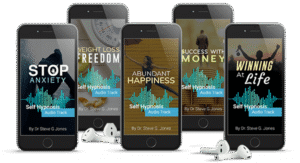
[Free Gift] Life-Changing Self Hypnosis Audio Track
10 Affirmations to Start the Day: Transform Your Morning with Positive Energy

Morning sets the tone for your entire day. If you wake up feeling rushed, overwhelmed, or negative, chances are those emotions will follow you until bedtime. But there’s a simple, powerful practice that can shift your mindset instantly—affirmations. In this blog, we’ll explore 10 affirmations to start the day that can bring more clarity, confidence, and joy into your life. Whether you’re a beginner or already familiar with affirmations, these simple statements can become your secret tool to creating a better tomorrow, one day at a time.

What Are Affirmations and Why Do They Work?

Affirmations are short, positive statements that you repeat to yourself in order to reshape your thoughts and beliefs. They may sound simple, but science shows that affirmations can actually rewire your brain through a process called neuroplasticity. By consistently affirming empowering thoughts, you can train your mind to focus on possibilities rather than problems.

When practiced regularly, affirmations can:

  • Reduce stress and anxiety
  • Increase self-confidence
  • Boost motivation and productivity
  • Improve your overall mental well-being
  • Set a positive tone for the day

Now, let’s dive into the 10 affirmations to start the day that can help you feel more grounded, energized, and ready to face any challenge.

10 Affirmations to Start the Day

1. “I am grateful for this new day and the opportunities it brings.”

Gratitude is one of the fastest ways to shift your mindset from lack to abundance. Beginning your day with thankfulness can create a sense of peace and attract more positivity.

2. “I am strong, capable, and ready to handle whatever comes my way.”

Life is full of uncertainties, but affirming your strength empowers you to face challenges with confidence instead of fear.

3. “I choose happiness and peace today.”

Happiness is not just something that happens—it’s a choice. By repeating this affirmation, you remind yourself that your mood and outlook are within your control.

4. “I am worthy of love, success, and abundance.”

Many people struggle with feelings of unworthiness. Starting your morning by affirming your value can help dissolve self-doubt and create space for growth.

5. “I attract positive energy and radiate kindness wherever I go.”

This affirmation helps you become a magnet for good experiences. By focusing on spreading kindness, you also invite kindness back into your life.

6. “I am focused, productive, and motivated to achieve my goals.”

For those who struggle with procrastination, this affirmation provides a daily reminder to stay committed and take inspired action.

7. “I trust myself and the decisions I make.”

Self-trust is essential for confidence. Repeating this affirmation can silence the inner critic and strengthen your intuition.

8. “I let go of what I cannot control and embrace peace.”

Stress often comes from holding on to things beyond your control. This affirmation helps you release unnecessary burdens and focus on what truly matters.

9. “I am healthy, strong, and full of energy.”

Your body listens to your thoughts. By affirming good health, you encourage your mind to make choices that support your physical well-being.

10. “Today, I will create joy and share it with others.”

Happiness grows when it’s shared. Starting your day with this affirmation encourages you to become a source of positivity for those around you.

How to Use These 10 Affirmations to Start the Day Effectively

Affirmations are powerful, but consistency is the key. Here are a few tips to get the most out of your practice:

  • Say them out loud: Speaking affirmations with confidence helps reinforce belief.
  • Repeat daily: The more often you affirm, the stronger the results.
  • Visualize while affirming: Imagine yourself living out each affirmation.
  • Write them down: Journaling affirmations can make them more tangible.
  • Pair with morning rituals: Combine affirmations with meditation, stretching, or mindful breathing for deeper impact.

Why Morning Affirmations Work Best

Starting your day with affirmations is especially powerful because your mind is most impressionable in the morning. After a night of rest, your subconscious is more open to new thoughts and beliefs. By practicing these 10 affirmations to start the day, you give yourself a mental boost that can carry you through stress, challenges, and unexpected situations.

Final Thoughts

Incorporating affirmations into your morning routine doesn’t take much time, but the benefits are profound. These 10 affirmations to start the day can help you feel grounded, motivated, and empowered to face life with positivity. Remember, change doesn’t happen overnight—it’s the small, consistent habits that create lasting transformation.

So tomorrow morning, before checking your phone or rushing into your to-do list, pause and repeat these affirmations. You may be surprised at how much brighter and more fulfilling your day becomes.

[Free Gift] Life-Changing Self Hypnosis Audio Track
What to Do When You Feel Stuck in Life: A Complete Guide to Moving Forward

Everyone goes through moments where life feels like it’s on pause. You might feel like you’re working hard but not progressing, or you’ve lost your sense of direction. Maybe your career feels stagnant, your relationships lack fulfillment, or you simply feel unmotivated day after day. If you’ve been wondering what to do when you feel stuck in life, you are not alone.

Feeling stuck is a universal human experience. The good news is that it doesn’t have to last forever. With the right mindset shifts, practical strategies, and consistent action, you can break free from the cycle of stagnation and move toward a more fulfilling and purpose-driven life.

In this guide, we’ll explore why people get stuck, the emotional toll it can take, and powerful steps you can take to create positive momentum.

Why Do You Feel Stuck in Life?

Before learning what to do when you feel stuck in life, it’s important to understand why it happens. Common reasons include:

  • Lack of clarity: Not knowing what you truly want or what direction to take.
  • Fear of failure: Avoiding risks that could move you forward because of fear.
  • Comfort zones: Staying in familiar situations that feel safe but unfulfilling.
  • Comparisons: Measuring your progress against others, which can create feelings of inadequacy.
  • Burnout: Working too much without balance, leaving you drained and unmotivated.
  • Unresolved emotions: Stress, grief, or past experiences that hold you back.

Recognizing the cause of stagnation is the first step toward change.

Step 1: Acknowledge Your Feelings Without Judgment

When you feel stuck, it’s easy to beat yourself up or feel like something is wrong with you. Instead, try to acknowledge your feelings with compassion. Remind yourself that feeling stuck doesn’t mean you’re broken—it simply means it’s time for a reset.

Self-awareness is the foundation of transformation. Ask yourself: What areas of my life feel stagnant, and why?

Step 2: Reconnect With Your Values and Purpose

One of the most effective ways to figure out what to do when you feel stuck in life is to reconnect with your core values. Your values act as a compass, guiding your decisions and helping you align with what truly matters.

Try journaling about questions like:

  • What activities make me feel most alive?
  • What do I want my life to stand for?
  • What values do I want to prioritize more?

Clarity about your values will help you identify meaningful goals that motivate you to move forward.

Step 3: Set Small, Achievable Goals

When life feels overwhelming, the best thing you can do is start small. Instead of trying to transform your entire life at once, focus on micro-steps.

Examples of small but powerful goals include:

  • Reading for 10 minutes daily
  • Going for a short walk after work
  • Reaching out to one supportive friend
  • Meditating for 5 minutes a day

Each small win creates momentum. Over time, these small actions compound into significant changes.

Step 4: Break Free From Negative Self-Talk

Feeling stuck often comes with a harsh inner critic that says: “You’re not good enough” or “You’ll never succeed.” To move forward, you must challenge these limiting beliefs.

A powerful exercise is to reframe negative thoughts into empowering ones. For example:

  • Instead of “I’ll never figure this out,” try “I don’t know the answer yet, but I can learn.”
  • Instead of “I’m behind everyone else,” try “I’m moving at my own pace, and that’s okay.”

Changing your inner dialogue shifts your mindset from hopelessness to possibility.

Step 5: Create New Routines and Habits

Routines shape your life more than motivation does. If you want to know what to do when you feel stuck in life, start by reshaping your daily habits.

Healthy routines could include:

  • Morning rituals that set a positive tone (like journaling or stretching)
  • Regular exercise for mental and physical energy
  • Consistent sleep patterns for clarity and focus
  • Digital detox periods to reduce distractions

Building intentional habits creates structure and energy that support long-term growth.

Step 6: Seek Inspiration and Learning

Sometimes stagnation comes from being stuck in the same patterns and environments. To break free, expose yourself to new ideas and perspectives.

You can:

  • Read personal development or motivational books
  • Listen to inspiring podcasts
  • Take an online course in a skill you’ve always wanted to learn
  • Attend workshops or networking events

Fresh insights can spark creativity and motivate you to take action.

Step 7: Surround Yourself With Positive Influences

Your environment and the people around you have a huge impact on your mindset. If you’re around negativity or people who drain your energy, it’s harder to move forward.

Seek out supportive, encouraging individuals who inspire growth. Whether it’s mentors, friends, or online communities, connecting with positive influences can help you break free from stagnation.

Step 8: Take Care of Your Mental and Physical Health

When wondering what to do when you feel stuck in life, don’t overlook your health. Often, stagnation is worsened by poor diet, lack of movement, or untreated stress.

  • Nourish your body with whole, balanced meals
  • Stay active with daily movement, even gentle walks
  • Practice mindfulness or meditation to calm your mind
  • Consider therapy or coaching if you’re dealing with deeper struggles

A healthy mind and body create the energy and resilience needed to move forward.

Step 9: Allow Yourself to Take Risks

Feeling stuck often comes from playing it too safe. Growth requires stepping outside your comfort zone, even when it feels scary.

Ask yourself: What’s one thing I’ve been avoiding because of fear? Then take one small action toward it. Courage grows the more you practice it.

Step 10: Be Patient With the Process

Breaking free from stagnation doesn’t happen overnight. It’s a gradual process of self-discovery, small steps, and consistent effort. Celebrate your progress, no matter how small, and trust that forward movement is happening.

Patience is key. The fact that you’re searching for what to do when you feel stuck in life means you’re already on the path to transformation.

Final Thoughts

Feeling stuck is frustrating, but it can also be an invitation to grow, change, and realign with your true self. By acknowledging your feelings, setting small goals, breaking negative patterns, and creating supportive habits, you can find your way forward.

Remember, the most important thing is not to stay stuck in inaction. Even the smallest step today can open the door to a brighter, more fulfilling tomorrow.

If you’ve been wondering what to do when you feel stuck in life, start by choosing one strategy from this guide and put it into practice today. Progress begins with action, and your future self will thank you for the steps you take now.

[Free Gift] Life-Changing Self Hypnosis Audio Track

How to Use Audio Programs Like NeuroEnergizer During Meditation

Meditation has become one of the most widely embraced practices for mental clarity, stress reduction, and emotional balance in the digital age. Yet as our lives get busier and more distracted, many people struggle to sit still, focus on their breath, and quiet their racing thoughts. That’s where audio wellness programs like NeuroEnergizer come in. These sound-based tools are designed to enhance traditional meditation practices, guiding your mind and body into deeper states of relaxation, focus, and energy alignment.

In this article, we’ll explore what NeuroEnergizer is, why audio programs are becoming an essential part of modern meditation, and how you can practically integrate them into your daily routine for maximum benefits.

What Is NeuroEnergizer?

NeuroEnergizer is an advanced audio program that combines elements of binaural beats, neuroacoustic frequencies, and sound design to influence brainwave activity. Unlike ordinary background music, NeuroEnergizer is structured to stimulate specific mental states—whether you want deep relaxation, sharper focus, or a boost of creative energy.

The program works by gently nudging your brainwaves toward desirable frequencies. For example:

  • Alpha waves (8–12 Hz) support calm focus and light meditation.
  • Theta waves (4–7 Hz) are linked to creativity, deep relaxation, and dream-like states.
  • Gamma waves (30–40 Hz) have been associated with heightened awareness and insight.

By layering these targeted frequencies with soothing soundscapes, NeuroEnergizer creates an immersive environment that makes it easier to stay present during meditation.

Why Use Audio Programs in Meditation?

Meditation is powerful on its own, but many beginners—and even experienced practitioners—face obstacles like restlessness, wandering thoughts, or lack of consistency. Audio programs provide a helpful structure that addresses these challenges.

1. Improved Focus and Concentration

Audio cues give your mind an anchor. Instead of getting lost in mental chatter, you follow the flow of sound, which helps reduce distractions.

2. Deeper Relaxation

The brain naturally synchronizes with external rhythms. When you listen to audio frequencies tuned to relaxation, your nervous system responds by lowering stress levels.

3. Faster Entry into Meditative States

Beginners often spend months learning how to “quiet the mind.” Tools like NeuroEnergizer accelerate the process by guiding brainwaves toward meditative states within minutes.

4. Personalized Goals

Different audio tracks target specific outcomes: stress relief, energy boosting, creativity, or sleep preparation. This makes meditation more versatile and goal-oriented.

How to Integrate NeuroEnergizer Into Your Meditation Routine

Getting started doesn’t require expensive equipment or years of experience. Here are some practical steps for making NeuroEnergizer a seamless part of your practice:

1. Choose the Right Environment

Find a quiet, comfortable space free from interruptions. While the audio itself blocks some external noise, a peaceful setting enhances immersion.

2. Use Quality Headphones

Binaural beat programs like NeuroEnergizer rely on stereo sound, so headphones are essential. Over-ear or in-ear headphones both work, as long as they provide clear separation between the left and right channels.

3. Start With Short Sessions

If you’re new to meditation or audio programs, begin with 10–15 minute sessions. As you grow more comfortable, extend your practice to 30–45 minutes.

4. Set Your Intention

Before pressing play, decide what you want to achieve—calmness, energy, or focus. Having an intention aligns your mind with the program’s design.

5. Combine With Breathwork

For deeper results, pair NeuroEnergizer with simple breathing techniques. Inhale slowly for four counts, hold briefly, then exhale for six counts. This enhances relaxation and synchronizes body rhythms with audio frequencies.

6. Stay Consistent

Like any wellness practice, consistency matters. Daily or near-daily use will help train your brain to enter meditative states more quickly over time.

Potential Benefits of Using NeuroEnergizer

While individual results vary, many practitioners report the following benefits when integrating audio programs into meditation:

  • Reduced anxiety and stress after sessions
  • Enhanced mental clarity and focus during work or study
  • Improved sleep quality by calming the mind before bedtime
  • Greater creativity through theta-wave stimulation
  • Higher motivation and energy when using energizing tracks

Scientific studies on binaural beats and neuroacoustics support many of these claims, showing measurable changes in mood, cognition, and brainwave activity.

Common Mistakes to Avoid

When using NeuroEnergizer or any meditation audio program, avoid these pitfalls:

  • Multitasking during sessions – scrolling on your phone cancels out the benefits.
  • Using speakers instead of headphones – binaural beats won’t work properly.
  • Expecting instant transformation – consistency is key; benefits accumulate with regular use.
  • Ignoring your body – always sit comfortably, hydrate before sessions, and avoid straining your posture.

Looking Ahead: The Future of Audio-Enhanced Meditation

As technology evolves, meditation tools like NeuroEnergizer are becoming more personalized. Future programs may integrate AI-driven adjustments, adapting sound frequencies to real-time brain activity via wearable EEG headbands. This could make meditation more accessible, effective, and tailored to individual needs.

The growing interest in audio wellness, neuroacoustics, and digital meditation tools suggests that sound will play an increasingly central role in mental health practices. Whether you’re a beginner or an experienced meditator, integrating audio programs today positions you at the forefront of this wellness revolution.

Conclusion

Meditation doesn’t have to be a silent struggle with wandering thoughts. By using audio programs like NeuroEnergizer, you can transform your sessions into deeply restorative experiences. These tools help you focus, relax, and access states of consciousness that might otherwise take years of practice to achieve.

If you’ve been curious about enhancing your meditation, consider giving NeuroEnergizer a try. With consistency, intention, and the right environment, you’ll discover a powerful ally in your journey toward calm, clarity, and energy balance.

Focus Music vs. Binaural Beats: Which One Helps You More?

In an age of constant notifications, digital overload, and information fatigue, the ability to concentrate has become one of the most valuable skills. Whether you’re a student preparing for exams, a professional working on a deadline, or a creator trying to unlock deeper flow, the right audio environment can make all the difference. Two of the most popular tools for enhancing concentration are focus music and binaural beats.

Both are designed to help you enter a state of deep focus, reduce distractions, and improve productivity. But which one actually works better? In this comprehensive guide, we’ll break down the science, benefits, and practical applications of focus music and binaural beats, giving you the knowledge to decide which tool suits your brain and goals best.

What Is Focus Music?

Focus music refers to specifically curated playlists or audio tracks designed to support concentration and productivity. Unlike regular music, which often has lyrics and emotional associations, focus music is intentionally minimal, repetitive, and ambient. The goal is to create a background sound environment that promotes concentration without drawing too much attention.

Common types of focus music include:

  • Instrumental music: Classical, jazz, or electronic without vocals.
  • Ambient soundscapes: Ocean waves, rain, wind, or café background noise.
  • Lo-fi beats: Popular among students, lo-fi hip hop offers a relaxing yet rhythmic backdrop.
  • Cinematic soundtracks: Epic, instrumental tracks that inspire motivation without distracting lyrics.

Streaming platforms like Spotify, Apple Music, and YouTube offer thousands of “study” or “focus” playlists. The simplicity of focus music makes it an accessible and versatile tool for many people.

What Are Binaural Beats?

Binaural beats are a more specialized audio tool rooted in neuroscience. They occur when two tones of slightly different frequencies are played in each ear. For example, if one ear hears a tone of 210 Hz and the other hears 200 Hz, the brain perceives a “beat” of 10 Hz, even though no actual sound exists at that frequency.

This phenomenon is known as brainwave entrainment, where the brain synchronizes its activity to the perceived frequency. Different brainwave frequencies are associated with different mental states:

  • Delta (0.5–4 Hz): Deep sleep and relaxation.
  • Theta (4–8 Hz): Creativity, meditation, and light sleep.
  • Alpha (8–12 Hz): Relaxed focus and stress reduction.
  • Beta (12–30 Hz): Active concentration and problem-solving.
  • Gamma (30–100 Hz): High-level cognitive processing and learning.

By listening to binaural beats at specific frequencies, users aim to “entrain” their brain into the desired state — whether that’s calm focus, deep relaxation, or heightened creativity.

The Science Behind Focus Music

Focus music works because it helps the brain enter a state of flow — a mental zone where distractions fade, and concentration sharpens. Here’s why:

  • Predictability: Instrumental and ambient music tends to have repetitive structures, which prevent the brain from getting “surprised” or overly engaged.
  • Mood regulation: Music influences dopamine release, which enhances motivation and focus.
  • Noise masking: Focus music blocks disruptive background sounds like conversations, traffic, or phone alerts.

Studies show that certain types of music, such as classical music at moderate tempos or lo-fi beats, can increase sustained attention and improve cognitive performance. However, music with lyrics can reduce comprehension and retention during tasks that require verbal processing.

The Science Behind Binaural Beats

Binaural beats rely on a more direct neurological mechanism: altering brainwave activity. Research suggests that listening to binaural beats in the alpha or beta frequency range can enhance concentration, reduce anxiety, and improve memory.

For example:

  • A study in Frontiers in Human Neuroscience found that beta-frequency binaural beats improved sustained attention and working memory.
  • Another study suggested that alpha-frequency binaural beats reduced stress while maintaining focus, making them ideal for studying or creative work.

The effectiveness of binaural beats depends on consistent headphone use (since the tones must be delivered separately to each ear) and the listener’s openness to the experience.

Key Differences Between Focus Music and Binaural Beats

While both tools aim to boost concentration, they operate in different ways:

CategoryFocus MusicBinaural Beats
MechanismMood regulation, noise masking, flow stateBrainwave entrainment through frequency gaps
AccessibilityEasy — playlists on Spotify/YouTubeRequires stereo headphones
PersonalizationWide variety of genres and stylesSpecific frequencies tied to brain states
Scientific SupportStrong evidence for mood/focus benefitsGrowing evidence, but still emerging
Best ForGeneral studying, working, readingDeep concentration, meditation, relaxation

Benefits of Focus Music

  • Easy to access and experiment with.
  • Works well for most people without much adjustment.
  • Helps regulate mood while supporting productivity.
  • Can be tailored to individual tastes (jazz, lo-fi, ambient).

Benefits of Binaural Beats

  • Directly targets brainwave frequencies for specific outcomes.
  • Useful for both focus and relaxation, depending on frequency.
  • Can complement meditation or mindfulness practices.
  • May improve memory, creativity, and stress resilience.

Potential Downsides to Consider

No tool is perfect, and both focus music and binaural beats come with caveats:

  • Focus music downsides: Lyrics or overly complex tracks can distract instead of help. Some people may get bored or overstimulated.
  • Binaural beats downsides: Require headphones, don’t work for everyone, and scientific evidence is still growing. Some people may experience mild discomfort.

How to Choose the Right Tool for You

The best way to decide between focus music and binaural beats is to experiment. Ask yourself:

  • Do I prefer a more traditional, enjoyable background (music)?
  • Or am I open to a neuroscience-driven approach (binaural beats)?
  • Do I need simple distraction masking, or do I want to actively alter my brain state?

For most people, focus music is the easiest starting point because it feels natural. However, if you’re interested in deeper focus or mindfulness, binaural beats may unlock new potential.

Combining Focus Music and Binaural Beats

Here’s the secret: you don’t necessarily have to choose. Some creators now produce hybrid tracks that combine relaxing focus music with embedded binaural beats. This fusion offers the emotional benefits of music with the neurological boost of brainwave entrainment.

These blended tracks are becoming increasingly popular on wellness platforms and could represent the future of audio-based productivity.

Practical Tips for Using Focus Music or Binaural Beats

  1. Experiment with timing: Use music for lighter tasks and binaural beats for deep work.
  2. Use quality headphones: Especially important for binaural beats.
  3. Create rituals: Play the same playlist or beat before study/work to condition your brain for focus.
  4. Track results: Notice energy levels, task completion, and retention over time.
  5. Avoid overstimulation: Take breaks every 60–90 minutes to reset your mind.

The Future of Audio Wellness

Both focus music and binaural beats are part of a larger movement: audio wellness. With advances in neuroacoustic technology, future tools will adapt in real-time to your brain activity, providing personalized soundscapes that optimize productivity, relaxation, or creativity.

Imagine headphones that detect when your focus is fading and automatically switch from lo-fi beats to beta-frequency binaural tones — that’s the future we’re moving toward.

Conclusion

When it comes to the question of focus music vs. binaural beats, the answer is not one-size-fits-all. Focus music is versatile, enjoyable, and accessible, making it a great tool for everyday tasks. Binaural beats, on the other hand, offer a more targeted, neuroscience-based method for entering specific brain states.

Ultimately, the most effective strategy is to try both, see how your brain responds, and build a personalized study or work routine. By embracing the power of sound, you can transform your environment, overcome distractions, and unlock deeper levels of productivity.

Click here to discover how this 6-minute “genius pattern” activator works, so you can unlock Einstein-level genius and remove brain fog >>