
Best Books for Positive Thinking: Transform Your Mindset and Elevate Your Life

In a world filled with daily challenges, uncertainty, and constant mental pressure, developing a positive mindset is no longer a luxury—it’s a necessity for emotional well-being and personal growth. Reading is one of the most powerful ways to shift your thinking, gain new perspective, and reprogram your mind for happiness and success. If you’re searching for inspiration, motivation, and mental transformation, exploring the best books for positive thinking can be a life-changing step.

Books have the ability to shape the way we think, influence our habits, and teach us how to create a more empowered and optimistic mindset. The right book can provide clarity, guidance, motivation, and a roadmap to a happier and more resilient life. Below, you will find a comprehensive guide to the top books that help you cultivate positivity, inner strength, and personal transformation.

Why Positive Thinking Matters for Your Life and Happiness

Positive thinking is not about pretending everything is perfect or ignoring problems. It’s about training your mind to focus on solutions, possibilities, and personal growth rather than fear and limitations. A positive mindset influences how you respond to challenges, how you show up in relationships, your health, and even your success in life.

Research shows that positive thinking can boost resilience, reduce stress, improve emotional stability, and increase motivation. By feeding your mind with uplifting and transformative information, you are shaping your inner dialogue—one of the most powerful drivers of your reality. Reading the best books for positive thinking is a practical and effective step toward rewiring your thinking patterns for success and happiness.

The Power of Reading for Mindset Transformation

Books have a unique effect on the mind. They provide deeper self-reflection, inspire change, and offer tools that can be applied immediately to daily life. Unlike motivational quotes that provide temporary motivation, books offer stories, strategies, exercises, and proven psychological principles that create lasting transformation.

Reading expands your awareness beyond your own experiences and teaches you how others overcame hardship, negativity, or self-limiting beliefs. With daily reading, even just 10 minutes a day, your mindset begins to shift toward empowerment and positivity.

Top 10 Best Books for Positive Thinking

If you want to change your mindset, elevate your energy, and become more optimistic, here are some of the most powerful and recommended books to start with:

  1. “The Power of Positive Thinking” by Norman Vincent Peale
    A classic guide that teaches the fundamentals of positive mental attitude. It includes practical techniques for overcoming worry, reducing negativity, and strengthening faith in yourself.
  2. “The Magic of Thinking Big” by David J. Schwartz
    This book encourages thinking beyond limitations and helps you build confidence, set bigger goals, and develop a winning mindset in every area of life.
  3. “The Happiness Advantage” by Shawn Achor
    Based on research from Harvard, this book explains how happiness fuels success—and not the other way around. It offers strategies to train your brain for happiness, performance, and resilience.
  4. “You Are a Badass” by Jen Sincero
    A fun, inspiring, and humorous guide to breaking self-doubt and stepping into confidence. It teaches self-love, empowerment, and shifting negative beliefs into positive action.
  5. “Atomic Habits” by James Clear
    Although known as a habit book, it’s one of the most transformational guides for creating a positive lifestyle. It shows how small daily changes compound into life-changing results.
  6. “The Four Agreements” by Don Miguel Ruiz
    A spiritual and philosophical guide to inner peace and mindset mastery. It teaches four core principles that free you from negativity, judgment, and emotional suffering.
  7. “Think Like a Monk” by Jay Shetty
    Based on ancient wisdom from the monk lifestyle, this book explains how to let go of negativity, find clarity, and cultivate inner peace in a modern world full of distractions.
  8. “The Alchemist” by Paulo Coelho
    A beautifully written novel that inspires self-belief and following your dreams. It’s a powerful story about trusting your path, listening to intuition, and embracing life’s journey.
  9. “The Subtle Art of Not Giving a F*ck” by Mark Manson
    A refreshing and realistic approach to positivity, reminding readers that true happiness comes from choosing what truly matters—not pretending everything is perfect.
  10. “The Miracle Morning” by Hal Elrod
    A guide to transforming your life through morning routines that include reading, affirmations, silence, visualization, and personal development practices.

How to Choose Which Book to Read First

If you’re new to positive thinking, start with something simple and practical. Choose a book that resonates with your current emotional or mental stage. For example:

If you’re feeling stuck or unmotivated → “The Magic of Thinking Big”
If you’re struggling with self-confidence → “You Are a Badass”
If you’re dealing with stress or negativity → “Think Like a Monk”
If you want a step-by-step mindset transformation → “Atomic Habits”
If you enjoy spiritual life wisdom → “The Four Agreements”

There is no right or wrong place to start. The best book is the one that speaks to you at this moment.

Tips to Get the Most From Reading Positivity Books

Reading alone is helpful, but applying what you learn creates real transformation. Here’s how to integrate lessons into your life:

Take notes or highlight powerful insights
Pause after each chapter and reflect
Apply one new idea or habit each week
Discuss the book with someone or a reading community
Re-read your favorite books annually for deeper impact

Consistency is key. The more often you expose yourself to positive material, the more your mindset shifts.

Final Thoughts: Start Your Mindset Transformation Today

Developing a positive mindset is one of the most valuable investments you can make in your life. Positive thinking influences your emotional health, career, relationships, self-confidence, and everyday happiness. The best books for positive thinking offer wisdom, tools, and guidance that can transform how you experience the world.

You don’t need to read them all at once. Start with one book, absorb the lessons, and let it shape your inner world. With time, your thoughts, habits, and life will begin to reflect your new empowered mindset.

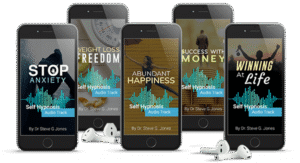
[Free Gift] Life-Changing Self Hypnosis Audio Track
Staying Positive in a Negative World: How to Protect Your Mind, Energy, and Inner Peace

With constant exposure to challenging news, social media pressure, global uncertainty, and daily stress, staying positive in a negative world can feel increasingly difficult. Negativity seems to travel faster than optimism, and it’s easy to get swept into a cycle of worry, frustration, or self-doubt. However, cultivating a positive mindset isn’t about ignoring problems or pretending hardship doesn’t exist. It’s about training your mind to stay resilient, hopeful, and grounded, even when life gets tough. In this guide, you will learn practical ways to stay mentally strong, emotionally balanced, and optimistic in a world that often feels overwhelming.

Why It Feels Hard to Stay Positive Today

Modern life exposes us to more information in a day than people a century ago would encounter in months. News headlines, social media, comparison culture, economic instability, and global issues can quickly drain emotional energy. Our brains are wired for survival, meaning they naturally pay more attention to threats and negativity than positivity. This “negativity bias” creates a mental environment where stress becomes the default, making staying positive in a negative world feel like an ongoing challenge.

Additionally, many people experience pressure to stay productive, successful, attractive, or socially approved. This creates emotional fatigue and contributes to low self-esteem, anxiety, and burnout. The first step toward emotional resilience is acknowledging that negativity exists—but refusing to let it control your inner state.

The Power of Mindset: Choosing Your Inner Narrative

Your mindset shapes how you interpret experiences and respond to life events. While you cannot control everything that happens around you, you can choose the meaning you give to those experiences. Developing a growth-oriented mindset allows you to turn challenges into lessons, failures into feedback, and setbacks into opportunities for growth.

Staying positive in a negative world does not mean forcing happiness. It means choosing a mindset that protects your peace, nurtures hope, and believes in possibility. When you take control of your inner narrative, external negativity loses influence over your emotional well-being.

Limit Negative Influences to Protect Your Mental Space

One of the most effective ways to protect your peace is to reduce sources of negativity in your environment. This includes news overload, toxic social media content, and draining relationships. Constant exposure to negative content conditions the brain to expect the worst.

Consider setting boundaries around media consumption by limiting time on news platforms, unfollowing toxic or drama-filled accounts, and curating your digital space with uplifting content. Surrounding yourself with positive influences creates a mental atmosphere that supports emotional resilience and happiness.

Practice Gratitude to Shift Your Emotional State

Gratitude is one of the most powerful tools for staying positive in a negative world because it trains your brain to notice what is going right. It reduces stress, increases happiness, boosts resilience, and supports emotional stability. Practicing gratitude activates the brain’s reward system and helps reduce the impact of negative thinking.

A simple daily practice is writing down three things you are grateful for. Even on difficult days, gratitude helps you refocus on what you still have, what you have survived, and what is possible for the future.

Strengthen Your Inner Circle: Positivity Through Connection

Humans are deeply influenced by the people they spend time with. Supportive, kind, and optimistic relationships are essential for emotional health. Surround yourself with people who lift you up, encourage growth, and inspire you to become your best self. A strong support system provides perspective, comfort, and motivation during challenging times.

If your current environment is filled with negativity, consider expanding your network by joining positive communities, coaching groups, volunteering, or engaging in hobbies that attract like-minded people. Connecting with others who value growth and kindness reinforces your efforts toward positivity.

Create Daily Rituals That Build Mental Strength

Rituals create consistency and stability, especially when the outside world feels unpredictable. Daily positive habits support emotional balance, self-confidence, and inner calm. Some helpful rituals include journaling to release negative thoughts, meditation for inner stillness and clarity, affirmations to shape self-belief, reading inspirational books, and starting the morning with intention.

Even five minutes of mindfulness can help reset your emotional state and create a more positive inner atmosphere for the rest of the day.

Embrace Mindfulness and Emotional Awareness

Staying positive in a negative world requires emotional awareness. Instead of suppressing emotions, mindfulness teaches you to observe them without judgment, allowing negative feelings to pass instead of taking root. Mindfulness helps you stay grounded in the present, reducing anxiety about the past or future.

Simple practices like mindful breathing, mindful eating, or grounding exercises calm the nervous system and give your mind room to process emotions more clearly and compassionately.

Develop Resilience Through Challenges

Resilience is the ability to bounce back from adversity. The more resilient you become, the easier it is to maintain a positive mindset regardless of external circumstances. Challenges become growth opportunities instead of obstacles. To build resilience, focus on problem-solving instead of worry, self-compassion instead of self-criticism, and long-term perspective instead of short-term discomfort.

Ask yourself: “What is this situation teaching me?” or “How can I grow from this?” Shifting your mental approach transforms negative experiences into personal breakthroughs.

Protect Your Energy with Boundaries

Boundaries are essential for emotional well-being. Without them, negativity from others can easily influence your happiness. Boundaries are not walls; they are self-respect. This includes saying no when something compromises your peace, distancing from toxic people, not engaging in drama or gossip, and prioritizing rest and personal time.

Setting boundaries teaches others how to treat you and teaches you how to protect your emotional space in a healthy, empowered way.

Give Yourself Permission to Rest and Recharge

You cannot stay positive when you are mentally exhausted. Rest is a form of self-care, not laziness. Resting allows your mind, body, and emotions to reset. This includes quality sleep, time away from screens, physical movement, being in nature, and allowing yourself to slow down without guilt.

Sometimes the most productive thing you can do for your well-being is pause, breathe, and recharge.

Final Thoughts: Cultivating Positivity Is a Daily Choice

Staying positive in a negative world is a journey, not a single decision. It requires intention, self-awareness, and consistent practice. You will still face challenges, but positivity gives you the strength to rise above them instead of being defined by them. Your mindset is your greatest source of power. When you choose to focus on hope, growth, gratitude, and inner peace, the world around you begins to change as well.

[Free Gift] Life-Changing Self Hypnosis Audio Track

Building Confidence from Within – Without Pretending to Be Strong

True confidence is not measured by how loud you speak, how many achievements you collect, or how “perfect” you appear in front of others. Real confidence grows quietly from within. It becomes a natural part of who you are, even when no one is watching. In a world where people often feel pressured to wear a mask of strength, learning to build confidence from the inside out can be life-changing.

This article will guide you through what genuine inner confidence really is, why pretending to be strong destroys self-worth, and practical ways to cultivate the kind of self-assurance that feels effortless and authentic.

What Does It Mean to Build Confidence from Within?

Building confidence from within means developing a strong sense of self that is not dependent on external validation, achievements, or comparison. It’s the ability to trust yourself, value who you are, and feel comfortable in your own skin. Unlike superficial confidence, which relies on appearance, performance, or approval, inner confidence comes from self-acceptance and inner peace.

When your confidence comes from within, you:

• Stop needing others to approve of you
• Can handle failures without losing your self-worth
• Know your strengths and embrace your weaknesses
• Feel grounded, even when facing criticism

This form of confidence is sustainable and freeing because it does not require constant effort to maintain an image.

Why Pretending to Be Strong Is Draining and Unhealthy

Many people confuse confidence with toughness. They believe they must always appear fearless, unbothered, and strong. But wearing a mask of strength creates emotional pressure. Pretending that everything is fine when it isn’t can lead to:

• Emotional exhaustion
• Increased anxiety or self-doubt
• Difficulty forming genuine relationships
• A constant feeling of not being “enough”

When your “strength” is just a performance, it becomes fragile. Any criticism, mistake, or failure can break you because your self-worth is externally built. True confidence welcomes vulnerability. It allows you to admit, “I don’t know” or “I need help” without feeling weak.

The Difference Between Real Confidence and False Confidence

Many people appear confident on the outside but feel insecure inside. Understanding the difference helps you avoid falling into the trap of artificial confidence.

Real confidence is quiet, secure, and internal.
False confidence is loud, defensive, and external.

Some key differences:

• Real confidence stays steady; false confidence collapses under pressure
• Real confidence accepts flaws; false confidence hides them
• Real confidence seeks growth; false confidence seeks validation

True confidence doesn’t need to prove anything. It simply exists.

How Comparison Damages Your Inner Confidence

Comparison is one of the biggest obstacles to building inner confidence. Social media intensifies this habit, pushing people to compare lifestyles, achievements, looks, relationships, and success. However, comparison distorts reality and weakens self-worth.

Your journey, timing, talents, and purpose are unique. When you constantly compare yourself, you ignore your own value and progress. Inner confidence grows when you focus on your path, not someone else’s.

A powerful mindset shift:
Instead of asking, “Am I better than them?” ask, “Am I better than I used to be?”

Steps to Build Confidence from Within

Building inner confidence is a lifelong journey, not a quick fix. These practical steps can help you cultivate it gradually and sustainably.

1. Practice Self-Awareness Daily
Begin by understanding your thoughts, emotions, and patterns. Self-awareness helps you recognize insecurities and replace negative self-talk with self-respect. Journaling, reflection, or spending intentional quiet time with yourself is a powerful starting point.

2. Embrace Your Authentic Self
Inner confidence grows when you stop trying to be someone else. Accept your quirks, strengths, flaws, and story. Authenticity allows you to show up as who you truly are, rather than who you think others want you to be.

3. Celebrate Small Wins
Confidence grows through evidence. Acknowledge your small achievements, efforts, and progress. Each time you recognize your growth, you strengthen your inner belief.

4. Set Boundaries and Honor Them
Saying no to things that drain your energy is a form of self-respect. Protecting your emotional space teaches others how to treat you and reinforces self-value.

5. Replace Perfection with Growth
Perfection is impossible, and the pursuit of it destroys self-confidence. Focus on learning, improving, and evolving rather than being flawless.

6. Surround Yourself with Supportive People
Your environment shapes your self-belief. Choose relationships that uplift, inspire, and encourage your authentic self to shine.

7. Speak to Yourself with Kindness
Your inner voice shapes your identity. Practice compassionate self-talk and treat yourself like someone you love. The way you speak to yourself becomes the foundation of your confidence.

The Power of Vulnerability in Building Real Confidence

Many people fear vulnerability because they equate it with weakness. In reality, vulnerability is courage in action. When you allow yourself to be seen as you truly are—even with flaws—you activate a deeper level of inner strength. Vulnerability builds trust, deepens connections, and frees you from the burden of pretending.

It takes far more courage to say “I’m struggling” than to pretend everything is fine.

Signs That Your Confidence Is Growing from Within

You will know your inner confidence is expanding when you notice changes like:

• You care less about people’s opinions
• You no longer compare yourself to others
• You express your truth calmly and respectfully
• You embrace mistakes as part of learning
• You stop chasing external validation

Inner confidence feels natural, peaceful, and stable.

Final Thoughts: Confidence That Feels Real, Not Performed

You don’t need to act strong, look perfect, or prove yourself to anyone. Inner confidence is built through self-honesty, self-acceptance, and self-respect. It is not about being better than someone else—it is about becoming the best and most authentic version of yourself.

When you build confidence from within, the world no longer defines your worth. You do.

If you’re ready to start this journey, begin with one simple step: choose to be real, not perfect. Because confidence is not about pretending to be strong—it is about knowing you already are.

[Free Gift] Life-Changing Self Hypnosis Audio Track

The Personal Self-Healing Journey: A Complete Guide to Healing From Within

The personal self-healing journey is a deeply transformative process that allows you to reconnect with your inner peace, rebuild emotional resilience, and restore balance in your life. Healing is not only about recovering from pain but also rediscovering who you are beyond your struggles. Whether you are healing from heartbreak, trauma, burnout, grief, self-doubt, or a personal crisis, this journey is one of courage, self-awareness, and profound inner growth.

Many people believe healing happens with time alone, but the truth is that self-healing is an intentional journey. It involves conscious actions, emotional reflection, lifestyle changes, and nurturing your mental, emotional, and spiritual wellbeing. This guide will walk you through the key stages, practices, and mindset shifts that support real and lasting transformation.

What Does Self-Healing Really Mean?

Self-healing is the process of acknowledging your emotional wounds, understanding their roots, and gradually releasing the pain they carry. It is about learning to respond to your experiences with compassion instead of self-judgment. Unlike external healing methods, personal self-healing focuses on building inner strength and emotional clarity so you can thrive independently, not just survive.

Self-healing does not mean you must handle everything alone. It means you take active responsibility for your healing while allowing support, guidance, and compassion along the way.

Why the Personal Self-Healing Journey Matters

Everyone experiences emotional pain at some point. Left unhealed, emotional wounds can affect relationships, confidence, decision-making, mental health, and overall happiness. Healing empowers you to stop repeating painful cycles and create a healthier, more authentic life.

A personal self-healing journey helps you:

• understand your emotions instead of suppressing them
• break old patterns and create healthier habits
• improve emotional intelligence and self-awareness
• develop inner peace and resilience
• build a stronger relationship with yourself

When you heal, you don’t become a “perfect” version of yourself — you become a more conscious, grounded, and emotionally free version of who you are meant to be.

Phase 1: Awareness – Recognizing the Need for Healing

The journey begins with awareness. You may notice signs such as emotional exhaustion, constant overthinking, irritability, lack of motivation, or feeling disconnected from yourself. Instead of ignoring the pain or numbing your feelings, awareness encourages you to pause and acknowledge that something within needs care.

Journaling, self-reflection, and mindfulness are helpful during this phase. Simply asking yourself, “What is hurting, and why?” can open the door to healing.

Phase 2: Acceptance – Allowing Yourself to Feel

Many people delay healing because they are afraid to face their emotions. Acceptance is not about approving what happened; it is about allowing your feelings to exist without shame. Emotions like sadness, anger, guilt, or disappointment are natural responses to painful experiences.

Giving yourself permission to feel is an act of self-love. Cry if you need to, rest if you are tired, talk to someone if the burden feels heavy. Your emotions deserve space to be seen and heard.

Phase 3: Release – Letting Go of What No Longer Serves You

Healing requires releasing emotional baggage that weighs down your heart and mind. This includes letting go of past regrets, limiting beliefs, unhealthy attachments, and self-blame. You cannot build a peaceful future on unresolved pain.

Techniques that support emotional release include:

• journaling your thoughts and feelings
• guided meditation for inner healing
• breathwork
• talking to a therapist or a trusted person
• writing a letter you don’t need to send

Release creates space for new energy, new opportunities, and a healthier self-identity.

Phase 4: Rebuilding – Creating New Habits and Inner Strength

Once you begin releasing emotional weight, you can rebuild your life with clarity. This phase is about forming healthier habits, strengthening boundaries, and redefining what you want from your relationships, lifestyle, and future.

Some powerful self-healing practices include:

• daily gratitude and positive self-talk
• mindful morning and evening routines
• nurturing hobbies that bring joy
• spending time in nature or peaceful settings
• surrounding yourself with supportive people

Rebuilding also means learning to treat yourself with kindness. Celebrate small progress, not just big milestones.

Phase 5: Growth – Becoming the Empowered Version of You

As you move forward, you realize healing has changed you. You become more emotionally aware, resilient, and confident. You communicate better, choose more mindfully, and guard your inner peace with intention. Growth is a lifelong journey and continues even after the pain is gone.

The personal self-healing journey eventually leads to transformation — a place where you no longer allow past wounds to define your worth or limit your happiness.

Common Challenges on the Self-Healing Journey

Healing is rarely a straight line. You may feel strong one day and overwhelmed the next. This is normal. Setbacks are part of recovery, not proof of failure. Be patient with yourself and remember:

• It is okay to ask for help
• Healing takes time and consistency
• Progress may be invisible at first
• You don’t have to heal alone

If you fall back into old patterns, gently guide yourself forward again. The goal is not perfection but progress.

Essential Tools to Support Personal Self-Healing

To maintain emotional wellbeing, consider integrating these tools into your journey:

• meditation or mindfulness exercises
• journaling for emotional clarity
• reading self-help or personal growth books
• therapy or counseling
• physical movement such as yoga, stretching, or walking
• digital detox and mindful consumption of social media

These practices nourish your mind, body, and soul, allowing healing to happen from the inside out.

A Gentle Reminder for Your Journey

Healing is not about forgetting the past — it is about freeing yourself from its emotional grip. You are allowed to rest. You are allowed to grow slowly. You are allowed to change your life completely. The personal self-healing journey will guide you back to yourself, one step at a time.

[Free Gift] Life-Changing Self Hypnosis Audio Track

5 Things to Remember During a Personal Crisis: A Gentle Guide to Regaining Stability and Inner Strength

A personal crisis can come without warning. It may be triggered by a relationship breakup, career loss, family conflict, health issues, financial pressure, or an emotional breakdown that feels too heavy to carry. During moments like these, many people feel overwhelmed, lost, and unsure of what to do next. If you are going through a difficult period, it is important to handle your emotions with extreme care. The way you respond during this phase can either support your healing or make the situation harder to overcome.

This guide shares five essential things to remember during a personal crisis. Each reminder is simple but powerful to help you stay grounded, maintain clarity, and protect your mental wellbeing while navigating uncertainty.

Why Personal Crises Feel So Overwhelming

A personal crisis can shake your sense of identity, stability, and control. Your mind is often flooded with worst-case scenarios, fear of the unknown, or guilt about what happened. You may temporarily lose motivation, struggle to sleep, or withdraw from others because you feel misunderstood. These reactions are more common than you think, and acknowledging them is the first step to healing.

Understanding why you feel overwhelmed helps you respond with more compassion toward yourself. Your brain is trying to protect you during this stressful time, but that protection often comes in the form of panic, overthinking, and emotional chaos. That is why you need a gentle roadmap to regain balance.

1. Don’t Make Big Decisions When You’re Panicking

During a crisis, emotions run high and logic becomes cloudy. Many people feel the urge to make sudden decisions just to escape the discomfort. This may include quitting a job, ending a relationship, cutting off loved ones, moving away, or making big financial choices. While the desire for quick change is understandable, acting based on panic often leads to regret.

It is wiser to press pause until your mind is calmer. Give yourself time to settle emotionally before making life-changing decisions. If a decision is not urgent, allow at least a few days or weeks to gain clarity. You deserve the chance to choose from a place of strength rather than fear.

2. Get Enough Sleep to Protect Your Emotional Health

Sleep is often the first thing affected during a personal crisis. You might spend nights overthinking, replaying painful memories, or imagining future problems that haven’t happened. Lack of sleep makes it harder to regulate emotions, solve problems, and think clearly. Your body and mind need rest to recover.

Prioritize restful sleep by maintaining a calm evening routine. Disconnect from social media, dim your lights, avoid stressful conversations at night, and try calming practices such as deep breathing or gentle stretching. Even if it feels hard, aim for 7–8 hours of sleep. A rested mind can handle challenges with much more stability.

3. Keep a Journal to Process Your Emotions Safely

Journaling is a healing tool that allows you to express emotions without judgment. Many thoughts feel overwhelming when they stay trapped in your mind. Writing them down helps you process, release, and understand them. It also helps you identify patterns and gain clarity about what you truly need.

Your journal doesn’t have to be perfect. You can write freely about your worries, your fears, what hurts, and what you wish would change. Over time, you will see your emotional progress on paper. Journaling also serves as a safe space when you don’t feel ready to talk to others.

4. Avoid Consuming Toxic Information

During a crisis, your mind is more sensitive. What you consume—online or offline—can strongly influence your emotions. Constant exposure to negative news, judgmental online comments, gossip, comparison on social media, or content that triggers fear will slow down your healing.

Protect your mental space by curating what you allow in. Reduce social media usage, avoid debates, and limit contact with people who drain your energy or invalidate your feelings. Choose healthier emotional nourishment such as uplifting books, inspiring videos, educational podcasts, or content that encourages recovery and self-compassion. Guard your peace as if your heart depends on it—because it does.

5. Find Someone You Truly Trust to Share With

You don’t have to face a personal crisis alone. Carrying everything by yourself makes the burden heavier and can lead to emotional burnout. Sharing your feelings with someone trustworthy—whether a close friend, a family member, or a therapist—can bring relief and support.

Choose someone who listens without judgment, understands you, and respects your vulnerability. Sometimes, one genuine conversation can provide comfort, clarity, or a new perspective that becomes a turning point in your journey. Reaching out doesn’t make you weak; it shows courage and wisdom.

You Are Not Broken – You Are Going Through a Transition

A personal crisis often marks the beginning of transformation. Even though it feels painful, confusing, and overwhelming, this phase can help you grow, rebuild your strength, and reconnect with who you truly are. Healing takes time, and there is no fixed timeline for recovery. Be gentle with yourself. Celebrate small steps, honor your emotions, and allow yourself to feel.

What you are experiencing right now does not define your future. You are still capable of joy, love, success, and peace. One day, you will look back and realize this challenging moment shaped you into a stronger, wiser version of yourself.

A Warm Reminder

Healing is not linear. You may feel better today and fall back tomorrow. That is normal. Keep going. Use the steps above as your mini-guide whenever life feels heavy.

[Free Gift] Life-Changing Self Hypnosis Audio Track