Emotional tension is something nearly everyone experiences, yet many people don’t fully understand how much it shapes their daily life. It can quietly build in the background—through stress at work, unresolved conflicts, suppressed feelings, or simply the constant pressure to “keep it together.” Over time, this tension doesn’t just stay in your mind. It settles into your body, influences your decisions, and affects your relationships.
If you’ve ever felt unusually irritable, mentally exhausted, physically tight, or emotionally overwhelmed without a clear reason, emotional tension may be at the root. The good news is that releasing this tension doesn’t require dramatic life changes. Often, small, consistent actions can create powerful shifts.
This guide explores simple, practical, and effective ways to release emotional tension so you can feel lighter, clearer, and more in control of your inner world.
Understanding Emotional Tension
Emotional tension is the result of unprocessed emotions—feelings that were ignored, suppressed, or never fully expressed. These can include anger, sadness, fear, guilt, or even excitement that wasn’t given space to unfold naturally.
When emotions aren’t released, they don’t disappear. Instead, they accumulate and manifest in different ways:
- Tight shoulders, neck pain, or headaches
- Racing thoughts or mental fatigue
- Irritability or sudden mood swings
- Difficulty sleeping
- Feeling disconnected or numb
Recognizing these signs is the first step. The next step is learning how to gently release what your body and mind have been holding onto.
Why Releasing Emotional Tension Matters
Holding onto emotional tension can slowly drain your energy and limit your ability to live fully. It impacts not only your mental health but also your physical well-being and relationships.
When you release emotional tension, you may notice:
- Improved focus and clarity
- Better emotional regulation
- Reduced stress and anxiety
- Increased energy levels
- Stronger connections with others
Letting go isn’t about forgetting or ignoring your experiences. It’s about allowing yourself to process them in a healthy and constructive way.
Simple Ways to Release Emotional Tension
1. Breathe With Intention
Breathing is one of the fastest ways to calm your nervous system. When you’re stressed, your breathing becomes shallow and rapid. By slowing it down, you send a signal to your body that it’s safe to relax.
Try this simple technique:
- Inhale slowly through your nose for 4 seconds
- Hold for 4 seconds
- Exhale gently through your mouth for 6 seconds
Repeat for a few minutes. You’ll likely feel a noticeable shift in your body.
2. Move Your Body
Emotions are not just mental—they are physical experiences. Movement helps release stored tension in the body.
You don’t need an intense workout. Simple activities can make a big difference:
- Walking in nature
- Stretching or yoga
- Dancing to your favorite music
- Light exercise like cycling or swimming
The key is consistency. Even 10–15 minutes a day can help release built-up emotional pressure.
3. Write It Out
Journaling is a powerful tool for emotional release. When thoughts stay in your head, they tend to loop and intensify. Writing them down creates space and clarity.
You don’t need perfect grammar or structure. Just write freely:
- What are you feeling right now?
- What’s been bothering you lately?
- What do you wish you could say but haven’t?
Sometimes, simply putting your emotions into words can reduce their intensity.
4. Allow Yourself to Feel
One of the biggest reasons emotional tension builds up is because people try to avoid uncomfortable feelings. But emotions are meant to be experienced, not suppressed.
Instead of pushing feelings away, try to sit with them:
- Name the emotion (e.g., “I feel anxious” or “I feel hurt”)
- Notice where you feel it in your body
- Breathe into that area without judgment
This practice can feel uncomfortable at first, but it becomes easier with time—and incredibly freeing.
5. Practice Mindfulness
Mindfulness helps you stay present instead of getting lost in worries about the past or future. It creates a sense of calm awareness that naturally reduces emotional tension.
You can practice mindfulness in simple ways:
- Pay attention to your surroundings during a walk
- Focus on the taste and texture of your food while eating
- Notice your breath as you sit quietly for a few minutes
The goal is not to eliminate thoughts, but to observe them without becoming overwhelmed.
6. Talk to Someone You Trust
Sharing your thoughts with someone supportive can be incredibly relieving. It helps you process emotions and feel less alone.
Choose someone who listens without judgment—a friend, family member, or even a professional. You don’t need to have everything figured out before you speak. Sometimes, clarity comes through the act of expressing yourself.
7. Create Small Moments of Joy
Emotional tension often builds when life feels like a constant cycle of stress and responsibility. Introducing small moments of joy can help balance that.
Consider:
- Listening to music you love
- Watching something that makes you laugh
- Spending time with people who uplift you
- Engaging in a hobby you enjoy
These moments act as emotional resets, helping your mind and body relax.
8. Set Boundaries
Many people carry emotional tension because they take on too much—too many responsibilities, expectations, or emotional burdens from others.
Learning to say no is essential. Boundaries are not about shutting people out; they’re about protecting your energy.
Ask yourself:
- What is draining me right now?
- Where do I need more space or support?
Even small boundaries can make a big difference in reducing emotional strain.
9. Rest Without Guilt
Rest is often overlooked as a tool for emotional healing. When you’re constantly busy, your body doesn’t have time to process and release tension.
Give yourself permission to rest:
- Take breaks during the day
- Sleep enough at night
- Allow yourself moments of doing nothing
Rest is not a luxury—it’s a necessity for emotional balance.
10. Practice Self-Compassion
Being hard on yourself only adds to emotional tension. Instead, try to treat yourself with the same kindness you would offer a close friend.
When you make a mistake or feel overwhelmed:
- Acknowledge your feelings
- Remind yourself that it’s okay to struggle
- Speak to yourself gently
Self-compassion creates a safe inner environment where emotions can be processed without fear or judgment.
Building a Daily Emotional Release Routine
You don’t need to do everything at once. Start small and build a routine that fits your lifestyle.
For example:
- Morning: 5 minutes of deep breathing
- Afternoon: A short walk or stretch
- Evening: Journaling or quiet reflection
Consistency matters more than intensity. Over time, these small habits can significantly reduce emotional tension and improve your overall well-being.
When to Seek Additional Support
While these techniques are helpful, there are times when deeper support is needed. If emotional tension feels overwhelming or persistent, consider speaking with a mental health professional.
Seeking help is not a sign of weakness—it’s a step toward understanding yourself better and creating lasting change.
Final Thoughts
Emotional tension is a natural part of being human, but it doesn’t have to control your life. By making space for your emotions and taking small, intentional steps each day, you can release what no longer serves you.
The process isn’t about becoming perfectly calm or never feeling stressed again. It’s about learning how to move through your emotions with awareness, patience, and care.
As you begin to release emotional tension, you may notice something subtle but powerful: a sense of lightness, clarity, and inner peace that was always there—just waiting to be uncovered.
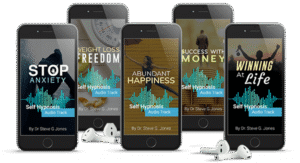
[Free Gift] Life-Changing Self Hypnosis Audio Track