
Self-Discipline Made Simple: Habits That Stick for Life

Self-discipline often sounds like a rigid, almost military concept. We imagine waking up at 4 AM, running 10 miles, eating steamed broccoli, and working non-stop until midnight. For years, I thought that was the only way to live a disciplined life—and honestly, that belief paralyzed me.

But here’s the truth I learned the hard way: self-discipline isn’t about punishing yourself. It’s about designing habits that feel natural and sustainable. In this guide, I’ll break down how to simplify self-discipline and build habits that truly stick for life. I’ll also share my own experience of going from chaotic procrastinator to someone who actually enjoys sticking to routines.

Let’s dive in.

Why Self-Discipline Matters (More Than Motivation)

Motivation is like a spark. It feels great at first—but it burns out quickly. I used to rely on motivation for everything: hitting the gym, writing, even doing laundry. Some days I was on fire. Other days? I binged Netflix and told myself, “I’ll start tomorrow.”

The turning point came when I realized motivation is a feeling, but self-discipline is a system. Systems don’t care how you feel. They work because they are built on habits, routines, and triggers.

My Personal Journey: From Zero Discipline to Daily Habits That Stick

About five years ago, I was drowning in unfinished projects. I had dozens of “to-do lists,” but nothing was getting done. My mornings started late, my diet was inconsistent, and every small setback made me spiral into self-doubt.

One day, I stumbled upon a quote that changed my perspective:

“You do not rise to the level of your goals. You fall to the level of your systems.”

That hit me hard because I had plenty of goals—but no system. So, I decided to experiment with one small habit at a time. Here’s what I learned.

Step 1: Start Ridiculously Small

The first habit I built was embarrassingly simple: drink one glass of water every morning. That’s it. No fancy productivity hacks. Just water.

Why did this work? Because I stopped trying to overhaul my entire life overnight. Instead, I created a habit so small I couldn’t fail.

Pro Tip: Choose one habit that takes less than 2 minutes. For example:

  • Write one sentence in your journal.
  • Read one page of a book.
  • Do one push-up.

When you start small, your brain sees success early—and that’s how momentum begins.

Step 2: Use Triggers to Make Habits Automatic

A habit doesn’t live in isolation. It thrives when attached to something you already do. For me, I linked my morning water habit to brushing my teeth. I told myself: “After brushing my teeth, I drink a glass of water.”

This is called habit stacking, and it’s a game-changer. Want to start meditating? Do it after making your coffee. Want to write daily? Do it after checking emails.

Step 3: Make It Easy (Remove Friction)

Discipline fails when your environment works against you. I used to keep my workout clothes in the closet—guess what? I rarely exercised. Now, I lay them out the night before. The easier it is to start, the harder it is to quit.

Ask yourself:

  • Want to eat healthy? Keep fruit on the counter, not chips.
  • Want to read more? Put a book on your pillow.
  • Want to avoid social media? Delete the apps from your home screen.

Step 4: Reward Yourself (But the Right Way)

When I hit 7 days of journaling, I treated myself to a coffee from my favorite café. Rewards create positive reinforcement—but they should align with your goals. For example, if your habit is exercising, don’t reward yourself with junk food. Instead, buy a new workout playlist or a comfortable hoodie.

Step 5: Embrace Imperfection (Discipline ≠ Perfection)

Here’s where I messed up early on: I thought missing one day meant I failed. That all-or-nothing mindset crushed me. Now I know the truth: missing one day doesn’t matter—missing two days is dangerous.

So, if you skip a workout or forget your habit, don’t quit. Start again immediately. Discipline is about getting back on track faster than before.

Habits That Stick for Life: The 4 Non-Negotiables

Based on years of trial and error, these four habits transformed my life and they’re easy to start:

  1. Daily Movement – Even 10 minutes counts.
  2. Morning Mindset Check – Journal, meditate, or read something uplifting.
  3. Plan Tomorrow Today – Before bed, write your top 3 priorities.
  4. Digital Boundaries – No screens for the first and last 30 minutes of the day.

The Science Behind Habits That Last

Behavioral scientists like BJ Fogg and James Clear emphasize three principles:

  • Cue → Action → Reward (The Habit Loop)
  • Emotion beats logic – You stick to habits that make you feel good.
  • Identity drives behavior – Don’t just “try to exercise”; become someone who is active.

When I shifted from “I want to write” to “I am a writer”, everything changed.

Final Thoughts: Self-Discipline Is Freedom, Not Restriction

The biggest myth about discipline? That it limits your life. In reality, it’s the opposite. When you master self-discipline, you free yourself from chaos, decision fatigue, and procrastination.

And here’s the secret: self-discipline isn’t about willpower—it’s about design. Design habits that fit your life. Start small. Stack them. Make them easy. Reward yourself.

Five years ago, I couldn’t stick to anything. Today, I write daily, exercise consistently, and feel in control—not because I’m stronger than you, but because I built habits that stick for life.

Now it’s your turn. Which habit will you start today?

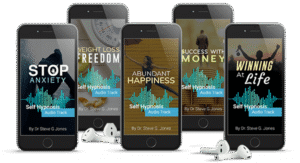
[Free Gift] Life-Changing Self Hypnosis Audio Track
7 Science-Backed Ways to Beat Procrastination Today

Why Do We Procrastinate?

If you’re reading this article, chances are you’ve been staring at your to-do list for a while, trying to convince yourself to just start. I know the feeling—I’ve been there countless times. Procrastination isn’t just about laziness; it’s a complex psychological behavior that affects almost everyone. In fact, studies suggest that up to 20% of adults are chronic procrastinators, and nearly everyone does it occasionally.

But here’s the good news: procrastination is a habit, and like any habit, it can be changed. Over the years, I’ve tried dozens of strategies to fight my own tendency to delay important tasks. Some failed miserably, others worked like magic. In this post, I’ll share 7 science-backed methods to beat procrastination—plus real-life insights on how to implement them starting today.

1. Use the “Two-Minute Rule” to Get Started

One of the hardest parts of any task is simply starting. Our brain exaggerates how difficult the task will be, so we delay it. Here’s where the Two-Minute Rule, popularized by productivity expert David Allen, comes in:

If a task takes less than two minutes, do it immediately. For bigger tasks, start by doing just two minutes of it.

Why It Works (Science Insight)

According to behavioral science, starting a task creates a mental momentum called the Zeigarnik effect—our brain wants to finish what we’ve started. Even a tiny beginning reduces resistance.

My Experience:

I used to put off writing blog posts because I thought, “I don’t have an hour to write.” So I told myself, “Just open the doc and write the first sentence.” Within five minutes, I was typing away and often finished half the article.

Pro tip: The hardest step is the first one. Just open that document or email—you’ll be surprised how far two minutes can take you.

2. Break Tasks Into Bite-Sized Chunks

Have you ever looked at a massive project and felt instantly overwhelmed? That’s cognitive overload. Your brain sees one giant task and panics.

The Science Behind It

Psychologists call this the “chunking” strategy. By breaking a big task into smaller, actionable steps, you reduce mental resistance and create a clear path forward.

How I Apply It:

When I had to create a 50-page report for a client, I didn’t write “Finish 50-page report” on my to-do list. Instead, I wrote:

  • Outline main sections
  • Write introduction
  • Draft section one
    Each small win gave me a dopamine boost, making me feel accomplished and motivated to keep going.

Action Tip: Instead of “Clean the entire house,” start with “Wash the dishes” or “Vacuum the living room.” Small wins lead to big victories.

3. Apply the Pomodoro Technique for Laser Focus

The Pomodoro Technique is one of my favorite tools for beating procrastination. The concept is simple:

  • Work for 25 minutes
  • Take a 5-minute break
  • Repeat

After four sessions, take a longer 15–30 minute break.

Why It Works (Science Insight)

Short bursts of focused work reduce mental fatigue and increase productivity, according to research on time-blocking and attention span.

My Personal Experience:

I used to spend hours in “fake work mode”—checking emails, scrolling social media, and convincing myself I was busy. When I switched to Pomodoro, I got more done in two hours than I previously did in four.

Bonus: Use a timer or apps like Focus Booster or TomatoTimer to keep yourself accountable.

4. Make Temptation Bundling Your Secret Weapon

Temptation bundling is a concept from behavioral economics. It means pairing something you want to do with something you need to do.

Example:

  • Only listen to your favorite podcast while doing household chores.
  • Only drink your favorite latte when working on your toughest project.

Why It Works

According to research by behavioral scientist Katy Milkman, linking an unpleasant task with a pleasurable activity makes you more likely to stick with it.

How I Use It:

I love true crime podcasts. So, I only allow myself to listen when doing admin work—emails, invoices, scheduling. Now I actually look forward to those tasks.

5. Reduce Decision Fatigue with a Pre-Plan

Procrastination often comes from decision fatigue—too many choices lead to inaction. When your brain is tired from making decisions all day, starting a task feels like climbing Everest.

Science Insight:

Studies show that willpower and decision-making are finite resources. This is why CEOs wear the same outfit daily—fewer decisions mean more mental energy for important tasks.

My Tip:

Plan your next day the night before:

  • Write down your top 3 priorities
  • Schedule them into time blocks
    When I started doing this, I woke up knowing exactly what to tackle first—and that clarity crushed my procrastination habit.

6. Use Implementation Intentions (If-Then Planning)

An implementation intention is a psychological strategy where you create an if-then plan:

“If it’s 8 AM, then I will write for 30 minutes.”

Why It Works

Research shows that specifying when, where, and how you’ll do a task significantly increases follow-through. It removes ambiguity and turns intention into action.

How I Apply It:

Instead of saying, “I’ll work on my blog sometime today,” I say, “At 9 AM, I’ll sit at my desk with my laptop and write the first 500 words.” This simple mental commitment works wonders.

7. Reward Yourself for Progress, Not Perfection

Perfectionism is one of the biggest triggers of procrastination. We wait for the “perfect time” or fear failing, so we do nothing.

Science Insight:

Research shows that immediate rewards increase motivation. The brain responds to short-term incentives better than long-term ones.

My Go-To Reward System:

After finishing a major task, I treat myself:

  • A walk in the park
  • A fancy coffee
  • A 30-minute Netflix break
    This positive reinforcement keeps me moving forward.

Final Thoughts: Procrastination Is a Habit, Not an Identity

I used to call myself “lazy,” but that wasn’t true. I just didn’t understand how to manage my brain. Once I started applying these science-backed strategies, my productivity skyrocketed—and so did my sense of control over life.

If you take one thing away from this article, let it be this: Start small. Open the document. Write the first sentence. Momentum will do the rest.

[Free Gift] Life-Changing Self Hypnosis Audio Track

Time Blocking for Beginners: How to Get More Done in Less Time

Why Time Blocking Can Change Everything

If you’ve ever ended a day wondering, “Where did all my time go?”, you’re not alone. I used to feel the same way. My to-do list kept growing, but somehow, the day would disappear before I even finished the top three tasks. That’s when I discovered time blocking, and it completely changed how I work.

Time blocking is more than just planning your day—it’s a system that helps you take control of your schedule, reduce distractions, and increase focus. In this guide, I’ll share what time blocking is, why it works, how I implemented it in my own life (and the mistakes I made), and how you can start using it today—even if you’ve never tried structured time management before.

What Is Time Blocking? (And Why It Works)

Time blocking is a productivity method where you divide your day into blocks of time, and assign a specific task or type of work to each block. Instead of having a long to-do list and tackling tasks randomly, you schedule everything in your calendar—including work tasks, breaks, and even personal activities.

For example:

  • 9:00 AM – 10:30 AM: Write blog article
  • 10:30 AM – 11:00 AM: Email follow-up
  • 11:00 AM – 12:30 PM: Project work
  • 12:30 PM – 1:00 PM: Lunch break

The beauty of time blocking is that it forces you to prioritize, avoid multitasking, and stay focused on one thing at a time.

Why does time blocking work so well?

  • It creates structure: You don’t waste time deciding what to do next.
  • It reduces decision fatigue: You plan once, then follow the plan.
  • It combats procrastination: A set time for a task creates urgency.
  • It protects your time: Others can’t fill your calendar if you’ve already blocked it.

My First Experience With Time Blocking (What I Learned the Hard Way)

When I first tried time blocking, I made one big mistake: I blocked every minute of my day without any flexibility. It looked perfect on paper, but in real life, it was impossible to follow. One unexpected meeting and my whole plan fell apart.

So here’s what I changed:

  • I started with 3–4 main blocks per day instead of 10 tiny ones.
  • I added buffer time between tasks for unexpected interruptions.
  • I scheduled breaks on purpose so I wouldn’t burn out.

The result? I went from feeling constantly behind to actually finishing work early some days. It wasn’t magic—it was structure.

Step-by-Step Guide: How to Start Time Blocking (Even if You’re Busy)

Ready to try it yourself? Here’s how to set up your first time-blocked schedule.

Step 1: Identify Your Priorities

Before you block your time, list your top 3–5 priorities for the day or week. These are your non-negotiables. Everything else is secondary.

Example:

  • Write 1,000 words for blog post
  • Prepare client proposal
  • Exercise for 30 minutes

Step 2: Estimate How Long Each Task Takes

Be realistic. If writing 1,000 words usually takes you 2 hours, don’t give yourself 30 minutes.

Step 3: Create Time Blocks in Your Calendar

Use a digital calendar (Google Calendar works great) or a paper planner. Block chunks of time for each task.

  • Morning for deep work (writing, planning)
  • Afternoon for meetings or emails
  • Evening for personal time

Step 4: Add Buffers and Breaks

Don’t schedule back-to-back tasks with no breathing room. Add 15–30 minutes between blocks.

Step 5: Stick to the Schedule (But Stay Flexible)

Life happens. If something urgent comes up, reschedule the block, don’t delete it. Protect your time.

Advanced Tips to Make Time Blocking Work Long-Term

  1. Theme Your Days
    For example, Mondays for planning, Tuesdays for meetings, Wednesdays for creative work. This reduces mental switching.
  2. Batch Similar Tasks Together
    Answer emails in one block instead of checking them all day.
  3. Use Color Coding
    Assign different colors for work, personal tasks, and breaks in your calendar.
  4. Review and Adjust Weekly
    Ask yourself: What worked? What didn’t? Then tweak your schedule.

Benefits of Time Blocking (What You’ll Notice After 2 Weeks)

After practicing time blocking consistently, here’s what I experienced—and you probably will too:

  • Less stress: You know exactly what to do and when.
  • More productivity: You’ll accomplish more in less time.
  • Better work-life balance: You schedule personal time too, not just work.
  • Reduced distractions: No more mindless scrolling because you have a plan.

Common Mistakes Beginners Make (And How to Avoid Them)

  • Blocking too much in one day – Start small.
  • Not allowing flexibility – Leave buffer time for unexpected tasks.
  • Ignoring personal time – Time blocking isn’t just for work; include self-care too.

My Favorite Tools for Time Blocking

  • Google Calendar – Easy to share and color-code.
  • Notion – Great for combining time blocks with task lists.
  • Trello + Calendar Power-Up – Perfect for project-based work.

Final Thoughts: Is Time Blocking Worth It?

Absolutely. Time blocking isn’t just a productivity hack—it’s a mindset shift. Instead of reacting to your day, you take control of it. I’ve gone from feeling overwhelmed to feeling like the CEO of my own time. And trust me, that’s a game-changer.

If you’re a beginner, start simple: block just 2–3 tasks tomorrow. Stick with it for a week, then expand. Your future self will thank you.

[Free Gift] Life-Changing Self Hypnosis Audio Track

Dare to Live Your Own Life: How to Break Free from Expectations and Create a Life You Love

Why Living Your Own Life Takes Courage

Have you ever caught yourself making choices just to please others? Maybe you picked a career because your parents wanted it, stayed in a relationship that no longer made you happy, or said yes when your heart screamed no.

I’ve been there. I once believed that success meant following a script: graduate, get a “respectable” job, buy a house, and stay in a relationship that looked perfect from the outside. But deep down, I was exhausted and unhappy. Why? Because I was living a life that wasn’t truly mine.

Living your own life requires courage—the courage to question norms, silence your inner critic, and take steps toward what feels right for you. In this post, we’ll explore why breaking free from expectations is so hard, why it matters, and practical steps to start living authentically.

Why Is It So Hard to Live Your Own Life?

Society loves to give us scripts:

  • Go to college, get a good job, settle down.
  • Be successful by 30.
  • Never disappoint anyone.

These expectations often come from family, culture, social media, and even our own fears. Over time, they become so ingrained that we confuse their voices with our own desires.

And let’s be honest—choosing your own path isn’t easy because:
✔ You fear judgment.
✔ You fear failure.
✔ You crave approval.

But here’s the truth: You can’t live your best life if you’re living someone else’s dream.

The Cost of Living for Others

When you constantly chase approval or meet others’ expectations, you pay a high price:

  • Burnout: Doing things that don’t align with your values drains your energy.
  • Resentment: You feel frustrated because your needs never come first.
  • Loss of identity: You forget who you truly are and what you want.

The worst part? One day, you’ll look back and realize you spent your life trying to make everyone else happy—except yourself.

How to Dare to Live Your Own Life

1. Redefine Success in Your Own Words

What does success really mean to you? Is it having a big house, or is it having peace of mind? Is it climbing the corporate ladder, or is it working remotely so you can travel?

Take 10 minutes to write your personal definition of success. It doesn’t have to look like anyone else’s.

Example: “Success to me is having enough income to live comfortably, time for my hobbies, and freedom to choose my projects.”

2. Silence the Inner Critic

That voice in your head saying “You’re not good enough” or “What will people think?” isn’t helping you. Notice it, but don’t let it run the show.

Practical tip: When your inner critic speaks, counter it with evidence.

  • Critic: “You’ll fail if you start your own business.”
  • You: “Actually, I’ve learned new skills before and succeeded.”

3. Learn the Art of Saying “No”

Saying no doesn’t make you selfish. It makes you self-aware. Every time you say yes to something you don’t want, you’re saying no to what you truly desire.

Try these polite ways to decline:

  • “Thank you, but I can’t commit to that right now.”
  • “I appreciate it, but I need to focus on my priorities.”

4. Allow Yourself to Take the “Wrong” Path

Here’s a little secret: There is no single “right” path. Life is about trying, learning, and adjusting. Sometimes the road less traveled leads to the most beautiful destination.

When I quit my stable job to start freelancing, people thought I was crazy. It was scary, yes—but it was also the best decision I ever made.

5. Create Alone Time Every Week

In a world full of noise, solitude is a superpower. Schedule at least an hour each week just for yourself—no phone, no obligations, just you and your thoughts.

Use this time to:

  • Reflect on your goals.
  • Journal your feelings.
  • Ask yourself: Am I living in alignment with what I want?

What Happens When You Finally Live Your Own Life

When you start living authentically, everything changes:
✔ You feel lighter because you’re no longer carrying others’ expectations.
✔ You attract people who appreciate the real you.
✔ You build confidence by making choices that honor your values.

Most importantly, you’ll stop wondering “What if?” and start saying “I’m glad I did.”

Final Thoughts: Dare to Be You

Living your own life isn’t about being reckless or ignoring responsibilities. It’s about choosing a life that feels meaningful to YOU—not to your parents, friends, or society.

So ask yourself today:
What’s one small step I can take toward the life I truly want?

You don’t have to have it all figured out. Just begin.

[Free Gift] Life-Changing Self Hypnosis Audio Track

How I Broke Free from Other People’s Expectations

The Invisible Cage of Expectations

Have you ever felt like you’re living someone else’s life? That was me for years. I checked all the boxes—went to a good school, studied the major my parents wanted, got a “stable” job, and tried to be the strong, dependable person everyone expected me to be. On the outside, everything looked perfect. Inside? I was exhausted, unhappy, and disconnected from who I truly was.

Breaking free from other people’s expectations wasn’t easy. It felt scary, rebellious, and even selfish at times. But it was the best decision of my life. Today, I want to share my journey, why we fall into this trap, and how you can reclaim your freedom and live authentically.

Why We Live for Other People’s Expectations

Before we talk about breaking free, let’s understand why we end up in this situation:

1. Family Pressure and Cultural Norms

Most of us grow up hearing phrases like:
“You should become a doctor.”
“You need a stable job.”
“Don’t embarrass the family.”
Sound familiar? Our parents often want the best for us, but their definition of success might not match what truly makes us happy.

2. Society’s Checklist for Success

Society loves a neat little box: good education, career, marriage, kids, house, car. Step out of line, and suddenly you feel judged. Social media makes this worse by glorifying picture-perfect lives.

3. The Fear of Disapproval

Humans are wired to seek belonging. We fear rejection so much that we sacrifice our own happiness to fit in.

The Turning Point: When I Realized I Wasn’t Living My Life

I remember sitting at my desk one day, staring at endless spreadsheets. My job was safe, the paycheck was decent, and my parents were proud. But I felt nothing. No excitement, no passion—just a constant heaviness.

The real wake-up call came when I asked myself:
“If no one cared, what would I do with my life?”
The answer? Something completely different from what I was doing.

That moment changed everything.

How I Broke Free from Other People’s Expectations

1. I Got Honest with Myself

The first step was brutal honesty. I asked:

  • What do I truly want?
  • Whose voice is in my head when I make decisions—mine or someone else’s?

I wrote everything down. Seeing it on paper made me realize how much of my life wasn’t actually mine.

2. I Stopped Seeking Approval

For years, I craved validation: from my parents, boss, friends. I wanted them to say, “You’re doing great.”
But here’s the truth: approval is a moving target. The more you chase it, the more it runs.

So I made a conscious choice:
I would rather disappoint others than disappoint myself.

3. I Started Setting Boundaries

When you start living for yourself, not everyone will cheer. Some will resist. That’s why boundaries matter.

  • I politely said no to projects I hated.
  • I avoided conversations where people tried to dictate my choices.
  • I limited time with those who drained me.

4. I Redefined Success

Success used to mean job title, salary, and social status. Now, it means:

  • Waking up excited for the day
  • Doing work I love
  • Feeling peaceful and free

5. I Took Small, Brave Steps

Quitting my job overnight wasn’t realistic. Instead, I started small:

  • Took an online course in a field I loved
  • Built a side hustle
  • Connected with like-minded people

Every tiny step gave me confidence.

What Happened After I Let Go of Expectations

  • I felt lighter, like a weight had been lifted.
  • My relationships improved because I showed up authentically.
  • I discovered passions I had buried for years.
    Most importantly: I became the author of my own story.

How You Can Break Free Too

If you’re nodding along, wondering how to escape the pressure, here’s a simple plan:

  1. Reflect – Ask yourself: “If no one cared, what would I do?”
  2. Challenge the Voice – When you make a decision, check whose expectation it is.
  3. Start Small – Take one step toward your dream every week.
  4. Build a Support System – Surround yourself with people who encourage your true self.

Final Thoughts: You Owe It to Yourself

You have one life. Don’t spend it trying to please everyone else. Breaking free from expectations isn’t about rejecting others—it’s about embracing who you truly are.

The question is:
If you didn’t have to prove anything to anyone, how would you live today?

Start there.

[Free Gift] Life-Changing Self Hypnosis Audio Track