
The Journey to Becoming Yourself – Small Steps Every Day

Becoming yourself sounds simple—almost obvious. Yet for many people, it is one of the most challenging journeys they will ever take. Somewhere along the way, between expectations, responsibilities, and the desire to belong, we begin to lose touch with who we truly are.

You may feel it quietly: a sense that you’re not fully living your own life. You’re functioning, achieving, even succeeding—but something feels misaligned.

The truth is, becoming yourself is not a one-time realization. It’s a daily practice. It’s a series of small, intentional steps that slowly guide you back to your authentic self.

This article will walk you through that journey—practically, honestly, and sustainably—so you can begin reconnecting with who you really are, one small step at a time.

Why Becoming Yourself Is a Journey (Not a Destination)

Many people believe that one day they will “figure it all out” and finally become themselves. But identity is not static. You are constantly evolving, learning, and growing.

Becoming yourself is not about reaching a fixed version of who you should be. It’s about staying connected to yourself as you change.

That’s why small steps matter more than big breakthroughs.

Small steps are:

  • Sustainable
  • Repeatable
  • Less overwhelming
  • More aligned with real life

Instead of waiting for clarity, you create it—through action.

Step 1: Start With Honest Self-Awareness

You can’t become yourself if you don’t know who you are.

Self-awareness is the foundation of personal development. It requires honesty—not the kind that judges, but the kind that observes.

Ask yourself:

  • What do I truly enjoy?
  • What drains my energy?
  • When do I feel most like myself?
  • Where am I pretending?

You don’t need perfect answers. You just need to start noticing patterns.

Small Practice

Spend 5 minutes each day journaling one honest thought you’ve been avoiding. Over time, these small truths will reveal a bigger picture.

Step 2: Stop Living on Autopilot

Many people live according to habits they never consciously chose.

  • Saying yes automatically
  • Following routines that don’t serve them
  • Making decisions based on expectations

Autopilot keeps you comfortable—but it also keeps you disconnected.

Small Practice

Pause before your next decision and ask:
“Is this something I actually want, or something I’ve always done?”

This simple question can begin to break unconscious patterns.

Step 3: Reconnect With Your Inner Voice

Your inner voice is often drowned out by external noise—social media, opinions, comparisons, and expectations.

To become yourself, you must learn to hear your own voice again.

Small Practice

Create quiet space in your day:

  • Sit without distractions for 10 minutes
  • Take a walk without your phone
  • Reflect without consuming content

Clarity doesn’t come from more input—it comes from stillness.

Step 4: Take Small Courageous Actions

You don’t need to change your life overnight. In fact, trying to do too much too quickly often leads to burnout.

Instead, focus on small acts of courage.

  • Share an honest opinion
  • Set a gentle boundary
  • Try something you’ve been avoiding
  • Express how you really feel

Each small action strengthens your trust in yourself.

Step 5: Let Go of the Need for Approval

One of the biggest obstacles to authenticity is the need to be liked.

When you rely on external validation, your identity becomes shaped by others’ expectations. You begin to ask:
“What will they think?” instead of “What feels right to me?”

Small Practice

Do one thing each day that aligns with you—even if no one notices, approves, or understands.

This builds internal validation, which is far more stable than external approval.

Step 6: Learn to Sit With Discomfort

Becoming yourself is not always comfortable.

You may feel:

  • Awkward when expressing something new
  • Guilty when setting boundaries
  • Uncertain when making different choices

This discomfort is not a sign you’re doing something wrong. It’s a sign you’re growing.

Small Practice

When discomfort arises, instead of avoiding it, say:
“This is new, not wrong.”

This mindset shift helps you move forward without self-doubt.

Step 7: Redefine Success on Your Own Terms

Many people chase goals that don’t actually belong to them.

  • A career path chosen for status
  • A lifestyle shaped by comparison
  • Achievements driven by external expectations

True success is not what looks impressive—it’s what feels meaningful to you.

Small Practice

Write your own definition of success. Not what society says. Not what others expect. Just yours.

Keep it simple and honest.

Step 8: Surround Yourself With the Right Energy

The people around you influence how safe it feels to be yourself.

Some environments encourage authenticity. Others reinforce performance.

Small Practice

Notice how you feel after spending time with certain people:

  • Do you feel relaxed or tense?
  • Free or filtered?
  • Seen or judged?

Choose to spend more time where you can be real.

Step 9: Be Patient With Your Process

You will not become yourself in a day.

There will be moments when you:

  • Fall back into old patterns
  • Doubt your progress
  • Feel like nothing is changing

But growth is happening—even when it’s not visible.

Small Practice

At the end of each week, reflect on one small way you showed up more authentically.

Progress is built in these quiet moments.

Step 10: Keep Returning to Yourself

No matter how far you drift, you can always come back.

Becoming yourself is not about never losing your way—it’s about learning how to return.

Again and again.

Small Practice

Create a simple check-in question:
“Am I being true to myself right now?”

Let this question guide your daily choices.

What Changes When You Start Becoming Yourself?

The transformation is subtle at first—but powerful over time.

You may notice:

  • A sense of inner calm
  • Less overthinking
  • More confidence in your decisions
  • Deeper, more genuine relationships
  • A stronger connection to your purpose

Life may not become easier, but it becomes clearer.

And clarity brings peace.

Final Thoughts

The journey to becoming yourself is not about reinventing who you are. It’s about uncovering who you’ve always been—beneath the expectations, fears, and habits.

You don’t need a dramatic transformation.

You just need small steps.
Taken consistently.
With honesty and courage.

Because in the end, the goal is not to become someone new.

It’s to finally feel at home with yourself.

And that journey begins today—with one small, honest step.

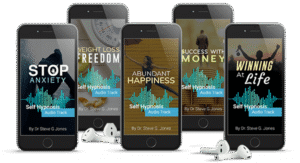
[Free Gift] Life-Changing Self Hypnosis Audio Track
How to Live Authentically Without Being Afraid of Misunderstanding?

In a world where expectations are loud and opinions are everywhere, living authentically can feel like a rebellious act. Many people find themselves shrinking, filtering, or reshaping who they are just to avoid being misunderstood. But here’s the truth: misunderstanding is not a failure—it’s often a sign that you’re finally showing up as your real self.

If you’ve ever felt the tension between being accepted and being authentic, this guide will help you navigate that space with clarity, courage, and self-respect.

What Does It Mean to Live Authentically?

Living authentically means aligning your actions, words, and decisions with your true values, beliefs, and identity. It’s about being honest with yourself first, and then expressing that truth outwardly—even when it feels uncomfortable.

Authenticity is not about being perfect or having everything figured out. It’s about being real. It’s choosing truth over approval, even when approval feels safer.

Why We Fear Being Misunderstood

Before you can overcome the fear, it’s important to understand where it comes from. The fear of being misunderstood often stems from:

  • A deep desire for acceptance and belonging
  • Past experiences of rejection or judgment
  • Cultural or family expectations
  • Perfectionism and people-pleasing tendencies

From a young age, many of us are taught—directly or indirectly—that being liked is more important than being honest. Over time, this creates a pattern where we silence parts of ourselves to maintain harmony.

But this comes at a cost: disconnection from who you truly are.

The Hidden Cost of Inauthentic Living

When you constantly adjust yourself to meet others’ expectations, you may experience:

  • Emotional exhaustion
  • Loss of identity
  • Resentment toward others
  • Anxiety and overthinking
  • A sense of emptiness or dissatisfaction

You might look like you have everything together on the outside, but inside, something feels off. That “off” feeling is often your authentic self asking to be heard.

Why Being Misunderstood Is Not the Enemy

Here’s a perspective shift that can change everything: being misunderstood is not something to avoid—it’s something to accept.

Not everyone will see you clearly, and that’s okay.

People interpret you through their own experiences, beliefs, and emotional filters. Even if you explain yourself perfectly, some will still misunderstand—and that doesn’t mean you did something wrong.

In fact, when you stop trying to control how others perceive you, you free up energy to focus on what truly matters: living your truth.

How to Live Authentically Without Fear
1. Get Clear on Who You Are

Authenticity starts with self-awareness. Ask yourself:

  • What do I truly value?
  • What feels right to me, even if others disagree?
  • When do I feel most like myself?

Journaling, reflection, and quiet time can help you reconnect with your inner voice—especially if you’ve been ignoring it for a long time.

2. Accept That Not Everyone Will Understand You

This is one of the hardest but most liberating truths.

You are not here to be understood by everyone. You are here to be true to yourself.

When you accept this, you stop explaining yourself excessively. You stop overthinking every word. And you start trusting that the right people will understand you—or at least respect you.

3. Let Go of People-Pleasing

People-pleasing often comes from a fear of conflict or rejection. But constantly putting others first can disconnect you from your own needs.

Start small:

  • Say “no” without over-explaining
  • Express your opinion, even if it’s different
  • Pause before automatically agreeing

Each time you choose honesty over approval, you strengthen your sense of self.

4. Build Emotional Resilience

Living authentically doesn’t mean you won’t feel hurt when misunderstood—it means you won’t let it define you.

Developing emotional resilience helps you:

  • Handle criticism without collapsing
  • Stay grounded in your truth
  • Recover more quickly from difficult interactions

Practices like mindfulness, self-compassion, and emotional regulation can support this process.

5. Surround Yourself with the Right People

Not everyone deserves access to your authentic self.

Seek out people who:

  • Listen without judgment
  • Respect your individuality
  • Encourage your growth

When you’re around supportive individuals, authenticity feels safer—and more natural.

6. Redefine “Being Liked”

Many people equate being liked with being worthy. But these are not the same.

You can be deeply authentic and not be liked by everyone. You can also be liked by many and still feel disconnected from yourself.

Instead of asking, “Do they like me?” try asking, “Do I feel like myself around them?”

That question will guide you toward healthier relationships and a more grounded sense of identity.

7. Practice Courage Daily

Authenticity is not a one-time decision—it’s a daily practice.

It shows up in small moments:

  • Speaking honestly in a conversation
  • Choosing what aligns with you, even if it’s unpopular
  • Letting go of the need to explain yourself

Courage builds over time. The more you practice, the more natural it becomes.

What Happens When You Start Living Authentically?

At first, it might feel uncomfortable. You may face resistance, confusion, or even judgment.

But over time, something powerful happens:

  • You feel more at peace with yourself
  • Your relationships become more genuine
  • You attract people who align with your true self
  • You gain confidence in your decisions
  • You experience a deeper sense of fulfillment

Authenticity doesn’t guarantee an easy life—but it guarantees a meaningful one.

A Gentle Reminder

You don’t need permission to be yourself.

You don’t need to shrink to make others comfortable.

And you don’t need to apologize for being different.

Living authentically is not about being understood by everyone—it’s about being honest with yourself.

When you choose authenticity, you may lose some connections—but you’ll gain the most important one: the connection with yourself.

And that changes everything.

Final Thoughts

If you’ve been holding back parts of yourself out of fear of being misunderstood, consider this your invitation to start showing up differently.

Not perfectly. Not all at once.

But honestly.

Because the more you honor who you are, the less power misunderstanding will have over your life.

And one day, you’ll realize that the people who truly matter were never confused by your authenticity—they were drawn to it.

[Free Gift] Life-Changing Self Hypnosis Audio Track

Personal Growth Should Feel Supportive, Not Exhausting

In a world that constantly pushes you to do more, be more, and achieve more, personal growth can start to feel like a never-ending race. You read the books, follow the routines, set the goals—and yet, instead of feeling empowered, you feel overwhelmed, drained, and quietly discouraged.

If that sounds familiar, here’s a truth that might change everything:

Personal growth should feel supportive, not exhausting.

Growth is not meant to break you. It’s meant to build you—gently, steadily, and sustainably. In this article, we’ll explore why modern self-improvement often leads to burnout, what true personal development should feel like, and how to create a growth journey that actually supports your life instead of consuming it.

The Hidden Problem with Modern Personal Development

Personal development has become a powerful industry—and while it offers valuable tools, it also carries an unspoken pressure: you are never enough as you are.

You’re told to:

  • Wake up earlier
  • Hustle harder
  • Optimize every minute
  • Eliminate all “bad habits”
  • Constantly improve yourself

At first, it feels motivating. But over time, it becomes exhausting.

The “Always Improving” Trap

When growth turns into a constant need to fix yourself, it creates a subtle but harmful mindset:

  • You feel guilty when you rest
  • You judge yourself for not doing enough
  • You lose appreciation for how far you’ve come

Instead of becoming more fulfilled, you become more disconnected from yourself.

That’s not growth. That’s pressure disguised as progress.

What Personal Growth Should Actually Feel Like

True personal growth doesn’t feel like a constant uphill battle. It feels like support.

Here’s what supportive growth looks like:

1. It Gives You Energy (Not Just Takes It)

After engaging in real growth activities—like journaling, learning, or reflecting—you should feel:

  • Clearer
  • Lighter
  • More grounded

Not drained and overwhelmed.

2. It Respects Your Current Season of Life

Growth is not one-size-fits-all. What works for someone else may not work for you right now.

Supportive growth adapts to:

  • Your energy levels
  • Your responsibilities
  • Your emotional state
3. It Allows Room for Imperfection

You don’t have to get everything right.

You don’t have to:

  • Stick to every habit perfectly
  • Always feel motivated
  • Make progress every single day

Growth includes setbacks. And that’s okay.

4. It Feels Like Self-Respect, Not Self-Rejection

You’re not growing because you hate who you are.

You’re growing because you care about yourself.

That shift in intention changes everything.

Why Growth Feels Exhausting for So Many People

If personal growth feels tiring instead of uplifting, there are deeper reasons behind it.

You’re Trying to Do Too Much at Once

It’s easy to fall into the trap of changing everything overnight:

  • New morning routine
  • New diet
  • New workout plan
  • New mindset practices

But your brain and body need time to adapt.

Trying to do too much leads to burnout—not transformation.

You’re Motivated by Fear, Not Alignment

If your growth is driven by thoughts like:

  • “I’m not good enough”
  • “I’m falling behind”
  • “I need to prove myself”

Then your journey will feel heavy.

Fear can push you forward—but it cannot sustain you.

You’re Ignoring Your Emotional Needs

Personal development often focuses on productivity and discipline—but neglects emotional well-being.

If you’re constantly pushing yourself without processing your emotions, you’ll feel exhausted no matter how “productive” you are.

You’re Comparing Your Journey to Others

Social media makes it easy to believe that everyone else is doing more, achieving more, and growing faster.

But comparison steals your sense of progress and replaces it with pressure.

How to Make Personal Growth Feel Supportive Again

If you’re tired of feeling overwhelmed, it’s time to redefine your approach.

Here’s how to build a growth journey that actually supports you.

1. Focus on Less, But Better

Instead of trying to improve every area of your life at once, choose 1–2 key areas.

Ask yourself:

  • What matters most to me right now?
  • What change would make the biggest positive impact?

Then focus your energy there.

Clarity reduces overwhelm.

2. Redefine What Progress Looks Like

Progress doesn’t have to be dramatic to be meaningful.

Small wins matter:

  • Showing up even when you don’t feel like it
  • Choosing a better response in a difficult moment
  • Taking one step forward instead of ten

When you start recognizing small progress, growth becomes more encouraging.

3. Build Gentle, Sustainable Habits

Instead of forcing extreme routines, create habits that feel manageable.

For example:

  • 5 minutes of journaling instead of 30
  • A short walk instead of an intense workout
  • Reading a few pages instead of finishing a book quickly

Consistency matters more than intensity.

4. Listen to Your Energy, Not Just Your Goals

Some days you’ll feel motivated. Other days you won’t.

Supportive growth means adjusting without quitting:

  • High energy day → do more
  • Low energy day → do less, but still show up

This creates balance instead of burnout.

5. Create Space for Rest Without Guilt

Rest is not a reward. It’s a requirement.

When you allow yourself to rest:

  • Your mind resets
  • Your body recovers
  • Your motivation returns naturally

Growth happens during recovery, not just effort.

6. Practice Self-Compassion

You will have off days. You will make mistakes.

Instead of criticizing yourself, try:

  • Understanding why it happened
  • Learning from it
  • Moving forward without judgment

Self-compassion keeps you consistent. Self-criticism makes you quit.

7. Align Growth with Your Values

Not all growth is meaningful.

Ask yourself:

  • Why do I want this change?
  • Does this align with who I truly want to become?

When your goals are aligned with your values, growth feels purposeful—not forced.

The Shift That Changes Everything

The biggest transformation happens when you stop asking:

“What do I need to fix about myself?”

And start asking:

“How can I support myself better?”

This shift moves you from pressure to partnership—with yourself.

Signs You’re Growing in a Healthy Way

You know your personal development journey is supportive when:

  • You feel more at peace with yourself
  • You’re less reactive and more aware
  • You recover faster from setbacks
  • You trust your own pace
  • You feel motivated without forcing it

Growth becomes something you experience, not something you chase.

Final Thoughts: Growth Should Feel Like Coming Home to Yourself

Personal growth is not about becoming someone else.

It’s about becoming more of who you already are—without the pressure, without the exhaustion, and without the constant feeling that you’re falling behind.

You don’t need to rush.

You don’t need to prove anything.

You don’t need to exhaust yourself to grow.

Let your journey be supportive.
Let it be sustainable.
Let it feel like something you can actually live with—not something you have to survive.

Because the best version of you isn’t built through pressure.

It’s built through patience, self-respect, and consistency.

And that kind of growth doesn’t just change your life—it transforms how you experience it.

[Free Gift] Life-Changing Self Hypnosis Audio Track

You Don’t Need to “Get Over” the Past — You Only Need to Stop Letting It Control Your Present

Many people believe that personal growth requires completely “getting over” the past. We’re told that healing means forgetting painful experiences, moving on quickly, and pretending that what happened no longer matters.

But real emotional healing rarely works that way.

The truth is that you don’t need to erase your past in order to build a better future. You don’t need to pretend that difficult experiences didn’t happen. And you don’t need to rush yourself into closure before you’re ready.

What you truly need is something much gentler and more powerful: learning how to stop letting the past control the way you think, feel, and live today.

Healing isn’t about forcing yourself to forget. It’s about understanding your story, learning from it, and gradually releasing its grip on your present life.

In this article, we’ll explore why the past often continues to influence us, why “getting over it” is unrealistic advice, and how you can begin reclaiming your present without denying your past.

Why the Past Feels So Hard to Let Go

Our brains are designed to remember emotionally intense experiences. This is part of our survival system. When something painful, embarrassing, or traumatic happens, the brain stores that memory deeply so we can avoid similar threats in the future.

The problem is that our brains don’t always know the difference between real danger and emotional memories.

A difficult childhood experience, a painful breakup, a betrayal from someone you trusted, or a moment when you felt rejected can become deeply embedded in the way you see yourself and the world.

Over time, these experiences can quietly shape beliefs such as:

“I’m not good enough.”

“People always leave.”

“I can’t trust anyone.”

“I’ll never succeed.”

These beliefs become invisible filters through which you interpret new experiences. Even when your current life is different from the past, your mind may still react as if the old situation is happening again.

This is why simply telling yourself to “move on” rarely works. Your mind isn’t trying to hold you back. It’s trying to protect you using outdated information.

Healing begins when you realize that the past is influencing you — but it doesn’t have to control you forever.

The Myth of “Getting Over It”

The idea that you should completely “get over” painful experiences can create unnecessary pressure and shame.

When people hear this advice, they often interpret it as:

“I shouldn’t still feel this way.”

“I should be stronger than this.”

“Other people would have moved on by now.”

This kind of thinking actually slows down healing. Suppressing emotions doesn’t resolve them. Instead, buried emotions tend to reappear in unexpected ways — anxiety, self-doubt, relationship struggles, or difficulty trusting others.

Real healing is not about pretending something didn’t affect you.

Real healing means acknowledging that it did.

When you give yourself permission to recognize the impact of the past, you open the door to understanding it. And understanding creates the possibility of change.

The Difference Between Remembering and Reliving

One of the most important steps in personal growth is learning the difference between remembering the past and reliving it.

Remembering means you acknowledge what happened. You understand how it shaped you. You accept that it is part of your story.

Reliving means the past continues to dictate your emotional responses, decisions, and self-perception in the present.

For example:

Someone who was rejected in the past might relive that experience by constantly expecting rejection in new relationships.

Someone who was criticized growing up might relive that experience by doubting themselves even when they are capable.

Someone who experienced failure might relive it by avoiding new opportunities.

Healing doesn’t require deleting memories. It means learning how to remember without letting those memories control your current behavior.

How the Past Quietly Shapes the Present

Many people are unaware of how strongly their past experiences influence their daily lives.

The past often shows up in subtle ways:

You hesitate to speak up because you were dismissed before.

You overwork because you learned that love depended on achievement.

You avoid conflict because conflict once led to rejection.

You struggle to accept kindness because you learned not to expect it.

None of these patterns mean something is wrong with you. They simply mean your mind adapted to earlier experiences.

The good news is that what was learned can also be unlearned.

Personal development is the process of updating the emotional rules you learned earlier in life.

Why Understanding Your Past Is More Powerful Than Escaping It

Some people try to avoid thinking about the past because they fear it will reopen old wounds.

But avoiding the past doesn’t actually free you from it. Unexamined experiences tend to operate beneath the surface, influencing your choices without your awareness.

Understanding the past allows you to take back control.

When you explore your experiences with curiosity instead of judgment, you begin to notice patterns. You start recognizing where certain fears, beliefs, and reactions came from.

Instead of saying, “Something is wrong with me,” you begin to say, “This response makes sense given what I went through.”

This shift from self-criticism to self-understanding is a powerful step toward emotional freedom.

Letting Go Does Not Mean Forgetting

Letting go is often misunderstood.

Many people think letting go means forgetting the past, minimizing it, or pretending it no longer matters.

In reality, letting go means something very different.

Letting go means you stop fighting with what already happened.

You stop replaying the same story in your mind trying to change the outcome.

You stop measuring your worth based on events that occurred years ago.

You allow the past to remain part of your story without allowing it to define your identity.

It becomes a chapter in your life rather than the entire book.

The Role of Self-Compassion in Healing

One of the most powerful tools for releasing the past is self-compassion.

Many people are far kinder to others than they are to themselves. They judge their own reactions harshly, especially when it comes to emotional struggles.

Self-compassion means treating yourself with the same understanding you would offer a close friend.

It means recognizing that emotional wounds take time to heal.

It means accepting that growth is not a straight line.

Instead of asking, “Why am I still affected by this?” you might ask, “What does this part of me need right now?”

That question alone can shift the direction of your healing journey.

Practical Ways to Stop Letting the Past Control Your Present

Healing is not a single moment of realization. It’s a gradual process that unfolds through small changes in awareness and behavior.

Here are several practices that can help loosen the grip of the past.

1. Become Aware of Your Emotional Triggers

Pay attention to moments when your reactions feel stronger than the situation seems to require.

These moments often reveal connections to earlier experiences.

When you notice a strong emotional reaction, pause and ask yourself:

“What does this remind me of?”

Often the present situation is activating a memory or belief formed long ago.

Awareness is the first step toward change.

2. Question Old Beliefs

Many beliefs formed in childhood or during difficult experiences were based on limited information.

For example, a child who experienced neglect may believe they were unworthy of love, even though the real issue was the caregiver’s limitations.

As an adult, you can examine those beliefs more objectively.

Ask yourself:

“Is this belief still true?”

“What evidence exists that contradicts it?”

You may discover that some of your deepest assumptions about yourself are no longer accurate.

3. Practice Emotional Processing Instead of Avoidance

Emotions that are ignored tend to linger.

Allowing yourself to feel and process difficult emotions can actually help them pass more quickly.

This might involve journaling, talking with a trusted friend, or simply sitting quietly with your feelings without trying to suppress them.

Emotions are signals. When they are acknowledged, they often begin to soften.

4. Create New Experiences

One of the most effective ways to weaken the power of old memories is to create new, positive experiences.

If past relationships created fear of abandonment, building supportive relationships can slowly reshape that expectation.

If past failures created self-doubt, small achievements can gradually rebuild confidence.

The brain updates its beliefs through experience, not just through thinking.

5. Focus on the Present Moment

The present moment is the only place where change is possible.

Mindfulness practices such as meditation, breathing exercises, or simply paying attention to your surroundings can help bring your awareness back to the present.

When you focus on what is happening now rather than what happened years ago, you reclaim your ability to respond intentionally rather than react automatically.

Growth Often Begins When You Stop Fighting Your Story

Many people spend years trying to push away their past, believing it’s the only way to move forward.

Ironically, real growth often begins when you stop fighting your story and start understanding it.

Your past shaped you, but it does not have to imprison you.

Every experience you’ve had contains lessons, insights, and strengths that can contribute to who you are becoming.

When you learn to hold your past with compassion rather than resistance, it gradually loses its power over your present.

You Are Allowed to Move Forward at Your Own Pace

Healing is not a race.

Some experiences take years to process, and that is completely normal. Growth often happens quietly and gradually, through moments of awareness that slowly change the way you see yourself.

The goal is not perfection.

The goal is freedom.

Freedom to respond differently.

Freedom to build healthier relationships.

Freedom to define your future based on who you are today rather than who you were in the past.

You don’t need to erase your history.

You only need to stop letting it write the next chapter of your life.

And that change can begin today, one small moment of awareness at a time.

[Free Gift] Life-Changing Self Hypnosis Audio Track

When You No Longer Want to Endure Things Just to Keep the Peace

There comes a quiet but powerful moment in personal growth when you realize you no longer want to endure discomfort, disrespect, or emotional strain just to “keep the peace.” It’s not a dramatic declaration. It’s often a subtle inner shift. A tiredness that goes deeper than physical fatigue. A clarity that whispers, “I can’t keep doing this to myself.”

For many people on a personal development journey, this moment marks a turning point. It’s when external harmony stops feeling more important than internal well-being. It’s when you begin to understand that peace at any cost is not peace at all—it’s self-abandonment.

This article explores why so many of us fall into the habit of enduring things for the sake of peace, what changes when you stop, and how to navigate this shift with courage, compassion, and self-respect.

Why We Learn to Endure Instead of Speak Up

Most people don’t start out life wanting to suppress their needs. The habit of endurance is learned.

Many of us grow up in environments where keeping the peace is rewarded more than telling the truth. We’re praised for being “easygoing,” “understanding,” or “low-maintenance.” We’re taught—explicitly or implicitly—that expressing discomfort is selfish, dramatic, or disruptive.

Over time, this conditioning teaches us a dangerous lesson:
Other people’s comfort matters more than my boundaries.

So we stay silent when a partner disrespects us.
We tolerate unfair treatment at work.
We keep showing up for friends who drain us emotionally.
We say yes when our body and mind are screaming no.

We tell ourselves stories like:

  • “It’s not that bad.”
  • “They didn’t mean it.”
  • “I’m just being too sensitive.”
  • “I don’t want to create conflict.”

But beneath those stories is fear.
Fear of rejection.
Fear of abandonment.
Fear of being seen as difficult.
Fear of losing connection.

Enduring becomes a survival strategy. It keeps relationships intact. It avoids awkward conversations. It maintains surface-level harmony.

But it also slowly erodes your sense of self.

The Hidden Cost of “Keeping the Peace”

On the outside, you look calm, agreeable, mature.
On the inside, something else is happening.

Resentment builds.
Self-trust weakens.
Your nervous system stays on edge.
Your self-worth quietly declines.

When you consistently override your own needs to keep others comfortable, your body and mind register that as danger. You teach yourself that your feelings don’t matter. You signal to others—without words—that your boundaries are flexible or nonexistent.

This creates a painful pattern:

You tolerate more than you should.
People give you less than you deserve.
You feel invisible, used, or unappreciated.
You blame yourself for feeling unhappy.

Eventually, you reach a breaking point. Not in a dramatic explosion, but in a quiet withdrawal. You feel numb. Tired. Disconnected. You start to dread interactions that used to feel normal.

That’s often the moment when you realize:
I don’t want to live like this anymore.

The Moment You Stop Enduring

When you no longer want to endure things just to keep the peace, something fundamental changes inside you.

You stop asking:
“How do I make this easier for everyone else?”

And start asking:
“What is this costing me?”

You begin to notice how often you abandon yourself.
You feel your body tense when you agree to something you don’t want.
You sense the quiet anger that comes from swallowing your truth.

This shift isn’t about becoming aggressive or selfish.
It’s about becoming honest.

It’s about recognizing that real peace isn’t the absence of conflict—it’s the presence of self-respect.

Why Choosing Yourself Feels So Uncomfortable at First

One of the hardest parts of personal development is realizing that choosing yourself will sometimes disappoint others.

When you stop over-giving, people who benefited from your lack of boundaries may react badly.
When you speak up, you may be labeled “difficult.”
When you say no, you may feel crushing guilt.

This doesn’t mean you’re doing something wrong.
It means you’re changing a pattern.

Your nervous system is used to prioritizing safety through approval.
So when you assert a boundary, your body reacts as if you’re in danger.

You might feel:

  • Anxious before difficult conversations
  • Guilty after saying no
  • Afraid of losing relationships
  • Ashamed for wanting more

These feelings are normal. They are withdrawal symptoms from a lifetime of people-pleasing.

The Difference Between Peace and Avoidance

It’s important to distinguish true peace from emotional avoidance.

Avoidance says:
“I won’t say anything because I don’t want drama.”

Peace says:
“I will be honest, even if it’s uncomfortable, because my well-being matters.”

Avoidance keeps relationships superficially stable but internally rotten.
Peace allows conflict but builds authenticity and trust.

When you stop enduring, you don’t become hostile or cold.
You become clearer.

You stop hinting and start expressing.
You stop hoping people will change and start stating your needs.
You stop tolerating patterns that hurt you.

That clarity is uncomfortable—but it’s also freeing.

What Healthy Boundaries Actually Look Like

Many people fear boundaries because they imagine ultimatums or confrontations.

In reality, healthy boundaries are often quiet and simple.

They sound like:

  • “I’m not available for that.”
  • “That doesn’t work for me.”
  • “I need some time to think about it.”
  • “I’m not comfortable with that joke.”
  • “I can’t continue this conversation if you speak to me that way.”

Boundaries are not punishments.
They are information.

They tell others how to interact with you if they want access to your time, energy, and presence.

People who respect you will adjust.
People who don’t will reveal themselves.

Both outcomes are valuable.

Letting Go of the Need to Be Liked by Everyone

One of the deepest fears behind endurance is the fear of being disliked.

But personal growth requires a painful truth:

If you are honest about who you are and what you need, some people will not like you anymore.

That doesn’t mean you are wrong.
It means the relationship was built on your self-silencing.

You cannot build a fulfilling life while performing a version of yourself designed to keep others comfortable.

You are allowed to outgrow roles like:

  • The always-understanding one
  • The emotional dumping ground
  • The peacemaker
  • The reliable fixer
  • The one who never complains

Those roles cost you your authenticity.

What You Gain When You Stop Enduring

When you stop enduring things just to keep the peace, your life begins to reorganize around truth instead of fear.

You gain:

Self-respect
You start trusting yourself again. You believe your feelings. You take your needs seriously.

Emotional energy
You’re no longer exhausted from suppressing your truth.

Better relationships
The people who remain in your life actually know you.

Inner peace
Not the fragile peace of avoidance—but the solid peace of alignment.

Confidence
Every boundary you hold strengthens your sense of self.

Practical Steps to Stop Enduring and Start Living Honestly
  1. Notice your body’s signals
    Your body knows before your mind does. Tension, tightness, dread, or resentment are clues.
  2. Pause before saying yes
    Give yourself permission to respond later. “Let me think about it” is a complete sentence.
  3. Start with low-risk boundaries
    Practice with small things before big confrontations.
  4. Use simple language
    You don’t need long explanations or justifications.
  5. Expect discomfort
    Growth feels unsafe at first. That doesn’t mean it’s wrong.
  6. Grieve old patterns
    It’s okay to mourn the version of you who survived by self-abandoning.
A Final Reflection

When you no longer want to endure things just to keep the peace, you are not becoming selfish.

You are becoming whole.

You are choosing a life built on honesty instead of fear.
You are choosing depth over approval.
You are choosing self-respect over emotional survival.

And while this path may cost you some relationships, roles, and illusions, it will give you something far more valuable:

A life that actually feels like yours.