
When You No Longer Want to Endure Things Just to Keep the Peace

There comes a quiet but powerful moment in personal growth when you realize you no longer want to endure discomfort, disrespect, or emotional strain just to “keep the peace.” It’s not a dramatic declaration. It’s often a subtle inner shift. A tiredness that goes deeper than physical fatigue. A clarity that whispers, “I can’t keep doing this to myself.”

For many people on a personal development journey, this moment marks a turning point. It’s when external harmony stops feeling more important than internal well-being. It’s when you begin to understand that peace at any cost is not peace at all—it’s self-abandonment.

This article explores why so many of us fall into the habit of enduring things for the sake of peace, what changes when you stop, and how to navigate this shift with courage, compassion, and self-respect.

Why We Learn to Endure Instead of Speak Up

Most people don’t start out life wanting to suppress their needs. The habit of endurance is learned.

Many of us grow up in environments where keeping the peace is rewarded more than telling the truth. We’re praised for being “easygoing,” “understanding,” or “low-maintenance.” We’re taught—explicitly or implicitly—that expressing discomfort is selfish, dramatic, or disruptive.

Over time, this conditioning teaches us a dangerous lesson:
Other people’s comfort matters more than my boundaries.

So we stay silent when a partner disrespects us.
We tolerate unfair treatment at work.
We keep showing up for friends who drain us emotionally.
We say yes when our body and mind are screaming no.

We tell ourselves stories like:

  • “It’s not that bad.”
  • “They didn’t mean it.”
  • “I’m just being too sensitive.”
  • “I don’t want to create conflict.”

But beneath those stories is fear.
Fear of rejection.
Fear of abandonment.
Fear of being seen as difficult.
Fear of losing connection.

Enduring becomes a survival strategy. It keeps relationships intact. It avoids awkward conversations. It maintains surface-level harmony.

But it also slowly erodes your sense of self.

The Hidden Cost of “Keeping the Peace”

On the outside, you look calm, agreeable, mature.
On the inside, something else is happening.

Resentment builds.
Self-trust weakens.
Your nervous system stays on edge.
Your self-worth quietly declines.

When you consistently override your own needs to keep others comfortable, your body and mind register that as danger. You teach yourself that your feelings don’t matter. You signal to others—without words—that your boundaries are flexible or nonexistent.

This creates a painful pattern:

You tolerate more than you should.
People give you less than you deserve.
You feel invisible, used, or unappreciated.
You blame yourself for feeling unhappy.

Eventually, you reach a breaking point. Not in a dramatic explosion, but in a quiet withdrawal. You feel numb. Tired. Disconnected. You start to dread interactions that used to feel normal.

That’s often the moment when you realize:
I don’t want to live like this anymore.

The Moment You Stop Enduring

When you no longer want to endure things just to keep the peace, something fundamental changes inside you.

You stop asking:
“How do I make this easier for everyone else?”

And start asking:
“What is this costing me?”

You begin to notice how often you abandon yourself.
You feel your body tense when you agree to something you don’t want.
You sense the quiet anger that comes from swallowing your truth.

This shift isn’t about becoming aggressive or selfish.
It’s about becoming honest.

It’s about recognizing that real peace isn’t the absence of conflict—it’s the presence of self-respect.

Why Choosing Yourself Feels So Uncomfortable at First

One of the hardest parts of personal development is realizing that choosing yourself will sometimes disappoint others.

When you stop over-giving, people who benefited from your lack of boundaries may react badly.
When you speak up, you may be labeled “difficult.”
When you say no, you may feel crushing guilt.

This doesn’t mean you’re doing something wrong.
It means you’re changing a pattern.

Your nervous system is used to prioritizing safety through approval.
So when you assert a boundary, your body reacts as if you’re in danger.

You might feel:

  • Anxious before difficult conversations
  • Guilty after saying no
  • Afraid of losing relationships
  • Ashamed for wanting more

These feelings are normal. They are withdrawal symptoms from a lifetime of people-pleasing.

The Difference Between Peace and Avoidance

It’s important to distinguish true peace from emotional avoidance.

Avoidance says:
“I won’t say anything because I don’t want drama.”

Peace says:
“I will be honest, even if it’s uncomfortable, because my well-being matters.”

Avoidance keeps relationships superficially stable but internally rotten.
Peace allows conflict but builds authenticity and trust.

When you stop enduring, you don’t become hostile or cold.
You become clearer.

You stop hinting and start expressing.
You stop hoping people will change and start stating your needs.
You stop tolerating patterns that hurt you.

That clarity is uncomfortable—but it’s also freeing.

What Healthy Boundaries Actually Look Like

Many people fear boundaries because they imagine ultimatums or confrontations.

In reality, healthy boundaries are often quiet and simple.

They sound like:

  • “I’m not available for that.”
  • “That doesn’t work for me.”
  • “I need some time to think about it.”
  • “I’m not comfortable with that joke.”
  • “I can’t continue this conversation if you speak to me that way.”

Boundaries are not punishments.
They are information.

They tell others how to interact with you if they want access to your time, energy, and presence.

People who respect you will adjust.
People who don’t will reveal themselves.

Both outcomes are valuable.

Letting Go of the Need to Be Liked by Everyone

One of the deepest fears behind endurance is the fear of being disliked.

But personal growth requires a painful truth:

If you are honest about who you are and what you need, some people will not like you anymore.

That doesn’t mean you are wrong.
It means the relationship was built on your self-silencing.

You cannot build a fulfilling life while performing a version of yourself designed to keep others comfortable.

You are allowed to outgrow roles like:

  • The always-understanding one
  • The emotional dumping ground
  • The peacemaker
  • The reliable fixer
  • The one who never complains

Those roles cost you your authenticity.

What You Gain When You Stop Enduring

When you stop enduring things just to keep the peace, your life begins to reorganize around truth instead of fear.

You gain:

Self-respect
You start trusting yourself again. You believe your feelings. You take your needs seriously.

Emotional energy
You’re no longer exhausted from suppressing your truth.

Better relationships
The people who remain in your life actually know you.

Inner peace
Not the fragile peace of avoidance—but the solid peace of alignment.

Confidence
Every boundary you hold strengthens your sense of self.

Practical Steps to Stop Enduring and Start Living Honestly
  1. Notice your body’s signals
    Your body knows before your mind does. Tension, tightness, dread, or resentment are clues.
  2. Pause before saying yes
    Give yourself permission to respond later. “Let me think about it” is a complete sentence.
  3. Start with low-risk boundaries
    Practice with small things before big confrontations.
  4. Use simple language
    You don’t need long explanations or justifications.
  5. Expect discomfort
    Growth feels unsafe at first. That doesn’t mean it’s wrong.
  6. Grieve old patterns
    It’s okay to mourn the version of you who survived by self-abandoning.
A Final Reflection

When you no longer want to endure things just to keep the peace, you are not becoming selfish.

You are becoming whole.

You are choosing a life built on honesty instead of fear.
You are choosing depth over approval.
You are choosing self-respect over emotional survival.

And while this path may cost you some relationships, roles, and illusions, it will give you something far more valuable:

A life that actually feels like yours.

Healing Doesn’t Mean You Have to Be Grateful for the Trauma

In the world of personal development and emotional healing, there is a message that sounds positive on the surface but often causes deep inner conflict:

“You should be grateful for what you went through. It made you stronger.”

For many people who are trying to heal from trauma, abuse, neglect, loss, or long-term emotional pain, this idea doesn’t feel empowering. It feels invalidating. Confusing. Even cruel.

If you’ve ever felt pressured to feel thankful for experiences that broke your trust, damaged your self-worth, or changed your nervous system forever, this article is for you.

Healing does not require gratitude for trauma.
Growth does not require celebrating pain.
Strength does not require pretending harm was a gift.

You are allowed to heal without romanticizing what hurt you.

The Toxic Positivity Around Trauma and Healing

Modern self-help culture often promotes a simplified narrative about suffering:

Everything happens for a reason.
Pain is a blessing in disguise.
Your trauma made you who you are.
Be grateful for your hardships.

While these phrases are usually meant to inspire hope, they can become a form of toxic positivity when applied to real psychological wounds.

Toxic positivity dismisses valid emotional pain by forcing optimism where grief, anger, and sadness are still needed.

When someone says, “You should be grateful for your trauma,” what they are often really saying is:

“I feel uncomfortable sitting with your pain.”

But healing is not about making others comfortable.
It is about making your inner world safer.

Why Being Told to Be Grateful Can Delay Healing

Forcing gratitude too early can actually slow down emotional recovery.

Here’s why.

1. It Suppresses Legitimate Anger and Grief

Trauma involves loss.

Loss of safety.
Loss of innocence.
Loss of trust.
Loss of time.
Loss of the person you could have been in a healthier environment.

Anger and grief are natural responses to those losses.

When you pressure yourself to feel grateful instead, you bypass these essential emotions. They don’t disappear. They go underground and show up later as anxiety, depression, numbness, or self-sabotage.

2. It Creates Emotional Self-Gaslighting

When you tell yourself:

“It wasn’t that bad.”
“I should be thankful it happened.”
“Others had it worse.”

You are teaching your nervous system that your pain is not valid.

This internal invalidation damages self-trust and makes it harder to recognize your own emotional needs in the future.

3. It Confuses Survival With Blessing

Yes, you survived.
Yes, you developed resilience, empathy, insight, or strength.

But those qualities grew in spite of what happened to you, not because what happened to you was good.

A house fire can teach someone how to rebuild.
That does not make the fire a gift.

Healing Is About Integration, Not Just Positivity

True emotional healing is not about rewriting your story into something inspirational.

It is about integrating the truth of what happened into your life story in a way that no longer controls your present.

This includes:

Acknowledging that what happened was wrong.
Allowing yourself to feel what you actually feel.
Recognizing how the trauma shaped your beliefs, behaviors, and nervous system.
Learning new ways to feel safe, connected, and whole.

Gratitude may eventually arise organically.
But it cannot be forced without emotional cost.

You Can Honor Your Growth Without Honoring the Trauma

One of the most liberating mindset shifts is this:

You can appreciate who you became without appreciating what broke you.

You might be more compassionate today because you suffered.
You might be wiser because you endured pain.
You might be stronger because you had no choice.

But none of that makes the trauma necessary or good.

It simply means you adapted brilliantly to an unfair situation.

That adaptation deserves respect.
Not the trauma itself.

The Difference Between Meaning-Making and Gratitude

There is a healthy psychological process called meaning-making.

Meaning-making is when you find personal insight, purpose, or direction after suffering.

It sounds like:

“I learned that I deserve better.”
“I discovered my boundaries.”
“I became more emotionally intelligent.”
“I now help others who went through something similar.”

Gratitude, on the other hand, implies appreciation for the event itself.

Those are not the same thing.

You can create meaning from trauma without being thankful it happened.

Common Myths About Trauma, Gratitude, and Healing

Let’s gently dismantle some harmful myths.

Myth 1: If you’re healed, you’ll feel grateful for what happened

Reality:
Many deeply healed people still feel sadness or anger about what happened. Healing does not erase the truth of harm.

Myth 2: Being grateful means you’ve “transcended” the trauma

Reality:
Spiritual bypassing can look like transcendence. But unresolved pain often hides behind forced forgiveness and gratitude.

Myth 3: Gratitude speeds up healing

Reality:
Emotional honesty speeds up healing. Gratitude that bypasses grief slows it down.

What Healthy Healing Actually Looks Like

Healing from trauma is not a straight line and not a motivational quote.

It often looks like:

Feeling angry about what happened.
Grieving the childhood, relationship, or safety you never had.
Noticing trauma responses in your adult life.
Learning emotional regulation.
Building boundaries.
Choosing healthier relationships.
Learning to trust again slowly.
Developing self-compassion.

None of this requires gratitude for the trauma itself.

It requires courage, honesty, patience, and support.

When Gratitude Can Be Helpful

Gratitude is not the enemy.

But its timing and direction matter.

Healthy gratitude after trauma often looks like:

Gratitude for your current safety.
Gratitude for your support system.
Gratitude for your therapist or community.
Gratitude for your own resilience.
Gratitude for moments of peace and progress.

This kind of gratitude grounds you in the present.

It does not rewrite the past.

A Compassionate Reframe

Instead of saying:

“I’m grateful for my trauma.”

Try something more emotionally truthful:

“I’m proud of myself for surviving something that should never have happened.”
“I honor the strength it took to get here.”
“I acknowledge the pain and the growth.”
“I deserved better, and I am building better now.”

These statements support healing without distorting reality.

If You’re Struggling With Guilt for Not Feeling Grateful

Many trauma survivors carry hidden guilt for not feeling thankful.

They think:

“What’s wrong with me? Why can’t I see the good in this?”

There is nothing wrong with you.

Your nervous system is responding appropriately to a violation of safety or dignity.

You are not unhealed because you’re angry.
You are not broken because you’re grieving.
You are not negative because you refuse to romanticize harm.

You are honest.

And honesty is the foundation of real healing.

Final Reflection

Healing does not mean pretending your trauma was a gift.

It means facing the truth of what happened with compassion for yourself.

It means allowing grief, anger, and sadness to exist without shame.

It means building a life that feels safe, meaningful, and emotionally aligned.

You can grow from trauma.
You can transform your pain.
You can create a beautiful life.

None of that requires you to be grateful for what hurt you.

You are allowed to heal without thanking your wounds.

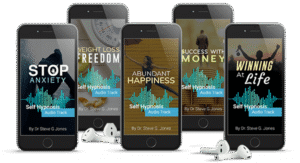
[Free Gift] Life-Changing Self Hypnosis Audio Track
When Outer Success Can’t Fill the Inner Emptiness

There is a quiet kind of disappointment that doesn’t look like failure from the outside. It looks like achievement. It looks like a well-paying job, a respected title, a growing business, a beautiful home, a carefully curated social media presence, and a life that others admire. And yet, inside, there is a hollow space that no promotion, praise, or purchase seems able to fill.

If you have ever thought, “I should be happy by now,” this article is for you.

In the world of personal development, we often hear that success brings fulfillment. But for many people, outer success and inner emptiness coexist in painful silence. Understanding why this happens and how to move beyond it can change not just your mindset, but your entire direction in life.

The Paradox of Success and Emptiness

From a young age, most of us are taught a simple formula:

Work hard.
Achieve more.
Feel fulfilled.

We internalize the idea that happiness is a destination we will reach once we accumulate enough achievements, money, recognition, or status. So we chase milestones: degrees, job titles, promotions, marriage, houses, followers, awards.

And sometimes we reach them.

Yet instead of the deep satisfaction we expected, we feel flat or emotionally numb, restless and unmotivated, anxious about what comes next, or secretly disappointed with ourselves for not feeling grateful.

This emotional contradiction is not a personal failure. It is a structural flaw in how modern culture defines success.

Outer success measures how well you perform in the world. Inner fulfillment measures how well your life aligns with your deeper values, needs, and sense of meaning. The two are not the same thing.

Why Outer Success Alone Doesn’t Satisfy

There are several psychological and emotional reasons why external achievement often fails to deliver lasting happiness.

1. The Hedonic Treadmill

Human beings adapt quickly to improved circumstances. What once felt extraordinary soon becomes normal.

That raise you worked so hard for feels amazing for a few weeks. Then your nervous system recalibrates. Your new baseline becomes your new normal, and your mind immediately starts looking for the next upgrade.

This constant adaptation creates a cycle of chasing without arriving.

2. Success Without Self-Connection

Many people build impressive lives without ever asking themselves important questions like:

What do I actually care about?
What kind of life feels meaningful to me?
What values do I want to live by?
What pace of life suits my nervous system?

When your goals are inherited from family expectations, social norms, or comparison culture, success becomes a performance rather than an expression of who you are.

You can win a game you never wanted to play.

3. Emotional Avoidance Through Achievement

For some people, ambition becomes a coping mechanism.

Work, productivity, and achievement are used to avoid uncomfortable emotions like loneliness, grief, shame, fear, or emptiness. Staying busy feels safer than sitting quietly with unresolved inner pain.

But when life finally slows down, the feelings you outran catch up with you.

4. Identity Built on Performance

When your self-worth is tied to productivity, income, or recognition, success becomes a fragile foundation for identity.

Any setback feels like a threat to your value as a person. Even when things go well, anxiety lurks beneath the surface: “What if I lose this?”

This creates a constant state of psychological insecurity, even at the peak of external success.

Signs You Are Experiencing Inner Emptiness Despite Success

Inner emptiness does not always look dramatic. Often it hides behind functionality and competence.

You might recognize yourself in some of these signs:

You feel bored or disengaged even in a life others envy.
You feel disconnected from joy, excitement, or curiosity.
You keep chasing new goals but feel empty after reaching them.
You feel like you are living someone else’s life.
You feel tired in a deep, existential way.
You struggle to answer the question, “What do I actually want?”
You secretly fear that this is all life will ever be.

These experiences are not evidence that something is wrong with you. They are signals that something essential inside you has been neglected.

The Deeper Question Behind Emptiness

Inner emptiness is rarely about not having enough.

It is about not being connected enough to yourself.

At its core, emptiness often arises when:

Your life is misaligned with your values.
Your emotional needs are unmet.
Your inner world is ignored.
Your sense of meaning has eroded.
Your authentic desires are suppressed.

Success becomes a distraction from the deeper work of self-understanding.

But emptiness is not an enemy. It is information.

It is your psyche saying, “This path may look impressive, but it is not nourishing your soul.”

How to Begin Filling the Inner Emptiness

There is no instant cure for inner emptiness. But there is a path toward deeper fulfillment that does not depend on external validation.

1. Redefine What Success Means to You

Instead of asking, “How do I become more successful?” ask:

What does a meaningful life look like for me?
What do I want my days to feel like, not just look like?
What values do I want my life to express?

For some people, success means freedom, creativity, peace, or contribution. For others, it means depth of relationships, spiritual growth, or emotional stability.

Your definition of success should support your nervous system, not exhaust it.

2. Practice Honest Self-Inquiry

Set aside regular time to reflect without distractions.

Journal prompts that can help:

When do I feel most alive?
What drains my energy the most?
What am I afraid to admit about my current life?
If I removed money and approval from the equation, what would I want?

These questions may feel uncomfortable. That discomfort is part of the healing process.

3. Reconnect With Your Emotional World

Emptiness often forms when emotions are suppressed for too long.

Instead of numbing yourself with productivity, screens, or substances, practice gentle emotional presence.

Sit quietly and notice what you feel.
Name your emotions without judgment.
Allow sadness, grief, anger, or fear to exist.

Emotions lose their power when they are acknowledged instead of avoided.

4. Cultivate Meaning Through Contribution

One of the most reliable sources of inner fulfillment is contribution.

This does not mean burning yourself out for others. It means using your skills, time, or compassion in ways that feel genuinely helpful.

Teaching, mentoring, creating, volunteering, supporting a friend, or building something that serves others can restore a sense of purpose that no paycheck can replace.

5. Build a Life That Supports Your Inner Life

Your environment shapes your psychology.

Consider:

Simplifying your schedule.
Reducing unnecessary commitments.
Creating space for rest, reflection, and creativity.
Spending more time in nature.
Limiting exposure to comparison-driven content.

A slower, quieter life often reveals what your busy life was hiding.

Letting Go of the Fantasy That “More” Will Fix It

One of the hardest truths to accept is this:

No amount of external success can compensate for internal disconnection.

Another promotion will not heal your loneliness.
Another achievement will not give your life meaning.
Another purchase will not make you feel whole.

This does not mean ambition is wrong. It means ambition must be anchored to self-awareness.

When your outer goals align with your inner values, success becomes fulfilling rather than hollow.

A New Kind of Achievement

There is a different kind of success that rarely makes headlines.

It looks like:

Feeling at peace with yourself.
Waking up without dread.
Feeling emotionally safe in your own body.
Having relationships that feel real.
Knowing what matters to you.
Living in alignment with your values.

This kind of success cannot be quantified. But it can be felt.

And once you taste it, no amount of external applause will ever feel more important.

Final Reflection

If you are successful on paper but empty inside, you are not broken. You are awakening.

Your emptiness is not a flaw. It is an invitation.

An invitation to slow down.
To listen inward.
To redefine success.
To build a life that feels meaningful from the inside out.

Outer success can decorate your life.

Only inner alignment can fulfill it.

[Free Gift] Life-Changing Self Hypnosis Audio Track

Choosing Your Own Path in a Culture Obsessed with Comparison

We live in a time where comparison is no longer an occasional habit. It is a constant background noise. Every scroll through social media, every career update from a former classmate, every engagement announcement, promotion post, or luxury vacation photo subtly asks the same question: “Am I behind?”

In a culture obsessed with comparison, choosing your own path is not just a lifestyle choice. It is a psychological and emotional act of courage.

If you are trying to grow, heal, or build a meaningful life on your own terms, this article will help you understand why comparison feels so addictive, how it quietly sabotages your self-worth, and how to reclaim your direction without disconnecting from the world.

Why Comparison Feels So Inevitable Today

Human beings have always compared themselves to others. It is a natural social survival mechanism. We look around to understand where we stand in the group.

But modern technology has turned a normal psychological tendency into a 24/7 assault on self-esteem.

Today, you are exposed to carefully curated highlight reels of other people’s lives, public milestones shared without context, filtered bodies, lifestyles, relationships, and careers, and hustle culture that glorifies speed and constant achievement.

This environment creates the illusion that everyone else is more successful, more confident, more disciplined, more attractive, more emotionally stable, and more “on track” than you.

Even when you logically know social media is selective and performative, your nervous system still reacts as if those images are reality.

That reaction creates a silent pressure to hurry your life.

How Comparison Quietly Distorts Your Life Choices

Comparison doesn’t just make you feel bad. It subtly shapes your decisions in ways you may not even notice.

You start chasing goals that are not yours. When you constantly see other people’s achievements, your brain begins to copy their desires. You may start wanting a career you don’t actually enjoy, a lifestyle that doesn’t fit your personality, a relationship that looks good but feels wrong, or a timeline that ignores your emotional readiness. Over time, your life becomes a response to what other people are doing rather than a reflection of who you are.

You rush major life decisions. Comparison creates artificial urgency. You start thinking, “I should be further along by now,” “Everyone else is moving faster than me,” and “I’m wasting time.” This pressure leads people to marry the wrong person, stay in the wrong career, start businesses for status rather than meaning, ignore burnout and mental health, and abandon healing work prematurely. Speed becomes more important than alignment.

You confuse visibility with value. In a comparison-driven culture, the loudest and most visible people seem the most valuable. But visibility is not the same as wisdom, depth, integrity, emotional maturity, or long-term fulfillment. Some of the most grounded, successful, and content people live quietly and move slowly.

Why Choosing Your Own Path Feels So Uncomfortable

Even when you intellectually understand that comparison is unhealthy, emotionally letting go of it is difficult.

Choosing your own path feels terrifying because you lose external validation. When you follow conventional timelines and social expectations, you receive automatic approval. People praise you for getting married by a certain age, having a prestigious job, buying a home, having children, and earning a certain income. When you choose your own path, that approval disappears. People may question you, worry about you, or subtly judge your choices. This triggers a deep fear of social rejection.

You are forced to tolerate uncertainty. Comparison offers fake clarity. Even if you’re miserable, at least you know you are “on track.” Choosing your own path means not knowing when things will work out, not knowing how your life will look in five years, and not knowing whether your decisions will pay off. Your nervous system prefers familiar misery over uncertain freedom.

You confront your true desires. Following your own path forces you to ask uncomfortable questions: What do I actually want? What kind of life fits my nervous system? What am I afraid to admit I no longer want? Many people stay stuck because the answers would require disappointing others or redefining their identity.

The Hidden Cost of Living Someone Else’s Life

The greatest danger of comparison is not that you feel inferior. It’s that you slowly abandon yourself.

Over time, living according to external expectations creates chronic dissatisfaction, identity confusion, quiet resentment, burnout, emotional numbness, and a sense that life feels hollow even when it looks successful.

One of the most common regrets people express later in life is not failure. It is this: “I lived the life others expected of me instead of the life I wanted.”

What It Actually Means to Choose Your Own Path

Choosing your own path is not about being rebellious, unique, or unconventional. It is about alignment.

It means building a life that fits your temperament, your values, your emotional capacity, your mental health needs, and your long-term priorities.

It means you stop asking, “What should I want by now?” and start asking, “What kind of life would actually feel sustainable for me?”

Practical Ways to Break Free from Comparison

You do not need to delete all social media or isolate yourself from the world. But you do need to consciously reshape how you relate to comparison.

Define success in your own language. Write your own definition of success that has nothing to do with status or speed. Ask yourself: What would a good day in my life look like? How do I want to feel most days? What kind of relationships matter most to me? How much stress am I realistically willing to tolerate? Your life direction should be built around your nervous system, not your ego.

Unfollow triggers without guilt. If certain accounts consistently make you feel behind, ashamed, or inadequate, mute or unfollow them. This is not jealousy. This is mental hygiene. You are allowed to protect your emotional environment.

Slow your timeline intentionally. Every time you feel the urge to rush a decision, pause and ask, “Am I doing this because it feels right, or because I feel behind?” Most regretful decisions come from urgency, not intuition.

Build internal validation. Instead of asking whether others would approve of your choices, practice asking: Does this move me closer to peace? Does this reduce or increase my anxiety long-term? Does this align with my values? The more you rely on internal validation, the less power comparison has over you.

Accept being misunderstood. Choosing your own path means some people will not get you. They may think you are wasting time, settling for less, or making risky choices. You must decide whether you want temporary approval or long-term authenticity. You cannot have both.

The Quiet Power of an Aligned Life

An aligned life does not look impressive on social media. It looks like saying no more often, living more slowly, choosing peace over prestige, choosing meaning over money, and choosing depth over appearances.

But internally, it feels like emotional stability, self-trust, calm confidence, fewer regrets, and greater resilience during hard times.

This is the kind of success comparison culture never shows you.

Final Thoughts: You Are Not Late to Your Own Life

If you feel behind in life, here is a truth most people never tell you.

There is no universal timeline.

There is only your healing timeline, your nervous system capacity, your learning curve, your emotional readiness, and your personal growth pace.

You are not late.

You are exactly where your life needs you to be in order to become who you are meant to be.

Choosing your own path in a culture obsessed with comparison is not selfish.

It is sane.

And it may be the most self-respecting decision you ever make.

[Free Gift] Life-Changing Self Hypnosis Audio Track

You Don’t Have to Stay Positive When Everything Is Genuinely Falling Apart

In the world of personal development, positivity is often treated as a moral obligation. “Look on the bright side.” “Everything happens for a reason.” “Good vibes only.” While these phrases may sound comforting, they can feel painfully out of place when your life is unraveling—when a relationship ends, your health declines, your career collapses, or your sense of identity crumbles.

If you’re in a season where everything is genuinely falling apart, here’s a truth you may not have heard enough: you don’t have to stay positive right now. In fact, forcing positivity can slow down real healing, distort your emotional reality, and deepen your inner suffering.

This article will explore why toxic positivity is harmful, what healthy emotional honesty looks like, and how to move forward with compassion, realism, and grounded hope when life feels unbearable.

The Pressure to Stay Positive in Hard Times

Modern self-help culture often sells positivity as the ultimate solution to pain. Scroll through social media and you’ll see endless quotes about gratitude, manifestation, mindset, and optimism. While these ideas can be helpful in the right context, they become harmful when they’re used to dismiss genuine suffering.

When everything is falling apart, being told to “stay positive” can feel invalidating. It implies that your pain is a mindset problem rather than a natural human response to loss, trauma, or uncertainty.

This pressure creates three major emotional traps.

First is emotional suppression. You learn to hide sadness, fear, anger, and grief because they are seen as “negative.” These emotions don’t disappear. They go underground and resurface later as anxiety, burnout, resentment, or numbness.

Second is self-blame. When positivity is idealized, suffering feels like a personal failure. You start thinking, “If I were stronger, more spiritual, or more disciplined, I wouldn’t feel this bad.”

Third is isolation. If everyone expects you to be upbeat, you stop sharing how bad things really are. You feel alone even when people are around you.

Why Forcing Positivity Makes Things Worse

It might seem counterintuitive, but pretending everything is okay often intensifies emotional pain.

Your nervous system knows the truth. You can’t talk yourself out of fear, grief, or despair when your body is in survival mode. Denying reality creates internal conflict instead of relief.

Unprocessed emotions demand attention. What you don’t feel now, you will feel later—often louder and more chaotically.

False optimism blocks practical problem-solving. If you insist “everything is fine,” you avoid making the hard changes your life actually needs.

True resilience is not built on denial. It is built on emotional honesty, grounded self-compassion, and realistic hope.

When Life Is Truly Falling Apart, Your Feelings Make Sense

One of the most healing things you can hear in a crisis is this: your emotional response matches your situation.

If you lost your job, ended a long relationship, are grieving someone, facing illness, or living in deep uncertainty, sadness and fear are not weaknesses. They are appropriate human responses.

You are not broken for feeling broken.
You are not failing for feeling overwhelmed.
You are not ungrateful for feeling hopeless some days.

Your emotions are signals. They are trying to tell you that something important has changed, something meaningful has been lost, or something inside you needs care.

The Difference Between Healthy Acceptance and Giving Up

Not staying positive doesn’t mean surrendering to despair or abandoning growth.

There’s a crucial difference between healthy acceptance and hopeless resignation.

Healthy acceptance sounds like: “This is incredibly painful. I don’t like it. I wish it were different. But this is what my life looks like right now, and I will meet it honestly.”

Hopeless resignation sounds like: “Nothing will ever get better. There’s no point in trying.”

Healthy acceptance creates space for grief, clarity, and slow rebuilding. It grounds you in reality so you can eventually take meaningful action.

What to Do Instead of Forcing Positivity

If staying positive feels impossible, here are healthier alternatives that support real emotional healing.

Practice emotional honesty. Ask yourself gently what you are actually feeling right now, what hurts the most in this moment, and what you are afraid of losing or never getting back. Name your feelings without trying to fix them. Saying “I feel scared and exhausted” or “I feel heartbroken and lost” alone reduces emotional pressure.

Allow grief without rushing it. Grief isn’t only about death. You grieve lost dreams, lost identities, lost relationships, and lost versions of yourself. You don’t heal grief by thinking positive thoughts. You heal grief by letting it move through you in waves through tears, journaling, talking, rest, silence, and time. There is no timeline for grief. You are not behind.

Replace positivity with compassion. Instead of asking, “Why can’t I stay positive?” ask, “What do I need most right now?” and “How would I treat a friend going through this?” Self-compassion sounds like: “Of course this is hard.” “I’m allowed to struggle with this.” “I don’t have to solve my entire life today.”

Focus on stability, not inspiration. When everything feels unstable, you don’t need big goals or motivation speeches. You need consistent meals, adequate sleep, gentle movement, basic routines, and small daily anchors. Stability rebuilds your nervous system. From stability, clarity slowly returns.

Let hope be quiet and realistic. You don’t need loud, flashy optimism. You only need tiny, believable hope such as: “This moment will not last forever.” “I don’t know how things will improve, but change is always happening.” “I can take one small step tomorrow.” This kind of hope is gentle and sustainable.

The Hidden Growth That Happens in Collapse

When life falls apart, something painful but profound often happens beneath the surface.

You begin to question who you were living for.
You reevaluate what truly matters.
You see which relationships are real.
You confront parts of yourself you avoided.
You discover strengths you didn’t know you had.

This doesn’t mean suffering is worth it. It means suffering is not meaningless.

Many people look back on their darkest seasons and say, “That’s when my real life began.” Not because it was beautiful, but because it was honest.

You Are Not Behind in Life

When everything collapses, it’s easy to feel like you’ve failed or fallen behind others.

But life is not a straight line.

Breakdowns are not detours. They are recalibration points.

You are not late.
You are not defective.
You are not weak.

You are in a human season that asks for humility, patience, and gentleness.

Final Thoughts: You’re Allowed to Be Where You Are

If everything in your life feels like it’s falling apart right now, please hear this:

You don’t have to be strong today.
You don’t have to be grateful today.
You don’t have to be positive today.

You only have to be honest and alive.

Healing doesn’t start with optimism.
It starts with truth.

And truth says: “This hurts. And I am still here.”

That is already enough.

[Free Gift] Life-Changing Self Hypnosis Audio Track