
5 Steps To Live In Alignment With Your Personal Values

Living in alignment with your personal values is one of the most powerful foundations of personal development. When your daily actions match what truly matters to you, life feels clearer, lighter, and more meaningful. When they don’t, even success can feel empty, stressful, or confusing.

Many people feel stuck, burned out, or disconnected not because they lack motivation or discipline, but because they are living according to expectations, habits, or goals that are not truly theirs. This article will guide you step by step through a practical, realistic process to reconnect with your personal values and begin living in alignment with them.

If you are seeking clarity, emotional stability, and a stronger sense of self, these five steps can help you build a life that feels authentic and sustainable.

Why Living in Alignment With Your Personal Values Matters

Personal values are the internal principles that guide your decisions, priorities, and behavior. They influence how you define success, how you treat yourself and others, and how you respond to challenges.

When you live in alignment with your values:

  • Decisions feel easier and more confident
  • You experience less internal conflict and self-doubt
  • Motivation becomes more natural and consistent
  • Your self-respect and emotional resilience grow

When you live out of alignment:

  • You feel drained even when you are productive
  • You struggle with guilt, resentment, or anxiety
  • You may feel lost despite “doing everything right”

Living in alignment is not about perfection. It is about direction. The goal is not to always act perfectly according to your values, but to consistently return to them when you drift away.

Step 1: Identify Your Five Core Personal Values

The first step is clarity. You cannot live in alignment with your values if you do not clearly know what they are.

Start by asking yourself reflective questions:

  • What qualities do I deeply respect in myself and others?
  • When do I feel most like myself?
  • What makes me feel proud, fulfilled, or at peace?
  • What situations make me feel uncomfortable or conflicted, and why?

Common personal values include honesty, freedom, growth, compassion, stability, creativity, connection, integrity, learning, and authenticity. However, your values should resonate emotionally, not just sound good on paper.

Limit your list to five core values. This forces prioritization and prevents overwhelm. Your values should represent what truly matters most to you at this stage of your life.

Write them down and sit with them. Notice how your body reacts to each word. True values often bring a sense of calm or recognition.

Step 2: Define What Each Value Looks Like in Real Life

Many people struggle with living their values because they keep them abstract. A value without behavior is just an idea.

For each value, ask:

  • What does this value look like in my daily actions?
  • How would someone know I value this, based on how I live?
  • What behaviors align with this value?
  • What behaviors clearly violate it?

For example:

  • If your value is honesty, aligned behavior might include speaking your needs clearly, setting boundaries, and being truthful with yourself.
  • If your value is growth, aligned behavior could include reading, learning new skills, reflecting on mistakes, or seeking feedback.
  • If your value is connection, aligned behavior might include being emotionally present, listening without distraction, or investing time in meaningful relationships.

Be specific. Vague definitions lead to self-judgment. Clear behaviors create self-trust.

Step 3: Re-Evaluate Your Current Lifestyle and Schedule

Once you know your values and their behaviors, it’s time to look honestly at your life.

Review:

  • How you spend your time
  • Where your energy goes
  • What commitments you maintain
  • What drains you consistently

Ask yourself:

  • Does my daily schedule reflect what I value?
  • Where am I acting out of obligation instead of alignment?
  • Which activities support my values?
  • Which activities contradict them?

This step can be uncomfortable. You may realize that some habits, relationships, or goals no longer align with who you are becoming. Awareness is not failure. Awareness is progress.

You do not need to change everything at once. The goal is to identify gaps between your values and your reality so you can begin closing them intentionally.

Step 4: Learn to Say No to What Doesn’t Align

Living in alignment often requires disappointing others before you disappoint yourself. This is one of the hardest but most important steps.

When you say yes to something that contradicts your values, you are often saying no to your time, energy, and integrity.

Ask before committing:

  • Does this align with my core values?
  • Am I doing this out of fear, guilt, or pressure?
  • Will I resent this decision later?

Saying no does not make you selfish. It makes you responsible for your life.

You can say no kindly and respectfully. Boundaries are not walls. They are guidelines for how you want to live and be treated.

As you practice saying no to what doesn’t align, you create space for what does.

Step 5: Take Small, Daily Actions That Reflect Your Values

Alignment is built through consistency, not dramatic change. Small actions done daily are more powerful than occasional big decisions.

Choose one simple action for each value that you can realistically practice every day or week.

For example:

  • Five minutes of reflection for self-awareness
  • One honest conversation per week
  • Daily movement for health
  • One moment of presence with a loved one
  • Ten minutes of learning or reading

These actions reinforce your identity. Over time, they shift how you see yourself and how you live.

When you make a mistake or fall out of alignment, return gently. Alignment is a practice, not a destination.

Common Challenges When Living by Your Values

You may face:

  • Fear of judgment from others
  • Guilt when changing old patterns
  • Uncertainty when values evolve
  • Emotional discomfort when setting boundaries

These challenges are normal signs of growth. Living in alignment often requires courage before comfort.

Your values may also change over time. Revisiting them periodically ensures your life continues to reflect who you truly are.

Final Thoughts: Alignment Creates Inner Stability

Living in alignment with your personal values does not guarantee an easy life, but it creates an honest one. When your actions reflect your values, you build trust with yourself. That trust becomes the foundation for confidence, peace, and resilience.

Personal development is not about becoming someone else. It is about returning to who you are, again and again, with clarity and intention.

Start small. Stay honest. And let your values guide you home.

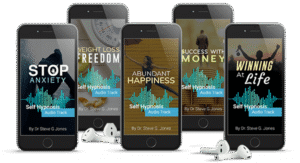
[Free Gift] Life-Changing Self Hypnosis Audio Track
Discovering Your Core Values – and Living a Life Without Regret

Many people spend years trying to improve their lives, yet still feel a quiet sense of dissatisfaction. They read books, watch motivational videos, set ambitious goals, and follow advice from experts. On the surface, everything looks like progress. But deep inside, something feels misaligned. This inner conflict often comes from one core issue: living without a clear connection to your true values.

Discovering your core values is not a trendy personal development exercise. It is one of the most important foundations for a meaningful life. When your choices align with what truly matters to you, clarity replaces confusion, confidence replaces self doubt, and regret loses its power. This article will guide you through understanding what core values really are, how to identify them, and how to live by them in a way that leads to long term fulfillment.

What Are Core Values and Why Do They Matter?

Core values are the principles that guide your decisions, behaviors, and priorities. They are not goals you want to achieve, and they are not roles you play in life. Instead, they are the inner standards that help you decide what feels right, meaningful, and worth your energy.

Examples of core values include honesty, freedom, growth, compassion, creativity, stability, connection, and authenticity. Everyone has values, whether they are consciously aware of them or not. The problem arises when you live according to values that are inherited from society, family, or expectations rather than chosen intentionally.

When you ignore your core values, life can feel like constant effort with little satisfaction. You may succeed externally but feel empty internally. Over time, this disconnection often leads to burnout, resentment, anxiety, or regret. On the other hand, when you live in alignment with your values, even difficult choices feel meaningful because they are rooted in who you truly are.

The Hidden Cost of Living Without Value Alignment

Many people regret not the things they tried and failed at, but the life they lived trying to please others. Living without clarity about your values can lead to a pattern of decisions that look reasonable on paper but feel wrong emotionally.

You might stay in a career that drains you because it looks successful to others. You might remain in relationships that limit your growth because you fear being alone. You might say yes too often, overextend yourself, or constantly chase approval. These patterns slowly erode self trust.

Regret often comes from abandoning yourself in small ways over a long period of time. When you do not know your values, it becomes easy to ignore your inner voice. Over time, that voice becomes quieter, and rebuilding the connection takes effort. This is why discovering your core values as early as possible is one of the most powerful personal development steps you can take.

How Core Values Shape Your Identity

Your values influence how you see yourself and how you interact with the world. They shape your identity more than your achievements ever will. When your actions reflect your values, you experience integrity. Integrity is not about perfection. It is about consistency between who you are and how you live.

For example, if growth is a core value, you will naturally seek learning, reflection, and challenge. If connection is a core value, you will prioritize meaningful relationships over superficial success. If freedom is a core value, you will value autonomy and personal choice more than rigid structures.

When your life reflects your values, your sense of self becomes more stable. You stop constantly questioning whether you are on the right path because your internal compass is clear. This stability reduces anxiety and increases emotional resilience, even during uncertain times.

How to Discover Your Core Values

Discovering your core values requires honesty, reflection, and patience. It is not a one time exercise but a process of self awareness. Here are several practical approaches to help you identify them.

Reflect on Peak and Painful Experiences

Look back at moments in your life that felt deeply fulfilling. Ask yourself what made those moments meaningful. Was it a sense of contribution, freedom, creativity, or connection? These experiences often reveal values that were being honored.

Now reflect on moments that caused strong frustration, anger, or sadness. Ask yourself which value felt violated. For example, feeling trapped may point to a value of freedom, while feeling unseen may point to a value of respect or authenticity.

Notice What You Defend and Admire

Pay attention to what you strongly defend in arguments or discussions. What principles do you refuse to compromise on? Similarly, notice the qualities you admire most in others. These reactions often mirror your own values.

If you admire people who live courageously, courage may be a core value for you. If you feel inspired by people who live simply and intentionally, simplicity or balance may be important to you.

Identify What You Would Regret Not Living By

Imagine yourself years from now looking back on your life. What would you regret not honoring? This question cuts through social conditioning and reveals what truly matters to you on a deeper level.

Many people realize that they would regret not being true to themselves, not expressing love openly, or not pursuing personal growth. These regrets often point directly to core values that deserve more attention in your present life.

Common Mistakes When Defining Core Values

One common mistake is confusing values with goals. For example, wealth is not a value. It may support values such as freedom or security, but it is not a value itself. Another mistake is choosing values that sound impressive rather than ones that feel true.

Another trap is defining too many values. When everything is important, nothing is clear. Most people function best with three to five core values that guide their decisions. These values should feel emotionally resonant, not intellectually correct.

It is also important to remember that values can evolve. What mattered deeply to you at one stage of life may shift as you grow. This does not mean you failed. It means you are becoming more aware.

Living Your Core Values in Everyday Life

Discovering your values is only the beginning. The real transformation happens when you live them consistently. This does not require dramatic life changes overnight. It requires small, intentional choices made daily.

Start by evaluating how your current life aligns with your values. Look at your work, relationships, habits, and boundaries. Ask yourself where you are honoring your values and where you are compromising them unnecessarily.

For example, if balance is a core value, you may need to set clearer boundaries around work. If honesty is a core value, you may need to communicate more openly, even when it feels uncomfortable. These changes may feel challenging at first, but they build self respect over time.

Making Decisions Through a Values Based Lens

One of the most practical benefits of knowing your core values is decision making. When faced with a difficult choice, you can ask a simple question: which option aligns more closely with my values?

This approach reduces overthinking and regret. Even if the outcome is uncertain, you can trust that you acted with integrity. Over time, this builds confidence in your ability to navigate life without constant self doubt.

Values based decisions also protect you from external pressure. You become less reactive to trends, opinions, and comparisons because your 기준 for success comes from within.

Letting Go of Regret Through Self Alignment

Living a life without regret does not mean avoiding mistakes. It means knowing that you lived honestly and intentionally. When you align your life with your values, regret loses its grip because you are no longer betraying yourself.

You may still face challenges, losses, and changes, but you will meet them with a sense of inner grounding. You will know why you chose the path you did, even when it was difficult.

Ultimately, discovering your core values is an act of self respect. Living by them is an act of courage. Together, they create a life that feels meaningful, grounded, and truly your own.

[Free Gift] Life-Changing Self Hypnosis Audio Track

When “Think Positive” Becomes a Way to Avoid Real Emotions

“Just think positive.”

For many people on a personal development journey, this phrase is familiar, well-intentioned, and deeply frustrating. Positive thinking is often presented as the solution to almost everything: stress, sadness, fear, failure, even trauma. While optimism and hope absolutely have value, there is a darker side to this mindset that is rarely discussed. When “think positive” becomes a rule instead of a tool, it can quietly turn into emotional avoidance.

This article is for anyone who has tried to stay positive but ended up feeling disconnected, numb, or guilty for having normal human emotions. If you’ve ever felt like personal growth advice was asking you to bypass your feelings rather than understand them, you’re not alone. And you’re not doing self-development wrong.

The Rise of Positivity as a Coping Strategy

In the world of self-help and personal growth, positivity is often framed as strength. We’re taught that our thoughts shape our reality, that mindset determines outcomes, and that negative emotions hold us back. Over time, many people internalize the belief that feeling bad means they are failing at growth.

This is how positivity slowly shifts from encouragement to pressure.

Instead of asking, “What am I feeling and why?” we ask, “How can I get rid of this feeling as fast as possible?” Instead of allowing grief, anger, or disappointment to exist, we rush to reframe, affirm, and distract ourselves into feeling better.

At first, this can feel empowering. But over time, it creates a split between what you feel and what you think you should feel.

What Emotional Avoidance Really Looks Like

Avoiding emotions doesn’t always look like denial or suppression. In fact, it often looks productive, spiritual, and socially acceptable.

Emotional avoidance through forced positivity can look like:

  • Reframing pain before it’s fully felt
  • Using affirmations to silence fear instead of listening to it
  • Feeling guilty for sadness because “others have it worse”
  • Staying busy to avoid sitting with discomfort
  • Calling emotional numbness “peace”
  • Labeling anger or grief as “low vibration”

These habits are subtle. They don’t feel like avoidance at first. They feel like maturity. But over time, unprocessed emotions don’t disappear. They accumulate.

The Cost of Skipping Emotional Processing

When emotions aren’t acknowledged, they don’t resolve. They simply move deeper into the body and nervous system. This is why people who constantly “think positive” often experience:

  • Chronic anxiety or irritability
  • Emotional numbness or emptiness
  • Burnout despite “doing everything right”
  • Difficulty connecting deeply with others
  • Sudden emotional breakdowns that feel disproportionate

Positive thinking without emotional honesty can delay healing rather than accelerate it. You may feel like you’re moving forward, but part of you is still stuck in what was never allowed to be felt.

True personal growth doesn’t come from replacing negative emotions with positive ones. It comes from understanding the role every emotion plays.

Emotions Are Data, Not Obstacles

One of the most harmful beliefs in modern self-development is that emotions like sadness, anger, fear, or jealousy are signs of weakness. In reality, emotions are information. They are signals telling you something about your needs, boundaries, values, and experiences.

Sadness may be pointing to loss.
Anger may be signaling a violated boundary.
Fear may be highlighting uncertainty or risk.
Disappointment may reveal unmet expectations.

When you rush to “think positive,” you cut off access to this information. You might feel better temporarily, but you lose clarity in the long run.

Emotional awareness is not about indulging negativity. It’s about listening long enough to understand what needs attention.

When Positivity Becomes Emotional Invalidating

Another hidden danger of forced positivity is self-invalidation. When you constantly tell yourself to look on the bright side, you may unintentionally dismiss your own experiences.

This often sounds like:

  • “I shouldn’t feel this way”
  • “I’m being ungrateful”
  • “Others have survived worse”
  • “I’m overreacting”

Over time, this erodes self-trust. You stop believing your emotions are valid or meaningful. You may even struggle to identify what you feel at all.

Personal development should strengthen your relationship with yourself, not teach you to gaslight your inner world.

The Difference Between Healthy Optimism and Toxic Positivity

Healthy optimism acknowledges reality while holding space for hope. Toxic positivity denies reality in favor of comfort.

Healthy optimism says:
“This is hard, and I believe I can get through it.”

Toxic positivity says:
“This shouldn’t be hard, and if it is, I’m doing something wrong.”

One allows complexity. The other demands simplicity.

You don’t need to choose between positivity and honesty. You can feel deeply and still believe in growth. In fact, the most resilient people are not those who avoid negative emotions, but those who can move through them without shame.

Why Many High-Achievers Fall Into This Trap

People who are committed to self-improvement, healing, and personal growth are especially vulnerable to emotional avoidance through positivity. They are used to working on themselves, optimizing habits, and reframing challenges.

But emotions are not problems to be solved. They are experiences to be integrated.

High-functioning emotional avoidance often looks like:

  • Reading more self-help instead of resting
  • Journaling to analyze feelings instead of feeling them
  • Turning every pain into a “lesson” too quickly
  • Measuring healing by productivity or calmness

Growth becomes another performance. And emotions become something to manage rather than understand.

Learning to Sit With Discomfort Without Judgment

One of the most transformative skills in personal development is emotional tolerance. This is the ability to sit with uncomfortable feelings without immediately trying to change them.

This doesn’t mean wallowing or spiraling. It means allowing yourself to say:
“This feels uncomfortable, and I don’t need to fix it right now.”

When you allow emotions to exist without resistance, they often soften on their own. What prolongs emotional pain is not the feeling itself, but the belief that it shouldn’t be there.

Rebuilding a Healthier Relationship With Positivity

Positivity is not the enemy. Avoidance is.

You can still use positive thinking in a grounded, supportive way by:

  • Acknowledging emotions before reframing
  • Validating your experience first, then looking for meaning
  • Allowing negative emotions to coexist with hope
  • Using compassion instead of pressure

True positivity grows naturally after emotions are processed, not before.

Real Growth Includes the Full Emotional Spectrum

Personal development is not about becoming endlessly calm, happy, or optimistic. It’s about becoming honest, resilient, and self-connected. That includes experiencing joy and pain, confidence and doubt, clarity and confusion.

When you stop using “think positive” as a way to escape your emotions, you create space for something deeper: emotional integrity.

And from that place, genuine confidence, peace, and growth begin to emerge, not because you forced them, but because you allowed yourself to be fully human.

[Free Gift] Life-Changing Self Hypnosis Audio Track

When Self-Awareness Shows You Things You Wish You Didn’t Know

Self-awareness is often praised as the foundation of personal growth. We’re told that knowing ourselves deeply is the key to healing, success, better relationships, and inner peace. But there’s a side of self-awareness that people rarely talk about: the part where it hurts. The part where growth doesn’t feel empowering at all. Instead, it feels uncomfortable, destabilizing, and sometimes even regretful.

When self-awareness shows you things you wish you didn’t know, it can feel like you’ve opened a door you can’t close again. You start noticing patterns you used to ignore. You recognize your own role in situations where you once blamed others. You see how fear, insecurity, or avoidance has quietly shaped your choices. And once you see these things, you can’t unsee them.

This article is for anyone who has reached that stage of personal development where insight no longer feels light or motivating, but heavy and confronting. If self-awareness has made you feel stuck, exposed, or unsure of who you are becoming, you’re not broken. You’re actually deeper in the process than you realize.

The Myth That Self-Awareness Always Feels Good

Many personal development narratives suggest that self-awareness brings clarity, relief, and confidence. While that can be true in the long run, the initial stages often feel the opposite. Awareness doesn’t immediately fix anything. It simply reveals what is already there.

And what’s already there is not always pleasant.

Self-awareness may show you that:

  • You stay in certain relationships out of fear, not love
  • You procrastinate not because you’re lazy, but because you’re terrified of failing
  • You seek validation in ways that contradict your values
  • You’ve outgrown environments that once felt like home
  • Some of your “strengths” are actually coping mechanisms

These realizations can feel like a loss of innocence. Before awareness, you had stories that protected your self-image. After awareness, those stories start to fall apart.

This is why many people unconsciously resist self-awareness. Not because they don’t want to grow, but because growth often begins with grief.

The Grief That Comes With Seeing Clearly

One of the most overlooked aspects of self-awareness is grief. When you become more conscious, you may grieve:

  • The time you spent settling for less than you deserved
  • The version of yourself that tried so hard to be accepted
  • The dreams you abandoned to stay safe
  • The relationships that can no longer continue in the same way

This grief doesn’t mean you’ve failed. It means you’re finally honest.

Self-awareness shows you the gap between who you are and who you’ve been performing as. That gap can feel unbearable at first. You may wish you could go back to not knowing, to living on autopilot, to believing simpler explanations.

But grief is not a sign that awareness is harming you. It’s a sign that you’re letting go of illusions that no longer fit.

When Awareness Creates Paralysis

Another uncomfortable stage of self-awareness is paralysis. Once you see your patterns, you may feel stuck between knowing and doing. You understand what needs to change, but you don’t feel ready to change it yet.

This can show up as:

  • Overthinking every decision
  • Questioning your motives constantly
  • Feeling guilty for repeating behaviors you now recognize
  • Judging yourself for not “applying” what you’ve learned

This stage can be incredibly frustrating, especially for people who are highly reflective. You might think, “If I’m so self-aware, why am I still doing this?”

The answer is simple, though not easy to accept: awareness is not the same as capacity.

Just because you can see a pattern doesn’t mean your nervous system, habits, or environment are ready to release it yet. Growth happens in layers. Awareness comes first. Integration comes later.

Self-Awareness Can Disrupt Relationships

One of the most painful consequences of self-awareness is how it changes your relationships. As you grow more conscious, you may notice dynamics that once felt normal but now feel unhealthy or limiting.

You might realize that:

  • Certain relationships rely on you staying small
  • Some people benefit from your lack of boundaries
  • You’ve been over-giving to avoid conflict
  • You’re no longer aligned with the roles you used to play

This doesn’t mean the other person is bad. It means the relationship was built around an older version of you.

This realization can bring guilt, fear, and loneliness. You may worry about being seen as selfish, dramatic, or distant. You may miss the ease of being misunderstood but accepted.

Self-awareness doesn’t automatically teach you how to navigate these changes gracefully. It simply makes it impossible to pretend anymore.

The Temptation to Turn Awareness Into Self-Attack

When self-awareness is not balanced with compassion, it can turn into self-criticism. Instead of understanding yourself more deeply, you may start monitoring and judging every thought and reaction.

This sounds like:

  • “I know better, so why am I like this?”
  • “I’m aware of my trauma, so I shouldn’t be struggling anymore”
  • “If I were truly healed, I wouldn’t feel this way”

This mindset weaponizes awareness. It turns growth into a performance and healing into a checklist.

True self-awareness is not about catching yourself doing something wrong. It’s about noticing without punishment. It’s about understanding why a behavior exists before trying to eliminate it.

If awareness makes you harsher with yourself, that’s a sign you need gentleness, not more insight.

Why You Might Wish You Didn’t Know

There are moments when self-awareness feels like a burden. Life seemed simpler before you questioned everything. Before you noticed misalignment. Before you saw the cost of staying the same.

You might wish you didn’t know because knowing means responsibility. Once you’re aware, you can’t fully blame ignorance anymore. You feel a quiet pressure to change, even when change feels terrifying.

But this doesn’t mean awareness was a mistake. It means you’re standing at a threshold.

Every major transformation includes a liminal phase, a space where the old way no longer works, but the new way hasn’t formed yet. This space feels uncertain, uncomfortable, and lonely. Many people turn back here. Not because they can’t grow, but because they don’t recognize this phase as progress.

How to Work With Painful Self-Awareness Instead of Fighting It

If self-awareness is currently showing you things you wish you didn’t know, here are healthier ways to relate to it:

First, slow down your expectations. Awareness does not demand immediate action. You are allowed to notice without fixing.

Second, practice self-compassion alongside insight. Ask not just “What am I doing?” but “Why did this once help me survive?”

Third, normalize discomfort. Growth that doesn’t challenge your identity is usually superficial.

Fourth, focus on integration, not perfection. Small shifts in behavior matter more than dramatic changes fueled by shame.

Finally, remember that awareness expands your choices, even if it doesn’t feel that way at first. You may not be ready to choose differently yet, but one day, you will be.

The Quiet Gift Hidden Inside Uncomfortable Awareness

Although painful, self-awareness eventually offers something profound: honesty. Not the kind that makes you superior or “evolved,” but the kind that makes you real.

It gives you permission to stop pretending. To stop chasing versions of yourself that were never sustainable. To build a life that fits who you actually are, not who you thought you should be.

You may wish you didn’t know certain truths right now. That’s okay. You don’t have to love every part of growth to keep growing.

Sometimes, the most meaningful transformation begins with the thought, “I can’t go back to who I was.” And slowly, with patience and care, you realize you don’t want to.

[Free Gift] Life-Changing Self Hypnosis Audio Track

When Personal Growth Becomes a Loop of Procrastination

Personal growth is often described as a journey toward clarity, confidence, and a better version of yourself. Books promise transformation, courses offer frameworks, and social media overflows with advice on how to heal, optimize, and level up your life. In theory, personal development should help you move forward. In reality, many people find themselves stuck in a strange paradox: the more they focus on self-improvement, the harder it becomes to take real action.

If you’ve ever felt like you’re constantly preparing to change but rarely changing, you’re not alone. This is what happens when personal growth turns into a loop of procrastination—one that feels productive on the surface but quietly delays the life you want to live.

The Illusion of Progress in Self-Improvement

One of the reasons this loop is so difficult to notice is that it looks like progress. You’re reading, reflecting, learning new concepts, and becoming more self-aware. You might even feel motivated or inspired for short bursts. From the outside, and even to yourself, it appears that you’re “working on yourself.”

But insight without action can become a comfortable substitute for change. Consuming content feels safer than applying it. Thinking about transformation feels easier than risking failure, discomfort, or uncertainty. Over time, learning becomes a place to hide rather than a bridge to growth.

This illusion of progress is especially common among thoughtful, introspective people. You care deeply about doing things “the right way,” so you keep researching, reflecting, and waiting for the moment when everything finally feels aligned.

Why Preparation Can Become a Form of Avoidance

At its core, procrastination in personal growth is rarely about laziness. More often, it’s about fear.

You may tell yourself you need:

  • More clarity before you start
  • More healing before you act
  • More confidence before you commit
  • More knowledge before you decide

While these needs sound reasonable, they can quietly become conditions that are never fully met. There is always another book to read, another limiting belief to unpack, another habit to optimize.

Preparation becomes a socially acceptable way to avoid risk. As long as you’re “still working on yourself,” you don’t have to face the possibility that your efforts might fail, your identity might change, or your comfort zone might disappear.

When Self-Awareness Turns Into Overthinking

Self-awareness is a powerful tool in personal development, but without balance, it can turn into paralysis. You start analyzing every emotion, motive, and decision. Instead of asking, “What’s the next step?” you ask, “Why am I like this?” over and over again.

This constant introspection can create mental exhaustion. You become so focused on understanding yourself that you forget to live. Decisions feel heavy because each one seems to reflect something deeper about your worth, your healing, or your readiness.

Ironically, the more you think, the less you move.

The Hidden Comfort of Staying in the Loop

There is a subtle comfort in staying stuck. As frustrating as it feels, the loop of personal growth without action offers predictability. You know how to reflect. You know how to plan. You know how to consume content. What you don’t know is who you’ll become if you actually follow through.

Action introduces uncertainty. It can challenge your self-image and expose gaps between who you think you are and how you actually behave. Staying in the loop allows you to keep your identity intact while postponing the discomfort of change.

This is why people often say they are “almost ready” for years.

Growth Is Not the Same as Feeling Ready

One of the biggest myths in personal development is that you need to feel ready before you act. In reality, readiness often comes after action, not before it.

Confidence is built through experience, not contemplation. Clarity emerges through movement, not endless planning. Emotional resilience develops when you face discomfort, not when you avoid it through self-analysis.

Waiting to feel ready can keep you stuck indefinitely, especially if your standards for readiness are based on feeling calm, motivated, and certain all at once.

How Personal Growth Culture Can Reinforce Procrastination

Modern personal growth culture often emphasizes optimization over embodiment. You’re encouraged to fix your mindset, heal your trauma, and remove all internal resistance before taking bold steps. While inner work is valuable, it can become an excuse to delay living.

The message becomes: “Once I’m fully healed, then I’ll start.” But life doesn’t wait for perfection. Growth happens in imperfect conditions, through trial, error, and repetition.

When self-improvement becomes a never-ending checklist, it stops being supportive and starts becoming a burden.

Breaking the Loop: From Insight to Action

Breaking out of the procrastination loop doesn’t require abandoning personal growth. It requires changing how you relate to it.

Start by shifting your focus from understanding to doing. Instead of asking, “Why am I procrastinating?” try asking, “What is one small action I can take today, even if I feel unsure?”

Small actions matter because they create momentum. They also provide real feedback, which no amount of thinking can replace. Action teaches you what works, what doesn’t, and what you’re actually capable of handling.

Another helpful shift is redefining success. Instead of measuring growth by how much you’ve learned or reflected, measure it by how often you show up despite discomfort.

Allowing Action to Be Messy

Many people stay stuck in personal growth loops because they associate action with getting it right. But action is not about perfection—it’s about participation.

You don’t need to be fully healed to start a new project. You don’t need to be fearless to make a decision. You don’t need to be completely confident to take a step forward.

Growth that stays in your head is safe but limited. Growth that enters your life is messy, unpredictable, and deeply transformative.

Reclaiming Personal Growth as a Living Process

True personal development is not something you finish before life begins. It happens alongside your choices, relationships, mistakes, and efforts. It’s not a prerequisite for living—it’s a result of living consciously.

When you notice yourself stuck in a loop, pause and ask: Am I using growth to move forward, or to delay action? There is no shame in either answer, only information.

The moment you let action lead—even imperfectly—personal growth stops being a loop and starts becoming a lived experience.

Final Thoughts

If personal growth feels like a cycle you can’t escape, it may be time to stop preparing and start participating. You don’t need another breakthrough to begin. You need permission to act while still learning, still healing, and still figuring things out.

Growth is not something you complete in isolation. It’s something you practice, one imperfect step at a time.

[Free Gift] Life-Changing Self Hypnosis Audio Track