
How to Burn Fat Without Extreme Dieting

If you’ve ever tried to lose weight, you’ve probably been told that the only way to burn fat is through strict dieting, cutting out entire food groups, or drastically reducing calories. While these extreme approaches may produce short-term results, they often lead to burnout, frustration, and eventually weight regain.

The truth is, sustainable fat loss doesn’t require extreme dieting. In fact, the most effective way to burn fat is by building habits that support your body’s natural metabolism while allowing you to enjoy your life.

In this comprehensive guide, you’ll discover how to burn fat without extreme dieting using science-backed strategies that are practical, sustainable, and highly effective.

Understanding Fat Loss: What Really Matters

Before diving into strategies, it’s important to understand how fat loss actually works.

At its core, fat loss happens when your body is in a calorie deficit—meaning you burn more calories than you consume. However, this doesn’t mean starving yourself or following restrictive diets. Instead, it’s about creating a small, consistent deficit while maintaining your energy, muscle mass, and overall well-being.

Extreme dieting often backfires because:

  • It slows down your metabolism
  • It increases cravings and hunger hormones
  • It leads to muscle loss instead of fat loss
  • It’s difficult to maintain long-term

Sustainable fat loss focuses on balance, not deprivation.

Prioritize Protein for Fat Burning

One of the simplest and most powerful ways to burn fat without dieting is to increase your protein intake.

Protein helps with fat loss by:

  • Boosting metabolism through the thermic effect of food
  • Reducing hunger and cravings
  • Preserving lean muscle mass
  • Keeping you fuller for longer

Aim to include a source of protein in every meal. Examples include:

  • Eggs
  • Chicken breast
  • Fish
  • Greek yogurt
  • Tofu and legumes

When your meals are protein-rich, you naturally eat fewer calories without feeling deprived.

Move More Without “Exercising Harder”

You don’t need intense workouts every day to burn fat. In fact, one of the most underrated fat-loss tools is increasing your daily movement, also known as NEAT (Non-Exercise Activity Thermogenesis).

Simple ways to increase daily movement:

  • Walk more throughout the day
  • Take the stairs instead of the elevator
  • Stand up and stretch regularly
  • Do light chores or housework

Walking alone can significantly boost fat burning when done consistently. Aiming for 7,000–10,000 steps per day can make a noticeable difference over time.

Strength Training: Your Fat-Burning Secret Weapon

If you want to burn fat without dieting, building muscle is key.

Muscle tissue burns more calories than fat, even at rest. This means the more muscle you have, the higher your resting metabolism.

Benefits of strength training:

  • Increases metabolism
  • Improves body composition
  • Enhances fat loss while preserving muscle
  • Helps prevent weight regain

You don’t need a gym membership to start. Bodyweight exercises like squats, push-ups, and lunges are highly effective.

Focus on Whole, Unprocessed Foods

Instead of restricting food, shift your focus to eating more whole, nutrient-dense foods.

Whole foods are naturally more filling and lower in calories compared to processed foods.

Prioritize:

  • Vegetables and fruits
  • Whole grains
  • Lean proteins
  • Healthy fats like nuts and seeds

Reduce (not eliminate):

  • Sugary drinks
  • Highly processed snacks
  • Fast food

This approach allows you to eat satisfying portions while still creating a calorie deficit.

Manage Your Hunger, Not Just Calories

One of the biggest mistakes people make is ignoring hunger signals. Extreme dieting often leads to intense hunger, making it nearly impossible to stick to a plan.

To manage hunger effectively:

  • Eat balanced meals with protein, fiber, and healthy fats
  • Avoid skipping meals excessively
  • Stay hydrated
  • Get enough sleep

When your hunger is under control, fat loss becomes much easier and more sustainable.

Sleep: The Hidden Fat Loss Factor

Sleep is often overlooked, but it plays a crucial role in fat loss.

Lack of sleep:

  • Increases hunger hormones (ghrelin)
  • Decreases fullness hormones (leptin)
  • Leads to poor food choices
  • Reduces energy for physical activity

Aim for 7–9 hours of quality sleep per night. Improving your sleep alone can significantly support fat loss without changing your diet drastically.

Reduce Stress to Prevent Fat Storage

Chronic stress triggers the release of cortisol, a hormone linked to increased fat storage, especially around the abdominal area.

Ways to reduce stress:

  • Practice mindfulness or meditation
  • Spend time outdoors
  • Exercise regularly
  • Engage in hobbies you enjoy

Managing stress not only improves your mental health but also helps your body burn fat more efficiently.

Stay Consistent, Not Perfect

Consistency beats perfection every time.

You don’t need to follow a strict diet or be perfect every day. Instead, focus on building habits you can maintain long-term.

Examples of sustainable habits:

  • Eating protein with every meal
  • Walking daily
  • Strength training a few times per week
  • Getting enough sleep

Small, consistent actions lead to significant results over time.

Drink More Water

Hydration plays a key role in fat loss.

Drinking water can:

  • Reduce hunger
  • Improve metabolism
  • Replace high-calorie beverages
  • Support overall health

Try drinking a glass of water before meals to naturally reduce calorie intake without effort.

Avoid Liquid Calories

One of the easiest ways to burn fat without dieting is to eliminate or reduce liquid calories.

Common sources include:

  • Sugary sodas
  • Sweetened coffee drinks
  • Fruit juices
  • Alcohol

These drinks add calories without making you feel full, making it easier to overconsume.

Build a Lifestyle, Not a Diet

The biggest shift you can make is changing your mindset.

Instead of asking:
“What diet should I follow?”

Ask:
“What lifestyle can I maintain for years?”

Fat loss should not feel like punishment. It should feel like a natural result of living a healthier, more active life.

Common Mistakes to Avoid

Even with the best intentions, many people unknowingly sabotage their fat loss efforts.

Avoid these common mistakes:

  • Eating too little and slowing your metabolism
  • Relying only on cardio without strength training
  • Ignoring sleep and stress
  • Expecting fast results instead of sustainable progress

Remember, slow progress is still progress—and it’s far more likely to last.

A Simple Daily Fat-Burning Routine

Here’s an example of how you can structure your day:

Morning:

  • High-protein breakfast
  • Light activity or walking

Afternoon:

  • Balanced lunch with protein and fiber
  • Stay hydrated

Evening:

  • Strength training or light movement
  • Nutritious dinner
  • Wind down for quality sleep

This routine is simple, flexible, and sustainable.

Final Thoughts

Burning fat without extreme dieting is not only possible—it’s the smartest and healthiest approach.

By focusing on sustainable habits like eating more protein, moving daily, building muscle, sleeping well, and managing stress, you can achieve lasting fat loss without feeling restricted or overwhelmed.

Remember, the goal is not just to lose weight, but to create a lifestyle that supports your health, energy, and confidence for years to come.

Start small, stay consistent, and trust the process. Your body will respond.

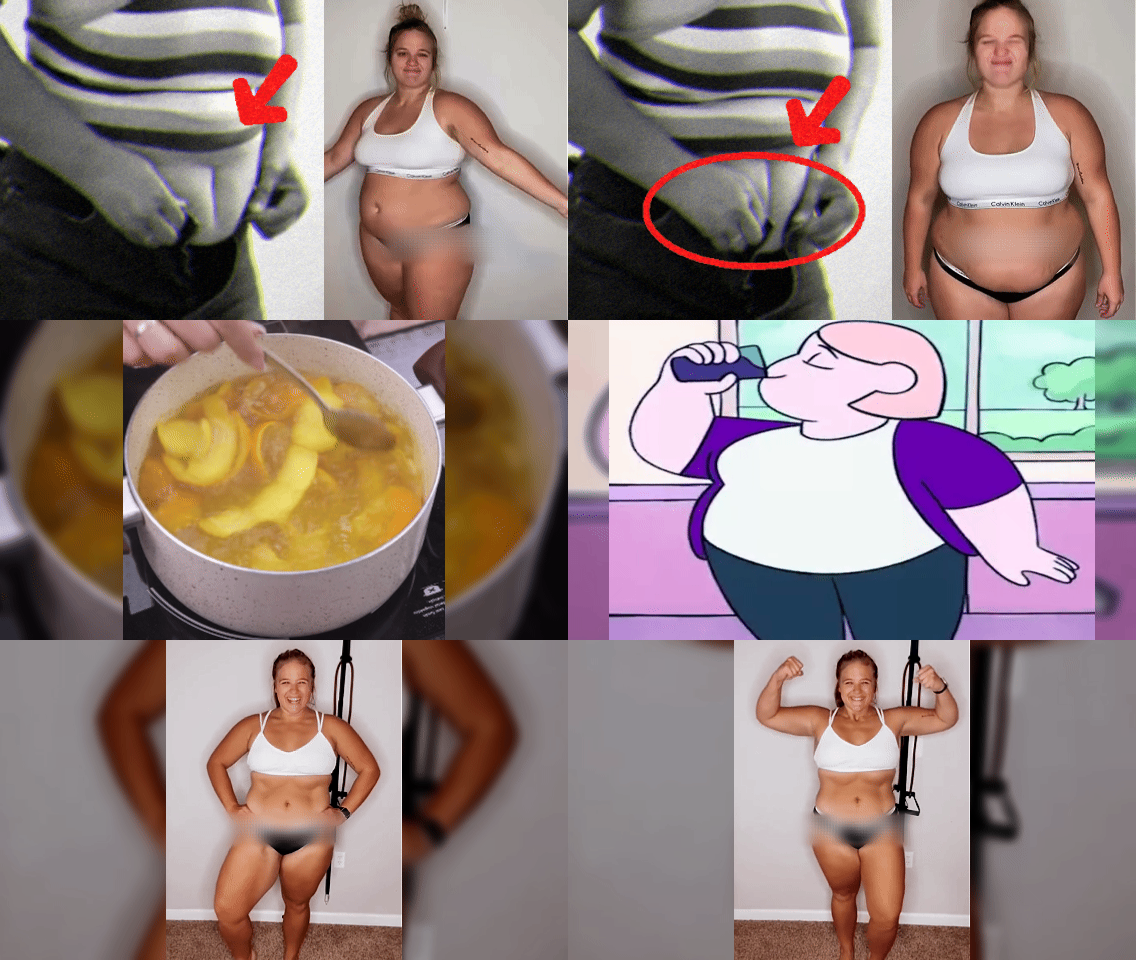
I didn’t expect this to make such a difference, but it actually explains a lot…

What if everything you’ve been told about fat loss is incomplete?
Watch this short video and decide for yourself.

Simple Lifestyle Changes for Healthy Weight Loss

Losing weight doesn’t have to mean extreme diets, exhausting workouts, or giving up everything you love. In fact, the most effective and sustainable approach to weight loss is built on simple lifestyle changes that you can maintain long-term.

If you’ve been struggling to lose weight or keep it off, this guide will walk you through practical, science-backed habits that support healthy weight loss—without overwhelm or burnout.

Why Lifestyle Matters More Than Diets

Many people fall into the trap of short-term dieting. They follow strict meal plans, cut calories drastically, and may see quick results. But once the diet ends, the weight often returns.

Why? Because habits didn’t change.

Healthy weight loss is not about temporary restriction—it’s about creating a lifestyle that naturally supports a healthy body weight. When your daily routines align with your goals, weight loss becomes a byproduct rather than a constant struggle.

Start with Mindful Eating

One of the simplest yet most powerful changes you can make is how you eat—not just what you eat.

What Is Mindful Eating?

Mindful eating means paying full attention to your food, your hunger signals, and your body’s responses.

How to Practice It:
  • Eat slowly and chew thoroughly
  • Avoid distractions like TV or phones
  • Notice when you feel full
  • Appreciate the taste and texture of your food
Why It Works:

Mindful eating helps prevent overeating, improves digestion, and strengthens your connection with your body’s natural hunger cues.

Prioritize Whole, Nutrient-Dense Foods

You don’t need a complicated diet plan to lose weight. Focus on eating real, whole foods as much as possible.

Include More Of:
  • Vegetables and fruits
  • Lean proteins (chicken, fish, eggs, legumes)
  • Whole grains (oats, brown rice, quinoa)
  • Healthy fats (nuts, seeds, olive oil)
Reduce:
  • Processed foods
  • Sugary drinks
  • Refined carbohydrates
  • Excess fast food

Whole foods are naturally more filling, lower in calories, and rich in nutrients that support your metabolism.

Stay Hydrated Throughout the Day

Drinking enough water is one of the easiest lifestyle changes with noticeable impact.

Benefits of Hydration:
  • Helps control appetite
  • Supports digestion
  • Boosts energy levels
  • Aids fat metabolism
Simple Habit:

Drink a glass of water before each meal. This can help you feel fuller and prevent overeating.

Move Your Body Daily

You don’t need an intense workout routine to lose weight. What matters most is consistency.

Easy Ways to Stay Active:
  • Walking 7,000–10,000 steps per day
  • Taking the stairs instead of the elevator
  • Stretching or doing yoga at home
  • Short home workouts (15–20 minutes)
Why It Matters:

Regular movement increases calorie burn, improves mood, and supports long-term weight management.

Build Muscle with Strength Training

While cardio burns calories, strength training helps you build muscle—which increases your resting metabolism.

Benefits:
  • Burns more calories at rest
  • Improves body composition
  • Enhances strength and confidence
Beginner Tip:

Start with bodyweight exercises like squats, push-ups, and planks 2–3 times per week.

Get Enough Sleep Every Night

Sleep is often overlooked, yet it plays a major role in weight loss.

How Poor Sleep Affects Weight:
  • Increases hunger hormones
  • Reduces energy and motivation
  • Leads to cravings for high-calorie foods
Goal:

Aim for 7–9 hours of quality sleep each night.

Simple Sleep Habits:
  • Go to bed at the same time daily
  • Avoid screens before bedtime
  • Create a relaxing nighttime routine
Manage Stress Effectively

Chronic stress can make weight loss much harder.

Why Stress Causes Weight Gain:

Stress increases cortisol, a hormone linked to fat storage—especially around the belly.

Healthy Ways to Manage Stress:
  • Meditation or deep breathing
  • Journaling
  • Spending time in nature
  • Talking to someone you trust

Even 10 minutes a day of relaxation can make a difference.

Eat Enough Protein

Protein is essential for weight loss because it keeps you full and helps preserve muscle.

Benefits of Protein:
  • Reduces appetite
  • Boosts metabolism slightly
  • Prevents muscle loss during weight loss
Easy Sources:
  • Eggs
  • Chicken or fish
  • Greek yogurt
  • Beans and lentils

Try to include protein in every meal.

Control Portion Sizes Without Obsessing

You don’t need to count every calorie, but being aware of portion sizes can help.

Practical Tips:
  • Use smaller plates
  • Avoid eating straight from packages
  • Serve your food instead of eating from containers
  • Stop eating when you feel satisfied, not stuffed
Limit Liquid Calories

Many people consume hundreds of extra calories through drinks without realizing it.

Common Culprits:
  • Sugary coffee drinks
  • Soda
  • Fruit juices
  • Alcohol
Better Choices:
  • Water
  • Herbal tea
  • Black coffee (in moderation)

Reducing liquid calories is one of the fastest ways to cut excess intake.

Be Consistent, Not Perfect

One of the biggest mistakes in weight loss is the “all-or-nothing” mindset.

You don’t need to be perfect every day. What matters is what you do most of the time.

Healthy Mindset:
  • One bad meal doesn’t ruin progress
  • Focus on long-term habits
  • Celebrate small wins

Consistency beats perfection every time.

Create a Supportive Environment

Your surroundings can either support or sabotage your goals.

Simple Changes:
  • Keep healthy snacks visible
  • Remove junk food from your home
  • Plan meals ahead of time
  • Surround yourself with supportive people

When your environment is aligned with your goals, healthy choices become easier.

Track Progress Beyond the Scale

The scale doesn’t always tell the full story.

Other Signs of Progress:
  • Clothes fitting better
  • Increased energy
  • Better sleep
  • Improved mood
  • Strength gains

Focusing on these non-scale victories keeps you motivated.

Build Habits Gradually

Trying to change everything at once often leads to burnout.

Better Approach:

Pick 1–2 habits at a time and master them before adding more.

For example:

  • Week 1: Drink more water
  • Week 2: Add daily walks
  • Week 3: Improve sleep routine

Small changes add up to big results over time.

Sample Daily Routine for Healthy Weight Loss

Here’s how a simple, balanced day might look:

Morning:

  • Wake up and drink water
  • Light stretching or walk
  • Protein-rich breakfast

Midday:

  • Balanced lunch with vegetables, protein, and whole grains
  • Short walk after eating

Afternoon:

  • Healthy snack if needed
  • Stay hydrated

Evening:

  • Light dinner
  • Relaxation (reading, journaling)
  • Consistent bedtime

This kind of routine is sustainable and effective.

Final Thoughts

Healthy weight loss doesn’t come from extreme measures—it comes from simple, consistent lifestyle changes that support your body and mind.

When you focus on nourishing your body, moving regularly, sleeping well, and managing stress, weight loss becomes a natural outcome rather than a constant battle.

Start small. Stay consistent. Trust the process. Over time, these simple habits will transform not just your body, but your overall quality of life.

I didn’t expect this to make such a difference, but it actually explains a lot…

Before you get frustrated with your progress again,
watch this video — it might change your perspective completely.

Foods That May Help Increase Metabolism

If you’ve been struggling with weight loss, you’ve probably heard the phrase “boost your metabolism” more times than you can count. But what does it really mean—and more importantly, can the foods you eat actually help increase your metabolism?

The answer is more nuanced than most people think. While no single food will magically melt away fat overnight, certain foods can support your body’s natural metabolic processes, improve calorie burning, and make it easier to lose weight over time.

In this comprehensive guide, you’ll discover the best metabolism-boosting foods, how they work, and how to incorporate them into your daily routine for sustainable fat loss.

What Is Metabolism and Why Does It Matter for Weight Loss?

Metabolism refers to all the chemical processes your body uses to maintain life, including converting food into energy. Your basal metabolic rate (BMR) determines how many calories your body burns at rest.

A faster metabolism means your body burns more calories throughout the day—even when you’re not actively exercising. While genetics play a role, your lifestyle, especially your diet, can significantly influence your metabolic rate.

Can Food Really Boost Metabolism?

Yes—but within limits.

Certain foods can:

  • Increase thermogenesis (calories burned during digestion)
  • Support hormone balance
  • Preserve muscle mass (which burns more calories than fat)
  • Improve energy levels and physical activity

However, the real power lies in combining these foods with healthy habits like exercise, sleep, and stress management.

Let’s dive into the most effective metabolism-friendly foods.

Protein-Rich Foods: The Foundation of a Faster Metabolism

Protein is one of the most powerful nutrients for boosting metabolism. It has a high thermic effect, meaning your body burns more calories digesting protein compared to fats or carbohydrates.

Best Protein Sources:
  • Lean meats (chicken breast, turkey)
  • Fish (salmon, tuna)
  • Eggs
  • Greek yogurt
  • Legumes (lentils, chickpeas)
Why Protein Works:

Protein can increase your metabolic rate by up to 15–30% for a few hours after eating. It also helps preserve lean muscle mass, which is essential for maintaining a higher metabolism.

Spicy Foods: A Temporary Metabolic Boost

Spicy foods, particularly those containing capsaicin (found in chili peppers), can slightly increase calorie burning.

Examples:
  • Chili peppers
  • Cayenne pepper
  • Hot sauces
How They Help:

Capsaicin may raise body temperature and stimulate fat oxidation. While the effect is modest, adding spice to your meals can support overall fat loss when combined with a balanced diet.

Green Tea and Coffee: Natural Fat Burners

Both green tea and coffee contain compounds that can enhance fat burning and increase metabolic rate.

Green Tea:

Rich in antioxidants called catechins, green tea can help increase fat oxidation, especially during exercise.

Coffee:

Contains caffeine, which stimulates the central nervous system and can temporarily boost metabolism.

Tip:

Drinking 1–3 cups per day can support your metabolism without overdoing caffeine intake.

Whole Grains: Fuel for Efficient Energy Use

Unlike refined carbohydrates, whole grains require more energy to digest, which slightly increases calorie burn.

Examples:
  • Oats
  • Brown rice
  • Quinoa
  • Whole wheat
Benefits:

They also stabilize blood sugar levels, preventing energy crashes and overeating.

Healthy Fats: Essential for Hormonal Balance

Healthy fats are often misunderstood in weight loss. While calorie-dense, they play a critical role in hormone production and metabolic health.

Best Sources:
  • Avocados
  • Nuts and seeds
  • Olive oil
  • Fatty fish (rich in omega-3s)
Why They Matter:

Omega-3 fatty acids may help regulate metabolism and reduce inflammation, which is linked to weight gain.

Water: The Simplest Metabolism Booster

Hydration is often overlooked, yet it plays a crucial role in metabolism.

Benefits of Drinking Water:
  • Temporary increase in calorie burning (water-induced thermogenesis)
  • Improved digestion
  • Reduced appetite
Pro Tip:

Drinking cold water may slightly increase calorie expenditure as your body works to warm it up.

Iron-Rich Foods: Supporting Energy Production

Iron is essential for transporting oxygen in the blood, which is critical for energy production.

Examples:
  • Spinach
  • Red meat
  • Lentils
  • Tofu
Why It Matters:

Low iron levels can lead to fatigue and a slower metabolism, making weight loss more difficult.

Dairy and Calcium-Rich Foods

Calcium may play a role in regulating fat metabolism and body weight.

Examples:
  • Milk
  • Yogurt
  • Cheese
  • Plant-based fortified alternatives
Insight:

Some studies suggest calcium can help the body burn fat more efficiently, though results are mixed.

Apple Cider Vinegar: A Popular Weight Loss Aid

Apple cider vinegar has gained popularity for its potential metabolism benefits.

Possible Effects:
  • Helps control blood sugar levels
  • May increase feelings of fullness
  • Supports digestion

While not a miracle solution, it can be a useful addition to a healthy diet.

Foods Rich in Fiber: Keeping You Full and Energized

Fiber doesn’t directly boost metabolism significantly, but it plays a crucial role in weight management.

High-Fiber Foods:
  • Vegetables (broccoli, carrots)
  • Fruits (apples, berries)
  • Whole grains
  • Legumes
Benefits:
  • Promotes satiety
  • Supports gut health
  • Helps regulate calorie intake
The Role of Muscle in Metabolism

While not a food, this is essential to understand.

The more muscle mass you have, the higher your resting metabolic rate. That’s why combining metabolism-boosting foods with strength training is one of the most effective weight loss strategies.

Sample Daily Meal Plan for a Faster Metabolism

Here’s how you might structure your day:

Breakfast:
  • Oatmeal with berries and Greek yogurt
  • Green tea
Lunch:
  • Grilled chicken salad with olive oil dressing
  • Quinoa
Snack:
  • Handful of almonds
  • Apple
Dinner:
  • Salmon with steamed vegetables
  • Brown rice
Optional:
  • Coffee before workout

This combination supports metabolism while keeping you full and energized.

Common Mistakes That Slow Down Metabolism

Even with the right foods, certain habits can work against you:

  • Skipping meals frequently
  • Not eating enough protein
  • Poor sleep quality
  • Chronic stress
  • Extreme calorie restriction

Avoiding these pitfalls is just as important as choosing the right foods.

Final Thoughts: Focus on Consistency, Not Quick Fixes

Foods that help increase metabolism can be powerful tools—but they are not magic solutions. Sustainable weight loss comes from consistent habits, balanced nutrition, and a lifestyle that supports your body’s natural processes.

Instead of chasing shortcuts, focus on building a diet rich in whole, nutrient-dense foods, staying active, and taking care of your overall health. Over time, these small changes will compound into meaningful, lasting results.

I didn’t expect this to make such a difference, but it actually explains a lot…

This isn’t another typical weight loss tip… watch the video below to understand why.

Natural Ways to Support Fat Burning

Losing weight can feel like an uphill battle, especially when you’re bombarded with conflicting advice, trendy diets, and promises of quick results. But the truth is, sustainable fat loss doesn’t come from extreme restrictions or shortcuts—it comes from supporting your body’s natural ability to burn fat efficiently.

If you’ve been searching for realistic, science-backed strategies that actually work, this guide will walk you through natural ways to support fat burning without harming your health or sanity. These methods are simple, effective, and can be done right at home.

Understanding How Fat Burning Works

Before diving into solutions, it’s important to understand how fat burning actually happens.

Your body stores excess energy as fat. When you consume fewer calories than you burn, your body taps into these fat stores for energy. However, this process is influenced by multiple factors, including metabolism, hormones, activity level, sleep, and nutrition.

Supporting fat burning naturally means optimizing these factors so your body becomes more efficient at using fat as fuel.

1. Prioritize Protein in Every Meal

Protein is one of the most powerful nutrients when it comes to fat loss. It increases your metabolic rate through the thermic effect of food, helps preserve lean muscle mass, and keeps you feeling full longer.

When you eat more protein:

  • Your body burns more calories during digestion
  • You reduce cravings and unnecessary snacking
  • You maintain muscle, which supports long-term fat burning

Great sources of protein include eggs, chicken, fish, tofu, Greek yogurt, beans, and lentils. Aim to include protein in every meal to maximize its benefits.

2. Build Muscle Through Strength Training

Muscle is metabolically active tissue, meaning it burns more calories than fat—even at rest. The more muscle you have, the more calories your body burns throughout the day.

You don’t need a gym to start building muscle. At-home workouts can be just as effective:

  • Squats
  • Push-ups
  • Lunges
  • Planks
  • Resistance band exercises

Consistency is key. Aim for at least 3 sessions per week to gradually increase your strength and metabolism.

3. Stay Active Beyond Workouts

Many people focus only on exercise, but daily movement plays a huge role in fat burning. This includes everything from walking around your home to doing chores.

Increasing your non-exercise activity can significantly boost calorie burn without feeling like a workout.

Simple ways to stay active:

  • Walk while talking on the phone
  • Do light stretching during breaks
  • Clean or organize your space
  • Take short movement breaks every hour

These small actions add up and make a big difference over time.

4. Drink More Water

Hydration is essential for optimal fat metabolism. Your body needs water to break down fat and convert it into energy.

Drinking enough water can:

  • Increase calorie burn temporarily
  • Improve digestion
  • Reduce false hunger signals

Try starting your day with a glass of water and keep a bottle nearby to sip throughout the day.

5. Improve Your Sleep Quality

Sleep is one of the most underrated factors in fat loss. Poor sleep disrupts hormones like ghrelin and leptin, which regulate hunger and fullness.

When you don’t sleep enough:

  • You feel hungrier
  • You crave high-calorie foods
  • Your body stores more fat

Aim for 7–9 hours of quality sleep each night. Create a bedtime routine, reduce screen exposure, and keep your sleeping environment cool and dark.

6. Manage Stress Effectively

Chronic stress can sabotage your fat loss efforts. High levels of cortisol, the stress hormone, are linked to increased fat storage—especially around the belly.

To support fat burning, it’s important to manage stress daily.

Try:

  • Deep breathing exercises
  • Meditation or mindfulness
  • Journaling your thoughts
  • Spending time in nature
  • Listening to relaxing music

Even a few minutes a day can make a difference.

7. Choose Whole, Unprocessed Foods

Whole foods are naturally more filling, nutrient-dense, and supportive of fat burning compared to processed foods.

Focus on:

  • Vegetables and fruits
  • Lean proteins
  • Whole grains
  • Healthy fats like nuts, seeds, and olive oil

Processed foods often contain added sugars, unhealthy fats, and empty calories that can slow down your progress.

8. Don’t Skip Meals or Starve Yourself

Skipping meals might seem like a quick way to cut calories, but it often backfires. When you don’t eat enough, your body slows down its metabolism to conserve energy.

This can lead to:

  • Fat storage instead of fat burning
  • Low energy levels
  • Increased cravings later in the day

Instead, aim for balanced meals that keep your body fueled and your metabolism active.

9. Add Fiber to Your Diet

Fiber plays a crucial role in fat loss by improving digestion and promoting satiety.

High-fiber foods help you:

  • Feel full longer
  • Reduce overall calorie intake
  • Stabilize blood sugar levels

Include foods like vegetables, fruits, whole grains, beans, and seeds in your daily meals.

10. Use Natural Fat-Burning Boosters

Certain natural foods and beverages can give your fat-burning efforts a slight boost.

Examples include:

  • Green tea (rich in antioxidants and fat-burning compounds)
  • Coffee (contains caffeine, which increases energy expenditure)
  • Spicy foods (contain capsaicin, which may increase calorie burn)

While these are not miracle solutions, they can complement your overall strategy.

11. Be Consistent with Your Routine

One of the biggest mistakes people make is expecting instant results. Fat loss is a gradual process that requires consistency.

You don’t need to be perfect—you just need to stay consistent.

Focus on:

  • Building daily habits
  • Making small improvements over time
  • Staying committed even when progress feels slow

Consistency always beats intensity in the long run.

12. Listen to Your Body

Your body gives you signals about what it needs. Learning to listen to these signals can help you make better choices.

Pay attention to:

  • Hunger and fullness cues
  • Energy levels
  • Sleep quality
  • Mood and stress levels

When you align your habits with your body’s needs, fat burning becomes more natural and sustainable.

Final Thoughts

Supporting fat burning naturally is not about punishing your body—it’s about working with it. By focusing on nutrition, movement, sleep, and stress management, you create an environment where your body can efficiently burn fat and maintain a healthy weight.

Forget extreme diets and quick fixes. The real transformation happens when you build a lifestyle that supports your health every single day.

Start small. Choose a few strategies from this guide and implement them consistently. Over time, these simple habits will compound into powerful results—not just for fat loss, but for your overall well-being.

Remember, the goal is not just to lose weight—it’s to feel better, move better, and live better.

I didn’t expect this to make such a difference, but it actually explains a lot…

Before you get frustrated with your progress again,
watch this video — it might change your perspective completely.

How to Boost Metabolism Naturally at Home

If you’ve ever felt like your body is working against you when trying to lose weight, you’re not alone. Many people struggle with slow metabolism, stubborn fat, and energy crashes—even when they’re doing “everything right.” The truth is, your metabolism plays a crucial role in how efficiently your body burns calories and converts food into energy.

The good news? You don’t need extreme diets, expensive supplements, or complicated routines to improve it. By making consistent, natural changes at home, you can significantly boost your metabolism and support sustainable weight loss.

In this comprehensive guide, we’ll explore practical, science-backed strategies to help you rev up your metabolism naturally—right from the comfort of your home.

What Is Metabolism and Why Does It Matter?

Metabolism refers to all the chemical processes your body uses to maintain life. It determines how many calories you burn at rest (your basal metabolic rate), during activity, and while digesting food.

A faster metabolism means your body burns more calories throughout the day, even when you’re not exercising. This makes it easier to lose weight or maintain a healthy weight without feeling deprived.

On the other hand, a slow metabolism can lead to weight gain, fatigue, and frustration—even if your calorie intake seems reasonable.

Signs Your Metabolism Might Be Slowing Down

Before diving into solutions, it’s helpful to recognize some common signs of a sluggish metabolism:

  • Difficulty losing weight despite dieting
  • Constant fatigue or low energy
  • Frequent cravings for sugar or carbs
  • Feeling cold often
  • Digestive issues or bloating
  • Plateauing after initial weight loss

If you relate to several of these, it’s time to give your metabolism the support it needs.

1. Start Your Day with Protein

One of the simplest ways to boost metabolism is by eating a high-protein breakfast. Protein has a higher thermic effect compared to fats and carbohydrates, meaning your body burns more calories digesting it.

Examples of protein-rich breakfast options:

  • Eggs with vegetables
  • Greek yogurt with nuts and berries
  • Protein smoothies
  • Cottage cheese with fruit

Eating protein early in the day also helps stabilize blood sugar levels and reduce cravings later on.

2. Stay Hydrated Throughout the Day

Water is essential for nearly every metabolic process in your body. Even mild dehydration can slow down your metabolism.

Drinking water can temporarily boost your metabolic rate by up to 30% for about 30–40 minutes. Cold water may enhance this effect slightly, as your body uses energy to warm it up.

Tips to stay hydrated:

  • Drink a glass of water first thing in the morning
  • Keep a bottle nearby throughout the day
  • Replace sugary drinks with water or herbal tea
3. Incorporate Strength Training at Home

Building muscle is one of the most effective ways to increase your resting metabolic rate. Muscle tissue burns more calories than fat—even when you’re not moving.

You don’t need a gym to start strength training. Try:

  • Bodyweight exercises (push-ups, squats, lunges)
  • Resistance bands
  • Dumbbells (or household items like water bottles)

Aim for 3–4 sessions per week to see noticeable improvements.

4. Move More Throughout the Day

While structured workouts are important, daily movement plays an even bigger role in your metabolism. This includes all the small activities you do outside of exercise.

Ways to increase daily movement at home:

  • Take short walking breaks
  • Do household chores actively
  • Stretch or do light exercises during TV time
  • Use stairs instead of elevators when possible

This concept is known as NEAT (Non-Exercise Activity Thermogenesis), and it can significantly impact your calorie burn.

5. Prioritize Quality Sleep

Sleep is often overlooked, yet it has a powerful effect on metabolism. Poor sleep disrupts hormones that regulate hunger, appetite, and energy use.

When you don’t get enough rest:

  • Your body produces more hunger hormones
  • You crave high-calorie foods
  • Your metabolism slows down

Aim for 7–9 hours of quality sleep each night. Create a relaxing bedtime routine and reduce screen time before bed.

6. Drink Green Tea or Coffee

Both green tea and coffee contain compounds that can slightly boost metabolism.

  • Green tea contains catechins, which may enhance fat burning
  • Coffee contains caffeine, which stimulates the central nervous system

While the effects are modest, they can add up over time when combined with other healthy habits.

Be mindful of your intake and avoid excessive sugar or cream.

7. Eat Smaller, Balanced Meals

Instead of skipping meals or drastically cutting calories, focus on eating balanced meals that include protein, healthy fats, and complex carbohydrates.

Eating regularly helps keep your metabolism active and prevents energy crashes.

A balanced plate might include:

  • Lean protein (chicken, fish, tofu)
  • Whole grains (brown rice, quinoa)
  • Healthy fats (avocado, olive oil)
  • Vegetables (fiber-rich and low-calorie)
8. Spice Up Your Meals

Certain spices, like chili peppers, contain compounds that may temporarily boost metabolism.

Capsaicin, found in spicy foods, can slightly increase calorie burn and reduce appetite.

While it’s not a magic solution, adding spices can support your overall efforts.

9. Manage Stress Levels

Chronic stress can slow down your metabolism by increasing cortisol levels, a hormone linked to fat storage—especially around the abdomen.

Simple ways to reduce stress at home:

  • Deep breathing exercises
  • Meditation or mindfulness
  • Journaling
  • Listening to calming music

Taking care of your mental health is just as important as physical habits when it comes to weight loss.

10. Avoid Extreme Dieting

Severely restricting calories might seem like a quick fix, but it often backfires. When your body senses starvation, it slows down metabolism to conserve energy.

This is why many people experience weight loss plateaus or regain weight quickly after dieting.

Instead, focus on sustainable changes that nourish your body and support long-term results.

11. Increase Fiber Intake

Fiber-rich foods help improve digestion, stabilize blood sugar, and keep you feeling full longer.

Some great sources of fiber include:

  • Vegetables and fruits
  • Whole grains
  • Legumes (beans, lentils)
  • Nuts and seeds

A healthy digestive system contributes to a more efficient metabolism.

12. Stay Consistent and Patient

Boosting your metabolism naturally is not about quick fixes—it’s about building habits that support your body over time.

You may not see immediate changes, but with consistency, your energy levels will improve, your body will become more efficient, and weight loss will feel more achievable.

Focus on progress, not perfection.

Final Thoughts

Your metabolism is not fixed—it adapts based on your lifestyle, habits, and environment. By making intentional changes at home, you can gradually train your body to burn more calories, improve energy levels, and support healthy weight loss.

You don’t need extreme measures. You need consistency, balance, and patience.

Start small. Choose 2–3 strategies from this guide and implement them daily. As they become habits, build on them. Over time, these simple actions can lead to powerful transformations—not just in your body, but in your overall well-being.

Remember, the goal isn’t just to lose weight—it’s to create a lifestyle that supports your health for the long run.

I didn’t expect this to make such a difference, but it actually explains a lot…

What if everything you’ve been told about fat loss is incomplete?
Watch this short video and decide for yourself.