
How To Make A Man Happy

When it comes to love and relationships, one of the most common questions women ask is: “How do I make a man truly happy?”

It sounds simple on the surface, but the answer is deeper than buying gifts, cooking meals, or trying to be perfect. Real happiness in a relationship isn’t created through performance—it’s built through connection, understanding, and emotional alignment.

If you’re looking to create a relationship where a man feels fulfilled, appreciated, and deeply connected to you, this guide will walk you through what truly matters—and what doesn’t.

Because the truth is, making a man happy isn’t about losing yourself. It’s about creating a relationship where both of you thrive.

Understanding What Happiness Means to Him

Before you can make someone happy, you need to understand what happiness actually means to them.

Every man is different. Some value emotional connection, others prioritize respect, freedom, or shared experiences. However, there are a few core emotional needs that most men share:

  • Feeling respected
  • Feeling appreciated
  • Feeling trusted
  • Feeling desired
  • Feeling like they matter in your life

When these needs are consistently met, a man is far more likely to feel happy and committed in a relationship.

Respect: The Foundation of His Emotional World

While love is important, respect is often the emotional cornerstone for many men.

Respect shows up in how you speak to him, how you treat him in front of others, and how you respond during disagreements.

Simple ways to show respect:

  • Avoid belittling or criticizing him harshly
  • Acknowledge his efforts and intentions
  • Speak to him with kindness, even during conflict
  • Trust his decisions instead of constantly questioning him

When a man feels respected, he feels valued—and that directly contributes to his happiness.

Appreciation: The Small Things Matter Most

One of the easiest ways to make a man happy is also one of the most overlooked: appreciation.

Many men don’t need grand gestures. They need to feel seen.

Let him know you notice the things he does:

  • Thank him for his support
  • Acknowledge his hard work
  • Compliment him sincerely
  • Recognize even the small efforts

Appreciation creates emotional safety. It tells him that what he does matters—and that he matters to you.

Emotional Support Without Pressure

Men may not always express emotions the same way women do, but that doesn’t mean they don’t need emotional support.

The key is to create a space where he feels safe without feeling pressured.

Instead of pushing him to open up, try:

  • Listening without interrupting
  • Being present without immediately offering solutions
  • Allowing him to share at his own pace

Sometimes, your calm presence is more powerful than any advice.

Give Him Space Without Losing Connection

One of the most misunderstood aspects of relationships is a man’s need for space.

This doesn’t mean he doesn’t care. It often means he needs time to recharge, think, or focus on other areas of his life.

Healthy space actually strengthens attraction.

How to handle it:

  • Don’t take his need for space personally
  • Use that time to focus on your own life and growth
  • Trust that distance can increase appreciation

When a man feels free—not controlled—he’s more likely to stay emotionally connected.

Keep the Relationship Fun and Light

Not every moment needs to be serious or emotionally intense.

Happiness in a relationship often comes from shared joy, laughter, and positive experiences.

Ways to keep things fun:

  • Laugh together often
  • Try new activities as a couple
  • Be playful and spontaneous
  • Don’t overanalyze every interaction

When a man associates the relationship with positive emotions, he naturally feels happier being in it.

Physical Connection and Affection

Physical intimacy plays an important role in most romantic relationships.

It’s not just about attraction—it’s about connection, reassurance, and closeness.

Simple gestures can make a big difference:

  • Holding hands
  • Hugging
  • Sitting close to each other
  • Showing affection without always expecting something in return

These moments build a sense of comfort and belonging.

Avoid Constant Criticism

No one feels happy when they feel constantly judged.

If a man feels like he can never meet your expectations, he may start to withdraw emotionally.

This doesn’t mean ignoring problems—but it does mean choosing how you communicate them.

Instead of criticism:

  • Express your feelings calmly
  • Focus on the issue, not his character
  • Offer solutions instead of blame

Constructive communication strengthens the relationship instead of damaging it.

Support His Purpose and Goals

Many men find a strong sense of identity and fulfillment in their goals, work, or purpose.

When you support what matters to him, you become a source of strength in his life.

Ways to show support:

  • Encourage his ambitions
  • Celebrate his progress
  • Be patient during challenging times
  • Believe in him, even when he doubts himself

When he feels supported, he feels understood—and that creates deep emotional connection.

Be Secure in Yourself

One of the most attractive and powerful things you can bring into a relationship is your own sense of self.

Confidence, independence, and emotional stability don’t just benefit you—they enhance the relationship.

When you are secure:

  • You don’t rely on him for constant validation
  • You bring positive energy into the relationship
  • You allow space for both of you to grow

A healthy relationship is built by two whole individuals—not one person trying to complete the other.

Communicate Your Needs Too

Making a man happy does not mean ignoring your own needs.

A strong relationship is built on mutual fulfillment.

Be open about what you need:

  • Emotional connection
  • Quality time
  • Support and understanding

When both partners feel heard and valued, happiness becomes a shared experience—not a one-sided effort.

What Doesn’t Work (And Why)

Let’s clear up a few common misconceptions:

  • Trying to be perfect: This creates pressure and inauthenticity
  • Controlling behavior: This leads to resistance and distance
  • Constant testing: This damages trust
  • Losing yourself in the relationship: This weakens attraction over time

True happiness doesn’t come from control or perfection—it comes from connection and authenticity.

The Real Secret to Making a Man Happy

If there’s one thing to remember, it’s this:

You don’t make a man happy by changing who you are—you make a man happy by creating a relationship where he feels valued, respected, and connected.

And that goes both ways.

A healthy relationship is not about one person giving everything. It’s about both people contributing to a shared sense of happiness.

Final Thoughts: Happiness Is Built Together

Making a man happy is not about following a checklist.

It’s about understanding, effort, and emotional connection.

When you focus on respect, appreciation, communication, and maintaining your own identity, you create a relationship that feels fulfilling for both of you.

And in that kind of relationship, happiness is not something you chase—it’s something you naturally experience together.

Because the strongest relationships are not built on trying harder…

They are built on loving smarter.

What if you’ve been doing everything right… but missing the one thing that truly matters?

Inside these 3 FREE reports, you’ll discover powerful psychological insights that most people never learn – yet they change everything in love and attraction.

✨ Don’t just hope for better results. Create them.
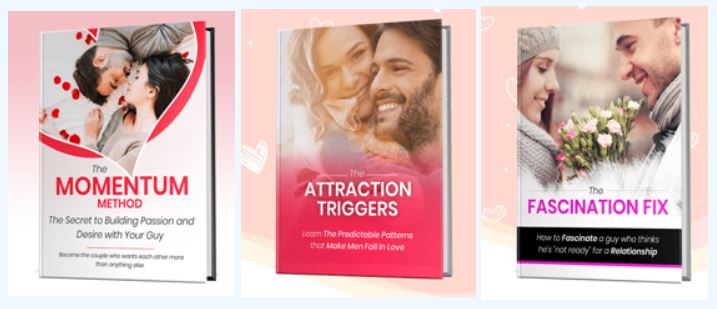
👉 Get instant access now.

How To Prevent Infidelity

Infidelity is one of the most painful experiences in any relationship. It can shatter trust, create emotional distance, and leave lasting scars that are difficult to heal. Yet, despite how common it is, many couples only begin to think about prevention after the damage has already been done.

But here’s a powerful truth: preventing infidelity is not about controlling your partner or eliminating temptation—it’s about building a relationship so strong, connected, and fulfilling that betrayal becomes far less likely.

If you are serious about protecting your relationship, this guide will help you understand the deeper causes of infidelity and, more importantly, how to create a bond that naturally resists it.

Understanding Why Infidelity Happens

Before you can prevent infidelity, you need to understand why it happens in the first place.

Contrary to popular belief, cheating is not always about lack of love or physical attraction. In many cases, it stems from unmet emotional needs, disconnection, or unresolved personal issues.

Some of the most common reasons include:

  • Emotional neglect or feeling unappreciated
  • Lack of communication and unresolved conflicts
  • Loss of intimacy or physical connection
  • Boredom or desire for novelty
  • Low self-esteem or need for validation
  • Opportunity combined with weak boundaries

Infidelity is often a symptom, not the root problem. When couples focus only on the act of cheating rather than the underlying causes, they miss the opportunity to strengthen their relationship.

Build Strong Emotional Intimacy

Emotional intimacy is the foundation of a healthy relationship. When both partners feel seen, heard, and valued, the need to seek connection elsewhere decreases significantly.

How to deepen emotional intimacy:
  • Have regular, meaningful conversations—not just surface-level talk
  • Ask open-ended questions about your partner’s thoughts and feelings
  • Listen without interrupting or trying to “fix” everything
  • Express appreciation and gratitude consistently

When emotional closeness is strong, your relationship becomes a safe space—not something either of you wants to escape from.

Prioritize Open and Honest Communication

Communication is not just about talking—it’s about understanding.

Many relationships suffer not because couples don’t communicate, but because they communicate poorly or avoid difficult conversations altogether.

To prevent infidelity, both partners need to feel safe discussing:

  • Their needs and desires
  • Their frustrations and concerns
  • Their expectations in the relationship

Avoiding uncomfortable topics creates distance. Addressing them builds trust.

Remember, it’s better to have an honest, difficult conversation now than to deal with betrayal later.

Maintain Physical and Emotional Connection

Over time, it’s easy for relationships to fall into routine. Life gets busy, responsibilities pile up, and the connection that once felt effortless begins to fade.

This is where many relationships become vulnerable.

Make a conscious effort to maintain both physical and emotional closeness:

  • Schedule regular date nights
  • Show affection through touch, even in small ways
  • Be present when spending time together
  • Keep the spark alive by trying new experiences together

Connection doesn’t maintain itself—it requires intention.

Set Clear Boundaries

Boundaries are essential in preventing situations that could lead to infidelity.

This doesn’t mean restricting your partner’s freedom. It means having mutual understanding about what is acceptable and what is not.

Examples of healthy boundaries include:

  • Being transparent about friendships with others
  • Avoiding secretive behavior or hidden communication
  • Setting limits on emotional closeness with people outside the relationship
  • Being mindful of situations that could create temptation

Boundaries protect the relationship—not limit it.

Don’t Take Each Other for Granted

One of the most subtle but dangerous patterns in relationships is complacency.

When appreciation fades, partners may begin to feel invisible or undervalued. Over time, this can create emotional distance and vulnerability.

Make it a habit to:

  • Say “thank you” for small things
  • Acknowledge your partner’s efforts
  • Compliment them genuinely
  • Celebrate each other’s successes

Feeling appreciated is one of the strongest emotional needs in any relationship.

Address Problems Early

Small issues don’t stay small when they’re ignored.

Resentment builds over time, often silently, until it creates a gap between partners. That gap can become an opening for infidelity.

Instead of avoiding conflict:

  • Address concerns as they arise
  • Focus on solutions, not blame
  • Approach conversations with curiosity, not defensiveness

Healthy conflict strengthens relationships when handled with respect.

Strengthen Individual Self-Awareness

Preventing infidelity is not only about the relationship—it’s also about the individuals within it.

Self-awareness helps you understand your own needs, triggers, and behaviors.

Ask yourself:

  • Am I communicating my needs clearly?
  • Am I showing up as a supportive partner?
  • Am I seeking validation outside the relationship?

When both partners take responsibility for their own growth, the relationship becomes stronger.

Keep Growing Together

Relationships that grow together tend to stay together.

When couples stop evolving, they may begin to feel disconnected or stagnant. Growth keeps the relationship dynamic and engaging.

Ways to grow together:

  • Set shared goals
  • Learn new skills or hobbies as a couple
  • Travel or explore new environments
  • Support each other’s personal development

Growth creates excitement—and reduces the desire to seek it elsewhere.

Be Proactive, Not Reactive

Most people think about infidelity prevention only after trust has been broken.

But the healthiest relationships are proactive.

They invest in communication, connection, and trust consistently—long before any problems arise.

Prevention is not a one-time effort. It’s an ongoing commitment to nurturing the relationship.

Recognize Warning Signs Early

While prevention is key, it’s also important to recognize early signs of disconnection, such as:

  • Decreased communication
  • Emotional withdrawal
  • Increased secrecy
  • Lack of interest in spending time together

These signs don’t necessarily mean infidelity is happening—but they do indicate that something needs attention.

Addressing these signs early can prevent deeper issues later.

Final Thoughts: Build a Relationship Worth Protecting

Infidelity is not always preventable, but the risk can be significantly reduced when both partners are committed to building a strong, healthy relationship.

It’s not about perfection.

It’s about presence, effort, and intention.

When you prioritize emotional intimacy, communicate openly, set boundaries, and continue growing together, you create a relationship that feels fulfilling—not limiting.

And when both partners feel valued, connected, and understood, the desire to look elsewhere naturally fades.

In the end, preventing infidelity isn’t about fear—it’s about building something so meaningful that neither of you wants to risk losing it.

What if you’ve been doing everything right… but missing the one thing that truly matters?

Inside these 3 FREE reports, you’ll discover powerful psychological insights that most people never learn – yet they change everything in love and attraction.

✨ Don’t just hope for better results. Create them.

👉 Get instant access now.

Get Love Advice For Women

Love can feel like the most beautiful experience in the world—and at the same time, the most confusing. One moment you feel deeply connected, the next you’re questioning everything. If you’ve ever found yourself wondering how to navigate relationships with more confidence, clarity, and emotional security, you’re not alone.

This guide is designed to give you real, practical love advice for women—advice that goes beyond clichés and helps you build meaningful, lasting connections without losing yourself in the process.

Understanding Love in the Modern World

Relationships today are more complex than ever. With dating apps, social media, and endless options, it’s easy to feel overwhelmed or unsure about where you stand.

But no matter how much the world changes, one truth remains the same:

Healthy love is built on emotional connection, mutual respect, and authenticity.

Before looking outward for the right partner, it’s essential to understand yourself first.

Know Your Worth Before You Seek Love

One of the most powerful pieces of relationship advice is this:

You attract what you believe you deserve.

If you don’t fully recognize your value, you may:

  • Settle for less than you want
  • Ignore red flags
  • Overgive in hopes of being chosen

Confidence isn’t about perfection. It’s about self-acceptance.

When you truly know your worth, you naturally set higher standards—and attract people who respect them.

Stop Chasing—Start Attracting

Many women fall into the trap of trying to “win” someone over. You might:

  • Initiate most conversations
  • Overanalyze his behavior
  • Try to prove your value

But attraction doesn’t grow through chasing.

It grows through presence.

When you have your own life, goals, and emotional independence, you become naturally magnetic. People are drawn to those who don’t need validation to feel complete.

Learn to Recognize Genuine Interest

One of the most confusing parts of dating is trying to figure out how someone feels.

Here’s a simple truth:

When a man is genuinely interested, his actions will show it.

He will:

  • Make time for you
  • Communicate consistently
  • Show effort without being asked

If you find yourself constantly guessing, it’s often a sign that something is missing.

Clarity is attractive. Confusion is exhausting.

Set Boundaries Early

Boundaries are not walls—they are standards.

They communicate how you expect to be treated and what you will or won’t accept.

Without boundaries, you may:

  • Feel drained in relationships
  • Lose your sense of self
  • Tolerate unhealthy behavior

Setting boundaries doesn’t push the right person away.

It filters out the wrong ones.

Don’t Ignore Red Flags

It’s easy to overlook warning signs when you like someone. You may justify their behavior or hope they will change over time.

But patterns matter.

Some common red flags include:

  • Inconsistent communication
  • Lack of accountability
  • Disrespect for your time or feelings
  • Avoidance of commitment

Trust what you see, not what you hope.

Emotional Attraction vs. Logical Compatibility

You can feel a strong emotional pull toward someone who isn’t right for you.

Attraction alone is not enough.

A healthy relationship requires:

  • Shared values
  • Mutual respect
  • Emotional maturity
  • Long-term compatibility

Don’t confuse chemistry with compatibility.

The strongest relationships have both.

Communicate Clearly and Honestly

Communication is the foundation of any successful relationship.

Instead of expecting someone to read your mind:

  • Express your needs
  • Share your feelings
  • Ask for clarity when needed

Healthy communication builds trust and prevents misunderstandings.

Remember, the right person will appreciate your honesty—not be threatened by it.

Maintain Your Identity in a Relationship

One of the biggest mistakes women make is losing themselves in love.

You start to prioritize the relationship over everything else—your hobbies, friendships, and personal growth.

But a strong relationship is made of two whole individuals, not two halves trying to complete each other.

Keep:

  • Your passions
  • Your goals
  • Your independence

This not only strengthens your confidence but also keeps the relationship balanced and healthy.

Understand the Power of Emotional Energy

Attraction is not just about looks or words—it’s about energy.

How you feel about yourself influences how others feel around you.

When you:

  • Feel confident
  • Stay emotionally grounded
  • Approach relationships with openness instead of fear

You create a space where connection can grow naturally.

Let Go of the Need to Control Outcomes

One of the hardest lessons in love is accepting uncertainty.

You can’t control how someone feels or whether a relationship will work out.

What you can control is:

  • Your actions
  • Your standards
  • Your response to situations

When you release the need to control everything, you create space for genuine connection.

Choose Someone Who Chooses You

This may be the most important advice of all.

Love should not feel like a constant struggle to be seen, valued, or prioritized.

The right person will:

  • Appreciate you
  • Respect you
  • Choose you consistently

You deserve a relationship where you feel secure—not anxious.

Healing Before Entering a New Relationship

If you’ve been hurt before, it’s important to heal before starting something new.

Unresolved emotions can lead to:

  • Trust issues
  • Fear of vulnerability
  • Repeating unhealthy patterns

Take time to reflect, grow, and rebuild your emotional foundation.

Healing is not a weakness—it’s preparation for a better relationship.

Practical Love Advice You Can Apply Today

If you’re looking for simple steps to improve your love life, start here:

Focus on building your self-confidence
Be clear about what you want in a partner
Observe actions more than words
Set and maintain healthy boundaries
Stay open to connection, but not attached to outcomes
Invest in your personal growth
Surround yourself with supportive people

Small changes in your mindset and behavior can lead to big changes in your relationships.

Final Thoughts: Love Starts With You

At the end of the day, the most important relationship you will ever have is the one with yourself.

When you:

  • Respect yourself
  • Value your time and energy
  • Show up authentically

You naturally attract healthier, more fulfilling relationships.

Love is not about losing yourself in someone else.

It’s about sharing your life with someone who enhances who you already are.

So instead of asking, “How do I get love?”

Ask, “How do I become someone who experiences love in a healthy, fulfilling way?”

That’s where everything begins.

What if you’ve been doing everything right… but missing the one thing that truly matters?

Inside these 3 FREE reports, you’ll discover powerful psychological insights that most people never learn – yet they change everything in love and attraction.

✨ Don’t just hope for better results. Create them.

👉 Get instant access now.

Why You Can’t Attract Him

You’ve tried to look your best. You’ve been kind, attentive, maybe even gone out of your way to show interest. And yet… he doesn’t seem to choose you.

It’s confusing. Frustrating. Sometimes even painful.

You might find yourself asking, “What am I doing wrong?” or worse, “What’s wrong with me?”

But here’s the truth that most people won’t tell you:

Attraction isn’t about being perfect. It’s about energy, perception, and emotional dynamics.

If you feel like you can’t attract him, it’s not because you’re not enough—it’s because something in the dynamic is off. And once you understand what that is, everything can change.

Let’s break it down.

The Truth About Attraction (That Changes Everything)

Attraction is not logical.

You can be smart, beautiful, caring, and still not trigger attraction in someone. Why? Because attraction is driven by emotion, not qualifications.

People don’t fall for someone because they “make sense” on paper.

They fall because of how that person makes them feel.

This is where most people unknowingly sabotage themselves.

1. You’re Trying Too Hard to Be Liked

This is one of the most common mistakes.

When you really like someone, it’s natural to want to impress them. So you:

  • Agree with everything they say
  • Prioritize their needs over yours
  • Hide parts of yourself to avoid conflict

But here’s the problem:

When you try too hard to be liked, you lose your authenticity.

And attraction thrives on authenticity.

When someone senses that you’re molding yourself to fit them, it removes the mystery, the challenge, and the emotional spark.

Instead of asking, “How can I make him like me?” ask:

“Am I showing up as my real self?”

Because the right connection starts there.

2. You’re Giving Too Much, Too Soon

Attention, affection, emotional availability—these are powerful things.

But when you give them too freely in the beginning, it can backfire.

Why?

Because attraction often grows through curiosity and discovery.

If everything is available instantly, there’s nothing left to explore.

This doesn’t mean playing games. It means allowing the connection to unfold naturally.

Let him invest. Let him wonder. Let him come toward you.

3. You’re Ignoring Your Own Value

Sometimes, the issue isn’t that he doesn’t see your value.

It’s that you don’t fully believe in it yourself.

When you doubt your worth:

  • You tolerate less than you deserve
  • You overanalyze his behavior
  • You seek validation instead of connection

And that energy is felt.

Confidence is not about being perfect. It’s about knowing you are enough—without needing constant reassurance.

When you truly believe that, your presence changes.

4. You’re Focused on Him Instead of the Connection

It’s easy to get caught up in one person.

You start analyzing everything:

  • Why hasn’t he texted?
  • Does he like me?
  • What did that mean?

But attraction doesn’t grow from obsession—it grows from interaction.

When your focus is entirely on him, you lose balance.

Instead, shift your focus to the experience:

  • Are you enjoying your time together?
  • Do you feel good around him?
  • Is there mutual effort?

This creates a healthier dynamic—and ironically, makes you more attractive.

5. You’re Not Creating Emotional Variety

Attraction needs emotional stimulation.

If every interaction feels the same—predictable, safe, neutral—it becomes forgettable.

This doesn’t mean drama. It means depth.

Real connection includes:

  • Playfulness
  • Curiosity
  • Meaningful conversations
  • Light tension and excitement

If everything stays on the surface, attraction struggles to grow.

6. You’re Chasing Instead of Attracting

There’s a difference between showing interest and chasing.

Chasing often looks like:

  • Initiating all the contact
  • Overexplaining yourself
  • Trying to “win him over”

Attracting, on the other hand, is about presence.

It’s about being someone who:

  • Has their own life
  • Sets boundaries
  • Doesn’t need to force connection

When you stop chasing, you create space for him to step in.

And that’s where attraction can build.

7. You’re Afraid to Lose Him (Even Before You Have Him)

This is subtle but powerful.

When you’re afraid of losing someone, you act from fear:

  • You avoid saying what you really think
  • You accept behavior you’re not okay with
  • You become overly accommodating

But attraction requires emotional strength.

When you’re willing to lose someone who isn’t right for you, you naturally show confidence and self-respect.

And that is deeply attractive.

The Shift That Changes Everything

If you take one thing from this article, let it be this:

Stop trying to attract him. Start becoming someone who naturally attracts.

This is not about manipulation.

It’s about alignment.

When you:

  • Know your worth
  • Live a full life
  • Show up authentically
  • Allow connection to grow naturally

You don’t have to chase attraction.

You become it.

What to Do From Here

If you feel stuck in your current situation, here are some simple steps:

Step 1: Reconnect With Yourself

Focus on your own life, passions, and growth.

Step 2: Pull Back Slightly

Create space for him to invest and come toward you.

Step 3: Observe, Don’t Chase

Pay attention to his actions without trying to control them.

Step 4: Set Standards

Decide what you want—and don’t settle for less.

Step 5: Stay Open, Not Attached

Be open to connection, but not dependent on a specific outcome.

Final Thoughts: It’s Not About Him

It might feel like everything revolves around him.

But the truth is, this journey is about you.

Your confidence. Your standards. Your emotional presence.

The right person won’t need to be convinced to like you.

They will feel drawn to you—naturally, effortlessly, and consistently.

And when that happens, you won’t be asking, “Why can’t I attract him?”

You’ll be choosing whether he deserves you.

What if you’ve been doing everything right… but missing the one thing that truly matters?

Inside these 3 FREE reports, you’ll discover powerful psychological insights that most people never learn – yet they change everything in love and attraction.

✨ Don’t just hope for better results. Create them.

👉 Get instant access now.

Relationship Advice for Women

Relationships can be one of the most beautiful and fulfilling parts of life—but they can also be confusing, emotionally intense, and sometimes even painful. If you’ve ever found yourself overthinking texts, questioning your worth, or wondering why love feels so complicated, you’re not alone.

The truth is, healthy relationships are not built on luck. They are built on self-awareness, emotional maturity, communication, and the ability to choose wisely.

This guide is designed to give you honest, practical relationship advice as a woman—not based on manipulation or games, but on building real, meaningful, and lasting love.

Start With Yourself: The Foundation of Every Relationship

Before focusing on how to improve a relationship, it’s important to look inward.

The relationship you have with yourself sets the tone for every connection in your life.

Why Self-Worth Matters

When you truly value yourself:

  • You don’t settle for less than you deserve
  • You recognize red flags early
  • You communicate your needs clearly
  • You don’t rely on someone else to complete you

On the other hand, low self-worth often leads to:

  • Accepting poor treatment
  • Fear of being alone
  • Over-giving and under-receiving

The key is to build a strong internal foundation so that your relationship enhances your life—not defines it.

Choose the Right Partner, Not Just Any Partner

One of the biggest mistakes many women make is focusing on making a relationship work—rather than choosing the right person to begin with.

Signs of a Healthy Partner

A man who is right for you will:

  • Be consistent in his actions
  • Respect your boundaries
  • Communicate openly
  • Make you feel emotionally safe
  • Support your growth
Red Flags to Watch Out For

Pay attention to early warning signs such as:

  • Inconsistency
  • Lack of communication
  • Disrespect or manipulation
  • Avoidance of commitment
  • Making you feel insecure or confused

Trust what you observe—not just what you hope.

Communication Is Everything

No relationship can survive without clear and honest communication.

But communication is not just about talking—it’s about understanding.

How to Communicate Effectively
  • Express your feelings without blame
  • Use “I” statements instead of accusations
  • Listen actively, without interrupting
  • Be open, but also respectful

For example, instead of saying:
“You never care about me”

Try:
“I feel unimportant when I don’t hear from you”

This small shift can prevent unnecessary conflict.

Don’t Lose Yourself in the Relationship

It’s easy to become emotionally invested and start prioritizing your partner over yourself.

But losing your identity is one of the fastest ways to create imbalance.

Maintain Your Independence
  • Keep your own hobbies and interests
  • Spend time with friends and family
  • Continue pursuing your goals

A healthy relationship consists of two whole individuals—not two halves trying to complete each other.

Understand Emotional Needs (Yours and His)

Every person has emotional needs.

Understanding them can help you build deeper connection and avoid misunderstandings.

Your Emotional Needs Might Include:
  • Feeling valued and appreciated
  • Emotional security
  • Communication and attention
His Emotional Needs Might Include:
  • Respect
  • Appreciation
  • Feeling trusted

When both partners feel seen and understood, the relationship becomes stronger.

Set Boundaries and Stick to Them

Boundaries are not about controlling someone else—they are about protecting your well-being.

Examples of Healthy Boundaries
  • Saying no without guilt
  • Not tolerating disrespect
  • Taking space when needed
  • Being clear about your expectations

If someone consistently crosses your boundaries, it’s a sign to reevaluate the relationship.

Stop Overgiving to Earn Love

Love is not something you have to earn by sacrificing yourself.

Many women fall into the trap of:

  • Doing too much
  • Giving more than they receive
  • Trying to “prove” their worth

But healthy love is balanced.

What Healthy Effort Looks Like
  • Both people invest time and energy
  • Both show care and appreciation
  • Both are willing to grow

If you’re the only one trying, it’s not a partnership.

Learn to Recognize Your Patterns

Sometimes the problem is not just the partner—it’s the pattern.

You might notice:

  • Attracting emotionally unavailable men
  • Staying too long in unhealthy relationships
  • Ignoring red flags

Self-awareness is key.

Ask yourself:

  • “Why do I keep choosing this type of person?”
  • “What am I afraid of?”

Understanding your patterns helps you break them.

Handle Conflict in a Healthy Way

Conflict is normal in any relationship.

What matters is how you handle it.

Healthy Conflict Looks Like:
  • Staying calm and respectful
  • Focusing on the issue, not attacking the person
  • Being willing to listen and compromise
Unhealthy Conflict Looks Like:
  • Yelling or blaming
  • Bringing up past issues repeatedly
  • Avoiding the problem altogether

Conflict, when handled well, can actually strengthen a relationship.

Don’t Ignore Your Intuition

Your intuition is powerful.

If something feels off, don’t ignore it.

Too often, women:

  • Make excuses for bad behavior
  • Hope things will change
  • Doubt their own feelings

But your intuition is there to guide you—not confuse you.

Listen to it.

Be Willing to Walk Away

This is one of the hardest but most important lessons.

Not every relationship is meant to last.

If a relationship:

  • Drains your energy
  • Makes you feel insecure
  • Lacks respect or effort

You have the right to leave.

Walking away is not failure—it’s self-respect.

Focus on Growth, Not Perfection

No relationship is perfect.

There will be challenges, misunderstandings, and moments of doubt.

But a healthy relationship is one where:

  • Both people are willing to grow
  • Mistakes are acknowledged and improved
  • Love is supported by effort and respect

Focus on progress—not perfection.

Final Thoughts: You Deserve Healthy Love

At the end of the day, the most important relationship you will ever have is the one with yourself.

When you:

  • Know your worth
  • Set clear boundaries
  • Choose wisely
  • Communicate openly

You create space for a relationship that is:

  • Supportive
  • Respectful
  • Fulfilling

Remember, you don’t have to chase love or force it.

The right relationship will feel like peace—not confusion.

And you deserve nothing less than that.

What if you’ve been doing everything right… but missing the one thing that truly matters?

Inside these 3 FREE reports, you’ll discover powerful psychological insights that most people never learn – yet they change everything in love and attraction.

✨ Don’t just hope for better results. Create them.

👉 Get instant access now.