Heartbreak can feel overwhelming, disorienting, and deeply painful. Whether it comes from a sudden breakup, a slow emotional drift, or unfulfilled expectations, the experience can leave lasting emotional marks. While no one can completely eliminate the risk of getting hurt in love, there are powerful, practical ways to reduce the chances of a broken heart and build relationships that are healthier, more stable, and emotionally fulfilling.
This guide is designed to help you understand how to protect your heart without closing it off—so you can love deeply while staying grounded, aware, and emotionally strong.
Understand What Leads to Heartbreak
Before you can avoid heartbreak, you need to understand what often causes it. Most broken hearts are not just about the end of a relationship—they are about unmet expectations, emotional dependency, lack of communication, or ignoring red flags early on.
Common causes include:
- Falling too quickly without truly knowing the person
- Ignoring incompatibilities or warning signs
- Relying on a partner for emotional validation
- Poor communication and unresolved conflict
- Mismatched values or life goals
When you become aware of these patterns, you can begin to make more conscious choices in your relationships.
Take Your Time in the Beginning
One of the most effective ways to avoid a broken heart is to slow down in the early stages of a relationship.
Emotional attachment can grow quickly, especially when there is strong chemistry. But chemistry is not the same as compatibility.
Give yourself time to observe:
- How consistent the other person is
- How they handle stress and conflict
- Whether their actions align with their words
Taking your time allows you to build a connection based on reality, not just feelings.
Learn to Recognize Red Flags Early
Ignoring red flags is one of the most common reasons people end up heartbroken.
Some early warning signs include:
- Inconsistent communication
- Lack of accountability
- Disrespect for your boundaries
- Emotional unavailability
- Controlling or manipulative behavior
It’s important to trust what you see, not what you hope will change. People often show you who they are early on—pay attention.
Set Healthy Emotional Boundaries
Boundaries are not about pushing people away—they are about protecting your emotional well-being.
Healthy boundaries might include:
- Not tolerating disrespect
- Taking time for yourself
- Saying no without guilt
- Not over-investing too early
When you have clear boundaries, you reduce the risk of being emotionally overwhelmed or taken for granted.
Maintain Your Identity
One of the biggest mistakes in relationships is losing yourself in the other person.
When your happiness depends entirely on your partner, any shift in the relationship can feel devastating.
Keep nurturing:
- Your friendships
- Your passions and interests
- Your personal goals
A strong sense of self creates emotional stability, even when relationships face challenges.
Communicate Honestly and Early
Many heartbreaks could be avoided with clearer communication.
Don’t wait until problems become overwhelming. Express your feelings, expectations, and concerns early in a calm and respectful way.
Honest communication helps:
- Prevent misunderstandings
- Build trust
- Clarify compatibility
The right person will appreciate your openness, not be threatened by it.
Don’t Ignore Your Intuition
Your intuition often notices things before your mind fully processes them.
If something feels off, don’t dismiss it. Instead, pause and reflect:
- What specifically feels wrong?
- Is this a pattern or a one-time issue?
Listening to your intuition can help you make better decisions and avoid emotional harm.
Avoid Idealizing Your Partner
It’s easy to project your hopes and desires onto someone, especially in the early stages of love.
However, idealizing someone can lead to disappointment when reality doesn’t match your expectations.
See your partner as they truly are—both strengths and flaws. Real love is based on acceptance, not illusion.
Be Careful With Emotional Dependency
Emotional dependency can make heartbreak feel much more intense.
If your sense of worth, happiness, or security depends entirely on your partner, any instability in the relationship can feel like losing yourself.
Instead, aim for emotional interdependence—where both partners support each other while maintaining their own stability.
Choose Compatibility Over Chemistry
Chemistry can be powerful, but it doesn’t guarantee a healthy relationship.
Compatibility includes:
- Shared values
- Similar life goals
- Emotional maturity
- Communication style
Choosing compatibility over pure attraction can significantly reduce the risk of long-term heartbreak.
Accept That You Can’t Control Everything
Even when you do everything “right,” relationships can still end.
People grow, circumstances change, and sometimes two people are simply not meant to stay together.
Trying to control every outcome can lead to anxiety and disappointment. Instead, focus on what you can control—your actions, your boundaries, and your emotional health.
Build Emotional Resilience
Avoiding heartbreak is not just about preventing pain—it’s also about being strong enough to handle it if it happens.
Emotional resilience means:
- Being able to process your feelings
- Learning from experiences
- Moving forward without losing yourself
When you are emotionally resilient, heartbreak becomes a lesson—not a permanent wound.
Know When to Walk Away
Sometimes, the best way to avoid a broken heart is to leave a situation that isn’t right for you.
If you notice:
- Repeated patterns of disrespect
- Lack of effort from the other person
- Emotional instability or toxicity
Walking away early can save you from deeper pain later.
Choosing yourself is not giving up—it’s protecting your future.
Focus on Building a Healthy Relationship
Instead of focusing only on avoiding heartbreak, shift your attention to creating a relationship that naturally reduces the risk.
Healthy relationships are built on:
- Mutual respect
- Trust and honesty
- Consistent effort
- Emotional safety
When both partners contribute equally, the relationship becomes a space of support rather than uncertainty.
Final Thoughts
Avoiding a broken heart doesn’t mean avoiding love. It means approaching love with awareness, self-respect, and emotional intelligence.
By slowing down, setting boundaries, choosing the right partner, and staying connected to yourself, you create a foundation where love can grow in a healthy and sustainable way.
And even if heartbreak happens, you won’t be lost—you’ll be strong enough to heal, learn, and love again, wiser than before.
Love is always a risk, but with the right mindset and choices, it can also be one of the most rewarding experiences of your life.
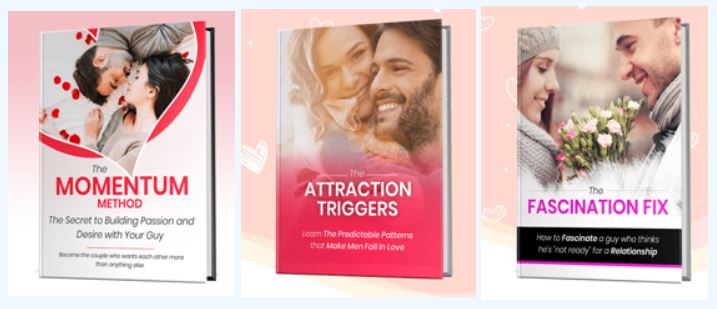
What if you’ve been doing everything right… but missing the one thing that truly matters?
Inside these 3 FREE reports, you’ll discover powerful psychological insights that most people never learn – yet they change everything in love and attraction.
✨ Don’t just hope for better results. Create them.