
Skip the Marriage Retreat?

When a relationship hits a rough patch, one of the first suggestions people hear is: “Maybe you should try a marriage retreat.” It sounds appealing—time away from daily stress, guided conversations, and the promise of reconnection. But what if skipping the marriage retreat is actually the better choice for your relationship right now?

This isn’t about dismissing retreats altogether. They can be powerful for some couples. But they’re not a universal solution—and sometimes they can even mask deeper issues rather than resolve them. If you’re questioning whether to invest time, money, and emotional energy into a retreat, this article will help you make a grounded, thoughtful decision.

What Is a Marriage Retreat, Really?

A marriage retreat is typically a structured getaway designed to help couples reconnect. It often includes workshops, therapy sessions, group discussions, and exercises aimed at improving communication and intimacy.

The promise is simple: step away from distractions and focus entirely on your relationship.

But here’s the reality—relationships aren’t lived in retreat settings. They’re lived in the everyday moments: after a long workday, during disagreements about finances, in the quiet distance that grows over time. And that’s where real change needs to happen.

Why You Might Want to Skip the Marriage Retreat
1. You’re Hoping for a “Quick Fix”

One of the biggest misconceptions about relationship healing is that it can happen quickly if you just find the right environment.

A weekend retreat might spark insights, but it rarely resolves long-standing issues. If you’re dealing with deep resentment, trust issues, or emotional disconnection, those won’t disappear after a few guided exercises.

In fact, expecting a retreat to “fix everything” can set you up for disappointment—and even deepen frustration when things don’t magically improve afterward.

2. The Real Problem Is Avoidance

Sometimes, the idea of a retreat feels easier than having honest, uncomfortable conversations at home.

It’s easier to talk when there’s a facilitator guiding you. It’s easier when the setting feels calm and supportive. But if you avoid difficult conversations in your daily life, a retreat won’t change that pattern permanently.

The real question is: can you bring that same honesty into your everyday environment?

3. Financial Stress Can Make Things Worse

Marriage retreats can be expensive. When a couple is already dealing with financial tension, adding a significant cost can create more pressure instead of relief.

If money is a sensitive topic in your relationship, investing in a retreat might unintentionally amplify stress rather than reduce it.

4. You Haven’t Tried Simpler Solutions Yet

Before committing to a retreat, it’s worth asking: have you explored more accessible options?

Simple, consistent actions often have a deeper impact than a one-time intensive experience. For example:

  • Setting aside time each week for intentional conversation
  • Practicing active listening without interruption
  • Seeking individual or couples counseling locally
  • Learning about emotional needs and attachment styles

These approaches may not feel as exciting as a retreat, but they build sustainable change.

5. One or Both Partners Aren’t Fully Committed

A retreat only works if both people are genuinely willing to engage.

If one partner feels pressured, resistant, or emotionally checked out, the experience can feel forced—and even create more distance.

Growth in a relationship requires mutual willingness, not just shared attendance.

When a Marriage Retreat Might Actually Help

Skipping a retreat isn’t always the right choice. In some situations, it can be incredibly beneficial.

Consider a retreat if:

  • You both feel stuck but are motivated to improve
  • You need a structured environment to start difficult conversations
  • You’ve already tried other approaches and need deeper guidance
  • You want to reconnect without daily distractions

The key difference is intention. A retreat works best as a tool—not a solution.

What to Do Instead of a Marriage Retreat

If you’re leaning toward skipping the retreat, that doesn’t mean doing nothing. It means choosing a more grounded, intentional path.

1. Create Space for Honest Conversations

Start small. You don’t need a perfect setting—just a willingness to be real.

Ask questions like:

  • “What have you been feeling lately that we haven’t talked about?”
  • “When do you feel most disconnected from me?”
  • “What do you need more of in this relationship?”

The goal isn’t to solve everything in one conversation. It’s to open the door.

2. Focus on Emotional Safety

Many relationship issues aren’t about the surface problem—they’re about how safe each person feels expressing themselves.

If your partner fears criticism, rejection, or being misunderstood, they’ll hold back. And over time, that creates distance.

Building emotional safety means listening without immediately defending yourself, validating feelings, and showing consistent care.

3. Address Patterns, Not Just Problems

Arguments often repeat in different forms. That’s because the underlying pattern hasn’t changed.

Instead of focusing only on what you’re arguing about, look at how you argue:

  • Do you shut down?
  • Do you escalate quickly?
  • Do you avoid resolution?

Changing the pattern is more powerful than resolving a single issue.

4. Consider Therapy Over Retreats

A skilled therapist can provide ongoing support tailored to your specific relationship dynamics.

Unlike a retreat, therapy allows for:

  • Consistent progress over time
  • Personalized guidance
  • A safe space to unpack deeper issues

It’s less glamorous, but often far more effective.

5. Rebuild Connection Through Small Moments

Big gestures are memorable, but small moments are what sustain a relationship.

Simple actions matter:

  • A thoughtful message during the day
  • A genuine compliment
  • Sitting together without distractions
  • Checking in emotionally

Connection is built daily, not occasionally.

The Truth About Relationship Growth

There’s a quiet truth many people don’t want to hear: real relationship growth is often slow, uncomfortable, and unremarkable from the outside.

It doesn’t always happen in beautiful locations or guided sessions. It happens in ordinary moments where you choose patience over reaction, curiosity over judgment, and honesty over avoidance.

Skipping the marriage retreat doesn’t mean you’re giving up on your relationship. It might mean you’re choosing to face it more directly.

A Better Question to Ask Yourself

Instead of asking, “Should we go on a marriage retreat?” try asking:

“What are we avoiding that we need to face?”

That question will take you much further than any temporary escape.

Final Thoughts

Marriage retreats can be helpful—but they’re not magic. If you’re considering skipping one, don’t see it as a missed opportunity. See it as a chance to invest in your relationship in a way that’s consistent, honest, and sustainable.

Because in the end, the strength of your relationship isn’t built in a retreat setting. It’s built in the everyday choices you make together.

And those choices are always within reach.

What if you’ve been doing everything right… but missing the one thing that truly matters?

Inside these 3 FREE reports, you’ll discover powerful psychological insights that most people never learn – yet they change everything in love and attraction.

✨ Don’t just hope for better results. Create them.
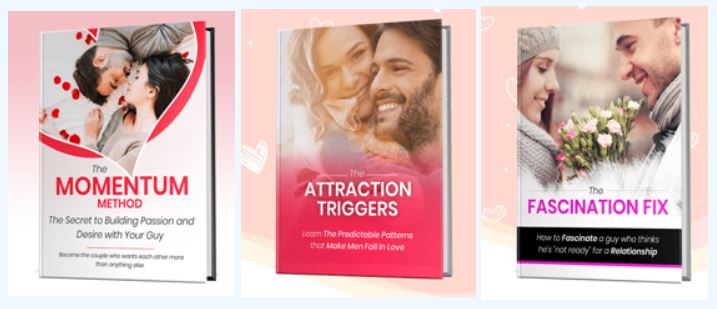
👉 Get instant access now.

How To Get Your Husband Back

Losing emotional connection with your husband can feel like watching something precious slowly slip through your fingers. Whether you’re separated, going through a rough patch, or feeling emotionally distant in your marriage, the desire to rebuild what you once had is deeply human. The good news is that many relationships can be repaired—often becoming even stronger than before—when approached with awareness, patience, and intention.

This guide will walk you through practical, emotionally intelligent, and realistic steps to help you understand what went wrong and how to reconnect with your husband in a meaningful way.

Understanding Why the Relationship Changed

Before trying to “get your husband back,” it’s important to understand what caused the distance in the first place. Many marriages don’t fall apart overnight—they erode slowly due to unresolved issues.

Common reasons include lack of communication, emotional neglect, trust issues, stress from work or finances, unmet expectations, or simply growing apart over time. Sometimes, both partners contribute unknowingly.

Instead of placing blame, focus on clarity. Ask yourself:

  • When did things start changing?
  • What patterns kept repeating?
  • How did both of you respond to conflict?

Honest reflection is the foundation of real change.

Give Space Before You Try to Fix Things

One of the biggest mistakes people make is trying to fix everything immediately. If emotions are still high, pushing for conversations or reconciliation can backfire.

Giving your husband space doesn’t mean giving up—it means allowing both of you to calm down and gain perspective. This space can prevent further arguments and give him the chance to miss the connection you once shared.

At the same time, use this period to work on yourself rather than waiting passively.

Focus on Personal Growth First

If you want your husband to see you differently, the most effective approach is to become a stronger, more self-aware version of yourself.

This doesn’t mean changing who you are at your core. It means improving areas that may have contributed to the relationship issues. For example:

  • Developing better communication habits
  • Managing emotional reactions
  • Building confidence and independence
  • Reconnecting with your own identity outside the marriage

When you grow, the dynamic between you naturally shifts.

Rebuild Emotional Attraction

Attraction in marriage is not just physical—it’s emotional and psychological. Over time, routine, stress, and unresolved conflict can weaken that attraction.

To rebuild it:

  • Be calm, not reactive
  • Show positivity instead of negativity
  • Bring lightness into conversations
  • Avoid bringing up past arguments repeatedly

People are naturally drawn to those who make them feel good. When your husband feels safe and appreciated around you again, emotional attraction can return.

Communicate Without Pressure

When the time feels right, open communication is essential—but how you communicate matters more than what you say.

Avoid:

  • Blaming or accusing
  • Rehashing every past mistake
  • Forcing him to respond immediately

Instead, try:

  • Speaking calmly about your feelings
  • Taking responsibility for your part
  • Expressing what you’ve learned
  • Listening without interrupting

A simple, sincere conversation can often open doors that arguments never could.

Address Trust Issues Honestly

If trust was broken—whether through betrayal, dishonesty, or emotional neglect—rebuilding it will take time and consistency.

There are no shortcuts here. Trust is rebuilt through actions, not promises.

Be transparent, consistent, and patient. At the same time, understand that your husband may need time to process his emotions. Respect that timeline without pushing too hard.

Avoid Desperation and Control

Trying to control the outcome or acting out of desperation can push your husband further away. Constant texting, pleading, or trying to make him feel guilty often creates resistance rather than connection.

Instead, focus on maintaining your dignity and emotional balance. Confidence and self-respect are far more attractive than desperation.

Create New Positive Experiences

If you have the opportunity to spend time together, focus on creating new, positive interactions instead of reliving the past.

This could be:

  • A simple coffee together
  • A relaxed walk
  • A light conversation about shared interests

The goal is not to fix everything in one moment, but to slowly rebuild comfort and familiarity.

Be Patient With the Process

Rebuilding a relationship takes time. There may be progress, setbacks, and moments of doubt.

It’s important to stay consistent rather than expecting immediate results. Emotional healing doesn’t follow a straight line, and your husband may need time to trust the changes he sees.

Patience, combined with genuine effort, is often what makes the difference.

Know When to Let Go

This may be the hardest truth to accept: sometimes, despite your best efforts, a relationship may not return to what it once was.

Trying to rebuild a marriage should not come at the cost of your self-worth or emotional well-being. If your husband is unwilling to engage, communicate, or work on the relationship, it may be necessary to consider whether holding on is truly healthy for you.

Letting go is not failure—it can be an act of self-respect and growth.

Final Thoughts

Getting your husband back is not about convincing or chasing—it’s about transformation, understanding, and rebuilding connection from a healthier place.

Focus on becoming emotionally grounded, self-aware, and compassionate—both toward yourself and him. Whether your marriage is restored or you move forward on a new path, this growth will serve you for the rest of your life.

The most powerful shift happens when you stop trying to control the outcome and start becoming the person who naturally attracts love, respect, and emotional connection.

What if you’ve been doing everything right… but missing the one thing that truly matters?

Inside these 3 FREE reports, you’ll discover powerful psychological insights that most people never learn – yet they change everything in love and attraction.

✨ Don’t just hope for better results. Create them.

👉 Get instant access now.

Keep Your Husband Chasing You

In the early stages of a relationship, everything feels exciting. The attention, the effort, the curiosity—it all comes naturally. He texts first. He plans dates. He wants to be close to you.

But as time goes on, especially in marriage, many women quietly notice a shift.

The pursuit fades.
The excitement softens.
The effort becomes routine.

And a question begins to form: How do I keep my husband interested… without playing games or losing myself?

The truth is, keeping your husband chasing you isn’t about manipulation or pretending to be someone you’re not. It’s about maintaining emotional connection, personal identity, and subtle attraction dynamics that naturally inspire desire and appreciation.

In this in-depth guide, you’ll learn how to keep your relationship alive, deepen emotional intimacy, and create a dynamic where your husband continues to pursue you—willingly and naturally.

Why the “Chase” Fades Over Time

Before fixing anything, it’s important to understand why this happens.

In the beginning, your relationship is fueled by:

  • Novelty
  • Uncertainty
  • Excitement
  • Discovery

Over time, familiarity replaces mystery.

You know each other’s habits.
You fall into routines.
Life responsibilities take over.

This is normal—but without intention, it can lead to emotional distance.

The goal is not to go back to the beginning.
The goal is to recreate emotional energy within stability.

Attraction Is Not Just Physical—It’s Emotional and Psychological

Many people think attraction is mostly about appearance.

But in long-term relationships, attraction is sustained by:

  • Emotional connection
  • Respect
  • Energy
  • Personal growth

When these elements are strong, physical attraction often follows naturally.

When they weaken, no amount of surface-level effort can fully compensate.

Keep Your Identity Alive

One of the biggest mistakes in marriage is losing yourself in the relationship.

When your entire world revolves around your husband:

  • You become predictable
  • You lose individuality
  • The dynamic becomes unbalanced

Ironically, the more you hold onto your identity, the more attractive you become.

Have your own:

  • Interests
  • Goals
  • Friendships
  • Passions

When your life feels full, you bring energy into the relationship—not dependency.

Create Emotional Space

This might sound counterintuitive, but constant availability can reduce attraction.

When you’re always:

  • Agreeing
  • Available
  • Predictable

There’s no space for anticipation.

Emotional space doesn’t mean distance or coldness.
It means allowing room for:

  • Curiosity
  • Missing each other
  • Individual experiences

Healthy space creates desire.

Stop Over-Giving

Love is not about constantly giving more to prove your worth.

When you over-give:

  • You may feel unappreciated
  • He may unconsciously take you for granted
  • The balance shifts

Instead, focus on mutual investment.

Let him:

  • Initiate sometimes
  • Put in effort
  • Show appreciation

A relationship thrives when both people are engaged.

Bring Back Playfulness

One of the most underrated elements of attraction is playfulness.

Over time, couples become serious:

  • Conversations become logistical
  • Interactions become routine

But playfulness brings back:

  • Lightness
  • Flirting
  • Connection

Simple ways to reintroduce it:

  • Tease him gently
  • Laugh together
  • Be spontaneous

Playfulness creates emotional intimacy without pressure.

Communicate Without Nagging

Communication is essential—but how you communicate matters.

Instead of:

  • Criticizing
  • Complaining
  • Repeating the same frustrations

Try:

  • Expressing feelings calmly
  • Being specific about your needs
  • Appreciating what he does right

Men often respond better to respect and clarity than constant correction.

Take Care of Your Energy, Not Just Your Appearance

Yes, physical attraction matters—but energy matters more.

Your presence, mood, and emotional state affect how he experiences you.

Ask yourself:

  • Do I bring warmth into the relationship?
  • Do I create tension or ease?
  • Do I uplift or drain?

When you feel good about yourself, it shows.

And that energy is magnetic.

Keep Growing as a Person

Nothing is more attractive than growth.

When you:

  • Learn new things
  • Develop new skills
  • Challenge yourself

You become more interesting—not just to him, but to yourself.

Stagnation kills attraction.
Growth fuels it.

Don’t Try to Control His Feelings

Trying to force someone to chase you usually has the opposite effect.

Control leads to:

  • Pressure
  • Resistance
  • Emotional distance

Instead of trying to control his behavior, focus on:

  • Your actions
  • Your mindset
  • Your emotional presence

Attraction grows when it feels natural—not forced.

Appreciate Him Without Losing Yourself

Men, like anyone, want to feel appreciated.

But appreciation doesn’t mean:

  • Lowering your standards
  • Ignoring your needs
  • Overcompensating

It means recognizing effort and expressing gratitude.

A simple acknowledgment can go a long way in strengthening connection.

Reignite Intimacy Intentionally

Physical and emotional intimacy are deeply connected.

Over time, intimacy can become:

  • Less frequent
  • Less intentional
  • More routine

Reignite it by:

  • Being present
  • Creating moments of connection
  • Communicating your desires

Intimacy is not just physical—it’s emotional closeness.

Avoid the Trap of Comparison

Comparing your relationship to others can create unnecessary pressure.

Every relationship is different.

Focus on:

  • What works for you
  • What feels aligned
  • What strengthens your bond

Comparison distracts you from real connection.

When He Feels Safe, He Will Stay—When He Feels Inspired, He Will Chase

Security and excitement are both important.

If a relationship has:

  • Only security → it can feel boring
  • Only excitement → it can feel unstable

The balance is key.

When your husband feels:

  • Safe with you
  • Respected by you
  • Inspired by you

He naturally wants to stay close—and pursue you.

The Real Secret: It Starts With You

Keeping your husband chasing you is not about changing him.

It’s about:

  • Staying connected to yourself
  • Bringing positive energy into the relationship
  • Creating emotional depth

When you feel fulfilled within yourself, you don’t chase—you attract.

And when you attract, pursuit becomes natural.

Final Thoughts

Marriage doesn’t have to mean the end of excitement.

It can be the beginning of a deeper, more meaningful kind of attraction.

When you:

  • Maintain your identity
  • Create emotional space
  • Communicate effectively
  • Continue growing

You create a relationship dynamic where love feels alive—and where your husband continues to choose you, pursue you, and appreciate you.

Not because he has to.
But because he wants to.

What if you’ve been doing everything right… but missing the one thing that truly matters?

Inside these 3 FREE reports, you’ll discover powerful psychological insights that most people never learn – yet they change everything in love and attraction.

✨ Don’t just hope for better results. Create them.

👉 Get instant access now.

Effective Ways to Improve Emotional Connection in Marriage

Emotional connection is the heart of a strong, loving marriage. It’s the invisible thread that ties two people together, helping them feel understood, appreciated, supported, and cherished. But even the closest couples can experience phases where emotional intimacy fades due to stress, responsibilities, communication breakdowns, or simply the passage of time.

The good news? Emotional connection can be rebuilt, strengthened, and deepened—no matter how long you’ve been together. In this comprehensive guide, you’ll learn the most effective ways to improve emotional connection in marriage, backed by relationship psychology and practical daily actions you can start using today.

Whether you’re trying to reconnect after a difficult period or you simply want to strengthen your bond, this article will guide you step-by-step toward a healthier, more intimate relationship.

What Is Emotional Connection in Marriage?

Emotional connection is the feeling of being deeply bonded with your spouse on an emotional level. It involves:

  • Feeling understood
  • Feeling safe expressing vulnerability
  • Feeling affection and closeness
  • Sharing values, dreams, and life goals
  • Being emotionally attuned to one another

When emotional intimacy is strong, couples experience better communication, healthier conflict resolution, increased physical affection, and a stronger sense of partnership.

When it’s missing, partners may feel lonely, disconnected, or misunderstood—even when living under the same roof.

Understanding the importance of emotional connection helps you prioritize it intentionally.

Effective Ways to Improve Emotional Connection in Marriage

Below are the most impactful, research-backed strategies to cultivate emotional closeness with your spouse.

1. Prioritize Quality Time Together

Quality time is the foundation of emotional intimacy. It doesn’t require expensive dates or elaborate plans—just intentional, distraction-free time where you focus solely on each other.

Ways to create quality time:
  • A nightly 10–15 minute check-in
  • Weekend walks or coffee dates
  • Cooking dinner together
  • Watching a favorite show while cuddling
  • Scheduled “marriage nights” weekly

When you consistently spend time together, you create space for deeper conversations, shared experiences, and emotional bonding.

2. Practice Active Listening and Emotional Attunement

Great emotional connection starts with great listening.
Active listening means fully paying attention—not thinking of your reply, not interrupting, not dismissing.

To practice active listening:
  • Make eye contact
  • Put away distractions (phones, TV)
  • Ask clarifying questions
  • Validate feelings (“That makes sense why you’d feel that way.”)
  • Reflect what you heard (“So you’re feeling overwhelmed because…”)

When partners feel heard, trust grows—and emotional intimacy forms naturally.

3. Express Appreciation Daily

A simple “thank you” or “I appreciate you” can significantly strengthen emotional closeness.

Expressing appreciation:

  • Reminds your spouse they are valued
  • Reduces emotional distance
  • Encourages positive relationship habits
  • Fosters a grateful, supportive environment
Try this daily:

Tell your spouse one thing you appreciated about them—big or small.
It could be emotional support, a chore they handled, or simply their presence.

4. Build Emotional Safety and Trust

Emotional safety means your spouse feels secure opening up to you without fear of judgment, criticism, or dismissal.

You create emotional safety by:

  • Staying calm during disagreements
  • Respecting boundaries
  • Validating emotions
  • Being trustworthy and reliable
  • Avoiding sarcasm or hurtful comments
  • Keeping promises

When emotional safety is present, intimacy deepens. Without it, emotional distance grows.

5. Share Vulnerabilities and Personal Feelings

Vulnerability is the gateway to emotional intimacy. When you share your deeper thoughts—fears, dreams, insecurities, hopes—your spouse feels trusted and included in your inner world.

Questions to ask your spouse:
  • “What is something that’s been on your mind lately?”
  • “What do you need more from me emotionally?”
  • “What has been stressing you out this week?”
  • “What are your future dreams that excite you?”

Open hearts create stronger marriages.

6. Develop Rituals of Connection

Rituals of connection are small, repeated actions that create a sense of stability, bonding, and affection.

Examples include:

  • Morning hugs
  • Goodnight kisses
  • Weekly date nights
  • Daily gratitude sharing
  • Prayer or meditation together
  • Cooking a special meal every weekend

These rituals act like emotional “glue,” strengthening your marriage over time.

7. Improve Physical Affection and Non-Sexual Touch

Physical touch is a powerful way to communicate love and reassurance. It releases oxytocin—the bonding hormone—that deepens emotional closeness.

Examples of non-sexual touch:

  • Holding hands
  • Hugging
  • Cuddling on the couch
  • Touching shoulders or arms while talking
  • Back rubs

Physical closeness often leads to emotional closeness—and vice versa.

8. Engage in Shared Activities or Hobbies

Couples who play together stay together.
Shared activities create new memories, strengthen teamwork, and spark joy.

Ideas include:

  • Cooking or baking together
  • Exercising as a team
  • Exploring a hobby (gardening, painting, dancing)
  • Traveling or taking weekend trips
  • Learning something new as a couple

These experiences boost emotional bonding and help you rediscover each other.

9. Speak Your Spouse’s Love Language

Dr. Gary Chapman’s love languages are:

  1. Words of affirmation
  2. Acts of service
  3. Receiving gifts
  4. Quality time
  5. Physical touch

Understanding your spouse’s primary love language helps you meet their emotional needs more effectively.

When you speak their love language consistently, emotional connection grows naturally.

10. Have Regular Emotional Check-Ins

Weekly or biweekly emotional check-ins allow couples to proactively address concerns, share feelings, and deepen connection.

Ask:
  • “How are you feeling about us lately?”
  • “What’s something I can do to support you more?”
  • “Is there anything emotionally weighing on you?”

These conversations prevent emotional buildup and reduce conflict.

11. Strengthen Your Communication Skills

Healthy communication is essential for emotional intimacy.
To improve communication:

  • Avoid blaming
  • Use “I” statements
  • Stay calm during disagreements
  • Set aside time to talk without distractions
  • Practice empathy

When communication is clear and compassionate, emotional closeness expands.

12. Resolve Conflicts Gently and Respectfully

Conflict is inevitable—but emotional connection depends on how you handle it.

Healthy conflict:

  • Focuses on the problem, not the person
  • Uses calm tone and respectful language
  • Avoids yelling or name-calling
  • Allows space to cool off if needed
  • Ends with solution-focused compromise

When couples handle conflict with maturity and kindness, emotional connection grows stronger.

13. Laugh Together and Keep Playfulness Alive

Laughter releases stress, boosts bonding hormones, and increases positivity in the relationship.

Try:

  • Watching funny movies
  • Sharing jokes
  • Being playful or silly
  • Reminiscing about funny memories

Humor keeps the relationship light, joyful, and emotionally connected.

14. Show Consistent Emotional Support

Your spouse should feel that you are their safe harbor—the person they can turn to in both joy and difficulty.

Provide emotional support by:

  • Listening without judgment
  • Offering comfort when they’re upset
  • Encouraging their goals
  • Being present during stressful times

Supportiveness is one of the strongest predictors of emotional intimacy.

15. Seek Professional Help When Needed

Sometimes emotional disconnect stems from deeper issues such as:

  • Past trauma
  • Unresolved conflicts
  • Major life transitions
  • Mental health challenges
  • Communication breakdowns

A couples therapist or marriage counselor can help guide both spouses toward healthier patterns.

Seeking help is a strength—not a weakness.

Conclusion: Emotional Connection Is Built Through Daily Intentional Actions

Improving emotional connection in marriage requires effort, presence, and emotional openness—but the results are transformative.
When couples intentionally invest in communication, affection, quality time, and emotional safety, they build a marriage that feels warm, supportive, and deeply connected.

By applying the strategies in this guide consistently, you can strengthen your emotional intimacy, enhance your partnership, and create a love that continues to grow.

How to Make a Husband Always Love His Wife

A loving, lasting marriage does not happen by accident. While love may begin with attraction and chemistry, sustaining it over the years requires intentional effort, emotional intelligence, and mutual respect. Many women ask themselves, “How can I make my husband always love me?” The answer lies not in controlling his feelings, but in nurturing a relationship where love naturally grows, deepens, and becomes unwavering.

This guide will explore the most powerful ways to ensure a husband feels consistently valued, desired, respected, and emotionally connected to his wife. These strategies are rooted in psychology, relationship science, and proven emotional dynamics that strengthen marital bonds.

Understand the Nature of Love in Marriage

Love in a long-term relationship is not just a feeling—it is an ongoing choice. Men, like women, thrive on appreciation, connection, and affirmation. A husband’s love flourishes when he feels safe, admired, supported, and emotionally engaged with his wife.

The goal is to create a marriage environment where he consistently experiences:

  • Emotional safety: Feeling free to express thoughts and feelings
  • Appreciation: Feeling valued and recognized
  • Desire: Feeling attraction and romantic interest
  • Partnership: Feeling supported in life’s challenges
  • Admiration: Feeling inspired and respected by his spouse

When these elements are present, love becomes a natural, enduring state rather than something that must be forced or demanded.

Cultivate Emotional Connection

Emotional intimacy is the backbone of a husband’s love. Men are more likely to feel deeply in love when they sense a strong emotional bond with their wives. Emotional connection comes from active listening, empathy, and creating moments where he feels truly understood.

Tips to strengthen emotional connection:

  • Share your feelings openly and honestly without blame
  • Ask about his thoughts, dreams, and challenges
  • Reflect his emotions to show understanding
  • Be present and attentive during conversations

A husband who feels emotionally connected is more likely to love deeply and remain invested in the relationship.

Show Appreciation and Gratitude

Men need to feel appreciated for their efforts, contributions, and presence. Appreciation creates positive reinforcement that strengthens love. Women often underestimate the power of small gestures like a heartfelt “thank you” or recognizing their husband’s work, support, or acts of care.

Ways to express appreciation:

  • Verbally acknowledge his efforts in daily life
  • Praise his achievements, big and small
  • Celebrate his strengths and character traits
  • Show gratitude through thoughtful actions

When a husband consistently feels appreciated, his affection and love for his wife naturally increase.

Keep the Romance Alive

Romantic attraction is essential for long-term marital love. Women who maintain intimacy, playfulness, and physical connection foster ongoing desire. Romance does not need to be grand or elaborate; consistency and intention matter more than occasional dramatic gestures.

Romantic tips:

  • Express affection through touch, hugs, and kisses
  • Plan small surprises or thoughtful gestures
  • Compliment him sincerely and often
  • Prioritize regular date nights and shared experiences

Romance reignites emotional and physical attraction, ensuring that love remains vibrant over time.

Maintain Your Individual Growth

A husband’s love deepens when he sees his wife as a dynamic, evolving individual. Personal growth, confidence, and fulfillment create intrigue and admiration. Women who prioritize self-care, hobbies, personal goals, and mental well-being naturally inspire love and respect.

Ways to encourage individual growth:

  • Pursue interests and hobbies independently
  • Maintain friendships and a social network
  • Take care of mental, emotional, and physical health
  • Invest in continuous learning or skill development

A wife who nurtures her personal growth becomes more attractive emotionally, intellectually, and physically, keeping her husband’s love strong.

Communicate With Positivity and Respect

The way couples communicate has a significant impact on marital love. Criticism, sarcasm, or harsh words can erode affection, while positive, respectful communication reinforces connection and admiration.

Communication strategies:

  • Avoid blame and focus on problem-solving
  • Speak kindly, even during disagreements
  • Express appreciation and love through words regularly
  • Practice active listening and validate his feelings

Positive communication creates emotional safety and reinforces the husband’s love for his wife.

Foster Partnership and Teamwork

Men are more likely to feel devoted and loving when they see marriage as a partnership rather than a battleground. Supporting each other’s goals, making joint decisions, and working together through challenges fosters loyalty and mutual respect.

Ways to foster partnership:

  • Collaborate on household and family responsibilities
  • Support each other’s personal and professional goals
  • Make decisions together rather than unilaterally
  • Celebrate teamwork and shared accomplishments

A sense of partnership deepens emotional attachment and creates a lasting bond.

Keep Physical and Emotional Intimacy Balanced

Intimacy is crucial for sustaining love. Emotional and physical closeness reinforce one another. A husband who feels emotionally connected and desired is more likely to remain in love. Intimacy is about more than sexual activity; it includes affection, touch, vulnerability, and emotional presence.

Tips for maintaining intimacy:

  • Communicate openly about desires and needs
  • Create consistent opportunities for closeness
  • Show affection throughout the day
  • Prioritize emotional bonding through shared activities

Balanced intimacy strengthens both emotional and romantic love.

Demonstrate Respect and Admiration

Respect is a key driver of enduring love. Men feel deeply valued when their wives honor their opinions, admire their strengths, and acknowledge their contributions. Respect fosters pride in the marriage and encourages continued love.

Ways to demonstrate respect:

  • Listen attentively without interrupting
  • Acknowledge his efforts and achievements
  • Speak positively about him in private and public
  • Support his decisions while offering constructive guidance

Respect and admiration build a foundation of lasting affection and loyalty.

Handle Conflicts With Grace

Conflict is inevitable in every marriage. The key to sustaining love is handling disagreements constructively. Men remain emotionally connected when they feel heard, respected, and understood, even during challenging discussions.

Conflict strategies:

  • Stay calm and avoid raising your voice
  • Focus on the issue, not personal attacks
  • Seek compromise instead of winning
  • Validate his perspective before expressing yours

Managing conflict gracefully strengthens the marital bond and deepens love over time.

Final Thoughts

Making a husband always love his wife is not about control, manipulation, or constant effort to “win” his attention. It is about creating a marriage where emotional connection, appreciation, intimacy, respect, and partnership naturally flourish. When a husband feels seen, valued, desired, and supported, love becomes a natural, enduring force that grows stronger each day.

Sustaining marital love requires ongoing attention to communication, personal growth, emotional bonding, and shared experiences. By prioritizing these principles, a wife can cultivate a relationship where her husband’s affection, admiration, and love are not only consistent but deepen over time.