
5 Signs You’re Not Living True To Yourself

In a world that constantly tells you who to be, how to act, and what success should look like, it’s easy to lose touch with your true self. You may find yourself checking all the “right” boxes—career, relationships, social life—yet still feel a quiet sense of disconnection inside.

If something feels off but you can’t quite explain why, you’re not alone. Many people spend years living according to expectations rather than authenticity. The good news is that awareness is the first step toward change.

In this article, we’ll explore 5 powerful signs you’re not living true to yourself, why it happens, and how to begin reconnecting with who you really are.

Why Living Authentically Matters

Before diving into the signs, it’s important to understand why authenticity is so crucial for personal development.

When you live in alignment with your true self, you experience:

  • Greater emotional clarity
  • Stronger self-confidence
  • More meaningful relationships
  • A deeper sense of fulfillment

On the other hand, when you’re disconnected from yourself, even success can feel empty. You may achieve things that look good on the outside but feel unfulfilling on the inside.

Living authentically isn’t about being perfect—it’s about being honest.

Sign #1: You’re Constantly Aware of Others’ Opinions

Do you often find yourself overthinking what others think about you?

  • Replaying conversations in your head
  • Worrying about how you’re perceived
  • Changing your behavior to fit in

This constant awareness can be exhausting. It creates a version of you that is shaped by external validation rather than internal truth.

While it’s natural to care about others’ opinions to some extent, living for them is a different story. When your decisions are driven by fear of judgment, you slowly drift away from your authentic self.

How to Shift

Start by asking yourself: “What would I do if no one was watching?”

This question can help you reconnect with your true desires and values.

Sign #2: You Feel Like You’re “Performing” Most of the Time

One of the clearest signs you’re not being yourself is the feeling that you’re always “on.”

  • You adjust your personality depending on who you’re with
  • You say things you don’t fully mean
  • You feel like you’re acting rather than being

This performance may have started as a way to fit in or avoid conflict. Over time, it becomes a habit.

But constantly performing comes at a cost: it disconnects you from your genuine emotions and identity.

How to Shift

Practice showing small pieces of your real self in safe environments. Authenticity doesn’t have to be all-or-nothing—it can start with honest moments.

Sign #3: You Feel Drained Around People

Social interaction shouldn’t always feel exhausting.

If you regularly feel drained after being around others, it might not be because you’re “too introverted.” It could be because you’re not being yourself.

When you’re constantly filtering your words, managing impressions, or suppressing your thoughts, your energy gets depleted quickly.

How to Shift

Pay attention to who energizes you versus who drains you. The right people will allow you to relax into your true self, not perform for approval.

Sign #4: You Say “Yes” When You Really Mean “No”

This is one of the most common signs of inauthentic living.

You might:

  • Agree to things you don’t want to do
  • Avoid setting boundaries
  • Feel guilty for prioritizing yourself

Saying “yes” when you mean “no” often comes from a desire to avoid disappointing others. But over time, it leads to resentment, burnout, and loss of self-respect.

How to Shift

Start practicing gentle honesty. You don’t need to be harsh or confrontational—just clear.

For example:
“I appreciate the invitation, but I won’t be able to join.”

Every time you honor your truth, you rebuild trust with yourself.

Sign #5: You’re Afraid of Being Disliked

At the root of many inauthentic behaviors is one core fear: rejection.

You may:

  • Avoid expressing your real opinions
  • Hide parts of your personality
  • Try to be “liked” by everyone

But here’s the reality: trying to be liked by everyone often leads to being truly known by no one.

Authenticity requires accepting that not everyone will resonate with you—and that’s okay.

How to Shift

Redefine what it means to be liked. Instead of asking, “Do they like me?” ask, “Am I being true to myself?”

The right people will appreciate you for who you are, not for who you pretend to be.

How to Start Living True to Yourself

Recognizing the signs is powerful, but transformation comes from action. Here are some practical steps to help you reconnect with your authentic self.

1. Reconnect With Your Values

What truly matters to you?

Not what your family expects. Not what society rewards. But what feels deeply important to you.

Write down your top 5 values and use them as a guide for your decisions.

2. Spend Time Alone

In a noisy world, solitude is where clarity lives.

Spending time alone helps you hear your own thoughts without external influence. It allows you to rediscover who you are beneath the noise.

3. Practice Self-Honesty

Authenticity begins with honesty.

Be honest about:

  • What you want
  • What you don’t want
  • What feels right and wrong

Even if you’re not ready to express it outwardly, acknowledging it internally is a powerful first step.

4. Take Small Courageous Actions

You don’t need to change your entire life overnight.

Start small:

  • Share your real opinion in a conversation
  • Say “no” to something that doesn’t align
  • Express a preference you would normally hide

These small acts build confidence and reinforce your authentic identity.

5. Let Go of Perfection

You don’t need to be perfectly authentic all the time.

There will be moments when you fall back into old patterns—and that’s okay. Growth is not linear.

What matters is your willingness to return to yourself.

The Freedom of Being Yourself

When you begin to live true to yourself, something shifts.

You stop chasing approval.
You stop second-guessing your worth.
You stop living a life that doesn’t feel like yours.

Instead, you start to feel:

  • Lighter
  • More grounded
  • More confident in your decisions
  • More connected to others in a genuine way

Yes, some people may misunderstand you. Some may even walk away.

But the ones who stay will see you clearly—and that kind of connection is far more valuable than being liked by everyone.

Final Thoughts

If you recognize yourself in these signs, don’t take it as a failure—see it as an invitation.

An invitation to pause.
To reflect.
To return to who you truly are.

Living authentically is not about rejecting others—it’s about honoring yourself.

And when you do that, you create a life that doesn’t just look good on the outside—but feels right on the inside.

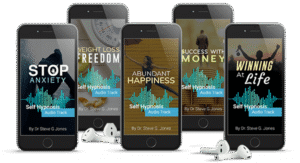
[Free Gift] Life-Changing Self Hypnosis Audio Track
5 Self-Love Habits from Within

In a world that constantly tells you to be more, do more, and prove more, self-love often becomes something we chase externally instead of cultivating internally. We look for validation in achievements, compliments, and social approval—only to find that the feeling never truly lasts.

Real self-love doesn’t come from outside recognition. It grows quietly, deeply, and steadily from within.

If you’ve been feeling disconnected from yourself, overwhelmed by expectations, or simply tired of never feeling “enough,” this guide is for you. These five self-love habits are not about perfection or performance—they’re about coming home to yourself.

Why Self-Love from Within Matters

Before we explore the habits, it’s important to understand one key truth: self-love is not a luxury—it’s a foundation.

When your sense of worth depends on external factors, you become emotionally fragile. One criticism can ruin your day. One comparison can make you question your entire journey.

But when self-love comes from within, you become grounded. You don’t need constant reassurance. You don’t abandon yourself when things get hard.

You become your own safe place.

These habits will help you build that inner stability.

1. Keep a Healing Journal

Writing is one of the most powerful ways to reconnect with yourself. A healing journal is not about documenting your day—it’s about understanding your inner world.

When you write honestly, without filters or judgment, you give your thoughts and emotions a place to exist. You stop suppressing. You start processing.

You might discover patterns you didn’t notice before. You might uncover emotions you’ve been avoiding. And slowly, you begin to understand yourself on a deeper level.

You don’t need to be a “good writer.” You just need to be honest.

Start with simple prompts:

  • What am I feeling right now?
  • What has been weighing on me lately?
  • What do I need but haven’t allowed myself to ask for?

Over time, your journal becomes more than pages—it becomes a mirror, a release, and a form of self-compassion.

2. Dress for Yourself, Not for Approval

Many people don’t realize how much their self-image is shaped by others. The way you dress, present yourself, or even carry your body can be influenced by the desire to be liked, admired, or accepted.

But self-love begins when you shift that focus.

What if you dressed in a way that made you feel comfortable, confident, and authentic—regardless of trends or opinions?

When you choose yourself in small ways like this, you send a powerful message inward: “I matter more than their approval.”

This doesn’t mean you ignore social norms entirely. It simply means your decisions come from alignment, not pressure.

You stop asking, “Will they like this?”
And start asking, “Do I feel like myself in this?”

That shift is subtle, but it changes everything.

3. Say “No” Without Needing to Explain

One of the clearest signs of low self-worth is the inability to set boundaries.

You say yes when you want to say no.
You over-explain to avoid disappointing others.
You prioritize being liked over being respected.

But here’s the truth: every time you say yes to something that drains you, you say no to yourself.

Learning to say “no” is not about being rude—it’s about being honest.

You don’t owe everyone an explanation for your limits. A simple, respectful “I can’t do that right now” is enough.

At first, it may feel uncomfortable. You may worry about how others will react. But over time, you’ll notice something important:

The right people will respect your boundaries.
And more importantly, you’ll start respecting yourself.

Boundaries are not walls—they are acts of self-love.

4. Allow Yourself to Rest When Needed

In a culture that glorifies hustle and productivity, rest is often seen as laziness. Many people feel guilty for slowing down, as if their worth is tied to how much they achieve.

But you are not a machine.

You are human. And humans need rest—not just physically, but emotionally and mentally.

Self-love means listening to your body and honoring its signals.

If you’re tired, rest.
If you’re overwhelmed, pause.
If you’re burned out, step back.

Rest is not a reward you earn after exhaustion—it’s a necessity that prevents it.

When you allow yourself to rest without guilt, you begin to rebuild your relationship with yourself. You show that your needs matter, even when no one else is watching.

And ironically, when you rest properly, you return stronger, clearer, and more focused.

5. Don’t Compare Your Journey to Anyone Else

Comparison is one of the fastest ways to destroy self-worth.

In the age of social media, it’s easy to feel like everyone else is ahead—more successful, more confident, more fulfilled.

But what you’re seeing is not the full story. It’s a highlight reel, not reality.

Everyone has their own timeline, struggles, and starting points.

When you compare your journey to someone else’s, you ignore your unique path. You overlook your progress. You diminish your own growth.

Self-love means staying in your lane.

It means recognizing that your pace is valid.
Your journey is valid.
Your growth—even if slow—is still growth.

Instead of asking, “Why am I not there yet?”
Ask, “How far have I come?”

That shift in perspective builds confidence, gratitude, and inner peace.

How to Start Building These Habits Today

You don’t need to change your entire life overnight. Self-love is not built in one big moment—it’s built in small, consistent choices.

Start with one habit.

Maybe you write for five minutes tonight.
Maybe you say no to something that drains you.
Maybe you choose rest instead of pushing through exhaustion.

These small actions may seem insignificant, but they compound over time.

And slowly, something changes.

You become kinder to yourself.
You trust yourself more.
You stop seeking permission to be who you are.

The Deeper Truth About Self-Love

Self-love is not always soft and easy. Sometimes, it looks like discipline. Sometimes, it looks like uncomfortable honesty. Sometimes, it means letting go of people or patterns that no longer serve you.

But at its core, self-love is about one thing: not abandoning yourself.

Not when you fail.
Not when you feel lost.
Not when you don’t meet expectations.

Especially in those moments.

Because the relationship you have with yourself sets the tone for every other relationship in your life.

When you treat yourself with respect, others are more likely to do the same.
When you value yourself, you stop settling for less.
When you love yourself from within, you no longer need to chase it externally.

Final Thoughts

You don’t need to become someone new to be worthy of love. You don’t need to fix everything about yourself before you can accept who you are.

You just need to start choosing yourself—again and again, in small, quiet ways.

These five habits are not just practices. They are reminders.

Reminders that you are allowed to take up space.
That your needs matter.
That your journey is your own.

And most importantly, that the love you’ve been searching for has been within you all along.

Start there.

[Free Gift] Life-Changing Self Hypnosis Audio Track

5 Steps to Transform Fear

Fear is one of the most misunderstood forces in personal development. We’re taught to “be brave,” “push through,” or “stop overthinking.” But fear doesn’t disappear just because we shame it or ignore it. In fact, the more we try to suppress fear, the stronger it often becomes.

If you’ve ever felt stuck, procrastinated on something important, doubted yourself, or avoided opportunities that could change your life, chances are fear was quietly running the show behind the scenes.

The truth is simple: fear is not your enemy. It’s information. It’s protection. It’s a signal from your nervous system trying to keep you safe.

But what kept you safe in the past might be holding you back now.

The goal isn’t to eliminate fear completely. That’s impossible. The goal is to transform fear into clarity, courage, and action.

In this guide, you’ll learn a practical, psychology-based framework you can use anytime fear shows up. These five steps will help you move from paralysis to progress and from anxiety to empowered action.

If you’re serious about personal growth, self-improvement, and building emotional resilience, this process can change how you relate to fear forever.

Let’s begin.

Why Fear Stops Personal Growth

Before we talk about transformation, it’s important to understand why fear feels so powerful.

Your brain is wired for survival, not success.

Thousands of years ago, fear helped humans avoid predators and dangerous situations. Today, the threats are rarely life-or-death. Instead, they look like:

Fear of failure
Fear of rejection
Fear of judgment
Fear of not being good enough
Fear of starting something new
Fear of leaving your comfort zone
Fear of success and responsibility

Your brain often treats these modern challenges as if they’re physical threats. That’s why your heart races before public speaking. That’s why you procrastinate on big goals. That’s why you talk yourself out of opportunities.

It’s not laziness. It’s protection.

But here’s the problem: if you always choose safety over growth, you stay stuck.

Personal development requires discomfort. Every meaningful change lives just outside your comfort zone.

Learning to work with fear instead of fighting it is one of the most important life skills you can develop.

That’s exactly what the next five steps are designed to help you do.

Step 1: Clearly Name the Fear

The first step to transforming fear is awareness.

Vague fear feels overwhelming. Specific fear feels manageable.

When you say, “I’m scared,” your brain can’t process what to do. But when you say, “I’m afraid people will think I’m incompetent if I present this idea,” you suddenly have something concrete to work with.

Clarity reduces anxiety.

This is because the unknown always feels bigger than reality.

Instead of running from the feeling, pause and ask yourself:

What exactly am I afraid of?
What do I think might happen?
What’s the worst-case scenario I’m imagining?

Write it down.

Don’t filter. Don’t judge. Just be honest.

For example:

“I’m afraid I’ll fail this business and waste time.”
“I’m afraid my partner will leave if I speak up.”
“I’m afraid I’m not talented enough.”

Once fear has a name, it loses some of its power. You move from emotional chaos to conscious understanding.

This step alone often reduces anxiety by 30–50% because you’re bringing fear into the light instead of letting it hide in the dark.

Step 2: Identify Where It Comes From

Fear rarely starts in the present moment. It usually has roots in the past.

Many of your current fears were learned through experiences like:

Childhood criticism
Past failures
Embarrassing memories
Strict parenting
Cultural expectations
Trauma or rejection
Comparisons with others

When you explore the origin of your fear, you realize something important: this fear was created by old data.

And old data isn’t always accurate.

Maybe you failed once in school, so now you assume you’re “bad” at something.
Maybe someone laughed at you years ago, so now you avoid speaking up.
Maybe your family discouraged risks, so you associate safety with worthiness.

Understanding the source doesn’t mean blaming the past. It means recognizing that the fear might not reflect your current reality.

Ask yourself:

When did I first feel this fear?
Whose voice does this fear sound like?
Is this belief still true today?

Often you’ll discover that the fear is outdated.

You’re no longer the same person. You’re stronger, more capable, and more experienced.

This awareness creates emotional distance. Instead of “This is who I am,” you begin to think, “This is something I learned.”

And anything learned can be unlearned.

Step 3: Accept Its Presence

Here’s where many people make a mistake.

They try to eliminate fear before acting.

They wait until they feel confident, ready, or fearless.

That day rarely comes.

Because fear doesn’t disappear through resistance. It grows.

Psychology calls this the paradox of emotion: the more you fight a feeling, the stronger it becomes.

Acceptance is not surrender. It’s acknowledging reality.

Instead of saying:

“I shouldn’t feel this way.”
“I hate that I’m scared.”
“I need to get rid of this first.”

Try saying:

“It’s okay that I feel afraid.”
“This fear is trying to protect me.”
“I can feel fear and still move forward.”

When you stop fighting fear, your body relaxes. The nervous system calms down. You regain control.

Think of fear like a passenger in your car. You don’t have to kick it out. You just don’t let it drive.

Acceptance gives you space to choose your actions consciously instead of reacting automatically.

This is emotional maturity.

And it’s one of the biggest breakthroughs in personal growth.

Step 4: Take Small Actions to Face It

This is where transformation actually happens.

Insight alone isn’t enough. Action rewires the brain.

The fastest way to reduce fear is gradual exposure.

Not giant leaps. Not dramatic moves. Small, consistent steps.

If you’re afraid of public speaking, start by sharing your thoughts in a small group.
If you’re afraid of starting a business, research for 20 minutes.
If you’re afraid of rejection, send one message.
If you’re afraid of working out, do five minutes.

Small wins build confidence.

Each time you face fear and survive, your brain updates its beliefs:

“Oh… this isn’t as dangerous as I thought.”

This process is called neuroplasticity. You literally train your brain to respond differently.

The key is consistency.

Tiny daily courage beats rare heroic actions.

Ask yourself every morning:

What’s one small uncomfortable thing I can do today?

Do that.

Over weeks and months, you’ll notice something surprising: things that once terrified you start feeling normal.

That’s growth.

Step 5: Celebrate Every Time You Overcome It

Most people skip this step.

They move from goal to goal without acknowledging progress.

But celebration is critical.

Your brain repeats what it feels rewarded for.

If you only focus on mistakes, fear stays associated with pain. If you celebrate courage, fear becomes associated with growth.

Celebration doesn’t need to be big.

It can be:

Saying “I’m proud of myself”
Journaling your progress
Treating yourself to something small
Sharing the win with a friend
Taking a moment to breathe and smile

You’re reinforcing a new identity: someone who faces fear.

Confidence isn’t built by thinking positive thoughts. It’s built by collecting evidence that you can handle hard things.

Every time you celebrate, you strengthen that evidence.

How Transforming Fear Changes Your Life

When you practice these five steps regularly, something powerful happens.

You stop waiting to feel ready.

You start acting anyway.

And that changes everything.

You apply for opportunities you used to avoid.
You set boundaries in relationships.
You speak your truth.
You take creative risks.
You trust yourself more.

Fear doesn’t disappear. But it no longer controls your decisions.

You become the kind of person who moves forward even when scared.

That’s real confidence.

That’s real personal development.

And that’s freedom.

Final Thoughts

Fear will always show up when you’re about to grow.

It’s not a stop sign. It’s a sign you’re stepping into something meaningful.

Next time fear appears, don’t ask, “How do I get rid of this?”

Ask, “How can I walk with this?”

Remember the process:

Name it
Understand it
Accept it
Face it
Celebrate it

Transformation doesn’t happen overnight. But with small, consistent steps, you’ll build a life that’s guided by courage instead of avoidance.

And one day, you’ll look back and realize that the things you once feared most were the very things that shaped you into who you were meant to become.

[Free Gift] Life-Changing Self Hypnosis Audio Track

How to Enjoy Your Own Company Without Feeling Lonely

In a world that constantly emphasizes connection, companionship, and being social, the idea of spending time alone can feel strange—sometimes even scary. Many people equate being alone with being lonely, but they are not the same. Loneliness is a negative state where you crave company but don’t have it, while solitude can be a powerful, peaceful experience of being with yourself. Learning how to enjoy your own company is one of the most empowering skills you can develop. In this article, we’ll explore why being comfortable with yourself is essential, the benefits it brings, and practical tips for making alone time something you truly enjoy.

Why It’s Important to Enjoy Your Own Company

Being comfortable with yourself is the foundation of self-love, emotional strength, and resilience. If you always rely on others for happiness or entertainment, you risk feeling incomplete when you’re alone. Here’s why this skill is essential:

  • Builds Independence – When you learn to enjoy your own company, you become less reliant on others for happiness.
  • Boosts Confidence – If you can be happy on your own, you gain confidence in all areas of life.
  • Encourages Self-Discovery – Spending time alone allows you to reflect, learn about your passions, and discover what truly makes you happy.
  • Reduces Fear of Loneliness – When solitude feels natural, being alone is no longer intimidating.

The truth is, enjoying your own company is a life-changing habit that can improve your mental health, relationships, and overall sense of well-being.

The Difference Between Being Alone and Feeling Lonely

Before diving into the “how,” it’s important to understand this distinction. Being alone is a physical state—you’re by yourself. Loneliness, on the other hand, is an emotional state that comes from feeling disconnected, even when surrounded by people.

The good news? You can be alone and feel completely content, fulfilled, and even joyful. The key is shifting your mindset and creating habits that make solo time enjoyable rather than empty.

The Benefits of Enjoying Your Own Company

Once you embrace solitude, you’ll experience benefits that impact every part of your life:

1. Improved Mental Health

Alone time gives your mind space to rest and recharge. Without constant social stimulation, you can process emotions and reduce stress.

2. Greater Creativity

Solitude encourages daydreaming and deep thinking, both of which fuel creativity. Some of the greatest ideas come when you’re alone.

3. Stronger Relationships

When you love being with yourself, you enter relationships out of genuine desire, not fear of loneliness. This leads to healthier connections.

4. Better Self-Awareness

Time alone allows you to evaluate your life, goals, and values without outside influence.

5. Freedom and Independence

Enjoying your own company means you don’t need to wait for someone else to do things you love. You become your own best friend.

How to Start Enjoying Your Own Company

If you’re not used to spending time alone, it might feel awkward at first. But with practice, it becomes natural—and even something you look forward to. Here are some practical tips:

1. Shift Your Mindset

Stop viewing alone time as a punishment. Instead, see it as an opportunity for self-growth and relaxation.

2. Plan Solo Activities You Enjoy

Make a list of activities you’ve always wanted to do and start checking them off—by yourself. This could include visiting a museum, trying a new café, or going on a nature walk.

3. Create a Cozy Environment

Make your space a sanctuary. Light candles, play your favorite music, or brew a cup of tea. When your environment feels inviting, being alone feels comforting.

4. Practice Mindfulness

Spend a few minutes meditating, journaling, or simply noticing your surroundings. Being present helps you appreciate the moment instead of worrying about what others are doing.

5. Limit Social Media

Scrolling through social media can make you feel like everyone else is having fun without you. Take a break and focus on your own experiences instead.

6. Treat Yourself Like a Friend

Talk to yourself kindly, plan fun activities, and even take yourself on dates. The better you treat yourself, the more enjoyable your own company becomes.

7. Pick Up a Hobby

Learn to paint, cook a new recipe, play an instrument, or start writing. Hobbies give your alone time purpose and joy.

8. Travel Solo

If you’re feeling adventurous, try a solo trip. Traveling alone is an empowering experience that builds confidence and independence.

Fun Solo Activities to Try Today

If you’re unsure where to start, here are some ideas that can make alone time exciting:

  • Go to the movies alone – No one to share popcorn with? More for you!
  • Take a long nature walk – Enjoy the peace and beauty of the outdoors.
  • Visit a bookstore or library – Get lost in stories and ideas.
  • Try a new restaurant or café – Order your favorite dish without compromise.
  • Have a self-care day at home – Face masks, bubble baths, and relaxation.
  • Start a creative project – Painting, writing, or even redecorating your room.

The key is to choose activities that make you feel happy, relaxed, and connected to yourself.

Why Enjoying Your Own Company Makes You More Attractive

Here’s an unexpected benefit: when you’re happy alone, you become more attractive to others. Confidence and independence are magnetic qualities. People are drawn to those who are secure in themselves and don’t depend on others for validation. So by learning to enjoy your own company, you’re not only improving your well-being—you’re also strengthening your social and romantic life.

Final Thoughts: Alone Doesn’t Mean Lonely

Learning to enjoy your own company is a powerful act of self-love. It takes practice, but once you master it, solitude becomes a source of strength, peace, and creativity. Instead of fearing alone time, start embracing it. Take yourself on dates, invest in your passions, and remember: you are the best company you’ll ever have.

[Free Gift] Life-Changing Self Hypnosis Audio Track

30 Small Challenges to Improve Yourself in Just One Month

Do you ever feel stuck in the same routine, craving positive changes but overwhelmed by the thought of big goals? If so, I’ve been there. I remember starting January one year with a huge list of resolutions—exercise daily, read a book every week, save more money. By February, I had quit most of them.

That experience taught me something important: big goals fail because they lack small, actionable steps.

What truly works? Small challenges. They’re easy to start, simple to maintain, and can transform your life over time. In fact, in just 30 days, you can completely shift your habits and mindset. Today, I’m sharing 30 small challenges you can try—one for each day—to improve yourself in just one month.

Why Small Challenges Work

Before we dive in, let me explain why small challenges are so effective:

  • They’re less overwhelming. You don’t need hours of time or huge sacrifices.
  • They build momentum. One small win leads to another.
  • They create habits. After 30 days, you’ll likely keep some of these habits for life.

Personally, I started with a “drink more water” challenge. It seemed tiny, but it made me feel better, gave me energy, and encouraged me to try other small changes.

How to Approach These Challenges

You can:
✅ Do one challenge each day for 30 days.
✅ Pick 3–5 challenges and repeat them daily for a month.
✅ Mix and match based on your goals.

30 Small Challenges to Improve Yourself in One Month

Here are the 30 challenges, grouped by category:

Health & Fitness Challenges

  1. Drink 8 glasses of water today
    Staying hydrated improves energy and brain function.
  2. Add one extra serving of vegetables to your meals
    Nutrition made simple—just one extra portion.
  3. Walk 10,000 steps
    Use a fitness tracker or your phone to measure.
  4. Do a 10-minute workout
    No excuses—short workouts still count.
  5. Go to bed 30 minutes earlier
    Better sleep = better mood and focus.
  6. Take a break from sugar for one day
    Notice how your body feels without sweets.
  7. Stretch for 5 minutes in the morning
    Your body will thank you!

Mind & Productivity Challenges

  1. Write down three things you’re grateful for
    A gratitude habit rewires your brain for positivity.
  2. Spend 10 minutes meditating
    Start small. Guided meditations help if you’re new.
  3. Plan your day the night before
    This is a game-changer for productivity.
  4. Delete five apps you don’t need
    Digital declutter = mental clarity.
  5. Write down your top three priorities for today
    Stay focused on what truly matters.
  6. Try time-blocking for one day
    Schedule tasks into time slots—it works wonders.
  7. Read 10 pages of a book
    Knowledge grows one page at a time.

Self-Care & Mental Wellness Challenges

  1. Take a 15-minute walk without your phone
    Disconnect to reconnect with yourself.
  2. Write in a journal for 10 minutes
    Express thoughts, release stress.
  3. Spend an hour without social media
    You’ll be surprised at how peaceful it feels.
  4. Say one kind thing to yourself in the mirror
    Self-compassion builds confidence.
  5. Light a candle and enjoy 10 minutes of quiet
    Simple, calming, and restorative.
  6. Forgive someone—or yourself
    Write it down if saying it feels hard.

Personal Growth & Skills Challenges

  1. Learn one new word today
    Expand your vocabulary.
  2. Listen to a podcast about a topic you love
    Free education, anywhere.
  3. Write down one thing you want to learn this month
    Clarity creates direction.
  4. Try a new recipe
    Cooking something new sparks creativity.
  5. Practice deep breathing for 5 minutes
    Reduces stress instantly.
  6. Learn to say “no” once today
    Protect your time and energy.

Social & Relationship Challenges

  1. Send a thank-you message to someone
    Kindness costs nothing but means a lot.
  2. Compliment a stranger or a friend
    Small words, big impact.
  3. Call someone you haven’t spoken to in a while
    Reconnect and strengthen relationships.
  4. Spend a tech-free meal with family or friends
    Be present in the moment.

My Experience Trying These Challenges

When I first tried these 30 challenges, I didn’t do all of them perfectly. Some days I forgot; some days I doubled up. But by the end of the month, I noticed huge improvements:

  • I drank more water without even thinking about it.
  • I read more books in one month than I had in the past six months.
  • I felt calmer, happier, and more productive.

The biggest lesson? Small changes create big results over time.

Tips to Stay Consistent

  • Track your progress. Use a habit tracker or a simple checklist.
  • Reward yourself. Celebrate small wins!
  • Don’t quit if you miss a day. Just keep going.

Final Thoughts

Improving yourself doesn’t require giant leaps. It starts with small, consistent steps. These 30 challenges are designed to fit into your busy life, making self-improvement fun and achievable.

So, which challenge will you start with today?

[Free Gift] Life-Changing Self Hypnosis Audio Track