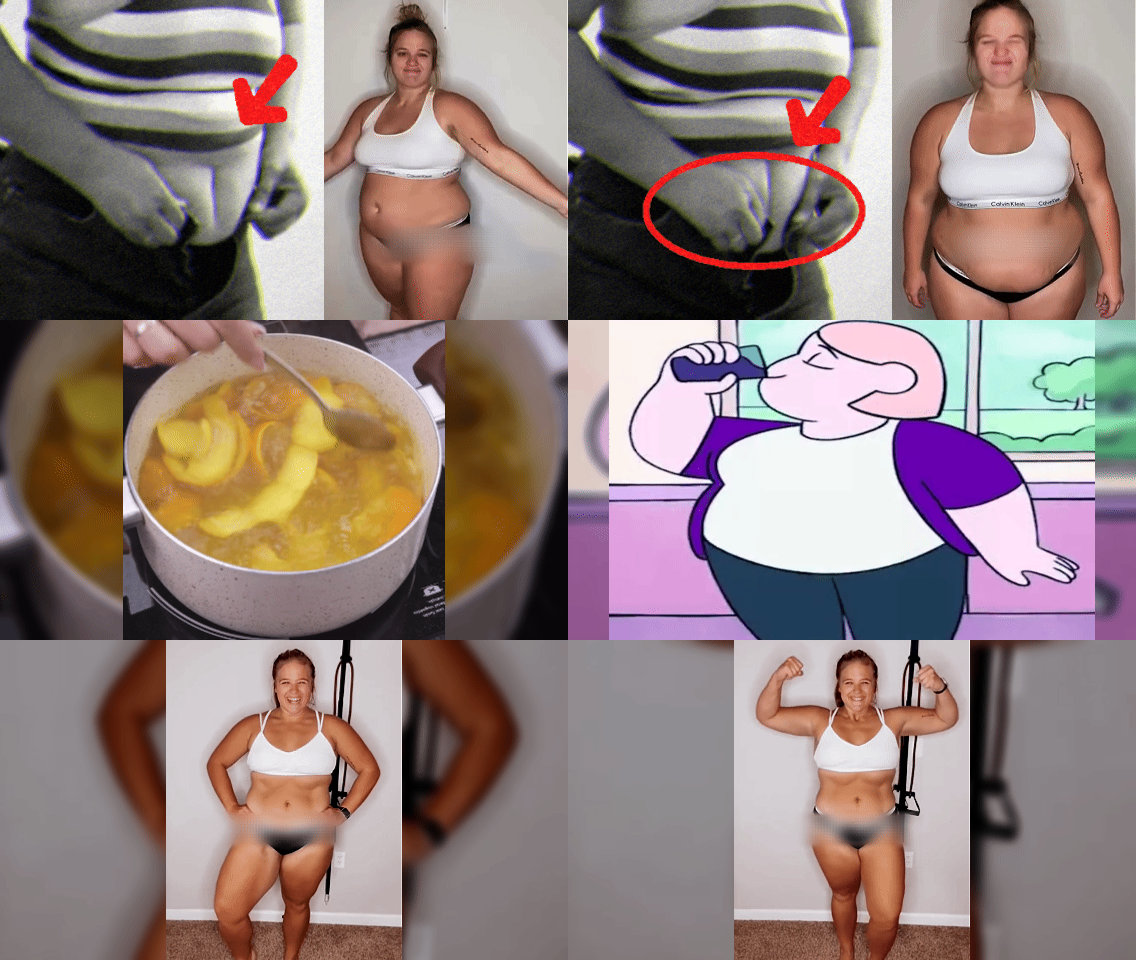
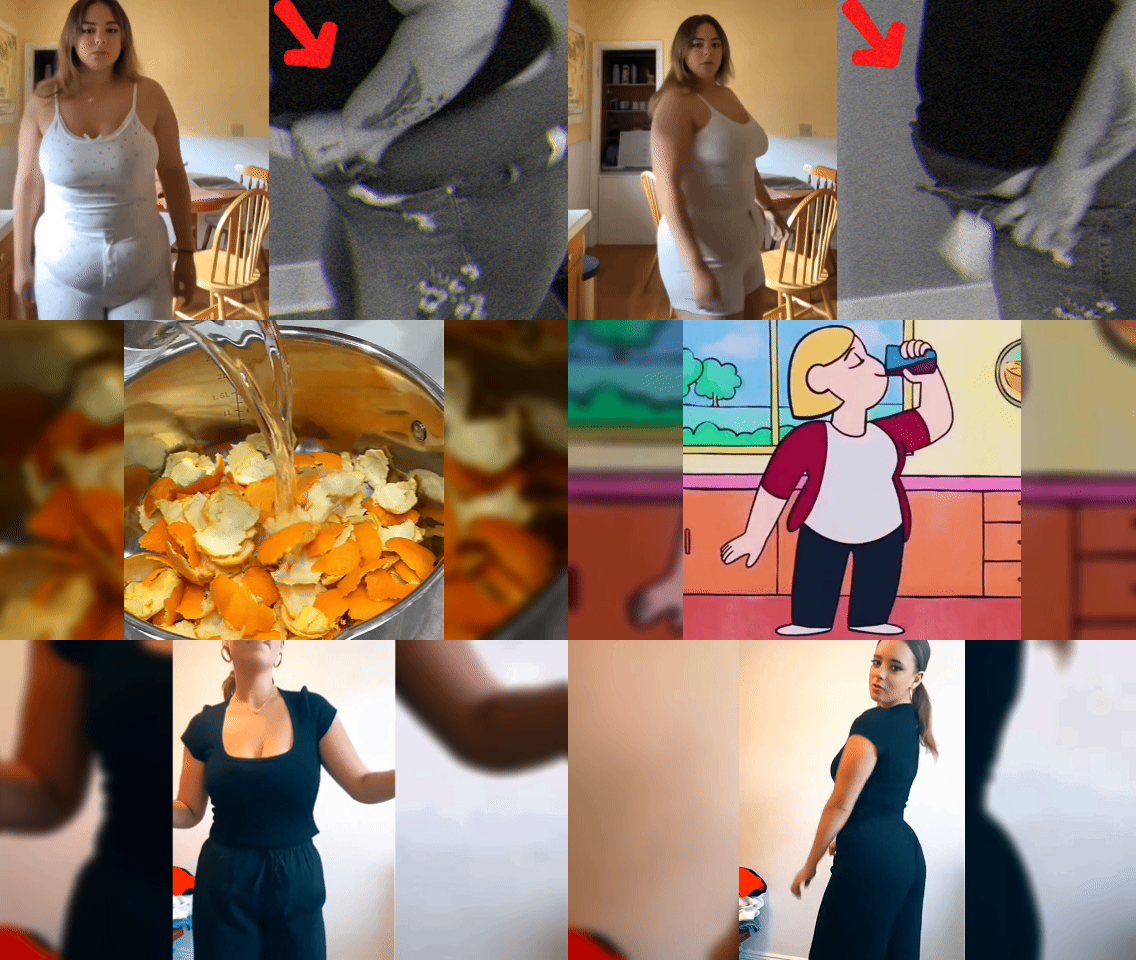
Losing weight and burning body fat can feel like a constant battle. Many people put in effort—counting calories, exercising regularly, and trying the latest diet trends—yet still struggle to see meaningful results. The frustrating truth is that fat loss is often sabotaged not by a lack of effort, but by hidden mistakes people don’t even realize they’re making.
These mistakes are incredibly common. In fact, some of the most popular advice in the fitness world unintentionally leads people down the wrong path. If you’re someone who has been trying to lose weight but feels stuck, the problem may not be your discipline. It may simply be that you’re unknowingly following strategies that slow your progress.
In this guide, we will explore the biggest fat loss mistakes people make without realizing it, why they happen, and how to fix them. By understanding these hidden pitfalls, you can dramatically improve your chances of losing weight in a healthy and sustainable way.
1. Focusing Only on the Scale
One of the biggest mistakes people make when trying to lose fat is obsessing over the number on the scale.
While the scale measures body weight, it does not distinguish between fat, muscle, water, and glycogen levels. This means the number can fluctuate daily due to factors that have nothing to do with actual fat loss.
For example:
- Water retention from salty foods
- Hormonal changes
- Muscle gain from workouts
- Carbohydrate intake
You could be losing fat and building muscle at the same time, yet the scale may barely move.
What to Do Instead
Use multiple methods to track progress:
- Body measurements (waist, hips, chest)
- Progress photos
- How your clothes fit
- Body fat percentage
- Strength improvements in the gym
These indicators often tell a much more accurate story than the scale alone.
2. Trying to Lose Weight Too Quickly
Many people want rapid results. The fitness industry constantly promotes “lose 10 pounds in 10 days” type promises. While quick weight loss may sound appealing, it usually leads to muscle loss, metabolic slowdown, and rebound weight gain.
When you drastically cut calories, your body responds by entering a conservation mode. This survival response lowers your metabolism and makes fat loss harder over time.
Extreme dieting also increases hunger hormones, making it nearly impossible to sustain long-term.
What Sustainable Fat Loss Looks Like
Healthy fat loss usually occurs at a rate of:
- 0.5 to 1 kg per week
- Or 0.5–1% of body weight per week
Slow progress may feel frustrating, but it is far more sustainable and helps preserve muscle mass.
3. Eating Too Little
Surprisingly, many people sabotage fat loss by undereating.
Crash diets that cut calories too aggressively can backfire in several ways:
- Reduced metabolism
- Increased fatigue
- Hormonal imbalances
- Loss of muscle mass
- Intense cravings
Your body requires a certain amount of energy just to perform basic functions like breathing, digestion, and brain activity.
When calories drop too low for too long, the body adapts by burning fewer calories throughout the day.
The Better Strategy
Instead of extreme restriction:
- Create a moderate calorie deficit
- Prioritize nutrient-dense foods
- Eat enough protein
- Maintain energy for workouts
Fat loss should feel challenging but not miserable.
4. Ignoring Protein Intake
Protein is one of the most powerful nutrients for fat loss, yet many people do not consume enough of it.
Protein helps with weight loss because it:
- Preserves lean muscle
- Increases satiety
- Boosts metabolism through the thermic effect of food
- Reduces cravings
Low-protein diets often leave people feeling hungry and tired, which increases the likelihood of overeating later.
Ideal Protein Intake
A good guideline for fat loss is:
1.6–2.2 grams of protein per kilogram of body weight per day
Protein-rich foods include:
- Lean meats
- Fish
- Eggs
- Greek yogurt
- Beans and legumes
- Protein shakes
- Tofu and tempeh
Increasing protein intake alone can significantly improve fat loss results.
5. Doing Too Much Cardio
Cardio exercise is often associated with weight loss, but more cardio does not always equal more fat loss.
Many people believe hours of running, cycling, or elliptical training is the fastest way to burn fat. While cardio does burn calories, excessive cardio can cause:
- Increased hunger
- Muscle loss
- Overtraining
- Reduced motivation
Muscle is metabolically active tissue that helps burn calories even at rest. Losing muscle through excessive cardio can slow metabolism over time.
A More Balanced Approach
The most effective fat loss programs include:
- Strength training 3–4 times per week
- Moderate cardio sessions
- Daily movement (walking, steps)
Resistance training helps preserve muscle while your body burns fat.
6. Underestimating Calorie Intake
Many people believe they are eating less than they actually are.
Studies consistently show that individuals often underestimate their calorie intake by 20–50%.
Common hidden calorie sources include:
- Cooking oils
- Salad dressings
- Coffee drinks
- Sugary beverages
- Snacks and bites between meals
- Restaurant portions
Even healthy foods can lead to weight gain if eaten in excessive quantities.
How to Improve Awareness
Try tracking your food intake for a few weeks using a calorie tracking app. This practice helps reveal patterns and provides a clearer picture of your actual consumption.
7. Drinking Too Many Calories
Liquid calories are one of the most overlooked obstacles in fat loss.
Unlike solid foods, beverages do not create the same level of fullness, making it easy to consume hundreds of extra calories without noticing.
Common high-calorie drinks include:
- Soda
- Sweetened coffee drinks
- Fruit juices
- Alcohol
- Smoothies loaded with sugar
Better Alternatives
Replace high-calorie beverages with:
- Water
- Sparkling water
- Unsweetened tea
- Black coffee
- Low-calorie drinks
This single change can significantly reduce daily calorie intake.
8. Poor Sleep Habits
Sleep is one of the most underestimated factors in fat loss.
When you sleep poorly, several hormonal changes occur:
- Increased hunger hormone (ghrelin)
- Reduced satiety hormone (leptin)
- Increased cravings for high-calorie foods
- Reduced energy and motivation for exercise
Research shows that people who sleep less than six hours per night are significantly more likely to gain weight.
Sleep Recommendations
Aim for:
- 7–9 hours of sleep per night
- Consistent sleep and wake times
- Reduced screen exposure before bed
- A cool, dark sleeping environment
Improving sleep can dramatically improve fat loss outcomes.
9. Relying on Motivation Instead of Habits
Motivation is powerful but unreliable.
Most people start their weight loss journey highly motivated. However, motivation naturally fluctuates due to stress, work, family responsibilities, and daily life challenges.
When people rely solely on motivation, their routines collapse when motivation fades.
The Power of Habits
Successful fat loss depends on building consistent habits, such as:
- Preparing meals in advance
- Scheduling workouts
- Keeping healthy foods accessible
- Tracking progress regularly
Habits remove the need for constant decision-making and help maintain consistency over time.
10. Expecting Perfection
One of the most damaging mindsets in weight loss is the all-or-nothing mentality.
Many people believe that if they eat one unhealthy meal, they have “ruined” their progress and may as well give up entirely.
In reality, fat loss is determined by long-term patterns, not individual meals.
A Healthier Perspective
Instead of striving for perfection:
- Aim for consistency
- Allow occasional indulgences
- Focus on weekly progress rather than daily perfection
Sustainable fat loss is about balance, not restriction.
11. Following Extreme Diet Trends
Every year, new diet trends appear promising fast results.
Some popular examples include:
- Extremely low-carb diets
- Juice cleanses
- Detox diets
- Single-food diets
While some of these approaches may produce short-term weight loss, they are rarely sustainable and often lead to weight regain.
The Best Diet for Fat Loss
The best diet is one that:
- Creates a calorie deficit
- Includes balanced nutrition
- Fits your lifestyle
- Is sustainable long term
There is no single perfect diet for everyone.
12. Not Being Patient Enough
Fat loss takes time. The body does not change overnight.
Many people quit after a few weeks because they feel progress is too slow. However, meaningful and lasting transformation often requires months of consistent effort.
Remember that the goal is not just losing weight temporarily, but creating a lifestyle that supports long-term health.
Small improvements repeated daily eventually lead to significant results.
Final Thoughts
Fat loss is not simply about willpower or discipline. Many people work incredibly hard yet struggle because they unknowingly make common mistakes that slow their progress.
By avoiding these pitfalls—such as obsessing over the scale, eating too little, neglecting protein, relying solely on cardio, and ignoring sleep—you can dramatically improve your results.
The most successful fat loss journeys are built on sustainable habits, balanced nutrition, consistent exercise, and patience.
Instead of chasing quick fixes or extreme diets, focus on creating a healthy lifestyle you can maintain for years. When you approach fat loss with this mindset, not only will the weight come off, but it will stay off.
Remember: lasting change is not about perfection. It is about consistent progress.