
How To Trust Your Partner

Trust is the foundation of every healthy, lasting relationship. Without it, even the strongest emotional connections can slowly erode under the weight of doubt, insecurity, and fear. If you’ve ever found yourself overthinking your partner’s actions, questioning their intentions, or feeling anxious when they’re not around, you’re not alone.

Learning how to trust your partner is not just about believing in them—it’s also about healing your own fears, understanding relationship dynamics, and building emotional safety together. In this in-depth guide, you’ll discover why trust is so challenging, what may be holding you back, and how to develop deep, lasting trust in your relationship.

What Does It Really Mean to Trust Your Partner?

Trust goes far beyond simply believing that your partner won’t cheat. It includes:

  • Emotional safety: feeling secure enough to be vulnerable
  • Reliability: knowing your partner will follow through on promises
  • Honesty: believing your partner tells the truth
  • Consistency: experiencing stable behavior over time
  • Respect: feeling valued and prioritized

When trust is strong, your relationship feels calm, grounded, and supportive. When it’s weak, even small issues can trigger anxiety and conflict.

Why Is Trust So Difficult for Many People?

If you struggle with trust, it doesn’t necessarily mean your partner is untrustworthy. Often, the difficulty comes from deeper emotional patterns.

1. Past Relationship Trauma

If you’ve been lied to, cheated on, or emotionally hurt before, your brain learns to associate love with pain. As a result, you may constantly look for signs that history is repeating itself.

2. Fear of Vulnerability

Trust requires opening your heart—and that means risking being hurt. For many people, this feels unsafe, so they subconsciously create emotional distance.

3. Low Self-Worth

If you don’t feel worthy of love, you may believe your partner will eventually leave or betray you. This belief can create suspicion even when there’s no evidence.

4. Overthinking and Anxiety

A racing mind can turn small uncertainties into worst-case scenarios. You may analyze texts, tone, or behavior until you convince yourself something is wrong.

Signs You May Have Trust Issues in Your Relationship

Recognizing the signs is the first step toward change:

  • You frequently check your partner’s phone or social media
  • You assume the worst without clear evidence
  • You need constant reassurance
  • You feel anxious when your partner is not with you
  • You struggle to fully open up emotionally

If these patterns feel familiar, it doesn’t mean your relationship is doomed—it means there’s an opportunity for growth.

How To Trust Your Partner: Step-by-Step Guide
1. Understand the Root of Your Distrust

Before you can build trust, you need to understand where your fears come from.

Ask yourself:

  • Is this about my current partner, or my past experiences?
  • What exactly am I afraid will happen?
  • Do I have real evidence, or am I assuming?

Self-awareness helps you respond thoughtfully instead of reacting emotionally.

2. Communicate Openly and Honestly

Trust grows through transparent communication.

Instead of accusing or blaming, express your feelings calmly:

  • “I feel anxious when I don’t hear from you because of past experiences.”
  • “I’m working on trusting more, but I need your support.”

Healthy communication creates understanding instead of conflict.

3. Give Trust Before Expecting It

Trust is not something you wait to feel—it’s something you choose to give.

This doesn’t mean ignoring red flags. It means allowing your partner the space to prove their reliability without constant suspicion.

Remember: If you don’t give trust, your partner may feel controlled or unappreciated.

4. Set Healthy Boundaries Together

Clear boundaries actually strengthen trust.

Discuss:

  • What is acceptable behavior in your relationship
  • How you both handle communication
  • What loyalty means to each of you

When expectations are clear, misunderstandings decrease.

5. Focus on Consistency, Not Perfection

No one is perfect. Your partner may make mistakes, forget things, or have off days.

What matters is consistency over time.

Ask yourself:

  • Do they generally show up for me?
  • Do their actions align with their words?
  • Are they making an effort?

Trust is built on patterns, not isolated moments.

6. Stop Overanalyzing Every Detail

Overthinking destroys trust faster than anything else.

If you constantly look for problems, you’ll find them—even when they don’t exist.

Train your mind to pause:

  • Is this a fact or a fear?
  • Am I reacting to reality or imagination?

Learning to quiet your thoughts is essential for emotional peace.

7. Build Your Own Emotional Security

The more secure you feel within yourself, the easier it becomes to trust others.

Work on:

  • Self-confidence
  • Emotional independence
  • Personal fulfillment outside the relationship

When your happiness doesn’t depend entirely on your partner, fear naturally decreases.

8. Allow Vulnerability

Trust and vulnerability go hand in hand.

Yes, opening your heart is risky. But without it, you can never experience deep love.

Instead of protecting yourself by building walls, try building strength within.

9. Watch for Red Flags—But Don’t Invent Them

Healthy trust doesn’t mean ignoring warning signs.

If your partner:

  • Lies repeatedly
  • Breaks promises
  • Shows inconsistent behavior

Then your concerns may be valid.

However, if there’s no real evidence, constantly suspecting your partner can damage the relationship.

Balance awareness with fairness.

10. Be Patient—Trust Takes Time

Trust is not built overnight. It develops slowly through shared experiences, honesty, and reliability.

Give yourself and your partner time to grow together.

What To Do If Trust Has Been Broken

Rebuilding trust is possible—but it requires effort from both sides.

For the person who was hurt:
  • Express your feelings honestly
  • Avoid suppressing pain
  • Be open to rebuilding slowly
For the person who broke trust:
  • Take full responsibility
  • Be transparent and consistent
  • Show change through actions, not words

Rebuilding trust is a process, not a quick fix.

Common Mistakes That Destroy Trust

Avoid these behaviors if you want a healthy relationship:

  • Constantly testing your partner
  • Bringing up past mistakes repeatedly
  • Expecting mind-reading instead of communicating
  • Punishing your partner for your past experiences

These patterns create distance instead of connection.

The Emotional Freedom That Comes With Trust

When you truly trust your partner, something powerful happens:

  • Your mind becomes quieter
  • Your relationship feels lighter
  • You experience deeper intimacy
  • You stop living in fear

Trust allows love to flow naturally without constant resistance.

Final Thoughts

Learning how to trust your partner is one of the most important skills in any relationship. It’s not just about them—it’s about you, your mindset, your past, and your willingness to grow.

Trust is a choice you make every day.

It’s choosing to believe in the connection you’ve built. It’s choosing to communicate instead of assume. It’s choosing courage over fear.

And when you make that choice consistently, you create a relationship that feels safe, strong, and deeply fulfilling.

You deserve a love where you can relax, be yourself, and feel secure. And it all begins with trust.

What if you’ve been doing everything right… but missing the one thing that truly matters?

Inside these 3 FREE reports, you’ll discover powerful psychological insights that most people never learn – yet they change everything in love and attraction.

✨ Don’t just hope for better results. Create them.
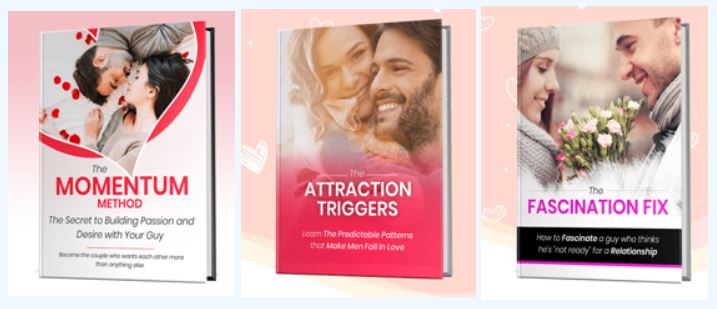
👉 Get instant access now.

Why Women Struggle to Fully Open Their Hearts in Modern Dating (And How to Overcome It)

The Paradox of Wanting Love but Fearing It

Have you ever found yourself longing for love, craving closeness, yet feeling an almost instinctive urge to pull back when someone truly reaches out? Many women experience this paradox, a push-and-pull between desire and fear, especially in modern dating.

Take Anna, for example. She enjoys meeting new people and going on dates, yet when a connection deepens, she feels a sense of panic. The very closeness she yearns for suddenly feels overwhelming. This tension—wanting intimacy but fearing vulnerability—is more common than you think.

In this blog, we’ll explore why many women struggle to fully open their hearts in dating and relationships, signs that you might be holding back, the consequences of staying closed off, and practical strategies to help you love more safely and confidently.

Why Women Hold Back: Understanding the Root Causes

  1. Fear of Emotional Pain
    Past heartbreaks, betrayals, or dismissals can leave lasting scars. Women who have experienced disappointment in love may develop protective mechanisms, subconsciously keeping potential partners at arm’s length to avoid repeating old wounds.
  2. Societal and Peer Pressure
    From a young age, women are often taught to “choose wisely” or “not get hurt,” creating heightened expectations in relationships. This pressure to find a “perfect” partner can lead to overanalyzing interactions, second-guessing feelings, and ultimately holding back from genuine connection.
  3. Unconscious Self-Protection Strategies
    Many women develop patterns of avoidance, such as delaying responses or meetings, maintaining emotional distance, or overthinking every gesture or message. These strategies once served a protective purpose but can now block the very intimacy they desire.
  4. Past Relationship Experiences
    Experiences of rejection, emotional neglect, or betrayal often lead to heightened caution. Even subtle reminders of past hurt—like a partner’s silence or delayed response—can trigger fear and withdrawal.

Signs You Might Be Holding Back in Dating

Recognizing these patterns is the first step toward change. Some common signs include:

  • Constantly finding reasons to postpone dates or meetings.
  • Feeling suffocated or anxious when a partner expresses deep feelings.
  • Overthinking future “what ifs” instead of living in the present.
  • Avoiding vulnerability, such as sharing personal stories or emotions.

If you relate to these behaviors, know that it’s not a flaw—you’re simply protecting your heart while seeking security.

The Consequences of Staying Closed Off

While self-protection can feel necessary, consistently holding back comes with costs:

  • Persistent Loneliness: You may feel alone even when you crave connection.
  • Difficulty Forming Long-Term Bonds: Relationships remain superficial or end prematurely.
  • Emotional Frustration: Internal conflict grows as your desire for love clashes with fear of intimacy.
  • Erosion of Trust: Both in yourself and in future partners, making it harder to fully engage when love finally appears.

Staying closed off may feel safe in the short term, but in the long term, it blocks opportunities for genuine connection and happiness.

How to Open Your Heart Safely and Confidently

Opening your heart doesn’t mean abandoning caution—it’s about learning to love in a way that feels safe, sustainable, and empowering. Here are strategies to help:

  1. Self-Awareness and Reflection
    Recognize when your fear of hurt is driving your behavior. Journaling, meditation, or therapy can help identify patterns and triggers, giving you clarity about what’s protective versus what’s limiting.
  2. Take Small Steps Toward Vulnerability
    You don’t have to dive in headfirst. Allow intimacy in manageable doses, like sharing a personal story with a partner, expressing a small emotional need, or accepting gestures of affection without overanalyzing.
  3. Build Emotional Safety Within Yourself
    Cultivate self-love and confidence. The more secure you feel alone, the less fearful you’ll be of leaning on someone else. Practices like affirmations, mindfulness, and pursuing personal goals strengthen emotional resilience.
  4. Communicate Openly With Your Partner
    Honest communication fosters trust. Share your fears and boundaries with your partner—they may be more understanding than you expect. This can create a safe space where both of you can connect more deeply.
  5. Recognize Red Flags and Healthy Signals
    Learn to distinguish between a partner who respects your pace and one who pressures or dismisses your feelings. Setting boundaries is not a barrier—it’s a sign of emotional maturity.
  6. Embrace the Process
    Love is rarely instantaneous. Give yourself permission to grow gradually, step by step. Celebrate small moments of connection as victories, rather than waiting for perfection.

Conclusion: Love Without Fear

Opening your heart is not a sign of weakness—it’s a courageous act of self-trust. You deserve love that feels safe, nurturing, and fulfilling. By recognizing fear, taking intentional steps, and creating emotional safety, you can experience the intimacy you crave without being overwhelmed.

Remember Anna? By embracing small steps, communicating honestly, and practicing self-love, she began to let someone in without panic. Today, her relationships feel deeper, more authentic, and more joyful.

You can have the same experience. Start small, be patient, and let love grow naturally. The journey to an open heart is not only possible—it’s worth every step.

Are You Loving or Controlling?

When you care deeply about someone, it’s natural to want the best for them. But sometimes, the line between loving and controlling can blur. What you see as caring might feel restrictive or overwhelming to the other person. So, how do you know if your actions come from genuine love—or if they’re veering into control?

In this in-depth guide, we’ll explore the difference between loving and controlling behavior, the signs you might be crossing the line, and how to build a relationship rooted in respect and freedom. Whether it’s a romantic partner, a child, or even a friend, understanding this distinction can help you nurture healthier, happier relationships.

What Does It Mean to Truly Love Someone?

At its core, love is about acceptance, respect, and support. Loving someone means:

  • Accepting who they are, not who you want them to be.
  • Encouraging growth without forcing change.
  • Supporting their choices, even when they differ from yours.

True love creates space for individuality. It celebrates differences, fosters trust, and promotes emotional safety.

When love is healthy:

  • There is freedom, not fear.
  • There is trust, not control.
  • There is choice, not coercion.

What Does Controlling Behavior Look Like?

Control, on the other hand, stems from fear, insecurity, or a desire for power. It often disguises itself as “concern” or “protection,” but its real purpose is to influence or dictate someone else’s behavior.

Signs of controlling behavior include:

  • Constantly checking where they are, who they’re with, and what they’re doing.
  • Making decisions for them without their input.
  • Using guilt, silent treatment, or anger to get your way.
  • Limiting their freedom in the name of love.
  • Believing you know what’s best for them—always.

Control doesn’t feel like love to the person on the receiving end. Instead, it feels suffocating, like their autonomy is being stripped away.

Why Do People Become Controlling?

If control damages relationships, why do so many people fall into this trap? Common reasons include:

  • Fear of Losing Them: When you’re afraid of abandonment, you might try to keep someone close by controlling them.
  • Insecurity: Low self-esteem can lead you to monitor your partner’s actions for reassurance.
  • Past Trauma: If you’ve been hurt before, you may overcompensate by trying to control everything.
  • Cultural or Family Patterns: If you grew up in a controlling environment, you might see it as normal.

Understanding the root cause of control is the first step toward change.

Loving vs. Controlling: The Key Differences

LovingControlling
Respects choicesDictates choices
Offers supportDemands compliance
Encourages independenceCreates dependency
Communicates openlyUses manipulation
Trusts the relationshipMonitors constantly

When you love, you guide without forcing, support without suffocating, and trust without suspicion.

How to Know If You’re Being Controlling

Ask yourself these questions:

  • Do I feel anxious when they make decisions without me?
  • Do I check their phone or social media without permission?
  • Do I often use phrases like “If you loved me, you would…”?
  • Do I get upset when they spend time with others instead of me?
  • Do I try to “fix” them instead of accepting them?

If you answered “yes” to several, it may be time to reflect on your behavior.

How to Shift from Controlling to Loving

The good news? You can change. Here’s how to let go of control and embrace real love:

1. Build Self-Awareness

Notice when you feel the urge to control. Ask yourself:

  • What am I afraid of?
  • Am I trying to protect them—or myself?

Self-awareness is the foundation of change.

2. Work on Trust

Relationships thrive on trust. Remind yourself:

  • They are an individual with their own choices.
  • Love is not ownership; it’s partnership.

3. Communicate Instead of Manipulate

If something bothers you, express it honestly without guilt-tripping or ultimatums. Use “I” statements like:

  • “I feel anxious when I don’t hear from you, but I trust you.”

4. Give Them Space

Healthy relationships need breathing room. Encourage time apart and celebrate independence.

5. Challenge Your Fears

Fear drives control. Write down your worst-case scenarios and examine if they’re realistic. Most of the time, they aren’t.

6. Practice Self-Love

When you value yourself, you don’t need to control others for validation. Build confidence through hobbies, friendships, and personal growth.

How to Respond If Someone Is Controlling You

If you’re on the receiving end of control:

  • Set Clear Boundaries: Politely but firmly state what’s acceptable and what’s not.
  • Avoid Justifying Your Freedom: You don’t need to defend your autonomy.
  • Seek Support: Talk to a trusted friend or therapist.
  • Know When to Walk Away: If control turns into abuse, prioritize your safety.

The Role of Love in Freedom

Love and freedom are inseparable. The healthiest relationships allow both partners to grow as individuals while sharing a deep connection. If control enters the picture, the relationship suffers. Letting go of control is not losing power—it’s gaining peace.

Final Thoughts: Love Is About Respect, Not Control

Being loving doesn’t mean holding tighter—it means letting the other person breathe. When you stop controlling and start trusting, you create space for real intimacy. Remember:

  • Love empowers.
  • Love accepts.
  • Love frees.

If you truly care about someone, give them the gift of trust and independence. That’s the most profound expression of love.