
Inner Freedom Doesn’t Always Come with Peace

When people talk about inner freedom, they often describe it like a spa day for the soul.

They imagine calm mornings, soft smiles, and a gentle sense of clarity. They picture a peaceful mind, quiet confidence, and a life where everything finally feels light and easy.

Freedom, we’re told, should feel serene.

But here’s the truth most personal development advice doesn’t tell you:

Inner freedom doesn’t always feel peaceful.

Sometimes it feels terrifying.
Sometimes it feels lonely.
Sometimes it feels like everything in your life is falling apart.

And sometimes, becoming free means losing the very things that once made you feel safe.

If you’re on a journey of self-growth and you expected freedom to feel calm but instead feel confused, restless, or unsettled, you’re not doing anything wrong. You’re not failing.

You’re likely going through one of the most honest phases of personal transformation.

This article explores what inner freedom really looks like, why it often feels uncomfortable, and how to navigate the messy middle of personal growth without giving up on yourself.

Because real freedom isn’t about constant peace. It’s about truth.

And truth can shake your whole world.

What Is Inner Freedom, Really?

Let’s start with a grounded definition.

Inner freedom is not:

  • always being happy
  • never feeling anxious
  • having no problems
  • escaping responsibility
  • or living a perfectly balanced life

Inner freedom is something deeper.

It’s the ability to:

  • choose your responses instead of reacting automatically
  • live aligned with your values
  • express your true thoughts and emotions
  • stop living for external validation
  • let go of who you “should” be
  • trust yourself

In simple terms, inner freedom means you are no longer imprisoned by fear, people-pleasing, old conditioning, or expectations that don’t belong to you.

But here’s the paradox.

Breaking out of those invisible prisons rarely feels peaceful at first.

It often feels like chaos.

Why We Expect Freedom to Feel Calm

Movies, social media, and even some self-help messaging have romanticized personal growth.

They show “after” pictures:

  • smiling faces
  • minimalist homes
  • morning meditation
  • aesthetic journals
  • quiet confidence

But they rarely show the process.

They skip the messy parts:

  • crying on the floor after setting a boundary
  • feeling guilty for saying no
  • losing friends when you change
  • questioning everything you once believed
  • feeling alone while outgrowing your old life

So when freedom doesn’t feel calm, we assume something is wrong.

We think:
“Why do I feel worse instead of better?”
“Wasn’t growth supposed to make me happier?”

But growth isn’t always soothing.

Growth is disruptive.

The Truth: Freedom Often Comes with Discomfort First

Imagine you’ve been in a small, cramped room your whole life.

It’s uncomfortable, but familiar.

You know where everything is.

You feel safe there.

Now someone opens the door and shows you a vast, open field.

Technically, you’re free.

But stepping outside feels scary.

Too much space. Too much uncertainty. No walls to lean on.

That’s what inner freedom feels like at first.

When you stop living according to old rules, you lose the structure those rules provided.

Even if those structures were limiting, they were predictable.

Freedom removes the cage and the comfort.

Signs You’re Experiencing Inner Freedom (Even If It Doesn’t Feel Like It)

If you’re feeling unsettled lately, you might think you’re regressing.

But often, these feelings are actually signs of progress.

You might notice:

You question beliefs you never questioned before.

You feel less tolerant of fake or shallow relationships.

You say no more often, even when it’s uncomfortable.

You feel disconnected from your old identity.

You crave solitude.

You outgrow certain environments.

You feel emotionally raw or sensitive.

You no longer want to perform or pretend.

You feel lost but also strangely honest.

These are not signs you’re broken.

They’re signs you’re waking up.

And waking up is rarely peaceful.

It’s disorienting.

The Grief Nobody Talks About in Personal Development

Here’s something most self-improvement advice ignores:

Freedom involves loss.

When you choose authenticity, you may lose:

  • relationships built on people-pleasing
  • jobs that conflict with your values
  • old dreams that weren’t really yours
  • versions of yourself you’ve outgrown
  • the illusion of certainty

And loss brings grief.

Even if what you’re losing wasn’t healthy.

Even if it wasn’t right for you.

Even if it was necessary.

You can still miss it.

That’s normal.

Humans don’t just grieve people. We grieve identities, comfort zones, and old stories.

So if you feel sad while becoming freer, it doesn’t mean you chose wrong.

It means you’re human.

When Peace Comes Later, Not First

Many people think:

First I’ll feel peaceful, then I’ll know I’m free.

In reality, it’s often reversed.

First comes:

  • confusion
  • discomfort
  • confrontation
  • boundaries
  • hard decisions
  • loneliness
  • uncertainty

Then, slowly, peace appears.

Not the fake, fragile peace of avoiding conflict.

But a deeper peace.

The kind that comes from knowing:
“I’m living my truth, even if it’s hard.”

That peace is sturdier.

It doesn’t depend on everything going smoothly.

It comes from self-trust.

And self-trust takes courage to build.

Why Authentic Living Can Feel Lonely

One of the most painful parts of inner freedom is realizing not everyone can come with you.

When you stop shrinking yourself:
Some people get uncomfortable.

When you stop over-giving:
Some people call you selfish.

When you speak honestly:
Some people pull away.

This doesn’t mean you’re doing something wrong.

It means certain connections only worked when you weren’t fully yourself.

That’s not real connection.

Real connection survives authenticity.

But finding those people may take time.

And during that in-between phase, freedom can feel lonely.

Loneliness doesn’t mean you should go back.

It means you’re making space for something healthier.

The Difference Between False Peace and True Freedom

False peace looks like:

  • avoiding conflict
  • suppressing emotions
  • staying silent to keep others happy
  • tolerating disrespect
  • pretending everything is fine

It feels calm on the surface.

But underneath, you feel resentment and exhaustion.

True freedom looks like:

  • honest conversations
  • clear boundaries
  • uncomfortable growth
  • emotional honesty
  • self-respect

It feels messy sometimes.

But underneath, you feel solid.

Would you rather have surface calm with inner turmoil, or temporary discomfort with deep alignment?

That’s the real choice.

How to Navigate the Uncomfortable Phase of Freedom

If you’re in the messy middle right now, here’s how to move through it without losing yourself.

Slow down your expectations.

Don’t expect constant happiness. Expect growth. Growth is uneven and unpredictable.

Normalize discomfort.

Instead of thinking “This feels wrong,” try “This feels new.” New things often feel uncomfortable before they feel natural.

Journal honestly.

Write what you really think, not what sounds wise or mature. Authenticity starts privately.

Strengthen self-trust.

Keep small promises to yourself. Each one tells your brain, “I’ve got you.”

Create supportive spaces.

Find people who value honesty and emotional depth. Even one safe relationship makes a huge difference.

Practice self-compassion.

You’re not failing at life. You’re rebuilding it from the inside out.

That’s brave work.

Freedom Means Taking Responsibility, Too

There’s another reason freedom isn’t always peaceful.

When you stop blaming circumstances or other people for everything, you realize:

You’re responsible for your choices now.

That’s empowering.

But it’s also heavy.

You can’t hide behind “I have to.”

You start saying:
“I choose to.”

And that level of ownership can feel intimidating.

But it’s also where your power lives.

Because if you’re responsible, you’re capable.

What Inner Freedom Actually Feels Like Over Time

Eventually, something shifts.

You still have problems.

You still feel emotions.

Life is still messy.

But inside, there’s more space.

Less fear.

Less pretending.

Less chasing approval.

You make decisions faster.

You recover from setbacks quicker.

You speak more honestly.

You sleep better.

You feel lighter.

Not because life is perfect.

But because you’re no longer fighting yourself.

That’s what freedom really feels like.

Not constant peace.

But inner alignment.

And alignment is stronger than peace.

Peace can break.

Alignment holds.

Final Thoughts: Don’t Mistake Discomfort for Failure

If your personal development journey feels chaotic right now, don’t rush to “fix” it.

You might be exactly where you need to be.

Inner freedom isn’t a soft landing.

It’s more like stepping into open air and learning you can stand on your own.

It’s messy.

It’s brave.

It’s uncomfortable.

And it’s real.

So if you feel less peaceful but more honest lately, trust that.

Honesty is the beginning of freedom.

And freedom, even when it shakes your life, is worth it.

Because at the end of the day, the greatest peace doesn’t come from avoiding storms.

It comes from knowing you’re finally living as yourself.

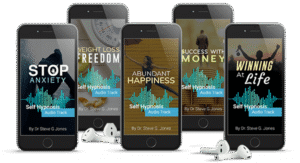
[Free Gift] Life-Changing Self Hypnosis Audio Track
7-Day Authentic Living Journey

Living authentically is more than just a popular self-help concept. It is about aligning your daily choices with your true values, needs, and passions. In today’s fast-paced world, it is easy to lose touch with yourself, conforming to expectations and external pressures. The 7-Day Authentic Living Journey is a simple yet powerful framework to help you reconnect with who you are and create a lifestyle that feels genuine, fulfilling, and peaceful.

This guide will take you through seven days of self-discovery, mindfulness, and intentional living. Each day focuses on one key area of authenticity, building a foundation for long-term personal growth and emotional freedom. Whether you feel stuck, burned out, or simply curious about living more truthfully, this journey can transform the way you see yourself and the world around you.

Why Authentic Living Matters

Before diving into the 7-day plan, it’s important to understand why authenticity is so essential for mental health and happiness. Living authentically means you:

  • Feel less stressed because you’re not pretending to be someone else
  • Build stronger, more genuine relationships
  • Gain clarity about your purpose and goals
  • Develop resilience against external criticism
  • Experience deeper self-love and acceptance

When you suppress your authentic self, you may feel anxious, disconnected, or even resentful. By contrast, when you embrace authenticity, you create a life filled with meaning and alignment.

Day 1: Self-Awareness and Reflection

The journey begins with self-awareness. You cannot live authentically without first knowing yourself. Spend this day journaling about questions such as:

  • What values matter most to me?
  • When do I feel most alive and joyful?
  • Which situations make me feel drained or fake?

Dedicate at least 30 minutes to reflection. Meditation or quiet walks can also help you tune in to your inner voice. Self-awareness is the foundation of every authentic choice you will make.

Day 2: Identify and Release External Expectations

Authenticity often gets buried under societal and cultural expectations. On this day, make a list of roles you play—parent, professional, friend, partner—and reflect on which of those roles bring joy and which feel like obligations.

Ask yourself: Am I doing this because I want to, or because I fear judgment?

Practice letting go of one small expectation that no longer serves you. For example, say no to a commitment you don’t enjoy or stop forcing yourself to fit into a social standard that feels inauthentic.

Day 3: Practice Honest Communication

Authentic living thrives on honest communication. This doesn’t mean being harsh or unkind but rather expressing your truth with respect.

On Day 3, challenge yourself to:

  • Share your real feelings in a conversation instead of pretending everything is fine
  • Set a healthy boundary with someone
  • Speak from the heart, even if your voice shakes

By practicing honest communication, you strengthen your ability to show up as yourself in relationships, reducing resentment and deepening connections.

Day 4: Align Actions with Core Values

Day 4 is about translating your insights into action. Authenticity isn’t just about thinking differently—it’s about living in alignment.

Choose one of your core values (for example, health, creativity, kindness, or freedom) and design your day around it. If your value is health, cook nourishing meals and move your body. If your value is creativity, dedicate time to painting, writing, or music.

The more your actions reflect your values, the more fulfilled you will feel.

Day 5: Embrace Vulnerability

Authenticity requires vulnerability—the courage to be seen without masks. On this day, step outside your comfort zone by sharing something personal with someone you trust, admitting a mistake, or allowing yourself to be imperfect in public.

Instead of hiding behind perfectionism, allow others to see your humanity. Vulnerability is not weakness; it is strength in its most honest form.

Day 6: Nurture Joy and Presence

Living authentically is not only about deep reflection; it’s also about enjoying the present moment. Too often, we are so focused on productivity or appearances that we forget to savor life.

On Day 6, make joy a priority. This could mean:

  • Spending time in nature
  • Laughing with a friend
  • Dancing to your favorite music
  • Cooking a meal that brings comfort

When you nurture joy, you reconnect with the childlike freedom of being fully yourself.

Day 7: Create Your Authentic Living Blueprint

The final day is about integration. Take time to reflect on everything you experienced during the past six days. What insights stood out? What changes made you feel lighter and more aligned?

Now, create your Authentic Living Blueprint:

  • Write down your top 5 core values
  • List habits or practices that support authenticity
  • Note boundaries you want to maintain
  • Commit to at least one daily or weekly ritual that honors your true self

This blueprint becomes your guide moving forward, ensuring that authenticity becomes a sustainable lifestyle, not just a 7-day experiment.

Tips for Continuing Your Authentic Living Journey

  • Revisit your journal weekly to track your growth
  • Surround yourself with people who respect and support your true self
  • Practice mindfulness daily to stay connected to your inner world
  • Celebrate progress, not perfection

Authenticity is a lifelong practice. Some days you may feel completely aligned, while other days you may slip back into old patterns—and that’s okay. The goal is not to be perfect but to keep returning to your truth.

Final Thoughts

The 7-Day Authentic Living Journey is an invitation to pause, reflect, and realign with who you truly are. In just one week, you can uncover insights that may reshape your lifestyle, relationships, and self-image. Authenticity is the key to peace, resilience, and lasting fulfillment.

If you’ve ever felt like you were living someone else’s life, this journey offers a way back home—to yourself.

[Free Gift] Life-Changing Self Hypnosis Audio Track

8 Ways to Build a More Meaningful Life

In a world overflowing with distractions, deadlines, and digital noise, many of us find ourselves wondering: Is this all there is? We may have the job, the house, the social media followers—but still feel a quiet emptiness inside. That’s because true fulfillment doesn’t come from accumulating more things or chasing fleeting highs. It comes from building a meaningful life—one rooted in purpose, connection, growth, and contribution.

If you’re ready to shift from simply existing to deeply living, here are 8 powerful and practical ways to build a more meaningful life starting today.

1. Clarify Your Core Values

Before you can live meaningfully, you need to know what “meaningful” actually means to you. That begins with identifying your core values—the guiding principles that matter most in your life.

  • Is it integrity?
  • Family?
  • Creativity?
  • Growth?
  • Spirituality?

When your daily actions align with your deepest values, life feels richer and more fulfilling. Take time to reflect: What values make me feel most alive? Write them down, and use them as a compass for decision-making.

2. Cultivate Deep Relationships

Human connection is one of the most essential ingredients for a meaningful life. But it’s not about how many friends you have—it’s about the quality of those relationships.

Focus on:

  • Having honest, vulnerable conversations
  • Spending undistracted time with loved ones
  • Letting go of toxic connections
  • Building community through shared values

Investing in meaningful relationships brings not only joy but a sense of belonging and purpose.

3. Live with Intentionality

Too often we drift through life on autopilot, reacting instead of creating. Living intentionally means being conscious and deliberate with how you spend your time, energy, and attention.

Start by asking:

  • What kind of life do I want to live?
  • What does my ideal day look like?
  • Am I prioritizing what truly matters?

Design your days around what matters most, not what’s most urgent.

4. Pursue Growth Over Comfort

Comfort feels safe—but growth is where meaning lives. A meaningful life comes from challenging yourself, embracing discomfort, and evolving into your highest potential.

Ways to grow:

  • Learn new skills
  • Face your fears
  • Set bold goals
  • Seek constructive feedback

Remember: growth isn’t always easy, but it’s always worth it.

5. Serve Something Greater Than Yourself

Contributing to something beyond your own self-interest creates profound meaning. Whether it’s through your work, volunteering, mentoring, or activism—service connects you to a bigger purpose.

Ask yourself:

  • How can I use my strengths to help others?
  • What cause do I feel drawn to?
  • Where can I make a positive impact?

When you serve others, you don’t just improve their lives—you enrich your own.

6. Practice Daily Mindfulness

Mindfulness is the practice of being present in the moment. It allows you to experience life more fully—rather than letting it pass you by.

Start with simple daily practices:

  • Take a few deep breaths before starting your day
  • Practice gratitude journaling
  • Meditate for 10 minutes
  • Be fully present in your conversations

When you slow down and tune in, you discover meaning in the now.

7. Embrace Authenticity

There is no meaningful life without being true to yourself. Too often, we shape our lives around societal expectations, trying to fit in instead of standing out.

To live more authentically:

  • Honor your emotions
  • Speak your truth, even when it’s hard
  • Let go of perfectionism
  • Follow your unique path—even if it’s unpopular

Authenticity fosters self-respect, trust, and inner peace.

8. Reflect Regularly and Realign

A meaningful life is not built overnight—it’s a journey that requires reflection and recalibration. Life changes, and so do you. What felt meaningful a year ago may not resonate today.

Make reflection a habit:

  • Journal weekly about your thoughts and experiences
  • Review your goals monthly
  • Ask, “Am I living in alignment with my values?”

This regular self-check ensures you stay on course toward a life that truly matters to you.

Meaning is Made, Not Found

Contrary to what movies or social media might suggest, meaning isn’t something you stumble upon—it’s something you create through intentional action, deep relationships, and self-discovery.

No matter where you are in life right now, you have the power to choose meaning over mindlessness, presence over performance, and purpose over passivity.

Start small. Pick just one of the practices above and integrate it into your daily life. Over time, these changes will compound into a life that feels not just successful, but significant.

[Free Gift] Life-Changing Self Hypnosis Audio Track