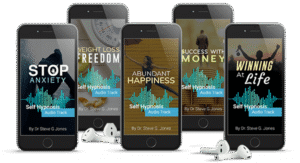
Best Meditation Techniques for Beginners: A Complete Guide to Finding Inner Peace

Meditation has become one of the most powerful practices for reducing stress, increasing focus, and promoting overall well-being. For beginners, however, starting a meditation routine can sometimes feel overwhelming. With so many different approaches, styles, and traditions, it is easy to wonder which method is right for you. This guide will walk you through the best meditation techniques for beginners, helping you understand how to start, what to expect, and how to build a sustainable practice that benefits your mind and body.

Why Beginners Should Start Meditating

In today’s fast-paced world, stress and anxiety have become almost unavoidable. Many people turn to meditation as a way to quiet the mind, recharge energy, and create balance. For beginners, meditation is not about achieving perfection or reaching a mystical state. Instead, it is about learning how to connect with yourself, regulate your emotions, and live in the present moment.

Research shows that regular meditation improves concentration, boosts mood, lowers blood pressure, and even strengthens the immune system. By choosing the best meditation techniques for beginners, you can enjoy these benefits without feeling lost or discouraged.

How to Prepare for Meditation

Before exploring the best meditation techniques for beginners, it’s important to set yourself up for success. Here are some tips to prepare for your sessions:

  • Find a quiet space: Choose a location where you won’t be interrupted.
  • Sit comfortably: You don’t need to sit cross-legged on the floor; a chair works perfectly fine.
  • Set a timer: Start with 5–10 minutes and gradually increase as you get more comfortable.
  • Focus on your breath: Breathing deeply and slowly helps signal your body to relax.
  • Be patient: Meditation is a practice, not a quick fix. Don’t judge yourself if your mind wanders.

The Best Meditation Techniques for Beginners

Now let’s explore the most effective methods that are perfect for people who are new to meditation.

1. Mindfulness Meditation

Mindfulness meditation is one of the best meditation techniques for beginners because it is simple and practical. The goal is to focus on the present moment without judgment. You can practice by paying attention to your breath, bodily sensations, or even the sounds around you.

How to practice:

  1. Sit in a comfortable position.
  2. Close your eyes and breathe naturally.
  3. Focus your attention on your breath.
  4. When your mind wanders, gently bring it back to your breath.

This method trains your mind to stay in the here and now, which reduces stress and improves focus.

2. Guided Meditation

Guided meditation is perfect for beginners who struggle to stay focused. In this method, you listen to a teacher, audio recording, or app that leads you through the process. The guide may use imagery, affirmations, or relaxation techniques to help you enter a calm state.

Why it works for beginners:

  • Provides structure and direction.
  • Reduces confusion about what to do.
  • Helps create consistency in practice.

3. Breathing Meditation

Sometimes called “focused breathing,” this technique involves paying close attention to the rhythm of your inhalation and exhalation. It is one of the simplest forms of meditation and highly effective for beginners.

How to practice:

  • Inhale slowly through your nose for 4 seconds.
  • Hold your breath for 2–3 seconds.
  • Exhale gently through your mouth for 6 seconds.
  • Repeat for 5–10 minutes.

Breathing meditation quickly calms the nervous system and is especially useful if you feel stressed or anxious.

4. Loving-Kindness Meditation (Metta)

Loving-kindness meditation focuses on cultivating compassion and positive emotions toward yourself and others. It is another of the best meditation techniques for beginners because it encourages emotional healing and self-acceptance.

How to practice:

  1. Sit comfortably and close your eyes.
  2. Repeat phrases like: “May I be happy, may I be healthy, may I live in peace.”
  3. Extend the same wishes to loved ones, friends, and even strangers.

This method is powerful for reducing anger, resentment, and loneliness.

5. Body Scan Meditation

Body scan meditation helps beginners develop awareness of physical sensations and release tension stored in the body.

How to practice:

  • Lie down or sit comfortably.
  • Start by focusing on your toes, noticing any sensations.
  • Gradually move your attention upward—feet, legs, stomach, chest, arms, and head.
  • Release any tension as you scan each area.

This method is especially helpful for people with stress-related tension or difficulty relaxing before sleep.

6. Walking Meditation

Not all meditation requires sitting still. Walking meditation is an active practice where you focus on the act of walking. It’s excellent for beginners who find sitting still challenging.

How to practice:

  • Choose a quiet path.
  • Walk slowly and deliberately.
  • Pay attention to how your feet touch the ground.
  • Coordinate your breath with your steps.

This method combines movement with mindfulness, making it ideal for daily practice.

7. Mantra Meditation

Mantra meditation involves repeating a word, phrase, or sound to focus the mind. Many beginners find this technique helpful because it gives them something specific to concentrate on.

Example: Repeating the word “peace” silently with each breath.

Mantra meditation creates rhythm and helps block distracting thoughts, making it easier to maintain focus.

Common Challenges Beginners Face in Meditation

When exploring the best meditation techniques for beginners, it’s normal to face obstacles such as:

  • Restless mind: Thoughts constantly arise.
  • Sleepiness: You may feel drowsy during practice.
  • Impatience: Expecting quick results can be discouraging.
  • Discomfort: Sitting still may cause tension in the body.

Remember, these challenges are part of the process. The more consistent you are, the easier meditation becomes.

Tips to Build a Consistent Meditation Habit

  • Start with short sessions and gradually increase time.
  • Meditate at the same time each day to create a routine.
  • Use apps or recordings if you need structure.
  • Keep a journal to track your progress and reflections.
  • Be gentle with yourself and celebrate small improvements.

Final Thoughts

Meditation is not about controlling your thoughts—it’s about learning to observe them without attachment. For anyone new to the practice, the best meditation techniques for beginners include mindfulness, guided meditation, breathing exercises, loving-kindness meditation, body scanning, walking meditation, and mantra repetition. Each method offers unique benefits, and you can experiment to discover which one resonates most with you.

With patience and consistency, meditation can transform your mental clarity, emotional resilience, and overall health. Start small, stay committed, and you’ll soon experience the profound peace and balance that meditation brings.

Is iGenics Legit or a Scam? Honest Review and Research

In today’s digital world, eye health supplements have gained massive popularity as more people struggle with vision decline caused by aging, screen time, and poor lifestyle habits. One supplement that has been generating a lot of buzz is iGenics. But with so many eye health products on the market, it’s natural to wonder: Is iGenics legit or just another scam? This article provides a deep dive into iGenics, its ingredients, benefits, scientific research, customer feedback, and whether it truly lives up to its claims.

What Is iGenics?

iGenics is an eye health supplement formulated to support better vision, protect against oxidative stress, and slow down age-related vision decline. It’s marketed as a natural solution that works by nourishing the eyes with clinically studied antioxidants, vitamins, and plant-based compounds.

The formula is designed to combat oxidative stress and free radical damage—two of the biggest contributors to vision problems such as macular degeneration, cataracts, and general eye fatigue.

iGenics Ingredients: What’s Inside?

The effectiveness of any supplement depends on its ingredients. According to the manufacturer, iGenics contains a blend of natural compounds backed by scientific research. Key ingredients include:

  • Lutein and Zeaxanthin – Known as the “eye vitamins,” these carotenoids are essential for protecting the retina from harmful blue light and reducing the risk of macular degeneration.
  • Bilberry Extract – Rich in anthocyanins, bilberries improve circulation in the eyes and may enhance night vision.
  • Ginkgo Biloba – Supports blood flow to the eyes and provides antioxidant protection.
  • Saffron Extract – Shown in some studies to improve visual function and slow down age-related macular degeneration.
  • Quercetin – A powerful antioxidant that helps protect eye cells from oxidative damage.
  • Vitamin A and Zinc – Both crucial for maintaining clear vision and overall eye health.

These ingredients are commonly studied in ophthalmology research and are known to contribute positively to eye health.

How Does iGenics Work?

iGenics works by targeting three primary causes of vision decline:

  1. Oxidative Stress – Free radicals damage eye cells over time. The antioxidants in iGenics neutralize these harmful molecules.
  2. Poor Circulation – Ingredients like ginkgo biloba improve blood flow, ensuring nutrients and oxygen reach the eyes effectively.
  3. Inflammation – Chronic inflammation accelerates eye aging. Anti-inflammatory compounds in iGenics help reduce stress on delicate eye tissues.

By addressing these factors, iGenics claims to support sharper vision, reduce eye strain, and protect long-term eye health.

Benefits of Using iGenics

Regular use of iGenics may offer the following benefits:

  • Protects against age-related vision decline
  • Reduces eye strain from digital screens
  • Enhances night vision and clarity in low light
  • Shields the eyes from harmful blue light exposure
  • Supports healthy macular function
  • Provides long-lasting antioxidant protection

While these benefits sound impressive, results may vary depending on age, lifestyle, and consistency of use.

Scientific Research Behind iGenics

The ingredients in iGenics are supported by a growing body of scientific evidence. For instance:

  • A study published in the Journal of Ophthalmology found that lutein and zeaxanthin significantly improve visual performance.
  • Bilberry extract has been linked to improved night vision and reduced eye fatigue in clinical trials.
  • Saffron supplementation has been shown in studies to help slow the progression of macular degeneration.

However, while these individual ingredients are backed by research, the specific iGenics formula has not been tested in large-scale clinical trials.

Customer Reviews: What Are People Saying?

One of the best ways to evaluate whether iGenics is legit or a scam is by checking customer experiences.

  • Positive Feedback: Many users report clearer vision, reduced dryness, and less eye strain after using iGenics consistently for several weeks. Some even mention improvements in reading and night driving.
  • Neutral Reviews: Some customers state that the supplement takes time to work and requires consistent use before noticeable results appear.
  • Negative Feedback: A minority of users claim they did not see significant changes or felt the product was overpriced.

Overall, most reviews lean positive, but as with any supplement, experiences vary.

Is iGenics Safe?

iGenics is marketed as a natural supplement with no major reported side effects. However, it’s important to:

  • Consult with a healthcare provider before starting, especially if you are pregnant, nursing, or taking medications.
  • Follow the recommended dosage for safety and effectiveness.

Is iGenics Legit or a Scam?

Based on the available research, ingredient transparency, and customer reviews, iGenics appears to be a legitimate eye health supplement rather than a scam. Its ingredients are well-studied, and many customers have reported real benefits. However, it’s not a miracle cure. Results may take time and depend on individual factors such as age and lifestyle.

Final Verdict

If you are experiencing vision decline, digital eye strain, or simply want to protect your eyes from future problems, iGenics may be worth considering. While it won’t replace professional eye care, it could be a valuable addition to a holistic approach to eye health.

Always remember that supplements work best when paired with healthy habits such as reducing screen time, eating a nutrient-rich diet, and getting regular eye checkups.

Early Signs of Vision Problems and How to Fix Them Naturally

Your eyes are often called the “windows to the soul,” but they are also the windows to your health. Vision problems don’t always appear suddenly. In fact, most people experience early warning signs long before their eyesight significantly declines. Recognizing these signs early—and taking natural steps to address them—can help protect your eyes and preserve clear vision for years to come.

In this article, we’ll explore the early signs of vision problems, their possible causes, and the most effective natural remedies and lifestyle habits to improve eye health.

Why Early Detection of Vision Problems Matters

Many eye diseases, including glaucoma, macular degeneration, and diabetic retinopathy, progress silently without obvious symptoms in their early stages. If left untreated, they can lead to irreversible vision loss.

By paying attention to the subtle signals your eyes give, you can take preventive action and even reverse some problems naturally with the right nutrition, eye exercises, and lifestyle changes.

Early Signs of Vision Problems You Shouldn’t Ignore

1. Blurred or Fuzzy Vision

If you notice difficulty focusing on objects—whether close up or far away—it could signal:

  • Refractive errors like myopia (nearsightedness) or hyperopia (farsightedness)
  • Astigmatism (irregularly shaped cornea)
  • Dry eyes or eye strain from digital screens

2. Difficulty Seeing at Night

Struggling to drive or read signs at night may indicate:

  • Vitamin A deficiency
  • Early cataracts
  • Retinal problems

3. Frequent Headaches

Headaches after reading, computer use, or watching TV may result from:

  • Eye strain or uncorrected vision problems
  • Poor posture while working
  • Overuse of digital devices

4. Sensitivity to Light (Photophobia)

Discomfort in bright environments may suggest:

  • Dry eyes
  • Eye infections
  • Corneal issues

5. Seeing Floaters or Flashes of Light

Occasional floaters are normal with aging, but sudden increases in floaters or flashes could indicate:

  • Retinal detachment (requires immediate medical attention)
  • Vitreous detachment

6. Difficulty Reading or Double Vision

If words appear blurry or doubled, possible causes include:

  • Strabismus (eye alignment issues)
  • Weak eye muscles
  • Neurological problems

7. Dry, Itchy, or Watery Eyes

This may be caused by:

  • Poor tear quality
  • Allergies
  • Excessive screen time

Natural Ways to Fix Early Vision Problems

While some conditions require medical treatment, many natural remedies and lifestyle adjustments can help strengthen your eyes and prevent further deterioration.

1. Eat a Vision-Friendly Diet

Nutrition plays a vital role in eye health. Include:

  • Vitamin A: Carrots, sweet potatoes, spinach → essential for night vision
  • Vitamin C: Citrus fruits, strawberries, bell peppers → supports blood vessels in the eyes
  • Vitamin E: Almonds, sunflower seeds → protects against oxidative stress
  • Omega-3 fatty acids: Salmon, flaxseeds, walnuts → reduce dry eyes and support retina health
  • Lutein and Zeaxanthin: Kale, broccoli, corn → filters harmful blue light and prevents macular degeneration

2. Stay Hydrated

Dehydration reduces tear production and causes dryness. Drink at least 8 glasses of water daily to maintain healthy tear film.

3. Practice the 20-20-20 Rule

Every 20 minutes of screen time, look at something 20 feet away for 20 seconds. This simple habit reduces digital eye strain and fatigue.

4. Do Regular Eye Exercises

  • Blinking exercises → refresh tear film and prevent dryness
  • Palming (covering eyes with warm palms) → relaxes eye muscles and reduces strain
  • Focus shifting → alternate between looking at a nearby object and something far away to strengthen focusing ability

5. Protect Your Eyes from UV Light

Always wear sunglasses with UV protection when outdoors to prevent cataracts and macular degeneration.

6. Improve Sleep Quality

Your eyes repair themselves during sleep. Poor sleep increases risk of dry eyes, twitching, and blurred vision. Aim for 7–8 hours of quality sleep.

7. Manage Stress Levels

High stress increases oxidative damage and worsens vision problems. Incorporate yoga, meditation, or breathing exercises to promote relaxation and circulation to the eyes.

8. Quit Smoking and Limit Alcohol

Smoking reduces blood flow to the eyes and increases the risk of macular degeneration and cataracts. Alcohol dehydrates the body, leading to dry eyes.

9. Use Natural Eye Lubricants

Instead of chemical-based drops, try preservative-free artificial tears or natural remedies such as:

  • Coconut oil (around the eyes, not inside) to lock in moisture
  • Aloe vera gel (around eyelids) for soothing effects
  • Rosewater compress for cooling and hydrating

10. Exercise Regularly

Physical activity improves blood circulation and oxygen supply to the eyes, reducing the risk of retinal damage.

Natural Supplements for Vision Support

Some supplements can complement your diet for optimal eye health:

  • Fish oil or flaxseed oil: Rich in omega-3s to reduce dry eye symptoms
  • Bilberry extract: Supports night vision and blood circulation in the eyes
  • Ginkgo biloba: Improves oxygen and nutrient supply to the eyes
  • Zinc: Helps transport vitamin A to the retina for better vision

(Always consult a doctor before starting supplements, especially if you have medical conditions.)

When to See an Eye Doctor

Natural remedies are powerful, but they are not a replacement for professional care. Seek medical advice if you experience:

  • Sudden vision loss
  • Severe eye pain
  • Persistent floaters or flashes
  • Double vision that does not improve
  • Gradual worsening of symptoms despite natural remedies

Early medical intervention can prevent serious conditions like glaucoma, retinal tears, or diabetic retinopathy from worsening.

Final Thoughts: Protecting Your Eyes Naturally

Your eyes give you precious access to the world—and protecting them should be a top priority. By recognizing the early signs of vision problems and taking natural steps to strengthen and nourish your eyes, you can maintain clear, healthy vision well into the future.

Simple lifestyle habits like eating nutrient-rich foods, staying hydrated, using the 20-20-20 rule, and managing stress can make a dramatic difference. Combined with regular check-ups, these natural approaches can help you achieve long-lasting eye health without dependency on medications or surgeries.

Remember: The earlier you take action, the brighter your vision will remain.

>>>Click here to restore your vision with the 12-second biblical trick.

Dry Eyes at Night: Natural Remedies for Long-Lasting Relief

Do you often wake up in the middle of the night with burning, gritty, or dry eyes? Or perhaps you notice discomfort when trying to sleep in an air-conditioned room or after staring at digital devices late into the evening. If so, you’re not alone. Millions of people suffer from dry eyes at night, a condition that can disrupt sleep quality and reduce overall comfort.

While dry eyes may seem minor, they can signal deeper issues with tear production, eye lubrication, or lifestyle factors. The good news? There are natural remedies and lifestyle changes that can provide long-lasting relief without relying solely on medication.

In this comprehensive guide, we’ll explore the causes of nighttime dry eyes, symptoms to watch for, and effective natural solutions to soothe and protect your eyes.

Why Do Dry Eyes Happen at Night?

Dry eyes at night occur when your eyes do not produce enough tears, or when the tears evaporate too quickly. At night, several factors make the condition worse:

  • Reduced tear production during sleep: Tear glands slow down at night, making the eyes more vulnerable.
  • Sleeping environment: Dry air from air conditioning, heaters, or fans can accelerate tear evaporation.
  • Nocturnal lagophthalmos: A condition where eyelids don’t fully close during sleep, exposing the eyes to air.
  • Underlying conditions: Issues like blepharitis, meibomian gland dysfunction, or autoimmune disorders (such as Sjögren’s syndrome) can worsen symptoms.
  • Contact lens wear: Wearing contact lenses for too long, especially before bed, can dehydrate the eyes.

Common Symptoms of Nighttime Dry Eyes

Recognizing the signs of nocturnal dry eye is important to prevent complications. Symptoms may include:

  • Burning, stinging, or itching sensations
  • Redness and irritation
  • Grittiness, as if something is in the eye
  • Blurred vision upon waking
  • Excessive tearing (a reflex to dryness)
  • Sensitivity to light (photophobia)

If these symptoms persist, they can affect both sleep quality and daytime comfort.

Natural Remedies for Dry Eyes at Night

Fortunately, there are several natural remedies you can try to ease discomfort and promote long-term relief.

1. Adjust Your Sleep Environment

  • Use a humidifier: Keeps the air moist, especially in dry climates or heated rooms.
  • Avoid direct air flow: Position fans or AC vents away from your face.
  • Dark and restful setting: Helps reduce strain on the eyes before sleep.

2. Warm Compresses for Eyelids

Applying a warm compress before bed can unclog meibomian glands, improving oil secretion in tears. This helps slow tear evaporation and maintain moisture overnight.

3. Eyelid Hygiene

Regular cleaning of the eyelids with a gentle cleanser or warm water reduces bacteria, inflammation, and debris that can contribute to dryness.

4. Omega-3 Fatty Acids

Foods rich in omega-3s, such as salmon, walnuts, chia seeds, and flaxseeds, support tear production and eye lubrication. Supplements can also help if diet is insufficient.

5. Hydration and Diet

  • Drink enough water throughout the day to prevent dehydration.
  • Eat foods high in vitamins A, C, and E, as well as zinc, lutein, and zeaxanthin to nourish the eyes.

6. Blink Exercises Before Bed

If you use screens late at night, you may blink less, which dries out the eyes. Practice blinking fully and slowly before bed to refresh tear film.

7. Natural Eye Drops (Artificial Tears)

While not purely “natural,” preservative-free artificial tears mimic real tears and provide immediate relief. Some are enriched with herbal extracts like chamomile or hyaluronic acid for extra soothing effects.

8. Aloe Vera or Coconut Oil (With Caution)

Applying small amounts of aloe vera gel or coconut oil around—not inside—the eyes can help create a moisture barrier and prevent overnight dryness. Always consult an eye doctor before use.

9. Sleep Masks or Moisture Goggles

Specialized eye masks trap humidity around the eyes and protect them from airflow, ensuring better hydration overnight.

10. Reduce Screen Time Before Bed

Blue light from devices can worsen eye strain and dryness. Try limiting screens 1–2 hours before sleep, or use blue light filters if needed.

Lifestyle Changes to Support Long-Term Relief

Beyond immediate remedies, long-term habits can dramatically improve nighttime dry eye symptoms:

  • Quit smoking: Smoke irritates the eyes and reduces tear quality.
  • Exercise regularly: Promotes circulation and gland health.
  • Limit alcohol and caffeine intake: Both can dehydrate the body, including the eyes.
  • Get regular eye exams: To catch underlying conditions early.

Natural Supplements for Dry Eyes

Several natural supplements may support eye lubrication:

  • Fish Oil (Omega-3s): Reduces inflammation and supports tear glands.
  • Flaxseed Oil: Plant-based omega-3 alternative.
  • Vitamin A: Essential for tear production and corneal health.
  • Curcumin (Turmeric Extract): Anti-inflammatory properties may help eye comfort.

Always check with your healthcare provider before adding supplements to your routine.

When to Seek Medical Advice

Natural remedies work well for mild to moderate cases, but if symptoms persist or worsen, seek professional care. See an eye doctor if you experience:

  • Severe pain or vision loss
  • Persistent redness or swelling
  • Signs of infection
  • Dry eyes unresponsive to lifestyle changes

Underlying causes such as blepharitis, autoimmune conditions, or meibomian gland dysfunction may require targeted treatments.

Can Nighttime Dry Eyes Be Cured Naturally?

The outlook depends on the cause. In many cases, natural remedies, lifestyle changes, and consistent care can provide long-lasting relief. While chronic conditions may not be fully curable, they can be effectively managed to minimize discomfort.

Final Thoughts: Restful Nights with Healthy Eyes

Dry eyes at night can be frustrating, but they don’t have to rob you of restful sleep. By understanding the causes, recognizing the symptoms, and adopting natural remedies and holistic habits, you can protect your eyes and experience greater comfort.

Simple practices like using a humidifier, eating omega-3-rich foods, applying warm compresses, and reducing screen time can make a world of difference. Combine these strategies with regular check-ups, and you’ll be on your way to long-lasting relief from nighttime dry eyes.

Take control of your eye health today—because a good night’s rest starts with comfortable, healthy eyes.

==> US Doctor says: “Do this every morning to REVERSE vision loss”

Screen Time and Eye Health: How to Protect Your Eyes in the Digital Age

In today’s fast-paced world, digital devices are everywhere. From smartphones and laptops to tablets and televisions, screens dominate our daily lives. While technology has made communication, work, and entertainment more convenient, it has also brought a new challenge: eye health in the digital age. Prolonged screen exposure has been linked to digital eye strain, blurred vision, headaches, dry eyes, and even long-term vision risks.

So how can you balance productivity and leisure while safeguarding your eyes? In this article, we’ll explore the effects of screen time on eye health and provide practical, science-backed strategies to protect your vision in the digital world.

The Rise of Screen Time in the Digital Age

On average, adults now spend 7–10 hours per day staring at screens, with some professionals exceeding 12 hours. For children and teenagers, screen time is also at record highs, partly due to online learning, gaming, and social media.

This constant exposure to blue light and screen glare is reshaping how our eyes function. Unlike reading a book or looking at nature, staring at a screen requires sustained focus, which places continuous strain on the eye muscles.

Common Screen-Related Eye Problems

  • Digital Eye Strain (Computer Vision Syndrome): Tired, burning, or itchy eyes after long screen use.
  • Dry Eyes: Reduced blinking when focusing on screens decreases natural tear production.
  • Headaches & Migraines: Caused by glare, poor posture, and prolonged focusing.
  • Blurred Vision: Difficulty focusing due to eye muscle fatigue.
  • Sleep Disruption: Blue light suppresses melatonin, making it harder to fall asleep.

Understanding these effects is the first step in learning how to protect your eyes in today’s screen-centered lifestyle.

Why Screen Time Affects Your Eyes

Our eyes were not designed for extended close-up focus. Screens present unique challenges:

  1. Blue Light Emission
    Digital devices emit high-energy visible (HEV) blue light, which scatters more in the eye and may contribute to eye strain and sleep disruption.
  2. Reduced Blinking
    Normally, humans blink 15–20 times per minute. While using screens, that rate drops to 5–7 times per minute, causing dryness and discomfort.
  3. Prolonged Near Work
    Looking at screens for hours forces the ciliary muscles in the eyes to stay contracted, leading to fatigue.
  4. Glare and Contrast
    Bright screens in dim environments, or reflections from overhead lights, strain the eyes further.
  5. Poor Ergonomics
    Incorrect posture, viewing angles, and screen distance can compound strain on both the eyes and body.

Screen Time and Children’s Eye Health

Children are especially vulnerable because their eyes are still developing. Excessive screen time has been linked to:

  • Increased risk of myopia (nearsightedness)
  • Difficulty sleeping due to blue light exposure
  • Reduced outdoor play, which is crucial for eye development
  • Attention problems from constant digital stimulation

Pediatric eye doctors now recommend limiting recreational screen time for kids and ensuring they spend at least 2 hours outdoors daily for healthier eye growth.

Proven Strategies to Protect Your Eyes

The good news is, you don’t have to give up screens entirely. By making small adjustments, you can reduce eye strain and keep your vision sharp.

1. Follow the 20-20-20 Rule

Every 20 minutes, look at something 20 feet away for at least 20 seconds. This simple habit relaxes the eye muscles and prevents strain.

2. Optimize Screen Settings

  • Adjust brightness to match room lighting.
  • Use blue light filters or “night mode.”
  • Increase text size to reduce squinting.
  • Reduce glare with matte screen protectors or anti-reflective glasses.

3. Maintain Proper Distance and Posture

  • Keep screens at arm’s length (about 20–24 inches) from your eyes.
  • Position the top of the screen slightly below eye level.
  • Sit upright with proper back support to reduce neck and shoulder strain.

4. Blink More Often

Consciously remind yourself to blink. Consider using artificial tears or lubricating eye drops if you experience dryness.

5. Use the Right Lighting

  • Avoid working in dark rooms with bright screens.
  • Use soft, ambient lighting to reduce contrast.
  • Position screens away from windows to avoid glare.

6. Wear Blue Light Glasses (If Needed)

Blue light-blocking glasses can help reduce glare, improve comfort, and promote better sleep patterns for frequent screen users.

7. Take Regular Screen Breaks

Stand up, stretch, and move every 30–60 minutes. Not only does this relax your eyes, but it also improves blood circulation and posture.

8. Prioritize Outdoor Time

Spending more time outdoors, especially in natural daylight, reduces the risk of myopia and gives your eyes a chance to relax.

Nutrition and Eye Health in the Digital Age

Diet plays a huge role in protecting your vision from screen-related damage. Incorporating eye-friendly nutrients supports retinal health and reduces strain.

  • Vitamin A: Essential for night vision and preventing dryness (carrots, sweet potatoes, leafy greens).
  • Omega-3 Fatty Acids: Help combat dry eyes and inflammation (salmon, flaxseed, walnuts).
  • Lutein and Zeaxanthin: Protect against blue light damage (kale, spinach, eggs, corn).
  • Vitamin C and E: Antioxidants that protect eye tissues (citrus fruits, almonds, sunflower seeds).
  • Zinc: Supports retinal function (pumpkin seeds, chickpeas, beef).

Eye Exercises to Reduce Digital Eye Strain

Simple exercises can strengthen your eyes and improve focus flexibility:

  • Palming: Rub your hands together, place them gently over closed eyes, and relax for a minute.
  • Focus Shifting: Alternate focus between a nearby object and a distant one.
  • Eye Rolling: Slowly roll your eyes in circles to relieve muscle tension.
  • Figure Eight Exercise: Imagine a large “8” in front of you and trace it with your eyes for 30 seconds.

When to See an Eye Doctor

While lifestyle changes help, persistent symptoms require medical attention. Seek professional care if you experience:

  • Constant blurred vision
  • Severe or frequent headaches
  • Double vision
  • Eye pain or sudden changes in vision
  • Difficulty seeing at night

An eye doctor can diagnose conditions like dry eye syndrome, astigmatism, or early glaucoma and provide targeted treatments.

Can Too Much Screen Time Cause Permanent Damage?

Current research suggests that while digital eye strain is uncomfortable, it is usually temporary. However, prolonged screen exposure may increase risks of:

  • Myopia progression in children
  • Chronic dry eye in adults
  • Potential retinal stress from long-term blue light exposure

This makes proactive prevention even more important in the digital era.

Final Thoughts: Protecting Your Eyes in the Digital World

Screens are here to stay, but your eye health doesn’t have to suffer. By combining smart screen habits, proper ergonomics, nutritional support, and regular eye check-ups, you can enjoy technology while keeping your vision strong.

The digital age requires digital wellness. Protecting your eyes today means preserving your sight for tomorrow. Make eye care a daily priority, and your future self will thank you.

>>>Click here to restore your vision with the 12-second biblical trick.