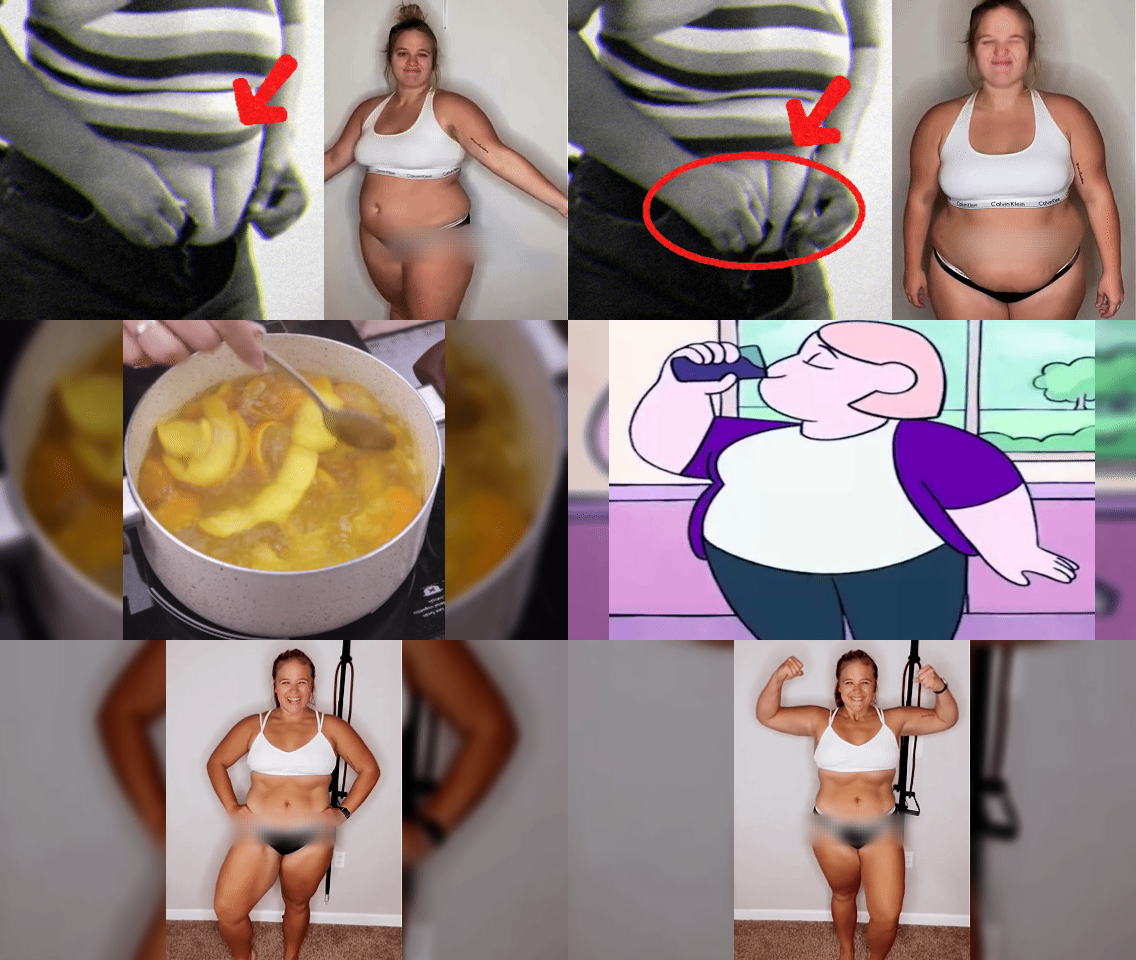
If you’ve been struggling to lose weight despite trying different diets, workouts, or “quick fixes,” the problem might not be your effort—it might be your routine. Specifically, your morning routine.
What you do in the first 60–90 minutes after waking up has a powerful impact on your metabolism, energy levels, appetite control, and fat-burning potential throughout the day. The good news? You don’t need anything extreme or complicated.
In this article, I’ll walk you through a simple, realistic morning routine designed to help your body burn more fat naturally—without burnout, restriction, or overwhelm.
Why Your Morning Routine Matters for Fat Loss
Your body wakes up in a unique metabolic state. After several hours of fasting during sleep, your insulin levels are lower, your cortisol is naturally elevated, and your body is primed to either:
- Burn stored fat efficiently
- Or shift into energy storage mode again (depending on your actions)
A well-structured morning routine helps you:
- Activate your metabolism
- Improve insulin sensitivity
- Control cravings later in the day
- Maintain steady energy levels
- Reduce emotional eating
Now let’s break down the exact steps.
Step 1: Wake Up and Hydrate Immediately
After 6–8 hours of sleep, your body is dehydrated. Even mild dehydration can slow down your metabolism and make you feel sluggish.
Start your day with 300–500ml of water within the first 5 minutes of waking up.
You can enhance this habit by adding:
- A pinch of salt (for electrolytes)
- Lemon (optional, mostly for taste)
Why this helps burn fat:
- Supports metabolic processes
- Improves digestion
- Helps control hunger signals
This is one of the simplest habits, yet most people skip it.
Step 2: Get Natural Light Exposure
Within 10–20 minutes of waking up, expose your eyes to natural sunlight.
This can be as simple as:
- Standing on your balcony
- Walking outside
- Sitting near a window with strong daylight
Why this matters:
- Regulates your circadian rhythm
- Improves sleep quality (which directly affects fat loss)
- Balances hormones like cortisol and melatonin
Better sleep = better fat burning. It’s that simple.
Step 3: Move Your Body (Light Activity First)
You don’t need an intense workout right away. In fact, starting with gentle movement is often more sustainable.
Options:
- 5–10 minutes of stretching
- A short walk
- Mobility exercises
- Light yoga
Why this helps:
- Activates blood flow
- Signals your body to “wake up” metabolically
- Prepares your body for more efficient fat usage
Consistency matters more than intensity here.
Step 4: Try Fasted Cardio (Optional but Powerful)
If your goal is fat loss, adding low-intensity cardio before breakfast can be very effective.
Examples:
- Walking for 20–30 minutes
- Slow cycling
- Light jogging
Why it works:
- Your insulin is low in the morning
- Your body is more likely to use stored fat for energy
Important note: This is optional. If you feel weak or uncomfortable, don’t force it. Fat loss is about sustainability, not suffering.
Step 5: Delay Your First Meal Slightly
You don’t have to eat immediately after waking up.
Delaying your first meal by 60–90 minutes can:
- Extend your fat-burning window
- Improve insulin sensitivity
- Help your body rely more on stored energy
This is a gentle form of intermittent fasting, without strict rules.
But listen to your body. If you feel dizzy or overly hungry, eat earlier.
Step 6: Eat a High-Protein Breakfast
When you do eat, focus on protein.
Good options include:
- Eggs
- Greek yogurt
- Lean meat
- Protein smoothies
Why protein is key:
- Keeps you full longer
- Reduces cravings
- Increases thermogenesis (calories burned during digestion)
A high-protein breakfast can reduce overall calorie intake throughout the day without you even noticing.
Step 7: Avoid Sugar in the Morning
One of the biggest mistakes people make is starting their day with sugar-heavy foods like:
- Sweet coffee drinks
- Pastries
- Sugary cereals
This causes:
- Blood sugar spikes
- Energy crashes
- Increased hunger later
Instead, keep your breakfast balanced with protein, healthy fats, and some complex carbs if needed.
Step 8: Set a Calm, Intentional Tone
Stress is one of the most underrated factors in weight gain.
A chaotic, rushed morning increases cortisol levels, which can:
- Promote fat storage (especially around the belly)
- Trigger emotional eating
- Disrupt hunger hormones
Spend 5–10 minutes doing something calming:
- Deep breathing
- Journaling
- Sitting quietly
A calm mind supports a disciplined body.
Step 9: Plan Your Meals for the Day
This doesn’t need to be complicated.
Just take a minute to think:
- What will I eat today?
- When will I eat?
This simple act reduces impulsive decisions and unhealthy choices later.
Fat loss is not just about willpower—it’s about reducing the need for willpower.
Step 10: Stay Consistent, Not Perfect
The most important part of this routine is consistency.
You don’t need to follow every step perfectly every day. Even doing 60–70% of this routine consistently will give you better results than extreme habits you can’t maintain.
Remember:
- Fat loss is a long-term process
- Small habits compound over time
- Your routine shapes your results
A Simple Example Morning Routine
Here’s how it might look in real life:
- Wake up → drink water
- Get sunlight for 10 minutes
- Do light stretching
- Walk for 20 minutes
- Delay breakfast slightly
- Eat a high-protein meal
- Take 5 minutes to relax and plan your day
Simple. Sustainable. Effective.
Final Thoughts
You don’t need a perfect diet or a punishing workout plan to lose fat. What you need is a routine that works with your body, not against it.
Your morning sets the tone for everything that follows—your energy, your hunger, your decisions, and ultimately your results.
Start small. Stay consistent. Trust the process.
Because real fat loss doesn’t come from doing more—it comes from doing the right things, repeatedly.