
The Let Them Theory and the Power of Focusing on Yourself

Have you ever found yourself overthinking what others are doing, trying to influence their decisions, or feeling stressed when things don’t go your way? If so, you’re not alone. Most of us have a natural tendency to control situations or people to protect ourselves from disappointment. But what if the secret to peace, confidence, and happiness lies in letting go and simply saying: “Let them”? That’s the heart of the Let Them Theory, a powerful mindset shift that encourages you to focus on yourself instead of obsessing over the choices of others.

In this article, we will dive deep into what the Let Them Theory is, why it matters, how it empowers you, and practical steps to apply it in everyday life. By the end, you’ll understand how focusing on yourself—not controlling others—can make you stronger, happier, and more fulfilled.

What Is the Let Them Theory?

The Let Them Theory is a simple but life-changing concept popularized by mindset and personal growth experts. The core idea is straightforward: When someone does something you don’t like or doesn’t meet your expectations, instead of reacting or trying to control the situation, simply say: “Let them.”

For example:

  • If your friends don’t invite you to a gathering, let them.
  • If someone cuts you off in traffic, let them.
  • If your partner wants to do something you’re not involved in, let them.

This doesn’t mean you stop caring or allow disrespect. It means you stop wasting your energy on things you can’t control and redirect that energy toward yourself—your goals, your growth, and your peace of mind.

Why Do We Struggle with Letting People Be?

Humans crave connection, approval, and predictability. When people act in ways we don’t like, it triggers fear—fear of rejection, loss, or failure. Our instinctive reaction is to control the situation: persuade them, argue, guilt-trip, or overcompensate.

But here’s the truth: You cannot control other people. You can only control your response. When you fight reality, you lose peace. The Let Them Theory frees you from this endless battle and shifts the focus back to where it belongs—on yourself.

The Psychology Behind the Let Them Theory

Psychologists call this locus of control—the degree to which you believe you have power over events in your life. People with an external locus of control blame others and circumstances for their happiness. Those with an internal locus of control take responsibility for their feelings and actions. The Let Them Theory strengthens your internal locus of control, reducing stress and increasing confidence.

It’s also tied to emotional detachment, a healthy skill that allows you to stay calm and objective without getting consumed by drama. Detachment isn’t coldness—it’s clarity.

How the Let Them Theory Empowers You

Here’s why this mindset is so transformative:

1. It Reduces Stress and Anxiety

When you stop trying to control others, you instantly reduce mental tension. You realize that their choices are about them, not you.

2. It Builds Self-Confidence

Instead of seeking validation from others, you invest in yourself—your goals, hobbies, and well-being. This independence boosts self-worth.

3. It Improves Relationships

Paradoxically, when you stop controlling people, relationships become healthier. You allow others to be themselves, and they feel more respected.

4. It Saves Energy for What Matters

Imagine how much energy you waste worrying about things beyond your control. By saying “Let them,” you free that energy for growth and joy.

5. It Makes You Emotionally Resilient

Life will always bring disappointment. The Let Them Theory helps you adapt instead of breaking under pressure.

Practical Ways to Apply the Let Them Theory

Knowing the theory is one thing—living it is another. Here are actionable tips:

1. Pause Before Reacting

When someone does something you dislike, take a deep breath and ask: “Can I control this?” If not, release it.

2. Practice Self-Talk

Say it out loud: “If they want to do that, let them.” This simple phrase rewires your brain to accept reality without resistance.

3. Shift Focus to Yourself

Instead of obsessing over what others are doing, channel that energy into your health, career, hobbies, and personal growth.

4. Create Boundaries

Letting them doesn’t mean tolerating disrespect. If someone crosses your boundaries, calmly enforce them without drama.

5. Journal Your Feelings

Write down situations where you applied the Let Them Theory. Notice how much calmer you feel compared to when you tried to control things.

6. Practice Daily Detachment

Start small. If someone doesn’t text back immediately, let them. If plans change, let them. Over time, it becomes second nature.

Real-Life Scenarios Where the Let Them Theory Works

  • Friendships: Your friends go out without you? Let them. True friends will include you when it matters.
  • Dating: Someone stops calling? Let them. If they don’t value you, you’re better off without them.
  • Work: A colleague takes credit for your idea? Let them—for now. Focus on your next achievement instead of revenge.
  • Social Media: People post things you don’t like? Let them. Their feed is about them, not you.

The Connection Between Letting Them and Self-Focus

When you stop worrying about others, you open space for self-improvement. Here’s how focusing on yourself changes everything:

  • You gain clarity about your values and goals.
  • You develop skills instead of gossiping or stressing.
  • You attract better people by radiating confidence and independence.

Self-focus is not selfish—it’s essential. You cannot pour from an empty cup.

The Let Them Theory and Emotional Freedom

True freedom is not doing whatever you want; it’s not being disturbed when others do what they want. That is emotional strength. When you internalize the Let Them Theory, you stop being a prisoner of other people’s actions.

Final Thoughts: Your Peace Is Worth More Than Control

The next time you feel the urge to control or overanalyze, pause and remember this: Your energy is precious. Spend it on yourself, not on controlling others. Let them make their choices, and you make yours. That’s where real power lies.

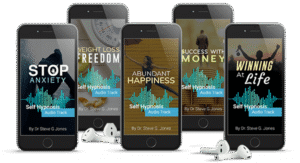
[Free Gift] Life-Changing Self Hypnosis Audio Track
Why Letting Go Makes You Stronger

Life often feels like a constant battle to hold on—to people, relationships, jobs, habits, and even expectations. We believe that clinging to what we know will give us security, happiness, and control. But what if the real power lies in releasing that grip? Letting go is not a sign of weakness; it is a sign of strength, resilience, and wisdom. In this article, we will explore why letting go can transform your life, make you stronger, and bring you closer to inner peace.

The True Meaning of Letting Go

When most people hear the phrase “letting go,” they think it means giving up, walking away, or quitting. But the truth is far deeper. Letting go is about freeing yourself from emotional attachment to outcomes you cannot control. It means releasing what no longer serves your growth, whether it’s a toxic relationship, unrealistic expectations, or past mistakes.

Letting go doesn’t mean you stop caring or that you are weak. In fact, it requires courage to trust life, to believe that something better is waiting for you, and to have faith in your ability to move forward.

Why Holding On Can Hold You Back

Why is it so hard to let go? Because as humans, we crave certainty. We think that if we hold on tighter, we can prevent pain, loss, or change. Unfortunately, this mindset often leads to:

  • Stress and Anxiety: Constantly worrying about outcomes you can’t control drains your mental energy.
  • Missed Opportunities: When you cling to the past, you block yourself from new beginnings.
  • Emotional Pain: Holding on to resentment, anger, or failed relationships keeps you stuck in a cycle of hurt.

By letting go, you create space for growth, clarity, and healing.

How Letting Go Makes You Stronger

Here are the key ways letting go builds inner strength:

1. It Teaches You Self-Trust

When you let go, you are telling yourself, “I trust my ability to handle whatever comes next.” This self-confidence is the foundation of resilience and emotional strength.

2. It Frees You from Emotional Baggage

Letting go of anger, guilt, or fear lightens your emotional load. This emotional freedom allows you to focus on the present instead of living in the shadow of the past.

3. It Builds Mental Resilience

Every time you release something you cannot control, you strengthen your ability to adapt. Life will always bring challenges, but resilience ensures you rise above them instead of being crushed by them.

4. It Opens the Door to New Opportunities

When your hands are full of what no longer serves you, there’s no room for better things. Letting go clears the way for new relationships, new ideas, and new experiences.

5. It Reduces Stress and Improves Health

Research shows that holding on to stress or grudges harms your mental and physical health. Letting go can lower blood pressure, improve sleep, and boost overall well-being.

Practical Steps to Start Letting Go

Knowing that letting go makes you stronger is one thing; doing it is another. Here are actionable tips:

1. Acknowledge What You Can’t Control

Make a list of things in your life you have no control over—other people’s actions, the past, or future outcomes. Accepting this reality is the first step toward peace.

2. Practice Mindfulness

Mindfulness keeps you grounded in the present moment, reducing your attachment to what has already happened or what might happen.

3. Replace Resistance with Acceptance

Instead of fighting change, embrace it. Ask yourself, “What lesson can I learn from this experience?”

4. Forgive and Release

Forgiveness is a powerful act of letting go. It doesn’t mean you approve of what happened—it means you refuse to let the pain control you.

5. Create Space for New Beginnings

Declutter your life emotionally and physically. Remove what no longer adds value—old habits, toxic relationships, limiting beliefs.

Real-Life Examples of Strength Through Letting Go

Think of athletes who retire at the peak of their careers. Letting go of fame and identity is hard, yet many find new purpose and happiness afterward. Or consider someone leaving a toxic relationship—they may feel weak at first, but over time, their strength and confidence soar.

The Spiritual Side of Letting Go

Many spiritual traditions teach that attachment causes suffering. By letting go, you align with life’s natural flow, trusting that the universe, God, or destiny has something better in store. This surrender is not about defeat—it’s about faith.

Final Thoughts: Your Strength Lies in Surrender

The next time you find yourself clinging to something out of fear or insecurity, ask yourself: “Is this helping me grow, or is it holding me back?” Letting go is an act of bravery. It’s a conscious choice to stop resisting and start living. And when you do, you’ll discover that you are stronger than you ever imagined.

[Free Gift] Life-Changing Self Hypnosis Audio Track

The Let Them Approach: The Secret to Saying ‘No’ Without Regret

Have you ever said “yes” when you really wanted to say “no,” only to feel stressed, resentful, or overwhelmed later? If so, you’re not alone. Many of us struggle with saying no because we fear conflict, rejection, or hurting someone’s feelings. The result? We end up sacrificing our peace to please others.

But what if there was a way to say no without regret—without guilt creeping in, and without damaging your relationships? Enter the Let Them Approach: a mindset shift that empowers you to set boundaries gracefully, protect your well-being, and let go of unnecessary stress.

In this ultimate guide, we’ll explore what the Let Them Approach is, why it works, and how you can apply it to confidently say no and feel good about it.

What Is the Let Them Approach?

The Let Them Approach is a simple yet powerful philosophy that says: “Let people think what they want, do what they want, and expect what they want—while you stay true to your own boundaries and priorities.”

In other words, stop trying to control other people’s reactions, opinions, or expectations. You can’t please everyone—and trying to do so will drain your energy and damage your self-esteem.

Instead of overexplaining, over-apologizing, or feeling guilty, you calmly decline requests that don’t align with your values, capacity, or goals. You let them have their feelings while you protect your peace.

This approach is rooted in self-respect and emotional independence. When you embrace it, you’ll discover that saying no is not selfish—it’s necessary for a balanced, healthy life.

Why Do We Struggle to Say No?

Before we dive deeper into the Let Them Approach, let’s understand why saying no feels so hard:

  1. Fear of Disappointing Others – Many people believe saying no will make others upset, which can trigger feelings of guilt.
  2. Desire for Approval – We want to be liked and accepted, so we agree to things even when we don’t want to.
  3. Avoidance of Conflict – Some people fear that saying no will lead to confrontation or damaged relationships.
  4. Cultural and Family Conditioning – Some cultures glorify self-sacrifice, making it feel wrong to put yourself first.
  5. Low Self-Worth – If you don’t value your time and energy, you’ll struggle to enforce boundaries.

The Let Them Approach helps you overcome these obstacles by shifting your focus from people-pleasing to peace-keeping.

The Core Principle: Let Them

The phrase “let them” is liberating because it removes the burden of control. Consider these examples:

  • They expect you to attend every social event? Let them expect it—you don’t have to go.
  • They think you’re rude for saying no? Let them think that—you know your truth.
  • They get upset because you declined their favor? Let them feel upset—emotions pass.

When you stop trying to manage other people’s expectations or reactions, you gain freedom. Their feelings belong to them, not you.

Why the Let Them Approach Works

  1. It Respects Individual Autonomy – You can’t control others, and they can’t control you. This approach honors mutual independence.
  2. It Reduces Guilt – Guilt often comes from over-identifying with others’ emotions. Letting them feel how they feel removes that weight.
  3. It Builds Confidence – Every time you assert a boundary without regret, you strengthen your self-worth.
  4. It Improves Relationships – Surprisingly, honesty fosters respect. People who truly value you will adjust.

How to Say No Without Regret Using the Let Them Approach

Here’s a step-by-step method to apply this philosophy in real life:

1. Pause Before Responding

When someone makes a request, don’t rush into yes. Take a moment to ask:

  • Do I want to do this?
  • Does this align with my priorities?
  • Will saying yes cause me stress?

If the answer is no, it’s okay to decline.

2. Keep Your Response Simple

You don’t need a long explanation. Try these guilt-free phrases:

  • “Thank you for thinking of me, but I can’t.”
  • “I appreciate the offer, but I’ll pass this time.”
  • “I won’t be able to, but I hope it goes well.”

Short, polite, and firm.

3. Release the Need to Control Their Reaction

They might feel disappointed. They might judge you. Let them. You are not responsible for their feelings—you’re responsible for your boundaries.

4. Practice Saying No in Low-Stakes Situations

Start small. Say no to an extra task at work or an event you’re not excited about. The more you practice, the easier it gets.

5. Remind Yourself: No Is a Complete Sentence

You don’t need to justify your decision. You are allowed to protect your time and energy without defending yourself.

6. Affirm Your Choice

After saying no, replace guilt with affirmations:

  • “I have the right to set boundaries.”
  • “Protecting my peace is important.”
  • “Saying no is an act of self-care.”

Common Scenarios Where the Let Them Approach Helps

  • Workplace Overload: When colleagues pile on tasks, let them expect your help—but decline if you’re at capacity.
  • Family Pressure: When relatives guilt-trip you about traditions, let them feel disappointed—but do what’s best for your well-being.
  • Social Invitations: When friends push you to attend events, let them want you there—but honor your need for rest.

The Psychological Benefits of Letting Them

  • Lower Stress: You stop overthinking every reaction.
  • Improved Mental Health: Reduced anxiety from people-pleasing.
  • More Authenticity: You show up as your true self, not a version molded by others’ expectations.
  • Stronger Relationships: Boundaries build respect, not resentment.

Overcoming the Guilt of Saying No

Feeling guilty after saying no? Here are strategies to cope:

  • Name the Guilt: “I feel guilty, but that doesn’t mean I did something wrong.”
  • Reframe It: Guilt means you’re breaking an old habit, not harming someone.
  • Focus on the Outcome: Your peace and energy are worth it.

Final Thoughts: Freedom Lies in Letting Them

The Let Them Approach is more than a communication strategy—it’s a lifestyle shift. When you let people think, expect, and react however they want, you reclaim your power. You can’t control their feelings, but you can control your choices.

So the next time someone pressures you, remember: let them—and let yourself say no without regret.

[Free Gift] Life-Changing Self Hypnosis Audio Track

How to Set Healthy Boundaries Without Feeling Guilty

Setting boundaries is essential for maintaining healthy relationships and preserving your mental well-being. Yet, many people struggle with guilt when saying “no” or enforcing limits. If you’ve ever felt like setting boundaries makes you selfish or unkind, you’re not alone. The truth is, healthy boundaries are a sign of self-respect—and they actually improve your relationships rather than harm them.

In this comprehensive guide, we’ll explore what healthy boundaries are, why they matter, common reasons for feeling guilty, and practical strategies to set boundaries without carrying that heavy sense of guilt.

What Are Healthy Boundaries?

Healthy boundaries are guidelines you set for how others can treat you, what you are comfortable with, and how you want to be respected. They help define what’s acceptable in your personal and professional life. Boundaries can be physical, emotional, mental, or even digital. For example:

  • Physical boundaries: How close someone can get to you, your personal space, or comfort with physical touch.
  • Emotional boundaries: Protecting your feelings and energy from emotional manipulation or over-involvement.
  • Time boundaries: Deciding how much time you dedicate to others versus yourself.
  • Digital boundaries: How often you engage with people online, answer texts, or share personal information.

When these boundaries are respected, you feel safe and valued. When they’re crossed, you may feel drained, resentful, or even taken advantage of.

Why Do We Feel Guilty About Setting Boundaries?

Guilt is one of the biggest barriers to healthy boundaries. Here are some common reasons why:

  1. Fear of Disappointing Others – Many of us are raised to believe that being agreeable makes us good people. Saying “no” can feel like letting someone down.
  2. Cultural and Family Expectations – Certain cultures or family dynamics emphasize self-sacrifice, making it hard to prioritize your own needs.
  3. Worry About Conflict – People often fear confrontation and think that setting a limit will lead to arguments or broken relationships.
  4. Low Self-Worth – If you don’t believe your needs matter, you may feel guilty for prioritizing yourself.

Understanding these reasons helps you challenge them and replace guilt with self-compassion.

The Importance of Setting Boundaries for Mental Health

Boundaries are not about rejecting others—they’re about protecting your well-being. Without boundaries, you risk burnout, stress, and even resentment toward the people you care about most. Here are some benefits of strong boundaries:

  • Improved Relationships: People respect you more when you’re clear about your limits.
  • Better Self-Esteem: Saying “no” reinforces that your needs are important.
  • Less Stress: You avoid overcommitting and feeling overwhelmed.
  • More Energy: You can focus on what truly matters instead of pleasing everyone.

When you prioritize your well-being, you’re in a better position to support others in a healthy way.

How to Set Healthy Boundaries Without Guilt

Now that you understand why boundaries are essential, let’s dive into practical steps for setting them without feeling like the “bad guy.”

1. Start Small and Practice

You don’t have to overhaul your entire life overnight. Begin by setting small boundaries in low-pressure situations. For example, politely decline an invitation when you’re tired, or take time for yourself without explaining every detail.

2. Use “I” Statements

Communicating boundaries doesn’t have to sound harsh. Use statements that express your needs rather than accuse others. For example:

  • Instead of: “You’re always calling me at night!”
  • Say: “I need to turn my phone off after 9 PM so I can rest.”

3. Replace Guilt with Gratitude

Instead of focusing on guilt, reframe it as gratitude. Thank yourself for honoring your needs. Remind yourself that taking care of your mental health allows you to show up better for others.

4. Anticipate Pushback

Not everyone will respect your boundaries immediately. That’s okay. Stay calm, repeat your boundary clearly, and avoid over-explaining. Consistency is key.

5. Remind Yourself: Boundaries Are Not Selfish

Healthy boundaries benefit everyone. They prevent resentment, improve communication, and foster mutual respect. Write this down if you need a daily reminder.

6. Seek Support

If you struggle with deep guilt, consider talking to a therapist or joining a support group. Professional guidance can help you reframe negative beliefs about boundaries.

Common Boundary-Setting Mistakes (And How to Avoid Them)

  • Over-Explaining: You don’t need a long justification for saying no. Keep it short and respectful.
  • Setting Boundaries in Anger: Calmly state your needs instead of lashing out.
  • Giving In Too Soon: If someone pressures you, don’t abandon your boundary. Stay firm but kind.
  • Being Inconsistent: Mixed signals confuse people and make it harder to enforce your boundaries.

How to Handle Boundary Guilt in the Moment

When guilt creeps in after saying no, try these quick tips:

  • Pause and Breathe: Take a few deep breaths to calm your mind.
  • Affirm Your Decision: Repeat, “My needs are valid. I deserve respect.”
  • Shift Your Perspective: Remind yourself that healthy boundaries lead to healthier relationships.

When Others React Negatively to Your Boundaries

It’s common for people to react with surprise, frustration, or even anger when you first set boundaries—especially if they’re used to you always saying yes. Remember:

  • Their reaction is about them, not you.
  • People who truly value you will adapt.
  • Standing your ground teaches others how to treat you.

Final Thoughts: Boundaries Are an Act of Self-Love

Setting boundaries without guilt takes practice, but the payoff is worth it. You’ll feel more confident, less stressed, and more respected. Remember, saying “no” to others often means saying “yes” to your well-being. And that’s never something to feel guilty about.

[Free Gift] Life-Changing Self Hypnosis Audio Track

Why Giving Your Partner Freedom Can Strengthen Your Relationship

Many people enter relationships believing that love means spending every moment together, sharing every thought, and being deeply involved in each other’s lives. While closeness is important, too much control or lack of personal space can slowly erode the trust and passion that keeps love alive. In reality, giving your partner freedom can be one of the most powerful ways to strengthen your relationship.

This might sound counterintuitive, especially in a society that glorifies the idea of “two becoming one.” But healthy love isn’t about losing individuality—it’s about thriving together while honoring each other’s independence.

In this article, we’ll explore why giving your partner space is essential for a strong relationship, the benefits it brings to both partners, and practical ways to make it work without feeling disconnected.

What Does “Freedom” in a Relationship Really Mean?

Freedom in a relationship does not mean neglect or emotional distance. It means trusting your partner enough to let them live authentically. It means not trying to control their friendships, hobbies, career choices, or personal time.

In a healthy partnership, freedom allows both individuals to maintain their identity while nurturing the bond they share. When both partners feel safe and supported, love becomes a choice—not an obligation.

Why Lack of Freedom Creates Relationship Problems

When freedom disappears from a relationship, control takes its place. One partner may begin monitoring the other’s every move, asking for constant updates, or imposing rules on who they can talk to or what they can do. This often stems from insecurity or fear of abandonment.

Unfortunately, controlling behavior can lead to:

  • Resentment: Nobody enjoys feeling trapped or micromanaged.
  • Loss of attraction: When one partner feels controlled, they may start pulling away emotionally.
  • Emotional burnout: Constant surveillance and arguments drain energy and love from the relationship.

Instead of creating security, over-control often has the opposite effect—it pushes the other person away.

Why Giving Your Partner Freedom Makes Love Stronger

When you allow your partner to have personal space and autonomy, you build a foundation of trust, respect, and mutual growth. Here’s why it works:

1. Freedom Builds Trust

Trust is the lifeline of any relationship. When you give your partner freedom without constant questioning, you show that you trust their intentions. This trust becomes mutual, and the bond between you grows stronger.

2. Independence Keeps the Spark Alive

Think about the early stages of your relationship—what made it exciting? Mystery, individuality, and discovery. When you maintain your own life and encourage your partner to do the same, it prevents boredom and keeps attraction alive.

3. Freedom Encourages Personal Growth

Relationships flourish when both partners continue growing as individuals. Giving each other space to pursue passions, friendships, and personal goals creates a healthier, happier dynamic.

4. It Reduces Conflict

Many arguments start when one partner feels smothered or restricted. Allowing freedom eliminates unnecessary power struggles and reduces tension in the relationship.

5. It Creates Emotional Security

When your partner knows they can be themselves without judgment or control, they feel safe. This emotional security deepens intimacy and makes the relationship more resilient.

Practical Ways to Give Your Partner Freedom Without Losing Connection

Giving your partner freedom doesn’t mean ignoring each other. It means balancing independence with togetherness. Here are some practical tips:

1. Encourage Individual Hobbies and Interests

If your partner loves painting, going to the gym, or spending time with friends, support them. Don’t see it as time away from you—see it as an opportunity for them to recharge and bring new energy into the relationship.

2. Avoid Over-Monitoring

Constantly checking your partner’s phone, questioning their every move, or demanding updates creates tension and distrust. Instead, build open communication where both of you share naturally without pressure.

3. Focus on Your Own Life Too

A strong relationship isn’t about dependency—it’s about interdependence. Pursue your own hobbies, friendships, and goals. When you’re fulfilled as an individual, you bring more happiness into the relationship.

4. Set Healthy Boundaries Together

Freedom doesn’t mean ignoring boundaries. Both partners should agree on what feels respectful—like communication habits, social media behavior, and personal space. Healthy boundaries create clarity and reduce misunderstandings.

5. Communicate Openly About Needs

If giving space makes you anxious, express that honestly without accusations. Talk about your feelings and work on building trust rather than restricting each other’s freedom.

Common Misconceptions About Giving Freedom

Many people fear that giving their partner freedom means losing them. But in reality, the opposite is true. When someone feels trusted and supported, they are more likely to stay committed. Freedom doesn’t weaken love—it strengthens it by removing pressure and allowing both people to breathe.

Another misconception is that freedom means lack of commitment. That’s not the case. A committed relationship with healthy independence is often more stable than a controlling, clingy one.

Final Thoughts: Love Thrives in Freedom

A relationship is strongest when two whole individuals choose to be together—not because they’re forced to, but because they genuinely want to. Giving your partner freedom is not a sign of weakness; it’s a sign of confidence, trust, and deep respect for who they are.

So the next time you feel the urge to control, pause and remind yourself: love is not about possession—it’s about freedom and choice. When you give your partner space to grow, you create a love that is strong, secure, and truly unbreakable.

[Free Gift] Life-Changing Self Hypnosis Audio Track