
21-Day Self-Love Handbook Through Small Actions

Self-love is often misunderstood as something grand, dramatic, or life-changing overnight. In reality, it is built quietly—through small, consistent actions that reshape how you see and treat yourself every single day.

If you’ve ever felt disconnected, overwhelmed, or like you’re constantly chasing a version of yourself that feels out of reach, this 21-day self-love handbook is your invitation to slow down and return to what truly matters: your relationship with yourself.

This guide is designed for those who are seeking personal development in a gentle, sustainable way. No pressure. No perfection. Just small actions that create real, lasting change.

Why 21 Days Can Change Your Relationship with Yourself

There’s a reason many personal growth practices are structured around 21 days. It’s long enough to build awareness and short enough to stay committed.

But more importantly, 21 days gives you space to:

  • Break unconscious patterns
  • Build new emotional habits
  • Reconnect with your inner voice

Self-love is not a destination. It’s a practice. And like any practice, it strengthens through repetition.

Over the next 21 days, you won’t try to become someone new. Instead, you’ll gently remove the layers that have been disconnecting you from who you already are.

How to Use This 21-Day Self-Love Handbook

Before we begin, here are a few simple principles to guide you:

  • Keep it simple: Each action is small by design
  • Be honest: There’s no benefit in pretending
  • Be consistent: Show up, even when it feels unnecessary
  • Be kind: You are not here to judge yourself

You can journal your experience, reflect quietly, or simply practice the actions throughout your day.

Now, let’s begin.

Week 1: Awareness and Reconnection

The first 7 days are about noticing—your thoughts, emotions, habits, and inner dialogue.

Day 1: Check In With Yourself

Pause for a few minutes and ask: “How am I really feeling today?”
No filters. No “I’m fine.” Just honesty.

Day 2: Write Without Judgment

Take 10 minutes to write whatever comes to mind. Don’t edit. Don’t correct. Let your thoughts flow.

Day 3: Notice Your Self-Talk

Pay attention to how you speak to yourself throughout the day. Would you say those words to someone you love?

Day 4: Identify One Emotional Need

What do you need right now? Rest? Space? Support? Acknowledge it.

Day 5: Spend Time Alone Intentionally

Not out of loneliness, but connection. Sit with yourself without distractions.

Day 6: Let Yourself Feel

Instead of avoiding discomfort, allow yourself to feel one difficult emotion fully.

Day 7: Reflect Without Criticism

Look back on the week. Notice patterns, not flaws.

Week 2: Boundaries and Self-Respect

Now that you’re more aware, it’s time to start choosing yourself.

Day 8: Say “No” Once

Set one boundary today. It can be small, but make it real.

Day 9: Stop Over-Explaining

Practice giving a simple answer without justifying your decision.

Day 10: Protect Your Energy

Limit one thing that drains you—social media, negative conversations, or overworking.

Day 11: Choose Comfort Over Approval

Wear something, do something, or say something that feels right for you—not for others.

Day 12: Take a Break Without Guilt

Rest, even if your to-do list is not complete.

Day 13: Distance from Comparison

Avoid comparing yourself to others for one full day.

Day 14: Honor Your Limits

Notice when you feel tired or overwhelmed—and respond with care, not pressure.

Week 3: Self-Trust and Inner Growth

The final 7 days focus on building trust within yourself.

Day 15: Keep One Promise to Yourself

Choose something small—and follow through.

Day 16: Celebrate a Small Win

Acknowledge something you did well today, no matter how small.

Day 17: Speak Kindly to Yourself

Replace one negative thought with a compassionate one.

Day 18: Do Something Just for You

Not for productivity. Not for validation. Just because you want to.

Day 19: Let Go of One Expectation

Release one unrealistic standard you’ve been holding onto.

Day 20: Visualize Your Future Self

Imagine a version of you who fully loves and trusts themselves. How do they live? Think? Feel?

Day 21: Write a Letter to Yourself

Reflect on the past 21 days. Write a message of understanding, encouragement, and appreciation to yourself.

What Changes After 21 Days?

You may not feel completely transformed—and that’s okay.

But you will notice subtle shifts:

  • You pause before criticizing yourself
  • You recognize your needs more clearly
  • You feel less dependent on external validation
  • You begin to trust your own voice

These are not small changes. They are foundational.

Because once you start showing up for yourself consistently, everything else begins to shift—your confidence, your relationships, your decisions.

The Power of Small Actions

Many people delay self-love because they believe it requires big changes: a new life, a new mindset, a new version of themselves.

But the truth is simpler.

Self-love is built in the smallest moments:

  • The way you speak to yourself when you make a mistake
  • The way you respond when you feel tired
  • The way you honor your boundaries

These moments may seem insignificant, but they define your relationship with yourself.

And when that relationship improves, your entire life follows.

Final Thoughts

You don’t need to wait for a better version of yourself to begin loving who you are.

You don’t need to earn rest, prove your worth, or fix every flaw.

You just need to start—gently, honestly, and consistently.

This 21-day self-love handbook is not about becoming perfect. It’s about becoming present.

It’s about choosing yourself, even in the smallest ways.

And if you continue beyond these 21 days, you’ll realize something powerful:

Self-love is not something you find.
It’s something you practice.

Every day.

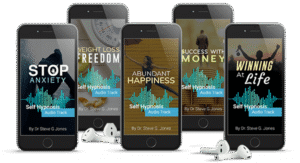
[Free Gift] Life-Changing Self Hypnosis Audio Track
5 Self-Love Habits from Within

In a world that constantly tells you to be more, do more, and prove more, self-love often becomes something we chase externally instead of cultivating internally. We look for validation in achievements, compliments, and social approval—only to find that the feeling never truly lasts.

Real self-love doesn’t come from outside recognition. It grows quietly, deeply, and steadily from within.

If you’ve been feeling disconnected from yourself, overwhelmed by expectations, or simply tired of never feeling “enough,” this guide is for you. These five self-love habits are not about perfection or performance—they’re about coming home to yourself.

Why Self-Love from Within Matters

Before we explore the habits, it’s important to understand one key truth: self-love is not a luxury—it’s a foundation.

When your sense of worth depends on external factors, you become emotionally fragile. One criticism can ruin your day. One comparison can make you question your entire journey.

But when self-love comes from within, you become grounded. You don’t need constant reassurance. You don’t abandon yourself when things get hard.

You become your own safe place.

These habits will help you build that inner stability.

1. Keep a Healing Journal

Writing is one of the most powerful ways to reconnect with yourself. A healing journal is not about documenting your day—it’s about understanding your inner world.

When you write honestly, without filters or judgment, you give your thoughts and emotions a place to exist. You stop suppressing. You start processing.

You might discover patterns you didn’t notice before. You might uncover emotions you’ve been avoiding. And slowly, you begin to understand yourself on a deeper level.

You don’t need to be a “good writer.” You just need to be honest.

Start with simple prompts:

  • What am I feeling right now?
  • What has been weighing on me lately?
  • What do I need but haven’t allowed myself to ask for?

Over time, your journal becomes more than pages—it becomes a mirror, a release, and a form of self-compassion.

2. Dress for Yourself, Not for Approval

Many people don’t realize how much their self-image is shaped by others. The way you dress, present yourself, or even carry your body can be influenced by the desire to be liked, admired, or accepted.

But self-love begins when you shift that focus.

What if you dressed in a way that made you feel comfortable, confident, and authentic—regardless of trends or opinions?

When you choose yourself in small ways like this, you send a powerful message inward: “I matter more than their approval.”

This doesn’t mean you ignore social norms entirely. It simply means your decisions come from alignment, not pressure.

You stop asking, “Will they like this?”
And start asking, “Do I feel like myself in this?”

That shift is subtle, but it changes everything.

3. Say “No” Without Needing to Explain

One of the clearest signs of low self-worth is the inability to set boundaries.

You say yes when you want to say no.
You over-explain to avoid disappointing others.
You prioritize being liked over being respected.

But here’s the truth: every time you say yes to something that drains you, you say no to yourself.

Learning to say “no” is not about being rude—it’s about being honest.

You don’t owe everyone an explanation for your limits. A simple, respectful “I can’t do that right now” is enough.

At first, it may feel uncomfortable. You may worry about how others will react. But over time, you’ll notice something important:

The right people will respect your boundaries.
And more importantly, you’ll start respecting yourself.

Boundaries are not walls—they are acts of self-love.

4. Allow Yourself to Rest When Needed

In a culture that glorifies hustle and productivity, rest is often seen as laziness. Many people feel guilty for slowing down, as if their worth is tied to how much they achieve.

But you are not a machine.

You are human. And humans need rest—not just physically, but emotionally and mentally.

Self-love means listening to your body and honoring its signals.

If you’re tired, rest.
If you’re overwhelmed, pause.
If you’re burned out, step back.

Rest is not a reward you earn after exhaustion—it’s a necessity that prevents it.

When you allow yourself to rest without guilt, you begin to rebuild your relationship with yourself. You show that your needs matter, even when no one else is watching.

And ironically, when you rest properly, you return stronger, clearer, and more focused.

5. Don’t Compare Your Journey to Anyone Else

Comparison is one of the fastest ways to destroy self-worth.

In the age of social media, it’s easy to feel like everyone else is ahead—more successful, more confident, more fulfilled.

But what you’re seeing is not the full story. It’s a highlight reel, not reality.

Everyone has their own timeline, struggles, and starting points.

When you compare your journey to someone else’s, you ignore your unique path. You overlook your progress. You diminish your own growth.

Self-love means staying in your lane.

It means recognizing that your pace is valid.
Your journey is valid.
Your growth—even if slow—is still growth.

Instead of asking, “Why am I not there yet?”
Ask, “How far have I come?”

That shift in perspective builds confidence, gratitude, and inner peace.

How to Start Building These Habits Today

You don’t need to change your entire life overnight. Self-love is not built in one big moment—it’s built in small, consistent choices.

Start with one habit.

Maybe you write for five minutes tonight.
Maybe you say no to something that drains you.
Maybe you choose rest instead of pushing through exhaustion.

These small actions may seem insignificant, but they compound over time.

And slowly, something changes.

You become kinder to yourself.
You trust yourself more.
You stop seeking permission to be who you are.

The Deeper Truth About Self-Love

Self-love is not always soft and easy. Sometimes, it looks like discipline. Sometimes, it looks like uncomfortable honesty. Sometimes, it means letting go of people or patterns that no longer serve you.

But at its core, self-love is about one thing: not abandoning yourself.

Not when you fail.
Not when you feel lost.
Not when you don’t meet expectations.

Especially in those moments.

Because the relationship you have with yourself sets the tone for every other relationship in your life.

When you treat yourself with respect, others are more likely to do the same.
When you value yourself, you stop settling for less.
When you love yourself from within, you no longer need to chase it externally.

Final Thoughts

You don’t need to become someone new to be worthy of love. You don’t need to fix everything about yourself before you can accept who you are.

You just need to start choosing yourself—again and again, in small, quiet ways.

These five habits are not just practices. They are reminders.

Reminders that you are allowed to take up space.
That your needs matter.
That your journey is your own.

And most importantly, that the love you’ve been searching for has been within you all along.

Start there.

[Free Gift] Life-Changing Self Hypnosis Audio Track

Self-Love Is Not Selfish – It’s The Bravest Act You Can Take

In a world that constantly tells you to give more, do more, and be more for others, choosing yourself can feel uncomfortable—even wrong. You’ve probably been taught, directly or indirectly, that putting your needs first is selfish. That caring deeply about your own well-being somehow takes away from others.

But what if the opposite is true?

What if self-love isn’t selfish at all… but one of the most courageous decisions you can make?

This article is a deep dive into what self-love really means, why so many people struggle with it, and how you can begin building a healthier, more compassionate relationship with yourself—without guilt, without shame, and without apology.

What Self-Love Really Means (And What It Doesn’t)

Self-love is often misunderstood. It’s not about arrogance, narcissism, or thinking you’re better than others. It’s not about ignoring your flaws or pretending everything is perfect.

True self-love is grounded in honesty and compassion.

It means:

  • Accepting who you are, including your imperfections
  • Taking responsibility for your growth
  • Setting boundaries that protect your peace
  • Choosing what nourishes you emotionally, mentally, and physically

Self-love is not about inflating your ego—it’s about stabilizing your inner world.

It’s the quiet decision to treat yourself with the same kindness you offer to others.

Why Self-Love Feels So Difficult

If self-love is so important, why does it feel so hard?

Because most people were never taught how to do it.

From a young age, many of us learned to seek validation externally. Praise, approval, and love often came from meeting expectations—being “good,” being helpful, being successful. Over time, we internalized a dangerous belief:

“I am worthy only when I am useful to others.”

This belief creates a pattern where:

  • You prioritize others at your own expense
  • You feel guilty when you rest
  • You fear being seen as selfish
  • You ignore your own emotional needs

Breaking this pattern requires courage. It means challenging everything you’ve been conditioned to believe.

And that’s why self-love is a brave act.

The Hidden Cost of Not Loving Yourself

When you neglect yourself long enough, it doesn’t just affect your mood—it shapes your entire life.

You may find yourself:

  • Staying in unhealthy relationships
  • Overworking to prove your worth
  • Feeling empty even when everything looks “fine”
  • Struggling with burnout and emotional exhaustion

Without self-love, your decisions are often driven by fear, not clarity.

You say yes when you want to say no.
You tolerate what you don’t deserve.
You chase approval instead of alignment.

And slowly, you lose connection with who you truly are.

Why Self-Love Is Actually Selfless

Here’s the truth most people don’t talk about:

When you don’t love yourself, you unintentionally place the burden of your happiness on others.

You expect people to validate you, complete you, or fix what you haven’t healed within yourself.

But when you practice self-love:

  • You become emotionally independent
  • You give without expecting in return
  • You build healthier, more balanced relationships
  • You show up as your authentic self

Self-love doesn’t take away from others—it enhances how you connect with them.

You can’t pour from an empty cup.
And loving yourself is how you fill it.

The Courage It Takes to Choose Yourself

Choosing yourself is not easy.

It means:

  • Saying no when others expect yes
  • Walking away from what no longer serves you
  • Facing your insecurities instead of avoiding them
  • Letting go of the need for constant approval

These choices can feel uncomfortable, even painful.

People might not understand. Some may even resist the new version of you—especially if they benefited from your lack of boundaries.

But growth often feels like loss before it feels like freedom.

And every time you choose yourself, you reinforce a powerful message:

“I matter.”

Practical Ways to Start Loving Yourself Today

Self-love isn’t built overnight. It’s a daily practice—one small decision at a time.

Here are some realistic, actionable ways to begin:

1. Pay Attention to Your Inner Voice

Notice how you talk to yourself.

Are you constantly criticizing, doubting, or comparing?

Start replacing harsh thoughts with supportive ones. Not fake positivity—but balanced, compassionate truth.

Instead of: “I’m not good enough”
Try: “I’m still growing, and that’s okay”

2. Set Boundaries Without Guilt

You are allowed to protect your energy.

Saying no doesn’t make you a bad person—it makes you a self-respecting one.

Boundaries are not walls. They are guidelines for how others can treat you.

3. Prioritize Rest Without Shame

Rest is not a reward—it’s a necessity.

You don’t have to earn the right to slow down.

Taking care of your body and mind is part of loving yourself, not avoiding responsibility.

4. Stop Chasing Validation

Not everyone will understand you. Not everyone will approve of your choices.

And that’s okay.

Your life is not meant to be lived according to other people’s expectations.

Learn to validate yourself.

5. Reconnect With What You Love

What brings you joy?

Not what looks productive. Not what impresses others.

But what genuinely makes you feel alive.

Self-love includes giving yourself permission to experience joy without justification.

The Transformation That Comes With Self-Love

When you truly start loving yourself, everything begins to change.

You no longer:

  • Settle for less than you deserve
  • Seek constant approval
  • Fear being alone

Instead, you:

  • Make decisions from confidence, not insecurity
  • Build relationships based on respect, not dependency
  • Feel at peace with who you are becoming

Self-love doesn’t make life perfect—but it makes you stronger, calmer, and more grounded.

It becomes your foundation.

You Are Not Behind—You Are Beginning

If you’re just starting this journey, remember this:

You are not late.
You are not broken.
You are not too far gone.

You are simply learning something you were never taught.

And every small step you take toward yourself matters.

Even on the days when it feels hard.
Even on the days when you doubt your progress.

Especially on those days.

Final Thoughts: Choosing Yourself Is the Bravest Thing You’ll Ever Do

Self-love is not loud. It doesn’t always look like confidence or success.

Sometimes, it looks like:

  • Walking away quietly
  • Resting when no one understands
  • Starting over when it would be easier to stay the same

It’s a deeply personal, often invisible act of courage.

But it changes everything.

Because when you finally learn to love yourself, you stop looking for someone else to complete you.

You realize you were whole all along.

And from that place, you don’t just survive—you truly begin to live.

[Free Gift] Life-Changing Self Hypnosis Audio Track

The Problem with Toxic Productivity

In a world that glorifies hustle, celebrates burnout as dedication, and equates self-worth with output, productivity has become more than just a tool—it has become an identity.

You’ve probably felt it before: the pressure to always be doing something “useful,” the guilt when you rest, the anxiety when your to-do list isn’t complete. You might even measure your day not by how you feel, but by how much you accomplished.

This is the hidden cost of what many now call toxic productivity.

In this deeply reflective and practical guide, we’ll explore what toxic productivity really is, why it’s so dangerous, how it silently affects your mental health and growth, and how to reclaim a healthier, more sustainable relationship with productivity.

What Is Toxic Productivity?

Toxic productivity is the belief that your worth is directly tied to how much you produce.

It’s the internal voice that says:

  • “If I’m not working, I’m wasting time.”
  • “I should be doing more.”
  • “Rest is for the weak.”
  • “I’ll feel better once I achieve more.”

At first glance, it can look like ambition, discipline, or drive. But underneath, it’s often fueled by fear, insecurity, and a need for validation.

The problem is not productivity itself. Productivity is a powerful tool for growth. The problem is when productivity becomes compulsive, obsessive, and disconnected from your well-being.

Why Toxic Productivity Is So Common Today

Modern culture has created the perfect environment for toxic productivity to thrive.

1. Hustle Culture and Social Media

Everywhere you look, people are sharing their wins:

  • Promotions
  • Side hustles
  • Early morning routines
  • “No days off” mindsets

What you don’t see are the breakdowns, the exhaustion, and the sacrifices behind the scenes.

This creates a distorted reality where it feels like everyone is doing more than you—and that you’re falling behind.

2. The Fear of Falling Behind

In a fast-paced world, standing still can feel like failure.

This fear pushes people to constantly chase more:

  • More achievements
  • More income
  • More recognition

But the truth is, this race has no finish line.

3. Validation Through Achievement

For many people, productivity becomes a way to feel worthy.

You might unconsciously believe:

  • “If I achieve more, I’ll be enough.”
  • “If I stay busy, I won’t feel empty.”

This turns productivity into emotional avoidance rather than meaningful progress.

The Hidden Costs of Toxic Productivity

Toxic productivity doesn’t always show up as burnout immediately. It often builds slowly, quietly, and invisibly.

1. Chronic Burnout

Constantly pushing yourself without rest leads to physical and mental exhaustion.

You may notice:

  • Low energy even after sleep
  • Lack of motivation
  • Feeling overwhelmed by simple tasks

Ironically, the more you push, the less effective you become.

2. Loss of Joy

When every activity is evaluated based on productivity, you lose the ability to enjoy life.

Rest feels like guilt. Hobbies feel like a waste of time. Even moments of relaxation are overshadowed by thoughts of what you “should” be doing.

3. Shallow Progress

Toxic productivity often prioritizes quantity over quality.

You might:

  • Rush through tasks
  • Avoid deep thinking
  • Focus on checking boxes instead of meaningful work

This leads to progress that looks good on the surface but lacks depth.

4. Identity Crisis

When your identity is tied to productivity, what happens when you slow down?

You may feel lost, anxious, or even worthless.

This is one of the most damaging effects—because it disconnects you from who you are beyond what you do.

Signs You Might Be Trapped in Toxic Productivity

You don’t have to be working 16 hours a day to be affected.

Ask yourself:

  • Do I feel guilty when I rest?
  • Do I struggle to relax without thinking about work?
  • Do I constantly feel like I’m not doing enough?
  • Do I tie my self-worth to my achievements?
  • Do I feel anxious when I’m not being “productive”?

If you answered yes to several of these, you may be caught in the cycle.

The Psychology Behind Toxic Productivity

Understanding why this happens is key to breaking free.

1. Fear of Not Being Enough

At its core, toxic productivity is often driven by a deep belief:

“I am not enough as I am.”

So you try to compensate by doing more, achieving more, becoming more.

But no amount of productivity can fix a belief rooted in self-worth.

2. Avoidance of Discomfort

Staying busy can be a way to avoid:

  • Difficult emotions
  • Unresolved trauma
  • Existential questions about purpose

Productivity becomes a distraction from inner work.

3. Control in an Uncertain World

When life feels unpredictable, productivity offers a sense of control.

Completing tasks gives you a temporary feeling of certainty and accomplishment.

But over time, this becomes addictive.

Healthy Productivity vs. Toxic Productivity

It’s important to distinguish between the two.

Healthy productivity:
  • Comes from clarity and purpose
  • Includes rest and recovery
  • Focuses on meaningful progress
  • Supports your well-being
Toxic productivity:
  • Comes from fear and pressure
  • Ignores physical and emotional limits
  • Focuses on constant output
  • Damages your well-being

The difference isn’t how much you do—it’s why and how you do it.

How to Break Free from Toxic Productivity

Shifting away from toxic productivity doesn’t mean becoming lazy or unambitious. It means creating a healthier, more sustainable approach to growth.

1. Redefine What Productivity Means

Instead of measuring productivity by output alone, include:

  • Quality of work
  • Presence and focus
  • Emotional well-being

Sometimes, the most productive thing you can do is rest.

2. Schedule Rest Without Guilt

Rest is not a reward—it’s a requirement.

Treat rest as a non-negotiable part of your routine, just like work.

3. Practice Doing Nothing

This may feel uncomfortable at first.

Start small:

  • Sit without your phone
  • Take a walk without a goal
  • Allow your mind to wander

This helps retrain your brain to detach from constant stimulation.

4. Set Boundaries with Work

Create clear limits:

  • Define when your workday ends
  • Avoid checking emails outside those hours
  • Learn to say no to unnecessary commitments

Boundaries protect your energy and focus.

5. Focus on Fewer, More Meaningful Goals

Instead of trying to do everything, choose what truly matters.

Depth creates more impact than constant activity.

6. Reconnect with Your Identity

Ask yourself:

  • Who am I beyond what I achieve?
  • What do I enjoy without turning it into productivity?
  • What gives my life meaning?

This helps you rebuild a sense of self that isn’t tied to output.

Building a Sustainable Growth Mindset

True personal development isn’t about doing more—it’s about becoming more aligned.

A sustainable mindset includes:

  • Growth without burnout
  • Discipline with compassion
  • Progress with patience

It allows you to move forward without losing yourself in the process.

A New Definition of Success

What if success wasn’t about how much you produce, but how well you live?

Imagine a life where:

  • You can rest without guilt
  • You feel fulfilled, not just busy
  • You grow at a pace that honors your well-being

This isn’t a lack of ambition—it’s a higher level of awareness.

Final Thoughts: You Are More Than What You Produce

Toxic productivity convinces you that your value lies in your output.

But your worth is not something you earn through constant effort.

You are allowed to:

  • Rest without justification
  • Slow down without guilt
  • Exist without constantly proving your value

When you step away from toxic productivity, you don’t lose your drive—you refine it.

You begin to work with intention instead of pressure, with clarity instead of chaos, and with purpose instead of fear.

And in doing so, you don’t just become more productive—you become more whole.

[Free Gift] Life-Changing Self Hypnosis Audio Track

Self-Improvement Without Burnout: A New Approach

In a world obsessed with productivity, optimization, and constant growth, self-improvement has become both a powerful tool—and a hidden trap. Everywhere you look, there’s pressure to wake up earlier, work harder, read more, and become “better” faster.

But here’s the uncomfortable truth:
Many people burn out not because they’re lazy—but because they’re trying too hard, too fast, for too long.

If you’ve ever felt exhausted by your own self-improvement journey, this article will show you a different path. One that is sustainable, effective, and deeply aligned with who you are.

Welcome to a new approach: self-improvement without burnout.

Why Traditional Self-Improvement Often Fails

At first glance, most self-improvement advice seems helpful. It encourages discipline, ambition, and growth. But underneath, there are hidden patterns that can lead to burnout.

1. The “All or Nothing” Mentality

You start strong:

  • Wake up at 5 AM
  • Exercise daily
  • Journal every morning
  • Read 30 pages a day

For a few days—or even weeks—you feel unstoppable.

Then life happens.

You miss a day. Then another. Suddenly, everything collapses.

This rigid approach doesn’t leave room for real life. And when perfection breaks, motivation often disappears with it.

2. Overloading Yourself With Too Many Goals

Trying to improve every area of your life at once can feel exciting—but it quickly becomes overwhelming.

  • Fitness
  • Career
  • Relationships
  • Mental health
  • Finances

When everything is a priority, nothing truly gets your full attention.

3. Confusing Activity With Progress

Being busy feels productive. But constant action doesn’t always mean meaningful growth.

You can:

  • Watch hours of motivational content
  • Read dozens of books
  • Plan endlessly

And still feel stuck.

Burnout often comes from doing too much without real direction.

What Burnout Really Looks Like in Self-Improvement

Burnout isn’t always dramatic. It often shows up quietly:

  • You feel tired even after resting
  • You lose motivation for things you once cared about
  • You feel guilty for not doing enough
  • You start avoiding your own goals
  • Growth begins to feel like pressure instead of excitement

This is not a failure of discipline. It’s a sign that your approach needs to change.

A New Philosophy: Sustainable Self-Improvement

Instead of pushing harder, what if the goal was to grow in a way you can actually maintain?

Sustainable self-improvement is built on three key principles:

1. Progress Over Intensity

Small, consistent actions outperform extreme effort over time.

Reading 5 pages a day may not feel impressive—but over a year, it becomes life-changing.

2. Flexibility Over Perfection

Life is unpredictable. Your system should adapt—not break—when things don’t go as planned.

Missing a day doesn’t mean starting over. It just means continuing.

3. Alignment Over Pressure

Growth should feel meaningful, not forced.

When your goals align with your values, consistency becomes easier—and burnout becomes less likely.

The Core Pillars of Burnout-Free Growth
1. Start Smaller Than You Think

Most people overestimate what they can sustain.

Instead of:

  • “I’ll work out 1 hour every day”

Try:

  • “I’ll move my body for 10 minutes”

This might seem too easy—but that’s the point.

Consistency builds identity. And identity drives long-term change.

2. Focus on One Area at a Time

You don’t need to fix your entire life at once.

Choose one priority:

  • Health
  • Mindset
  • Skill development
  • Relationships

Give it your attention for a period of time. Once it becomes stable, move to the next.

3. Build Systems, Not Just Goals

Goals give direction, but systems create results.

Instead of focusing only on outcomes:

  • “I want to lose 10 kg”

Focus on systems:

  • “I will eat balanced meals daily”
  • “I will walk 8,000 steps”

Systems reduce decision fatigue and make progress automatic.

4. Redefine Discipline

Discipline is often misunderstood as forcing yourself to do things you don’t want to do.

A healthier definition is:
“Doing what matters in a way that respects your limits.”

Sometimes discipline means pushing forward.
Other times, it means resting without guilt.

5. Schedule Rest as Part of Growth

Rest is not a reward—it’s a requirement.

Without recovery:

  • Your energy drops
  • Your focus declines
  • Your motivation fades

High performers don’t avoid rest. They protect it.

6. Let Go of Comparison

Comparing your journey to others is one of the fastest ways to burn out.

You don’t see:

  • Their struggles
  • Their setbacks
  • Their real timeline

You only see highlights.

Your path is different—and it’s supposed to be.

The Power of Gentle Consistency

There’s a quiet strength in showing up, even when it’s not perfect.

  • Doing a short workout instead of skipping it
  • Writing one paragraph instead of none
  • Taking a small step forward on a hard day

These actions may feel insignificant—but they compound over time.

Gentle consistency builds:

  • Confidence
  • Trust in yourself
  • Long-term momentum

And most importantly, it protects you from burnout.

How to Stay Motivated Without Exhaustion

Motivation is not something you wait for—it’s something you design your environment around.

Here’s how:

Make It Easy to Start

Reduce friction:

  • Prepare your workout clothes in advance
  • Keep your journal visible
  • Break tasks into smaller steps

The easier it is to begin, the more likely you are to follow through.

Celebrate Small Wins

Progress is not just big milestones.

It’s:

  • Showing up
  • Staying consistent
  • Choosing growth over comfort

Recognizing these moments keeps motivation alive.

Track Progress Visually

Seeing progress—even small—creates momentum.

  • Habit trackers
  • Journals
  • Simple checklists

These tools reinforce consistency and build confidence.

When to Push and When to Pause

One of the most important skills in self-improvement is knowing the difference between:

  • Discomfort that leads to growth
  • Exhaustion that leads to burnout

Ask yourself:

  • Am I tired—or am I avoiding discomfort?
  • Do I need rest—or do I need discipline?

There’s no single answer. But learning to listen to yourself is part of the process.

A Long-Term Perspective on Growth

Real self-improvement is not a 30-day challenge.

It’s a lifelong journey.

There will be:

  • Fast progress
  • Slow phases
  • Setbacks
  • Breakthroughs

What matters is not how quickly you improve—but whether you keep going without losing yourself in the process.

Final Thoughts

Self-improvement should not feel like a constant battle against yourself.

It should feel like a process of understanding, supporting, and gradually strengthening who you are.

You don’t need to:

  • Do everything perfectly
  • Change overnight
  • Prove your worth through productivity

You just need to take one step—consistently, patiently, and with awareness.

Because the goal is not just to become better.

It’s to become better without burning out along the way.

And that’s a version of growth you can actually sustain for life.

[Free Gift] Life-Changing Self Hypnosis Audio Track