
Best Foods for Eye Health: What to Eat for Stronger Vision

Your eyes are your window to the world, yet they are often neglected until problems arise. With the rise of digital screens, environmental stress, and aging, more people are experiencing eye strain, dryness, and vision decline than ever before. While genetics and lifestyle play a role in eye health, what you eat can make a remarkable difference in protecting your vision.

The truth is, your diet directly affects your eyes. Certain vitamins, minerals, and antioxidants strengthen eye tissues, reduce oxidative stress, and help prevent age-related conditions like cataracts, glaucoma, and macular degeneration. In this article, we’ll explore the best foods for eye health, why they matter, and how to include them in your daily meals for stronger, clearer vision.

Why Nutrition Matters for Eye Health

The eyes are highly sensitive organs that require constant nourishment. They depend on a rich supply of oxygen, blood flow, and protective antioxidants to function properly. Unfortunately, factors such as excessive screen time, poor diet, smoking, and exposure to UV light increase oxidative stress, which damages eye cells over time.

Eating nutrient-rich foods can help:

  • Protect the retina and macula from degeneration
  • Reduce the risk of cataracts and glaucoma
  • Improve tear production and reduce dry eyes
  • Strengthen the optic nerve
  • Enhance overall visual clarity

Now let’s break down the top foods you should eat for better vision.

Leafy Green Vegetables – Rich in Lutein and Zeaxanthin

Leafy greens such as spinach, kale, collard greens, and Swiss chard are packed with two carotenoids—lutein and zeaxanthin—that are essential for eye health. These compounds accumulate in the macula, where they act as natural filters against harmful blue light and UV rays.

Benefits:

  • Reduce risk of age-related macular degeneration (AMD)
  • Protect against cataracts
  • Support sharp central vision

How to eat them: Add spinach to smoothies, toss kale into salads, or sauté Swiss chard with garlic as a nutrient-rich side dish.

Carrots and Sweet Potatoes – Loaded with Vitamin A

Carrots and sweet potatoes are famous for being “good for the eyes,” and for good reason—they are rich in beta-carotene, a precursor of Vitamin A. This vitamin is essential for the production of rhodopsin, a pigment in the retina that helps you see in low light.

Benefits:

  • Prevents night blindness
  • Keeps the cornea healthy
  • Reduces risk of dry eyes

How to eat them: Enjoy carrot sticks as a snack, roast sweet potatoes for dinner, or blend carrots into fresh juices.

Fatty Fish – Omega-3 Fatty Acids for Dry Eyes

Salmon, tuna, mackerel, and sardines are rich in omega-3 fatty acids (EPA and DHA), which play a crucial role in maintaining the health of the retina and improving tear production.

Benefits:

  • Prevents dry eye syndrome
  • Supports healthy retinal function
  • Reduces inflammation in eye tissues

How to eat them: Aim for two servings of fatty fish per week. Grill salmon, add tuna to salads, or try sardines on whole-grain toast.

Eggs – A Complete Eye-Friendly Food

Eggs are one of the most versatile and nutrient-dense foods for eye health. They contain lutein, zeaxanthin, Vitamin A, and zinc, all of which support vision.

Benefits:

  • Protect against macular degeneration
  • Support healthy night vision
  • Improve absorption of carotenoids thanks to healthy fats

How to eat them: Start your morning with boiled eggs, make an omelet with vegetables, or add a poached egg to whole-grain toast.

Citrus Fruits – Vitamin C for Stronger Eye Tissues

Oranges, lemons, grapefruits, and limes are excellent sources of Vitamin C, a powerful antioxidant that supports blood vessels in the eyes.

Benefits:

  • Lowers risk of cataracts
  • Protects against oxidative damage
  • Strengthens collagen in the cornea

How to eat them: Drink fresh orange juice, squeeze lemon over salads, or enjoy grapefruit slices as a snack.

Nuts and Seeds – Vitamin E for Eye Protection

Almonds, walnuts, chia seeds, and sunflower seeds are high in Vitamin E, an antioxidant that protects eye cells from free radical damage.

Benefits:

  • Slows down age-related macular degeneration
  • Protects eye membranes from oxidative stress
  • Improves overall vision health

How to eat them: Keep a handful of almonds as a snack, sprinkle chia seeds into smoothies, or add sunflower seeds to salads.

Berries – Antioxidants for Retinal Health

Blueberries, blackberries, and strawberries are packed with antioxidants such as anthocyanins, which improve circulation and protect the retina.

Benefits:

  • Strengthen blood vessels in the eyes
  • Support night vision
  • Reduce inflammation and oxidative damage

How to eat them: Add berries to oatmeal, blend them into smoothies, or enjoy them as a fresh snack.

Legumes – Zinc and Bioflavonoids

Lentils, chickpeas, kidney beans, and black beans provide zinc, an essential mineral for eye health. Zinc helps transport Vitamin A from the liver to the retina, where it produces protective melanin.

Benefits:

  • Supports night vision
  • Reduces risk of macular degeneration
  • Helps prevent retinal damage

How to eat them: Make lentil soups, add chickpeas to salads, or prepare bean-based stews.

Whole Grains – Selenium and Vitamin B Complex

Brown rice, quinoa, oats, and whole wheat are excellent sources of selenium, zinc, and B vitamins, which contribute to long-term eye health.

Benefits:

  • Reduce risk of cataracts
  • Support healthy nerve function in the eyes
  • Stabilize blood sugar, which is crucial for diabetic eye health

How to eat them: Choose whole-grain bread, oatmeal for breakfast, or quinoa as a side dish.

Red and Yellow Bell Peppers – Vitamin C and Beta-Carotene

Bell peppers are packed with Vitamin C and beta-carotene, making them excellent for protecting the retina and preventing oxidative stress.

Benefits:

  • Strengthen eye blood vessels
  • Support immune system and overall eye resilience
  • Reduce risk of degenerative conditions

How to eat them: Slice bell peppers for salads, roast them for side dishes, or stuff them with grains and vegetables.

Green Tea – Catechins for Eye Protection

Green tea is rich in catechins, antioxidants that protect the retina and lens from oxidative stress.

Benefits:

  • Lowers risk of glaucoma and macular degeneration
  • Protects against cataracts
  • Reduces eye fatigue caused by free radicals

How to drink it: Enjoy 1–2 cups of green tea daily without added sugar for maximum benefits.

Dark Chocolate – Flavonoids for Better Circulation

Dark chocolate (at least 70% cocoa) contains flavonoids that improve blood flow to the retina and optic nerve.

Benefits:

  • Enhances contrast sensitivity
  • Improves visual clarity
  • Provides quick antioxidant protection

How to eat it: Enjoy a small piece of dark chocolate as a guilt-free treat.

Final Thoughts

Good vision doesn’t just depend on genetics or luck—it’s heavily influenced by your lifestyle and diet. By including foods rich in lutein, zeaxanthin, Vitamin A, C, E, zinc, and omega-3 fatty acids, you can strengthen your eyes, reduce strain, and protect against age-related conditions.

The best part? These foods are easy to find, affordable, and delicious. Start making small changes in your diet today, and your eyes will thank you tomorrow.

Remember: your eyesight is one of your greatest assets. Nourish it with the right foods, and you’ll enjoy sharper, healthier vision for years to come.

==> US Doctor says: “Do this every morning to REVERSE vision loss”
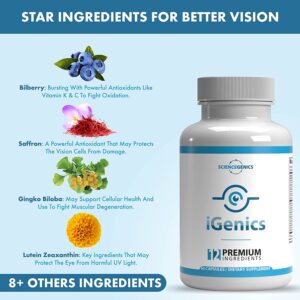
iGenics Ingredients Explained: What Makes It Work for Eye Health?

Our eyes are one of the most important organs in the body, yet they are often taken for granted until vision problems begin to appear. With the rise of screen usage, environmental stressors, and aging, eye health has become a growing concern for millions worldwide. This is where iGenics, a natural eye supplement, comes in.

But what exactly makes iGenics stand out? The answer lies in its carefully chosen ingredients—each one backed by science and traditionally recognized for supporting vision. In this article, we will break down iGenics ingredients, explain how they work, and explore why this formula is gaining attention as a promising option for better eye health.

Why Ingredients Matter in Eye Supplements

Not all supplements are created equal. The quality and combination of ingredients determine whether a vision supplement will truly work. Some products only contain small amounts of active compounds, while others rely on synthetic fillers.

iGenics sets itself apart by using clinically researched natural ingredients that target oxidative stress, inflammation, and age-related vision decline. Let’s take a closer look at what goes inside this eye health formula.

Key iGenics Ingredients and Their Benefits

1. Lutein and Zeaxanthin – Nature’s Eye Protectors

Lutein and Zeaxanthin are powerful carotenoids often referred to as the “eye vitamins.” They are found in high concentrations in the macula—the part of the eye responsible for central vision.
Benefits include:

  • Filtering harmful blue light from digital screens
  • Protecting against age-related macular degeneration (AMD)
  • Supporting sharp, clear vision
  • Reducing oxidative damage to eye tissues

Numerous studies have confirmed that these carotenoids play a crucial role in long-term eye protection, making them essential components of iGenics.

2. Bilberry Extract – The Night Vision Herb

Bilberry is a small, dark berry rich in anthocyanins, antioxidants that enhance circulation and strengthen blood vessels in the eyes.
Benefits include:

  • Improving night vision and overall visual clarity
  • Reducing eye fatigue from prolonged screen use
  • Supporting healthy retinal function

Bilberry has been used in traditional medicine for centuries and continues to be a favorite among natural remedies for vision support.

3. Ginkgo Biloba – Enhancing Eye Circulation

Ginkgo Biloba is one of the oldest living tree species, renowned for its cognitive and circulatory benefits. In eye health, it improves blood flow to the retina and optic nerve.
Benefits include:

  • Supporting healthy vision by enhancing oxygen supply
  • Protecting against glaucoma-related damage
  • Reducing oxidative stress in delicate eye tissues

This ingredient makes iGenics especially helpful for those concerned about age-related eye decline.

4. Saffron Extract – The Vision Brightener

Saffron is more than just an exotic spice—it is a potent antioxidant known to benefit vision. Research suggests that saffron may improve retinal sensitivity and even slow down macular degeneration.
Benefits include:

  • Supporting sharper and brighter vision
  • Reducing symptoms of age-related eye disorders
  • Protecting photoreceptor cells in the retina

Saffron’s role in eye supplements like iGenics is supported by clinical studies showing improvements in visual performance.

5. Quercetin – The Anti-Inflammatory Powerhouse

Quercetin is a bioflavonoid found in apples, onions, and green tea. It is celebrated for its anti-inflammatory and antioxidant properties.
Benefits include:

  • Protecting eye cells from oxidative stress
  • Supporting healthy tear production, reducing dry eyes
  • Lowering inflammation that contributes to eye fatigue

By reducing cellular stress, Quercetin helps keep eyes resilient against environmental damage.

6. Curcumin – The Golden Spice for Eye Health

Curcumin, the active compound in turmeric, is widely known for its ability to reduce inflammation. In vision care, curcumin supports retinal health and protects against degenerative conditions.
Benefits include:

  • Supporting healthy retinal cells
  • Reducing oxidative stress linked to vision decline
  • Enhancing overall antioxidant defense

Adding curcumin to iGenics makes the formula more comprehensive in addressing inflammation-driven eye problems.

7. Other Supporting Nutrients

Depending on the formulation, iGenics may also include essential vitamins and minerals such as:

  • Vitamin A – Crucial for night vision and preventing dryness
  • Vitamin C and E – Protecting against free radical damage
  • Zinc – Supporting enzyme function in the retina

These supporting nutrients work together with the core ingredients to create a synergistic effect for long-term eye protection.

How iGenics Works for Eye Health

iGenics doesn’t just rely on one ingredient—it uses a multi-targeted approach:

  1. Reduces oxidative stress – Protecting delicate eye tissues from damage.
  2. Improves circulation – Ensuring the retina and optic nerve receive enough oxygen and nutrients.
  3. Filters blue light – Helping eyes cope with prolonged screen exposure.
  4. Supports macular health – Protecting against age-related degeneration.
  5. Relieves eye fatigue – Easing strain caused by digital devices.

This holistic method is why iGenics is considered more effective than single-ingredient eye supplements.

Who Can Benefit from iGenics?

iGenics is suitable for:

  • Office workers who spend hours on computers and screens
  • Older adults concerned about age-related vision decline
  • Students with heavy digital workloads
  • Individuals with eye fatigue or dryness
  • Anyone seeking natural support for long-term vision protection

While iGenics is generally safe, those with medical conditions or who are pregnant/nursing should consult a healthcare provider before starting.

Are There Any Side Effects?

Since iGenics uses natural, plant-based ingredients, side effects are rare. Some individuals may experience mild digestive discomfort if taken on an empty stomach, but overall it is considered well-tolerated. Choosing a reputable source ensures safety and product quality.

Final Thoughts on iGenics Ingredients

When it comes to protecting your eyesight, the ingredients in iGenics make all the difference. With a carefully crafted formula that includes Lutein, Zeaxanthin, Bilberry, Ginkgo Biloba, Saffron, Quercetin, and Curcumin, iGenics addresses multiple aspects of eye health—from reducing oxidative stress to supporting macular function.

If you are serious about safeguarding your vision against today’s digital and environmental challenges, iGenics offers a natural, science-backed solution. Always pair supplementation with a healthy lifestyle, proper hydration, and regular eye checkups for the best results.

Eye Care for Computer Users: Reduce Strain and Protect Your Vision

In today’s digital world, most of us spend countless hours in front of a screen—whether it’s a computer, smartphone, or tablet. While technology has made work and entertainment more accessible, it has also created a new set of challenges for our eyes. If you’ve ever felt dryness, blurred vision, or headaches after long computer sessions, you may be experiencing digital eye strain, also known as computer vision syndrome.

This article will guide you through effective eye care tips for computer users, simple lifestyle adjustments, and natural ways to protect your vision for the long term.

Why Eye Care Matters for Computer Users

Staring at digital screens for extended periods forces your eyes to work harder. Unlike reading a printed page, screens expose your eyes to blue light, glare, and flicker, which can cause irritation and fatigue. Research shows that over 70% of computer users report eye discomfort after long hours at work.

Some common symptoms of digital eye strain include:

  • Blurry or double vision
  • Dry, irritated eyes
  • Frequent headaches
  • Neck, back, or shoulder pain
  • Difficulty focusing after screen use

Ignoring these signs can lead to chronic discomfort and even worsen existing vision problems. That’s why practicing proper eye care is essential for computer users of all ages.

The 20-20-20 Rule: A Simple Habit to Reduce Strain

One of the easiest and most effective ways to protect your eyes is by following the 20-20-20 rule:

  • Every 20 minutes,
  • Look at something 20 feet away,
  • For at least 20 seconds.

This small habit relaxes your eye muscles, reduces fatigue, and improves focus. Consider setting a timer or using apps that remind you to take breaks.

Best Eye Exercises for Computer Users

Eye exercises improve circulation, relax eye muscles, and prevent stiffness. Try these simple exercises during work breaks:

  1. Blinking Exercise – Blink slowly 10–15 times to moisten your eyes and reduce dryness.
  2. Palming – Rub your palms together to generate warmth, then gently cover your closed eyes for 1–2 minutes. This calms the optic nerve.
  3. Focus Shifting – Hold a pen at arm’s length, focus on it, then slowly move it closer to your nose. Repeat several times to strengthen focus flexibility.
  4. Eye Rolling – Slowly roll your eyes in circular motions to relax muscles.

Doing these exercises just a few times daily can make a big difference in reducing eye strain from computer use.

Adjusting Your Workstation for Better Eye Health

The way your workstation is set up plays a huge role in eye comfort. Follow these ergonomic tips:

  • Screen Position: Place your monitor at arm’s length (about 20–24 inches away) and slightly below eye level.
  • Lighting: Avoid overhead glare. Use curtains, blinds, or a desk lamp with soft lighting.
  • Font Size and Contrast: Increase text size and adjust brightness to match your surroundings.
  • Anti-Glare Screen: Consider using a matte screen filter to reduce reflections.

A well-designed workspace prevents not only eye strain but also neck and back pain.

Blue Light Protection for Computer Users

Blue light from digital screens has been linked to sleep disruption and long-term retinal stress. While more research is needed, many experts recommend limiting exposure. Here are ways to protect yourself:

  • Blue Light Glasses: Special lenses filter harmful light and reduce glare.
  • Screen Filters: Apply a blue light–blocking filter to your monitor.
  • Night Mode: Enable “night shift” or “eye comfort mode” on your devices.
  • Limit Late-Night Use: Avoid screens 1–2 hours before bedtime for better sleep quality.

Nutrition for Healthy Eyes

Good nutrition supports strong vision and helps prevent eye strain. Include these eye-friendly nutrients in your diet:

  • Vitamin A (carrots, sweet potatoes, spinach) – prevents dry eyes.
  • Lutein and Zeaxanthin (kale, broccoli, eggs) – protect against screen damage.
  • Omega-3 Fatty Acids (salmon, chia seeds, walnuts) – reduce dry eye symptoms.
  • Vitamin C and E (citrus fruits, almonds, sunflower seeds) – protect against oxidative stress.

If your diet lacks these nutrients, consider high-quality eye health supplements after consulting your doctor.

Lifestyle Habits to Protect Your Vision

Besides workstation adjustments and exercises, simple lifestyle habits can make a huge difference:

  • Stay Hydrated: Drink plenty of water to prevent dry eyes.
  • Use Artificial Tears: Eye drops help keep your eyes moist during long screen time.
  • Take Regular Breaks: Step outside for natural light exposure.
  • Get Enough Sleep: Resting your eyes overnight allows them to recover.
  • Schedule Eye Exams: Visit your optometrist once a year to check for vision changes.

When to See an Eye Specialist

If you experience persistent eye discomfort, blurred vision, or headaches despite making adjustments, it may be time to consult an eye doctor. They can check for underlying conditions such as astigmatism, farsightedness, or dry eye syndrome and recommend personalized solutions.

Final Thoughts

Eye care for computer users is no longer optional—it’s a necessity in our digital age. By following the 20-20-20 rule, practicing eye exercises, improving your workstation setup, and nourishing your eyes with proper nutrition, you can reduce strain and protect your vision for years to come.

Remember: your eyes are one of your most valuable assets. Treat them with care, and they’ll continue to support your productivity, creativity, and well-being every single day.

>>>Click here to restore your vision with the 12-second biblical trick.

Macular Degeneration Support: Top Supplements and Nutrition Tips

Macular degeneration is one of the leading causes of vision loss worldwide, especially among adults over the age of 50. As the central part of the retina, called the macula, deteriorates over time, people experience blurred central vision, difficulty recognizing faces, and challenges with reading or driving. While there is no absolute cure for macular degeneration, research shows that specific supplements and nutritional strategies can help slow its progression, protect eye health, and improve quality of life.

In this article, we’ll explore the top supplements, essential nutrients, and diet tips for supporting eye health and reducing the risk of age-related macular degeneration (AMD).

Understanding Macular Degeneration

Before diving into natural support, it’s important to understand how macular degeneration works.

There are two primary types:

  1. Dry AMD (Atrophic): This is the most common form, caused by the gradual thinning of the macula and the accumulation of tiny yellow deposits called drusen. Vision loss is usually slow but progressive.
  2. Wet AMD (Neovascular): A more severe form where abnormal blood vessels grow under the retina, leaking fluid and causing rapid vision loss.

Lifestyle, genetics, and environmental factors all play a role. Smoking, poor diet, lack of exercise, and excessive screen exposure may accelerate vision decline.

Fortunately, research shows that the right nutrients can protect the macula, support retinal health, and slow down disease progression.

The Role of Nutrition in Macular Degeneration Support

Eye health is directly linked to diet. The retina is especially vulnerable to oxidative stress caused by free radicals and harmful blue light. Antioxidants and carotenoids (plant pigments) help neutralize this damage, keeping the macula healthy.

A balanced diet rich in vegetables, fruits, whole grains, and omega-3 fatty acids is essential. But in many cases, diet alone may not provide enough protective compounds. That’s where supplements come in.

Top Supplements for Macular Degeneration

1. Lutein and Zeaxanthin

  • These are carotenoids found in leafy greens like spinach and kale.
  • They act as natural filters, protecting the eyes from harmful blue light and oxidative stress.
  • High levels of lutein and zeaxanthin in the retina are linked to a lower risk of AMD progression.

2. Vitamin C and Vitamin E

  • Both are powerful antioxidants that protect eye cells from free radical damage.
  • Vitamin C supports collagen production, essential for healthy blood vessels in the retina.
  • Vitamin E prevents the oxidation of fatty acids, crucial for maintaining retinal function.

3. Zinc

  • Zinc is critical for transporting vitamin A from the liver to the retina.
  • Studies show zinc supplementation slows AMD progression, particularly in individuals with intermediate or advanced stages of the disease.

4. Omega-3 Fatty Acids (DHA & EPA)

  • Found in fatty fish like salmon and sardines.
  • Omega-3s reduce inflammation, support retinal structure, and may lower the risk of AMD.
  • DHA is a key component of retinal cell membranes.

5. Bilberry Extract

  • Rich in anthocyanins, bilberries help improve circulation in the eyes and protect against oxidative stress.
  • They may also enhance night vision and reduce eye fatigue.

6. Saffron

  • Clinical studies suggest saffron may improve retinal sensitivity in early-stage AMD.
  • Its antioxidant properties protect photoreceptor cells in the retina.

7. AREDS2 Formula

  • The Age-Related Eye Disease Study 2 (AREDS2) conducted by the National Eye Institute confirmed that a specific combination of vitamins and minerals reduces the risk of AMD progression.
  • The AREDS2 formula typically includes:
    • Vitamin C (500 mg)
    • Vitamin E (400 IU)
    • Zinc (80 mg, as zinc oxide)
    • Copper (2 mg, to prevent zinc-induced deficiency)
    • Lutein (10 mg)
    • Zeaxanthin (2 mg)

This formula has become the gold standard for AMD supplementation.

Best Foods for Supporting Macular Health

In addition to supplements, including nutrient-rich foods in your diet can make a significant difference:

  • Leafy greens: Kale, spinach, collard greens (rich in lutein and zeaxanthin).
  • Colorful fruits and vegetables: Carrots, sweet potatoes, corn, bell peppers, and oranges.
  • Fatty fish: Salmon, mackerel, sardines (high in omega-3s).
  • Nuts and seeds: Almonds, walnuts, flaxseeds, chia seeds (rich in vitamin E and omega-3s).
  • Egg yolks: A natural source of lutein and zeaxanthin.
  • Blueberries and bilberries: Packed with anthocyanins for improved circulation and protection against oxidative damage.

Lifestyle Tips for Protecting Vision

Alongside supplements and nutrition, lifestyle choices play a vital role in eye health:

  1. Quit Smoking: Smoking doubles the risk of macular degeneration.
  2. Wear Sunglasses: Protect eyes from harmful UV rays and blue light.
  3. Reduce Screen Time: Follow the 20-20-20 rule—every 20 minutes, look at something 20 feet away for 20 seconds.
  4. Exercise Regularly: Promotes good blood flow, which nourishes the retina.
  5. Manage Blood Pressure and Blood Sugar: Chronic conditions like hypertension and diabetes accelerate AMD progression.
  6. Get Regular Eye Exams: Early detection is key to managing macular degeneration effectively.

Who Should Consider Supplements?

Supplements are especially beneficial for:

  • People with a family history of AMD
  • Adults over 50 experiencing early vision changes
  • Individuals with diets low in antioxidants and omega-3s
  • Anyone concerned about long-term eye health

However, supplements should complement—not replace—professional medical care. Always consult an eye specialist before starting new supplements, especially if you are already on medication.

Final Thoughts

Macular degeneration can be a frightening diagnosis, but the right approach can make a real difference. By combining evidence-based supplements, nutrient-rich foods, and healthy lifestyle practices, you can support your vision and slow down AMD progression.

The most effective strategy is to follow the AREDS2 formula while incorporating lutein-rich foods, omega-3s, and antioxidant-packed fruits and vegetables into your daily diet. With consistency and care, you can protect your macula and enjoy clearer, healthier vision for years to come.

==> US Doctor says: “Do this every morning to REVERSE vision loss”

iGenics Eye Supplement Review: Does It Really Improve Vision?

Eye health is one of the most important aspects of overall well-being, yet it’s often overlooked until vision problems begin to appear. As we age, it’s natural for our eyesight to decline due to oxidative stress, blue light exposure, poor nutrition, and age-related conditions such as macular degeneration or cataracts. Many people are now turning to natural supplements to support their eye health, and one of the most talked-about products in this space is iGenics Eye Supplement.

In this in-depth review, we’ll explore what iGenics is, its ingredients, potential benefits, scientific background, pros and cons, and whether it truly delivers on its promise to improve vision naturally and safely.

What Is iGenics?

iGenics is a dietary supplement formulated specifically for eye health. It claims to help reduce oxidative stress, protect against blue light damage, and slow down age-related vision decline. Marketed as a natural solution, it contains a blend of plant-based antioxidants, vitamins, and minerals that have been studied for their positive impact on vision.

The supplement is designed not just for people with existing eye problems but also for those who want to protect their eyesight proactively. Whether you’re dealing with blurry vision, eye strain from screens, or concerns about long-term vision loss, iGenics positions itself as a preventive and restorative option.

Key Ingredients in iGenics

The effectiveness of any supplement depends largely on its ingredients. iGenics includes several compounds that have been widely studied for their vision benefits:

1. Lutein and Zeaxanthin

Known as the “eye vitamins,” these carotenoids act as natural filters against harmful blue light and oxidative stress. They are highly concentrated in the retina and are essential for maintaining sharp vision and preventing macular degeneration.

2. Bilberry Extract

Bilberries are rich in anthocyanins, powerful antioxidants that improve blood circulation in the eyes, reduce inflammation, and may help with night vision.

3. Ginkgo Biloba

This ancient herb supports blood flow to the retina and optic nerve, potentially reducing the risk of vision decline caused by poor circulation.

4. Vitamin C, E, and Zinc

These nutrients are known for their protective role against oxidative stress, which is one of the leading causes of age-related vision decline. Studies also link zinc deficiency to impaired night vision.

5. Saffron Extract

Saffron has been studied for its potential to improve retinal function and slow down age-related macular degeneration.

Together, these ingredients form a comprehensive blend aimed at protecting, restoring, and enhancing vision naturally.

How Does iGenics Work?

iGenics works by addressing the root causes of vision decline:

  • Oxidative Stress: Free radicals damage eye cells, especially in the retina. iGenics uses antioxidants to neutralize these effects.
  • Blue Light Exposure: With increased screen time, eyes are more exposed to blue light, which can cause long-term retinal damage. Lutein and zeaxanthin act as natural filters.
  • Poor Blood Flow: Ingredients like ginkgo biloba and bilberry support healthy circulation to ensure the eyes receive enough oxygen and nutrients.
  • Inflammation: Chronic inflammation accelerates eye damage. The herbal extracts in iGenics provide anti-inflammatory support.

By combining these mechanisms, iGenics aims to not only protect your eyes but also improve visual clarity and long-term eye health.

Potential Benefits of iGenics

Based on its ingredients and formulation, users may experience:

  • Improved visual clarity and focus
  • Reduced eye strain from digital devices
  • Better night vision
  • Lower risk of age-related macular degeneration
  • Protection against oxidative stress and blue light damage
  • Overall healthier eyes with better circulation

Scientific Evidence Behind iGenics

Most of the ingredients in iGenics are backed by independent scientific studies. For example:

  • The AREDS2 study confirmed the benefits of lutein, zeaxanthin, and zinc in reducing the risk of advanced macular degeneration.
  • Bilberry extract has been linked to improved vision and reduced eye fatigue.
  • Saffron studies suggest that it may improve retinal sensitivity in patients with early-stage macular degeneration.

While the supplement itself may not have undergone clinical trials, its components are well-researched and supported by credible evidence.

Pros and Cons of iGenics

Pros:

  • Natural, plant-based ingredients
  • Backed by research on individual components
  • Targets multiple causes of vision decline
  • May help with prevention as well as restoration
  • Easy to incorporate into daily routine

Cons:

  • Results may vary depending on individual health conditions
  • Not a quick fix – requires consistent use over time
  • Should not replace professional medical treatment for serious eye diseases
  • Availability may be limited to online purchases

Who Should Consider iGenics?

iGenics may be suitable for:

  • Adults over 40 who want to slow down age-related vision decline
  • People experiencing blurry vision, eye strain, or poor night vision
  • Individuals with a family history of macular degeneration or cataracts
  • Anyone exposed to high levels of screen time and blue light

However, pregnant women, nursing mothers, and individuals with underlying health conditions should consult a doctor before starting any supplement.

How to Use iGenics

The typical dosage is two capsules per day with a glass of water, preferably with meals. Consistency is key, as results may take several weeks or months to become noticeable.

Does iGenics Really Work?

Based on its ingredients, iGenics has strong potential to support and protect vision naturally. While no supplement can guarantee perfect eyesight or reverse all vision problems, iGenics provides a science-backed blend that can complement a healthy lifestyle and eye-care routine.

Many users report improvements in clarity, reduced strain, and better overall eye comfort after consistent use. However, results depend on individual factors such as age, diet, and existing eye conditions.

Final Verdict

iGenics is not a miracle cure, but it does stand out as one of the better eye supplements on the market. With its blend of proven ingredients like lutein, zeaxanthin, bilberry, saffron, and antioxidants, it offers a holistic approach to protecting vision and slowing down age-related decline.

If you’re looking for a natural, safe, and proactive way to support your eye health, iGenics may be worth trying. Just remember, supplements work best when combined with healthy habits such as a balanced diet, reduced screen time, regular eye checkups, and proper sleep.