
Self-Improvement Without Burnout: A New Approach

In a world obsessed with productivity, optimization, and constant growth, self-improvement has become both a powerful tool—and a hidden trap. Everywhere you look, there’s pressure to wake up earlier, work harder, read more, and become “better” faster.

But here’s the uncomfortable truth:
Many people burn out not because they’re lazy—but because they’re trying too hard, too fast, for too long.

If you’ve ever felt exhausted by your own self-improvement journey, this article will show you a different path. One that is sustainable, effective, and deeply aligned with who you are.

Welcome to a new approach: self-improvement without burnout.

Why Traditional Self-Improvement Often Fails

At first glance, most self-improvement advice seems helpful. It encourages discipline, ambition, and growth. But underneath, there are hidden patterns that can lead to burnout.

1. The “All or Nothing” Mentality

You start strong:

  • Wake up at 5 AM
  • Exercise daily
  • Journal every morning
  • Read 30 pages a day

For a few days—or even weeks—you feel unstoppable.

Then life happens.

You miss a day. Then another. Suddenly, everything collapses.

This rigid approach doesn’t leave room for real life. And when perfection breaks, motivation often disappears with it.

2. Overloading Yourself With Too Many Goals

Trying to improve every area of your life at once can feel exciting—but it quickly becomes overwhelming.

  • Fitness
  • Career
  • Relationships
  • Mental health
  • Finances

When everything is a priority, nothing truly gets your full attention.

3. Confusing Activity With Progress

Being busy feels productive. But constant action doesn’t always mean meaningful growth.

You can:

  • Watch hours of motivational content
  • Read dozens of books
  • Plan endlessly

And still feel stuck.

Burnout often comes from doing too much without real direction.

What Burnout Really Looks Like in Self-Improvement

Burnout isn’t always dramatic. It often shows up quietly:

  • You feel tired even after resting
  • You lose motivation for things you once cared about
  • You feel guilty for not doing enough
  • You start avoiding your own goals
  • Growth begins to feel like pressure instead of excitement

This is not a failure of discipline. It’s a sign that your approach needs to change.

A New Philosophy: Sustainable Self-Improvement

Instead of pushing harder, what if the goal was to grow in a way you can actually maintain?

Sustainable self-improvement is built on three key principles:

1. Progress Over Intensity

Small, consistent actions outperform extreme effort over time.

Reading 5 pages a day may not feel impressive—but over a year, it becomes life-changing.

2. Flexibility Over Perfection

Life is unpredictable. Your system should adapt—not break—when things don’t go as planned.

Missing a day doesn’t mean starting over. It just means continuing.

3. Alignment Over Pressure

Growth should feel meaningful, not forced.

When your goals align with your values, consistency becomes easier—and burnout becomes less likely.

The Core Pillars of Burnout-Free Growth
1. Start Smaller Than You Think

Most people overestimate what they can sustain.

Instead of:

  • “I’ll work out 1 hour every day”

Try:

  • “I’ll move my body for 10 minutes”

This might seem too easy—but that’s the point.

Consistency builds identity. And identity drives long-term change.

2. Focus on One Area at a Time

You don’t need to fix your entire life at once.

Choose one priority:

  • Health
  • Mindset
  • Skill development
  • Relationships

Give it your attention for a period of time. Once it becomes stable, move to the next.

3. Build Systems, Not Just Goals

Goals give direction, but systems create results.

Instead of focusing only on outcomes:

  • “I want to lose 10 kg”

Focus on systems:

  • “I will eat balanced meals daily”
  • “I will walk 8,000 steps”

Systems reduce decision fatigue and make progress automatic.

4. Redefine Discipline

Discipline is often misunderstood as forcing yourself to do things you don’t want to do.

A healthier definition is:
“Doing what matters in a way that respects your limits.”

Sometimes discipline means pushing forward.
Other times, it means resting without guilt.

5. Schedule Rest as Part of Growth

Rest is not a reward—it’s a requirement.

Without recovery:

  • Your energy drops
  • Your focus declines
  • Your motivation fades

High performers don’t avoid rest. They protect it.

6. Let Go of Comparison

Comparing your journey to others is one of the fastest ways to burn out.

You don’t see:

  • Their struggles
  • Their setbacks
  • Their real timeline

You only see highlights.

Your path is different—and it’s supposed to be.

The Power of Gentle Consistency

There’s a quiet strength in showing up, even when it’s not perfect.

  • Doing a short workout instead of skipping it
  • Writing one paragraph instead of none
  • Taking a small step forward on a hard day

These actions may feel insignificant—but they compound over time.

Gentle consistency builds:

  • Confidence
  • Trust in yourself
  • Long-term momentum

And most importantly, it protects you from burnout.

How to Stay Motivated Without Exhaustion

Motivation is not something you wait for—it’s something you design your environment around.

Here’s how:

Make It Easy to Start

Reduce friction:

  • Prepare your workout clothes in advance
  • Keep your journal visible
  • Break tasks into smaller steps

The easier it is to begin, the more likely you are to follow through.

Celebrate Small Wins

Progress is not just big milestones.

It’s:

  • Showing up
  • Staying consistent
  • Choosing growth over comfort

Recognizing these moments keeps motivation alive.

Track Progress Visually

Seeing progress—even small—creates momentum.

  • Habit trackers
  • Journals
  • Simple checklists

These tools reinforce consistency and build confidence.

When to Push and When to Pause

One of the most important skills in self-improvement is knowing the difference between:

  • Discomfort that leads to growth
  • Exhaustion that leads to burnout

Ask yourself:

  • Am I tired—or am I avoiding discomfort?
  • Do I need rest—or do I need discipline?

There’s no single answer. But learning to listen to yourself is part of the process.

A Long-Term Perspective on Growth

Real self-improvement is not a 30-day challenge.

It’s a lifelong journey.

There will be:

  • Fast progress
  • Slow phases
  • Setbacks
  • Breakthroughs

What matters is not how quickly you improve—but whether you keep going without losing yourself in the process.

Final Thoughts

Self-improvement should not feel like a constant battle against yourself.

It should feel like a process of understanding, supporting, and gradually strengthening who you are.

You don’t need to:

  • Do everything perfectly
  • Change overnight
  • Prove your worth through productivity

You just need to take one step—consistently, patiently, and with awareness.

Because the goal is not just to become better.

It’s to become better without burning out along the way.

And that’s a version of growth you can actually sustain for life.

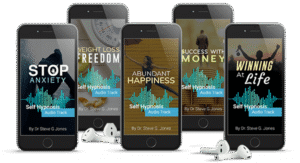
[Free Gift] Life-Changing Self Hypnosis Audio Track
Why Slow Self-Improvement Works Better Than Hustle Culture

In a world that constantly tells you to move faster, do more, and achieve sooner, choosing a slower path to self-improvement can feel almost rebellious. Everywhere you look, hustle culture glorifies early mornings, late nights, and the relentless pursuit of success. It promises rapid transformation, instant results, and a life that looks impressive from the outside.

But beneath the surface, many people are exhausted, overwhelmed, and quietly questioning whether this approach is sustainable—or even fulfilling.

If you’ve ever felt burned out from trying to “keep up,” this article offers a different perspective. Slow self-improvement is not about laziness or lack of ambition. It’s about building a life that grows steadily, deeply, and sustainably over time.

Let’s explore why slow self-improvement works better than hustle culture—and how you can embrace it without falling behind.

What Is Hustle Culture?

Hustle culture is the belief that constant work, productivity, and achievement are the keys to success and self-worth. It often includes:

  • Working long hours with little rest
  • Prioritizing productivity over well-being
  • Measuring success by external achievements
  • Feeling guilty when not being “productive”

At first glance, this mindset can seem motivating. It encourages discipline and ambition. But over time, it often leads to burnout, anxiety, and a sense of emptiness.

The Hidden Cost of Always Pushing Harder

Hustle culture rarely shows its downsides. But they are real and deeply impactful.

1. Burnout Becomes Inevitable

When you constantly push without giving yourself time to recover, your mental and emotional energy depletes. Burnout doesn’t just make you tired—it can make you lose motivation entirely.

2. Progress Feels Temporary

Rapid growth often leads to rapid collapse. When your habits are built on pressure instead of stability, they are hard to maintain.

3. You Lose Connection With Yourself

When you’re always chasing the next goal, you rarely stop to ask:

  • What do I actually want?
  • What feels meaningful to me?

This disconnect can leave you feeling successful on paper but unfulfilled in reality.

What Is Slow Self-Improvement?

Slow self-improvement is a more mindful and sustainable approach to growth. It focuses on:

  • Small, consistent changes
  • Long-term progress over quick results
  • Self-awareness and emotional balance
  • Building habits that fit your real life

It’s not about doing less—it’s about doing what truly matters, at a pace you can maintain.

Why Slow Self-Improvement Works Better
1. It Builds Lasting Habits

When you take your time to build habits, they become part of your identity.

Instead of forcing yourself into extreme routines, you gradually integrate changes into your daily life. This makes your progress more stable and sustainable.

For example, reading 10 pages a day may not feel impressive—but over a year, it transforms your knowledge and mindset.

2. It Reduces Mental Pressure

Hustle culture often creates an “all or nothing” mindset. If you can’t do everything perfectly, you feel like you’ve failed.

Slow self-improvement removes this pressure. It allows you to:

  • Take breaks without guilt
  • Adjust your pace when needed
  • Accept imperfect progress

This reduces stress and makes growth more enjoyable.

3. It Encourages Self-Awareness

When you slow down, you create space to reflect.

You begin to notice:

  • What energizes you
  • What drains you
  • What truly matters

This awareness helps you make better decisions—not just faster ones.

4. It Prevents Burnout

Sustainable growth requires balance. By pacing yourself, you protect your energy and avoid the cycle of overworking and crashing.

Instead of short bursts of productivity followed by exhaustion, you create steady momentum.

5. It Aligns Growth With Your Real Life

Your life is not a productivity machine. You have responsibilities, emotions, and changing circumstances.

Slow self-improvement respects that reality. It adapts to your life instead of forcing your life to adapt to unrealistic expectations.

The Science Behind Slow Growth

Behavioral psychology shows that small, consistent actions are more effective than drastic changes.

Habits are formed through repetition, not intensity. When you make changes that are too big or too fast, your brain resists them.

Slow self-improvement works because it:

  • Reduces resistance
  • Builds confidence through small wins
  • Reinforces positive behavior over time

This is why people who take gradual steps often achieve more lasting results than those who try to transform overnight.

How to Practice Slow Self-Improvement
1. Start Smaller Than You Think

If your goal feels too easy, it’s probably the right size.

Instead of:

  • “I will work out 1 hour every day”

Try:

  • “I will move for 10 minutes daily”

Small actions create consistency, and consistency creates transformation.

2. Focus on One Area at a Time

Trying to improve everything at once leads to overwhelm.

Choose one focus area:

  • Health
  • Career
  • Relationships
  • Mindset

Once it becomes stable, move on to the next.

3. Build Systems, Not Pressure

Instead of relying on motivation, create systems that support your goals.

For example:

  • Prepare healthy meals in advance
  • Set reminders for habits
  • Create a simple daily routine

Systems reduce the need for constant decision-making.

4. Track Progress Gently

Instead of obsessing over results, track your consistency.

Ask yourself:

  • Did I show up today?
  • Did I make a small step forward?

This shifts your focus from perfection to progress.

5. Normalize Rest

Rest is not a reward—it’s a requirement.

Taking breaks helps your brain recover, improves creativity, and supports long-term performance.

You don’t grow only when you’re working. You also grow when you’re resting.

Letting Go of Comparison

One of the biggest challenges in slow self-improvement is comparison.

You may see others achieving faster results and feel like you’re falling behind.

But what you don’t see is:

  • Their stress
  • Their burnout
  • Their unsustainable routines

Your journey is not meant to match anyone else’s timeline.

Slow progress that you can maintain is far more valuable than fast progress that you lose.

Redefining Success

Hustle culture defines success as:

  • More money
  • More achievements
  • More productivity

Slow self-improvement invites you to redefine success as:

  • Inner peace
  • Consistent growth
  • Meaningful progress
  • A balanced life

This shift changes how you approach everything.

A Gentle Reminder

You don’t need to rush your growth.

You don’t need to prove your worth through constant productivity.

You don’t need to burn yourself out to become someone better.

You are allowed to grow slowly.

You are allowed to take your time.

And most importantly, you are allowed to build a life that feels good—not just one that looks good.

Final Thoughts

Slow self-improvement works better than hustle culture because it is sustainable, realistic, and deeply aligned with how humans actually grow.

It’s not about doing less—it’s about doing what matters, consistently, over time.

When you choose a slower path, you’re not falling behind. You’re building a foundation that will support you for years to come.

So take a breath. Slow down. Focus on one small step today.

That step, repeated over time, will take you further than any short burst of hustle ever could.

[Free Gift] Life-Changing Self Hypnosis Audio Track