
6 Ways To Break Free From The People-Pleasing Cycle

Do you often say “yes” when you really want to say “no”? Do you find yourself worrying about what others think, even at the cost of your own happiness? If so, you may be stuck in the exhausting loop of people-pleasing.

While being kind and considerate is a strength, constantly prioritizing others over yourself can slowly erode your confidence, identity, and inner peace. The good news is that you can break free from this cycle—and it starts with awareness, courage, and consistent action.

In this in-depth guide, you’ll discover six powerful ways to stop people-pleasing, reclaim your voice, and build a life that reflects your true self.

What Is People-Pleasing and Why Does It Happen?

People-pleasing is a behavioral pattern where you prioritize others’ needs, opinions, and approval above your own. It often comes from a desire to be liked, accepted, or valued.

At its core, people-pleasing is not about kindness—it’s about fear.

Common underlying causes include:

  • Fear of rejection or abandonment
  • Low self-worth or lack of confidence
  • Childhood conditioning (seeking approval from authority figures)
  • Avoidance of conflict or discomfort

Understanding this is important because you’re not “weak”—you’ve simply learned patterns that no longer serve you.

The Hidden Cost of People-Pleasing

Before we dive into the solutions, it’s important to recognize what’s at stake if nothing changes.

  • Chronic stress and burnout
  • Loss of personal identity
  • Resentment toward others
  • Lack of authentic relationships
  • Reduced productivity and focus

The more you ignore your own needs, the more disconnected you become from yourself.

Breaking free is not selfish—it’s necessary.

1. Recognize Your Fear of Rejection

The first step to change is awareness.

Ask yourself:

  • What am I afraid will happen if I say no?
  • Do I believe people will leave or judge me?
  • Am I tying my worth to others’ approval?

Most of the time, the fear is exaggerated. People may be disappointed—but that doesn’t mean they will abandon you.

Learning to tolerate discomfort is key. Growth begins where approval ends.

2. Stop Apologizing for Being Yourself

Do you say “sorry” when you’ve done nothing wrong?

  • “Sorry, can I ask a question?”
  • “Sorry, I can’t make it…”

Over-apologizing weakens your voice and reinforces the belief that your needs are inconvenient.

Instead, replace unnecessary apologies with gratitude or clarity:

  • “Thanks for your patience.”
  • “I won’t be able to join this time.”

You are allowed to exist without constantly justifying yourself.

3. Clarify What Truly Matters to You

People-pleasing thrives when you don’t have clear priorities.

Take time to define your values:

  • What kind of life do you want to build?
  • What makes you feel fulfilled?
  • What drains your energy?

When your values are clear, decisions become easier. You stop saying yes out of obligation and start saying yes with intention.

A powerful question to ask is:
“Does this align with the life I want?”

If the answer is no, then your response should reflect that.

4. Say “No” Without Feeling Guilty

Saying no is one of the most powerful skills you can develop.

But here’s the truth: guilt may still show up—and that’s okay.

Guilt doesn’t mean you’re doing something wrong. It often means you’re doing something new.

To say no effectively:

  • Keep it simple and direct
  • Avoid over-explaining
  • Stay calm and respectful

Examples:

  • “I can’t commit to that right now.”
  • “That doesn’t work for me.”

Remember, every time you say no to something that doesn’t serve you, you’re saying yes to your well-being.

5. Accept That You Can’t Control Others’ Reactions

One of the biggest traps of people-pleasing is trying to manage how others feel.

You might think:

  • “They’ll be upset if I say no.”
  • “I don’t want to disappoint them.”

But here’s the reality: you are not responsible for other people’s emotions.

You can be kind, respectful, and considerate—but you cannot control how someone reacts.

Trying to do so will only trap you in a cycle of anxiety and self-sacrifice.

True freedom comes when you accept this:
You are responsible for your actions, not their reactions.

6. Build Self-Trust and Inner Confidence

At the heart of people-pleasing is a lack of trust in yourself.

You may doubt your decisions, second-guess your feelings, or seek constant validation.

To break this pattern, you need to rebuild self-trust.

Start by:

  • Honoring your commitments to yourself
  • Listening to your intuition
  • Making small decisions without seeking approval
  • Celebrating your progress

Confidence is not built overnight. It grows every time you choose yourself.

Practical Exercises to Break the Cycle
The “Pause Before Yes” Rule

Before agreeing to anything, pause and ask:
“Do I actually want to do this?”

This simple habit can transform your decision-making.

The Boundary Journal

Write down situations where you felt uncomfortable or resentful. Identify what boundary was crossed and how you could respond differently next time.

The “One Honest No” Challenge

Start small. Say no to one thing this week that doesn’t align with your priorities.

Observe how it feels. Growth often hides in discomfort.

How Your Life Changes When You Stop People-Pleasing

As you begin to break free, you’ll notice powerful shifts:

  • You feel more in control of your time and energy
  • Your relationships become more authentic
  • You experience less stress and anxiety
  • You gain clarity about who you are
  • You feel lighter, freer, and more confident

Most importantly, you reconnect with yourself.

Final Thoughts

Breaking free from the people-pleasing cycle is not about becoming selfish—it’s about becoming honest.

You are allowed to have boundaries.
You are allowed to prioritize yourself.
You are allowed to say no.

The journey may feel uncomfortable at first, but every step you take brings you closer to a life of authenticity, confidence, and inner freedom.

Start today. One choice at a time.

Because the moment you stop living for approval is the moment you start truly living.

[Free Gift] Life-Changing Self Hypnosis Audio Track
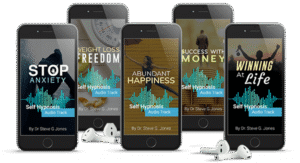
Learn to Say No, Set Boundaries, and Protect Your Inner Freedom

In a world that constantly demands more of your time, energy, and attention, learning to say “no” is no longer a luxury—it is a necessity. If you often find yourself overwhelmed, exhausted, or quietly resentful, there’s a high chance your boundaries are either unclear or nonexistent.

This article is your complete guide to reclaiming your power. You will learn how to say no without guilt, establish healthy boundaries, and ultimately protect your inner freedom—the most valuable asset you possess.

Why Saying “No” Feels So Hard

Before you can master the art of saying no, you need to understand why it feels so uncomfortable in the first place.

1. Fear of Rejection

Humans are wired for connection. Saying no can feel like risking disapproval, conflict, or even abandonment. This fear often leads people to say yes when they actually mean no.

2. Desire to Be Liked

Many people associate being helpful with being likable. The more you give, the more you’re appreciated—or so it seems. But this often leads to people-pleasing behavior that drains your energy.

3. Guilt and Obligation

You might feel guilty turning someone down, especially if they are close to you. You may think, “They would do it for me,” or “I should help.”

4. Lack of Self-Worth

At a deeper level, difficulty saying no can stem from not valuing your own time, needs, or priorities enough.

Recognizing these patterns is the first step toward change.

What Are Personal Boundaries?

Personal boundaries are the invisible lines that define what is acceptable and unacceptable in your life. They protect your emotional, mental, physical, and even spiritual well-being.

Boundaries are not about controlling others. They are about defining what you will and will not tolerate.

Healthy boundaries help you:

  • Protect your time and energy
  • Maintain self-respect
  • Build healthier relationships
  • Reduce stress and burnout
  • Feel more in control of your life
The Cost of Not Having Boundaries

If you constantly say yes when you want to say no, you will eventually pay the price.

1. Emotional Burnout

Overcommitting leads to exhaustion. You may feel drained, overwhelmed, and unable to recharge.

2. Resentment

Ironically, saying yes too often can lead to resentment toward the very people you’re trying to please.

3. Loss of Identity

When you prioritize others’ needs over your own for too long, you lose touch with who you really are.

4. Reduced Productivity

Spreading yourself too thin means you cannot give your best to what truly matters.

The Power of Saying “No”

Saying no is not negative—it is selective. Every time you say no to something that doesn’t align with your values, you are saying yes to something that does.

When you say no:

  • You protect your energy
  • You honor your priorities
  • You build self-respect
  • You create space for growth

Think of “no” as a boundary, not a rejection.

How to Say No Without Feeling Guilty

Learning to say no is a skill—and like any skill, it improves with practice.

1. Be Clear and Direct

Avoid over-explaining or making excuses. A simple, respectful response is enough.

Examples:

  • “I appreciate the offer, but I can’t commit to that right now.”
  • “That doesn’t work for me at the moment.”
2. Use “I” Statements

Frame your response around your own needs rather than blaming others.

  • “I need to focus on my priorities this week.”
  • “I’m not available for that.”
3. Delay Your Response

If you feel pressured, give yourself time to think.

  • “Let me get back to you.”
  • “I’ll check my schedule and let you know.”

This prevents automatic yes responses.

4. Accept That Discomfort Is Normal

Saying no may feel uncomfortable at first—but discomfort is not a sign that you’re doing something wrong. It’s a sign that you’re growing.

5. Stop Over-Apologizing

You don’t need to apologize for having boundaries. Be polite, but don’t diminish your decision.

How to Set Healthy Boundaries

Setting boundaries is about consistency and clarity.

1. Identify Your Limits

Ask yourself:

  • What drains my energy?
  • What makes me feel uncomfortable?
  • Where do I feel taken advantage of?

Your answers reveal where boundaries are needed.

2. Communicate Clearly

People cannot respect boundaries they don’t know exist. Be honest and direct.

  • “I’m not comfortable discussing that.”
  • “I need some time to myself this weekend.”
3. Be Consistent

Inconsistent boundaries create confusion. If you sometimes allow something and sometimes don’t, others won’t take your boundaries seriously.

4. Expect Resistance

Not everyone will like your boundaries—especially those who benefited from your lack of them. That’s okay.

Your responsibility is not to please everyone. It’s to protect your well-being.

5. Reinforce When Necessary

If someone crosses your boundary, calmly restate it.

  • “As I mentioned before, I’m not available after work hours.”

Consistency builds respect.

Protecting Your Inner Freedom

Inner freedom is the ability to live in alignment with your values, without being controlled by external pressures or expectations.

When you lack boundaries, your freedom is compromised. You become reactive instead of intentional.

1. Reconnect With Your Values

What truly matters to you?

  • Growth?
  • Peace of mind?
  • Creativity?
  • Family?

Your values should guide your decisions—not other people’s expectations.

2. Prioritize Yourself Without Shame

Taking care of yourself is not selfish. It is necessary.

You cannot pour from an empty cup.

3. Let Go of People-Pleasing

Not everyone needs to like you. Trying to gain universal approval is a losing game.

Instead, focus on being authentic.

4. Create Space for What Matters

Every “no” creates space for a more meaningful “yes.”

Protect that space.

Real-Life Examples of Setting Boundaries
At Work

Instead of:
“I’ll handle it, no problem.”

Say:
“I’m currently at capacity. I can take this on next week or help find another solution.”

In Relationships

Instead of:
“I’m fine” (when you’re not)

Say:
“I need some time to process how I feel before we talk about this.”

With Family

Instead of:
“I guess I can come…”

Say:
“I won’t be able to attend this time, but I hope it goes well.”

The Long-Term Benefits of Boundaries

When you consistently say no and set boundaries, your life begins to change in powerful ways.

  • You feel more confident
  • You experience less stress
  • Your relationships become healthier
  • You gain more time and energy
  • You feel aligned with your true self

Most importantly, you regain your inner freedom.

Final Thoughts

Learning to say no is not about becoming cold or distant—it’s about becoming honest and intentional.

You are not here to meet everyone’s expectations. You are here to live a life that feels true to you.

Every time you say no to something that doesn’t serve you, you are reclaiming your time, your energy, and your freedom.

Start small. Practice often. Stay consistent.

And remember: protecting your inner freedom is one of the most powerful acts of self-respect you can ever make.

[Free Gift] Life-Changing Self Hypnosis Audio Track