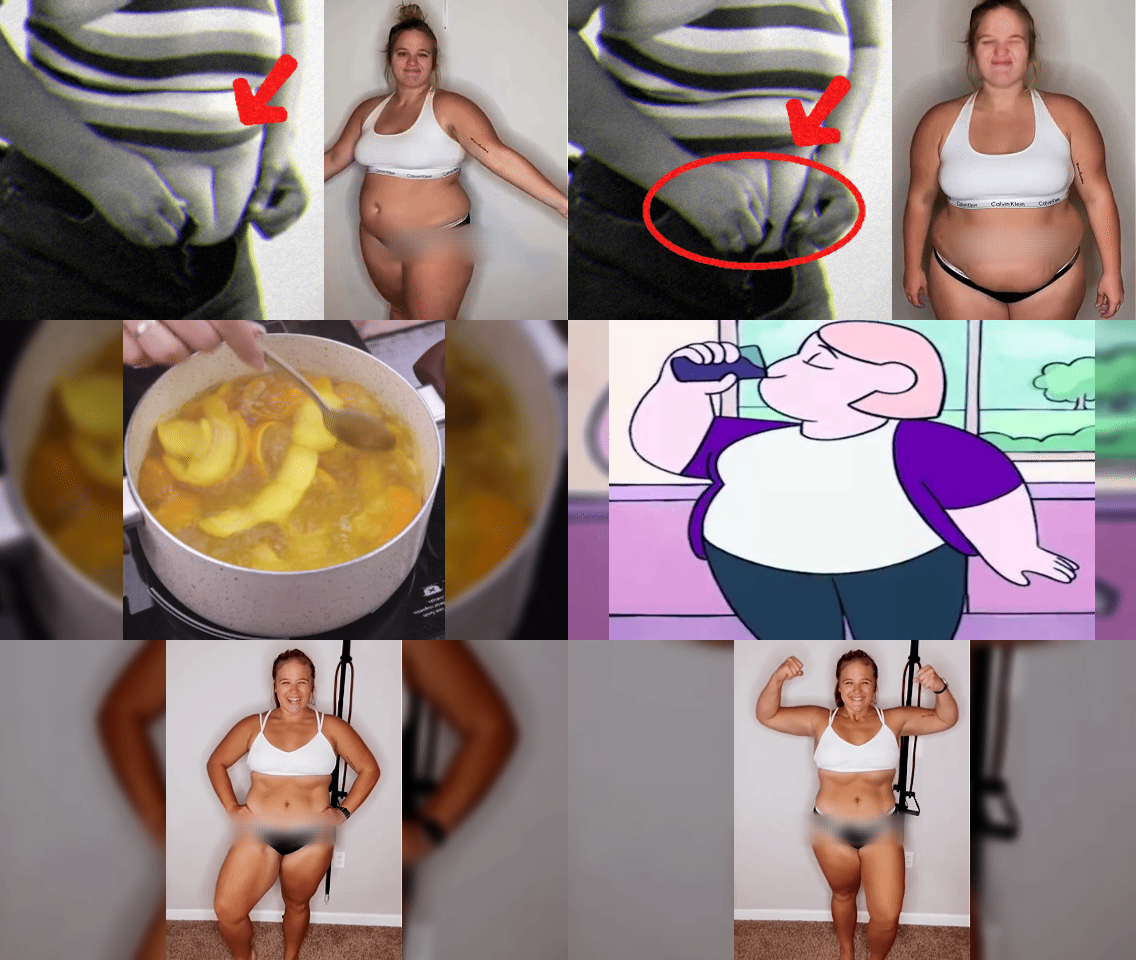
If you’ve been battling stubborn belly fat for years, you’re not alone. I know how frustrating it feels to try diet after diet, follow intense workout routines, and still see that same soft, resistant area around your midsection. For a long time, I believed I just didn’t have the “right genetics” or enough discipline. But the truth turned out to be very different.
In this article, I’m going to walk you through what actually helped me lose belly fat—after years of confusion, mistakes, and wasted effort. This isn’t about quick fixes or unrealistic promises. It’s about real, sustainable weight loss strategies that finally made a difference.
Before diving into what worked, it’s important to understand why belly fat is so stubborn. The abdominal area tends to store visceral fat, which is influenced by several factors:
Why Belly Fat Is So Hard to Lose
- Hormonal imbalances (especially cortisol and insulin)
- Poor sleep habits
- Chronic stress
- Sedentary lifestyle
- Highly processed diets
For years, I ignored these deeper causes and focused only on calories and exercise. That was my first mistake.
What Didn’t Work (And Why)
Let’s start with what failed—because chances are, you’ve tried some of these too.
1. Endless Crunches and Ab Workouts
I used to believe that doing hundreds of sit-ups would burn belly fat. The reality? Spot reduction is a myth. You can strengthen your core, but you won’t specifically burn fat from that area.
2. Extreme Dieting
I tried cutting calories drastically—sometimes eating less than 1,200 calories a day. It worked temporarily, but I always gained the weight back. My metabolism slowed, and my energy crashed.
3. Cardio Overload
Hours of running and cycling left me exhausted but didn’t significantly change my belly fat. Too much cardio without proper recovery actually increased my stress levels.
4. Following Random Diet Trends
Keto, detox teas, juice cleanses—you name it, I tried it. These methods either weren’t sustainable or didn’t address the root problem.
What Finally Helped Me Lose Belly Fat
After years of trial and error, I shifted my approach completely. Here’s what actually made a lasting difference.
1. Fixing My Nutrition (Without Starving)
Instead of eating less, I started eating smarter. This was a game-changer.
Focus on Whole Foods
I built my meals around:
- Lean protein (chicken, fish, eggs)
- Healthy fats (avocado, nuts, olive oil)
- Complex carbs (brown rice, oats, sweet potatoes)
- Vegetables (lots of them)
Protein Became My Priority
Increasing protein intake helped me:
- Stay full longer
- Reduce cravings
- Preserve muscle while losing fat
I Stopped Fearing Carbs
Cutting carbs completely didn’t work for me. Instead, I focused on timing and quality—eating carbs around workouts and choosing unprocessed sources.
2. Strength Training Changed Everything
This was the biggest turning point.
Instead of only doing cardio, I started lifting weights 3–4 times per week. Here’s why it worked:
- Builds muscle, which increases metabolism
- Helps burn fat even at rest
- Improves body composition (not just weight)
I didn’t become bulky. Instead, my body became leaner and tighter—including my midsection.
3. Managing Stress (The Hidden Factor)
This was something I ignored for years.
High stress increases cortisol, which is strongly linked to belly fat storage. Once I started managing stress, I noticed real changes.
What helped:
- Daily walks without my phone
- Breathing exercises
- Journaling
- Reducing unnecessary commitments
Even 10–15 minutes a day made a difference.
4. Prioritizing Sleep
Sleep is often underestimated in weight loss.
When I improved my sleep from 5–6 hours to 7–8 hours per night:
- My hunger decreased
- My energy improved
- My workouts became more effective
Poor sleep disrupts hormones like ghrelin and leptin, which control hunger and fullness. Fixing this alone helped reduce late-night cravings.
5. Walking More (Not Just Working Out)
I used to think workouts were everything. But daily movement matters just as much.
I started aiming for:
- 8,000–10,000 steps per day
This low-intensity activity helped:
- Burn extra calories
- Reduce stress
- Improve digestion
And the best part? It didn’t feel like a chore.
6. Consistency Over Perfection
This might be the most important lesson.
I stopped chasing perfection and focused on consistency:
- Eating well 80% of the time
- Exercising regularly (not excessively)
- Getting back on track quickly after setbacks
Progress became steady—and sustainable.
7. Tracking Progress the Right Way
For years, I relied only on the scale. That was misleading.
Instead, I tracked:
- Waist measurements
- Progress photos
- How my clothes fit
- Energy levels
Sometimes the scale didn’t change, but my body clearly did.
A Realistic Timeline for Belly Fat Loss
One of the biggest mindset shifts was accepting that fat loss takes time.
Here’s what I experienced:
- First 2–3 weeks: small changes, mostly water weight
- 4–8 weeks: noticeable reduction in bloating and slight fat loss
- 3–6 months: visible belly fat reduction
- 6+ months: significant transformation
Quick results are tempting, but lasting results require patience.
Common Mistakes to Avoid
If you want to speed up your progress, avoid these:
- Skipping meals to “save calories”
- Overtraining without recovery
- Ignoring sleep and stress
- Relying on supplements instead of habits
- Comparing your progress to others
Your journey is unique.
The Mindset That Made the Difference
For years, I approached weight loss with frustration and self-criticism. That only made things worse.
What finally worked was shifting my mindset:
- From punishment to self-care
- From short-term goals to long-term habits
- From “all or nothing” to balanced consistency
Once I stopped fighting my body and started supporting it, everything changed.
Final Thoughts: You’re Closer Than You Think
If you’ve been struggling with belly fat for years, it doesn’t mean you’ve failed—it just means you haven’t found the right approach yet.
The truth is, you don’t need extreme diets or exhausting workouts. You need:
- Smart nutrition
- Strength training
- Daily movement
- Stress management
- Quality sleep
- Consistency
These simple, sustainable changes are what finally helped me—and they can help you too.
Start small. Stay consistent. And trust the process.
Your results will come.