6 Signs You’re In A Healthy Relationship

In a world where relationships are often romanticized on social media and misunderstood in real life, it can be difficult to know what a truly healthy relationship actually looks like. Many people stay in situations that feel confusing, draining, or unfulfilling simply because they don’t have a clear standard of what “healthy” means.

If you are on a personal development journey, understanding the difference between a healthy and unhealthy relationship is essential. The quality of your relationships directly impacts your emotional well-being, self-worth, and overall life satisfaction.

So how do you know if you’re in a healthy relationship?

This guide will walk you through six powerful signs that your relationship is built on mutual respect, emotional safety, and genuine connection.

Why Healthy Relationships Matter For Personal Growth

Before we dive into the signs, let’s take a moment to understand why this matters so much.

A healthy relationship is not just about love—it’s about growth.

When you are in the right relationship:

  • You feel safe to be yourself
  • You are encouraged to evolve, not stay the same
  • You experience support, not pressure
  • You gain clarity instead of confusion

On the other hand, unhealthy relationships often lead to self-doubt, emotional exhaustion, and a loss of identity.

Recognizing the signs of a healthy relationship allows you to raise your standards—and protect your energy.

Sign 1: You Can Be Your True Self Without Fear

One of the clearest signs of a healthy relationship is the freedom to be authentic.

You don’t feel like you have to hide parts of yourself to be accepted. You can express your thoughts, emotions, and opinions honestly—without constantly worrying about being judged or rejected.

This includes:

  • Sharing your vulnerabilities
  • Expressing your needs
  • Being honest about your feelings

Authenticity builds trust. And trust is the foundation of every strong relationship.

If you feel like you’re “walking on eggshells” or constantly editing yourself, that’s a sign something is off.

Sign 2: You Have Personal Space And Independence

Contrary to popular belief, healthy relationships are not about being together all the time.

They are about balance.

In a healthy relationship:

  • You both have your own lives, interests, and goals
  • You respect each other’s need for space
  • There is no controlling or possessive behavior

Independence strengthens attraction and respect. It allows both individuals to grow as separate people while still choosing to come together.

When space is respected, connection becomes a choice—not an obligation.

Sign 3: You Handle Conflict In A Mature Way

Conflict is inevitable in any relationship. What matters is how you handle it.

In a healthy relationship:

  • You address issues instead of avoiding them
  • You communicate calmly and respectfully
  • You focus on solving the problem, not attacking each other

Disagreements are not about “winning.” They are about understanding.

Healthy conflict looks like:

  • Listening to each other’s perspectives
  • Taking responsibility when you’re wrong
  • Working together to find solutions

If both partners are committed to growth, conflict becomes an opportunity to deepen the relationship—not damage it.

Sign 4: Boundaries Are Respected

Boundaries are essential for emotional safety.

They define what is acceptable and what is not in a relationship.

In a healthy relationship:

  • Your boundaries are acknowledged and respected
  • You feel comfortable saying “no” without guilt
  • There is mutual understanding of limits

Boundaries are not walls—they are guidelines for how you want to be treated.

When boundaries are ignored, resentment builds. When they are respected, trust grows.

Sign 5: You Don’t Feel The Need To Prove Yourself

In an unhealthy relationship, you may feel like you constantly have to earn love, attention, or approval.

But in a healthy relationship, love is not conditional.

You don’t feel pressure to:

  • Impress your partner
  • Compete for validation
  • Constantly prove your worth

Instead, you feel accepted for who you are.

This creates emotional security—a sense that you are valued without needing to perform.

And that kind of security is incredibly powerful for your self-esteem.

Sign 6: You Grow Together, Not Apart

A healthy relationship supports your evolution.

Both partners encourage each other to:

  • Pursue goals
  • Develop new skills
  • Improve emotionally and mentally

Growth doesn’t mean you always move at the same pace—but it does mean you support each other’s journey.

In a healthy relationship:

  • You celebrate each other’s wins
  • You inspire each other to be better
  • You don’t feel held back

The relationship becomes a space where both individuals can expand—not shrink.

Common Misconceptions About Healthy Relationships

Many people confuse intensity with love, or control with care. Let’s clear up a few myths.

Healthy relationships are not:

  • Free of conflict
  • Constantly exciting or dramatic
  • Dependent on one person for happiness
  • Based on sacrifice without balance

Real love is stable, respectful, and supportive—not chaotic or exhausting.

How To Cultivate A Healthy Relationship

If you recognize these signs in your relationship, that’s a great sign. But healthy relationships are not built overnight—they require ongoing effort.

Here are some ways to strengthen your connection:

  • Practice open and honest communication
  • Check in with each other regularly
  • Work on your own personal growth
  • Learn to manage your emotions
  • Show appreciation and gratitude

Remember, the relationship you have with yourself sets the tone for every other relationship in your life.

Final Thoughts

Being in a healthy relationship is not about finding the perfect person—it’s about creating a safe, supportive, and authentic connection together.

When you are in the right relationship, you don’t feel confused about where you stand. You don’t feel drained trying to keep it alive.

Instead, you feel grounded, respected, and empowered.

If you see these six signs in your relationship, you’re not just experiencing love—you’re experiencing growth.

And that is what truly makes a relationship meaningful.

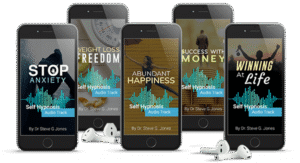
[Free Gift] Life-Changing Self Hypnosis Audio Track
Strategies for Improving Dating Beliefs: Unlocking Your Potential in Love

When it comes to finding love, your beliefs about dating play a significant role in determining the success and satisfaction of your relationships. The way you view dating, the attitudes you hold, and the mental frameworks you create can all affect how you approach romantic connections. If you have negative or limiting beliefs about dating, it’s time to shift your mindset and focus on strategies for improving dating beliefs. By unlocking the potential in your approach to love, you open up new possibilities for meaningful and fulfilling relationships.

In this article, we will explore effective strategies for improving dating beliefs that can help you build a healthier outlook on romance. These strategies will empower you to overcome self-doubt, challenge negative perceptions, and ultimately create the kind of love life you desire. Whether you’re struggling with past experiences, facing rejection, or simply want to refresh your approach to dating, these insights will guide you toward a more positive and successful dating journey.

Why Dating Beliefs Matter

Before diving into strategies for improving dating beliefs, it’s important to understand why these beliefs matter. Your dating beliefs shape your attitudes, behaviors, and expectations in romantic relationships. If you hold limiting or negative beliefs, such as thinking you’re “not good enough” or that “true love is impossible,” these thoughts can influence your actions and hinder your chances of finding a healthy, loving relationship.

On the other hand, positive and empowering beliefs can increase your confidence, help you approach dating with an open mind, and lead you to attract the right kind of partner. By transforming your beliefs, you’re also transforming your approach to dating and setting yourself up for success.

Step 1: Challenge Negative Beliefs About Love and Relationships

One of the first strategies for improving dating beliefs is to identify and challenge any negative beliefs you may have about love and relationships. These could include pessimistic thoughts like “all relationships end in heartbreak,” or “I’ll never find someone who truly loves me.” Negative beliefs often stem from past experiences, societal influences, or even childhood conditioning.

To challenge these beliefs, start by questioning their validity. Ask yourself: Where did this belief come from? Is it based on facts or assumptions? How do these beliefs serve me, and are they helping me achieve my dating goals? Often, negative dating beliefs are rooted in fear or past pain, and acknowledging this is the first step toward overcoming them.

Once you’ve identified your limiting beliefs, replace them with more positive, empowering alternatives. For example, instead of believing that “all relationships are doomed,” adopt the belief that “healthy relationships are built on trust, communication, and mutual respect.” By reframing your beliefs, you can change how you approach love and dating, allowing you to unlock new possibilities.

Step 2: Cultivate Self-Love and Confidence

Another key aspect of strategies for improving dating beliefs is cultivating self-love and confidence. Your belief in your own worth directly impacts how you approach dating and relationships. If you don’t believe that you’re worthy of love or that you deserve a healthy, supportive partner, you may unconsciously sabotage your chances of finding the right person.

Self-love is about accepting yourself, flaws and all, and recognizing that you deserve love and happiness. Start by practicing self-care and self-compassion. Invest time in activities that make you feel good about yourself, such as pursuing hobbies, exercising, or spending time with friends and family. The more you nurture your self-esteem, the more confident and attractive you’ll feel in dating scenarios.

Additionally, practice positive self-talk. Replace negative thoughts like “I’m not good enough” with empowering statements such as “I am worthy of love and respect.” As you cultivate a healthy sense of self-love, your dating beliefs will naturally shift in a more positive direction.

Step 3: Focus on Personal Growth

One of the most powerful strategies for improving dating beliefs is focusing on personal growth. The more you work on developing yourself as an individual, the better equipped you’ll be to attract a partner who aligns with your values and desires. Personal growth involves improving your emotional intelligence, communication skills, and understanding of yourself and your needs in relationships.

Taking the time to reflect on past relationships can also help you learn valuable lessons. What worked well, and what didn’t? What patterns or behaviors do you want to avoid in future relationships? By analyzing these questions and taking responsibility for your own role in past relationships, you empower yourself to make healthier choices moving forward.

Invest in becoming the best version of yourself. This not only enhances your dating experience but also increases your confidence and belief in your ability to attract a loving, fulfilling relationship.

Step 4: Reframe Expectations and Be Open-Minded

One common pitfall in dating is having unrealistic or rigid expectations. When your beliefs are too narrow or idealistic, it can lead to disappointment and frustration. Strategies for improving dating beliefs often involve reframing these expectations to be more flexible and realistic.

It’s important to recognize that no one is perfect, and every relationship has its challenges. Rather than expecting perfection from a partner, focus on what truly matters: mutual respect, emotional support, shared values, and communication. Be open to getting to know different people, even if they don’t initially meet every single checkbox on your list. Sometimes, love appears in unexpected places, and by being open-minded, you give yourself the opportunity to experience a deeper connection.

If you’ve had negative experiences with dating in the past, it’s crucial not to let those experiences define your future. Instead of letting past heartbreak or failures dictate your dating beliefs, use those experiences as opportunities for growth. Every relationship teaches you something valuable, and by reframing your expectations, you can approach new connections with a sense of curiosity and openness.

Step 5: Embrace Patience and Trust the Process

Patience is another important element in strategies for improving dating beliefs. The desire for love and companionship is natural, but rushing into relationships or forcing connections can often lead to disappointment or frustration. Trust the process of getting to know someone and allow relationships to develop naturally over time.

Patience also involves letting go of the belief that love must happen on a specific timeline or in a particular way. Everyone’s journey to finding love is different, and some people may take longer to meet the right person. Trust that the right connection will come when the time is right, and that each experience along the way is helping you grow and learn more about what you want in a relationship.

Step 6: Surround Yourself with Supportive People

A strong support system is essential when working on strategies for improving dating beliefs. Surrounding yourself with positive, supportive people can provide encouragement and perspective as you navigate the ups and downs of dating. Friends and family who believe in your worth can help reinforce positive dating beliefs and challenge any self-doubt or negative thoughts you may have.

Talking openly with others about your experiences can also help you gain insights into your own beliefs. Sometimes, a trusted friend or mentor can offer a different perspective that helps you see things more clearly and encourages you to adopt healthier dating beliefs.

Incorporating strategies for improving dating beliefs into your life can unlock your potential for love and help you approach dating in a healthier, more positive way. By challenging negative beliefs, cultivating self-love and confidence, focusing on personal growth, reframing expectations, embracing patience, and surrounding yourself with supportive people, you can transform the way you approach relationships.

The beliefs you hold about dating shape your experiences, and by consciously working to improve those beliefs, you set yourself up for success in love. Remember, love is a journey, not a destination – and by believing in yourself and your worth, you open up the possibility for deep, meaningful connections. So, start today by shifting your mindset, embracing positive beliefs, and unlocking your potential in love.