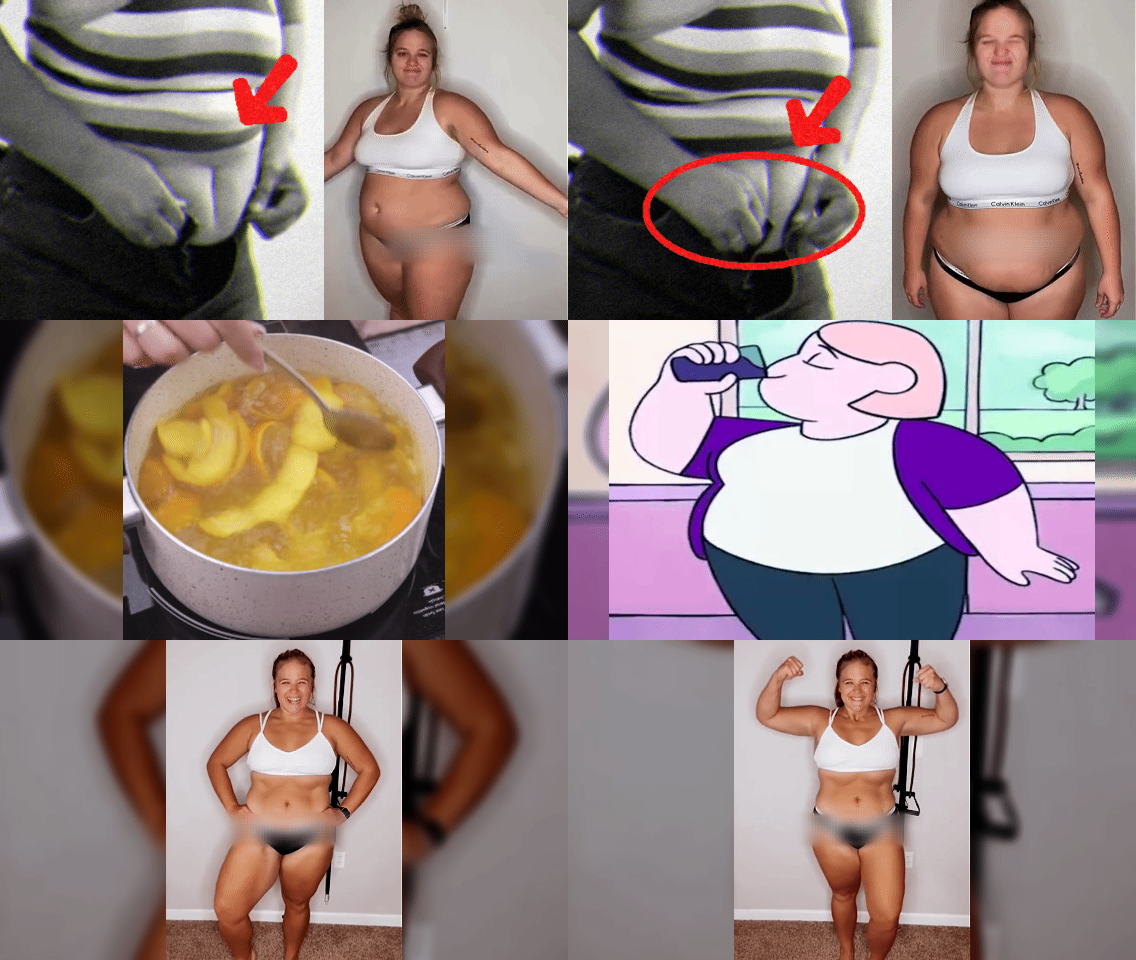
Losing weight doesn’t have to be overwhelming, restrictive, or confusing. In fact, the most effective and sustainable weight loss journeys are built on simple, repeatable daily habits that support your body rather than punish it. If you’ve ever felt stuck in cycles of dieting, losing motivation, or regaining weight, this guide is designed for you.
This article will walk you through a simple daily plan to support healthy weight loss—one that focuses on consistency, balance, and long-term results instead of quick fixes. By the end, you’ll have a clear structure you can follow every day without feeling deprived or stressed.
Why Simplicity Works for Weight Loss
Before diving into the daily plan, it’s important to understand why simple routines are so powerful.
Complex diets often fail because they demand too much change too quickly. When your routine is too rigid or complicated, it becomes hard to maintain—especially during stressful or busy periods. On the other hand, a simple daily structure:
- Reduces decision fatigue
- Builds consistency
- Supports sustainable habits
- Encourages gradual, lasting progress
Healthy weight loss is not about perfection—it’s about repeating small, supportive actions every day.
The Foundation of Healthy Weight Loss
Before we break down your day, let’s establish the key principles behind effective weight loss:
- A slight calorie deficit (not extreme restriction)
- Balanced nutrition (protein, fiber, healthy fats)
- Regular movement
- Quality sleep
- Stress management
This daily plan integrates all of these without making your life feel restricted.
Your Simple Daily Weight Loss Plan
Morning: Start with Intention and Energy
How you start your morning often sets the tone for your entire day.
1. Wake Up and Hydrate
After 6–8 hours of sleep, your body is dehydrated. Drink a glass of water first thing in the morning to:
- Kickstart your metabolism
- Improve digestion
- Reduce unnecessary hunger
You can add lemon for flavor, but plain water works perfectly.
2. Light Movement or Stretching (5–15 Minutes)
You don’t need an intense workout first thing in the morning. A simple routine like:
- Gentle stretching
- Yoga
- A short walk
helps wake up your body and improve circulation.
3. Eat a Protein-Rich Breakfast
Skipping breakfast can lead to overeating later. A balanced breakfast helps control cravings throughout the day.
Good options include:
- Eggs with vegetables
- Greek yogurt with fruit
- Oatmeal with protein (like nuts or seeds)
Protein keeps you full longer and stabilizes blood sugar levels.
Mid-Morning: Stay Focused and Balanced
4. Smart Snacking (Optional)
If you feel hungry, choose a snack that includes protein and fiber:
- Apple with peanut butter
- A handful of nuts
- Boiled eggs
Avoid high-sugar snacks that cause energy crashes.
5. Stay Hydrated
Many people confuse thirst with hunger. Aim to drink water regularly throughout the day.
A simple rule: drink a glass of water before each meal.
Afternoon: Nourish and Move
6. Eat a Balanced Lunch
Your lunch should include:
- Lean protein (chicken, fish, tofu)
- Fiber-rich carbs (brown rice, quinoa, vegetables)
- Healthy fats (avocado, olive oil)
This combination helps maintain energy levels and prevents afternoon fatigue.
7. Walk After Meals (10–15 Minutes)
A short walk after eating can:
- Improve digestion
- Help regulate blood sugar
- Increase daily calorie burn
This is one of the easiest yet most effective habits for weight loss.
Late Afternoon: Avoid Energy Slumps
8. Plan a Light Snack
Instead of reaching for sugary snacks, prepare something nourishing:
- Yogurt
- Protein shake
- Fruit with nuts
This prevents overeating at dinner.
9. Stay Active
If you sit for long periods, take breaks:
- Stand up every hour
- Stretch
- Walk around briefly
Small movements add up over time.
Evening: Wind Down Without Overeating
10. Eat a Light, Balanced Dinner
Dinner should be satisfying but not heavy.
Focus on:
- Protein
- Vegetables
- Moderate carbs
Avoid overeating late at night, as it can affect sleep and digestion.
11. Limit Late-Night Snacking
If you feel hungry, ask yourself:
- Am I actually hungry or just bored?
If needed, choose a light option like herbal tea or fruit.
Night: Recovery and Reset
12. Create a Relaxing Night Routine
Stress can lead to emotional eating and weight gain. A calming routine might include:
- Reading
- Journaling
- Meditation
Reducing stress helps regulate hormones related to hunger.
13. Get 7–8 Hours of Sleep
Sleep is often overlooked in weight loss. Poor sleep can:
- Increase cravings
- Slow metabolism
- Reduce willpower
Prioritize sleep as part of your weight loss plan.
Weekly Add-On: Exercise That Supports Fat Loss
While daily movement is essential, structured exercise enhances your results.
Aim for:
- 3–4 days of strength training
- 2–3 days of cardio (walking, cycling, swimming)
Strength training is especially important because it helps preserve muscle mass, which boosts metabolism.
Common Mistakes to Avoid
Even with a solid plan, certain habits can slow your progress:
1. Eating Too Little
Extreme calorie restriction often backfires, leading to:
- Fatigue
- Binge eating
- Slower metabolism
2. Relying Only on Exercise
Weight loss is mostly influenced by nutrition. Exercise supports it but cannot replace poor eating habits.
3. Being Inconsistent
Doing everything perfectly for a few days and then giving up won’t work. Consistency beats intensity every time.
4. Ignoring Emotional Eating
Pay attention to your triggers. Stress, boredom, and anxiety often lead to overeating.
How to Stay Consistent with This Plan
Consistency is the real secret to weight loss success.
Here’s how to stick with your daily routine:
- Start small: Don’t try to change everything at once
- Prepare meals in advance
- Keep healthy snacks available
- Track your habits (not just your weight)
- Be patient with yourself
Remember, progress may be slow—but it will be sustainable.
A Gentle Mindset Shift
Instead of asking, “How fast can I lose weight?” try asking:
“How can I support my body every day?”
This shift changes everything. It turns weight loss from a stressful challenge into a form of self-care.
When you focus on supporting your body—through nourishment, movement, and rest—weight loss becomes a natural byproduct.
Final Thoughts
A simple daily plan is one of the most powerful tools for healthy weight loss. You don’t need extreme diets or complicated routines. You need consistency, balance, and patience.
Start with small changes. Build your routine step by step. Over time, these habits will not only help you lose weight but also improve your energy, mood, and overall well-being.
The goal is not just to lose weight—but to create a lifestyle you can maintain for life.