
From Constant Dieting to Sustainable Fat Loss

If you’ve ever found yourself jumping from one diet to another—keto this month, intermittent fasting the next, and a detox plan somewhere in between—you’re not alone. The cycle of constant dieting is exhausting, both physically and mentally. You start with motivation, see some initial results, then hit a plateau… and eventually fall back into old habits.

Then comes the frustration, the guilt, and the inevitable question: Why can’t I make this work?

Here’s the truth that most diet culture won’t tell you: the problem isn’t your willpower. The problem is the approach.

Sustainable fat loss doesn’t come from extreme restriction or short-term plans. It comes from understanding your body, building consistent habits, and creating a lifestyle you can maintain long after the initial motivation fades.

This article will guide you through the journey from constant dieting to sustainable fat loss—and show you how to finally break free from the cycle.

The Hidden Cost of Constant Dieting

At first glance, dieting seems like the logical solution to weight loss. Eat less, lose weight, and achieve your goals. But when dieting becomes a repeated cycle, it creates more harm than progress.

The Dieting Loop

Most people experience a pattern that looks like this:

  1. Start a strict diet with high motivation
  2. Lose weight quickly in the beginning
  3. Hit a plateau as progress slows
  4. Feel deprived, tired, and frustrated
  5. Slip back into old eating habits
  6. Regain the weight (sometimes more)
  7. Start another diet and repeat

This cycle doesn’t just affect your body—it impacts your mindset. Over time, you begin to associate weight loss with struggle, failure, and inconsistency.

The Metabolic Impact

Frequent dieting—especially extreme calorie restriction—can slow down your metabolism. Your body adapts to lower energy intake by conserving calories, making it harder to lose fat over time.

This means that each new diet often feels harder than the last, even if you’re doing “everything right.”

The Emotional Toll

Constant dieting can also damage your relationship with food. You may begin to:

  • Label foods as “good” or “bad”
  • Feel guilty for eating certain meals
  • Develop an all-or-nothing mindset
  • Experience cycles of restriction and overeating

Sustainable fat loss requires not just physical change, but mental and emotional balance as well.

What Sustainable Fat Loss Really Means

Sustainable fat loss is not about losing weight as fast as possible. It’s about losing fat in a way that you can maintain for life.

It focuses on:

  • Long-term habits over short-term results
  • Nourishing your body instead of depriving it
  • Building strength, not just shrinking your size
  • Creating a lifestyle that supports your goals

The goal is simple: achieve results that last.

The Mindset Shift That Changes Everything

The transition from constant dieting to sustainable fat loss begins with a shift in how you think.

Instead of asking:
“How quickly can I lose this weight?”

Start asking:
“How can I build a lifestyle that makes this weight loss permanent?”

This shift moves you away from urgency and toward consistency. And consistency is where real transformation happens.

The Foundations of Sustainable Fat Loss

Let’s break down the key principles that support long-term success.

1. Stop Chasing Perfection

Perfection is one of the biggest obstacles to sustainable fat loss.

You don’t need to eat perfectly every day. You don’t need to follow a strict plan without deviation. What you need is consistency over time.

A single “imperfect” meal doesn’t ruin your progress—just like one healthy meal doesn’t create it.

Focus on progress, not perfection.

2. Build Balanced Meals

Instead of cutting out entire food groups, aim for balance in every meal. A well-rounded plate typically includes:

  • Protein for muscle and satiety
  • Healthy fats for hormone function
  • Carbohydrates for energy
  • Fiber for digestion and fullness

This approach helps stabilize blood sugar, reduce cravings, and keep your energy levels consistent.

3. Prioritize Protein and Fiber

If there are two nutrients that can make the biggest difference in fat loss, they are protein and fiber.

Protein helps preserve muscle mass and keeps you feeling full longer, while fiber slows digestion and supports gut health.

Together, they create meals that are both satisfying and supportive of your goals.

4. Move Your Body with Purpose

Exercise should not be a punishment for eating—it should be a tool for building strength and improving health.

A sustainable approach includes:

  • Strength training to build muscle and boost metabolism
  • Moderate cardio for heart health and calorie burn
  • Daily movement like walking to stay active

Find activities you enjoy, and you’ll be more likely to stick with them.

5. Focus on Habits, Not Hacks

Quick fixes rarely lead to lasting results.

Instead of searching for the next “magic solution,” invest your energy in building habits that support your goals:

  • Preparing meals ahead of time
  • Staying hydrated
  • Getting enough sleep
  • Managing stress

These habits may seem simple, but their impact compounds over time.

6. Learn to Listen to Your Body

Your body gives you signals—hunger, fullness, energy levels, cravings. Sustainable fat loss requires learning how to respond to these signals instead of ignoring them.

Eat when you’re hungry. Stop when you’re satisfied. Pay attention to how different foods make you feel.

This awareness helps you build a healthier, more intuitive relationship with food.

Why Slow Progress Is Actually Better

In a world that celebrates rapid transformation, slow progress can feel discouraging. But in reality, it’s a sign that you’re doing things right.

When you lose weight gradually:

  • You’re more likely to maintain muscle mass
  • Your metabolism stays more stable
  • Your habits become deeply ingrained
  • The results are easier to maintain

Fast results often fade quickly. Slow results tend to last.

Breaking Free from the All-or-Nothing Mindset

One of the most damaging beliefs in dieting is the idea that you’re either “on track” or “off track.”

This mindset leads to extremes—strict restriction followed by complete abandonment.

Sustainable fat loss lives in the middle.

You can enjoy a treat without losing progress. You can miss a workout and still stay consistent. You can have imperfect days and still succeed.

The key is to keep going.

Creating a Lifestyle You Don’t Need to Escape From

Many diets fail because they are too restrictive to maintain long-term. If your plan feels like something you can only do for a few weeks, it’s not sustainable.

Ask yourself:

  • Can I eat this way for the next year?
  • Can I maintain this routine with my current lifestyle?
  • Does this approach support my overall well-being?

If the answer is no, it’s time to adjust.

Your goal is to create a lifestyle that feels natural—not forced.

The Long-Term Benefits of Sustainable Fat Loss

When you move away from constant dieting and embrace a sustainable approach, the benefits extend far beyond weight loss.

You’ll experience:

  • More consistent energy levels
  • Improved relationship with food
  • Greater confidence in your habits
  • Reduced stress around eating and exercise
  • Long-lasting results that don’t require constant restarting

This is not just about changing your body—it’s about improving your quality of life.

Final Thoughts: Your Journey Starts Here

If you’ve been stuck in the cycle of constant dieting, it’s not because you’ve failed. It’s because you’ve been following a system that wasn’t designed for long-term success.

Sustainable fat loss is not about doing more—it’s about doing things differently.

It’s about choosing consistency over intensity, balance over restriction, and progress over perfection.

You don’t need another diet.

You need a better approach.

And the moment you decide to stop chasing quick fixes and start building lasting habits is the moment everything begins to change.

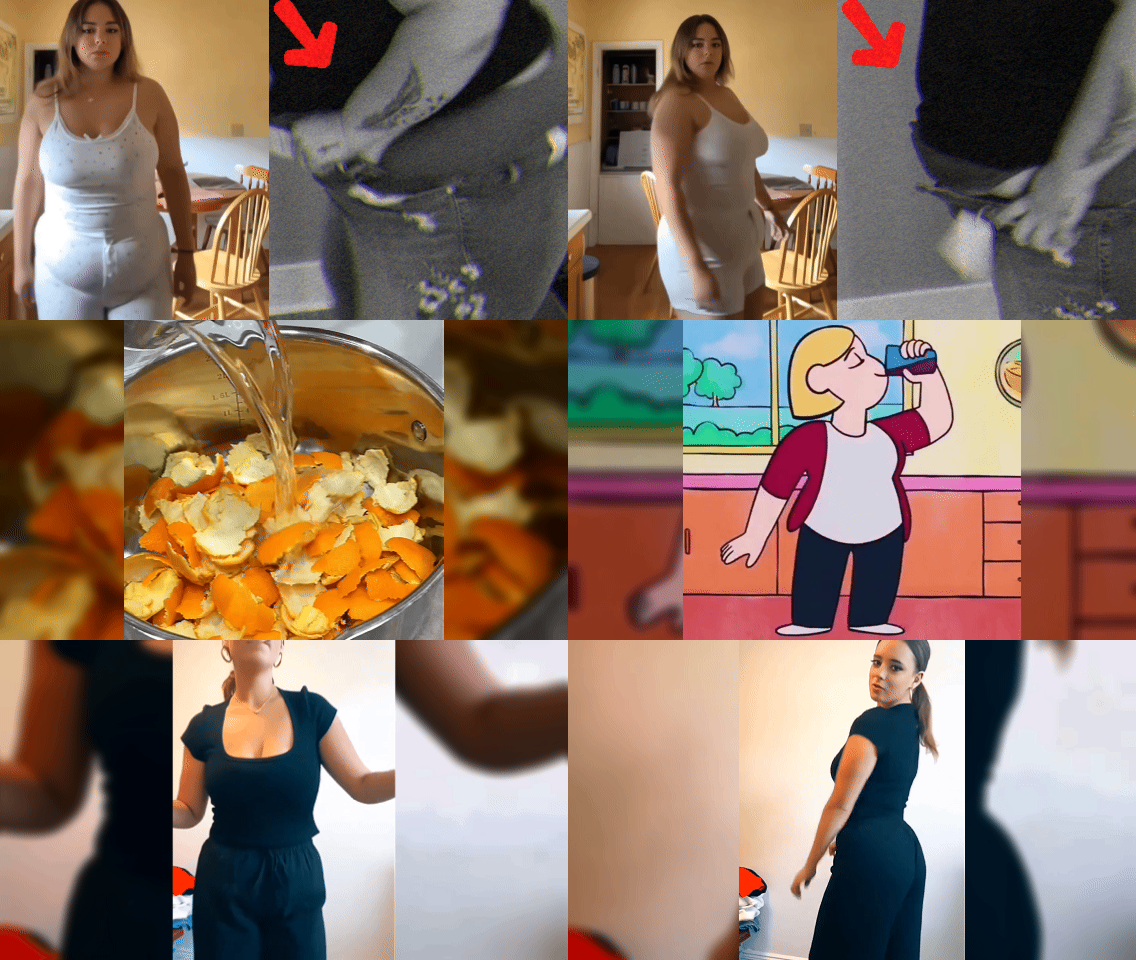
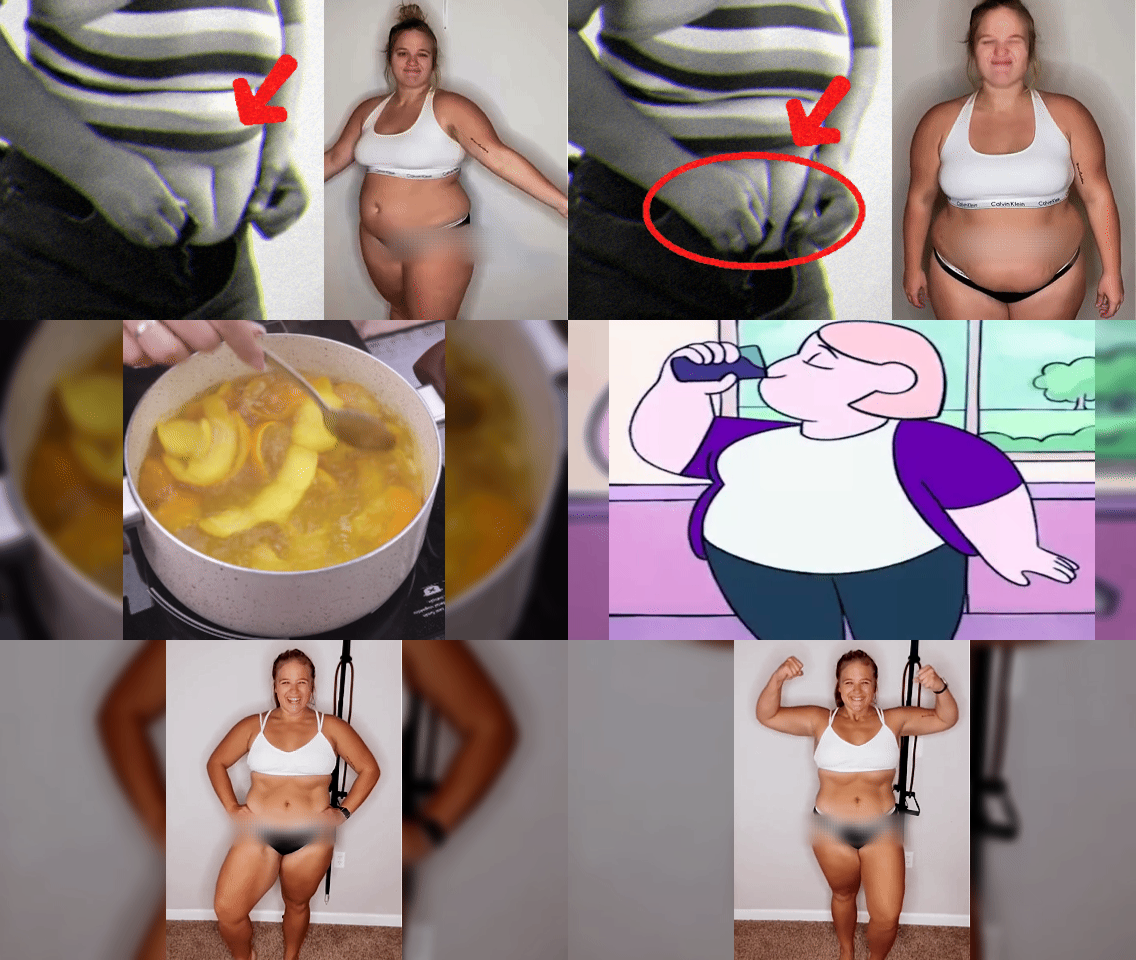
I didn’t expect this to make such a difference, but it actually explains a lot…

I came across this and found it really interesting.
Take a minute to watch the video below and see what you think.
9 Things You Should Stop Doing If You Want to Lose Weight

Losing weight is often portrayed as a simple formula: eat less and move more. While the concept itself sounds straightforward, anyone who has attempted to lose weight knows the reality is far more complex. Many people struggle not because they lack discipline or motivation, but because they unknowingly hold on to habits that sabotage their progress.

Weight loss success is not only about what you start doing—it is also about what you stop doing. Certain behaviors quietly slow down your metabolism, increase cravings, disrupt hormones, and make long-term weight loss nearly impossible.

If you have been trying to lose weight but feel stuck, the problem might not be effort. The problem may be the habits you haven’t let go of yet.

Here are nine things you should stop doing if you truly want to lose weight and keep it off for good.

1. Stop Skipping Meals to “Save Calories”

Many people believe that skipping meals will help them lose weight faster. It seems logical: if you eat less often, you consume fewer calories. However, the human body does not always respond logically—it responds biologically.

When you skip meals regularly, several things happen:

Your blood sugar drops, leading to fatigue and irritability.
Your hunger hormones spike dramatically.
Your metabolism slows down to conserve energy.

By the time you finally eat, your body is in survival mode. This often leads to overeating, binge eating, or choosing high-calorie foods because your brain is desperate for quick energy.

Instead of skipping meals, focus on eating balanced meals at regular intervals. Meals that contain protein, fiber, and healthy fats help stabilize blood sugar and keep hunger under control.

Consistent nourishment signals safety to your body, allowing your metabolism to function normally and support healthy fat loss.

2. Stop Following Extreme Diets

Crash diets promise fast results. “Lose 10 pounds in 7 days” or “Drop two sizes in a week” might sound tempting, but these approaches almost always backfire.

Extreme diets usually involve severe calorie restriction, eliminating entire food groups, or relying on unsustainable meal plans. While you may lose weight initially, much of that weight is water and muscle, not fat.

The real problem begins when the diet ends.

Your metabolism slows down.
Your hunger hormones increase.
Your cravings intensify.

This creates the perfect conditions for rapid weight regain.

Sustainable weight loss is not about temporary rules—it is about long-term habits. Instead of extreme dieting, focus on building a balanced eating pattern you can maintain for years.

Real transformation comes from consistency, not restriction.

3. Stop Drinking Your Calories

One of the most overlooked obstacles to weight loss is liquid calories. Sugary drinks can quietly add hundreds of extra calories to your day without making you feel full.

Common high-calorie beverages include:

Sodas
Sweetened coffee drinks
Fruit juices
Energy drinks
Alcoholic beverages

The body does not register liquid calories the same way it does solid food. You can drink a large number of calories and still feel hungry afterward.

This makes it incredibly easy to exceed your daily calorie needs without realizing it.

If you want to lose weight more effectively, start paying attention to what you drink. Water, unsweetened tea, and black coffee are much better options.

A simple shift away from sugary drinks can significantly reduce your daily calorie intake without requiring major dietary changes.

4. Stop Relying Only on Exercise

Exercise is incredibly beneficial for health, but it is not the primary driver of weight loss. Many people believe they can “burn off” poor eating habits through workouts, but this approach rarely works.

A single workout might burn 300–400 calories. A fast-food meal can contain more than 1,000 calories.

It is much easier to consume calories than to burn them.

Exercise should support your weight loss journey, not carry the entire burden. Strength training builds muscle, which increases metabolic rate. Cardiovascular exercise improves heart health and burns additional calories.

However, nutrition remains the foundation.

Think of weight loss like this: diet determines progress, and exercise enhances it.

5. Stop Eating Too Quickly

Modern life encourages rushed eating. Many people eat while working, scrolling on their phones, or watching television.

When you eat too quickly, your brain does not have enough time to register fullness. It takes about 20 minutes for satiety signals to reach the brain after you begin eating.

If you finish a meal in five minutes, you may consume far more food than your body actually needs.

Eating slowly helps you reconnect with your body’s hunger and fullness signals. It allows you to enjoy your food more and naturally reduces calorie intake.

Simple strategies to slow down your eating include:

Putting your fork down between bites
Chewing thoroughly
Taking small bites
Avoiding distractions during meals

Mindful eating can dramatically improve your relationship with food and support sustainable weight loss.

6. Stop Ignoring Sleep

Sleep is one of the most underestimated factors in weight loss. Many people focus entirely on diet and exercise while neglecting the impact of sleep on metabolism and hormones.

Poor sleep disrupts two critical hunger hormones:

Ghrelin, which increases hunger
Leptin, which signals fullness

When you are sleep deprived, ghrelin rises and leptin decreases. This combination makes you hungrier and less satisfied after eating.

Lack of sleep also increases cravings for high-calorie foods, particularly those rich in sugar and refined carbohydrates.

Additionally, fatigue reduces motivation to exercise and increases stress levels, both of which can hinder weight loss.

Aim for seven to nine hours of quality sleep each night. Improving sleep habits can significantly enhance your ability to lose weight and maintain healthy eating patterns.

7. Stop Letting Stress Control Your Eating

Stress is a powerful trigger for overeating. When you experience chronic stress, your body releases cortisol, a hormone that increases appetite and encourages fat storage, particularly around the abdomen.

Stress eating often involves highly processed comfort foods that provide temporary emotional relief but long-term consequences for health and weight.

If you want lasting weight loss, learning how to manage stress is essential.

Healthy stress management strategies include:

Walking in nature
Meditation or deep breathing
Journaling
Talking with supportive friends
Regular physical activity

When you address stress directly instead of suppressing it with food, you regain control over your eating behaviors.

8. Stop Expecting Instant Results

One of the biggest psychological barriers to weight loss is unrealistic expectations. Many people expect rapid transformation, and when progress slows down, they feel discouraged and quit.

Healthy weight loss is typically gradual. Losing one to two pounds per week is considered safe and sustainable.

Progress may also fluctuate due to factors like water retention, hormonal changes, and muscle gain.

Instead of focusing only on the scale, pay attention to other signs of progress:

Improved energy levels
Better sleep quality
Stronger workouts
Looser clothing
Healthier habits

Weight loss is a long-term process. Patience and consistency will always outperform quick fixes.

9. Stop Believing That You Lack Willpower

Perhaps the most damaging belief people hold during weight loss is that failure means they lack willpower. In reality, weight struggles are rarely about discipline alone.

Environment, habits, stress, sleep, and emotional triggers all play significant roles in eating behavior.

When you rely solely on willpower, you fight constant battles against your own biology and surroundings. A much more effective strategy is to design an environment that supports healthy choices.

Keep nutritious foods easily accessible.
Limit highly processed snacks at home.
Plan meals in advance.
Surround yourself with supportive people.

When your environment supports your goals, healthy decisions become easier and more automatic.

Weight loss becomes less about fighting temptation and more about living in alignment with your intentions.

The Real Secret to Sustainable Weight Loss

Weight loss is not a punishment. It is not about deprivation or perfection. It is about learning how to care for your body in a way that feels sustainable and empowering.

Instead of chasing extreme solutions, focus on removing the habits that quietly sabotage your progress.

Stop skipping meals.
Stop chasing crash diets.
Stop drinking unnecessary calories.
Stop relying only on exercise.
Stop rushing through meals.
Stop neglecting sleep.
Stop using food to manage stress.
Stop expecting instant results.
Stop believing you are the problem.

When you remove these obstacles, healthy habits become much easier to build.

The journey toward weight loss is also a journey toward self-awareness. The more you understand your behaviors, your triggers, and your body’s needs, the more control you gain over your health.

Lasting change happens gradually, through small daily decisions that accumulate over time.

And the truth is this: the goal is not just to lose weight.

The goal is to build a life where healthy choices feel natural, balanced, and sustainable.