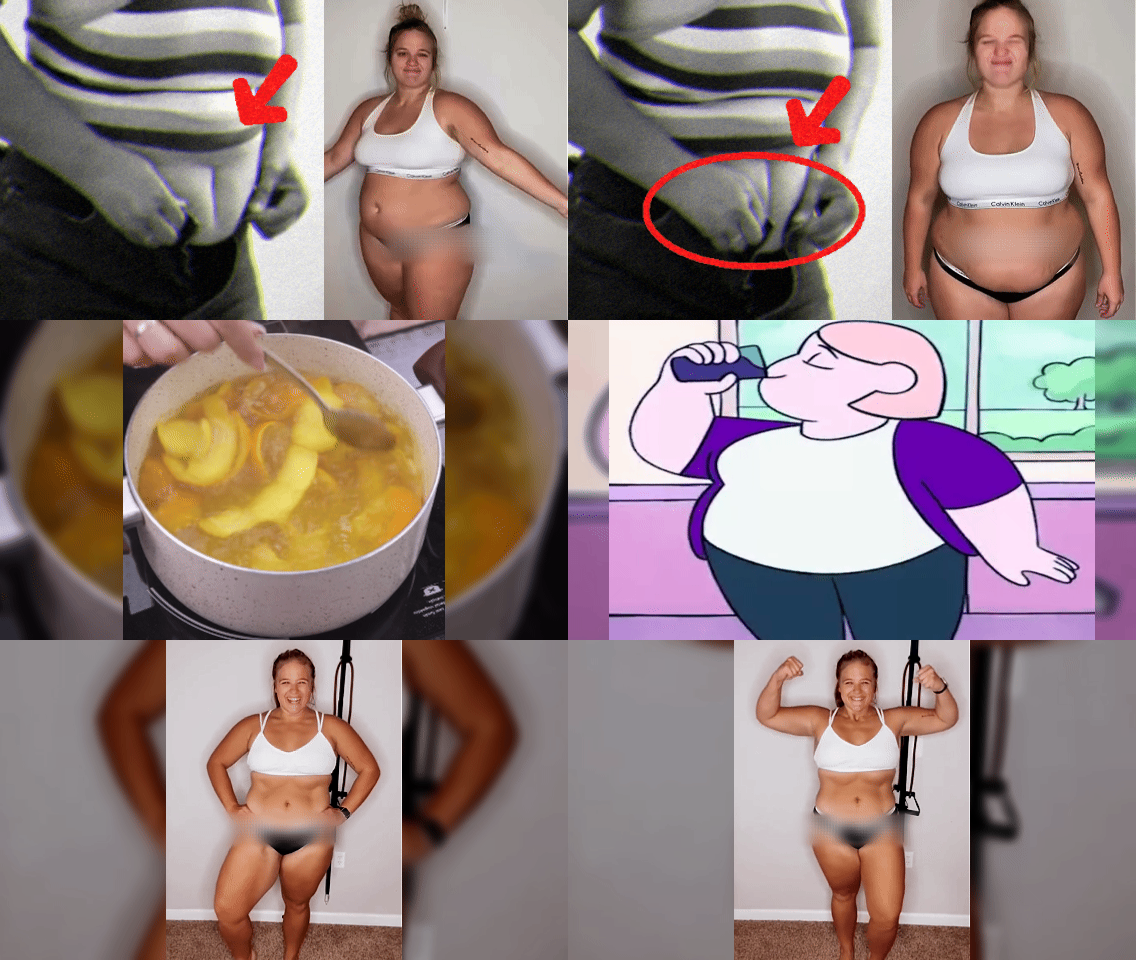
Cravings are one of the biggest obstacles for anyone trying to lose weight. You can have the perfect diet plan, the best workout routine, and strong motivation—but when cravings hit, all that discipline can quickly disappear. If you’ve ever found yourself reaching for sugary snacks late at night or craving fast food even after a full meal, you’re not alone.
The good news is that cravings are not a sign of weakness. They are often signals from your body and mind that something is out of balance. By understanding and addressing the root causes, you can reduce cravings naturally—without extreme dieting, deprivation, or willpower battles.
In this comprehensive guide, you’ll discover simple, science-backed, and sustainable ways to reduce cravings naturally and support long-term weight loss.
What Causes Cravings?
Before we dive into solutions, it’s important to understand why cravings happen in the first place. Most cravings are driven by a combination of physical and psychological factors.
Blood sugar fluctuations are one of the main causes. When you eat refined carbs or sugary foods, your blood sugar spikes and then crashes, triggering more cravings.
Hormonal imbalances also play a role. Hormones like ghrelin (hunger hormone) and leptin (satiety hormone) regulate appetite, and poor sleep or stress can disrupt them.
Emotional triggers such as stress, boredom, or anxiety can lead to emotional eating.
Nutrient deficiencies may cause your body to crave certain foods in an attempt to get missing nutrients.
Habits and conditioning are another powerful factor. If you’re used to eating snacks at certain times, your brain will expect them.
Understanding these triggers allows you to address cravings at the source rather than fighting them constantly.
1. Eat More Protein to Stay Fuller Longer
One of the easiest and most effective ways to reduce cravings is to increase your protein intake. Protein helps you feel full, stabilizes blood sugar, and reduces hunger hormones.
When you eat enough protein, you naturally feel satisfied for longer periods, which reduces the urge to snack unnecessarily.
Great sources of protein include eggs, chicken, fish, tofu, Greek yogurt, and legumes.
Try starting your day with a high-protein breakfast instead of sugary cereals or pastries. This simple change can significantly reduce cravings throughout the day.
2. Stay Hydrated Throughout the Day
Dehydration is often mistaken for hunger. Many people reach for food when their body actually needs water.
Drinking enough water helps control appetite and reduces unnecessary snacking.
A simple strategy is to drink a glass of water before meals and whenever you feel a craving coming on. Sometimes, the craving disappears within minutes.
Herbal teas are also a great option if you want something warm and comforting without added calories.
3. Improve Your Sleep Quality
Sleep plays a critical role in appetite control. Lack of sleep increases ghrelin (hunger hormone) and decreases leptin (fullness hormone), leading to stronger cravings—especially for high-calorie foods.
When you’re sleep-deprived, your brain also seeks quick energy sources, which often means sugar and processed foods.
Aim for 7–9 hours of quality sleep each night. Create a relaxing bedtime routine, reduce screen time before bed, and maintain a consistent sleep schedule.
Better sleep leads to better control over your cravings.
4. Manage Stress Effectively
Stress is one of the biggest triggers for cravings, particularly for comfort foods high in sugar and fat.
When you’re stressed, your body releases cortisol, which increases appetite and cravings.
Instead of turning to food, find healthier ways to manage stress. This could include:
Deep breathing exercises
Meditation or mindfulness
Light physical activity like walking
Journaling your thoughts
Listening to calming music
Even small daily habits can significantly reduce stress and, in turn, reduce cravings.
5. Eat Balanced Meals
A balanced meal includes protein, healthy fats, and complex carbohydrates. This combination helps keep your blood sugar stable and prevents sudden hunger spikes.
If your meals are too carb-heavy (especially refined carbs), you’re more likely to experience cravings shortly after eating.
Focus on whole foods such as vegetables, whole grains, lean proteins, nuts, and seeds.
For example, instead of eating plain toast, add eggs and avocado. This keeps you fuller and more satisfied.
6. Don’t Skip Meals
Skipping meals might seem like a good idea for weight loss, but it often backfires.
When you skip meals, your body becomes extremely hungry, making you more likely to overeat later and crave unhealthy foods.
Eating regular, balanced meals helps maintain stable energy levels and reduces the likelihood of intense cravings.
Consistency is key.
7. Include Healthy Fats in Your Diet
Healthy fats are essential for satiety. They help slow digestion and keep you feeling full longer.
Foods like avocados, nuts, seeds, olive oil, and fatty fish can reduce cravings by providing lasting energy.
Many people who cut out fats completely end up feeling unsatisfied and more prone to cravings.
The goal is not to avoid fats, but to choose the right kinds.
8. Practice Mindful Eating
Mindful eating means paying attention to what you eat, how you eat, and why you eat.
Many cravings are triggered by habits or emotions rather than true hunger.
Before giving in to a craving, ask yourself:
Are you actually hungry, or just bored or stressed?
Eating slowly, savoring each bite, and removing distractions like phones or TV can help you recognize when you’re full and reduce overeating.
9. Keep Unhealthy Snacks Out of Reach
Environment plays a huge role in your eating habits.
If unhealthy snacks are easily accessible, you’re more likely to eat them impulsively.
Instead, keep healthy options within reach, such as fruits, nuts, or yogurt.
Sometimes, simply not having junk food around can eliminate many unnecessary cravings.
10. Allow Yourself Occasional Treats
Completely restricting your favorite foods can make cravings stronger over time.
Instead of banning certain foods, allow yourself occasional treats in moderation.
This prevents feelings of deprivation and helps you maintain a healthy relationship with food.
The key is balance, not perfection.
11. Increase Fiber Intake
Fiber helps slow digestion and keeps you feeling full longer.
High-fiber foods also help regulate blood sugar levels, reducing the likelihood of cravings.
Include foods like vegetables, fruits, whole grains, and legumes in your daily meals.
A fiber-rich diet supports both weight loss and overall health.
12. Identify Your Trigger Foods
Everyone has specific foods that trigger cravings. For some, it’s chocolate; for others, it’s chips or fast food.
Once you identify your trigger foods, you can create strategies to manage them—whether that means limiting exposure or finding healthier alternatives.
Awareness is the first step toward control.
13. Stay Physically Active
Exercise doesn’t just burn calories—it also helps regulate appetite.
Regular physical activity can reduce stress, improve mood, and decrease emotional eating.
You don’t need intense workouts. Even daily walking can make a significant difference.
Consistency matters more than intensity.
14. Use Natural Flavor Alternatives
Sometimes cravings are simply about taste.
If you crave sweets, try naturally sweet foods like fruit. If you crave something crunchy, try nuts or roasted chickpeas.
Using spices like cinnamon or vanilla can also enhance flavor without adding sugar.
This allows you to satisfy cravings in a healthier way.
15. Build Sustainable Habits
The most important step is to focus on long-term habits rather than quick fixes.
Reducing cravings naturally is not about eliminating them completely—it’s about managing them in a healthy and sustainable way.
Small daily changes add up over time and create lasting results.
Final Thoughts
Cravings don’t have to control your life or sabotage your weight loss journey. By understanding the underlying causes and making simple lifestyle adjustments, you can reduce cravings naturally and effectively.
Focus on nourishing your body, managing stress, and building healthy habits. Over time, you’ll notice that cravings become less frequent, less intense, and much easier to handle.
Remember, weight loss is not about perfection—it’s about consistency, balance, and self-awareness.
Start with one or two strategies from this guide, and gradually build a routine that works for you. Your body—and your mind—will thank you.
I didn’t expect this to make such a difference, but it actually explains a lot…
Want a faster, more natural way to support your fat-burning process?
Watch this quick video to see how it works.