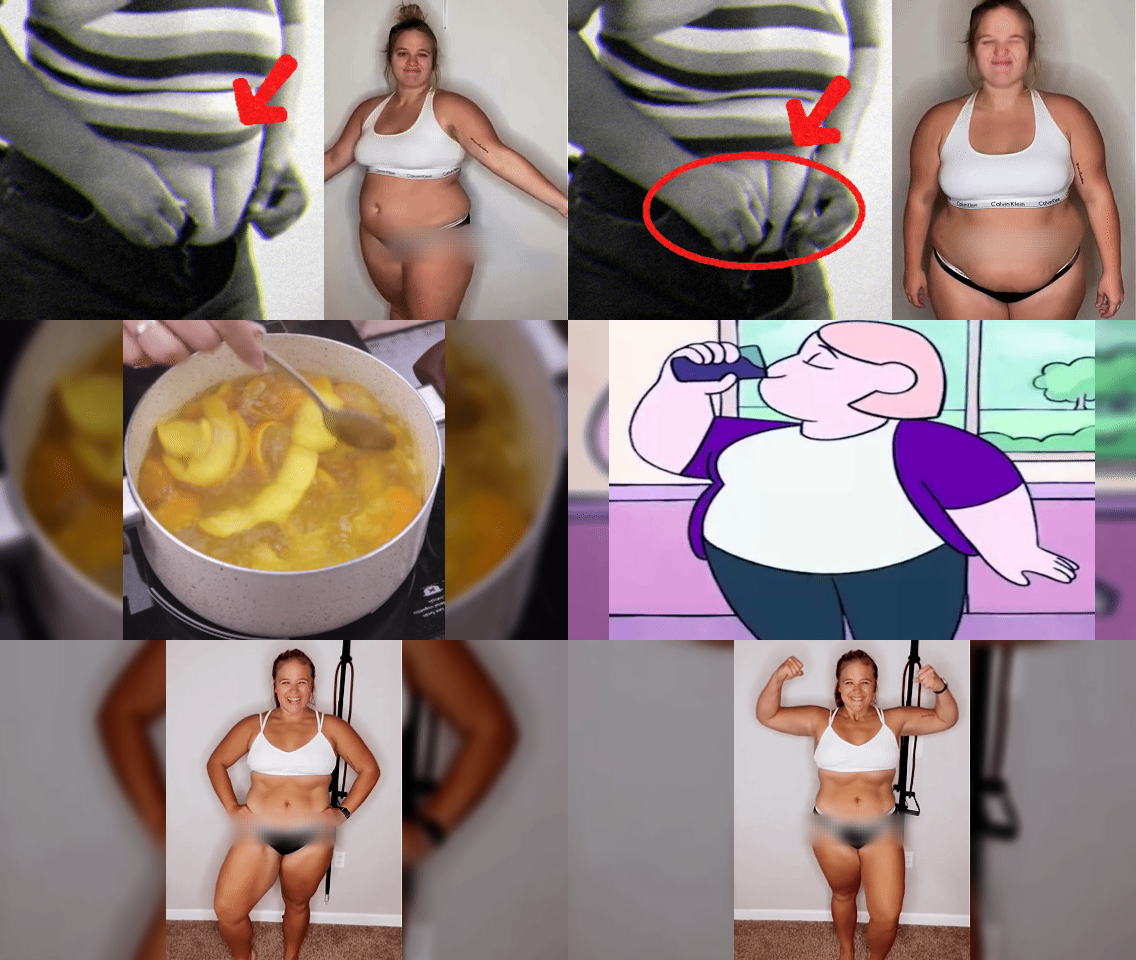
Losing weight after 30 can feel dramatically different than it did in your early twenties. The habits that once worked may no longer deliver the same results, and the body often seems less responsive, more stubborn, and slower to change. If you’ve found yourself frustrated despite eating “healthy” or exercising regularly, you are not alone.
The truth is, fat loss after 30 requires a smarter, more strategic approach. It’s no longer about extreme dieting or excessive workouts. Instead, it’s about understanding your body’s evolving biology and aligning your lifestyle with it.
In this comprehensive guide, you’ll discover exactly how to support fat loss after 30 in a sustainable, science-backed way—without burnout, deprivation, or unrealistic expectations.
Why Fat Loss Gets Harder After 30
Before diving into solutions, it’s important to understand why things change.
Slower Metabolism
As you age, your basal metabolic rate gradually declines. This means your body burns fewer calories at rest. While the drop isn’t drastic, it becomes noticeable over time, especially when combined with other lifestyle factors.
Muscle Loss (Sarcopenia)
Starting in your 30s, you begin to lose muscle mass if you’re not actively maintaining it. Since muscle is metabolically active, less muscle means fewer calories burned daily.
Hormonal Shifts
Hormones such as insulin, cortisol, estrogen, and testosterone begin to fluctuate. These changes can affect fat storage, hunger signals, and energy levels.
Lifestyle Factors
Careers, stress, family responsibilities, and reduced physical activity all play a role. Many people simply move less and sit more compared to their younger years.
Understanding these factors helps you shift from frustration to strategy.
The New Fat Loss Formula After 30
Fat loss after 30 is not about doing more—it’s about doing the right things consistently.
1. Prioritize Strength Training
If there’s one habit that makes the biggest difference after 30, it’s strength training.
Why it matters:
- Preserves and builds muscle
- Increases metabolic rate
- Improves insulin sensitivity
- Enhances body composition
Aim for at least 3–4 sessions per week focusing on compound movements such as squats, deadlifts, push-ups, and rows.
You don’t need a gym. Bodyweight workouts at home can be just as effective when done properly.
2. Eat More Protein (Yes, More)
Protein becomes even more critical as you age.
Benefits:
- Preserves muscle mass
- Keeps you fuller longer
- Boosts metabolism through the thermic effect of food
A good target is around 1.6–2.2 grams of protein per kilogram of body weight daily.
Focus on high-quality sources:
- Eggs
- Lean meats
- Fish
- Greek yogurt
- Legumes
3. Stop Extreme Dieting
Crash diets may have worked temporarily in your 20s, but after 30, they often backfire.
Problems with extreme dieting:
- Slows metabolism further
- Increases muscle loss
- Triggers binge eating cycles
- Elevates stress hormones
Instead, aim for a moderate calorie deficit that you can sustain long-term. Fat loss is a marathon, not a sprint.
4. Manage Stress Effectively
Chronic stress is one of the most overlooked fat loss blockers.
High cortisol levels can:
- Increase fat storage, especially around the belly
- Disrupt sleep
- Trigger cravings for high-calorie foods
Simple stress-management habits:
- Daily walks
- Deep breathing exercises
- Journaling
- Meditation
Even 10–15 minutes per day can make a meaningful difference.
5. Improve Sleep Quality
Sleep is not optional when it comes to fat loss after 30—it’s essential.
Poor sleep leads to:
- Increased hunger hormones (ghrelin)
- Decreased satiety hormones (leptin)
- Reduced energy for workouts
- Slower recovery
Aim for 7–9 hours of quality sleep per night. Create a consistent bedtime routine and limit screen exposure before bed.
6. Move More Throughout the Day
Structured workouts are important, but daily movement matters just as much.
This is known as NEAT (Non-Exercise Activity Thermogenesis).
Easy ways to increase movement:
- Walk more (aim for 7,000–10,000 steps daily)
- Take the stairs
- Stand while working
- Do short activity breaks
These small actions add up significantly over time.
7. Balance Your Carbohydrates
Carbs are not the enemy, but how you consume them matters.
Focus on:
- Whole, unprocessed sources (rice, oats, fruits, vegetables)
- Timing carbs around workouts
- Avoiding excessive refined sugars
Balancing carbs helps stabilize energy levels and prevent fat gain.
8. Stay Consistent, Not Perfect
After 30, consistency beats intensity every time.
Instead of:
- Starting and stopping diets
- Overtraining and burning out
Focus on:
- Sustainable habits
- Long-term routines
- Gradual progress
Fat loss is not about perfection—it’s about persistence.
Common Mistakes to Avoid
Even with the best intentions, many people unknowingly sabotage their progress.
Skipping Meals
This often leads to overeating later and disrupts metabolism.
Doing Too Much Cardio
Cardio alone is not enough. Without strength training, you risk losing muscle.
Ignoring Recovery
Rest days are essential. Overtraining increases stress and slows progress.
Comparing Yourself to Your Younger Self
Your body is different now—and that’s okay. The goal is not to go backward, but to move forward intelligently.
A Simple Weekly Fat Loss Plan After 30
Here’s a practical framework you can follow:
- Strength training: 3–4 days per week
- Light cardio or walking: daily
- Rest and recovery: 1–2 days per week
- Protein-focused meals: every day
- Sleep: 7–9 hours nightly
Keep it simple. Complexity often leads to inconsistency.
Mindset: The Hidden Key to Fat Loss
Your mindset determines your long-term success more than any diet or workout.
Shift your thinking:
- From “quick results” to “lasting change”
- From “restriction” to “nourishment”
- From “punishment” to “self-care”
When you stop fighting your body and start supporting it, everything changes.
Final Thoughts
Fat loss after 30 is not harder—it’s just different. Your body requires a more thoughtful, balanced approach that prioritizes strength, nutrition, recovery, and consistency.
You don’t need extreme diets or exhausting routines. What you need is a sustainable system that works with your life, not against it.
Start small. Stay consistent. Trust the process.
The results will come—not overnight, but in a way that lasts.
I didn’t expect this to make such a difference, but it actually explains a lot…
There’s a simple reason why most people struggle to burn fat…
Watch this short video to discover what’s really going on.