
My Experiment With Natural Fat Burning Methods

If you’ve ever felt overwhelmed by the endless stream of weight loss advice—fat burners, detox teas, extreme diets—you’re not alone. I reached a point where I was tired of shortcuts that didn’t work and frustrated by quick fixes that led to quick rebounds.

So I decided to try something different.

Instead of chasing trends, I committed to a personal experiment: using only natural fat burning methods to lose weight, boost my metabolism, and improve my overall health.

No pills. No gimmicks. No extremes.

What happened next completely changed how I view weight loss—and it might change how you approach it too.

Why I Chose Natural Fat Burning Methods

After years of trying different diets and workout programs, I realized something important:

Most weight loss strategies fail because they are not sustainable.

They rely on restriction, intensity, or artificial stimulation rather than working with your body. Natural fat burning, on the other hand, focuses on optimizing your body’s existing systems—your metabolism, hormones, and energy balance.

I wanted something that I could maintain for life, not just a few weeks.

So I began my experiment.

What Does “Natural Fat Burning” Really Mean?

Natural fat burning isn’t about magic foods or overnight transformations. It’s about creating the right internal environment for your body to efficiently use stored fat as energy.

This includes:

  • Eating whole, nutrient-dense foods
  • Supporting metabolism through movement
  • Balancing hormones
  • Improving sleep and recovery
  • Reducing chronic stress

It’s simple—but not always easy.

Week 1–2: Resetting My Foundation

I didn’t jump into anything extreme. Instead, I focused on the basics.

Cleaning Up My Diet

I eliminated ultra-processed foods and focused on:

  • Lean proteins
  • Healthy fats
  • Whole carbohydrates like fruits and vegetables

I didn’t count every calorie obsessively. Instead, I paid attention to portion sizes and how my body felt.

The biggest change? I felt fuller, longer.

Hydration Became a Priority

I started drinking more water than ever before. This alone helped reduce cravings and improved my energy levels.

Light Movement Every Day

Instead of intense workouts, I committed to daily walking—around 8,000 to 10,000 steps.

It felt almost too easy.

But that was the point.

Week 3–4: Turning Up the Fat Burning Engine

Once my body adjusted, I began layering in more targeted strategies.

Increasing Protein Intake

Protein became a cornerstone of my meals. It helped preserve muscle mass and kept me satisfied.

I noticed fewer cravings and more stable energy throughout the day.

Introducing Strength Training

This was a major shift.

I started lifting weights 3 times per week, focusing on compound movements like squats, deadlifts, and presses.

The goal wasn’t just to burn calories—but to build muscle.

Because muscle increases your resting metabolic rate, meaning you burn more calories even at rest.

Timing My Meals Smarter

I experimented with simple meal timing strategies:

  • Eating within a consistent window
  • Avoiding late-night snacking

This helped regulate my hunger signals and improved digestion.

Week 5–6: Optimizing Hormones and Recovery

This phase surprised me the most.

I realized that fat loss isn’t just about food and exercise—it’s about what happens when you’re not working out.

Prioritizing Sleep

I made sleep non-negotiable.

7–8 hours per night became my standard. Almost immediately, I noticed:

  • Reduced hunger
  • Better mood
  • More effective workouts
Managing Stress

Chronic stress can sabotage fat loss by increasing cortisol levels.

I introduced simple habits:

  • Deep breathing
  • Short breaks during the day
  • Less screen time before bed

It wasn’t perfect, but it made a difference.

Natural Metabolism Boosters

Instead of supplements, I used natural methods like:

  • Drinking green tea
  • Adding spices like chili and ginger to meals
  • Staying active throughout the day

These small changes added up.

The Results: What Actually Happened

After several weeks, something interesting happened.

The scale didn’t drop dramatically overnight—but it started moving consistently.

More importantly:

  • My body felt leaner
  • My energy levels improved
  • My cravings decreased
  • My clothes fit better

This wasn’t just weight loss—it was transformation.

And it felt sustainable.

What I Learned From This Experiment
1. Consistency Beats Intensity

You don’t need extreme workouts or drastic diets.

Small, consistent actions over time produce real results.

2. Your Body Is Not the Enemy

When you work with your body instead of against it, fat loss becomes easier and more natural.

3. Muscle Is Your Secret Weapon

Building muscle is one of the most effective natural ways to burn fat long-term.

4. Lifestyle Matters More Than Short-Term Fixes

Sleep, stress, and daily habits play a bigger role than most people realize.

5. Natural Doesn’t Mean Slow—It Means Sustainable

While results may not be instant, they last.

And that’s what truly matters.

Simple Natural Fat Burning Tips You Can Start Today

If you want to try this approach, here’s where to begin:

Start your day with a protein-rich meal
Walk more—aim for at least 8,000 steps daily
Drink more water than you think you need
Lift weights 2–4 times per week
Get at least 7 hours of sleep every night
Reduce processed foods and added sugars
Manage stress with simple daily habits

You don’t need to do everything at once.

Start small. Build momentum.

Common Mistakes to Avoid

Even natural approaches can go wrong if you’re not careful.

Avoid these pitfalls:

Trying to do too much too quickly
Expecting instant results
Ignoring recovery and sleep
Undereating for long periods
Comparing your progress to others

Your journey is unique.

Respect that.

Final Thoughts: A Better Way to Burn Fat

My experiment with natural fat burning methods didn’t just help me lose weight—it changed my mindset.

I stopped chasing shortcuts and started building a lifestyle.

And that made all the difference.

If you’re tired of starting over, of quick fixes that don’t last, consider this approach.

It may not be flashy.

But it works.

And more importantly—it lasts.

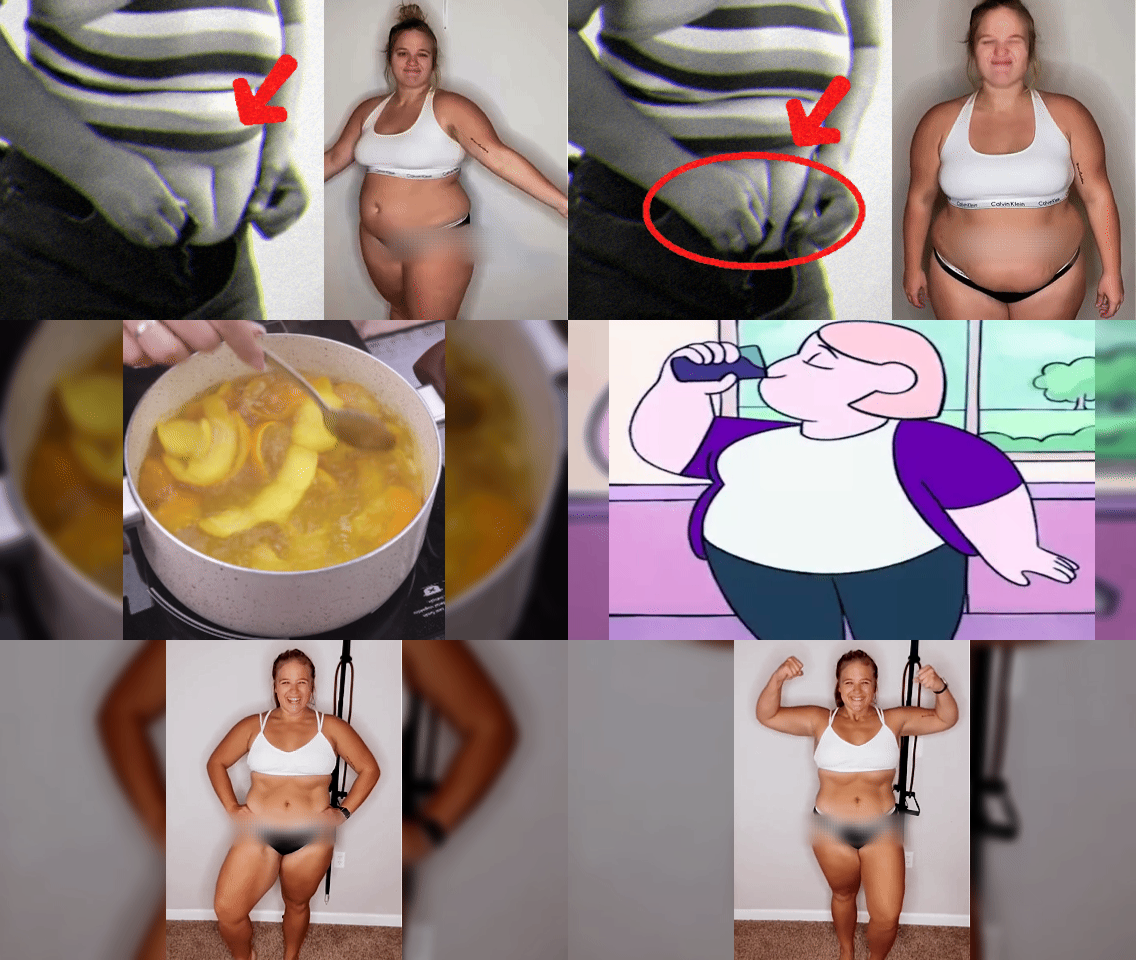
I didn’t expect this to make such a difference, but it actually explains a lot…

If you feel like you’ve tried everything but nothing works,
this short video might be exactly what you’ve been missing.

My 30-Day Journey to Boost My Metabolism Naturally

If you’ve ever felt like your body is working against you when it comes to weight loss, you’re not alone. For years, I struggled with slow progress, constant fatigue, and stubborn fat that wouldn’t budge—no matter how hard I tried. I blamed my metabolism, assuming it was just “naturally slow.”

But instead of accepting that belief, I decided to test it.

This is the story of my 30-day journey to boost my metabolism naturally—what I changed, what actually worked, and how you can apply the same strategies to accelerate your weight loss results in a healthy, sustainable way.

What Is Metabolism (And Why It Matters for Weight Loss)

Before starting my journey, I needed to understand what metabolism really is.

Your metabolism refers to all the chemical processes in your body that convert food into energy. A faster metabolism means your body burns more calories—even at rest. A slower metabolism means fewer calories burned, making weight loss harder.

But here’s what I learned: your metabolism is not fixed. It’s highly adaptable and influenced by your daily habits.

That realization changed everything.

My Starting Point: The Symptoms of a Slow Metabolism

At the beginning of my journey, I noticed several signs that my metabolism needed support:

  • Constant fatigue, even after sleeping
  • Difficulty losing weight despite dieting
  • Frequent cravings, especially for sugar
  • Feeling cold often
  • Low energy during workouts

Instead of pushing harder, I decided to work smarter by focusing on boosting my metabolism naturally.

The 30-Day Plan That Changed Everything

I didn’t follow a strict diet or extreme routine. Instead, I focused on simple, science-backed habits that support metabolic health.

Here’s exactly what I did.

Week 1: Resetting My Foundation
1. Eating Enough (Yes, Really)

The first change was counterintuitive: I stopped under-eating.

Years of dieting had slowed my metabolism. So I:

  • Increased my calorie intake slightly
  • Focused on whole, nutrient-dense foods
  • Ate consistently throughout the day

This helped signal to my body that it was safe to burn energy again.

2. Hydration Became a Priority

I started drinking 2–3 liters of water daily.

Proper hydration supports:

  • Digestion
  • Energy production
  • Calorie burning (thermogenesis)

Even mild dehydration can slow your metabolism.

3. Protein at Every Meal

I made sure every meal included a good source of protein.

Why it works:

  • Protein has a high thermic effect (burns more calories during digestion)
  • Helps preserve lean muscle mass
  • Keeps you full longer

Within a week, my cravings started to decrease.

Week 2: Building a Fat-Burning Engine
4. Strength Training 3–4 Times Per Week

This was a major shift.

Instead of relying on cardio, I focused on resistance training:

  • Squats
  • Deadlifts
  • Push-ups
  • Dumbbell exercises

Muscle is metabolically active tissue. The more muscle you have, the more calories your body burns at rest.

5. Increasing Daily Movement (NEAT)

I started paying attention to my non-exercise activity:

  • Walking more
  • Taking the stairs
  • Standing instead of sitting

This added hundreds of extra calories burned daily—without intense workouts.

6. Cutting Back on Sugar and Processed Foods

I didn’t eliminate anything completely, but I reduced:

  • Sugary drinks
  • Packaged snacks
  • Refined carbs

This helped stabilize my blood sugar and reduce energy crashes.

Week 3: Optimizing Hormones and Recovery
7. Prioritizing Sleep

This was one of the most powerful changes.

I aimed for 7–8 hours of quality sleep per night.

Better sleep improved:

  • Hunger hormones (ghrelin and leptin)
  • Recovery from workouts
  • Energy levels throughout the day
8. Managing Stress Effectively

Chronic stress increases cortisol, which can slow metabolism and promote fat storage.

I introduced:

  • 10-minute daily meditation
  • Deep breathing exercises
  • Short walks in nature

The difference in how I felt was noticeable within days.

9. Drinking Green Tea and Coffee Strategically

I added:

  • Green tea in the morning
  • Black coffee before workouts

Both can slightly increase metabolism and improve fat oxidation when used wisely.

Week 4: Fine-Tuning and Consistency
10. Eating at Regular Intervals

I avoided long periods without food and maintained consistent meal timing.

This helped:

  • Stabilize energy levels
  • Prevent overeating
  • Support metabolic efficiency
11. Adding Metabolism-Boosting Foods

I included foods known to support metabolic health:

  • Chili peppers (capsaicin)
  • Ginger
  • Apple cider vinegar
  • Leafy greens

While not magic, these small additions made a difference when combined with other habits.

12. Staying Consistent (Even When Motivation Dropped)

By week 4, motivation wasn’t always high—but I stayed consistent.

That’s when real results started to show.

My Results After 30 Days

After one month, here’s what I experienced:

  • Noticeable fat loss (especially around the belly)
  • Increased energy levels throughout the day
  • Reduced cravings and better appetite control
  • Improved strength and endurance
  • Better sleep quality

Most importantly, my body felt like it was finally working with me instead of against me.

The Biggest Lessons I Learned
1. Your Metabolism Is Not Broken

It adapts to your habits. When you support it properly, it responds.

2. Extreme Dieting Backfires

Eating too little slows your metabolism and makes fat loss harder.

3. Muscle Is the Key to Long-Term Fat Loss

Strength training is essential—not optional.

4. Lifestyle Matters More Than Short-Term Fixes

Sleep, stress, and daily movement are just as important as diet and exercise.

5. Small Changes Add Up

You don’t need to overhaul your entire life overnight. Consistent, small improvements create lasting results.

How You Can Start Your Own 30-Day Metabolism Reset

If you want to replicate my results, start with these steps:

  • Eat enough calories from whole foods
  • Include protein in every meal
  • Lift weights 3–4 times per week
  • Walk daily and stay active
  • Sleep 7–8 hours per night
  • Manage stress intentionally
  • Stay consistent for at least 30 days

You don’t need perfection. You need persistence.

Final Thoughts: A Faster Metabolism Is Built, Not Born

Before this journey, I thought metabolism was something you were born with. Now I know it’s something you build—through daily choices, habits, and consistency.

If you’ve been struggling with slow progress, don’t lose hope. Your body is incredibly adaptable. When you give it what it needs, it will respond.

Start today. Commit to 30 days. And watch what happens.

How Your Metabolism Really Works

When people talk about weight loss, one word comes up again and again: metabolism. It’s often blamed when progress is slow and praised when results come easily. But what exactly is metabolism—and more importantly, how does it really work?

If you’ve ever felt confused by conflicting advice about boosting metabolism, this guide will break it down in a clear, science-backed, and practical way. By the end, you’ll understand how your body uses energy, what actually affects your metabolic rate, and how to work with your metabolism—not against it—for sustainable weight loss.

What Is Metabolism?

Metabolism refers to all the chemical processes in your body that convert food into energy. This energy fuels everything you do—from breathing and thinking to walking and exercising.

Your metabolism is not just one thing. It consists of three main components:

1. Basal Metabolic Rate (BMR)

Your Basal Metabolic Rate is the number of calories your body needs to perform essential functions at rest, such as:

  • Breathing
  • Circulating blood
  • Regulating temperature
  • Supporting organ function

BMR accounts for about 60–75% of the total calories you burn daily. This means that even if you did nothing all day, your body would still burn a significant amount of energy.

2. Physical Activity

This includes all movement, from structured workouts to everyday tasks like walking, cleaning, or even fidgeting. It typically accounts for 15–30% of your daily calorie burn.

There are two key parts:

  • Exercise (EAT): Planned workouts
  • Non-Exercise Activity Thermogenesis (NEAT): Daily movement outside of workouts

Interestingly, NEAT can vary dramatically between individuals and plays a huge role in weight management.

3. Thermic Effect of Food (TEF)

This is the energy your body uses to digest, absorb, and process food. It makes up about 10% of your daily calorie expenditure.

Different macronutrients have different thermic effects:

  • Protein: 20–30%
  • Carbohydrates: 5–10%
  • Fats: 0–3%

This is one reason why higher-protein diets are often effective for weight loss.

The Truth About “Fast” vs. “Slow” Metabolism

Many people believe they have a “slow metabolism” and that this is the main reason they struggle with weight loss. While metabolism does vary between individuals, the difference is often smaller than people think.

Factors that influence your metabolic rate include:

  • Age: Metabolism gradually slows with age
  • Body size: Larger bodies burn more calories
  • Muscle mass: More muscle = higher calorie burn
  • Genetics: Plays a role, but not the whole story
  • Hormones: Thyroid function and other hormones matter

However, lifestyle factors—especially activity levels and eating habits—usually have a much greater impact than genetics alone.

How Metabolism Adapts During Weight Loss

One of the most misunderstood aspects of metabolism is its ability to adapt.

When you reduce calorie intake, your body responds by:

  • Burning fewer calories
  • Becoming more energy-efficient
  • Increasing hunger signals

This is known as metabolic adaptation or “adaptive thermogenesis.”

It’s not your body working against you—it’s your body trying to protect you.

The key takeaway:
Weight loss isn’t just about eating less. It’s about managing your metabolism intelligently so it doesn’t slow down more than necessary.

What Actually Boosts Your Metabolism?

Let’s separate myths from reality.

Myth: Certain foods dramatically boost metabolism

There is no “magic food” that significantly increases metabolism. Spicy foods, green tea, and caffeine may have small effects, but they are not game-changers.

Reality: These factors make a real difference
1. Building Muscle

Muscle tissue burns more calories than fat, even at rest. Increasing your muscle mass can slightly raise your BMR over time.

Strength training is one of the most effective long-term strategies for supporting metabolism.

2. Moving More Throughout the Day

NEAT is often underestimated. Small actions add up:

  • Taking the stairs
  • Walking more
  • Standing instead of sitting
  • Doing household chores

These can significantly increase daily calorie burn without feeling like “exercise.”

3. Eating Enough Protein

Protein helps in several ways:

  • Increases thermic effect of food
  • Supports muscle maintenance
  • Reduces hunger and cravings

A higher-protein diet can make weight loss easier and more sustainable.

4. Avoiding Extreme Calorie Restriction

Severely cutting calories may lead to faster short-term weight loss, but it often slows metabolism and increases the risk of regaining weight.

A moderate, consistent calorie deficit is more effective in the long run.

5. Getting Quality Sleep

Lack of sleep disrupts hormones that regulate hunger and metabolism, such as:

  • Ghrelin (increases hunger)
  • Leptin (signals fullness)

Poor sleep can lead to increased appetite and reduced energy expenditure.

6. Managing Stress

Chronic stress elevates cortisol levels, which can:

  • Increase fat storage
  • Trigger emotional eating
  • Disrupt metabolic balance

Managing stress is not just good for your mental health—it directly impacts your weight loss journey.

Why Weight Loss Plateaus Happen

At some point, many people hit a plateau where progress slows or stops.

This often happens because:

  • Your body weighs less and needs fewer calories
  • Your metabolism adapts to lower intake
  • Activity levels may decrease without noticing

To overcome a plateau, you may need to:

  • Adjust calorie intake slightly
  • Increase activity levels
  • Reassess portion sizes
  • Focus on consistency rather than perfection

Plateaus are not failures—they’re part of the process.

The Role of Hormones in Metabolism

Hormones act as messengers that regulate metabolism. Some key ones include:

  • Insulin: Controls blood sugar and fat storage
  • Thyroid hormones: Regulate metabolic rate
  • Cortisol: Influences stress and fat storage
  • Leptin and ghrelin: Control hunger and fullness

When these hormones are balanced, your metabolism functions more efficiently. Lifestyle habits like sleep, nutrition, and stress management play a major role in keeping them in check.

Sustainable Weight Loss: Working With Your Metabolism

The biggest mistake people make is trying to fight their metabolism instead of understanding it.

Sustainable weight loss comes from:

  • Creating a moderate calorie deficit
  • Prioritizing protein and whole foods
  • Staying physically active daily
  • Building muscle through strength training
  • Getting enough sleep and managing stress

This approach not only helps you lose weight but also maintain your results long-term.

A Healthier Perspective on Metabolism

Instead of seeing metabolism as something “broken” or “slow,” it’s more helpful to view it as a dynamic system that adapts to your environment and habits.

Your metabolism is always responding to:

  • How much you eat
  • How much you move
  • How well you sleep
  • How you manage stress

When you improve these areas, your metabolism adjusts accordingly.

Final Thoughts

Understanding how your metabolism really works removes a lot of frustration from weight loss.

It’s not about finding shortcuts or hacks—it’s about building habits that support your body’s natural processes.

Your metabolism is not your enemy. It’s your ally.

When you learn to work with it—by nourishing your body, staying active, and being consistent—you create a foundation for lasting, healthy weight loss.

And that’s where real transformation happens.

30 Days to a Faster Metabolism

If you’ve ever felt like your body is working against you when it comes to weight loss, you’re not alone. Many people struggle with a slow metabolism, low energy, and stubborn fat that refuses to go away—no matter how hard they try. The good news is that your metabolism is not fixed. With the right daily habits, you can train your body to burn more calories efficiently and naturally.

This 30-day plan is designed to help you reset, support, and gradually speed up your metabolism without extreme diets or exhausting routines. Instead of focusing on quick fixes, this approach builds sustainable habits that improve how your body uses energy, burns fat, and maintains balance.

By the end of these 30 days, you won’t just feel lighter—you’ll feel more energized, in control, and aligned with your body.

What Is Metabolism and Why It Matters

Your metabolism is the process by which your body converts food into energy. It influences how many calories you burn at rest and during activity. A faster metabolism means your body uses energy more efficiently, making weight management easier.

Several factors affect your metabolism, including:

  • Age
  • Muscle mass
  • Hormones
  • Activity level
  • Sleep quality
  • Nutrition

While you can’t control everything, you can significantly influence your metabolism through daily choices.

The Core Principles of This 30-Day Plan

Before diving into the weekly breakdown, let’s look at the principles that guide this program:

  • Eat enough protein to support muscle and fat burning
  • Move your body daily (not just intense workouts)
  • Build lean muscle through strength training
  • Stay hydrated
  • Improve sleep quality
  • Reduce stress levels

This plan is not about doing everything perfectly—it’s about doing the right things consistently.

Week 1: Reset Your Foundation

The first week focuses on stabilizing your body and creating a solid base for metabolic improvement.

Focus Areas

1. Hydration First

Start your day with 1–2 glasses of water. Aim for at least 2–2.5 liters daily. Proper hydration supports digestion and helps your body burn calories more efficiently.

2. Eat Regular Meals

Skipping meals can slow your metabolism. Instead, aim for:

  • 3 balanced meals
  • 1–2 healthy snacks if needed

3. Add Protein to Every Meal

Protein increases the thermic effect of food, meaning your body burns more calories digesting it.

Examples include:

  • Eggs
  • Chicken
  • Fish
  • Tofu
  • Greek yogurt

4. Walk Every Day

Start with 7,000–10,000 steps daily. Walking is one of the simplest ways to boost metabolism without stress.

Goal for Week 1

Build consistency. Don’t aim for perfection—just show up every day.

Week 2: Build Metabolic Momentum

Now that your body is more stable, it’s time to gently increase activity and improve food quality.

Focus Areas

1. Start Strength Training (2–3 Times per Week)

Muscle burns more calories than fat—even at rest. Simple exercises include:

  • Squats
  • Push-ups
  • Lunges
  • Resistance band workouts

2. Improve Meal Quality

Focus on whole foods:

  • Vegetables
  • Whole grains
  • Lean proteins
  • Healthy fats

Reduce processed foods and added sugars.

3. Add Short Bursts of Activity

Incorporate quick movements during the day:

  • Take the stairs
  • Do 5-minute workouts
  • Stretch regularly

These small actions increase your daily calorie burn.

Goal for Week 2

Start feeling stronger and more energized. Your metabolism begins adapting to increased demand.

Week 3: Activate Fat Burning

By now, your body is ready for a more active fat-burning phase.

Focus Areas

1. Increase Workout Intensity Slightly

Add 1–2 sessions of moderate cardio:

  • Brisk walking
  • Cycling
  • Light jogging

You don’t need long workouts—20–30 minutes is enough.

2. Prioritize Sleep

Sleep is critical for metabolic health. Aim for 7–8 hours per night.

Poor sleep can:

  • Increase hunger hormones
  • Reduce energy
  • Slow fat burning

3. Time Your Meals Wisely

Try to:

  • Eat at consistent times
  • Avoid late-night heavy meals

This helps regulate your body’s internal clock.

4. Manage Stress

Chronic stress raises cortisol, which can slow metabolism and increase fat storage.

Try:

  • Deep breathing
  • Journaling
  • Meditation
Goal for Week 3

Enhance fat burning while maintaining balance. You should start noticing changes in energy and appetite.

Week 4: Optimize and Sustain

The final week is about reinforcing habits and making them part of your lifestyle.

Focus Areas

1. Combine Strength and Cardio

Create a balanced routine:

  • 3 strength sessions
  • 2–3 cardio sessions
  • Daily movement

2. Eat Mindfully

Pay attention to hunger and fullness cues. Avoid emotional or distracted eating.

3. Stay Consistent with Hydration and Sleep

These are often overlooked but essential for long-term results.

4. Reflect on Progress

Instead of focusing only on weight, notice:

  • Energy levels
  • Mood improvements
  • Strength gains
  • Better sleep
Goal for Week 4

Turn your habits into a lifestyle that supports a faster metabolism naturally.

Foods That Naturally Boost Metabolism

In addition to your daily habits, certain foods can support metabolic function:

  • Protein-rich foods (chicken, eggs, fish)
  • Spicy foods (like chili peppers)
  • Green tea
  • Coffee (in moderation)
  • Fiber-rich vegetables

These don’t magically burn fat, but they support your body’s natural processes.

Common Mistakes That Slow Your Metabolism

Avoid these if you want lasting results:

1. Extreme Dieting

Eating too little forces your body to conserve energy, slowing your metabolism.

2. Skipping Meals

This can lead to energy crashes and overeating later.

3. Lack of Strength Training

Without muscle, your body burns fewer calories at rest.

4. Poor Sleep Habits

Sleep deprivation disrupts hormones related to hunger and fat storage.

What Results Can You Expect in 30 Days?

Everyone’s body is different, but within 30 days, you may notice:

  • Increased energy
  • Reduced cravings
  • Improved digestion
  • Better sleep quality
  • Gradual fat loss

The most important result is not just physical—it’s building a routine you can maintain.

The Long-Term Mindset

This 30-day plan is not an end point—it’s a beginning.

A faster metabolism isn’t something you achieve once and keep forever. It’s something you support daily through your habits.

Instead of chasing rapid weight loss, focus on:

  • Consistency over perfection
  • Progress over speed
  • Lifestyle over temporary changes

When you treat your body with care and respect, it responds in powerful ways.

Final Thoughts

Improving your metabolism doesn’t require extreme diets, endless cardio, or complicated routines. It requires simple, consistent actions repeated every day.

This 30-day plan gives you a clear path to follow—one that supports your body, boosts your energy, and helps you lose weight in a sustainable way.

Start where you are. Take it one day at a time. By the end of 30 days, you won’t just see a difference—you’ll feel it in every part of your life.

The Metabolism Reset Routine That Changed My Energy

If you’ve ever felt like your body is working against you—low energy, stubborn weight gain, constant cravings—you’re not alone. Many people believe their metabolism is “broken” or “slow,” especially after trying countless diets that promise quick results but deliver long-term frustration.

I used to feel exactly the same.

No matter how little I ate or how hard I tried to stay “on track,” my energy crashed by midday, my cravings intensified at night, and my weight barely budged. It wasn’t until I stopped chasing extremes and focused on resetting my metabolism through simple, sustainable habits that everything began to change.

This is the metabolism reset routine that transformed not just my weight—but my energy, focus, and overall well-being.

What Does “Resetting Your Metabolism” Really Mean?

Let’s clear up a common misconception.

You can’t magically “hack” your metabolism overnight. But you can support and optimize how your body uses energy by improving key systems:

  • Hormonal balance
  • Blood sugar regulation
  • Muscle mass
  • Sleep quality
  • Stress levels

When these systems are working together, your body becomes more efficient at burning calories, managing hunger, and maintaining steady energy levels.

A metabolism reset is not about restriction—it’s about restoration.

Why Your Energy Feels Low (Even If You’re Eating Less)

Many beginners make the mistake of thinking that eating less automatically leads to better results. In reality, chronic undereating can slow your metabolism and drain your energy.

Here’s what often happens:

  • Your body conserves energy by burning fewer calories
  • Hormones that regulate hunger (like ghrelin) increase
  • Energy levels drop, making movement feel harder
  • Cravings spike, especially for sugar and high-calorie foods

The result? You feel exhausted, unmotivated, and stuck.

The solution isn’t to eat less—it’s to eat smarter and live better.

The Metabolism Reset Routine

This routine is designed for beginners. It’s simple, practical, and sustainable. You don’t need perfection—just consistency.

Morning: Wake Up Your Body the Right Way
1. Hydrate Before Anything Else

After hours of sleep, your body is dehydrated.

Start your day with:

  • 1–2 glasses of water

This helps:

  • Kickstart digestion
  • Improve mental clarity
  • Support metabolic function
2. Get Natural Light Within 30 Minutes

Sunlight exposure helps regulate your circadian rhythm, which directly impacts metabolism and energy levels.

Even 5–10 minutes outdoors can:

  • Improve mood
  • Increase alertness
  • Support better sleep later
3. Eat a Protein-Focused Breakfast

Instead of sugary or carb-heavy meals, focus on protein.

Examples:

  • Eggs with vegetables
  • Greek yogurt with fruit
  • Protein smoothie

Protein helps:

  • Stabilize blood sugar
  • Reduce cravings later in the day
  • Increase the thermic effect of food (calories burned during digestion)
Midday: Build Momentum Without Burning Out
4. Move More, Not Harder

You don’t need intense workouts to boost metabolism.

Focus on:

  • Walking 7,000–10,000 steps per day
  • Taking short movement breaks

This keeps your metabolism active throughout the day without overwhelming your body.

5. Eat Balanced Meals

Each meal should include:

  • Protein
  • Fiber (vegetables, fruits)
  • Healthy fats
  • Carbohydrates

This combination:

  • Keeps you full longer
  • Maintains stable energy
  • Prevents energy crashes
6. Avoid Energy Spikes and Crashes

Highly processed foods and sugar can cause rapid spikes in blood sugar followed by crashes.

Instead:

  • Choose whole, minimally processed foods
  • Pair carbs with protein or fat

Your energy should feel steady—not like a rollercoaster.

Afternoon: Protect Your Energy
7. Manage Stress Intentionally

Chronic stress increases cortisol, which can:

  • Slow metabolism
  • Increase fat storage
  • Trigger emotional eating

Simple stress-reducing habits:

  • Deep breathing for 2–3 minutes
  • Short walks
  • Listening to calming music
8. Use Caffeine Strategically

Coffee isn’t the enemy—but timing matters.

Avoid:

  • Drinking caffeine late in the day

Instead:

  • Consume it in the morning or early afternoon

This prevents sleep disruption, which is critical for metabolic health.

Evening: Reset and Recover
9. Eat a Satisfying, Balanced Dinner

Don’t under-eat at night thinking it will help weight loss.

A proper dinner should:

  • Include protein and fiber
  • Leave you satisfied, not stuffed

Undereating often leads to late-night snacking.

10. Create a “Wind-Down” Routine

Your metabolism depends heavily on sleep quality.

Start winding down 30–60 minutes before bed:

  • Turn off screens
  • Dim the lights
  • Read or journal

This signals your body that it’s time to rest.

11. Prioritize Deep Sleep

Sleep is one of the most underrated fat-loss tools.

Poor sleep can:

  • Increase hunger hormones
  • Decrease energy
  • Slow recovery

Aim for:

  • 7–8 hours of quality sleep per night
Weekly Habits That Accelerate Results
Strength Training (2–4 Times Per Week)

Muscle burns more calories than fat—even at rest.

Begin with:

  • Bodyweight exercises
  • Light resistance training

Over time, this increases your metabolic rate.

Consistency Over Intensity

Doing something small every day is more powerful than doing something extreme occasionally.

Focus on:

  • Showing up regularly
  • Improving gradually
The Hidden Factors That Changed My Energy

Beyond food and exercise, these made the biggest difference:

1. Eating Enough

When I stopped under-eating, my energy skyrocketed. My body finally felt safe enough to function properly.

2. Letting Go of “All or Nothing”

I used to think:

  • One bad meal = failure

Now I understand:

  • One consistent habit = progress
3. Focusing on Energy, Not Just Weight

When your energy improves:

  • You move more naturally
  • You make better decisions
  • Weight loss becomes a side effect
Signs Your Metabolism Is Improving

Instead of obsessing over the scale, look for:

  • More stable energy throughout the day
  • Fewer cravings
  • Better sleep quality
  • Improved mood
  • Increased strength and endurance

These are powerful indicators that your body is changing.

Common Mistakes to Avoid
1. Eating Too Little

This is the fastest way to slow your metabolism.

2. Overtraining

Too much intense exercise can increase stress and backfire.

3. Ignoring Sleep

You can’t out-diet or out-exercise poor sleep.

4. Expecting Instant Results

A true metabolism reset takes time—but the results last.

A Simple Daily Example

Morning:

  • Water + sunlight
  • Protein-rich breakfast

Midday:

  • Balanced meals
  • Walking and light movement

Afternoon:

  • Stress management
  • Moderate caffeine

Evening:

  • Satisfying dinner
  • Wind-down routine
  • Quality sleep
Final Thoughts

The biggest shift I made wasn’t in my diet or workouts—it was in my mindset.

I stopped asking:
“How can I lose weight faster?”

And started asking:
“How can I support my body better?”

When you take care of your metabolism, your metabolism takes care of you.

Energy improves. Cravings decrease. Fat loss becomes sustainable.

You don’t need extreme discipline.
You need a routine that respects your body.

And once you build that?
Everything starts to change.