In a world that constantly pushes you to do more, be more, and achieve more, personal growth can start to feel like a never-ending race. You read the books, follow the routines, set the goals—and yet, instead of feeling empowered, you feel overwhelmed, drained, and quietly discouraged.
If that sounds familiar, here’s a truth that might change everything:
Personal growth should feel supportive, not exhausting.
Growth is not meant to break you. It’s meant to build you—gently, steadily, and sustainably. In this article, we’ll explore why modern self-improvement often leads to burnout, what true personal development should feel like, and how to create a growth journey that actually supports your life instead of consuming it.
The Hidden Problem with Modern Personal Development
Personal development has become a powerful industry—and while it offers valuable tools, it also carries an unspoken pressure: you are never enough as you are.
You’re told to:
- Wake up earlier
- Hustle harder
- Optimize every minute
- Eliminate all “bad habits”
- Constantly improve yourself
At first, it feels motivating. But over time, it becomes exhausting.
The “Always Improving” Trap
When growth turns into a constant need to fix yourself, it creates a subtle but harmful mindset:
- You feel guilty when you rest
- You judge yourself for not doing enough
- You lose appreciation for how far you’ve come
Instead of becoming more fulfilled, you become more disconnected from yourself.
That’s not growth. That’s pressure disguised as progress.
What Personal Growth Should Actually Feel Like
True personal growth doesn’t feel like a constant uphill battle. It feels like support.
Here’s what supportive growth looks like:
1. It Gives You Energy (Not Just Takes It)
After engaging in real growth activities—like journaling, learning, or reflecting—you should feel:
- Clearer
- Lighter
- More grounded
Not drained and overwhelmed.
2. It Respects Your Current Season of Life
Growth is not one-size-fits-all. What works for someone else may not work for you right now.
Supportive growth adapts to:
- Your energy levels
- Your responsibilities
- Your emotional state
3. It Allows Room for Imperfection
You don’t have to get everything right.
You don’t have to:
- Stick to every habit perfectly
- Always feel motivated
- Make progress every single day
Growth includes setbacks. And that’s okay.
4. It Feels Like Self-Respect, Not Self-Rejection
You’re not growing because you hate who you are.
You’re growing because you care about yourself.
That shift in intention changes everything.
Why Growth Feels Exhausting for So Many People
If personal growth feels tiring instead of uplifting, there are deeper reasons behind it.
You’re Trying to Do Too Much at Once
It’s easy to fall into the trap of changing everything overnight:
- New morning routine
- New diet
- New workout plan
- New mindset practices
But your brain and body need time to adapt.
Trying to do too much leads to burnout—not transformation.
You’re Motivated by Fear, Not Alignment
If your growth is driven by thoughts like:
- “I’m not good enough”
- “I’m falling behind”
- “I need to prove myself”
Then your journey will feel heavy.
Fear can push you forward—but it cannot sustain you.
You’re Ignoring Your Emotional Needs
Personal development often focuses on productivity and discipline—but neglects emotional well-being.
If you’re constantly pushing yourself without processing your emotions, you’ll feel exhausted no matter how “productive” you are.
You’re Comparing Your Journey to Others
Social media makes it easy to believe that everyone else is doing more, achieving more, and growing faster.
But comparison steals your sense of progress and replaces it with pressure.
How to Make Personal Growth Feel Supportive Again
If you’re tired of feeling overwhelmed, it’s time to redefine your approach.
Here’s how to build a growth journey that actually supports you.
1. Focus on Less, But Better
Instead of trying to improve every area of your life at once, choose 1–2 key areas.
Ask yourself:
- What matters most to me right now?
- What change would make the biggest positive impact?
Then focus your energy there.
Clarity reduces overwhelm.
2. Redefine What Progress Looks Like
Progress doesn’t have to be dramatic to be meaningful.
Small wins matter:
- Showing up even when you don’t feel like it
- Choosing a better response in a difficult moment
- Taking one step forward instead of ten
When you start recognizing small progress, growth becomes more encouraging.
3. Build Gentle, Sustainable Habits
Instead of forcing extreme routines, create habits that feel manageable.
For example:
- 5 minutes of journaling instead of 30
- A short walk instead of an intense workout
- Reading a few pages instead of finishing a book quickly
Consistency matters more than intensity.
4. Listen to Your Energy, Not Just Your Goals
Some days you’ll feel motivated. Other days you won’t.
Supportive growth means adjusting without quitting:
- High energy day → do more
- Low energy day → do less, but still show up
This creates balance instead of burnout.
5. Create Space for Rest Without Guilt
Rest is not a reward. It’s a requirement.
When you allow yourself to rest:
- Your mind resets
- Your body recovers
- Your motivation returns naturally
Growth happens during recovery, not just effort.
6. Practice Self-Compassion
You will have off days. You will make mistakes.
Instead of criticizing yourself, try:
- Understanding why it happened
- Learning from it
- Moving forward without judgment
Self-compassion keeps you consistent. Self-criticism makes you quit.
7. Align Growth with Your Values
Not all growth is meaningful.
Ask yourself:
- Why do I want this change?
- Does this align with who I truly want to become?
When your goals are aligned with your values, growth feels purposeful—not forced.
The Shift That Changes Everything
The biggest transformation happens when you stop asking:
“What do I need to fix about myself?”
And start asking:
“How can I support myself better?”
This shift moves you from pressure to partnership—with yourself.
Signs You’re Growing in a Healthy Way
You know your personal development journey is supportive when:
- You feel more at peace with yourself
- You’re less reactive and more aware
- You recover faster from setbacks
- You trust your own pace
- You feel motivated without forcing it
Growth becomes something you experience, not something you chase.
Final Thoughts: Growth Should Feel Like Coming Home to Yourself
Personal growth is not about becoming someone else.
It’s about becoming more of who you already are—without the pressure, without the exhaustion, and without the constant feeling that you’re falling behind.
You don’t need to rush.
You don’t need to prove anything.
You don’t need to exhaust yourself to grow.
Let your journey be supportive.
Let it be sustainable.
Let it feel like something you can actually live with—not something you have to survive.
Because the best version of you isn’t built through pressure.
It’s built through patience, self-respect, and consistency.
And that kind of growth doesn’t just change your life—it transforms how you experience it.
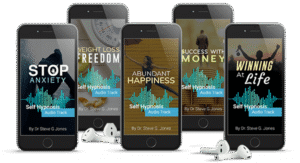
[Free Gift] Life-Changing Self Hypnosis Audio Track