
A Beginner’s Routine for Sustainable Weight Loss

Losing weight is one of the most common goals people set for themselves—but it’s also one of the most misunderstood. Many beginners start with extreme diets, exhausting workout plans, or unrealistic expectations. The result? Burnout, frustration, and often gaining the weight back.

If you’re just starting your journey, here’s the truth: sustainable weight loss is not about doing everything perfectly—it’s about doing the right things consistently.

This guide will walk you through a simple, realistic, and science-backed beginner routine that you can actually stick to long-term.

Why Most Weight Loss Plans Fail

Before we dive into the routine, it’s important to understand why many people fail:

  • They try to lose weight too fast
  • They cut calories too aggressively
  • They rely on motivation instead of habits
  • They follow plans that don’t fit their lifestyle

Sustainable weight loss isn’t about intensity—it’s about consistency. The goal is to build a routine you can maintain for months and years, not just weeks.

The Foundation of Sustainable Weight Loss

At its core, weight loss comes down to one principle: being in a calorie deficit (burning more calories than you consume). But how you create that deficit matters.

A healthy approach focuses on:

  • Balanced nutrition
  • Regular movement
  • Quality sleep
  • Stress management

Let’s break this down into a beginner-friendly daily routine.

Morning Routine: Start Your Day with Intention

How you start your morning sets the tone for your entire day.

1. Hydrate Immediately

Drink a glass of water as soon as you wake up. This helps:

  • Kickstart your metabolism
  • Reduce morning hunger confusion
  • Improve digestion
2. Light Movement (5–15 Minutes)

You don’t need an intense workout. Try:

  • Stretching
  • A short walk
  • Light yoga

This wakes up your body and builds the habit of daily movement.

3. Eat a Balanced Breakfast (Optional)

If you’re hungry, eat. If not, don’t force it.

Focus on:

  • Protein (eggs, yogurt, tofu)
  • Fiber (fruits, oats)

Avoid high-sugar breakfasts that spike energy and cause crashes.

Midday Routine: Stay Consistent, Not Perfect
4. Build a Simple Plate

For lunch, use the “balanced plate” method:

  • 1/2 plate: vegetables
  • 1/4 plate: protein
  • 1/4 plate: carbs

This keeps you full and prevents overeating later.

5. Walk More Than You Think You Need

Walking is underrated but powerful.

Start with:

  • 5,000–8,000 steps per day (beginner)
  • Gradually increase to 8,000–10,000

You don’t need a gym to lose weight—movement throughout the day matters more.

6. Smart Snacking

If you snack, choose:

  • Fruit
  • Nuts (small portions)
  • Yogurt

Avoid mindless eating. Ask yourself: “Am I actually hungry or just bored?”

Evening Routine: Where Most People Struggle

Evenings are where most weight loss efforts fail—not because of hunger, but habits.

7. Eat a Satisfying Dinner

Don’t try to “eat less at night” by starving yourself. That often backfires.

Instead:

  • Include protein (helps reduce late-night cravings)
  • Add vegetables for volume
  • Keep portions reasonable
8. Create a “Kitchen Closed” Habit

After dinner, set a rule:

  • No more eating after a certain time (e.g., 8 PM)

This reduces unnecessary calorie intake and emotional eating.

9. Replace Night Snacking with a Ritual

Instead of eating, try:

  • Drinking tea
  • Reading
  • Journaling
  • Watching something relaxing

Weight loss is often about replacing habits, not removing them.

Weekly Exercise Routine for Beginners

You don’t need to work out every day. Start simple:

3–4 Days Per Week:
  • 20–30 minutes per session

Mix of:

  • Walking or light cardio
  • Basic strength training (bodyweight exercises like squats, push-ups, lunges)

Strength training is especially important—it helps preserve muscle and boosts metabolism.

The Power of Small Habits

Here’s what most people overlook:

Small habits, done daily, create massive results over time.

Focus on:

  • Drinking more water
  • Sleeping 7–8 hours
  • Eating slowly
  • Tracking progress (not obsessively)

You don’t need to be perfect—you need to be consistent.

How to Stay Motivated (When Motivation Fades)

Motivation is temporary. Systems are permanent.

Instead of relying on motivation:

  • Set a routine (same time, same actions daily)
  • Make your environment supportive (healthy food visible, junk food hidden)
  • Track small wins (not just weight)

Examples of progress beyond the scale:

  • More energy
  • Better sleep
  • Clothes fitting differently
  • Improved mood
Common Beginner Mistakes to Avoid
1. Doing Too Much Too Fast

Starting with extreme workouts or diets leads to burnout.

Start small. Build gradually.

2. Cutting Out Entire Food Groups

You don’t need to eliminate carbs or fats. Balance is key.

3. Obsessing Over the Scale

Weight fluctuates daily. Focus on trends, not daily numbers.

4. Skipping Meals to “Save Calories”

This often leads to overeating later.

5. Expecting Fast Results

Healthy weight loss is about:

  • 0.5–1 kg per week

Anything faster is usually not sustainable.

A Sample Beginner Day

Here’s what a simple day might look like:

Morning:

  • Water + light stretching
  • Optional protein-rich breakfast

Midday:

  • Balanced lunch
  • Walk after eating

Afternoon:

  • Light snack if needed
  • Stay active

Evening:

  • Balanced dinner
  • Stop eating after a set time
  • Relaxing activity instead of snacking
The Mindset That Changes Everything

Sustainable weight loss isn’t about punishment—it’s about self-respect.

You’re not trying to:

  • Starve yourself
  • Exhaust yourself
  • Become someone else overnight

You’re learning how to:

  • Take care of your body
  • Build discipline gently
  • Create a lifestyle you enjoy

The goal is not just to lose weight—but to become someone who naturally maintains a healthy lifestyle.

Final Thoughts

If you’re a beginner, remember this:

You don’t need the perfect plan.
You need a plan you can stick to.

Start small. Stay consistent. Be patient with yourself.

Your future body is built by what you do daily—not occasionally.

And the best routine?
The one you don’t quit.

Rebuilding Trust After Hurt

Trust is one of the most powerful forces in human connection—and one of the most painful to lose. When someone you trusted deeply lets you down, lies to you, or walks away unexpectedly, it doesn’t just break a relationship. It can break your sense of safety, your confidence in others, and even your belief in yourself.

If you’ve been hurt, you may find yourself asking: How do I trust again without risking the same pain?
The answer isn’t about going back to who you were before. It’s about becoming someone stronger, wiser, and more grounded in self-trust.

This guide will walk you through how to rebuild trust after emotional pain—step by step—so you can open your heart again without losing yourself.

Why Trust Breaks So Deeply

When trust is broken, it affects more than just your feelings—it impacts your entire emotional system.

You may notice:

  • Overthinking every interaction
  • Doubting people’s intentions
  • Feeling guarded even with safe people
  • Struggling to open up emotionally

This happens because your brain is trying to protect you. It remembers the pain and wants to prevent it from happening again.

But here’s the problem:
When protection becomes your default mode, it can also block connection, intimacy, and growth.

Healing isn’t about turning off your protective instincts—it’s about updating them.

The Truth About Rebuilding Trust

Rebuilding trust is not about:

  • Blindly believing people again
  • Ignoring red flags
  • Forcing yourself to be vulnerable too quickly

Instead, it’s about:

  • Learning to trust yourself first
  • Creating emotional safety from within
  • Allowing trust to grow slowly and naturally

Trust is no longer something you give away freely. It becomes something that is built, observed, and earned over time.

Step 1: Acknowledge the Pain Honestly

You cannot rebuild trust if you pretend you weren’t hurt.

Many people try to “move on” too quickly. They distract themselves, suppress emotions, or convince themselves it wasn’t a big deal.

But unprocessed pain doesn’t disappear—it lingers in your body and shapes your future reactions.

Take time to sit with your emotions:

  • What exactly hurt you?
  • What expectations were broken?
  • What meaning did you attach to the experience?

Give yourself permission to feel anger, sadness, disappointment, or confusion.

This is not weakness. It’s the beginning of healing.

Step 2: Separate the Past From the Present

One of the biggest challenges after being hurt is that your past starts to color your present.

You may assume:

  • “People always leave.”
  • “No one is honest.”
  • “If I open up, I’ll get hurt again.”

But these are not facts—they are conclusions shaped by past experiences.

Not everyone will treat you the same way. Not every situation will end in pain.

Start asking yourself:

  • Am I reacting to what is happening now, or what happened before?
  • Is this person showing real red flags, or am I projecting fear?

Learning to separate past wounds from present reality is essential for rebuilding trust in a healthy way.

Step 3: Rebuild Trust With Yourself

Before you can trust others, you need to trust yourself again.

After being hurt, many people lose confidence in their own judgment:

  • “How didn’t I see it coming?”
  • “Why did I ignore the signs?”

Instead of blaming yourself, focus on rebuilding self-trust:

  • Trust that you can recognize red flags more clearly now
  • Trust that you will speak up when something feels wrong
  • Trust that you can walk away if needed

Self-trust is your safety net.

When you know you won’t abandon yourself, trusting others becomes less scary—because you know you’ll be okay no matter what happens.

Step 4: Take Small Emotional Risks

Trust doesn’t return all at once. It grows through small, consistent experiences.

Start with low-risk situations:

  • Share a small personal thought
  • Let someone help you with something simple
  • Be slightly more open than usual

Pay attention to how people respond.

When someone respects your boundaries, listens to you, or shows consistency, allow yourself to take another small step.

These micro-moments of connection slowly rebuild your belief that trust is possible again.

Step 5: Set and Maintain Healthy Boundaries

One of the biggest lessons from being hurt is this:
Trust without boundaries leads to pain.

Boundaries are not walls—they are filters.

They help you:

  • Protect your emotional well-being
  • Communicate your needs clearly
  • Identify who respects you and who doesn’t

Examples of healthy boundaries:

  • Taking time before fully opening up
  • Saying no when something doesn’t feel right
  • Not tolerating dishonesty or disrespect

When you maintain your boundaries, you create a sense of control and safety.

And when you feel safe, trust can grow naturally.

Step 6: Observe Actions, Not Just Words

Words can be comforting—but actions reveal the truth.

When rebuilding trust, focus on patterns:

  • Does this person follow through on what they say?
  • Are they consistent over time?
  • Do their actions align with their words?

Avoid rushing to label someone as “trustworthy” or “untrustworthy” too quickly.

Give yourself time to observe.

Trust is not built in a moment—it’s built in repeated experiences.

Step 7: Accept That Risk Is Part of Trust

This is the hardest truth to accept:
There is no way to trust without risk.

You cannot guarantee that you will never be hurt again.

But you can ensure that:

  • You won’t ignore your intuition
  • You won’t stay where you are disrespected
  • You won’t lose yourself trying to keep someone else

Trust is not about eliminating risk—it’s about becoming strong enough to handle it.

Step 8: Be Patient With Your Healing Process

Rebuilding trust takes time.

Some days, you will feel open and hopeful. Other days, you may feel guarded and uncertain.

This is normal.

Healing is not linear.

Be gentle with yourself:

  • Celebrate small progress
  • Don’t rush your emotional readiness
  • Allow yourself to move at your own pace

The goal is not to “fix” yourself quickly—it’s to rebuild a sense of safety that lasts.

Signs You Are Learning to Trust Again

As you heal, you may notice subtle changes:

  • You feel less anxious in relationships
  • You can communicate your needs more clearly
  • You are open, but not overly attached
  • You trust your instincts more

These are signs of growth.

Trust doesn’t come back as blind faith—it returns as quiet confidence.

Final Thoughts: Trust Becomes Stronger the Second Time

When you learn to trust again after being hurt, your trust is no longer fragile.

It is:

  • More intentional
  • More aware
  • More grounded in self-respect

You are no longer trusting because you don’t know better.
You are trusting because you understand both the beauty and the risk—and you choose to open your heart anyway.

That is true strength.

Rebuilding trust after hurt is not about becoming who you were before.
It’s about becoming someone who can love, connect, and trust—without losing themselves in the process.

And that version of you is far more powerful than you realize.

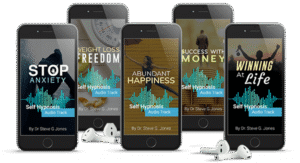
[Free Gift] Life-Changing Self Hypnosis Audio Track
6 Steps to Learn to Trust Again

Trust is one of the most fragile yet essential parts of being human. When it’s broken—by betrayal, disappointment, or repeated emotional wounds—it doesn’t just disappear. It reshapes how you see people, how you protect yourself, and how you move through the world.

If you’re here, you may be wondering: Is it even possible to trust again without getting hurt? The answer is yes—but not in the way you might expect.

Learning to trust again isn’t about becoming naive or ignoring your past. It’s about becoming wiser, more self-aware, and more intentional with your heart.

This guide will walk you through six powerful steps to rebuild trust—from the inside out—so you can reconnect with others without losing yourself.

Why Trust Feels So Hard After Being Hurt

Before we dive into the steps, it’s important to understand why trust feels nearly impossible after it’s broken.

When someone betrays you, your brain registers it as a threat. Your nervous system learns to associate vulnerability with danger. As a result, you may:

  • Overthink people’s intentions
  • Expect disappointment even in safe situations
  • Keep emotional distance to protect yourself
  • Feel anxious when things are going well

This isn’t weakness. It’s protection.

But protection can become a prison if you never update your beliefs.

Relearning trust is about teaching your mind and body that not every connection leads to pain—and that you are capable of handling whatever comes.

Step 1: Identify Your Core Fear

Most trust issues aren’t just about what happened—they’re about what you believe it means.

Ask yourself:

  • What am I actually afraid of?
  • Is it being lied to again?
  • Being abandoned?
  • Being made to feel “not enough”?

Go deeper.

Often, the core fear isn’t the event—it’s the emotional impact behind it.

For example:

  • “I’m afraid of trusting people” → “I’m afraid of feeling replaceable.”
  • “I don’t trust relationships” → “I’m afraid of losing myself again.”

When you identify your core fear, you stop generalizing your pain. You bring clarity to something that once felt overwhelming.

And clarity is the first step toward healing.

Step 2: Be Honest With Yourself

Healing begins with truth—not the version you tell others, but the one you admit to yourself.

You don’t need to pretend you’re okay. You don’t need to rush forgiveness. You don’t need to act “strong.”

Instead, ask:

  • What still hurts?
  • What am I avoiding feeling?
  • Where am I still holding resentment?

Self-honesty allows you to process emotions instead of suppressing them.

Because here’s the truth:
Unprocessed pain doesn’t disappear—it shows up as distrust, anxiety, and emotional walls.

When you face your feelings with compassion instead of judgment, you begin to rebuild trust—not in others, but in yourself.

And self-trust is the foundation of all other trust.

Step 3: Start With Small Connections

You don’t need to trust deeply right away.

In fact, trying to jump into full vulnerability too quickly can backfire and reinforce your fears.

Instead, rebuild trust gradually.

Start small:

  • Share a simple thought with someone safe
  • Accept help in a low-risk situation
  • Allow someone to show up for you in small ways

These moments may seem insignificant, but they matter.

Every positive interaction becomes evidence that not all connections are dangerous.

Think of it like rebuilding a muscle. You don’t start with the heaviest weight—you start where you are, and you grow stronger over time.

Trust works the same way.

Step 4: Listen to Your Intuition

After being hurt, many people either:

  • Stop trusting their instincts entirely
  • Or become hyper-vigilant and assume the worst

The goal isn’t to ignore your intuition—it’s to refine it.

Your intuition is not your fear.

Fear is loud, urgent, and often based on past wounds.
Intuition is quieter, steady, and rooted in present awareness.

To reconnect with your intuition:

  • Pause before reacting
  • Notice how your body feels around someone
  • Ask yourself: “Is this a real red flag, or an old pattern?”

The more you listen to yourself, the more you rebuild internal safety.

And when you feel safe within, you don’t need to control everything outside.

Step 5: Set Clear Boundaries

Trust is not about giving people unlimited access to you.

It’s about knowing you can protect yourself if needed.

Boundaries are what make trust possible.

Without them, you either:

  • Overgive and feel resentful
  • Or withdraw completely and feel disconnected

Healthy boundaries sound like:

  • “I’m not comfortable sharing that yet.”
  • “I need time to think about this.”
  • “That doesn’t work for me.”

Setting boundaries doesn’t push people away—it filters who is willing to respect you.

And here’s the key:
The more you trust yourself to enforce your boundaries, the less afraid you’ll be of trusting others.

Because you know you won’t abandon yourself again.

Step 6: Observe Without Judgment

One of the most powerful shifts you can make is learning to observe people—without immediately labeling them as “safe” or “dangerous.”

When you rush to judge, you often project your past onto the present.

Instead:

  • Watch how people behave over time
  • Notice consistency between words and actions
  • Allow trust to build naturally, not instantly

Not everyone will earn your trust—and that’s okay.

Trust is not something you owe. It’s something that is built through experience.

When you observe without judgment, you create space for reality—not fear—to guide your decisions.

Rebuilding Trust Is Not About Perfection

You will have moments where fear comes back.
You will second-guess yourself.
You may even close off again at times.

That doesn’t mean you’ve failed.

Healing is not linear—it’s layered.

Every time you choose to stay open, even a little, you are rewriting your story.

Final Thoughts: Trust Yourself First

At its core, learning to trust again isn’t really about other people.

It’s about you.

It’s about trusting that:

  • You can handle disappointment
  • You can recognize what’s right for you
  • You can walk away when something isn’t healthy

When you trust yourself, you don’t need guarantees from others.

You don’t need perfection.

You just need presence, awareness, and the courage to try again.

Because the goal isn’t to never get hurt again.

The goal is to know that even if you do—you won’t lose yourself in the process.

And that is the deepest form of trust you can build.

[Free Gift] Life-Changing Self Hypnosis Audio Track

Learning To Trust Again – Without Being Naive Or Weak

Trust is one of the most beautiful and fragile parts of being human. It connects us, opens doors to meaningful relationships, and allows us to experience life beyond fear. But when trust is broken—whether in love, friendship, family, or even in ourselves—it can leave behind a deep emotional wound.

And here’s the difficult truth: losing trust hurts, but living without trust can slowly imprison you.

If you’ve been hurt before, it’s natural to build walls. You become more cautious, more observant, more guarded. But over time, those protective layers can turn into barriers that block not just pain—but also connection, growth, and joy.

So how do you learn to trust again… without becoming naive? Without ignoring red flags? Without feeling weak?

This guide will help you rebuild trust in a grounded, wise, and emotionally strong way.

Why Losing Trust Feels So Deep

Trust is not just a belief in others—it’s a sense of safety. When you trust someone, you are allowing yourself to be vulnerable. You’re saying, “I believe I won’t be harmed here.”

So when that trust is broken, it doesn’t just affect your perception of others. It shakes your sense of security, your judgment, and even your identity.

You may start asking yourself:

  • “How did I not see it?”
  • “Can I trust my own decisions?”
  • “What if this happens again?”

These questions are painful, but they are also part of the healing process.

Because learning to trust again isn’t about going back to who you were before—it’s about becoming someone wiser.

The Difference Between Trust and Naivety

One of the biggest fears people have is this:

“If I trust again, I’ll just get hurt again.”

But this belief often comes from confusing trust with naivety.

Naivety is blind trust. It ignores warning signs. It assumes good intentions without evidence.

Healthy trust, on the other hand, is aware and grounded. It grows over time. It is built on observation, consistency, and boundaries.

Trust doesn’t mean:

  • Believing everything someone says immediately
  • Ignoring your intuition
  • Giving full access to your emotions too quickly

Trust means:

  • Allowing people to show you who they are
  • Paying attention to patterns, not promises
  • Letting connection develop gradually

You don’t need to become naive to trust again. You need to become more conscious.

Step 1: Rebuild Trust With Yourself First

Before you can trust others again, you need to reconnect with yourself.

Often, after being hurt, people lose confidence in their own judgment. They blame themselves for not seeing the truth earlier.

But healing starts when you shift this mindset.

Instead of asking:
“Why didn’t I see it?”

Ask:
“What can I learn from this?”

Rebuilding self-trust means:

  • Listening to your intuition again
  • Honoring your boundaries
  • Not ignoring discomfort just to keep peace

You don’t need to become perfect at reading people. You just need to know that if something feels wrong, you will take it seriously next time.

That is strength.

Step 2: Accept That Risk Is Part of Connection

There is no way to experience deep relationships without some level of risk.

Every time you open your heart, there is a possibility of being hurt. But there is also the possibility of being understood, supported, and loved.

Avoiding trust completely might protect you from pain—but it also guarantees loneliness.

The goal is not to eliminate risk. The goal is to manage it wisely.

This means:

  • Taking small emotional risks instead of all-or-nothing leaps
  • Letting trust grow step by step
  • Observing how someone responds to your vulnerability

Healthy relationships are not built overnight. They are built through consistent, repeated experiences of safety.

Step 3: Learn to Recognize Red Flags Without Becoming Cynical

After being hurt, many people swing to the opposite extreme—they become hyper-vigilant.

They analyze everything. They assume the worst. They expect betrayal.

While awareness is important, constant suspicion can prevent genuine connection.

The key is balance.

Instead of looking for proof that someone will hurt you, look for clarity.

Pay attention to:

  • Consistency between words and actions
  • How they treat others, not just you
  • How they respond when you express needs or boundaries

Red flags are not about perfection—they are about patterns.

At the same time, allow space for human imperfection. Not every mistake is a sign of danger.

Learning this balance is what makes you wise—not weak.

Step 4: Set Boundaries That Protect, Not Isolate

Boundaries are not walls. They are filters.

When you don’t trust, you may feel the urge to shut people out completely. But that often leads to emotional isolation.

Healthy boundaries allow connection while still protecting your well-being.

Examples of strong boundaries:

  • Taking time before sharing deeply personal information
  • Saying no when something doesn’t feel right
  • Walking away from behavior that disrespects you

Boundaries are not about controlling others. They are about taking responsibility for your own emotional safety.

When you trust your ability to protect yourself, trusting others becomes less scary.

Step 5: Let People Earn Your Trust Gradually

Trust is not something you give all at once. It is something that is built over time.

Instead of asking:
“Can I trust this person?”

Try asking:
“How has this person shown up so far?”

Trust grows through:

  • Small acts of reliability
  • Honest communication
  • Respect for boundaries

You don’t need to rush the process.

People who are truly trustworthy will not pressure you to trust them quickly. They will understand that trust takes time—and they will be willing to earn it.

Step 6: Heal the Emotional Wound, Not Just the Behavior

Sometimes, even when you meet good people, you still feel anxious or guarded.

This is because the wound hasn’t fully healed.

Trust issues are not just about other people—they are about the emotional memory of being hurt.

Healing may involve:

  • Reflecting on past experiences without judgment
  • Allowing yourself to feel the pain you avoided
  • Practicing self-compassion

You are not “too sensitive” for being affected by betrayal. You are human.

The more you process your emotions, the less power your past will have over your present.

Step 7: Redefine Strength

Many people believe that being guarded means being strong.

But true strength is not about closing yourself off. It’s about staying open—while still being grounded.

Strength is:

  • Trusting yourself to handle whatever happens
  • Being willing to love, even after being hurt
  • Choosing growth over fear

Weakness is not trusting again.

Weakness is letting fear control your life.

When you learn to trust again with awareness, you are not going backwards—you are evolving.

What It Really Means to Trust Again

Learning to trust again doesn’t mean forgetting the past. It means integrating it.

It means:

  • Carrying your lessons, not your fear
  • Staying open, but not unprotected
  • Believing in connection, without losing yourself

You will not trust the same way you did before.

And that’s a good thing.

Because now, your trust is not blind—it is intentional.

Final Thoughts: Trust Is a Choice You Make Again and Again

Trust is not a one-time decision. It’s a continuous process.

Every time you choose to open up a little more, to believe a little more, to connect a little more—you are practicing trust.

And yes, there will always be uncertainty.

But there is also something else:

Growth. Depth. Meaning.

You don’t need to become naive to trust again. You don’t need to ignore your instincts. You don’t need to be fearless.

You just need to be willing.

Willing to learn.
Willing to feel.
Willing to try again—with wisdom in your heart and strength in your boundaries.

Because a life without trust may feel safe…

But it will never feel truly alive.

[Free Gift] Life-Changing Self Hypnosis Audio Track

How to Grow Without Putting Pressure on Yourself

In a world obsessed with productivity, self-improvement, and constant achievement, personal growth often becomes another source of stress. You’re told to wake up earlier, hustle harder, optimize everything, and become a “better version” of yourself as quickly as possible. But what if growth didn’t have to feel like pressure? What if you could evolve gently, consistently, and sustainably—without burning out?

This guide is for anyone who wants to grow, but feels overwhelmed by expectations. It’s about building a version of self-improvement that is rooted in self-compassion, patience, and realistic progress.

Why Traditional Self-Improvement Feels So Exhausting

Most people approach growth with intensity rather than intention. They set high expectations, compare themselves to others, and measure progress in extreme terms: success or failure, discipline or laziness, growth or stagnation.

This all-or-nothing mindset creates pressure for several reasons:

  • It ties your worth to your productivity
  • It leaves no room for rest or mistakes
  • It makes progress feel urgent rather than meaningful
  • It turns growth into a performance instead of a process

The truth is, growth is not linear. It’s slow, uneven, and deeply personal. When you treat it like a race, you disconnect from the very transformation you’re trying to achieve.

Redefining Growth: From Pressure to Process

The first step to growing without pressure is redefining what growth actually means.

Growth is not about becoming someone else. It’s about becoming more of who you already are—more aware, more intentional, more aligned.

Instead of asking, “How can I improve faster?” ask:

  • What feels meaningful to me right now?
  • What small step can I take today?
  • How can I support myself instead of forcing myself?

Growth becomes sustainable when it feels like support, not punishment.

The Hidden Cost of Putting Pressure on Yourself

Pressure might feel motivating at first, but over time it leads to:

  • Burnout and exhaustion
  • Loss of motivation
  • Increased self-doubt
  • Fear of failure
  • Procrastination disguised as perfectionism

Ironically, the more pressure you put on yourself to grow, the harder it becomes to actually grow.

Your mind resists what feels overwhelming. When growth feels like a burden, you naturally avoid it.

The Gentle Growth Mindset

Growing without pressure requires a shift in mindset. Instead of intensity, you adopt gentleness. Instead of urgency, you choose consistency.

Here’s what that looks like in practice:

1. Progress Over Perfection

Perfection is an illusion that delays action. You don’t need the perfect plan, the perfect mindset, or the perfect timing to begin.

Focus on progress—no matter how small.

Reading one page is growth.
Taking a short walk is growth.
Saying no when you need to is growth.

Small actions compound over time. The key is consistency, not intensity.

2. Self-Compassion as a Foundation

You cannot hate yourself into becoming better. Growth rooted in self-criticism is fragile and unsustainable.

Instead of saying:
“I’m so lazy. I should be doing more.”

Try:
“I’m feeling overwhelmed. What do I need right now?”

Self-compassion doesn’t make you weak—it makes you resilient. It allows you to keep going even when things aren’t perfect.

3. Letting Go of Comparison

One of the biggest sources of pressure is comparison. You see others moving faster, achieving more, and seemingly living better lives.

But you’re comparing your behind-the-scenes to someone else’s highlight reel.

Your path is different. Your timing is different. Your challenges are different.

Growth becomes lighter when you stop measuring it against others.

4. Slowing Down to Speed Up

It sounds counterintuitive, but slowing down often leads to deeper, more lasting growth.

When you rush, you miss lessons.
When you pause, you integrate them.

Give yourself space to reflect, rest, and reset. Growth happens not just in action, but in awareness.

5. Focusing on Systems, Not Outcomes

Outcomes create pressure because they feel distant and uncertain. Systems create stability because they focus on what you can control.

Instead of saying:
“I want to become more confident.”

Create a system:
“I will practice speaking up once a day.”

Instead of chasing results, build habits that naturally lead to those results.

Practical Ways to Grow Without Pressure

Let’s make this actionable. Here are gentle strategies you can start using today.

Start With “Minimum Effort Goals”

Set goals that are so small they feel almost effortless.

  • Write one sentence instead of a full page
  • Exercise for 5 minutes instead of an hour
  • Meditate for 2 minutes instead of 20

These small wins build momentum and reduce resistance.

Create a “No-Zero Days” Rule

Instead of doing everything, focus on doing something.

Even the smallest step keeps the habit alive. This removes the pressure to be perfect and replaces it with consistency.

Celebrate Small Wins

Most people wait until they achieve something big to feel proud. But growth is built on small victories.

Acknowledge progress, even if it feels insignificant. This reinforces positive behavior and keeps you motivated.

Build a Supportive Inner Dialogue

Pay attention to how you talk to yourself.

Are you encouraging or criticizing?
Are you patient or demanding?

Your inner voice shapes your experience of growth. Make it supportive, not harsh.

Schedule Rest Without Guilt

Rest is not a reward for productivity. It’s a requirement for sustainability.

When you allow yourself to rest without guilt, you return with more energy, clarity, and motivation.

The Role of Emotional Awareness in Growth

Growth is not just about habits and routines—it’s also about understanding your emotions.

Sometimes, what looks like laziness is actually fear.
Sometimes, what feels like lack of discipline is actually burnout.

Instead of pushing through blindly, pause and ask:

  • What am I feeling right now?
  • What is this feeling trying to tell me?
  • What do I actually need?

When you address the root cause, growth becomes easier and more natural.

Why Slow Growth Is Powerful Growth

There is a quiet strength in slow, steady growth.

It builds deep confidence because it’s earned over time.
It creates lasting habits because they’re formed gradually.
It allows you to stay aligned with yourself instead of chasing external validation.

Fast growth can be exciting, but slow growth is sustainable.

And sustainability is what truly transforms your life.

Letting Go of the Timeline

One of the biggest sources of pressure is the belief that you’re “behind.”

Behind in your career.
Behind in your relationships.
Behind in your personal development.

But life is not a race. There is no universal timeline you need to follow.

You are not late. You are on your own path.

When you let go of the timeline, you free yourself to grow at your own pace.

A New Way to Approach Growth

Imagine waking up each day not with pressure, but with curiosity.

Instead of asking:
“What do I need to achieve today?”

Ask:
“What can I explore today?”
“What can I learn today?”
“How can I take care of myself today?”

Growth becomes lighter when it feels like exploration rather than obligation.

Final Thoughts

You don’t need to push yourself to the edge to become better. You don’t need to constantly prove your worth through productivity. And you certainly don’t need to grow at someone else’s pace.

Real growth is quiet. It’s patient. It’s consistent.

It’s choosing to show up, even in small ways.
It’s being kind to yourself when you fall short.
It’s trusting that progress is happening, even when it’s not obvious.

So take a deep breath. Slow down. And remember:

You are allowed to grow gently.

Because the version of you that you’re becoming doesn’t need pressure—only persistence and compassion.

[Free Gift] Life-Changing Self Hypnosis Audio Track