How to Create a Vision Board That Actually Works: A Step-by-Step Guide to Manifesting Your Goals

Vision boards have become one of the most popular tools for personal growth and manifestation. Celebrities, athletes, entrepreneurs, and everyday people all swear by them. But here’s the truth: not every vision board works. Many people cut out pretty pictures, paste them on a poster board, and then forget about it—only to wonder why nothing in their life changes. If you’ve tried before and felt disappointed, don’t worry. This guide will show you how to create a vision board that actually works by combining clarity, intention, and daily action.

What Is a Vision Board?

A vision board is a collection of images, words, and symbols that represent your goals, dreams, and desired lifestyle. It’s a powerful visual reminder that keeps you focused and motivated. Think of it as your personal GPS: it doesn’t just look pretty, it guides you toward where you want to go.

The mistake many people make is treating vision boards like magical wish lists. They hope simply looking at it will change their life. The secret is combining visualization with intentional action. That’s the difference between a board that inspires you and one that transforms your reality.

Why Vision Boards Work (Backed by Science)

Before learning how to create a vision board that actually works, it’s helpful to understand why they work. Science offers several explanations:

  • Reticular Activating System (RAS): Your brain filters millions of bits of information every day. When you focus on a goal, your RAS highlights opportunities, people, and ideas that align with it. A vision board keeps those goals front and center.
  • Visualization and Performance: Athletes often use visualization to improve performance. Seeing yourself succeed primes your brain to take action toward success.
  • Positive Psychology: Surrounding yourself with positive images boosts motivation and emotional well-being, helping you stay committed to your goals.

Step 1: Get Clear on Your Goals

The first and most important step in learning how to create a vision board that actually works is clarity. Don’t just say, “I want to be successful.” Define what success means to you.

Ask yourself:

  • What areas of my life do I want to focus on? (Career, health, relationships, travel, finances, spirituality, personal growth?)
  • What does my ideal life look and feel like?
  • What goals excite me so much that I’m willing to work for them?

Write down your answers before you even think about finding images.

Step 2: Gather Supplies

Traditionally, people use poster boards, magazines, scissors, and glue. But digital vision boards are also popular now. You can create them on Canva, Pinterest, or even set one as your phone or laptop wallpaper.

You’ll need:

  • A board (physical or digital)
  • Magazines or printed images
  • Scissors, glue, markers (for physical boards)
  • Inspiring words or affirmations

Step 3: Choose Powerful Images and Words

This is where many people go wrong. They pick random pretty pictures without emotional connection. To learn how to create a vision board that actually works, focus on images that truly resonate with your goals.

  • Want financial freedom? Use an image of someone checking their bank account balance happily, not just a pile of cash.
  • Want a loving relationship? Find a photo that reflects emotional connection, not just a couple holding hands.
  • Want better health? Choose visuals of energy, vitality, and strength, not just a model with six-pack abs.

Words matter too. Add affirmations like “I am capable of achieving my goals,” or “Abundance flows to me with ease.”

Step 4: Arrange With Intention

Don’t just paste things randomly. Group your images by theme—career, relationships, health, lifestyle. Place the most important goals in the center or at the top, where your eyes naturally go first.

Arrange your board in a way that feels balanced, inspiring, and easy to look at every day.

Step 5: Activate Your Vision Board Daily

The real secret in how to create a vision board that actually works is consistency. You can’t just create it and forget it. Make it a living tool.

  • Look at it daily. Spend a few minutes each morning visualizing yourself already living those goals.
  • Feel the emotions. Don’t just glance at the board—imagine the joy, pride, or peace you’ll feel when those goals come true.
  • Pair with action. Visualization without action is daydreaming. Each day, take one small step toward your vision.

Step 6: Place It Where You’ll See It

Your vision board should be somewhere you’ll look often: near your desk, in your bedroom, or even as a digital wallpaper. Repetition is what trains your subconscious mind.

Step 7: Update As You Grow

A common misconception is that vision boards are static. But life changes, and so do your dreams. Review your board every few months. Celebrate what you’ve achieved and replace outdated goals with new ones.

Common Mistakes to Avoid

When learning how to create a vision board that actually works, avoid these pitfalls:

  • Being too vague: “I want more money” won’t inspire you. “I want to earn $5,000 extra this year” will.
  • Choosing goals you don’t truly want: Don’t include things because others expect them. Focus on what lights you up.
  • Not looking at it daily: A forgotten board is just wall décor.
  • Skipping action steps: Your vision board is a compass, but you still need to walk the path.

Success Stories: Vision Boards in Action

  • Oprah Winfrey credits visualization as one of her success tools, often talking about creating images of her dreams long before they came true.
  • Jim Carrey famously wrote himself a $10 million check for “acting services rendered” and visualized success daily—years later, he received a film role that paid him that exact amount.
  • Everyday people report achieving dream jobs, travel goals, new relationships, and even healing journeys through consistent vision board practices.

Final Thoughts

Now you know how to create a vision board that actually works: clarity, emotion, and consistent action. Vision boards aren’t magical, but they are powerful. They align your subconscious mind with your conscious goals, helping you stay motivated and focused.

So don’t just cut out pretty pictures—create a tool that inspires you to take action every single day. With the right mindset and effort, your vision board can become a roadmap to your dream life.

How to Build Confidence in Public Speaking: The Complete Guide for Lasting Impact

Public speaking is one of the most valuable skills anyone can develop. Whether you’re giving a business presentation, delivering a speech at a wedding, or pitching an idea, the ability to speak with clarity and confidence can open doors in both personal and professional life. Yet, for many people, the thought of speaking in front of an audience triggers anxiety, nervousness, and self-doubt.

The good news is that confidence in public speaking is not something you’re born with—it’s a skill that can be developed with the right strategies, mindset, and practice. In this guide, we’ll walk through proven techniques on how to build confidence in public speaking so you can feel calm, focused, and persuasive whenever you take the stage.

Why Confidence Matters in Public Speaking

Confidence isn’t just about how you feel—it’s about how the audience perceives you. When you speak with confidence:

  • Your message becomes more convincing.
  • Listeners are more engaged and receptive.
  • You establish credibility and authority.
  • You reduce filler words like “um” or “uh.”
  • You feel more in control of your emotions and nerves.

This is why learning how to build confidence in public speaking is one of the most valuable investments you can make in yourself.

Common Fears About Public Speaking

Before we dive into solutions, let’s acknowledge the challenges most people face:

  • Fear of being judged or making mistakes.
  • Worrying about forgetting what to say.
  • Physical symptoms like sweaty palms, shaky voice, or racing heart.
  • Comparing yourself to professional speakers and feeling inadequate.

If these sound familiar, you’re not alone. Surveys consistently show that public speaking is one of the most common fears worldwide. But with the right approach, you can overcome these obstacles.

Proven Strategies on How to Build Confidence in Public Speaking

1. Know Your Material Inside and Out

Preparation is the foundation of confidence. The more familiar you are with your topic, the less likely you’ll feel caught off guard.

Tips:

  • Create an outline with key points rather than memorizing every word.
  • Anticipate questions the audience might ask.
  • Rehearse out loud several times.

When you know your content deeply, your focus shifts from “What if I forget?” to “How can I best deliver this message?”

2. Practice, Practice, Practice

Repetition builds comfort. The more you practice, the more natural public speaking becomes.

Ideas for practice:

  • Record yourself on video and watch it back.
  • Rehearse in front of a mirror.
  • Practice with a small group of trusted friends or colleagues.

Regular practice is one of the fastest ways to boost confidence.

3. Visualize Success

Athletes use visualization to prepare for competition—and you can use it for speaking.

Try this exercise:

  • Close your eyes and imagine yourself walking onto the stage.
  • Visualize speaking clearly, smiling, and making eye contact.
  • Picture the audience nodding and applauding.

Visualization rewires your brain to associate public speaking with success rather than fear.

4. Master Your Body Language

Your body often speaks louder than your words. Confident body language can instantly make you feel—and appear—more assured.

Body language tips:

  • Stand tall with good posture.
  • Use open hand gestures.
  • Make eye contact with different parts of the audience.
  • Smile genuinely.

Even if you feel nervous inside, positive body language can trick your brain into feeling more confident.

5. Control Your Breathing

Nervousness often leads to shallow breathing, which increases anxiety. Controlled breathing calms both body and mind.

Try this simple technique:

  • Inhale slowly through your nose for 4 seconds.
  • Hold for 4 seconds.
  • Exhale gently through your mouth for 6 seconds.

Doing this before your speech can dramatically reduce nerves.

6. Start Small and Build Up

If the idea of speaking to a large crowd terrifies you, start with smaller opportunities.

  • Share your ideas in team meetings.
  • Volunteer to introduce a colleague at work.
  • Join a local club like Toastmasters for regular practice.

Each small win builds confidence and prepares you for larger audiences.

7. Focus on the Message, Not Yourself

Most fear comes from worrying about how others see you. Instead, shift your focus to your message.

Ask yourself:

  • “What do I want my audience to learn or feel?”
  • “How can I make this presentation valuable for them?”

When your purpose is clear, your confidence grows because you’re focused on service, not self-consciousness.

8. Learn from Feedback

Constructive feedback is one of the best tools for improvement.

  • Ask trusted colleagues or mentors for honest input.
  • Watch your own recordings and notice habits (filler words, pacing, gestures).
  • Make one small improvement each time you speak.

Confidence comes from continuous growth.

9. Accept Imperfection

Even the best speakers make mistakes—forgetting a line, stumbling over a word, or losing their place. The key is to move on gracefully.

Audiences are usually forgiving and supportive. In fact, small mistakes can make you appear more human and relatable.

10. Keep Speaking Regularly

Confidence is like a muscle—the more you use it, the stronger it becomes. Make public speaking a regular part of your life.

  • Volunteer for presentations at work.
  • Speak at community events.
  • Teach or mentor others in your area of expertise.

The more exposure you have, the less intimidating it becomes.

Extra Tips for Building Confidence in Public Speaking

  • Dress comfortably and professionally: When you look good, you feel good.
  • Arrive early: Familiarize yourself with the room, stage, and equipment.
  • Connect with the audience beforehand: A quick smile or chat makes them feel less intimidating.
  • Use stories and examples: They’re easier to remember than scripts and make your talk more engaging.

Final Thoughts

Learning how to build confidence in public speaking is a journey, not an overnight transformation. By preparing thoroughly, practicing consistently, managing your mindset, and embracing small opportunities, you can transform fear into confidence.

Remember: audiences want you to succeed. They’re not judging your every move—they’re there to hear your message. With time, effort, and persistence, you’ll not only overcome the fear of public speaking but also learn to enjoy it as a powerful way to connect, inspire, and influence others.

>> Discover How To Speak Like a Leader By Using Verbal and Nonverbal Communication.

Breathing Exercises for Anxiety and Stress: A Complete Guide to Calm Your Mind and Body

In today’s fast-paced world, feelings of anxiety and stress have become an unavoidable part of daily life. Work deadlines, personal responsibilities, and constant digital distractions can overwhelm both the mind and body. While many coping strategies exist, one of the most effective and accessible techniques is breathing exercises for anxiety and stress. These exercises require no equipment, no special environment, and can be practiced anywhere—making them a powerful tool to restore balance and peace.

In this comprehensive guide, we’ll explore why breathing techniques are so effective, the science behind them, and step-by-step instructions for the best breathing exercises for anxiety and stress relief.

Why Breathing Matters for Mental Health

Our breathing is directly connected to the nervous system. When we feel stressed or anxious, the body activates the “fight or flight” response—causing shallow, rapid breathing, increased heart rate, and muscle tension. Over time, this stress response can leave you feeling drained, irritable, and even physically unwell.

Practicing breathing exercises for anxiety and stress reverses this process. Slow, deep, and mindful breathing activates the parasympathetic nervous system, often referred to as the “rest and digest” mode. This reduces cortisol (the stress hormone), lowers heart rate, and promotes a state of calm awareness.

The Benefits of Breathing Exercises for Anxiety and Stress

When practiced consistently, these techniques can lead to powerful long-term benefits:

  • Instant relaxation: Helps reduce racing thoughts and overwhelming feelings.
  • Better focus: Mindful breathing improves mental clarity and concentration.
  • Emotional balance: Reduces mood swings and improves resilience to stress.
  • Physical health: Lowers blood pressure, improves oxygen circulation, and supports heart health.
  • Better sleep: Creates a calmer mind, making it easier to fall asleep and stay asleep.

The Best Breathing Exercises for Anxiety and Stress

Below are some of the most effective, science-backed breathing techniques you can try right away. Each exercise can be practiced for just 3–10 minutes daily, or whenever you feel overwhelmed.

1. Diaphragmatic Breathing (Belly Breathing)

This is one of the simplest yet most powerful breathing exercises for anxiety and stress.

How to do it:

  1. Sit or lie down in a comfortable position.
  2. Place one hand on your chest and the other on your belly.
  3. Inhale deeply through your nose, allowing your belly to rise while keeping your chest still.
  4. Exhale slowly through your mouth, letting your belly fall.
  5. Repeat for 5–10 minutes.

Why it works: This type of breathing slows down the heart rate and signals the body to relax.

2. Box Breathing (4-4-4-4 Technique)

Box breathing is popular among athletes, Navy SEALs, and professionals who need to stay calm under pressure.

How to do it:

  1. Inhale through your nose for 4 seconds.
  2. Hold your breath for 4 seconds.
  3. Exhale slowly through your mouth for 4 seconds.
  4. Hold again for 4 seconds.
  5. Repeat the cycle for 5–10 minutes.

Why it works: The structured rhythm provides mental focus and reduces chaotic thinking, making it one of the best breathing exercises for stress and anxiety relief.

3. 4-7-8 Breathing Technique

Developed by Dr. Andrew Weil, this method is highly effective for relaxation and sleep.

How to do it:

  1. Inhale quietly through your nose for 4 seconds.
  2. Hold your breath for 7 seconds.
  3. Exhale completely through your mouth for 8 seconds.
  4. Repeat for 4 cycles, and gradually increase with practice.

Why it works: This technique slows down the nervous system, reduces stress, and prepares the body for deep rest.

4. Alternate Nostril Breathing (Nadi Shodhana)

A traditional yoga technique that balances both hemispheres of the brain.

How to do it:

  1. Sit comfortably with your spine straight.
  2. Close your right nostril with your thumb. Inhale deeply through your left nostril.
  3. Close your left nostril with your finger, then exhale through your right nostril.
  4. Inhale through the right nostril, then switch and exhale through the left.
  5. Continue for 5 minutes.

Why it works: This technique calms the mind, reduces anxiety, and promotes mental clarity.

5. Resonance Breathing (Coherent Breathing)

This exercise creates a balanced rhythm that optimizes heart and lung function.

How to do it:

  1. Inhale gently for 5 seconds.
  2. Exhale gently for 5 seconds.
  3. Continue this pattern for 10–20 minutes.

Why it works: Studies show that coherent breathing improves mood and reduces anxiety by harmonizing the nervous system.

6. Lion’s Breath (Simhasana)

A yoga-inspired technique to release tension and suppressed emotions.

How to do it:

  1. Sit on your knees or cross-legged.
  2. Inhale deeply through your nose.
  3. Open your mouth wide, stick out your tongue, and exhale forcefully while making a “ha” sound.
  4. Repeat 3–5 times.

Why it works: This exercise relieves jaw tension, improves blood circulation, and provides a playful stress release.

Tips for Practicing Breathing Exercises Effectively

  • Start small: Even 2–3 minutes daily can make a difference.
  • Consistency matters: Practice at the same time each day (morning or bedtime).
  • Use reminders: Set phone alarms or place sticky notes in your workspace.
  • Combine with mindfulness: Pair breathing with meditation, affirmations, or journaling for deeper benefits.
  • Be patient: Just like physical exercise, results come with practice.

When to Use Breathing Exercises for Anxiety and Stress

  • Before an important meeting or exam
  • During overwhelming thoughts or panic attacks
  • To wind down before sleep
  • After receiving stressful news
  • As part of a daily morning or evening self-care ritual

Final Thoughts

In a world where stress and anxiety often feel unavoidable, simple techniques like breathing exercises for anxiety and stress can be life-changing. By practicing diaphragmatic breathing, box breathing, 4-7-8 breathing, or other methods regularly, you can take control of your emotional state, improve your health, and create inner calm.

Remember, your breath is always with you. Learning how to use it consciously gives you a powerful, natural tool to reduce stress, ease anxiety, and bring more balance into your daily life.

Why Do I Feel Anxious for No Reason? Understanding Hidden Anxiety Triggers

Feeling anxious without knowing why can be overwhelming and confusing. Many people describe waking up with a racing heart, tight chest, or restless thoughts, yet they cannot pinpoint the cause. If you’ve ever asked yourself, “Why do I feel anxious for no reason?” you are not alone. Anxiety can sometimes appear out of nowhere, but in reality, there are often subtle triggers, biological factors, and lifestyle habits contributing to it.

In this article, we’ll explore the hidden causes of unexplained anxiety, the connection between mind and body, and practical steps to help you regain calm and clarity.

What Does It Mean to Feel Anxious for No Reason?

Anxiety is a natural response to stress or perceived danger. It activates your body’s “fight or flight” system, preparing you to deal with threats. But when you feel anxious without a clear trigger, it doesn’t mean there’s truly no reason. Instead, the cause may be hidden, indirect, or subconscious.

Unexplained anxiety can look like:

  • Waking up with a racing heart or tight chest
  • Feeling restless in calm situations
  • Sudden nervousness before daily tasks
  • Worrying excessively without knowing why

Common Hidden Causes of Anxiety

If you keep asking “why do I feel anxious for no reason?” the answer may lie in small details of your daily life. Let’s look at possible hidden causes:

1. Biological Factors

  • Hormonal changes (thyroid issues, PMS, menopause, cortisol spikes) can trigger anxiety.
  • Genetics: A family history of anxiety disorders can make you more prone to it.
  • Brain chemistry: Imbalances in neurotransmitters like serotonin or dopamine influence mood.

2. Lifestyle Habits

  • Excess caffeine: Coffee, energy drinks, and even chocolate can overstimulate your nervous system.
  • Poor sleep: Sleep deprivation increases stress hormones and makes you feel on edge.
  • Irregular eating: Low blood sugar can mimic anxiety symptoms like shakiness and rapid heartbeat.

3. Subconscious Triggers

  • Unresolved stress: Even if you think you’re “fine,” your subconscious may hold onto worries.
  • Trauma memories: Past experiences may resurface unexpectedly.
  • Overstimulation: Social media, constant notifications, and noise overload can overwhelm your nervous system.

4. Medical Conditions

Sometimes anxiety symptoms are linked to medical issues such as:

  • Heart rhythm irregularities
  • Vitamin deficiencies (B12, magnesium)
  • Chronic pain or inflammation
  • Medication side effects

Why Anxiety Sometimes Feels Random

Anxiety may feel random because the connection between trigger and response isn’t always obvious. For example:

  • Drinking coffee in the morning might not make you anxious right away, but by afternoon your body reacts.
  • Suppressing emotions during stressful weeks can lead to sudden anxiety attacks later.
  • Small daily stressors (traffic, work deadlines, negative news) add up until your body feels overwhelmed.

So when you ask, “Why do I feel anxious for no reason?”—remember that your mind and body are highly sensitive, and sometimes the cause isn’t immediately clear.

How to Calm Anxiety That Appears Out of Nowhere

While it’s important to address underlying causes, there are also quick techniques to calm yourself when anxiety strikes:

1. Breathing Exercises

Try the 4-7-8 technique: Inhale for 4 seconds, hold for 7, exhale slowly for 8. This activates your parasympathetic nervous system and reduces panic.

2. Grounding Techniques

Use the 5-4-3-2-1 method: Notice 5 things you can see, 4 you can touch, 3 you can hear, 2 you can smell, and 1 you can taste. This brings your focus back to the present moment.

3. Gentle Movement

Stretching, yoga, or walking outside helps release tension and balance stress hormones.

4. Limit Stimulants

Cut back on coffee, nicotine, and alcohol if you notice they worsen your anxiety.

5. Journaling

Writing down your feelings can uncover hidden worries you didn’t realize were affecting you.

Long-Term Strategies to Prevent Unexplained Anxiety

If “Why do I feel anxious for no reason?” is a question you ask often, long-term habits can help reduce episodes:

  • Prioritize quality sleep – Go to bed and wake up at the same time daily.
  • Eat balanced meals – Include whole grains, protein, and omega-3 rich foods for brain health.
  • Practice mindfulness or meditation – Just 10 minutes a day can retrain your mind to stay calm.
  • Exercise regularly – Physical activity boosts endorphins and regulates stress hormones.
  • Seek therapy – Cognitive-behavioral therapy (CBT) can uncover thought patterns contributing to anxiety.

When to Seek Professional Help

Occasional unexplained anxiety is normal, but if you experience frequent or intense episodes, it may be time to consult a doctor or therapist. Seek professional support if:

  • Anxiety interferes with your daily life
  • You have constant racing thoughts or panic attacks
  • Sleep and appetite are consistently affected
  • You fear something bad will happen without reason

A professional can help determine whether your anxiety is linked to a medical condition, mental health disorder, or lifestyle factors.

Final Thoughts

So, why do I feel anxious for no reason? The truth is, there is almost always a reason—even if it’s hidden beneath the surface. Anxiety can come from biological changes, lifestyle habits, subconscious stress, or medical issues. By learning to identify subtle triggers and practicing calming strategies, you can take back control of your mental and emotional well-being.

Remember: feeling anxious doesn’t mean you’re weak or broken. It’s your body’s way of signaling that something needs attention. With awareness, self-care, and the right support, you can overcome unexplained anxiety and create a calmer, more balanced life.

Morning Affirmations for Positive Energy: Start Your Day with Confidence and Joy

The way you begin your morning sets the tone for the rest of your day. If you start the day with stress, negative thoughts, or doubts, those feelings often linger and affect your productivity, mood, and relationships. On the other hand, beginning your morning with positivity and empowerment can transform the way you experience life. That’s where morning affirmations for positive energy come in.

Affirmations are short, powerful statements that you repeat to yourself to reprogram your subconscious mind. They replace negative self-talk with uplifting thoughts and help you create a strong mindset that supports success, happiness, and inner peace. Whether you are new to affirmations or have been practicing them for years, incorporating them into your morning routine can be a game changer.

In this article, we’ll explore why morning affirmations are so powerful, how to use them effectively, and provide a long list of affirmations you can use daily for confidence, energy, and positivity.

Why Morning Affirmations Matter

Our brains are most receptive to new ideas in the morning. The quiet hours after waking are an opportunity to shape your mindset before the noise of the world takes over. By practicing morning affirmations for positive energy, you prime your thoughts to focus on gratitude, self-belief, and optimism instead of stress or self-doubt.

The benefits include:

  • Increased confidence – Affirmations remind you of your worth and abilities.
  • Reduced stress – Positive self-talk helps counter negative emotions before they spiral.
  • Better focus – Setting your mind on empowering beliefs helps you stay motivated throughout the day.
  • Higher energy – Words carry vibration, and affirmations raise your energy levels when repeated with intention.
  • Emotional resilience – Affirmations help you handle challenges with a positive mindset.

How to Use Morning Affirmations Effectively

Affirmations are more than just words—you must engage with them fully to feel their impact. Here are some simple tips:

  1. Say them out loud – Your voice carries energy. Speak affirmations with confidence.
  2. Repeat daily – Consistency is key. Affirmations work best when practiced every morning.
  3. Believe in them – Even if they don’t feel true at first, allow yourself to grow into the belief.
  4. Pair with deep breathing – Take slow, mindful breaths as you repeat your affirmations to align mind and body.
  5. Visualize while affirming – Imagine yourself living out the affirmation. This strengthens its effect.

50 Powerful Morning Affirmations for Positive Energy

Here’s a list of affirmations to uplift your spirit, boost your motivation, and fill your day with positive energy.

Affirmations for Confidence

  1. I believe in myself and my abilities.
  2. I am confident, courageous, and capable.
  3. I trust the journey I am on.
  4. I radiate self-assurance wherever I go.
  5. I attract opportunities because of my confidence.

Affirmations for Gratitude

  1. I am grateful for this new day.
  2. I appreciate the small and big blessings in my life.
  3. My heart is filled with gratitude and joy.
  4. I focus on abundance, not lack.
  5. Gratitude flows through me and uplifts my soul.

Affirmations for Inner Peace

  1. I release all stress and embrace calmness.
  2. Peace flows through me with every breath.
  3. I let go of negativity and welcome serenity.
  4. My mind is clear, calm, and focused.
  5. I choose peace over worry.

Affirmations for Energy and Motivation

  1. I wake up energized and excited for the day.
  2. I am full of vitality and positive energy.
  3. I embrace challenges with enthusiasm.
  4. Every action I take today brings me closer to my goals.
  5. I am unstoppable and full of strength.

Affirmations for Self-Love

  1. I love and accept myself fully.
  2. I deserve happiness, love, and success.
  3. I treat myself with kindness and compassion.
  4. My worth is not defined by others’ opinions.
  5. I am proud of who I am becoming.

Affirmations for Success

  1. I am focused, disciplined, and determined.
  2. Success flows naturally to me.
  3. I am open to new opportunities.
  4. My hard work always pays off.
  5. I attract prosperity and abundance.

Affirmations for Relationships

  1. I attract love and kindness from others.
  2. My relationships are healthy and fulfilling.
  3. I give and receive love freely.
  4. I surround myself with positive and supportive people.
  5. I bring joy into the lives of others.

Affirmations for Healing and Positivity

  1. I release what no longer serves me.
  2. I am healing, growing, and thriving.
  3. Positive energy surrounds me at all times.
  4. I choose to see the good in every situation.
  5. I radiate positivity wherever I go.

Affirmations for Daily Mindset

  1. Today is filled with endless possibilities.
  2. I am capable of achieving anything I set my mind to.
  3. I focus on progress, not perfection.
  4. I welcome this day with excitement and joy.
  5. I choose happiness in every moment.

Affirmations for Spiritual Growth

  1. I trust the universe to guide me.
  2. My soul is aligned with love and light.
  3. I am connected to infinite wisdom.
  4. I honor my inner voice and intuition.
  5. I am at peace with myself and the world.

Creating Your Own Morning Affirmations

While using ready-made affirmations is a great way to start, creating your own can be even more powerful. To create affirmations:

  • Use the present tense (e.g., “I am confident” instead of “I will be confident”).
  • Keep them positive (avoid negative words like “don’t” or “can’t”).
  • Make them personal and relevant to your current goals.
  • Repeat them with emotion—feel the words as if they are already true.

Final Thoughts

Practicing morning affirmations for positive energy is one of the simplest yet most impactful ways to transform your mindset and your life. By speaking words of empowerment into existence, you set the tone for a day filled with clarity, gratitude, and strength.

Remember: the thoughts you feed your mind in the morning will echo throughout the day. Choose affirmations that inspire, energize, and remind you of your worth. With consistent practice, you’ll notice a shift not only in your daily outlook but in your overall quality of life.

Start tomorrow morning with just five affirmations from this list, say them out loud, and watch how your energy transforms.

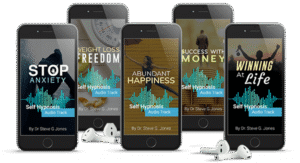
[Free Gift] Life-Changing Self Hypnosis Audio Track