
Confidence Increasing Exercises You’ve Never Heard Of: How to Train Your Brain and Body for Unshakable Self-Assurance

Confidence isn’t something you either have or don’t — it’s something you train. Just like a muscle, it grows through consistent practice, repetition, and recovery. The problem is that most people approach confidence like motivation — they wait for it to show up. But confidence doesn’t come before action. It’s the result of taking action repeatedly until your nervous system learns, “I can handle this.”

In this guide, we’ll explore confidence increasing exercises that go far beyond the typical advice of “just be positive” or “fake it until you make it.” These methods blend neuroscience, psychology, and subtle behavioral shifts to create deep, sustainable self-trust. They’re practical, science-backed, and surprisingly simple — yet rarely talked about.

Why Most People Fail to Increase Confidence

Before diving into the exercises, it’s essential to understand one thing: confidence isn’t about being fearless. It’s about feeling fear — and acting anyway.

Most people wait until they “feel confident” before doing something challenging. That mindset traps them in inaction. True confidence comes after you take action, not before it. Every time you act while uncertain and survive, your brain updates its internal model of what’s possible.

This means that every little risk — every conversation, decision, or attempt — is an opportunity to train your brain to trust you.

Step 1: The “One Degree Bravery” Exercise

One of the biggest mistakes people make is assuming they need to make huge, bold moves to gain confidence. But your brain hates big jumps. It sees them as threats.

Instead, practice One Degree Bravery: do something that’s just 1% more uncomfortable than what you did yesterday.

Examples:

  • Speak up once in a meeting where you’d usually stay silent.
  • Make brief eye contact and smile at a stranger.
  • Ask one question you’re afraid might sound “dumb.”

These micro-challenges create incremental confidence gains without triggering your nervous system’s defense mechanisms. Over time, small acts compound into deep, natural self-assurance.

Step 2: The “Body Memory” Reset

Your body holds emotional memories. When you’ve failed or been judged before, your muscles remember the tension of those moments — tight shoulders, clenched jaw, shallow breathing.

To reverse that, use this daily Body Memory Reset:

  1. Stand tall with feet grounded.
  2. Roll your shoulders back and take one deep breath in through your nose.
  3. As you exhale, silently say, “I am safe now.”
  4. Repeat this three times while loosening your body.

This exercise signals safety to your nervous system, allowing your brain to associate calmness with presence. When practiced consistently, it reduces the physical sensations of anxiety that undermine confidence.

Step 3: The “Progressive Exposure” Ladder

A secret used by athletes and public speakers to increase confidence is called progressive exposure — gradually introducing yourself to stressors in controlled doses.

Here’s how to apply it:

  1. Identify one area where you lack confidence (public speaking, social interaction, leadership, etc.).
  2. Break it into five stages, from least to most intimidating.
    • For example, if you fear speaking publicly:
      • Stage 1: Speak in front of a mirror.
      • Stage 2: Record yourself talking for one minute.
      • Stage 3: Share a short video with a friend.
      • Stage 4: Present to a small group.
      • Stage 5: Speak to a larger audience.
  3. Move through each stage only after you feel comfortable with the previous one.

This method trains your brain to associate challenge with safety rather than panic. By the time you reach the final stage, your confidence feels earned — not faked.

Step 4: The “Confidence Audit”

Most people underestimate how much progress they’ve made because their minds focus on what’s missing. A Confidence Audit shifts that bias.

Every Sunday, take five minutes to answer:

  • What did I do this week that took courage?
  • When did I show up despite fear or doubt?
  • What am I proud of that I didn’t acknowledge?

Write your answers down. These entries become tangible evidence of your progress. When self-doubt appears, reread your journal — it’s like checking your “emotional bank account” of achievements.

Step 5: The “Failure Conditioning” Exercise

Here’s a concept few people discuss: you can train your brain to fail better. Confidence isn’t built by avoiding failure — it’s built by learning to recover from it quickly.

Try this exercise once a week:

  • Choose a low-stakes area (like a hobby or a game).
  • Intentionally do something where failure is likely.
  • Reflect afterward using three questions:
    1. What did I learn?
    2. What would I do differently next time?
    3. What stayed the same — what did I handle well?

This desensitizes your brain to the sting of failure. When failure no longer feels like an identity threat, you become unstoppable.

Step 6: The “Mirror Authority” Practice

Confidence isn’t only mental — it’s visual. When you see yourself as capable, your brain mirrors that belief.

Here’s how to use the Mirror Authority technique:

  • Stand in front of a mirror each morning.
  • Look into your eyes and say one sentence of authority, such as:
    • “I am the kind of person who follows through.”
    • “I can handle what comes today.”
    • “I’m becoming someone I respect.”

You may feel awkward at first — that’s normal. Over time, your brain integrates your self-image with your words, aligning body language and inner dialogue.

Step 7: The “Quiet Competence” Drill

Most confidence increasing exercises focus on speaking louder or appearing more assertive. But true confidence often comes from quiet control — calm, deliberate presence.

Practice this drill:

  • In your next conversation, listen more than you talk.
  • Pause before responding instead of rushing to fill silence.
  • Maintain steady eye contact and breathe slowly.

This teaches you that you don’t need to perform to feel powerful. Quiet competence commands more respect than forced confidence ever could.

Step 8: The “Self-Validation Loop”

External validation can motivate you, but it’s unreliable. To sustain confidence, create a Self-Validation Loop — giving yourself credit before seeking it elsewhere.

Every time you accomplish something (no matter how small), say to yourself:

  • “I did that.”
  • “That was me showing up.”
  • “I’m proud of that effort.”

You’re training your brain to release dopamine for your own approval, not others’. That rewires your motivation from external to internal, making your confidence self-sustaining.

Step 9: The “Future-Self Rehearsal”

Visualization is often misused — people picture outcomes without embodying the process. The Future-Self Rehearsal corrects that by combining mental imagery with emotion.

Here’s how to do it:

  1. Close your eyes and imagine a version of yourself who already feels confident and composed.
  2. Notice their posture, tone, energy, and breathing.
  3. Ask yourself, “What small thing would they do today that I can do right now?”

Then, act on it. Each time you align a small behavior with your imagined self, you shrink the gap between who you are and who you want to become.

Step 10: The “Grounded Breath” Reset

Confidence isn’t a thought — it’s a physiological state. When your breathing is shallow, your brain interprets it as fear. To counter that, use the Grounded Breath exercise anytime anxiety spikes.

  1. Inhale deeply through your nose for four seconds.
  2. Hold for one second.
  3. Exhale slowly through your mouth for six seconds.
  4. Feel your feet on the ground as you breathe.

This simple pattern activates your parasympathetic nervous system, signaling safety and composure. When practiced regularly, it becomes your automatic reset button under pressure.

Bonus: The “End-of-Day Power Reflection”

Before going to bed, ask yourself one question:
“Where did I act from courage today?”

Even if it was small — like being honest in a conversation or setting a boundary — recognize it. Your brain will begin associating confidence not with perfection, but with presence. That’s how emotional resilience grows.

The Hidden Key: Confidence Is a Sensation, Not a Story

Most people think confidence is a mindset. In reality, it’s a felt sense of safety, power, and trust in yourself. When you regulate your body, train your thoughts, and collect real evidence of competence, you no longer have to “fake it.”

You don’t need to eliminate fear to act confidently. You just need to make your fear irrelevant.

Confidence increasing exercises work best when you treat them like training — daily, consistent, and patient. The more you repeat them, the more automatic your confidence becomes.

Final Thoughts

The truth is, confidence isn’t built in a day — but it’s built every day. Through micro-actions, emotional regulation, and small acts of courage, you reshape how your brain and body experience challenge.

When you stop waiting to feel ready and start training for readiness, confidence stops being a goal — it becomes your natural state.

Act first. Reflect later. Repeat daily. That’s how confidence is built — not in your mind, but in your muscle memory.

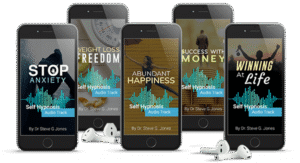
[Free Gift] Life-Changing Self Hypnosis Audio Track
Confidence Gaining Exercises That Actually Work: Science-Backed Ways to Rewire Your Mind for Lasting Self-Assurance

Everyone wants to feel more confident, yet most people approach confidence the wrong way. They wait for external validation, imagine confidence as a permanent feeling, or fake it until they make it — only to end up feeling like impostors. Real confidence isn’t about pretending; it’s about programming your nervous system to believe you’re capable, even when things are uncertain.

In this article, we’ll explore confidence gaining exercises that go beyond the usual advice. These methods are grounded in neuroscience, psychology, and behavioral design — not clichés. Whether you’re preparing for a big presentation, trying to break through self-doubt, or simply want to feel more grounded every day, these are the tools that can help you build real, repeatable confidence from the inside out.

Why Confidence Isn’t What You Think It Is

Confidence isn’t the absence of fear or insecurity. It’s the ability to act despite them. Most people believe confidence comes after success — “I’ll be confident once I get that job, lose weight, or achieve my goal.” But science shows it’s the other way around: confidence grows from action.

Every time you take action in the face of uncertainty, your brain releases dopamine, which reinforces the behavior and builds a feedback loop of trust. That’s how confidence becomes self-perpetuating — not from achievements, but from proof that you can handle discomfort.

Step 1: The “Micro-Risk” Exercise

The fastest way to grow confidence is to train your brain to tolerate small doses of discomfort. This is called the Micro-Risk Method.

Here’s how it works:

  1. Choose one small risk each day that pushes you slightly beyond your comfort zone.
    • Say hello to a stranger.
    • Speak up in a meeting.
    • Try a new skill in front of someone.
  2. After each micro-risk, reflect on how it actually felt — not how you imagined it would.

This process reprograms your brain’s fear response. Over time, you’ll realize that discomfort doesn’t equal danger, and your nervous system will stop overreacting to everyday challenges.

This is one of the simplest yet most effective confidence gaining exercises — it teaches you that courage isn’t built in grand gestures, but in micro-moments of bravery.

Step 2: The “Power Posture” Reset

You’ve probably heard that body language affects how others perceive you — but it also changes how you perceive yourself. Research from Harvard psychologist Amy Cuddy found that holding open, expansive postures for two minutes can lower cortisol (the stress hormone) and increase testosterone (linked to dominance and confidence).

Try this every morning or before any situation that triggers anxiety:

  • Stand tall, feet shoulder-width apart.
  • Roll your shoulders back.
  • Look straight ahead and breathe deeply for 120 seconds.

Your body sends a message to your brain that you’re safe, capable, and ready — and your brain believes it. This is a quick physiological shortcut to confidence that few people use consistently.

Step 3: The “Confidence Replay” Technique

Confidence fades when your brain fixates on failure. The Confidence Replay Technique interrupts that cycle.

At the end of each day, take two minutes to recall moments when you handled something well — big or small. Maybe you stayed calm during stress, made a clear decision, or helped someone.

Replay these memories vividly in your mind: what you felt, what you said, how you carried yourself. Each replay strengthens neural pathways linked to competence. You’re teaching your brain to store proof of capability rather than regret.

Over time, this practice replaces self-doubt with familiarity — the feeling that you’ve “been here before and succeeded.”

Step 4: Use the “Physiological Sigh” Before Speaking or Performing

Most confidence advice skips the nervous system, yet that’s where anxiety lives. One of the simplest and least-known techniques to regulate confidence is the Physiological Sigh, popularized by Stanford neuroscientist Dr. Andrew Huberman.

Here’s how:

  • Take one deep breath through your nose.
  • At the top of that breath, take one more small sip of air.
  • Then exhale slowly and fully through your mouth.

Repeat this twice. It resets your heart rate and calms your amygdala (the fear center of the brain). The result: you feel composed and clear-headed before you act.

This makes it one of the most effective pre-performance confidence gaining exercises — perfect before public speaking, interviews, or high-pressure situations.

Step 5: The “Inner Coach” Reframe

Your inner dialogue shapes your self-image. Yet most people talk to themselves in ways they’d never speak to a friend. The Inner Coach Exercise flips that script.

When you catch yourself thinking, “I can’t do this,” or “I always mess things up,” pause and ask:

  • “What would I say to someone I care about who’s in this situation?”

Then say it to yourself — out loud if possible. For example:

  • “You’ve done hard things before.”
  • “It’s okay to feel nervous; you’re still capable.”

This simple shift turns self-criticism into self-support. Over time, your internal voice becomes your biggest ally, not your loudest enemy.

Step 6: The “Identity Anchor” Practice

Confidence built on external validation is fragile. To make it unshakable, you need identity-based confidence — the belief that you’re capable because of who you are, not what you’ve achieved.

Here’s an exercise to anchor this:

  1. Write down three qualities you admire in yourself (for example: resilience, curiosity, kindness).
  2. Each morning, review one quality and recall a moment where you demonstrated it.
  3. Before starting your day, affirm silently: “This is who I am.”

This grounds your confidence in identity, which can’t be taken away by failure or criticism. It’s how high-performing individuals stay centered even when facing setbacks.

Step 7: The “Reverse Visualization” Method

Traditional visualization focuses on imagining success. While useful, it can sometimes create pressure or unrealistic expectations. A lesser-known but powerful variation is Reverse Visualization.

Instead of picturing the perfect outcome, imagine yourself encountering obstacles — and calmly handling them. See yourself recovering from mistakes, adapting to challenges, and staying composed.

This trains your nervous system to feel safe in uncertainty, which is where true confidence thrives. You’re not visualizing perfection — you’re rehearsing resilience.

Step 8: The “Voice and Breath Connection” Drill

Your voice reveals your confidence level before you even speak. People who rush their words or breathe shallowly often sound unsure.

Here’s how to train your voice for authority:

  • Sit or stand upright.
  • Inhale slowly through your nose for four seconds.
  • Exhale on a steady hum (“mmm” or “ahh”) for six to eight seconds.

This strengthens your diaphragm, slows your speech rhythm, and projects calmness. Doing this daily for one week noticeably improves vocal steadiness and emotional control.

Step 9: The “Rejection Practice” Challenge

Few things erode confidence faster than fear of rejection. To reverse this, practice small, intentional rejections — a strategy inspired by entrepreneur Jia Jiang’s “100 Days of Rejection” project.

Start with harmless requests:

  • Ask for a discount at a café.
  • Request something you know will likely be declined.
  • Thank the person afterward and move on.

Each time you survive rejection, your emotional pain response weakens. You stop seeing rejection as a reflection of your worth — and start viewing it as a neutral event. That freedom is pure confidence.

Step 10: The “Confidence Habit Stack”

The most powerful confidence gaining exercises are the ones you actually practice. To make them stick, use a habit stack — attaching a new confidence exercise to an existing daily routine.

For example:

  • After brushing your teeth → do one power posture.
  • After checking your phone → take one physiological sigh.
  • Before bed → write one moment of self-pride.

These micro-habits rewire your brain through repetition. Over time, confidence becomes less about effort and more about identity — something you naturally embody.

Bonus: The “Silent Mornings” Ritual

One of the most underrated confidence practices is learning to sit in silence — even for five minutes in the morning.

When you start your day without immediate stimulation, you train your brain to regulate itself rather than react. Silence builds internal stability — the foundation of confidence that doesn’t depend on noise, validation, or distraction.

The Hidden Truth: Confidence Is a Nervous System Skill

Confidence isn’t built by thinking differently; it’s built by feeling differently. When you train your body to stay calm under uncertainty, your brain interprets that calmness as confidence.

So if you’ve ever felt like you “just aren’t confident,” understand this: your nervous system simply hasn’t practiced safety in visibility, risk, or uncertainty — yet. Every time you breathe through discomfort, you’re teaching your body that it’s safe to be seen. That’s the real definition of self-assurance.

Final Thoughts

The most powerful confidence gaining exercises aren’t about ego, dominance, or arrogance. They’re about regulation, awareness, and trust.

When you can stay centered under pressure, speak kindly to yourself, and act with integrity even when you’re afraid — that’s confidence in its purest form.

Confidence isn’t a finish line; it’s a rhythm. Every breath, every risk, every small moment of courage reinforces it.

Start small. Practice daily. And remember — you don’t need to wait until you feel ready to act. Acting is what makes you ready.

[Free Gift] Life-Changing Self Hypnosis Audio Track

The Hidden Science of How to Build Self Belief — And Why Most People Do It Backwards

Everyone talks about confidence, but few understand where it truly comes from. You can read motivational quotes, repeat affirmations, or visualize success all day — yet still feel that quiet doubt when it’s time to act. That’s because most people try to build self belief from the outside in. They chase validation, achievements, or encouragement from others instead of learning the psychology of genuine self-trust.

True self-belief isn’t loud or flashy. It’s calm, steady, and deeply rooted in how your brain interprets effort, failure, and progress. In this article, we’ll uncover the lesser-known science of how to build self belief — and practical methods you can apply today to make confidence automatic instead of forced.

Why Building Self Belief Is So Hard

Most people misunderstand self-belief as a feeling you either have or don’t. In reality, it’s a skill. Like learning a language or building muscle, it grows through repeated, intentional practice.

The problem is that society conditions us to rely on proof before belief:

  • “I’ll feel confident once I succeed.”
  • “I’ll trust myself when I stop making mistakes.”
  • “I’ll believe I’m good enough after someone else recognizes it.”

But neuroscience tells us the opposite is true. Your brain doesn’t wait for proof — it creates it. Every time you take action with uncertainty and survive, your nervous system learns, “I can handle this.” This is how you build self belief: through small wins that train your brain to trust your ability to recover, not your ability to be perfect.

Step 1: Build a Record of Micro-Integrity

One of the most underrated ways to build self belief is to strengthen the link between your intentions and actions. Every time you do what you say you will — even in tiny ways — your subconscious records it as evidence that you’re reliable.

Try this simple exercise:

  • Choose one small daily promise (e.g., “I’ll drink a glass of water before coffee,” or “I’ll take three deep breaths before replying to messages”).
  • Keep it for seven days straight.

It’s not the size of the action that matters; it’s the consistency. Over time, your brain connects effort with identity — and begins to say, “I trust myself.”

This process rewires what psychologists call “self-efficacy,” your belief in your capacity to influence outcomes. The more consistent you are, the more naturally you’ll act with confidence in uncertain situations.

Step 2: Use the “Micro-Evidence” Method

If you’ve ever struggled with self-doubt, your brain probably focuses more on what’s missing than what’s working. The “micro-evidence” method reverses that bias.

At the end of each day, ask:

  • What did I handle well today?
  • What did I improve, even slightly?
  • What did I show up for even though I didn’t feel ready?

Write down three examples, no matter how small. This builds data that your mind can’t argue with. Over time, your belief in yourself becomes grounded not in fantasy but in evidence.

Psychologists call this “retrospective confidence.” You’re teaching your mind to remember moments of capability instead of failure.

Step 3: Rethink Failure — The “Recovery Loop”

Most people see failure as proof they’re not capable. But those who truly build self belief treat failure as a data point, not a definition.

To practice this mindset, use the Recovery Loop:

  1. Recognize: When something goes wrong, name it without judgment. (“I made a mistake during the presentation.”)
  2. Reflect: Ask what it reveals about your current skill level, not your worth. (“I need to prepare talking points next time.”)
  3. Repair: Take one small corrective action immediately. (“I’ll write a quick outline for tomorrow’s meeting.”)

The faster you recover, the faster you teach your brain that mistakes are temporary. This process changes your stress response and keeps you from internalizing failure.

Step 4: Anchor Belief in Identity, Not Outcomes

A subtle but powerful shift happens when you link self-belief to who you’re becoming rather than what you’re achieving.

Instead of saying, “I’ll feel confident when I get the promotion,” say, “I’m becoming someone who leads with clarity and calm.”
Instead of “I’ll believe in myself when I lose weight,” say, “I’m someone who keeps promises to my body.”

By anchoring your belief in identity, you free yourself from the pressure of perfection. This is how Olympic athletes, CEOs, and creative professionals sustain confidence — they focus on embodying traits, not chasing trophies.

Step 5: Practice Self-Trust in Micro-Decisions

You can’t build self belief in theory; you build it in action — specifically, in the small moments where you choose to trust yourself.

Next time you’re uncertain, instead of seeking advice or reassurance, try this:

  • Pause and breathe.
  • Ask, “What feels right for me, even if it’s uncomfortable?”
  • Follow through once.

Each micro-decision teaches your nervous system that you can handle the unknown. The more you do this, the less you depend on external validation. You begin to act from inner authority, not external approval.

Step 6: Upgrade Your Inner Language

Your self-talk isn’t just mental chatter — it’s programming. Every thought you repeat creates neural pathways that shape your behavior.

Instead of using language that weakens your belief (“I’m bad at this,” “I always mess up”), switch to language that focuses on growth and possibility:

  • Replace “I can’t” with “I’m learning to.”
  • Replace “This is too hard” with “This is my current challenge.”
  • Replace “I failed” with “I collected data.”

These micro-adjustments retrain your subconscious to interpret challenges as opportunities rather than threats. Over time, your internal dialogue becomes your strongest source of motivation.

Step 7: The “Future Memory” Technique

One powerful but rarely discussed way to build self belief is to create future memories. Visualization isn’t just about picturing success — it’s about mentally rehearsing the emotions and responses you want to experience.

Each morning, spend two minutes imagining yourself handling a challenge calmly and confidently. Feel the sensations in your body — steady breath, relaxed shoulders, focused eyes.

Your brain can’t distinguish between vividly imagined experiences and real ones. This means every time you mentally rehearse confidence, you’re strengthening the neural circuits associated with it.

Step 8: Regulate Your Nervous System Before You Act

Self-belief is a state, not just a mindset. If your body is in fight-or-flight mode, no amount of positive thinking will help.

Before a stressful situation — like a meeting, interview, or confrontation — try this:

  • Exhale longer than you inhale for one minute.
  • Roll your shoulders slowly to release tension.
  • Feel your feet on the ground.

This signals safety to your nervous system and brings you into what psychologists call the “window of tolerance.” Once your body feels safe, your confidence naturally returns.

Step 9: Surround Yourself With “Reflective Believers”

The people around you shape your internal story. Seek relationships where others see your potential — not just your past.

Reflective believers are people who mirror back your strengths when you forget them. They don’t sugarcoat; they remind. A single conversation with such a person can reset your self-perception faster than weeks of self-doubt.

Step 10: Shift from Outcome to Process Mastery

To truly build self belief, stop measuring your worth by outcomes and start measuring your consistency with effort.

Every time you show up — even when progress feels invisible — you’re reinforcing the belief that you’re capable of persistence. This is what separates long-term achievers from those who burn out chasing quick wins.

Ask yourself daily: Did I honor the process today? If the answer is yes, you’re winning, regardless of results.

The Paradox of Belief: You Don’t Need to Feel It to Build It

Here’s the ultimate secret — belief often follows action, not the other way around. Waiting to feel confident before you act keeps you stuck. Acting with uncertainty, again and again, creates confidence.

Think of self-belief like a muscle. You don’t wait to feel strong before lifting weights — you lift, and strength follows. Similarly, you act first, and trust grows through repetition.

Final Thoughts

To build self belief isn’t about pretending to be fearless or chasing perfection. It’s about learning to trust yourself — your process, your resilience, and your ability to recover when things go wrong.

Confidence built this way doesn’t vanish under pressure. It deepens with time. You stop performing and start being — grounded, calm, and quietly sure of who you are.

You don’t need a new personality to believe in yourself. You just need new evidence, new habits, and new language. Because once you start acting like someone you trust, your mind will eventually catch up.

[Free Gift] Life-Changing Self Hypnosis Audio Track

The Hidden Psychology of a Better Morning Routine: How to Design Mornings That Actually Work for You

Everyone wants a better morning routine, but most people go about it the wrong way. They try to copy someone else’s version of success — waking up at 5 a.m., taking cold showers, meditating, journaling, and hitting the gym before sunrise. While these habits work for some, they fail for many because they ignore the most important factor: your personal rhythm and psychology.

The truth is, a better morning routine isn’t about doing more things — it’s about doing the right things in the right order, in alignment with how your mind and body naturally function. In this article, we’ll explore science-backed insights and overlooked strategies that help you create mornings that improve focus, mood, and energy — without burning you out.

Why Most Morning Routines Don’t Work

Most “morning routine” advice assumes that everyone’s energy levels, goals, and lifestyles are the same. But neuroscience tells a different story. Your brain chemistry, sleep cycles, and circadian rhythm all influence how you perform in the morning.

When you follow someone else’s structure — especially one that conflicts with your biology — you’re setting yourself up for failure. The key to a better morning routine is personalization. What works for an early riser might exhaust a night owl.

Instead of forcing a routine that looks impressive, focus on one that feels sustainable. Consistency matters more than intensity.

Step 1: Start With Mental Calibration, Not Motivation

Before you think about exercise, journaling, or productivity hacks, start your day with a mental reset. This is a crucial but rarely discussed step.

When you wake up, your brain is transitioning from a subconscious theta state to a conscious beta state. During this fragile window, whatever thoughts you feed your mind will shape your mood and focus for hours.

Try this instead of reaching for your phone:

  1. Sit upright in bed.
  2. Take three slow breaths.
  3. Ask yourself one question: “What kind of energy do I want to bring into today?”
  4. Set one emotional intention, such as calm, confident, curious, or grateful.

This tiny ritual primes your brain to seek experiences that match your intention — a psychological phenomenon known as confirmation bias. It’s the foundation of emotional self-mastery.

Step 2: Optimize Light Exposure for Energy and Mood

A better morning routine isn’t just about habits — it’s about biology. One of the most overlooked ways to reset your body clock is morning light exposure.

Within 15 minutes of waking, step outside or stand near a window. Natural light triggers the release of cortisol and serotonin — hormones that regulate alertness, motivation, and happiness. This simple act can improve sleep quality, reduce anxiety, and increase focus throughout the day.

If you wake before sunrise, use a daylight lamp that mimics natural light. It’s a small investment with a massive impact on your energy cycles.

Step 3: Reimagine Movement — The “Energy Transition” Technique

Exercise is often recommended in morning routines, but intense workouts right after waking can be counterproductive if your body isn’t fully activated. Instead, start with gentle movement that bridges the gap between sleep and action.

Try the Energy Transition Technique:

  • Begin with 2–3 minutes of light stretching or mobility work.
  • Add slow breathing to stabilize your heart rate.
  • Gradually increase intensity with bodyweight exercises or yoga poses.

This process sends oxygen-rich blood to the brain, activates your core, and wakes up your nervous system without overstimulation. Over time, it helps your body associate mornings with vitality, not exhaustion.

Step 4: The “Mindful Fuel” Principle

Most people eat breakfast out of habit, not awareness. But the first thing you consume each morning determines your energy curve for the next 4–6 hours.

To build a better morning routine, follow the Mindful Fuel Principle:

  1. Delay caffeine for at least 60–90 minutes after waking — this prevents a mid-morning crash.
  2. Start with hydration: drink water with a pinch of salt or lemon to rehydrate your cells.
  3. Eat protein-rich or balanced meals — avoid sugar spikes that lead to fatigue later.

If you practice intermittent fasting, pair it with hydration and light movement to maintain alertness without cortisol spikes.

Step 5: Create an “Identity Anchor”

One reason morning routines fail is that people focus on what they should do rather than who they want to become. The most successful routines include a small action that connects you to your identity — something that reminds you of your goals or values.

Examples:

  • Reading one page of a book related to your growth.
  • Writing one line in a gratitude or vision journal.
  • Saying a short affirmation like, “I’m building a calm and focused version of myself.”

This isn’t about motivation; it’s about identity reinforcement. Each time you act in alignment with who you want to be, your brain strengthens neural pathways associated with confidence and purpose.

Step 6: Use Temporal Anchoring to Automate Good Habits

A better morning routine is not about discipline; it’s about design. The easiest way to make good habits automatic is through temporal anchoring — linking new actions to existing ones.

For instance:

  • After brushing your teeth → do two minutes of stretching.
  • After making coffee → review your top three priorities.
  • After getting dressed → take five deep breaths.

These small, predictable links create psychological “triggers” that eliminate decision fatigue. Over time, your routine becomes effortless — not something you have to remember, but something you naturally flow into.

Step 7: Practice the “Single Task Focus”

Multitasking is the silent killer of morning calm. Checking your phone, scrolling social media, and eating breakfast simultaneously floods your brain with scattered dopamine signals, lowering your ability to concentrate later.

Instead, start your day with a single-task mindset. When you drink coffee, just drink coffee. When you stretch, focus on the stretch. This mindfulness anchors you in the present and strengthens cognitive control — a skill that compounds into productivity for the rest of the day.

Step 8: Introduce a “Mini Win” Early

Your brain loves progress. Achieving something small in the morning releases dopamine, which builds momentum and confidence for the rest of your day.

Choose one micro-goal you can complete in under five minutes — making your bed neatly, writing down a to-do list, or completing a short breathing exercise. This small act gives your brain a sense of accomplishment before external demands even start.

Step 9: Manage Input Before Output

One of the most overlooked strategies for a better morning routine is controlling what enters your mind before you start producing work or decisions.

Your brain is highly impressionable in the first 30 minutes after waking. If you start by consuming news, emails, or social media, you’re letting others dictate your focus and mood.

Instead, protect that window for yourself. Delay input and focus on creating first — whether that’s writing, planning, or quiet thinking. Treat your early hours as sacred mental real estate.

Step 10: Build the “Evening Foundation”

A better morning starts the night before. What you do in the last 90 minutes before bed determines how refreshed you’ll feel when you wake.

Here’s how to prepare:

  • Avoid screens or bright light exposure late at night.
  • Set your intention for the next morning — choose your clothes, prep your workspace, or write a short reflection.
  • Engage in calming rituals like reading, stretching, or gratitude journaling.

A peaceful evening creates the mental space that allows for an effortless, productive morning.

The Subtle Power of Nonlinear Progress

A common misconception is that morning routines should always be the same. In reality, your needs fluctuate. Some mornings require stillness; others need movement or deep work.

A flexible structure — where you choose one of several short routines depending on your mood — can be more sustainable than a rigid checklist. This adaptability prevents burnout and keeps mornings meaningful.

The Hidden Goal of a Better Morning Routine

Ultimately, the goal isn’t to check off tasks but to regulate your state. When you start the day calm, clear, and energized, everything else flows more easily.

Your routine should help you:

  • Balance your nervous system.
  • Connect your mind and body.
  • Clarify your direction for the day.

When your mornings serve these purposes, you stop reacting to life and start leading it.

Final Thoughts

A better morning routine isn’t about discipline or perfection — it’s about harmony. It’s a conversation between your mind, body, and purpose.

By designing mornings that align with your natural rhythm, emotional needs, and long-term goals, you’ll experience a quiet confidence that lasts all day.

Forget the extremes of waking up at 4 a.m. or following someone else’s formula. Your ideal routine is the one that leaves you grounded, focused, and ready — not exhausted before 9 a.m.

Start small, stay consistent, and let your mornings evolve with you. Because the way you begin your day ultimately determines the life you create.

[Free Gift] Life-Changing Self Hypnosis Audio Track

Morning Stretching Exercises That Go Beyond Flexibility: The Hidden Science of Waking Up Your Body and Mind

Most people think morning stretching exercises are simply about improving flexibility or preventing stiffness. But in reality, they’re one of the most underrated tools for resetting your nervous system, boosting emotional balance, and enhancing cognitive performance before your day even begins.

If you’ve ever woken up feeling foggy, tense, or sluggish despite a full night’s sleep, the problem might not be your rest—it’s how you wake up. The first 10 minutes after rising can determine your physical energy, focus, and even your mood for the entire day. And this is where morning stretching exercises, when done the right way, can transform your mornings in ways most people never realize.

The Science Behind Morning Stretching

After 6–8 hours of sleep, your muscles are in a mild state of contraction. Blood circulation slows down during rest, and joint fluids settle. When you wake up and immediately jump into action—scrolling your phone, rushing to get ready—you shock your body instead of transitioning it smoothly into movement.

Stretching first thing in the morning improves circulation, gently lubricates joints, and reactivates the communication between your brain and body. It’s a neurological wake-up call, not just a physical one. Studies show that stretching releases endorphins and serotonin, chemicals that elevate your mood and sharpen focus, making it a natural alternative to caffeine.

Why Traditional Stretching Advice Misses the Point

Most stretching advice focuses only on muscles—hamstrings, shoulders, back—but rarely addresses the nervous system. Your body doesn’t operate in isolation. Muscular tightness often reflects mental or emotional tension.

The real magic of morning stretching exercises lies in how they integrate movement, breathing, and mindfulness. This combination synchronizes your brainwaves from the groggy theta state into a calm, alert alpha state—precisely the state linked with creativity and focus.

The “3D Awakening” Method: A Fresh Approach to Morning Stretching

Instead of static stretches, use a 3D approach that wakes up your body in all planes of movement—forward/backward, side-to-side, and rotational. This mirrors how the body moves naturally throughout the day. Here’s how it works:

1. The Vertical Flow (30–60 seconds)
Start standing. Reach both arms overhead while inhaling deeply, then exhale as you fold forward gently. This increases spinal fluid movement and boosts oxygen intake.

2. The Lateral Expansion (30 seconds per side)
Raise one arm and lean to the opposite side. Feel your rib cage expand as you breathe. This stretch opens intercostal muscles that aid in deeper breathing—a hidden key to morning energy.

3. The Spiral Activation (45 seconds)
Stand tall and rotate your torso gently left and right while swinging your arms loosely. This mobilizes the spine and stimulates blood flow to your core and back muscles.

4. The Grounding Stretch (60 seconds)
Place one foot forward in a lunge position, keeping your back leg straight. Breathe deeply into your hips. This move grounds your balance and activates your lower body.

5. The Neck and Shoulder Reset (45 seconds)
Tilt your head slowly to each side, then roll your shoulders backward in smooth circles. This releases tension stored from sleep posture or stress.

Repeat this flow 2–3 times for a full-body awakening that takes less than five minutes but dramatically alters your morning state.

The Breath-Stretch Connection Few People Know About

Breathing deeply while stretching does more than just oxygenate your body—it directly calms your nervous system. Your breath tells your brain whether you’re in danger or safe.

When you pair slow, rhythmic breathing with gentle stretches, you activate the parasympathetic nervous system (the “rest and digest” mode). This balances morning cortisol levels, reducing anxiety and promoting calm focus. Try this: inhale for 4 counts as you stretch, and exhale for 6 counts as you relax into the movement. The longer exhale signals safety to your body, lowering stress hormones.

How Morning Stretching Influences Emotional Health

It might sound surprising, but morning stretching exercises have emotional benefits. Movement releases built-up muscle tension that’s often linked to emotional suppression. Certain areas of the body—like the hips, chest, and shoulders—store emotional stress.

When you stretch these regions, you often experience a subtle emotional release. Over time, this daily practice can help you feel lighter, calmer, and more in control of your emotions before they spiral during a busy day.

The Forgotten Zone: Facial and Eye Stretches

Most people neglect the face and eyes when thinking about stretching, but these areas influence your mood and alertness. Try this short routine:

  • Roll your eyes slowly in both directions.
  • Massage your temples and jaw.
  • Raise your eyebrows and relax them repeatedly.
    These micro-movements release cranial tension, improve blood flow to the brain, and signal wakefulness more effectively than splashing cold water on your face.

How to Turn Stretching Into a Morning Ritual

To make your routine sustainable, link it to an existing habit—a concept known as habit stacking. For example:

  • After brushing your teeth, do your 3D awakening routine.
  • After making coffee, take 2 minutes for shoulder and back stretches.
  • Before checking your phone, do one round of breathing and spinal rotations.

Consistency builds momentum. Over a few weeks, your body will start craving movement as soon as you wake up—just like it craves caffeine.

Common Mistakes to Avoid

Even simple morning stretching exercises can be ineffective if done incorrectly. Avoid these pitfalls:

  1. Forcing intensity: Stretching shouldn’t hurt. Overstretching signals your body to tighten up as protection.
  2. Holding your breath: This cuts oxygen flow and triggers stress. Always breathe smoothly.
  3. Skipping hydration: Muscles stretch better when hydrated. Drink a glass of water before starting.
  4. Stretching cold muscles too aggressively: Begin with gentle movements to warm up first.

The Mind-Body Amplifier Technique

If you want to elevate your morning stretching routine, combine it with visualization. As you stretch, imagine your body filling with light or energy. Visual cues enhance muscle activation and promote mental clarity. Athletes and high performers often use this technique to improve focus and coordination—it’s an easy addition that makes a huge difference.

The Long-Term Effects of Consistent Morning Stretching

When practiced daily, morning stretching exercises create cumulative effects:

  • Better posture: Reduced stiffness in the spine and shoulders.
  • Improved mood: Lower baseline stress levels and more stable emotions.
  • Enhanced focus: A calmer nervous system increases concentration.
  • Body awareness: You become more in tune with subtle physical and emotional signals.

Over time, you’ll notice your energy doesn’t just increase in the morning—it sustains throughout the day.

Designing Your Personalized Routine

Not every stretch works for everyone. Pay attention to your unique needs:

  • For office workers: Focus on chest, neck, and lower back.
  • For athletes: Prioritize hip mobility and leg flexibility.
  • For stressed individuals: Add deep breathing and slow, mindful movements.

Personalization is what turns ordinary stretching into a transformative ritual.

Final Thoughts

Morning stretching exercises are more than a physical warm-up—they’re a daily act of self-alignment. They bridge the gap between mind and body, setting the tone for how you move, think, and feel all day long.

If you treat your morning stretch not as a chore but as a conversation with your body, you’ll begin every day grounded, centered, and ready to thrive. The true purpose isn’t just to touch your toes—it’s to touch your potential.

Start tomorrow. Ten mindful minutes can change how you move through every hour that follows.

[Free Gift] Life-Changing Self Hypnosis Audio Track