
Why You Feel Mentally Exhausted All the Time

Mental exhaustion has become a silent epidemic in modern life. You wake up tired, push through your day with dwindling energy, and collapse at night—only to repeat the cycle again. If you’ve been asking yourself, “Why am I always mentally exhausted?” you’re not alone.

This deep, persistent fatigue isn’t just about lack of sleep. It’s often the result of emotional overload, cognitive strain, and lifestyle patterns that quietly drain your mental energy over time. In this comprehensive guide, we’ll explore the real reasons behind constant mental exhaustion and, more importantly, how to reclaim your clarity, focus, and vitality.

What Is Mental Exhaustion?

Mental exhaustion is a state of extreme cognitive fatigue that affects your ability to think clearly, concentrate, and stay motivated. Unlike physical tiredness, it doesn’t always go away after rest. You may feel:

  • Foggy or unfocused
  • Easily overwhelmed by small tasks
  • Emotionally drained or irritable
  • Unmotivated, even toward things you once enjoyed

Understanding the root causes is the first step toward breaking free.

1. You’re Constantly “On” (Digital Overload)

We live in a hyperconnected world. Notifications, emails, social media, and endless information streams keep your brain in a constant state of alertness.

Your mind was never designed to process this much input continuously.

When you’re always “on,” your brain never gets the downtime it needs to reset. This leads to cognitive overload, decision fatigue, and eventually burnout.

Signs this is affecting you:

  • You check your phone first thing in the morning and last thing at night
  • You struggle to focus without distractions
  • Silence feels uncomfortable

What to do:

  • Schedule daily “offline” periods
  • Turn off non-essential notifications
  • Practice digital minimalism
2. Decision Fatigue Is Draining You

Every day, you make hundreds—if not thousands—of decisions. What to wear, what to eat, how to respond to messages, what task to prioritize…

Each decision uses mental energy.

Over time, this leads to decision fatigue, making even simple choices feel overwhelming.

Symptoms include:

  • Procrastination
  • Indecisiveness
  • Impulsive or poor decisions

How to reduce it:

  • Create routines (same breakfast, same morning ritual)
  • Plan your day the night before
  • Limit unnecessary choices
3. You’re Carrying Emotional Baggage

Unresolved emotions—stress, anxiety, resentment, guilt—consume a massive amount of mental energy.

Even if you’re not consciously thinking about them, they operate in the background, draining your focus and vitality.

Common emotional drains:

  • Overthinking past mistakes
  • Worrying about the future
  • Trying to please everyone

What helps:

  • Journaling your thoughts daily
  • Talking to someone you trust
  • Practicing mindfulness or meditation
4. You’re Not Resting Properly

Scrolling through your phone or binge-watching shows may feel relaxing, but it doesn’t provide true mental rest.

Real rest requires disconnection from stimulation.

Types of rest you may be missing:

  • Mental rest (quiet time, meditation)
  • Emotional rest (authentic expression)
  • Sensory rest (reducing noise and screen exposure)

Try this:

  • Take short breaks without screens
  • Spend time in nature
  • Practice deep breathing exercises
5. You’re Overcommitted and Under-Recharged

Saying “yes” too often can leave you overwhelmed and depleted.

When your schedule is packed with obligations—work, social events, responsibilities—you have no space to recharge.

Signs:

  • You feel guilty for resting
  • Your calendar is always full
  • You rarely have time for yourself

Solution:

  • Learn to say no without guilt
  • Prioritize what truly matters
  • Schedule downtime like it’s an appointment
6. Lack of Purpose and Meaning

Surprisingly, mental exhaustion isn’t always caused by doing too much—it can also come from doing things that feel meaningless.

When your daily actions lack purpose, your brain struggles to stay engaged, leading to fatigue and dissatisfaction.

You may feel:

  • Unmotivated despite having free time
  • Disconnected from your goals
  • Like you’re just “going through the motions”

To fix this:

  • Reconnect with your values
  • Set meaningful, inspiring goals
  • Engage in activities that energize you
7. Poor Sleep Quality

Sleep is essential for mental recovery, but it’s not just about quantity—it’s about quality.

Even if you sleep 7–8 hours, poor sleep habits can leave you mentally drained.

Common sleep disruptors:

  • Screen use before bed
  • Irregular sleep schedules
  • Stress and overthinking

Improve your sleep by:

  • Creating a consistent bedtime routine
  • Avoiding screens 1 hour before sleep
  • Keeping your bedroom dark and cool
8. Multitasking Is Destroying Your Focus

Multitasking might seem productive, but it actually reduces efficiency and increases mental fatigue.

Your brain isn’t designed to focus on multiple tasks at once. Switching between tasks drains cognitive resources quickly.

Effects:

  • Lower productivity
  • Increased errors
  • Faster burnout

Better approach:

  • Practice single-tasking
  • Use time-blocking techniques
  • Focus deeply on one task at a time
9. You’re Ignoring Your Physical Health

Your mind and body are deeply connected. Poor physical health directly impacts mental energy.

Key factors:

  • Lack of exercise
  • Poor nutrition
  • Dehydration

What to improve:

  • Move your body daily (even a 20-minute walk helps)
  • Eat balanced, nutrient-rich meals
  • Stay hydrated throughout the day
10. Perfectionism and High Self-Pressure

Holding yourself to unrealistic standards can be mentally exhausting.

Perfectionism creates constant internal pressure, making you feel like nothing is ever good enough.

You might:

  • Overanalyze everything you do
  • Fear making mistakes
  • Struggle to relax

Shift your mindset:

  • Embrace progress over perfection
  • Set realistic expectations
  • Practice self-compassion
How to Recover from Mental Exhaustion

Now that you understand the causes, here’s how to start recovering:

1. Simplify Your Life

Reduce unnecessary commitments and distractions. Focus on what truly matters.

2. Create Energy-Boosting Habits
  • Morning routines
  • Regular exercise
  • Mindfulness practices
3. Set Clear Boundaries

Protect your time and energy. Say no when needed.

4. Prioritize Deep Rest

Make time for activities that genuinely recharge you—not just distract you.

5. Reconnect with Yourself

Spend time reflecting on your goals, values, and what brings you joy.

Final Thoughts

Mental exhaustion isn’t a sign of weakness—it’s a signal. Your mind is telling you that something in your life needs attention, adjustment, or release.

Instead of pushing through the fatigue, listen to it.

When you begin to align your lifestyle with your mental well-being, you’ll notice something powerful: more clarity, more energy, and a deeper sense of peace.

You don’t have to live in a constant state of burnout. With the right awareness and intentional changes, you can reclaim your mental energy and start feeling like yourself again.

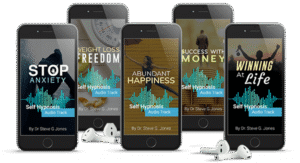
[Free Gift] Life-Changing Self Hypnosis Audio Track
Set Healthy Boundaries Without Losing Connection

In the journey of personal development, few skills are as transformative—and as misunderstood—as setting healthy boundaries. Many people fear that saying “no,” expressing needs, or creating limits will damage their relationships. But the truth is the opposite: when done right, boundaries don’t push people away—they build deeper, more authentic connection.

If you’ve ever felt torn between protecting your peace and keeping others happy, this guide will help you find the balance. You’ll learn how to set boundaries with confidence, communicate them effectively, and maintain meaningful relationships without sacrificing yourself.

What Are Healthy Boundaries?

Healthy boundaries are the limits you set to protect your emotional, mental, and physical well-being. They define what you are comfortable with—and what you are not.

Boundaries are not walls. They are filters.

They allow love, respect, and connection to flow in, while keeping stress, resentment, and disrespect out.

Examples of healthy boundaries include:

  • Saying no to commitments that overwhelm you
  • Asking for personal space when needed
  • Communicating your feelings honestly
  • Declining conversations that make you uncomfortable

When your boundaries are clear, your relationships become clearer too.

Why People Fear Setting Boundaries

Despite their importance, many people struggle to set boundaries. Why?

1. Fear of Losing Connection

You may worry that people will leave, get upset, or think less of you.

2. People-Pleasing Tendencies

If you’re used to putting others first, setting boundaries can feel selfish—even though it’s not.

3. Guilt and Conditioning

Many of us were taught to be “nice,” agreeable, and accommodating. Breaking that pattern can feel uncomfortable.

4. Lack of Communication Skills

Sometimes, it’s not that you don’t want boundaries—you just don’t know how to express them.

The key is to understand that boundaries don’t destroy relationships. Poor communication does.

The Truth: Boundaries Strengthen Relationships

Healthy relationships are built on honesty, respect, and mutual understanding. Without boundaries, relationships often become one-sided, exhausting, or even toxic.

When you set boundaries:

  • You teach others how to treat you
  • You reduce resentment and emotional buildup
  • You create space for authentic communication
  • You attract people who respect you

Strong boundaries don’t push the right people away—they filter out the wrong dynamics.

How to Set Healthy Boundaries Without Losing Connection

Let’s explore practical, actionable steps to help you protect your peace while maintaining meaningful relationships.

1. Get Clear on Your Needs and Limits

You can’t communicate boundaries if you don’t know what they are.

Ask yourself:

  • What situations make me feel drained or uncomfortable?
  • Where do I feel taken advantage of?
  • What do I need more of in my life (rest, respect, time, space)?

Clarity is the foundation of confidence.

2. Communicate with Honesty and Respect

The way you express your boundaries matters.

Use calm, clear language:

  • “I need some time to recharge this weekend.”
  • “I’m not comfortable discussing that topic.”
  • “I won’t be able to take on extra work right now.”

You don’t need to be harsh to be firm.

Respectful communication preserves connection.

3. Use “I” Statements Instead of Blame

Avoid making others feel attacked. Focus on your experience instead.

Instead of:

  • “You’re always asking too much from me.”

Say:

  • “I feel overwhelmed when I take on too much, so I need to limit my commitments.”

This reduces defensiveness and keeps the conversation constructive.

4. Accept That Discomfort Is Part of Growth

Setting boundaries may feel awkward at first. You might feel guilty or anxious.

That’s normal.

You are rewiring patterns that may have existed for years.

Discomfort is not a sign you’re doing something wrong—it’s a sign you’re growing.

5. Be Consistent with Your Boundaries

Inconsistency creates confusion.

If you say no one day and yes the next under pressure, people will continue to test your limits.

Consistency builds respect.

Over time, others will learn that your boundaries are real and not negotiable.

6. Stay Open to Dialogue

Boundaries are not about shutting people out—they’re about creating healthier interactions.

Be open to conversation:

  • Listen to the other person’s perspective
  • Acknowledge their feelings
  • Find solutions that respect both sides

Connection thrives when both people feel heard.

7. Let Go of the Need for Approval

Not everyone will like your boundaries—and that’s okay.

Trying to please everyone is a losing game.

Focus on self-respect over external validation.

The right people will adjust. The wrong ones may resist.

Either way, you win.

Real-Life Examples of Healthy Boundaries
In Friendships

“I care about you, but I won’t be able to respond to messages late at night anymore. I need that time to rest.”

In Romantic Relationships

“I value our relationship, and I need us to communicate more openly about our needs.”

At Work

“I’m happy to help, but I won’t be available after work hours unless it’s urgent.”

With Family

“I understand your perspective, but I’m making a different choice that feels right for me.”

Signs Your Boundaries Are Working
  • You feel less stressed and overwhelmed
  • You experience fewer feelings of resentment
  • Your communication becomes clearer
  • Your relationships feel more balanced
  • You feel more confident and in control

Most importantly, you feel more like yourself.

Common Mistakes to Avoid
Over-Explaining

You don’t need to justify every decision. Keep your message simple and clear.

Being Too Passive or Too Aggressive

Aim for assertiveness—a balance between the two.

Giving In Too Quickly

Hold your ground, even when it’s uncomfortable.

Expecting Immediate Results

Change takes time. Be patient with yourself and others.

Protecting Connection While Protecting Yourself

The goal is not to choose between connection and self-respect—you can have both.

Healthy boundaries create:

  • Honest communication
  • Mutual respect
  • Emotional safety
  • Deeper trust

When you show up as your authentic self, your relationships become more meaningful.

Final Thoughts

Setting healthy boundaries is one of the most powerful forms of self-care and personal growth.

You don’t have to lose connection to protect yourself. In fact, the strongest connections are built on truth, not sacrifice.

Start small. Speak honestly. Stay consistent.

And remember: the more you respect your own boundaries, the more others will too.

Your peace matters. Your voice matters. And the right people will always meet you where you stand.

[Free Gift] Life-Changing Self Hypnosis Audio Track

6 Ways To Break Free From The People-Pleasing Cycle

Do you often say “yes” when you really want to say “no”? Do you find yourself worrying about what others think, even at the cost of your own happiness? If so, you may be stuck in the exhausting loop of people-pleasing.

While being kind and considerate is a strength, constantly prioritizing others over yourself can slowly erode your confidence, identity, and inner peace. The good news is that you can break free from this cycle—and it starts with awareness, courage, and consistent action.

In this in-depth guide, you’ll discover six powerful ways to stop people-pleasing, reclaim your voice, and build a life that reflects your true self.

What Is People-Pleasing and Why Does It Happen?

People-pleasing is a behavioral pattern where you prioritize others’ needs, opinions, and approval above your own. It often comes from a desire to be liked, accepted, or valued.

At its core, people-pleasing is not about kindness—it’s about fear.

Common underlying causes include:

  • Fear of rejection or abandonment
  • Low self-worth or lack of confidence
  • Childhood conditioning (seeking approval from authority figures)
  • Avoidance of conflict or discomfort

Understanding this is important because you’re not “weak”—you’ve simply learned patterns that no longer serve you.

The Hidden Cost of People-Pleasing

Before we dive into the solutions, it’s important to recognize what’s at stake if nothing changes.

  • Chronic stress and burnout
  • Loss of personal identity
  • Resentment toward others
  • Lack of authentic relationships
  • Reduced productivity and focus

The more you ignore your own needs, the more disconnected you become from yourself.

Breaking free is not selfish—it’s necessary.

1. Recognize Your Fear of Rejection

The first step to change is awareness.

Ask yourself:

  • What am I afraid will happen if I say no?
  • Do I believe people will leave or judge me?
  • Am I tying my worth to others’ approval?

Most of the time, the fear is exaggerated. People may be disappointed—but that doesn’t mean they will abandon you.

Learning to tolerate discomfort is key. Growth begins where approval ends.

2. Stop Apologizing for Being Yourself

Do you say “sorry” when you’ve done nothing wrong?

  • “Sorry, can I ask a question?”
  • “Sorry, I can’t make it…”

Over-apologizing weakens your voice and reinforces the belief that your needs are inconvenient.

Instead, replace unnecessary apologies with gratitude or clarity:

  • “Thanks for your patience.”
  • “I won’t be able to join this time.”

You are allowed to exist without constantly justifying yourself.

3. Clarify What Truly Matters to You

People-pleasing thrives when you don’t have clear priorities.

Take time to define your values:

  • What kind of life do you want to build?
  • What makes you feel fulfilled?
  • What drains your energy?

When your values are clear, decisions become easier. You stop saying yes out of obligation and start saying yes with intention.

A powerful question to ask is:
“Does this align with the life I want?”

If the answer is no, then your response should reflect that.

4. Say “No” Without Feeling Guilty

Saying no is one of the most powerful skills you can develop.

But here’s the truth: guilt may still show up—and that’s okay.

Guilt doesn’t mean you’re doing something wrong. It often means you’re doing something new.

To say no effectively:

  • Keep it simple and direct
  • Avoid over-explaining
  • Stay calm and respectful

Examples:

  • “I can’t commit to that right now.”
  • “That doesn’t work for me.”

Remember, every time you say no to something that doesn’t serve you, you’re saying yes to your well-being.

5. Accept That You Can’t Control Others’ Reactions

One of the biggest traps of people-pleasing is trying to manage how others feel.

You might think:

  • “They’ll be upset if I say no.”
  • “I don’t want to disappoint them.”

But here’s the reality: you are not responsible for other people’s emotions.

You can be kind, respectful, and considerate—but you cannot control how someone reacts.

Trying to do so will only trap you in a cycle of anxiety and self-sacrifice.

True freedom comes when you accept this:
You are responsible for your actions, not their reactions.

6. Build Self-Trust and Inner Confidence

At the heart of people-pleasing is a lack of trust in yourself.

You may doubt your decisions, second-guess your feelings, or seek constant validation.

To break this pattern, you need to rebuild self-trust.

Start by:

  • Honoring your commitments to yourself
  • Listening to your intuition
  • Making small decisions without seeking approval
  • Celebrating your progress

Confidence is not built overnight. It grows every time you choose yourself.

Practical Exercises to Break the Cycle
The “Pause Before Yes” Rule

Before agreeing to anything, pause and ask:
“Do I actually want to do this?”

This simple habit can transform your decision-making.

The Boundary Journal

Write down situations where you felt uncomfortable or resentful. Identify what boundary was crossed and how you could respond differently next time.

The “One Honest No” Challenge

Start small. Say no to one thing this week that doesn’t align with your priorities.

Observe how it feels. Growth often hides in discomfort.

How Your Life Changes When You Stop People-Pleasing

As you begin to break free, you’ll notice powerful shifts:

  • You feel more in control of your time and energy
  • Your relationships become more authentic
  • You experience less stress and anxiety
  • You gain clarity about who you are
  • You feel lighter, freer, and more confident

Most importantly, you reconnect with yourself.

Final Thoughts

Breaking free from the people-pleasing cycle is not about becoming selfish—it’s about becoming honest.

You are allowed to have boundaries.
You are allowed to prioritize yourself.
You are allowed to say no.

The journey may feel uncomfortable at first, but every step you take brings you closer to a life of authenticity, confidence, and inner freedom.

Start today. One choice at a time.

Because the moment you stop living for approval is the moment you start truly living.

[Free Gift] Life-Changing Self Hypnosis Audio Track

Learn to Say No, Set Boundaries, and Protect Your Inner Freedom

In a world that constantly demands more of your time, energy, and attention, learning to say “no” is no longer a luxury—it is a necessity. If you often find yourself overwhelmed, exhausted, or quietly resentful, there’s a high chance your boundaries are either unclear or nonexistent.

This article is your complete guide to reclaiming your power. You will learn how to say no without guilt, establish healthy boundaries, and ultimately protect your inner freedom—the most valuable asset you possess.

Why Saying “No” Feels So Hard

Before you can master the art of saying no, you need to understand why it feels so uncomfortable in the first place.

1. Fear of Rejection

Humans are wired for connection. Saying no can feel like risking disapproval, conflict, or even abandonment. This fear often leads people to say yes when they actually mean no.

2. Desire to Be Liked

Many people associate being helpful with being likable. The more you give, the more you’re appreciated—or so it seems. But this often leads to people-pleasing behavior that drains your energy.

3. Guilt and Obligation

You might feel guilty turning someone down, especially if they are close to you. You may think, “They would do it for me,” or “I should help.”

4. Lack of Self-Worth

At a deeper level, difficulty saying no can stem from not valuing your own time, needs, or priorities enough.

Recognizing these patterns is the first step toward change.

What Are Personal Boundaries?

Personal boundaries are the invisible lines that define what is acceptable and unacceptable in your life. They protect your emotional, mental, physical, and even spiritual well-being.

Boundaries are not about controlling others. They are about defining what you will and will not tolerate.

Healthy boundaries help you:

  • Protect your time and energy
  • Maintain self-respect
  • Build healthier relationships
  • Reduce stress and burnout
  • Feel more in control of your life
The Cost of Not Having Boundaries

If you constantly say yes when you want to say no, you will eventually pay the price.

1. Emotional Burnout

Overcommitting leads to exhaustion. You may feel drained, overwhelmed, and unable to recharge.

2. Resentment

Ironically, saying yes too often can lead to resentment toward the very people you’re trying to please.

3. Loss of Identity

When you prioritize others’ needs over your own for too long, you lose touch with who you really are.

4. Reduced Productivity

Spreading yourself too thin means you cannot give your best to what truly matters.

The Power of Saying “No”

Saying no is not negative—it is selective. Every time you say no to something that doesn’t align with your values, you are saying yes to something that does.

When you say no:

  • You protect your energy
  • You honor your priorities
  • You build self-respect
  • You create space for growth

Think of “no” as a boundary, not a rejection.

How to Say No Without Feeling Guilty

Learning to say no is a skill—and like any skill, it improves with practice.

1. Be Clear and Direct

Avoid over-explaining or making excuses. A simple, respectful response is enough.

Examples:

  • “I appreciate the offer, but I can’t commit to that right now.”
  • “That doesn’t work for me at the moment.”
2. Use “I” Statements

Frame your response around your own needs rather than blaming others.

  • “I need to focus on my priorities this week.”
  • “I’m not available for that.”
3. Delay Your Response

If you feel pressured, give yourself time to think.

  • “Let me get back to you.”
  • “I’ll check my schedule and let you know.”

This prevents automatic yes responses.

4. Accept That Discomfort Is Normal

Saying no may feel uncomfortable at first—but discomfort is not a sign that you’re doing something wrong. It’s a sign that you’re growing.

5. Stop Over-Apologizing

You don’t need to apologize for having boundaries. Be polite, but don’t diminish your decision.

How to Set Healthy Boundaries

Setting boundaries is about consistency and clarity.

1. Identify Your Limits

Ask yourself:

  • What drains my energy?
  • What makes me feel uncomfortable?
  • Where do I feel taken advantage of?

Your answers reveal where boundaries are needed.

2. Communicate Clearly

People cannot respect boundaries they don’t know exist. Be honest and direct.

  • “I’m not comfortable discussing that.”
  • “I need some time to myself this weekend.”
3. Be Consistent

Inconsistent boundaries create confusion. If you sometimes allow something and sometimes don’t, others won’t take your boundaries seriously.

4. Expect Resistance

Not everyone will like your boundaries—especially those who benefited from your lack of them. That’s okay.

Your responsibility is not to please everyone. It’s to protect your well-being.

5. Reinforce When Necessary

If someone crosses your boundary, calmly restate it.

  • “As I mentioned before, I’m not available after work hours.”

Consistency builds respect.

Protecting Your Inner Freedom

Inner freedom is the ability to live in alignment with your values, without being controlled by external pressures or expectations.

When you lack boundaries, your freedom is compromised. You become reactive instead of intentional.

1. Reconnect With Your Values

What truly matters to you?

  • Growth?
  • Peace of mind?
  • Creativity?
  • Family?

Your values should guide your decisions—not other people’s expectations.

2. Prioritize Yourself Without Shame

Taking care of yourself is not selfish. It is necessary.

You cannot pour from an empty cup.

3. Let Go of People-Pleasing

Not everyone needs to like you. Trying to gain universal approval is a losing game.

Instead, focus on being authentic.

4. Create Space for What Matters

Every “no” creates space for a more meaningful “yes.”

Protect that space.

Real-Life Examples of Setting Boundaries
At Work

Instead of:
“I’ll handle it, no problem.”

Say:
“I’m currently at capacity. I can take this on next week or help find another solution.”

In Relationships

Instead of:
“I’m fine” (when you’re not)

Say:
“I need some time to process how I feel before we talk about this.”

With Family

Instead of:
“I guess I can come…”

Say:
“I won’t be able to attend this time, but I hope it goes well.”

The Long-Term Benefits of Boundaries

When you consistently say no and set boundaries, your life begins to change in powerful ways.

  • You feel more confident
  • You experience less stress
  • Your relationships become healthier
  • You gain more time and energy
  • You feel aligned with your true self

Most importantly, you regain your inner freedom.

Final Thoughts

Learning to say no is not about becoming cold or distant—it’s about becoming honest and intentional.

You are not here to meet everyone’s expectations. You are here to live a life that feels true to you.

Every time you say no to something that doesn’t serve you, you are reclaiming your time, your energy, and your freedom.

Start small. Practice often. Stay consistent.

And remember: protecting your inner freedom is one of the most powerful acts of self-respect you can ever make.

[Free Gift] Life-Changing Self Hypnosis Audio Track

5 Signs You’re Living Without Mindfulness

In a world that rewards speed, constant activity, and endless productivity, many people are unknowingly drifting through life disconnected from the present moment. You wake up, check your phone, rush through your tasks, and go to bed feeling like the day just slipped away.

You were busy—but not truly present.

This is what it means to live without mindfulness.

Mindfulness isn’t just a trendy concept or something reserved for meditation retreats. It’s a fundamental way of experiencing life with awareness, clarity, and intention. Without it, you may still function—but you won’t fully live.

In this in-depth guide, we’ll explore five powerful signs that you’re living without mindfulness, what they mean, and how you can begin to reconnect with the present moment starting today.

What Is Mindfulness and Why Does It Matter?

Mindfulness is the practice of being fully present and engaged in the current moment, without distraction or judgment.

It means:

  • Being aware of your thoughts
  • Feeling your emotions without suppressing them
  • Paying attention to what you’re doing
  • Experiencing life as it happens

When you lack mindfulness, you fall into autopilot mode—reacting instead of consciously choosing.

Why does this matter?

Because your quality of life is determined not just by what you do, but by how deeply you experience it.

Sign 1: You’re Always Rushing Through Life

If you constantly feel like you’re running from one task to another, always in a hurry, rarely pausing—you may be living without mindfulness.

What This Looks Like
  • Eating quickly without tasting your food
  • Walking fast without noticing your surroundings
  • Jumping from task to task without breaks
  • Feeling like there’s never enough time
Why It Happens

Modern culture glorifies busyness. You may believe that slowing down equals falling behind.

But the truth is, constant rushing disconnects you from the present moment.

How to Fix It
  • Practice slowing down intentionally
  • Take a few deep breaths between tasks
  • Allow yourself to do things at a natural pace

Slowing down doesn’t mean doing less—it means experiencing more.

Sign 2: You Lose Patience Over Small Things

Do minor inconveniences trigger frustration?

If you find yourself getting irritated over small delays, mistakes, or interruptions, it’s often a sign of mental overload and lack of awareness.

What This Looks Like
  • Getting annoyed in traffic
  • Feeling impatient when someone talks slowly
  • Reacting emotionally to minor issues
Why It Happens

When your mind is constantly busy or overwhelmed, it has less capacity to respond calmly.

Instead, it reacts automatically.

How to Fix It
  • Pause before reacting
  • Take a deep breath when frustration arises
  • Ask yourself: “Is this worth my energy?”

Mindfulness creates space between stimulus and response.

Sign 3: You Eat Without Even Noticing the Taste

Eating is one of the most common activities we perform mindlessly.

If you often finish a meal without remembering how it tasted, you’re likely disconnected from the present moment.

What This Looks Like
  • Eating while scrolling your phone
  • Watching TV during meals
  • Finishing food quickly without awareness
Why It Matters

When you eat mindlessly:

  • You enjoy food less
  • You may overeat
  • You miss a simple daily pleasure
How to Fix It
  • Eat without distractions
  • Chew slowly
  • Pay attention to flavors, textures, and smells

Mindful eating turns a routine habit into a meaningful experience.

Sign 4: You Feel Disconnected from Your Emotions

Do you ever feel numb, confused about your feelings, or unsure why you react the way you do?

This emotional disconnection is a major sign of living without mindfulness.

What This Looks Like
  • Ignoring or suppressing emotions
  • Feeling overwhelmed but not understanding why
  • Reacting emotionally without awareness
Why It Happens

When you don’t pause to observe your inner world, your emotions build up unnoticed.

Eventually, they surface in unexpected ways.

How to Fix It
  • Check in with yourself daily
  • Ask: “What am I feeling right now?”
  • Journal your thoughts and emotions

Awareness is the first step to emotional clarity.

Sign 5: You Constantly Need Noise to Fill the Silence

Do you always have something playing in the background—music, podcasts, TV?

If silence feels uncomfortable, it may be because you’re avoiding being present with yourself.

What This Looks Like
  • Playing music or videos all the time
  • Feeling uneasy in quiet environments
  • Using noise to distract from thoughts
Why It Happens

Silence brings awareness—and awareness can feel uncomfortable if you’re not used to it.

So you fill the space to avoid facing your inner world.

How to Fix It
  • Spend a few minutes in silence each day
  • Sit quietly and observe your thoughts
  • Gradually increase your comfort with stillness

Silence is not empty—it’s where clarity begins.

The Cost of Living Without Mindfulness

Ignoring mindfulness doesn’t just affect your mental state—it impacts your entire life.

You may experience:

  • Increased stress and anxiety
  • Reduced focus and productivity
  • Weaker relationships
  • Lack of fulfillment
  • Feeling like life is passing you by

Without mindfulness, you’re physically present—but mentally absent.

How to Start Living More Mindfully Today

The good news is that mindfulness is a skill—and like any skill, it can be developed.

Start Small

You don’t need to change your entire life overnight.

  • Take 3 deep breaths before starting a task
  • Pay attention while brushing your teeth
  • Notice your surroundings during a walk
Create Daily Moments of Awareness

Turn ordinary activities into mindfulness practices.

  • Feel the water while washing your hands
  • Listen fully when someone speaks
  • Focus completely on one task at a time
Practice Letting Go of Judgment

Mindfulness is not about being perfect—it’s about being aware.

When your mind wanders:

  • Notice it
  • Gently bring it back
  • Don’t criticize yourself
Build a Simple Routine

Morning

  • Start your day without your phone
  • Set an intention

During the Day

  • Focus on one task at a time
  • Take mindful breaks

Evening

  • Reflect on your day
  • Practice gratitude

Consistency matters more than intensity.

Final Thoughts: Awareness Changes Everything

Mindfulness is not about escaping life—it’s about fully experiencing it.

When you become aware of how you’re living, you gain the power to change it.

You begin to:

  • Respond instead of react
  • Appreciate instead of rush
  • Connect instead of disconnect

If you recognized yourself in any of these signs, don’t worry.

Awareness is the first step.

And from here, everything can shift—one moment at a time.

[Free Gift] Life-Changing Self Hypnosis Audio Track