My Night Routine for Better Fat Loss and Sleep

If you’ve been struggling to lose weight despite trying different diets, workouts, and strategies, there’s one powerful factor you might be overlooking: your night routine. Most people focus heavily on what they do during the day, but the hours before sleep can either accelerate fat loss or quietly sabotage your progress.

In this in-depth guide, I’ll walk you through a simple yet highly effective night routine designed to support better fat loss, improve sleep quality, and help your body recover and reset for the next day. This is not about extreme discipline or perfection—it’s about consistency, awareness, and smart habits that compound over time.

Why Your Night Routine Matters for Fat Loss

Before diving into the routine, it’s important to understand why your evening habits are so influential.

Your body operates on a circadian rhythm—a natural internal clock that regulates hormones, metabolism, and energy levels. When your night routine is chaotic, your body struggles to regulate key fat-loss hormones like cortisol, insulin, leptin, and ghrelin.

Poor sleep or late-night habits can lead to:

  • Increased cravings for sugar and high-calorie foods
  • Slower metabolism
  • Higher stress levels
  • Reduced fat-burning efficiency
  • Lower motivation to exercise the next day

On the other hand, a structured and intentional night routine can:

  • Improve sleep quality
  • Support hormone balance
  • Enhance fat burning during rest
  • Reduce late-night snacking
  • Boost next-day energy and discipline

Now let’s break down a practical and realistic night routine you can start using tonight.

Step 1: Set a Consistent “Wind-Down” Time

One of the biggest mistakes people make is going to bed at random times. Consistency is key.

Choose a time each night when you begin winding down—ideally 60 to 90 minutes before sleep. This signals your brain that it’s time to relax and prepare for rest.

During this time, avoid stimulating activities like intense work, stressful conversations, or scrolling endlessly on your phone.

Instead, focus on calming rituals that help your body transition into rest mode.

Step 2: Stop Eating 2–3 Hours Before Bed

Late-night eating is one of the most common barriers to fat loss.

When you eat right before bed:

  • Your body prioritizes digestion over fat burning
  • Blood sugar levels stay elevated
  • Sleep quality often decreases

Try to finish your last meal at least 2–3 hours before sleeping. This gives your body enough time to digest food and shift into a fat-burning state during sleep.

If you truly feel hungry later, opt for something light and protein-based, like Greek yogurt or a small handful of nuts—but avoid turning it into a full meal.

Step 3: Choose the Right Evening Meal

What you eat at dinner matters just as much as when you eat.

For better fat loss and sleep, aim for a balanced meal that includes:

  • Lean protein (chicken, fish, tofu)
  • Healthy fats (avocado, olive oil)
  • Fiber-rich vegetables
  • Moderate complex carbs (rice, sweet potatoes)

Avoid heavy, greasy, or ultra-processed foods at night, as they can disrupt digestion and sleep.

A well-balanced dinner helps stabilize blood sugar levels and prevents late-night cravings.

Step 4: Reduce Blue Light Exposure

Your phone, laptop, and TV emit blue light, which interferes with melatonin—the hormone responsible for sleep.

If melatonin production is disrupted, falling asleep becomes harder, and sleep quality drops.

To fix this:

  • Turn off screens 30–60 minutes before bed
  • Use night mode or blue light filters if necessary
  • Replace screen time with relaxing activities like reading or journaling

This simple habit can significantly improve your sleep and, indirectly, your fat loss results.

Step 5: Create a Relaxing Pre-Sleep Ritual

Your body thrives on patterns. A consistent pre-sleep ritual trains your brain to associate certain actions with sleep.

Here are some effective options:

  • Taking a warm shower
  • Practicing deep breathing or meditation
  • Stretching lightly
  • Reading a book
  • Writing down thoughts or plans for the next day

Even 10–15 minutes of a calming activity can reduce stress and prepare your body for deeper sleep.

Step 6: Manage Stress Before Bed

Stress is one of the biggest hidden causes of weight gain.

When you’re stressed, your body releases cortisol, which can:

  • Increase fat storage (especially around the belly)
  • Trigger emotional eating
  • Disrupt sleep cycles

That’s why managing stress at night is crucial.

Try simple techniques like:

  • Gratitude journaling
  • Slow breathing exercises
  • Reflecting on small wins from the day

This helps shift your mind from tension to calm, making it easier to fall asleep and recover.

Step 7: Optimize Your Sleep Environment

Your bedroom should be a space that encourages rest—not distraction.

Make sure your environment is:

  • Cool (around 18–22°C is ideal)
  • Dark (use blackout curtains if needed)
  • Quiet (or use white noise if necessary)
  • Comfortable (good mattress and pillows)

Small improvements in your sleep environment can dramatically increase sleep quality, which directly impacts fat loss.

Step 8: Aim for 7–9 Hours of Quality Sleep

Sleep is not optional if you want to lose weight effectively.

During deep sleep:

  • Your body repairs muscles
  • Hormones regulate appetite and metabolism
  • Fat-burning processes are optimized

When you don’t get enough sleep, your body compensates by increasing hunger hormones and reducing energy levels.

Make sleep a priority—not an afterthought.

Step 9: Avoid Alcohol and Late-Night Sugar

While a late-night drink or dessert might feel relaxing, they can seriously interfere with fat loss.

Alcohol:

  • Disrupts sleep cycles
  • Slows metabolism
  • Reduces fat oxidation

Sugar:

  • Spikes blood glucose
  • Leads to energy crashes
  • Increases fat storage

Limiting these at night can improve both your sleep and your weight loss results.

Step 10: Plan for Tomorrow

One underrated habit is preparing for the next day.

Take 5 minutes before bed to:

  • Plan your meals
  • Set your workout time
  • Identify your top priority for the day

This reduces decision fatigue and increases the likelihood that you’ll stay consistent with your goals.

When your mornings are intentional, your results improve faster.

The Bigger Picture: Consistency Over Perfection

You don’t need a perfect routine. What matters is showing up consistently.

Start with 2–3 habits from this list and gradually build from there. Over time, these small changes will create a powerful system that supports your fat loss naturally.

Remember, fat loss isn’t just about burning calories—it’s about creating an environment where your body feels safe, balanced, and efficient.

Your night routine is one of the most powerful tools you have to make that happen.

Final Thoughts

If you’ve been feeling stuck in your weight loss journey, don’t just look at your workouts or diet—look at your evenings.

The way you end your day shapes how your body recovers, how your hormones function, and how prepared you are for the next day.

A calm, intentional night routine doesn’t just help you lose fat—it helps you feel better, think clearer, and live with more energy and control.

Start tonight. Keep it simple. Stay consistent. The results will follow.
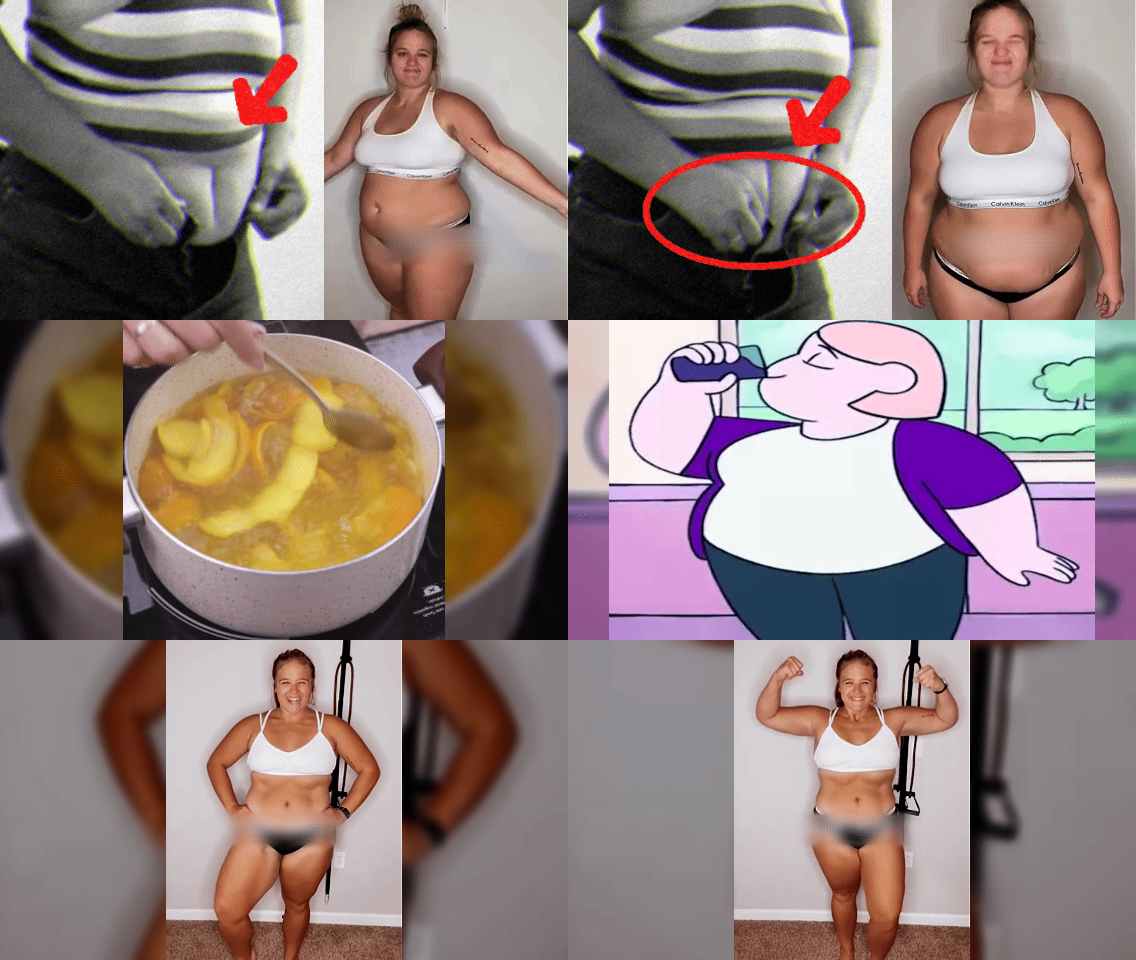
10 Morning Habits That Help Your Body Burn Fat Faster

If you’ve ever wondered why some people seem to lose weight effortlessly while others struggle despite trying everything, the answer often lies in what happens during the first few hours of the day. Your morning routine sets the tone for your metabolism, energy levels, hunger hormones, and fat-burning potential.

The truth is, fat loss doesn’t start in the gym—it starts with your daily habits. And mornings are the most powerful time to influence your body’s ability to burn fat efficiently.

In this in-depth guide, you’ll discover 10 science-backed morning habits that can help your body burn fat faster, reduce cravings, and create lasting weight loss results without extreme dieting.

Why Morning Habits Matter for Fat Loss

Your body operates on a biological clock known as the circadian rhythm. This internal system controls hormone release, digestion, and metabolism. When your morning routine aligns with this rhythm, your body becomes more efficient at using stored fat for energy.

A structured morning routine can:

  • Boost metabolic rate
  • Improve insulin sensitivity
  • Reduce hunger throughout the day
  • Increase energy and focus
  • Support better food choices later

Now let’s dive into the 10 habits that can transform your mornings and accelerate fat loss.

1. Wake Up Early and Consistently

Consistency is key when it comes to fat loss. Waking up at the same time every day helps regulate your hormones, especially cortisol and melatonin.

When your sleep-wake cycle is stable, your metabolism functions more efficiently. Irregular sleep patterns, on the other hand, can lead to increased hunger and fat storage.

You don’t need to wake up extremely early—but you do need to wake up consistently.

2. Drink Water Immediately After Waking

After hours of sleep, your body is dehydrated. Drinking water first thing in the morning helps kickstart your metabolism and supports fat oxidation.

Research shows that drinking water can temporarily increase calorie burning. It also helps control appetite and prevents unnecessary snacking later.

Aim for:

  • 300–500 ml of water upon waking
  • Optional: add lemon for flavor (not required for fat loss)
3. Get Exposure to Natural Sunlight

Morning sunlight is one of the most underrated fat loss tools. It helps regulate your circadian rhythm and improves sleep quality.

Better sleep leads to:

  • Lower hunger hormones
  • Reduced cravings
  • Improved fat-burning capacity

Spend at least 5–15 minutes outside in natural light each morning, even on cloudy days.

4. Move Your Body (Even Light Activity Works)

You don’t need an intense workout to activate fat burning. Simple movement in the morning can increase blood flow, wake up your metabolism, and improve energy levels.

Effective options:

  • Brisk walking
  • Stretching or yoga
  • Light bodyweight exercises

The goal is to signal your body that it’s time to be active—not to exhaust yourself.

5. Try Fasted Movement (Optional but Effective)

Exercising before eating may help your body use stored fat as fuel. This is known as fasted cardio or fasted training.

While it’s not mandatory, some people find it effective for fat loss.

Important notes:

  • Keep intensity moderate
  • Stay hydrated
  • Listen to your body

If you feel weak or dizzy, it’s better to eat first.

6. Eat a High-Protein Breakfast

Protein is one of the most powerful nutrients for fat loss. It increases satiety, reduces cravings, and boosts metabolism through the thermic effect of food.

A high-protein breakfast helps:

  • Control hunger throughout the day
  • Prevent overeating
  • Maintain muscle mass

Examples:

  • Eggs with vegetables
  • Greek yogurt with nuts and fruit
  • Protein smoothies

Aim for at least 20–30 grams of protein in your first meal.

7. Avoid Sugary Foods in the Morning

Starting your day with sugar can spike your blood sugar levels, leading to crashes and increased hunger later.

Common foods to limit:

  • Sugary cereals
  • Pastries
  • Sweetened drinks

Instead, focus on balanced meals with protein, healthy fats, and fiber to keep your energy stable.

8. Plan Your Meals for the Day

Taking a few minutes in the morning to plan your meals can significantly improve your eating habits.

When you plan ahead:

  • You’re less likely to make impulsive food choices
  • You can control portion sizes
  • You stay aligned with your weight loss goals

This simple habit reduces decision fatigue and keeps you on track.

9. Practice Mindful Breathing or Stress Reduction

Stress plays a major role in fat storage, especially around the abdominal area. High cortisol levels can slow down fat loss and increase cravings.

Starting your day with calmness can make a big difference.

Try:

  • Deep breathing for 5 minutes
  • Meditation
  • Journaling

A calm mind leads to better decisions throughout the day.

10. Set a Clear Intention for the Day

Weight loss is not just physical—it’s mental. When you start your day with a clear intention, you’re more likely to follow through with healthy habits.

Ask yourself:

  • What is one healthy choice I will commit to today?
  • How do I want to feel by the end of the day?

This creates awareness and strengthens discipline over time.

Bonus Tip: Avoid Checking Your Phone First Thing

Scrolling through your phone immediately after waking can increase stress, distract your focus, and negatively impact your mood.

Instead, give yourself at least 15–30 minutes of intentional time before engaging with digital content.

This helps you stay in control of your mindset—and your habits.

How to Build These Habits Without Overwhelm

Trying to implement all 10 habits at once can feel overwhelming. The key is to start small.

Choose 2–3 habits and practice them consistently. Once they become automatic, add more.

Remember:

  • Progress is better than perfection
  • Consistency beats intensity
  • Small habits create big results
Common Mistakes That Slow Down Morning Fat Burning
  • Skipping breakfast and overeating later
  • Drinking sugary coffee drinks
  • Not getting enough sleep
  • Rushing through the morning without structure
  • Relying on motivation instead of routine

Avoiding these mistakes is just as important as building good habits.

Final Thoughts

Your morning routine is a powerful tool for fat loss. By making small, intentional changes in the first few hours of your day, you can significantly improve your body’s ability to burn fat, control hunger, and maintain energy.

You don’t need extreme diets or exhausting workouts. You need consistency, awareness, and a routine that supports your goals.

Start with one habit tomorrow morning. Then build from there.

Your future results are created by what you do daily—and it all begins when you wake up.

The Daily Fat Burning Routine Anyone Can Follow

Losing weight doesn’t require extreme diets, exhausting workouts, or complicated plans that are impossible to sustain. What truly works—long term—is consistency. And consistency comes from simplicity. If you’ve been struggling to lose weight or keep it off, it’s likely not because you lack discipline, but because your routine is either too complex or too restrictive.

In this guide, you’ll discover a realistic, science-backed daily fat burning routine that anyone can follow—no matter how busy your schedule is or where you’re starting from. This approach focuses on sustainable habits that naturally boost metabolism, increase fat loss, and improve overall health.

Why a Daily Routine Matters for Fat Loss

Your body thrives on patterns. When you create a daily rhythm that supports fat burning, your metabolism becomes more efficient. Instead of relying on short bursts of motivation, a structured routine helps you make better choices automatically.

Fat loss isn’t about doing one thing perfectly. It’s about doing the right things consistently—every single day.

A well-designed daily routine helps you:

  • Stabilize blood sugar levels
  • Reduce cravings and emotional eating
  • Improve energy levels
  • Enhance fat oxidation
  • Build long-term habits that stick

Let’s break down the ideal daily fat burning routine step by step.

Morning: Start Your Day in Fat Burning Mode
1. Wake Up and Hydrate Immediately

After 6–8 hours of sleep, your body is dehydrated. Drinking water first thing in the morning helps kickstart your metabolism and supports digestion.

Aim for 300–500 ml of water upon waking. You can add a slice of lemon for taste, but the key is hydration.

This simple habit alone can increase calorie burning slightly and help reduce hunger later in the day.

2. Get Natural Light Exposure

Sunlight plays a crucial role in regulating your circadian rhythm. When your body clock is aligned, your metabolism works more efficiently.

Try to spend at least 5–10 minutes outside in the morning light. This helps improve sleep quality at night, which directly impacts fat loss.

3. Move Your Body (Light Activity)

You don’t need an intense workout first thing in the morning. Even light movement can activate fat burning.

Options include:

  • A brisk walk
  • Stretching or yoga
  • Bodyweight exercises (5–10 minutes)

The goal is to wake up your body and increase blood flow—not exhaust yourself.

4. Eat a Protein-Rich Breakfast

Protein is essential for fat loss. It increases satiety, reduces cravings, and boosts metabolism through the thermic effect of food.

Examples of a balanced breakfast:

  • Eggs with vegetables
  • Greek yogurt with nuts and berries
  • Oatmeal with protein powder

A high-protein breakfast helps you stay full longer and prevents overeating later in the day.

Midday: Keep Your Metabolism Active
5. Stay Active Throughout the Day

Fat burning doesn’t only happen during workouts. In fact, daily movement (known as NEAT—Non-Exercise Activity Thermogenesis) plays a huge role.

Simple ways to stay active:

  • Take the stairs instead of the elevator
  • Walk during phone calls
  • Stand up every 30–60 minutes

These small actions add up and significantly increase your daily calorie burn.

6. Eat Balanced Meals

Each meal should include:

  • Lean protein (chicken, fish, tofu)
  • Fiber-rich vegetables
  • Healthy fats (avocado, nuts, olive oil)
  • Complex carbohydrates (rice, quinoa, sweet potatoes)

This combination stabilizes blood sugar and prevents energy crashes.

Avoid highly processed foods that spike insulin and lead to fat storage.

7. Drink Enough Water

Hydration is often overlooked in weight loss. Drinking enough water supports digestion, reduces hunger, and improves metabolic efficiency.

Aim for at least 2–2.5 liters per day, depending on your body size and activity level.

Afternoon: Avoid Energy Crashes and Cravings
8. Choose Smart Snacks

If you get hungry between meals, choose snacks that support fat loss:

  • A handful of nuts
  • Boiled eggs
  • Fruit with protein (like yogurt)

Avoid sugary snacks that cause spikes and crashes in blood sugar.

9. Manage Stress Levels

Chronic stress increases cortisol, a hormone that promotes fat storage—especially around the belly.

Simple ways to reduce stress:

  • Deep breathing exercises
  • Short walks
  • Listening to calming music

Fat loss is not just physical—it’s hormonal and emotional too.

Evening: Support Recovery and Fat Burning
10. Do a Short Workout (Optional but Powerful)

If you didn’t move much during the day, this is a great time for exercise.

Effective fat burning workouts include:

  • Strength training (builds muscle, boosts metabolism)
  • HIIT (burns calories quickly)
  • Moderate cardio (walking, cycling)

Even 20–30 minutes can make a difference.

11. Eat a Light, Balanced Dinner

Avoid heavy, late-night meals. Eating too much before bed can disrupt sleep and digestion.

Focus on:

  • Protein
  • Vegetables
  • Healthy fats

Try to finish eating at least 2–3 hours before bedtime.

12. Limit Screen Time Before Bed

Blue light from screens disrupts melatonin production, affecting sleep quality.

Poor sleep is strongly linked to weight gain and increased cravings.

Instead, try:

  • Reading
  • Journaling
  • Relaxation techniques
Night: Optimize Sleep for Fat Loss
13. Prioritize Quality Sleep

Sleep is one of the most underrated fat loss tools.

Lack of sleep:

  • Increases hunger hormones (ghrelin)
  • Decreases fullness hormones (leptin)
  • Reduces energy levels

Aim for 7–9 hours of quality sleep every night.

14. Keep a Consistent Sleep Schedule

Going to bed and waking up at the same time every day helps regulate your metabolism and hormones.

Consistency is more important than perfection.

The Secret Ingredient: Consistency Over Perfection

You don’t need to follow this routine perfectly every single day. What matters is showing up consistently.

Fat loss is not about doing everything right—it’s about doing enough right, often enough.

If you miss a workout or eat something unhealthy, don’t quit. Just return to your routine at the next opportunity.

Common Mistakes to Avoid
  • Skipping meals (leads to overeating later)
  • Doing excessive cardio without strength training
  • Following extreme diets that are unsustainable
  • Ignoring sleep and stress management
  • Expecting fast results instead of focusing on habits
Final Thoughts

The best fat burning routine is not the most intense or complicated one—it’s the one you can stick to.

By focusing on simple daily habits like hydration, movement, balanced nutrition, stress management, and quality sleep, you create an environment where fat loss becomes natural and sustainable.

Start small. Build gradually. Stay consistent.

Your body will follow.

Learning to Be Kind to Yourself While Healing

Healing is often described as a journey—but what many people don’t realize is that it’s not a straight path. It’s unpredictable, deeply personal, and sometimes painfully slow. There are days when you feel like you’ve made progress, and others when it feels like you’ve gone backward. In the middle of this emotional complexity, one thing becomes essential: learning to be kind to yourself.

For many people, this is the hardest part.

We are often our own harshest critics. We expect ourselves to heal quickly, to “move on,” to be stronger, better, and more resilient without fully acknowledging the depth of what we’ve been through. But real healing doesn’t thrive in self-judgment. It grows in self-compassion.

This article will guide you through what it truly means to be kind to yourself while healing, why it matters, and how to gently build this practice into your daily life.

Why Self-Kindness Is Essential for Healing

When you’re going through emotional pain—whether it’s from loss, trauma, burnout, or disappointment—your inner voice plays a powerful role in shaping your experience.

If your inner dialogue sounds like:

  • “I should be over this by now”
  • “Why am I still feeling this way?”
  • “There’s something wrong with me”

Then healing becomes heavier than it needs to be.

Self-kindness shifts that internal conversation. It allows you to say:

  • “It’s okay that I’m struggling”
  • “I’m allowed to take my time”
  • “I’m doing the best I can right now”

This shift doesn’t erase pain, but it changes how you carry it.

Research in the field of Psychology consistently shows that self-compassion reduces stress, improves emotional resilience, and supports long-term mental well-being. In other words, being kind to yourself isn’t just comforting—it’s effective.

The Misconception: Kindness Is Not Weakness

Many people resist self-kindness because they believe it will make them soft, unmotivated, or complacent.

But the truth is the opposite.

Being harsh with yourself may create short bursts of motivation, but it often leads to burnout, anxiety, and self-doubt. Self-kindness, on the other hand, creates a stable foundation for growth.

It allows you to:

  • Take responsibility without shame
  • Learn from mistakes without self-hatred
  • Keep going without emotional exhaustion

Kindness is not about avoiding accountability. It’s about removing unnecessary suffering from the process.

Understanding What Healing Really Looks Like

Healing is not about becoming a completely different person. It’s about learning how to hold your experiences without being controlled by them.

It often includes:

  • Revisiting old emotions
  • Facing uncomfortable truths
  • Letting go of certain expectations
  • Rebuilding your sense of self

This process can feel messy and nonlinear. Some days you’ll feel strong and clear. Other days, you may feel overwhelmed or stuck.

Self-kindness allows you to accept this reality without turning it into a personal failure.

Signs You’re Being Too Hard on Yourself

Before you can practice kindness, you need to recognize when you’re not.

Here are some common signs:

  • You constantly criticize your emotions
  • You compare your healing to others
  • You feel guilty for not “doing better”
  • You minimize your own pain
  • You push yourself to move on before you’re ready

If any of these feel familiar, you’re not alone. These patterns are learned—and they can be unlearned.

How to Practice Self-Kindness While Healing

Self-kindness is not a single action. It’s a habit you build over time through small, intentional choices.

1. Change Your Inner Dialogue

Start by noticing how you talk to yourself.

Would you speak to a close friend the way you speak to yourself?

If not, gently reframe your thoughts. For example:

  • Instead of “I’m so weak,” try “I’m having a hard moment”
  • Instead of “I should be over this,” try “Healing takes time”

This simple shift can reduce emotional pressure immediately.

2. Allow Yourself to Feel Without Judgment

Many people try to rush healing by suppressing emotions.

But emotions don’t disappear when ignored—they stay, and often grow stronger.

Give yourself permission to feel:

  • Sadness
  • Anger
  • Confusion
  • Grief

These emotions are not signs of failure. They are part of the process.

3. Set Gentle Expectations

Healing is not a race.

Instead of setting rigid expectations like “I need to be okay in a month,” focus on smaller, more compassionate goals:

  • “Today, I will take care of myself”
  • “I will allow myself to rest when needed”

Progress becomes more sustainable when it’s rooted in patience.

4. Take Care of Your Body

Your emotional and physical states are deeply connected.

Simple acts of self-care can support healing:

  • Getting enough sleep
  • Eating nourishing food
  • Moving your body gently
  • Spending time in calming environments

These are not luxuries—they are necessities.

5. Create Space for Rest

You don’t have to be productive all the time.

Healing requires energy, and rest is part of the process—not a break from it.

Give yourself permission to slow down without guilt.

6. Stop Comparing Your Journey

Everyone heals differently.

Comparing your progress to others can create unnecessary pressure and self-doubt. What works for someone else may not be right for you.

Your pace is valid.

7. Celebrate Small Wins

Healing often happens in subtle ways:

  • You reacted more calmly than before
  • You set a boundary
  • You got through a difficult day

These moments matter. Acknowledging them reinforces progress and builds confidence.

The Role of Self-Forgiveness

One of the most powerful forms of self-kindness is forgiveness.

This might include forgiving yourself for:

  • Past mistakes
  • Choices made during difficult times
  • Not knowing what you know now

Self-forgiveness doesn’t mean ignoring responsibility. It means recognizing that you were doing your best with the awareness and resources you had at the time.

Letting go of guilt creates space for growth.

When Healing Feels Too Slow

There will be moments when you feel stuck.

In those moments, it’s important to remember:

  • Progress is not always visible
  • Healing continues even when it feels quiet
  • Rest and reflection are part of moving forward

Sometimes, the most important progress is simply not giving up on yourself.

Building a Long-Term Relationship With Yourself

Healing is not just about overcoming pain. It’s about changing your relationship with yourself.

When you practice self-kindness consistently, you begin to:

  • Trust yourself more
  • Feel safer in your own mind
  • Respond to challenges with greater resilience

This relationship becomes the foundation for everything else in your life.

Final Thoughts

Learning to be kind to yourself while healing is not easy—especially if you’ve spent years being self-critical. But it is one of the most transformative skills you can develop.

You don’t need to have everything figured out. You don’t need to be perfectly healed. You just need to keep showing up for yourself with a little more patience, a little more understanding, and a little more compassion each day.

Healing is not about becoming someone new. It’s about learning to treat yourself with the care you’ve always deserved.

And that begins with kindness.

[Free Gift] Life-Changing Self Hypnosis Audio Track

A 7-Day Plan to Boost Your Metabolism Naturally

If you’ve ever felt like your body is working against you when trying to lose weight, you’re not alone. Many people struggle with a slow metabolism that makes fat loss feel frustratingly difficult. But here’s the truth: your metabolism is not fixed. With the right habits, you can train your body to become more efficient at burning calories and fat.

This 7-day plan is designed to help you naturally boost your metabolism without extreme dieting, complicated routines, or unsustainable restrictions. It focuses on simple, science-backed strategies that improve how your body uses energy—so you can lose weight more effectively and keep it off.

What Does It Mean to Boost Your Metabolism?

Your metabolism refers to all the chemical processes in your body that convert food into energy. A faster metabolism means your body burns more calories at rest and during activity.

Several factors influence your metabolic rate:

  • Muscle mass
  • Activity level
  • Hormonal balance
  • Sleep quality
  • Nutrition habits

The goal of this plan is to optimize all of these factors in a realistic and sustainable way.

How This 7-Day Plan Works

Each day builds on the previous one. You’re not overhauling your life overnight—instead, you’re stacking small habits that compound over time.

By the end of the week, you’ll have a complete routine that supports fat burning from morning to night.

Let’s begin.

Day 1: Hydration and Morning Activation

Start with the simplest but most overlooked habit: drinking water.

What to do:

  • Drink 300–500ml of water immediately after waking
  • Add a 10-minute walk or light stretching in the morning

Why it works:

  • Hydration supports metabolic processes
  • Light movement activates your body after sleep
  • Helps regulate appetite early in the day

Focus on building awareness today. Don’t aim for perfection—just start.

Day 2: Prioritize Protein Intake

Today, shift your focus to nutrition—specifically protein.

What to do:

  • Include protein in every meal
  • Aim for a high-protein breakfast (eggs, yogurt, or a protein shake)

Why it works:

  • Protein increases thermogenesis (calories burned during digestion)
  • Helps preserve muscle mass
  • Keeps you fuller for longer

This alone can significantly reduce overeating.

Day 3: Increase Daily Movement (NEAT)

NEAT stands for Non-Exercise Activity Thermogenesis—basically, all the calories you burn outside of structured workouts.

What to do:

  • Walk more throughout the day
  • Take the stairs
  • Stand instead of sitting when possible

Why it works:

  • NEAT can account for a large portion of daily calorie burn
  • Small movements add up quickly

You don’t need intense workouts to boost metabolism—you need consistent movement.

Day 4: Add Strength Training

Muscle is metabolically active, meaning it burns more calories even at rest.

What to do:

  • Do a simple strength workout (bodyweight or weights)
  • Focus on full-body exercises (squats, push-ups, lunges)

Why it works:

  • Builds lean muscle mass
  • Increases resting metabolic rate
  • Improves overall body composition

Even 20–30 minutes is enough to make a difference.

Day 5: Improve Sleep Quality

Poor sleep can slow your metabolism and increase hunger hormones.

What to do:

  • Aim for 7–8 hours of sleep
  • Avoid screens 30–60 minutes before bed
  • Keep a consistent sleep schedule

Why it works:

  • Regulates hormones like leptin and ghrelin
  • Reduces cravings and emotional eating
  • Supports recovery and energy balance

Sleep is often the missing piece in weight loss.

Day 6: Manage Stress Levels

Chronic stress can lead to elevated cortisol levels, which are linked to fat storage—especially around the abdomen.

What to do:

  • Spend 10 minutes relaxing (breathing, journaling, or quiet time)
  • Reduce unnecessary stress triggers

Why it works:

  • Balances hormones
  • Prevents stress-related overeating
  • Supports overall metabolic health

A calm body burns energy more efficiently.

Day 7: Optimize Meal Timing

Today, you’ll focus on when you eat—not just what you eat.

What to do:

  • Avoid constant snacking
  • Leave 3–4 hours between meals
  • Consider a 12–14 hour overnight fasting window

Why it works:

  • Improves insulin sensitivity
  • Encourages your body to use stored fat for energy
  • Stabilizes energy levels throughout the day

This step helps your body become more flexible in using fuel.

Putting It All Together

By the end of these 7 days, you’ve built a powerful routine:

  • You hydrate properly
  • You eat enough protein
  • You move more throughout the day
  • You include strength training
  • You sleep better
  • You manage stress
  • You eat in a structured way

These habits work together to create a metabolic environment that supports fat loss naturally.

Common Mistakes That Slow Your Metabolism

Even with a good plan, certain habits can hold you back:

  • Eating too little for too long
  • Skipping protein
  • Sitting all day
  • Sleeping poorly
  • Relying only on cardio
  • Constant snacking

Avoiding these mistakes is just as important as building good habits.

Tips to Maximize Your Results

To get the most out of this plan:

  • Stay consistent rather than perfect
  • Track your habits, not just your weight
  • Focus on how you feel (energy, hunger, mood)
  • Adjust based on your lifestyle

Remember, your metabolism adapts to what you do regularly.

Final Thoughts

Boosting your metabolism isn’t about quick fixes or extreme diets. It’s about teaching your body to work efficiently through consistent, supportive habits.

This 7-day plan is just the beginning. The real results come when you continue these habits beyond one week and make them part of your lifestyle.

Your body is not broken—it’s responsive. Give it the right signals, and it will respond in ways that support your goals.

Start today. Keep it simple. Stay consistent.