
21 Small Habits That Transform Emotions & Mindset

Personal growth is often misunderstood as something that requires dramatic life changes, intense discipline, or radical transformations. In reality, the most profound shifts in emotions and mindset usually come from small, consistent habits practiced daily. These micro-habits may seem insignificant on their own, but over time, they reshape how you think, feel, and respond to life.

If you are seeking practical knowledge and grounded advice on personal development, this guide will walk you through 21 small habits that can gently but powerfully transform your emotional well-being and mindset. You do not need to apply all of them at once. Even choosing one or two can begin a meaningful internal shift.

Why Small Habits Matter More Than Big Changes

Big goals often fail because they rely on motivation, which is inconsistent. Small habits, on the other hand, rely on systems. They are easy to start, easy to repeat, and easy to sustain. Neuroscience shows that repetition of small behaviors gradually rewires neural pathways, influencing emotions, self-image, and thought patterns.

When you change your daily inputs, you change your emotional baseline. When your emotional baseline shifts, your mindset follows.

The following habits are designed to be simple, realistic, and emotionally supportive.

  1. Drink a Glass of Water Immediately After Waking Up
    This simple act signals care and intention to your body. Hydration improves focus, energy, and mood, setting a calm foundation for the day.
  2. Take Three Deep Breaths Before Starting Work
    Deep breathing activates the parasympathetic nervous system, reducing stress and emotional reactivity. It helps you respond rather than react.
  3. Write One Sentence About How You Feel Each Morning
    Naming your emotions creates awareness. Awareness reduces emotional overwhelm and increases self-compassion.
  4. Make Your Bed
    Completing one small task builds a sense of control and order, subtly reinforcing a positive self-image.
  5. Spend Five Minutes in Silence
    Silence allows mental clutter to settle. Even a few minutes can reduce anxiety and improve clarity.
  6. Limit Phone Use for the First 30 Minutes of the Day
    Avoiding immediate stimulation helps your mind wake up naturally instead of reactively.
  7. Practice One Moment of Gratitude Daily
    Gratitude shifts focus from what is lacking to what is present, gradually rewiring the brain toward positivity.
  8. Stretch for Two Minutes
    Physical movement releases stored tension and improves emotional flow.
  9. Speak Kindly to Yourself Out Loud Once a Day
    The words you speak shape your internal narrative. Gentle self-talk builds emotional safety.
  10. Read One Page of an Inspiring Book
    Small doses of positive input accumulate into long-term mindset change.
  11. Pause Before Responding in Emotional Situations
    This habit strengthens emotional intelligence and reduces regret.
  12. Write Down One Thought You Want to Release
    Externalizing thoughts reduces mental load and rumination.
  13. Go Outside for Natural Light
    Sunlight improves mood, circadian rhythm, and mental clarity.
  14. Drink Water Before Every Meal
    This small pause creates mindfulness and improves bodily awareness.
  15. Do One Thing at a Time
    Single-tasking reduces anxiety and increases presence.
  16. Notice One Thing You Did Well Today
    Acknowledging small wins builds confidence and emotional resilience.
  17. Reduce Caffeine After Midday
    Better sleep leads to better emotional regulation.
  18. Prepare One Small Thing for Tomorrow
    This habit creates a sense of preparedness and calm.
  19. Put Your Phone Away 30 Minutes Before Sleep
    Reducing stimulation allows the mind to unwind and process emotions.
  20. Write Three Lines About Your Day at Night
    Reflective journaling helps integrate experiences and release stress.
  21. Send One Kind Message Each Day
    Kindness creates connection and reinforces a positive emotional loop.

How These Habits Transform Emotions Over Time

Consistency is the key. Each habit sends a small signal to your brain that you are safe, capable, and in control. Over weeks, these signals accumulate, leading to reduced anxiety, improved self-trust, and a calmer mindset.

Instead of trying to fix yourself, these habits help you support yourself. Emotional transformation does not happen through pressure, but through gentleness practiced daily.

How to Start Without Overwhelm

Choose one habit that feels easiest or most appealing. Commit to it for seven days. Once it becomes natural, add another. Personal development is not a race. It is a relationship with yourself.

You do not need to change your entire life to change how you feel. You only need to change what you do consistently.

Final Thought

Your mindset is not something you force into positivity. It is something you nurture through daily actions. Small habits are quiet, but they are powerful. When practiced with intention, they become the foundation of emotional stability, clarity, and growth.

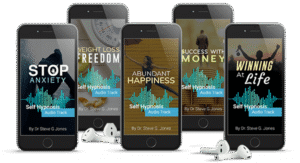
[Free Gift] Life-Changing Self Hypnosis Audio Track
5 Micro Habits That Can Change You

Personal growth is often portrayed as a dramatic transformation: waking up at 5 a.m., radically changing your lifestyle, or committing to intense routines that promise a “new you” in 30 days. In reality, sustainable self-development rarely happens through extreme changes. It happens quietly, through small actions repeated consistently.

These small actions are known as micro habits.

Micro habits are tiny, low-effort behaviors that require minimal motivation but create powerful long-term results. Because they are simple and achievable, they bypass resistance, reduce overwhelm, and slowly reshape how you think, feel, and act. Over time, they compound into meaningful personal change.

In this article, we will explore five micro habits that can genuinely change you from the inside out. Each habit is easy to start, realistic to maintain, and rooted in practical psychology and self-awareness.

Why Micro Habits Are So Powerful

Before diving into the habits themselves, it is important to understand why micro habits work so well for personal development.

The human brain resists drastic change. When goals feel too big, the mind interprets them as threats, triggering procrastination, fear, or burnout. Micro habits lower the psychological barrier to action. They feel safe, manageable, and doable even on difficult days.

Micro habits also leverage consistency rather than intensity. One small action done daily is more effective than occasional bursts of motivation. Over time, these actions rewire your identity. You stop trying to “become” someone new and start behaving like the person you want to be.

Now, let us explore the five micro habits that can change you.

Micro Habit 1: Write Three Lines About Your Emotions Each Night

Emotional awareness is one of the most underrated skills in personal development. Many people live on autopilot, reacting to life without understanding what they feel or why they feel it.

Writing three simple lines about your emotions each night is a powerful micro habit that builds emotional intelligence without overwhelming you.

This is not journaling in the traditional sense. You do not need to write pages or analyze deeply. Three short lines are enough. For example:
Today I felt anxious before the meeting.
I felt proud after finishing my task.
I felt calm in the evening.

This habit helps you name your emotions, which is the first step toward regulating them. Over time, patterns emerge. You begin to notice what drains you, what energizes you, and what triggers stress or joy.

Benefits of this micro habit include:
Improved self-awareness
Better emotional regulation
Reduced mental clutter
Greater compassion toward yourself

When you understand your emotions, you stop being controlled by them. You become more intentional in how you respond to life.

Micro Habit 2: Drink One Glass of Water at the Start of Your Day

Personal growth is not only mental and emotional. It is also physical. Your body and mind are deeply connected, and neglecting basic physical needs can sabotage your progress.

Drinking one glass of water at the start of your day is a deceptively simple habit with wide-ranging benefits.

After hours of sleep, your body is dehydrated. Even mild dehydration can affect concentration, mood, and energy levels. Starting your day with water sends a signal to your body that you are taking care of yourself.

This micro habit also builds momentum. Completing one healthy action first thing in the morning increases the likelihood of making better choices throughout the day.

Benefits include:
Improved focus and energy
Better digestion
A sense of intentionality in the morning
A foundation for other healthy habits

You are not trying to overhaul your diet or routine. You are simply beginning your day with one small act of self-respect.

Micro Habit 3: Practice Five Minutes of Deep Breathing Before Work

Stress is one of the biggest obstacles to personal growth. Chronic stress narrows your thinking, reduces creativity, and keeps you in survival mode. You cannot grow while constantly feeling rushed or overwhelmed.

Taking five minutes to breathe deeply before starting work can significantly change how you experience your day.

This micro habit activates your parasympathetic nervous system, which calms the body and mind. Deep breathing slows your heart rate, lowers cortisol levels, and brings you back into the present moment.

You do not need a complex technique. Simply inhale slowly through your nose, exhale through your mouth, and focus on your breath for five minutes.

Benefits include:
Reduced anxiety and tension
Improved focus and clarity
Better emotional control under pressure
A calmer start to the workday

This habit creates a pause between your inner world and external demands. Instead of reacting automatically, you respond with awareness.

Micro Habit 4: Put Your Phone Away 30 Minutes Before Bed

In the digital age, constant screen exposure is silently eroding our mental health. Many people end their day scrolling, comparing, and consuming information that overstimulates the brain.

Putting your phone away 30 minutes before bedtime is a micro habit that protects your sleep, attention, and emotional well-being.

This habit is not about discipline or restriction. It is about creating a buffer zone between stimulation and rest. During these 30 minutes, your nervous system begins to unwind.

You can use this time to read, stretch, reflect, or simply sit quietly. Even doing nothing is beneficial.

Benefits include:
Better sleep quality
Reduced mental noise
Improved mood the next day
More presence with yourself

Sleep is foundational to personal development. When you sleep better, you think clearer, regulate emotions more effectively, and make healthier decisions.

Micro Habit 5: Send One Kind Message Every Day

Personal growth is not only about self-improvement. It is also about how you relate to others. One small act of kindness each day can reshape your mindset and emotional state.

Sending one kind message daily can be as simple as:
Checking in on a friend
Expressing appreciation
Offering encouragement
Thanking someone sincerely

This micro habit shifts your focus outward, reducing self-absorption and negativity. It strengthens relationships and creates a sense of connection, which is essential for emotional well-being.

Benefits include:
Increased feelings of purpose
Stronger social bonds
Improved mood and empathy
A more positive outlook on life

Kindness benefits both the receiver and the giver. Over time, this habit helps you see yourself as someone who contributes positively to the world.

How to Make Micro Habits Stick

The key to success with micro habits is not motivation but consistency. Start small and keep it simple. Attach habits to existing routines. Focus on progress, not perfection.

If you miss a day, do not quit. Resume the next day without guilt. Micro habits work because they are forgiving and flexible.

Remember, you do not change your life in one dramatic moment. You change it through small, repeated choices that gradually shape who you become.

Final Thoughts

You do not need to wait for the right time, more energy, or perfect circumstances to begin growing. Change begins with what you do today, not someday.

These five micro habits may seem insignificant on their own, but together they create a powerful system of self-care, awareness, and intentional living. Over weeks and months, they can quietly transform how you think, feel, and show up in the world.

Personal development is not about becoming someone else. It is about becoming more of who you already are, one small habit at a time.

[Free Gift] Life-Changing Self Hypnosis Audio Track

Small Habits That Changed the Way I Live — One Day at a Time

Personal development is often portrayed as a dramatic transformation. We see stories of people who wake up one morning, change everything, and suddenly become disciplined, confident, and successful. But in real life, lasting change rarely happens that way. For most of us, true growth comes quietly, through small habits practiced consistently, day after day.

This article is for anyone searching for practical knowledge and realistic advice about personal development. You don’t need to reinvent your life or wait for the perfect moment. What you need are small, intentional habits that gradually reshape how you think, feel, and live. These are the habits that changed the way I live, not overnight, but one day at a time.

Why Small Habits Matter More Than Big Goals

Big goals can be inspiring, but they are also intimidating. When we focus only on massive outcomes, we often feel overwhelmed and give up before we even begin. Small habits work differently. They lower the barrier to action and help you build momentum.

Small habits matter because they are sustainable. They fit into your existing life instead of demanding a complete overhaul. When repeated daily, they compound over time, creating results that feel almost invisible at first but powerful in the long run.

From a psychological perspective, small habits also rewire your identity. Each time you show up for a tiny habit, you reinforce the belief that you are someone who follows through. This shift in self-image is often more important than the habit itself.

The Power of Starting Small

One of the biggest lessons I learned is that starting small is not a sign of weakness. It is a strategy for success. When I tried to change everything at once, I failed repeatedly. When I committed to changes that felt almost too easy, I finally made progress.

Starting small removes resistance. Your brain is less likely to argue with a five-minute habit than a one-hour commitment. Over time, those five minutes grow naturally, without force.

The goal is not to impress yourself with intensity. The goal is to show up consistently, even on days when motivation is low.

Small Habit 1: A Daily Moment of Stillness

One habit that transformed my life was taking a few minutes each day to pause. This could be through meditation, deep breathing, or simply sitting quietly without distractions.

In a world full of noise, stillness creates clarity. It helps you notice your thoughts instead of being controlled by them. Even five minutes of intentional quiet can reduce stress and improve focus.

This habit taught me that I don’t need to react to everything immediately. I can choose how I respond. Over time, this small pause changed how I handle challenges, relationships, and decisions.

Small Habit 2: Writing One Honest Sentence a Day

Journaling can feel overwhelming if you think you need to write pages every day. I simplified it to one honest sentence. Just one line about how I felt, what I learned, or what challenged me.

This habit improved my self-awareness more than any complex system. One sentence a day adds up to hundreds of insights over a year. It helped me recognize patterns in my emotions and behavior that I would have otherwise ignored.

Most importantly, it created a habit of honesty with myself. Personal growth begins with self-awareness, and this small habit made that possible.

Small Habit 3: Moving My Body Gently

Instead of committing to intense workouts, I focused on gentle, consistent movement. A short walk, light stretching, or a few minutes of mobility exercises.

This habit improved my energy levels and mood without draining my willpower. It reminded me that movement is not about punishment or appearance, but about caring for my body.

Over time, gentle movement led to more strength and confidence. It also reinforced the idea that progress does not need to be extreme to be meaningful.

Small Habit 4: Consuming Less, Reflecting More

We live in an age of constant consumption. Endless content, advice, and opinions can make us feel productive while keeping us stuck.

One habit that changed my mindset was intentionally reducing how much I consumed and increasing how much I reflected. For every article or video I consumed, I asked myself one simple question: How does this apply to my life?

This habit shifted me from passive learning to active growth. Knowledge becomes powerful only when it is applied. Reflection turns information into wisdom.

Small Habit 5: Ending the Day with a Simple Reset

How you end your day affects how you begin the next one. I created a simple evening reset habit. It didn’t involve a strict routine, just a few consistent actions.

I would tidy one small area, prepare something for the next day, and mentally review one thing I handled well. This habit reduced morning stress and improved my sense of control.

More importantly, it helped me release perfectionism. The goal was not to have a perfect day, but to close the day with intention.

How Small Habits Change Your Identity

The most profound impact of small habits is not external success, but internal transformation. When you keep small promises to yourself, you begin to trust yourself. That trust builds confidence.

Instead of saying “I am trying to improve my life,” you start to believe “I am someone who takes care of myself.” This identity shift is the foundation of lasting personal development.

Habits are not just actions. They are votes for the person you are becoming.

Dealing with Inconsistency and Setbacks

No one follows habits perfectly. There were days when I skipped everything. The difference this time was how I responded.

Instead of quitting, I returned to the smallest version of the habit. One minute. One sentence. One deep breath. Consistency does not mean never failing. It means always returning.

This mindset removes guilt and replaces it with compassion. Growth becomes something you practice, not something you judge yourself for.

Building Your Own Small Habits System

You don’t need to copy someone else’s habits. The best habits are the ones that fit your life, values, and energy.

Start by asking yourself what area of your life needs the most support right now. Then choose one habit so small it feels impossible to fail. Attach it to an existing routine and focus on consistency, not results.

Track progress gently. Celebrate showing up, not just outcomes. Over time, you will notice changes not only in what you do, but in how you think and feel.

Why One Day at a Time Really Works

Thinking in terms of “forever” creates pressure. Thinking in terms of today creates presence. One day at a time keeps you grounded and realistic.

Each day becomes an opportunity to practice, not to prove anything. This approach reduces anxiety and increases resilience. You stop chasing an ideal version of yourself and start building a real one.

Personal development is not a destination. It is a daily relationship with yourself.

Final Thoughts

Small habits changed the way I live because they changed the way I relate to myself. They taught me patience, self-trust, and compassion. They showed me that progress does not need to be loud to be meaningful.

If you are searching for knowledge and advice about personal development, remember this: you don’t need to change your whole life. You just need to start with one small habit, today.

Let growth be gentle. Let consistency be your strength. And let each day be enough.

[Free Gift] Life-Changing Self Hypnosis Audio Track

7-Day Habit Change Action Calendar: Your Step-by-Step Guide to Transforming Your Life

Have you ever felt stuck in a loop of bad habits, promising yourself you’ll “start fresh on Monday,” only to fall back into the same patterns by Wednesday? You’re not alone. The truth is, lasting change doesn’t come from motivation alone—it comes from systems, structure, and small, consistent actions. That’s where the 7-Day Habit Change Action Calendar comes in.

In this post, you’ll discover a simple, science-backed, and actionable 7-day roadmap to help you build new habits—or break old ones. Whether your goal is to wake up earlier, exercise daily, eat healthier, or reduce screen time, this calendar will guide you through the process of transformation—one day at a time.

📌 Why 7 Days?

Seven days may seem like a short period—but it’s the perfect length to kickstart habit change without overwhelm. Most people fail to stick with new habits because they try to change too much too quickly. By focusing on small wins across one week, you build momentum, confidence, and clarity.

This calendar isn’t about perfection. It’s about progress. Think of it as your personal experiment in self-discipline, self-awareness, and self-improvement.

✅ What You’ll Need Before You Start

Before jumping into the 7-day habit plan, prepare the following:

  • A small notebook or habit tracker
  • A clear intention: Choose 1 habit to focus on this week
  • A trigger for your habit (e.g., “after I brush my teeth”)
  • A reward or celebration for completing each day
  • 10–15 minutes each evening for reflection

🌟 The 7-Day Habit Change Action Calendar

Day 1: Clarity – Define Your Habit

“If you don’t know where you’re going, you’ll end up somewhere else.” – Yogi Berra

Start by defining exactly what you want to change. Vague goals like “be more productive” or “eat better” don’t work. Instead, get specific.

  • 🎯 Example: “Walk for 10 minutes after lunch every day.”
  • ✍️ Write down your habit, your why, and when/where you’ll do it.
  • 📒 Pro tip: Write it as an “if-then” statement: If it’s 12:30 PM, then I’ll walk for 10 minutes.

Day 2: Environment – Set Yourself Up for Success

Your environment shapes your behavior more than you think.

  • 🧹 Remove distractions or triggers that reinforce your old habit
  • 🧠 Prepare cues or reminders to make the new habit obvious
  • 👟 Example: Lay out your walking shoes near your desk

Small tweaks in your surroundings can make or break your consistency.

To help monitor your progress, explore our guide on Habit Tracking Methods

Day 3: Identity – Become the Kind of Person Who…

Don’t just do the habit. Become the person who does it.

Write a simple identity affirmation like:

  • “I’m the kind of person who keeps promises to myself.”
  • “I’m someone who prioritizes my health every day.”

Repeat this each morning. Habits stick when they align with how you see yourself.

Day 4: Action – Show Up, No Matter What

Today, the rule is simple: just show up. Even if it’s just for 1 minute.

  • 👣 Walk for 1 minute? Great.
  • 🧘 Do 1-minute meditation? Perfect.
  • 🖊️ Write one sentence in your journal? Done.

Building the action muscle is more important than perfect performance. Consistency > intensity.

Day 5: Reflection – What’s Working, What’s Not?

Use 10 minutes to reflect:

  • What helped you stick with the habit?
  • What obstacles showed up?
  • How did you feel before and after the habit?

Awareness is the engine of improvement. Adjust your habit triggers or timing if needed.

Day 6: Accountability – Tell Someone or Track Publicly

Accountability boosts follow-through by up to 95%.

  • ✅ Text a friend your goal and check in
  • 📱 Post a quick update on social media
  • 📅 Mark each successful day on a visible calendar

You don’t need pressure—just positive peer presence.

Day 7: Celebration – Anchor the Habit with Emotion

“What gets celebrated, gets repeated.” – Tony Robbins

Wrap up your week with intentional celebration:

  • 🎉 Treat yourself to something small
  • 💬 Reflect on how far you’ve come in 7 days
  • 🔁 Ask yourself: “What’s the next micro habit I can build on this?”

Celebration helps encode the habit as a positive emotional memory.

For more insight into why habits often falter around Day 4–7 and how to power through, check out Why You Can’t Stick…

🔁 What Happens After Day 7?

The habit isn’t “finished”—it’s just beginning. Now, you can:

  • Repeat the 7-day cycle to go deeper
  • Stack another micro habit onto the first
  • Create your own monthly habit challenge

Habit change is a lifestyle, not a one-time event.

📈 Common Pitfalls and How to Overcome Them

PitfallSolution
Starting too bigBegin with 1-minute versions of the habit
Skipping reflectionSet a daily 5-minute journaling alarm
Losing motivation midweekReconnect with your WHY and visualize your future self
All-or-nothing mindsetAllow for imperfection—done is better than perfect

✨ Final Thoughts

Change doesn’t require a life overhaul—it starts with one week.

With the 7-Day Habit Change Action Calendar, you’re not just checking boxes. You’re rewiring your brain, rebuilding self-trust, and proving to yourself that you can change.

[Free Gift] Life-Changing Self Hypnosis Audio Track

The 3 Worst Habits I Had to Break to Move Forward in Life

We all have habits—some build us, others break us. In my personal journey toward growth, success, and fulfillment, I realized that what was holding me back wasn’t the lack of opportunity, resources, or even talent—it was my habits. Specifically, a handful of deeply ingrained, self-sabotaging behaviors that quietly drained my potential every single day.

Breaking these habits wasn’t easy. In fact, it was some of the most uncomfortable inner work I’ve ever done. But once I let go of these three destructive patterns, my life began to shift in ways I never imagined. Here are the three worst habits I had to break to move forward in life, and how you can overcome them too.

1. Procrastination Disguised as Perfectionism

Let’s be honest—most procrastinators don’t just sit around watching Netflix and eating snacks all day. Many of us look busy. We over-research, over-plan, and endlessly tweak things because “it’s not quite ready yet.” That was me: the perfectionist procrastinator.

Why It Held Me Back:

Perfectionism gave me an illusion of productivity while avoiding the real, messy work of progress. I delayed launching projects, avoided tough decisions, and held back from opportunities because I was afraid of getting it wrong. But the truth? Done is better than perfect. And progress always beats paralysis.

How I Broke the Habit:

  • I started setting strict deadlines with consequences—even if self-imposed.
  • I began practicing the 80/20 rule: focusing on the 20% of effort that would produce 80% of the result.
  • I embraced the mantra: “Progress, not perfection.”

This mindset shift helped me take action, iterate fast, and build confidence along the way.

2. Seeking Validation Instead of Trusting Myself

For years, I outsourced my self-worth. I wanted others to approve my ideas, validate my feelings, and confirm that I was “on the right path.” Every time I made a decision, I’d consult five people, overthink every opinion, and second-guess myself until the moment passed.

Why It Held Me Back:

When you rely on external validation, you become disconnected from your inner voice. You start living other people’s dreams, chasing goals that don’t truly fulfill you. Worst of all, you become paralyzed by fear of judgment.

How I Broke the Habit:

  • I started journaling daily to tune into my own thoughts and intuition.
  • I took solo retreats—time away from noise—to get clear on what I wanted.
  • I made small decisions without asking anyone, then celebrated the outcomes (good or bad).

Over time, I learned to trust my gut, stand behind my choices, and build a deep sense of self-confidence rooted in internal clarity—not external applause.

3. Negative Self-Talk That Masqueraded as Realism

“I’m not ready.”
“I’m just being realistic.”
“What if I fail?”
Sound familiar? That inner critic voice—the one that sounds practical, rational, and cautious—was actually one of my biggest enemies. I thought I was being “smart” by doubting myself. In reality, I was just being scared.

Why It Held Me Back:

Our thoughts shape our reality. Constant negative self-talk shrinks your vision, kills your creativity, and conditions your brain to expect failure. It’s the fastest way to stay stuck in the same place, year after year.

How I Broke the Habit:

  • I became radically aware of my thoughts through meditation and mindfulness.
  • I practiced thought replacement—turning “I can’t do this” into “I can figure this out.”
  • I built an “evidence bank” of all the things I’d already overcome to prove to myself that I was capable.

Most importantly, I stopped letting fear dress itself up as logic. I chose to believe in possibilities over limitations.

Growth Is a Choice, Not a Coincidence

We often wait for some magical turning point—some event, opportunity, or person that will help us level up. But real transformation comes from within. Breaking these three habits—perfectionism, validation-seeking, and negative self-talk—was the turning point in my life.

If you’re feeling stuck right now, I encourage you to look inward. Ask yourself:

“What habits am I still holding on to that are silently sabotaging my growth?”

Because when you begin the brave work of rewiring your habits, you don’t just change your actions—you change your destiny.

[Free Gift] Life-Changing Self Hypnosis Audio Track