Natural Supplements That Support Metabolism

If you’ve been struggling to lose weight despite eating healthier and exercising regularly, your metabolism might be the missing piece of the puzzle. Metabolism plays a central role in how your body converts food into energy, burns calories, and stores fat. When your metabolism is functioning optimally, weight loss becomes more efficient and sustainable.

While there is no magic pill for fat loss, certain natural supplements can support your metabolism, enhance fat-burning processes, and help your body function more efficiently. The key is to use these supplements as part of a balanced lifestyle—not as a replacement for healthy habits.

In this in-depth guide, you’ll discover the most effective natural supplements that support metabolism, how they work, and how to use them safely for long-term weight loss success.

Understanding Metabolism and Weight Loss

Metabolism refers to all the chemical processes that occur in your body to maintain life. This includes converting food into energy, repairing cells, and regulating hormones.

Your metabolic rate determines how many calories you burn at rest (known as your basal metabolic rate). Several factors influence metabolism, including age, genetics, muscle mass, hormone levels, and activity level.

A slow metabolism can make it harder to lose weight, while a more active metabolism can help your body burn calories more efficiently.

This is where natural supplements come in—they can support and optimize these processes.

1. Green Tea Extract

Green tea extract is one of the most well-researched natural supplements for boosting metabolism.

It contains powerful antioxidants called catechins, particularly EGCG (epigallocatechin gallate), which helps increase fat oxidation and energy expenditure.

Green tea extract also contains a small amount of caffeine, which works synergistically with catechins to enhance calorie burning.

Regular consumption may help improve fat loss, especially when combined with exercise.

2. Caffeine

Caffeine is a natural stimulant found in coffee, tea, and certain plants. It is widely known for increasing alertness, but it also plays a role in boosting metabolism.

Caffeine stimulates the central nervous system, which can increase thermogenesis—the process by which your body generates heat and burns calories.

It can also enhance physical performance, allowing you to burn more calories during workouts.

However, moderation is important, as excessive caffeine can lead to jitteriness, poor sleep, and increased stress levels.

3. Protein Supplements

Protein is not just for muscle building—it also has a significant impact on metabolism.

The body uses more energy to digest protein compared to fats and carbohydrates, a phenomenon known as the thermic effect of food.

Protein supplements such as whey, casein, or plant-based powders can help increase your daily protein intake, support muscle maintenance, and boost metabolic rate.

Maintaining muscle mass is crucial because muscle burns more calories than fat, even at rest.

4. Fiber Supplements

Fiber plays a key role in digestion and appetite control.

Soluble fiber, in particular, forms a gel-like substance in the gut, slowing digestion and helping you feel full for longer periods.

This can reduce overall calorie intake and prevent overeating.

Fiber also helps regulate blood sugar levels, which reduces cravings and energy crashes.

Popular fiber supplements include psyllium husk and glucomannan.

5. L-Carnitine

L-carnitine is an amino acid that helps transport fatty acids into your cells’ mitochondria, where they are burned for energy.

This process supports fat metabolism and may improve exercise performance.

While the body produces L-carnitine naturally, supplementation may be beneficial for individuals with deficiencies or those looking to enhance fat-burning processes.

6. Capsaicin (From Chili Peppers)

Capsaicin is the compound responsible for the spicy heat in chili peppers.

It has been shown to increase thermogenesis and fat oxidation, helping the body burn more calories.

Capsaicin may also reduce appetite, making it easier to maintain a calorie deficit.

Adding spicy foods to your diet or using capsaicin supplements can provide a natural metabolic boost.

7. Apple Cider Vinegar

Apple cider vinegar has gained popularity for its potential weight loss benefits.

It may help improve insulin sensitivity, regulate blood sugar levels, and promote a feeling of fullness.

These effects can indirectly support metabolism by reducing overeating and stabilizing energy levels.

It’s best consumed diluted in water before meals.

8. Magnesium

Magnesium is an essential mineral involved in hundreds of biochemical reactions in the body, including energy production.

Low magnesium levels can negatively impact metabolism, sleep quality, and muscle function.

Supplementing with magnesium can support overall metabolic health, improve sleep, and reduce stress—all of which play a role in weight management.

9. Vitamin D

Vitamin D is crucial for overall health, and emerging research suggests it may also influence metabolism and weight regulation.

Low levels of vitamin D have been linked to obesity and metabolic disorders.

Ensuring adequate vitamin D levels through sunlight exposure or supplementation may support fat loss and hormonal balance.

10. Omega-3 Fatty Acids

Omega-3 fatty acids, found in fish oil, have anti-inflammatory properties and support metabolic health.

They may help improve insulin sensitivity, reduce fat storage, and support overall energy balance.

Omega-3s also play a role in heart health, making them a valuable addition to any wellness routine.

11. Probiotics

Gut health is closely linked to metabolism.

Probiotics are beneficial bacteria that support a healthy gut microbiome.

A balanced gut can improve digestion, regulate appetite, and influence how your body stores fat.

Certain probiotic strains may even help reduce body weight and fat percentage.

12. Iron

Iron is essential for oxygen transport in the blood and energy production.

Low iron levels can lead to fatigue and a slower metabolism.

If you feel constantly tired and struggle with weight loss, it may be worth checking your iron levels.

Supplementation should only be done if needed and under guidance.

How to Use Supplements Effectively

While these natural supplements can support metabolism, they are not a substitute for healthy habits.

For best results:

Focus on a balanced diet rich in whole foods
Exercise regularly, including strength training
Get enough sleep each night
Manage stress effectively
Stay consistent with your routine

Supplements should complement—not replace—these foundational habits.

Safety and Considerations

Not all supplements are suitable for everyone.

Always consider the following:

Consult a healthcare professional before starting new supplements
Avoid excessive dosages
Choose high-quality, reputable brands
Be aware of potential side effects or interactions

Your health should always come first.

Final Thoughts

Boosting your metabolism naturally is a powerful way to support weight loss and improve overall health. While no supplement can replace a healthy lifestyle, the right combination of natural supplements can enhance your body’s ability to burn calories, regulate appetite, and maintain energy levels.

The key is to take a balanced, sustainable approach. Focus on building habits that support your metabolism daily, and use supplements as an added tool—not a quick fix.

With consistency and the right strategy, you can create a healthier, more efficient metabolism and achieve lasting weight loss results.

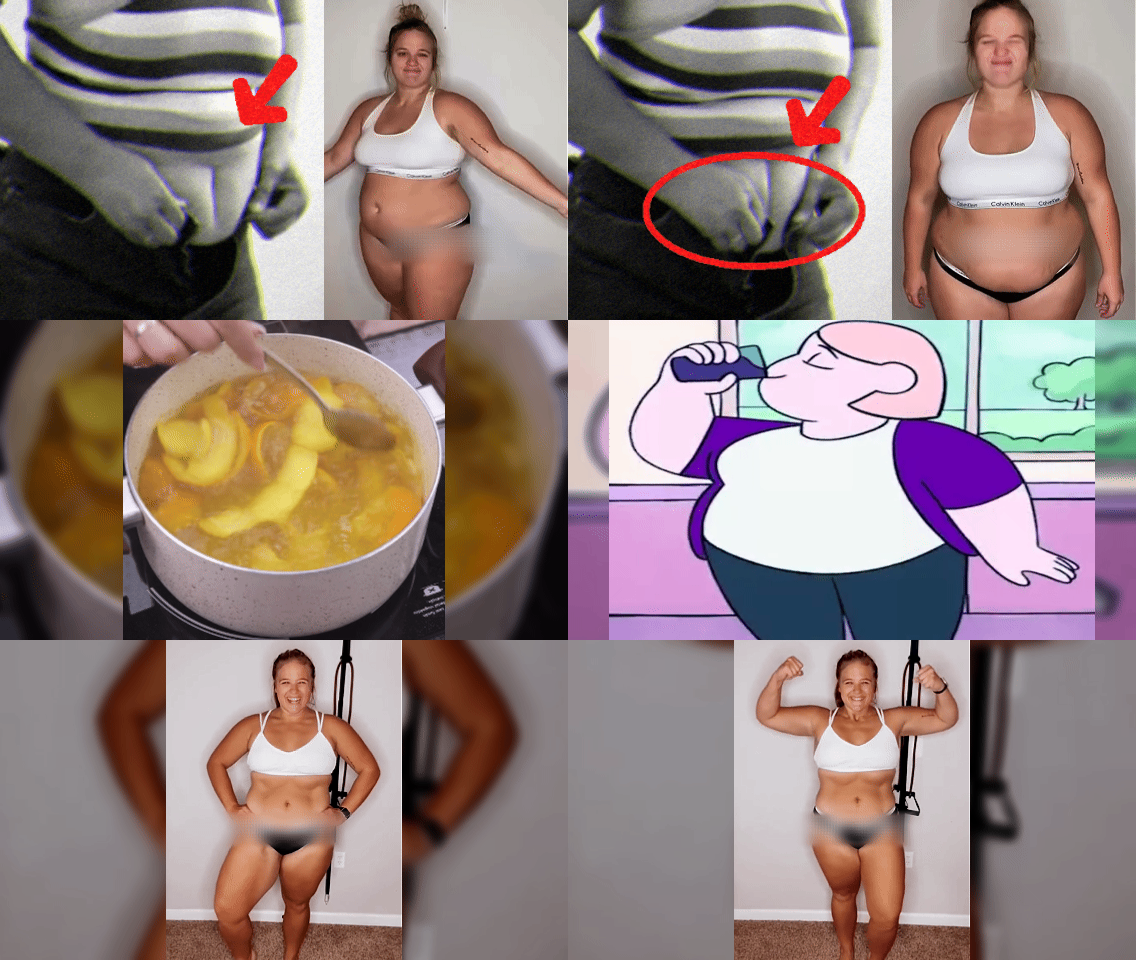
I didn’t expect this to make such a difference, but it actually explains a lot…

If you feel like you’ve tried everything but nothing works,
this short video might be exactly what you’ve been missing.

Easy Ways to Reduce Cravings Naturally

Cravings are one of the biggest obstacles for anyone trying to lose weight. You can have the perfect diet plan, the best workout routine, and strong motivation—but when cravings hit, all that discipline can quickly disappear. If you’ve ever found yourself reaching for sugary snacks late at night or craving fast food even after a full meal, you’re not alone.

The good news is that cravings are not a sign of weakness. They are often signals from your body and mind that something is out of balance. By understanding and addressing the root causes, you can reduce cravings naturally—without extreme dieting, deprivation, or willpower battles.

In this comprehensive guide, you’ll discover simple, science-backed, and sustainable ways to reduce cravings naturally and support long-term weight loss.

What Causes Cravings?

Before we dive into solutions, it’s important to understand why cravings happen in the first place. Most cravings are driven by a combination of physical and psychological factors.

Blood sugar fluctuations are one of the main causes. When you eat refined carbs or sugary foods, your blood sugar spikes and then crashes, triggering more cravings.

Hormonal imbalances also play a role. Hormones like ghrelin (hunger hormone) and leptin (satiety hormone) regulate appetite, and poor sleep or stress can disrupt them.

Emotional triggers such as stress, boredom, or anxiety can lead to emotional eating.

Nutrient deficiencies may cause your body to crave certain foods in an attempt to get missing nutrients.

Habits and conditioning are another powerful factor. If you’re used to eating snacks at certain times, your brain will expect them.

Understanding these triggers allows you to address cravings at the source rather than fighting them constantly.

1. Eat More Protein to Stay Fuller Longer

One of the easiest and most effective ways to reduce cravings is to increase your protein intake. Protein helps you feel full, stabilizes blood sugar, and reduces hunger hormones.

When you eat enough protein, you naturally feel satisfied for longer periods, which reduces the urge to snack unnecessarily.

Great sources of protein include eggs, chicken, fish, tofu, Greek yogurt, and legumes.

Try starting your day with a high-protein breakfast instead of sugary cereals or pastries. This simple change can significantly reduce cravings throughout the day.

2. Stay Hydrated Throughout the Day

Dehydration is often mistaken for hunger. Many people reach for food when their body actually needs water.

Drinking enough water helps control appetite and reduces unnecessary snacking.

A simple strategy is to drink a glass of water before meals and whenever you feel a craving coming on. Sometimes, the craving disappears within minutes.

Herbal teas are also a great option if you want something warm and comforting without added calories.

3. Improve Your Sleep Quality

Sleep plays a critical role in appetite control. Lack of sleep increases ghrelin (hunger hormone) and decreases leptin (fullness hormone), leading to stronger cravings—especially for high-calorie foods.

When you’re sleep-deprived, your brain also seeks quick energy sources, which often means sugar and processed foods.

Aim for 7–9 hours of quality sleep each night. Create a relaxing bedtime routine, reduce screen time before bed, and maintain a consistent sleep schedule.

Better sleep leads to better control over your cravings.

4. Manage Stress Effectively

Stress is one of the biggest triggers for cravings, particularly for comfort foods high in sugar and fat.

When you’re stressed, your body releases cortisol, which increases appetite and cravings.

Instead of turning to food, find healthier ways to manage stress. This could include:

Deep breathing exercises
Meditation or mindfulness
Light physical activity like walking
Journaling your thoughts
Listening to calming music

Even small daily habits can significantly reduce stress and, in turn, reduce cravings.

5. Eat Balanced Meals

A balanced meal includes protein, healthy fats, and complex carbohydrates. This combination helps keep your blood sugar stable and prevents sudden hunger spikes.

If your meals are too carb-heavy (especially refined carbs), you’re more likely to experience cravings shortly after eating.

Focus on whole foods such as vegetables, whole grains, lean proteins, nuts, and seeds.

For example, instead of eating plain toast, add eggs and avocado. This keeps you fuller and more satisfied.

6. Don’t Skip Meals

Skipping meals might seem like a good idea for weight loss, but it often backfires.

When you skip meals, your body becomes extremely hungry, making you more likely to overeat later and crave unhealthy foods.

Eating regular, balanced meals helps maintain stable energy levels and reduces the likelihood of intense cravings.

Consistency is key.

7. Include Healthy Fats in Your Diet

Healthy fats are essential for satiety. They help slow digestion and keep you feeling full longer.

Foods like avocados, nuts, seeds, olive oil, and fatty fish can reduce cravings by providing lasting energy.

Many people who cut out fats completely end up feeling unsatisfied and more prone to cravings.

The goal is not to avoid fats, but to choose the right kinds.

8. Practice Mindful Eating

Mindful eating means paying attention to what you eat, how you eat, and why you eat.

Many cravings are triggered by habits or emotions rather than true hunger.

Before giving in to a craving, ask yourself:
Are you actually hungry, or just bored or stressed?

Eating slowly, savoring each bite, and removing distractions like phones or TV can help you recognize when you’re full and reduce overeating.

9. Keep Unhealthy Snacks Out of Reach

Environment plays a huge role in your eating habits.

If unhealthy snacks are easily accessible, you’re more likely to eat them impulsively.

Instead, keep healthy options within reach, such as fruits, nuts, or yogurt.

Sometimes, simply not having junk food around can eliminate many unnecessary cravings.

10. Allow Yourself Occasional Treats

Completely restricting your favorite foods can make cravings stronger over time.

Instead of banning certain foods, allow yourself occasional treats in moderation.

This prevents feelings of deprivation and helps you maintain a healthy relationship with food.

The key is balance, not perfection.

11. Increase Fiber Intake

Fiber helps slow digestion and keeps you feeling full longer.

High-fiber foods also help regulate blood sugar levels, reducing the likelihood of cravings.

Include foods like vegetables, fruits, whole grains, and legumes in your daily meals.

A fiber-rich diet supports both weight loss and overall health.

12. Identify Your Trigger Foods

Everyone has specific foods that trigger cravings. For some, it’s chocolate; for others, it’s chips or fast food.

Once you identify your trigger foods, you can create strategies to manage them—whether that means limiting exposure or finding healthier alternatives.

Awareness is the first step toward control.

13. Stay Physically Active

Exercise doesn’t just burn calories—it also helps regulate appetite.

Regular physical activity can reduce stress, improve mood, and decrease emotional eating.

You don’t need intense workouts. Even daily walking can make a significant difference.

Consistency matters more than intensity.

14. Use Natural Flavor Alternatives

Sometimes cravings are simply about taste.

If you crave sweets, try naturally sweet foods like fruit. If you crave something crunchy, try nuts or roasted chickpeas.

Using spices like cinnamon or vanilla can also enhance flavor without adding sugar.

This allows you to satisfy cravings in a healthier way.

15. Build Sustainable Habits

The most important step is to focus on long-term habits rather than quick fixes.

Reducing cravings naturally is not about eliminating them completely—it’s about managing them in a healthy and sustainable way.

Small daily changes add up over time and create lasting results.

Final Thoughts

Cravings don’t have to control your life or sabotage your weight loss journey. By understanding the underlying causes and making simple lifestyle adjustments, you can reduce cravings naturally and effectively.

Focus on nourishing your body, managing stress, and building healthy habits. Over time, you’ll notice that cravings become less frequent, less intense, and much easier to handle.

Remember, weight loss is not about perfection—it’s about consistency, balance, and self-awareness.

Start with one or two strategies from this guide, and gradually build a routine that works for you. Your body—and your mind—will thank you.

I didn’t expect this to make such a difference, but it actually explains a lot…

Want a faster, more natural way to support your fat-burning process?
Watch this quick video to see how it works.

Need A Marriage Retreat?

Every relationship goes through seasons. There are moments of deep connection, laughter, and intimacy—and then there are periods of distance, misunderstanding, and emotional fatigue. If you’ve been feeling disconnected from your partner, stuck in repetitive arguments, or simply missing the closeness you once had, you might be wondering: Do we need a marriage retreat?

The answer might be yes—and not because your relationship is failing, but because it deserves intentional care.

In this comprehensive guide, you’ll discover what a marriage retreat really is, the signs you need one, the powerful benefits it offers, and how to choose (or even create) the right retreat to rebuild connection, trust, and love.

What Is a Marriage Retreat?

A marriage retreat is a dedicated time and space where couples step away from their daily routines to focus entirely on their relationship.

Unlike vacations, which often include distractions and surface-level relaxation, a marriage retreat is intentional. It is designed to:

  • Improve communication
  • Rebuild emotional intimacy
  • Resolve conflicts
  • Strengthen connection

Some retreats are guided by relationship coaches or therapists, while others are self-guided experiences created by couples themselves.

The goal is simple: reconnect, reset, and grow together.

Signs You Might Need a Marriage Retreat

Not every couple recognizes when they need help. Often, issues build slowly over time until they feel overwhelming.

Here are some common signs that a marriage retreat could be exactly what your relationship needs:

1. Communication Feels Difficult or Broken

You may find yourselves:

  • Arguing over small things
  • Avoiding important conversations
  • Feeling misunderstood or unheard

Communication is the foundation of any relationship. When it breaks down, everything else becomes harder.

2. Emotional Distance Has Grown

You live together, but it feels like you’re living separate lives.

  • Conversations feel shallow
  • Affection has decreased
  • You feel more like roommates than partners

A retreat can help rebuild emotional closeness.

3. You’re Stuck in Repeating Conflicts

Do you keep having the same arguments over and over?

This often means the root issue hasn’t been resolved.

A marriage retreat provides a safe space to address deeper problems instead of repeating surface-level disagreements.

4. Life Has Become Overwhelming

Work, children, responsibilities, and stress can consume your time and energy.

When life gets busy, relationships often take a back seat.

A retreat allows you to pause and prioritize what truly matters.

5. You Want to Strengthen a Good Relationship

You don’t need to be struggling to benefit from a marriage retreat.

Many couples attend retreats to:

  • Deepen their connection
  • Improve communication skills
  • Prevent future issues

Growth is just as important as repair.

The Benefits of a Marriage Retreat

When done right, a marriage retreat can be transformative.

Deep Emotional Reconnection

Stepping away from distractions allows you to truly see and hear each other again.

You reconnect not just as partners—but as individuals with needs, dreams, and emotions.

Improved Communication Skills

You learn how to:

  • Express your feelings clearly
  • Listen without defensiveness
  • Navigate difficult conversations

These skills continue to benefit your relationship long after the retreat ends.

Renewed Intimacy

Emotional closeness often leads to physical intimacy.

A retreat helps you rediscover affection, attraction, and connection.

Clarity and Perspective

Sometimes, distance from your daily environment brings clarity.

You begin to understand:

  • What’s working
  • What needs to change
  • What truly matters in your relationship
A Fresh Start

A marriage retreat can feel like pressing a reset button.

It gives you the opportunity to let go of past tension and move forward with intention.

Types of Marriage Retreats

Not all retreats are the same. Choosing the right one depends on your needs and preferences.

Therapist-Led Retreats

These are guided by licensed professionals and are ideal for couples dealing with deeper issues.

They often include:

  • Structured sessions
  • Conflict resolution techniques
  • Personalized guidance
Group Retreats

These involve multiple couples and offer a sense of shared experience.

Benefits include:

  • Learning from others
  • Feeling less alone
  • Building community
Private Retreats

These are more intimate and personalized.

They may include one-on-one coaching or simply time for the two of you to reconnect.

DIY (Do-It-Yourself) Retreats

You don’t always need a formal program.

A self-guided retreat can be just as powerful if done intentionally.

How to Create Your Own Marriage Retreat

If attending a formal retreat isn’t possible, you can create your own meaningful experience.

Step 1: Choose the Right Environment

Pick a location where you can relax and focus:

  • A quiet hotel
  • A nature getaway
  • A peaceful Airbnb

The key is to minimize distractions.

Step 2: Set Clear Intentions

Before you begin, ask:

  • What do we want to improve?
  • What do we need to talk about?
  • What kind of connection are we seeking?

Clarity creates direction.

Step 3: Schedule Meaningful Conversations

Plan time to talk about important topics:

  • Your emotional needs
  • Your future goals
  • Any unresolved issues

Use open and respectful communication.

Step 4: Include Fun and Connection

Don’t make it all serious.

Balance deep conversations with:

  • Shared activities
  • Laughter
  • New experiences

Joy strengthens bonds.

Step 5: Disconnect from Technology

Limit phone use, social media, and work-related distractions.

Be fully present with each other.

What to Expect During a Marriage Retreat

A marriage retreat is not always easy.

You may:

  • Face uncomfortable truths
  • Experience emotional moments
  • Have difficult conversations

But this is part of the healing process.

Growth often requires discomfort.

At the same time, you’ll also experience:

  • Moments of connection
  • Renewed understanding
  • A sense of hope
Common Mistakes to Avoid

To get the most out of your retreat, avoid these pitfalls:

Expecting Instant Fixes

A retreat is a powerful step—but it’s not a magic solution.

Real change takes time and continued effort.

Blaming Your Partner

Focus on understanding, not winning arguments.

This is about building connection, not proving who is right.

Avoiding Difficult Topics

It may be tempting to keep things light, but real progress requires honesty.

Face the issues with compassion.

Not Following Up After the Retreat

The retreat is just the beginning.

What matters most is how you apply what you’ve learned in your daily life.

How to Maintain the Results

After your retreat, keep the momentum going:

  • Schedule regular check-ins with each other
  • Continue practicing healthy communication
  • Make time for connection weekly
  • Revisit your shared goals

Consistency is what turns insight into lasting change.

Is a Marriage Retreat Worth It?

If you’re asking the question, chances are something inside you already knows the answer.

A marriage retreat is not about fixing a broken relationship—it’s about investing in a meaningful one.

Whether you’re struggling or simply want to grow closer, taking intentional time to focus on your relationship can be one of the most valuable decisions you make.

Final Thoughts

Relationships don’t thrive on autopilot. They require attention, effort, and care.

A marriage retreat offers something rare in today’s busy world: uninterrupted time to reconnect, reflect, and rebuild.

If you’ve been feeling disconnected, overwhelmed, or simply ready for a deeper connection, this might be exactly what your relationship needs.

Because at the end of the day, love isn’t just something you feel—it’s something you nurture.

And sometimes, the best way to nurture it… is to step away from everything else and focus on each other again.

What if you’ve been doing everything right… but missing the one thing that truly matters?

Inside these 3 FREE reports, you’ll discover powerful psychological insights that most people never learn – yet they change everything in love and attraction.

✨ Don’t just hope for better results. Create them.

👉 Get instant access now.

Make Him Fall In Love Again

Relationships are not static. They evolve, grow, face challenges, and sometimes… lose their spark. If you’re reading this, chances are you feel a distance that wasn’t there before. Maybe he’s less affectionate, less attentive, or emotionally withdrawn. It can be confusing, even painful.

But here’s the truth: love doesn’t just disappear overnight. It fades when connection, emotional intimacy, and attraction are no longer nurtured. And the good news is—what fades can often be rebuilt.

In this in-depth guide, you’ll discover how to make him fall in love again using emotional intelligence, psychological insight, and real-world relationship strategies that actually work.

Understand Why the Spark Faded

Before trying to fix anything, you need clarity.

Love doesn’t fade randomly. It usually happens due to:

  • Emotional disconnection
  • Routine and boredom
  • Lack of appreciation
  • Unresolved conflicts
  • Loss of attraction or excitement

Many people make the mistake of trying to “win him back” without understanding what changed in the first place.

Take a step back and ask yourself:

  • When did things start to shift?
  • What patterns have changed?
  • Are there unmet emotional needs—on both sides?

Awareness is the foundation of transformation.

Stop Chasing, Start Attracting

One of the biggest mistakes people make is trying too hard.

When you chase:

  • You create pressure
  • You appear emotionally dependent
  • You reduce mystery and attraction

Love thrives on emotional balance, not desperation.

Instead of chasing his attention, focus on becoming someone he feels naturally drawn to again.

Attraction grows in space, not pressure.

Reconnect With Your Best Self

Think back to when the relationship began.

Who were you?

  • Confident?
  • Playful?
  • Independent?
  • Full of energy?

Over time, it’s easy to lose parts of yourself within a relationship.

To reignite his feelings, reconnect with the version of you he first fell for—but do it for yourself, not just for him.

Ways to do this:

  • Invest in your personal growth
  • Pursue your passions and hobbies
  • Take care of your physical and emotional well-being
  • Build a life that excites you

When you feel alive again, your energy becomes magnetic.

Create Emotional Safety

Love deepens when a man feels safe being himself around you.

If he feels judged, criticized, or misunderstood, he may emotionally withdraw.

To rebuild connection:

  • Listen without interrupting
  • Validate his feelings
  • Avoid constant criticism
  • Show empathy instead of defensiveness

Emotional safety allows vulnerability—and vulnerability fuels love.

Bring Back Playfulness and Fun

Many relationships lose their spark because they become too serious.

Life gets busy. Responsibilities pile up. And fun disappears.

But attraction thrives on lightness, laughter, and shared joy.

Simple ways to bring it back:

  • Tease him playfully
  • Try new activities together
  • Relive old memories
  • Be spontaneous

You don’t need grand gestures. Small moments of joy can reignite powerful emotions.

Improve Communication Without Pressure

Communication is essential—but how you communicate matters more than how often.

Avoid:

  • Blaming
  • Accusing
  • Overanalyzing every detail

Instead:

  • Use “I feel” statements
  • Be calm and clear
  • Choose the right timing

For example:
Instead of saying, “You never care about me anymore,” try:
“I’ve been feeling a bit disconnected lately, and I miss how close we used to be.”

This invites connection instead of defensiveness.

Rebuild Emotional Attraction

Love is not just about comfort—it’s also about attraction.

Emotional attraction grows when:

  • He feels respected
  • He feels appreciated
  • He feels inspired by you

Show appreciation for the things he does, even small ones.

Men often connect deeply through respect and recognition.

When he feels valued, he naturally leans back in.

Give Him Space to Miss You

Constant availability can reduce emotional intensity.

Space is not a threat to love—it’s a tool to strengthen it.

When you give him room:

  • He has time to reflect
  • He can feel your absence
  • His curiosity and interest can return

This doesn’t mean playing games. It means maintaining your independence.

Healthy distance creates desire.

Focus on Your Emotional Energy

Your emotional state influences the entire relationship.

If you constantly feel anxious, needy, or insecure, it creates tension.

Instead, cultivate:

  • Calmness
  • Confidence
  • Emotional stability

This doesn’t mean suppressing your feelings—it means managing them in a healthy way.

When you feel secure within yourself, the relationship becomes more stable.

Avoid Trying to “Fix” Him

You cannot force someone to feel something they don’t.

Trying to change him often leads to resistance.

Instead of focusing on fixing him:

  • Focus on improving the dynamic
  • Focus on your own growth
  • Focus on creating positive experiences together

Change happens naturally when the environment changes.

Reignite Physical Connection

Physical touch plays a powerful role in emotional bonding.

Over time, physical intimacy may decrease—but it can be rebuilt.

Start small:

  • A gentle touch
  • A hug
  • Sitting close together

Physical connection often leads to emotional reconnection.

Be Patient With the Process

Rebuilding love takes time.

You cannot rush emotions or force instant results.

There may be moments of progress—and moments of doubt.

Stay consistent with your efforts, but don’t expect overnight change.

Patience is not passive—it’s a form of strength.

Know When to Step Back

While it’s important to try, it’s equally important to recognize when effort is one-sided.

Ask yourself:

  • Is he willing to reconnect?
  • Is there mutual effort?
  • Are your needs being respected?

A healthy relationship requires two people.

If you’re the only one trying, it may be time to reassess.

A Simple Action Plan

To make him fall in love again, focus on these key steps:

  1. Understand what caused the distance
  2. Stop chasing and rebuild attraction
  3. Reconnect with your best self
  4. Improve emotional communication
  5. Bring back fun and playfulness
  6. Show appreciation and respect
  7. Give space for emotional reset
  8. Stay patient and consistent

You don’t need to do everything at once. Start with small changes and build momentum.

Final Thoughts

Making him fall in love again is not about manipulation or trying to become someone you’re not.

It’s about rediscovering connection, rebuilding emotional intimacy, and creating an environment where love can grow again.

When you focus on becoming your best self, nurturing the relationship, and allowing space for emotions to evolve, you give love the opportunity to return—naturally and authentically.

And remember, the goal is not just to make him fall in love again, but to create a relationship that feels deeper, stronger, and more fulfilling than ever before.

What if you’ve been doing everything right… but missing the one thing that truly matters?

Inside these 3 FREE reports, you’ll discover powerful psychological insights that most people never learn – yet they change everything in love and attraction.

✨ Don’t just hope for better results. Create them.
👉 Get instant access now.

How to Break Bad Habits Without Using Willpower

If you’ve ever tried to quit a bad habit—whether it’s procrastination, overeating, scrolling endlessly on your phone, or staying up too late—you’ve probably relied on willpower. You told yourself, “This time will be different.” Maybe it worked for a few days. But eventually, you slipped back into old patterns.

Here’s the truth most people don’t realize: willpower is not the solution. In fact, relying on willpower is one of the least effective ways to create lasting change.

The real key to breaking bad habits is not forcing yourself to resist them—but designing your environment, mindset, and systems so that the habit loses its power naturally.

In this comprehensive guide, you’ll learn how to break bad habits without using willpower, using science-backed strategies that make change feel easier, automatic, and sustainable.

Why Willpower Fails

Willpower is like a battery—it gets drained throughout the day. Every decision you make, every temptation you resist, slowly depletes your mental energy.

By the end of the day:

  • You’re more likely to give in to cravings
  • Your discipline weakens
  • Your brain looks for the easiest source of comfort

That’s why you might eat healthy all day but binge at night, or plan to be productive but end up procrastinating.

The problem isn’t you. It’s the strategy.

Instead of relying on willpower, you need systems that work even when you’re tired, stressed, or unmotivated.

Understand the Habit Loop

Every habit follows a simple neurological pattern known as the habit loop:

  • Cue (trigger)
  • Routine (behavior)
  • Reward (benefit)

For example:

  • Cue: Feeling bored
  • Routine: Scrolling social media
  • Reward: Temporary entertainment or distraction

To break a bad habit, you don’t need to eliminate it completely—you need to interrupt or redesign this loop.

Once you understand your triggers and rewards, you gain control.

Make Bad Habits Invisible

One of the most powerful strategies is simple: remove the cues that trigger your bad habits.

If you don’t see it, you’re less likely to do it.

Examples:

  • Keep junk food out of your house
  • Turn off notifications on your phone
  • Move distracting apps off your home screen
  • Create a clean, focused workspace

Your environment shapes your behavior more than your intentions.

Instead of fighting temptation, eliminate it.

Increase Friction for Bad Habits

The harder something is to do, the less likely you are to do it.

Add small obstacles between you and your bad habit:

  • Log out of social media accounts
  • Delete addictive apps
  • Put snacks in hard-to-reach places
  • Use website blockers during work hours

These tiny barriers create just enough resistance to interrupt automatic behavior.

You don’t need to stop yourself—you just need to slow yourself down.

Replace, Don’t Remove

Trying to eliminate a habit without replacing it often leads to failure.

Why? Because habits serve a purpose.

If you remove the behavior but not the need, your brain will find a substitute—often just as unhelpful.

Instead, replace the bad habit with a better one that provides a similar reward.

Examples:

  • Replace scrolling with reading or listening to a podcast
  • Replace emotional eating with going for a walk
  • Replace procrastination with a 5-minute “start task”

The key is to make the replacement easy and satisfying.

Use the “2-Minute Rule”

Big changes feel overwhelming. That’s why most people give up.

The solution is to make habits so small that they feel effortless.

The 2-minute rule:

  • Want to exercise? Start with 2 minutes
  • Want to read? Read one page
  • Want to work? Do just one small task

This reduces resistance and builds momentum.

Once you start, continuing becomes much easier.

Design Your Environment for Success

Your environment is stronger than your motivation.

If your surroundings encourage bad habits, you’ll struggle no matter how disciplined you are.

Design your environment to support good behavior:

  • Keep healthy food visible and accessible
  • Create a dedicated space for focused work
  • Surround yourself with people who support your growth
  • Use visual reminders of your goals

Make the good habits obvious and the bad habits invisible.

Identity-Based Change

One of the most powerful ways to break bad habits is to shift your identity.

Instead of focusing on what you want to stop, focus on who you want to become.

For example:

  • “I’m trying to quit smoking” becomes “I’m not a smoker”
  • “I want to stop procrastinating” becomes “I am a focused person”

Every action you take reinforces your identity.

When your behavior aligns with who you believe you are, change becomes natural.

Use Habit Stacking

Habit stacking means attaching a new behavior to an existing habit.

Formula:
“After I [current habit], I will [new behavior].”

Examples:

  • After brushing your teeth, you meditate for 2 minutes
  • After making coffee, you review your goals
  • After sitting at your desk, you start your most important task

This works because you’re using an established habit as a trigger.

No extra willpower required.

Track Your Progress

Tracking creates awareness and accountability.

When you see your progress, you’re more motivated to continue.

Simple ways to track:

  • Use a habit tracker app
  • Mark an “X” on a calendar
  • Keep a journal

The goal is not perfection—it’s consistency.

Even small wins matter.

Make Bad Habits Unsatisfying

Your brain is wired to repeat behaviors that feel rewarding.

To break a bad habit, reduce its reward.

Strategies:

  • Reflect on the negative consequences immediately after the habit
  • Create accountability (tell someone your goal)
  • Use commitment devices (penalties for slipping)

When a habit becomes less enjoyable, your brain loses interest.

Be Kind to Yourself

Breaking habits is not a linear process.

You will slip up. That’s normal.

What matters is how you respond.

Avoid the “all-or-nothing” mindset:

  • One mistake doesn’t erase your progress
  • Focus on getting back on track quickly
  • Learn from your triggers

Self-compassion leads to better long-term results than self-criticism.

Focus on Systems, Not Goals

Goals are important, but systems are what create results.

A goal is:
“I want to stop procrastinating.”

A system is:
“I will work in 25-minute focused sessions every morning.”

Systems shift your focus from outcomes to daily actions.

When your systems are strong, results take care of themselves.

The Role of Consistency Over Intensity

You don’t need extreme effort. You need consistent action.

Small improvements, repeated daily, lead to massive change over time.

Think of habits like compound interest:

  • Tiny gains accumulate
  • Progress becomes exponential

The key is to show up, even when it’s not perfect.

A Simple Step-by-Step Plan

Here’s how you can start breaking a bad habit today:

  1. Identify the cue that triggers the habit
  2. Understand the reward it provides
  3. Remove or reduce the trigger
  4. Replace the habit with a better alternative
  5. Make the new habit easy to start
  6. Track your progress
  7. Stay consistent and adjust as needed

This process is simple—but incredibly powerful.

Final Thoughts

Breaking bad habits doesn’t require superhuman discipline or endless willpower. It requires a smarter approach.

When you understand how habits work and design your environment, systems, and identity around your goals, change becomes easier—almost automatic.

Instead of fighting yourself every day, you create conditions where success is the natural outcome.

Remember, you don’t rise to the level of your goals—you fall to the level of your systems.

Start small. Stay consistent. And let your habits shape the person you’re becoming.

[Free Gift] Life-Changing Self Hypnosis Audio Track