
My Experiment With Natural Fat Burning Methods

If you’ve ever felt overwhelmed by the endless stream of weight loss advice—fat burners, detox teas, extreme diets—you’re not alone. I reached a point where I was tired of shortcuts that didn’t work and frustrated by quick fixes that led to quick rebounds.

So I decided to try something different.

Instead of chasing trends, I committed to a personal experiment: using only natural fat burning methods to lose weight, boost my metabolism, and improve my overall health.

No pills. No gimmicks. No extremes.

What happened next completely changed how I view weight loss—and it might change how you approach it too.

Why I Chose Natural Fat Burning Methods

After years of trying different diets and workout programs, I realized something important:

Most weight loss strategies fail because they are not sustainable.

They rely on restriction, intensity, or artificial stimulation rather than working with your body. Natural fat burning, on the other hand, focuses on optimizing your body’s existing systems—your metabolism, hormones, and energy balance.

I wanted something that I could maintain for life, not just a few weeks.

So I began my experiment.

What Does “Natural Fat Burning” Really Mean?

Natural fat burning isn’t about magic foods or overnight transformations. It’s about creating the right internal environment for your body to efficiently use stored fat as energy.

This includes:

  • Eating whole, nutrient-dense foods
  • Supporting metabolism through movement
  • Balancing hormones
  • Improving sleep and recovery
  • Reducing chronic stress

It’s simple—but not always easy.

Week 1–2: Resetting My Foundation

I didn’t jump into anything extreme. Instead, I focused on the basics.

Cleaning Up My Diet

I eliminated ultra-processed foods and focused on:

  • Lean proteins
  • Healthy fats
  • Whole carbohydrates like fruits and vegetables

I didn’t count every calorie obsessively. Instead, I paid attention to portion sizes and how my body felt.

The biggest change? I felt fuller, longer.

Hydration Became a Priority

I started drinking more water than ever before. This alone helped reduce cravings and improved my energy levels.

Light Movement Every Day

Instead of intense workouts, I committed to daily walking—around 8,000 to 10,000 steps.

It felt almost too easy.

But that was the point.

Week 3–4: Turning Up the Fat Burning Engine

Once my body adjusted, I began layering in more targeted strategies.

Increasing Protein Intake

Protein became a cornerstone of my meals. It helped preserve muscle mass and kept me satisfied.

I noticed fewer cravings and more stable energy throughout the day.

Introducing Strength Training

This was a major shift.

I started lifting weights 3 times per week, focusing on compound movements like squats, deadlifts, and presses.

The goal wasn’t just to burn calories—but to build muscle.

Because muscle increases your resting metabolic rate, meaning you burn more calories even at rest.

Timing My Meals Smarter

I experimented with simple meal timing strategies:

  • Eating within a consistent window
  • Avoiding late-night snacking

This helped regulate my hunger signals and improved digestion.

Week 5–6: Optimizing Hormones and Recovery

This phase surprised me the most.

I realized that fat loss isn’t just about food and exercise—it’s about what happens when you’re not working out.

Prioritizing Sleep

I made sleep non-negotiable.

7–8 hours per night became my standard. Almost immediately, I noticed:

  • Reduced hunger
  • Better mood
  • More effective workouts
Managing Stress

Chronic stress can sabotage fat loss by increasing cortisol levels.

I introduced simple habits:

  • Deep breathing
  • Short breaks during the day
  • Less screen time before bed

It wasn’t perfect, but it made a difference.

Natural Metabolism Boosters

Instead of supplements, I used natural methods like:

  • Drinking green tea
  • Adding spices like chili and ginger to meals
  • Staying active throughout the day

These small changes added up.

The Results: What Actually Happened

After several weeks, something interesting happened.

The scale didn’t drop dramatically overnight—but it started moving consistently.

More importantly:

  • My body felt leaner
  • My energy levels improved
  • My cravings decreased
  • My clothes fit better

This wasn’t just weight loss—it was transformation.

And it felt sustainable.

What I Learned From This Experiment
1. Consistency Beats Intensity

You don’t need extreme workouts or drastic diets.

Small, consistent actions over time produce real results.

2. Your Body Is Not the Enemy

When you work with your body instead of against it, fat loss becomes easier and more natural.

3. Muscle Is Your Secret Weapon

Building muscle is one of the most effective natural ways to burn fat long-term.

4. Lifestyle Matters More Than Short-Term Fixes

Sleep, stress, and daily habits play a bigger role than most people realize.

5. Natural Doesn’t Mean Slow—It Means Sustainable

While results may not be instant, they last.

And that’s what truly matters.

Simple Natural Fat Burning Tips You Can Start Today

If you want to try this approach, here’s where to begin:

Start your day with a protein-rich meal
Walk more—aim for at least 8,000 steps daily
Drink more water than you think you need
Lift weights 2–4 times per week
Get at least 7 hours of sleep every night
Reduce processed foods and added sugars
Manage stress with simple daily habits

You don’t need to do everything at once.

Start small. Build momentum.

Common Mistakes to Avoid

Even natural approaches can go wrong if you’re not careful.

Avoid these pitfalls:

Trying to do too much too quickly
Expecting instant results
Ignoring recovery and sleep
Undereating for long periods
Comparing your progress to others

Your journey is unique.

Respect that.

Final Thoughts: A Better Way to Burn Fat

My experiment with natural fat burning methods didn’t just help me lose weight—it changed my mindset.

I stopped chasing shortcuts and started building a lifestyle.

And that made all the difference.

If you’re tired of starting over, of quick fixes that don’t last, consider this approach.

It may not be flashy.

But it works.

And more importantly—it lasts.

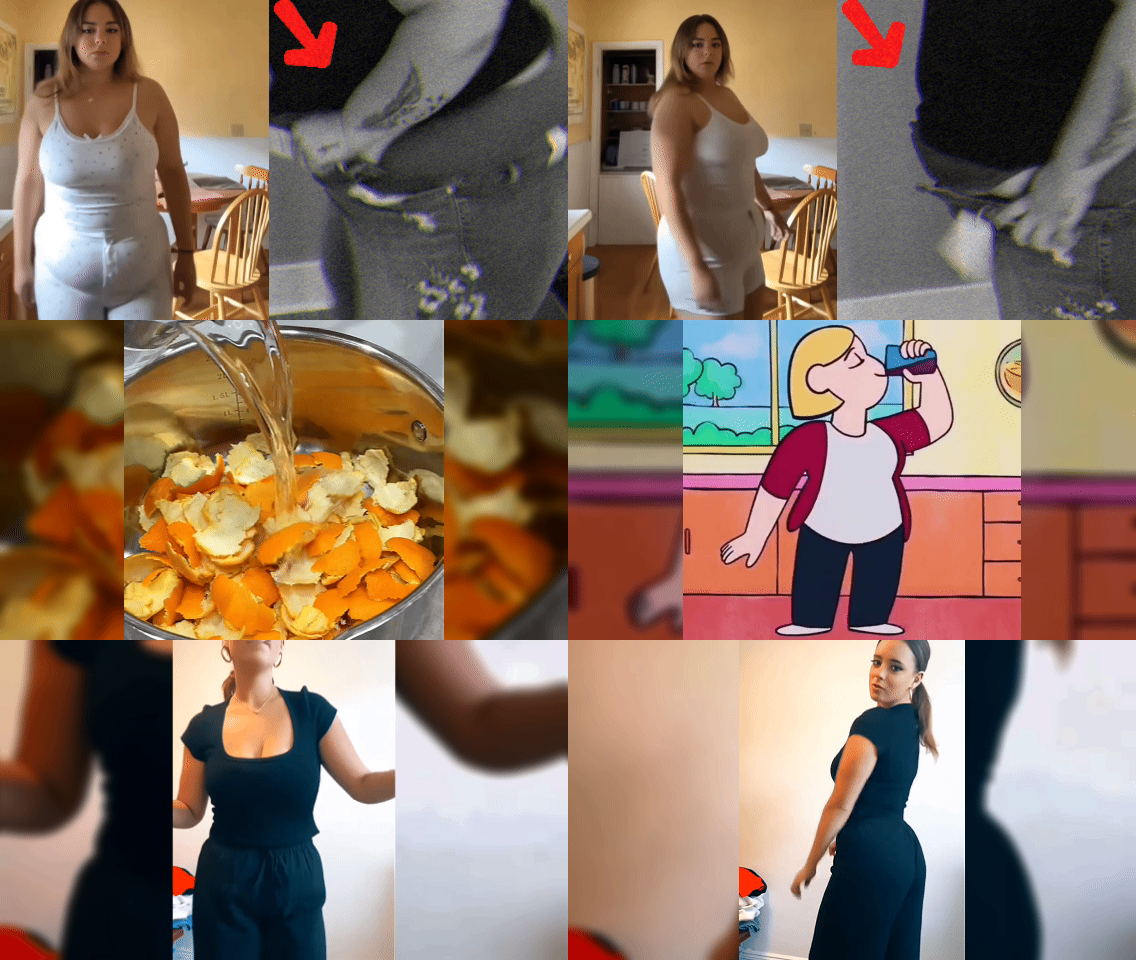
I didn’t expect this to make such a difference, but it actually explains a lot…

If you feel like you’ve tried everything but nothing works,
this short video might be exactly what you’ve been missing.
How I Finally Broke Through My Weight Loss Plateau

If you’ve ever felt stuck in your weight loss journey—doing everything “right” but seeing no change on the scale—you are not alone. I’ve been there. Weeks turned into months where my weight refused to budge, my motivation dipped, and frustration took over. This is the story of how I finally broke through my weight loss plateau—and more importantly, how you can too.

This isn’t about gimmicks, extreme diets, or punishing workout routines. It’s about understanding what your body is really doing and making smart, sustainable adjustments that actually work.

What Is a Weight Loss Plateau?

A weight loss plateau happens when your body stops losing weight despite maintaining the same diet and exercise routine that previously worked. At first, weight loss tends to be faster due to water loss and initial calorie deficits. But over time, your body adapts.

Your metabolism slows. Your body becomes more efficient. And suddenly, what once worked stops working.

This is not failure. This is biology.

Understanding this changed everything for me.

The Moment I Realized Something Had to Change

I remember stepping on the scale after weeks of discipline—clean eating, consistent workouts—and seeing the same number staring back at me.

At first, I blamed myself.

“Maybe I’m not trying hard enough.”

But the truth was, I was doing too much of the wrong things and not enough of what actually mattered.

That realization became the turning point.

The Biggest Mistakes That Kept Me Stuck

Before I share what worked, let me be honest about what didn’t.

1. Eating Too Little

I thought cutting calories aggressively would speed things up. Instead, it backfired. My energy dropped, my workouts suffered, and my metabolism slowed down.

Your body is smart. When you under-eat for too long, it holds onto fat as a survival mechanism.

2. Doing Too Much Cardio

Endless cardio sessions left me exhausted but didn’t produce results anymore. While cardio is useful, relying on it alone can lead to muscle loss—and less muscle means a slower metabolism.

3. Ignoring Strength Training

I underestimated the power of building muscle. This was a huge mistake. Muscle burns more calories, even at rest.

4. Not Tracking Progress Properly

I relied only on the scale. But weight fluctuates due to water, hormones, and other factors. I wasn’t seeing the full picture.

The Breakthrough: What Actually Worked

Everything changed when I shifted my approach from “doing more” to “doing smarter.”

1. I Increased My Calories (Strategically)

Yes, you read that right.

Instead of eating less, I slowly increased my calorie intake to support my metabolism. This is often called “reverse dieting.”

Within weeks, my energy improved, my workouts got stronger, and eventually, the weight started moving again.

2. I Prioritized Protein

Protein became the foundation of my diet.

It helped me:

  • Stay full longer
  • Preserve muscle mass
  • Boost metabolism through digestion

I made sure every meal included a solid protein source.

3. I Focused on Strength Training

This was the game-changer.

Instead of spending hours on cardio, I shifted to lifting weights 3–4 times per week. Building muscle transformed my body composition and increased my resting calorie burn.

4. I Reduced Stress and Improved Sleep

This part is often overlooked.

High stress and poor sleep increase cortisol levels, which can lead to fat retention—especially around the belly.

Once I started prioritizing 7–8 hours of quality sleep and managing stress, my body responded much better.

5. I Added Strategic Cardio (Not Excessive)

I didn’t eliminate cardio—I used it wisely.

Short, effective sessions like:

  • Walking daily
  • Occasional HIIT workouts

This supported fat loss without burning me out.

6. I Tracked More Than Just Weight

I started paying attention to:

  • Measurements
  • Progress photos
  • Strength levels
  • How my clothes fit

Even when the scale didn’t move, my body was changing.

The Mental Shift That Made the Difference

Breaking through my plateau wasn’t just physical—it was mental.

I stopped chasing quick results and started focusing on consistency.

I accepted that progress is not linear.

Some weeks you lose weight. Some weeks you don’t. But if you stay consistent, the trend will move in the right direction.

Practical Tips to Break Your Weight Loss Plateau

If you’re currently stuck, here’s what I recommend:

Reassess Your Calories

You might need to:

  • Eat slightly more to reset your metabolism
  • Or create a small, sustainable deficit

Avoid extremes.

Increase Protein Intake

Aim for a high-protein diet to support fat loss and muscle retention.

Lift Weights

Strength training is essential. Focus on progressive overload—gradually increasing weights or reps.

Move More Daily

Simple activities like walking can make a big difference without stressing your body.

Improve Sleep and Reduce Stress

Don’t underestimate their impact on fat loss.

Be Patient

Your body needs time to adapt. Give it that time.

Why Plateaus Are Actually a Good Sign

Here’s something most people don’t realize:

A plateau often means your body has successfully adapted to your previous routine.

That’s not failure—that’s progress.

It means you’re ready for the next level.

Final Thoughts: You’re Closer Than You Think

Breaking through a weight loss plateau is not about working harder—it’s about working smarter and listening to your body.

The moment I stopped fighting my body and started understanding it, everything changed.

If you’re stuck right now, don’t give up.

Adjust your strategy. Stay consistent. Trust the process.

Your breakthrough is coming.

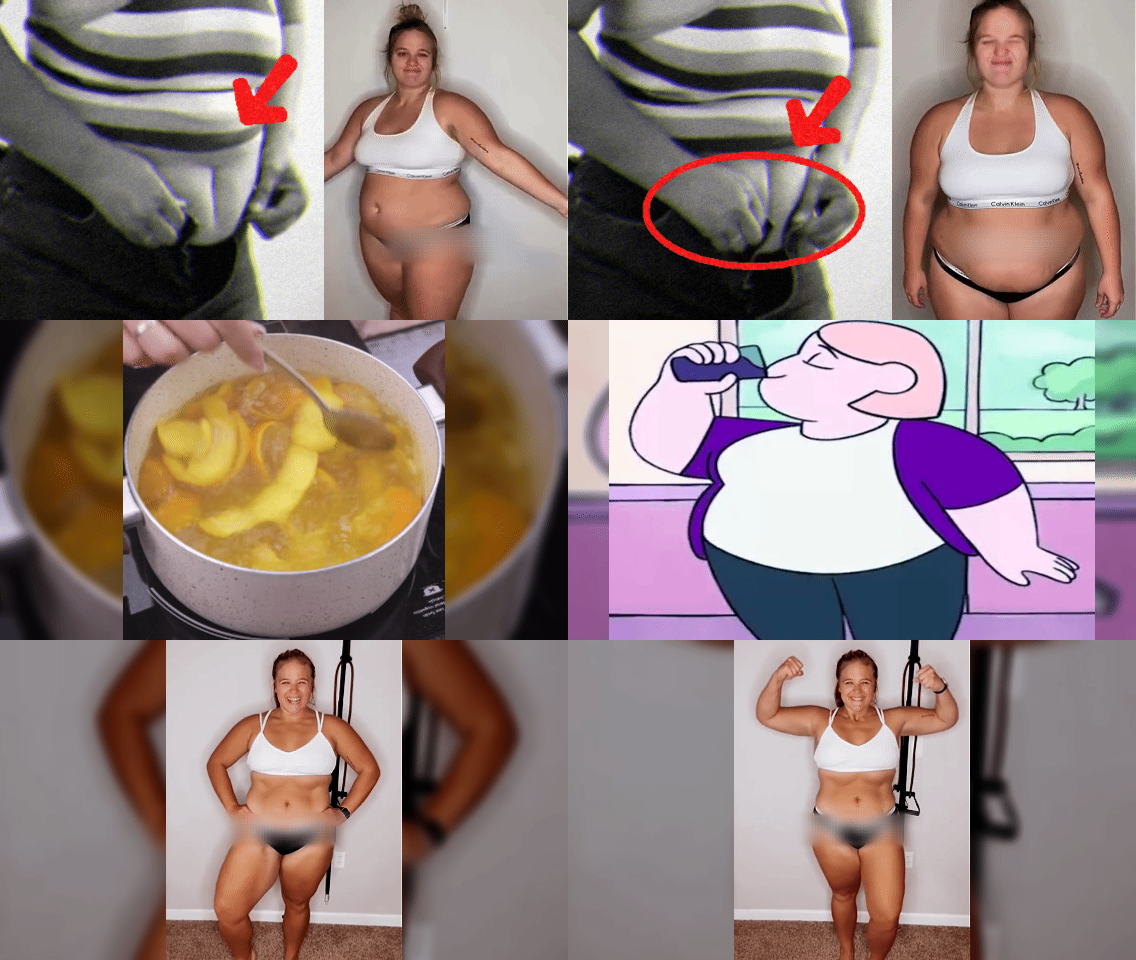
I didn’t expect this to make such a difference, but it actually explains a lot…

There’s a simple reason why most people struggle to burn fat…
Watch this short video to discover what’s really going on.

A Beginner’s Routine for Sustainable Weight Loss

Losing weight is one of the most common goals people set for themselves—but it’s also one of the most misunderstood. Many beginners start with extreme diets, exhausting workout plans, or unrealistic expectations. The result? Burnout, frustration, and often gaining the weight back.

If you’re just starting your journey, here’s the truth: sustainable weight loss is not about doing everything perfectly—it’s about doing the right things consistently.

This guide will walk you through a simple, realistic, and science-backed beginner routine that you can actually stick to long-term.

Why Most Weight Loss Plans Fail

Before we dive into the routine, it’s important to understand why many people fail:

  • They try to lose weight too fast
  • They cut calories too aggressively
  • They rely on motivation instead of habits
  • They follow plans that don’t fit their lifestyle

Sustainable weight loss isn’t about intensity—it’s about consistency. The goal is to build a routine you can maintain for months and years, not just weeks.

The Foundation of Sustainable Weight Loss

At its core, weight loss comes down to one principle: being in a calorie deficit (burning more calories than you consume). But how you create that deficit matters.

A healthy approach focuses on:

  • Balanced nutrition
  • Regular movement
  • Quality sleep
  • Stress management

Let’s break this down into a beginner-friendly daily routine.

Morning Routine: Start Your Day with Intention

How you start your morning sets the tone for your entire day.

1. Hydrate Immediately

Drink a glass of water as soon as you wake up. This helps:

  • Kickstart your metabolism
  • Reduce morning hunger confusion
  • Improve digestion
2. Light Movement (5–15 Minutes)

You don’t need an intense workout. Try:

  • Stretching
  • A short walk
  • Light yoga

This wakes up your body and builds the habit of daily movement.

3. Eat a Balanced Breakfast (Optional)

If you’re hungry, eat. If not, don’t force it.

Focus on:

  • Protein (eggs, yogurt, tofu)
  • Fiber (fruits, oats)

Avoid high-sugar breakfasts that spike energy and cause crashes.

Midday Routine: Stay Consistent, Not Perfect
4. Build a Simple Plate

For lunch, use the “balanced plate” method:

  • 1/2 plate: vegetables
  • 1/4 plate: protein
  • 1/4 plate: carbs

This keeps you full and prevents overeating later.

5. Walk More Than You Think You Need

Walking is underrated but powerful.

Start with:

  • 5,000–8,000 steps per day (beginner)
  • Gradually increase to 8,000–10,000

You don’t need a gym to lose weight—movement throughout the day matters more.

6. Smart Snacking

If you snack, choose:

  • Fruit
  • Nuts (small portions)
  • Yogurt

Avoid mindless eating. Ask yourself: “Am I actually hungry or just bored?”

Evening Routine: Where Most People Struggle

Evenings are where most weight loss efforts fail—not because of hunger, but habits.

7. Eat a Satisfying Dinner

Don’t try to “eat less at night” by starving yourself. That often backfires.

Instead:

  • Include protein (helps reduce late-night cravings)
  • Add vegetables for volume
  • Keep portions reasonable
8. Create a “Kitchen Closed” Habit

After dinner, set a rule:

  • No more eating after a certain time (e.g., 8 PM)

This reduces unnecessary calorie intake and emotional eating.

9. Replace Night Snacking with a Ritual

Instead of eating, try:

  • Drinking tea
  • Reading
  • Journaling
  • Watching something relaxing

Weight loss is often about replacing habits, not removing them.

Weekly Exercise Routine for Beginners

You don’t need to work out every day. Start simple:

3–4 Days Per Week:
  • 20–30 minutes per session

Mix of:

  • Walking or light cardio
  • Basic strength training (bodyweight exercises like squats, push-ups, lunges)

Strength training is especially important—it helps preserve muscle and boosts metabolism.

The Power of Small Habits

Here’s what most people overlook:

Small habits, done daily, create massive results over time.

Focus on:

  • Drinking more water
  • Sleeping 7–8 hours
  • Eating slowly
  • Tracking progress (not obsessively)

You don’t need to be perfect—you need to be consistent.

How to Stay Motivated (When Motivation Fades)

Motivation is temporary. Systems are permanent.

Instead of relying on motivation:

  • Set a routine (same time, same actions daily)
  • Make your environment supportive (healthy food visible, junk food hidden)
  • Track small wins (not just weight)

Examples of progress beyond the scale:

  • More energy
  • Better sleep
  • Clothes fitting differently
  • Improved mood
Common Beginner Mistakes to Avoid
1. Doing Too Much Too Fast

Starting with extreme workouts or diets leads to burnout.

Start small. Build gradually.

2. Cutting Out Entire Food Groups

You don’t need to eliminate carbs or fats. Balance is key.

3. Obsessing Over the Scale

Weight fluctuates daily. Focus on trends, not daily numbers.

4. Skipping Meals to “Save Calories”

This often leads to overeating later.

5. Expecting Fast Results

Healthy weight loss is about:

  • 0.5–1 kg per week

Anything faster is usually not sustainable.

A Sample Beginner Day

Here’s what a simple day might look like:

Morning:

  • Water + light stretching
  • Optional protein-rich breakfast

Midday:

  • Balanced lunch
  • Walk after eating

Afternoon:

  • Light snack if needed
  • Stay active

Evening:

  • Balanced dinner
  • Stop eating after a set time
  • Relaxing activity instead of snacking
The Mindset That Changes Everything

Sustainable weight loss isn’t about punishment—it’s about self-respect.

You’re not trying to:

  • Starve yourself
  • Exhaust yourself
  • Become someone else overnight

You’re learning how to:

  • Take care of your body
  • Build discipline gently
  • Create a lifestyle you enjoy

The goal is not just to lose weight—but to become someone who naturally maintains a healthy lifestyle.

Final Thoughts

If you’re a beginner, remember this:

You don’t need the perfect plan.
You need a plan you can stick to.

Start small. Stay consistent. Be patient with yourself.

Your future body is built by what you do daily—not occasionally.

And the best routine?
The one you don’t quit.

The Daily Fat Burning Routine Anyone Can Follow

Losing weight doesn’t require extreme diets, exhausting workouts, or complicated plans that are impossible to sustain. What truly works—long term—is consistency. And consistency comes from simplicity. If you’ve been struggling to lose weight or keep it off, it’s likely not because you lack discipline, but because your routine is either too complex or too restrictive.

In this guide, you’ll discover a realistic, science-backed daily fat burning routine that anyone can follow—no matter how busy your schedule is or where you’re starting from. This approach focuses on sustainable habits that naturally boost metabolism, increase fat loss, and improve overall health.

Why a Daily Routine Matters for Fat Loss

Your body thrives on patterns. When you create a daily rhythm that supports fat burning, your metabolism becomes more efficient. Instead of relying on short bursts of motivation, a structured routine helps you make better choices automatically.

Fat loss isn’t about doing one thing perfectly. It’s about doing the right things consistently—every single day.

A well-designed daily routine helps you:

  • Stabilize blood sugar levels
  • Reduce cravings and emotional eating
  • Improve energy levels
  • Enhance fat oxidation
  • Build long-term habits that stick

Let’s break down the ideal daily fat burning routine step by step.

Morning: Start Your Day in Fat Burning Mode
1. Wake Up and Hydrate Immediately

After 6–8 hours of sleep, your body is dehydrated. Drinking water first thing in the morning helps kickstart your metabolism and supports digestion.

Aim for 300–500 ml of water upon waking. You can add a slice of lemon for taste, but the key is hydration.

This simple habit alone can increase calorie burning slightly and help reduce hunger later in the day.

2. Get Natural Light Exposure

Sunlight plays a crucial role in regulating your circadian rhythm. When your body clock is aligned, your metabolism works more efficiently.

Try to spend at least 5–10 minutes outside in the morning light. This helps improve sleep quality at night, which directly impacts fat loss.

3. Move Your Body (Light Activity)

You don’t need an intense workout first thing in the morning. Even light movement can activate fat burning.

Options include:

  • A brisk walk
  • Stretching or yoga
  • Bodyweight exercises (5–10 minutes)

The goal is to wake up your body and increase blood flow—not exhaust yourself.

4. Eat a Protein-Rich Breakfast

Protein is essential for fat loss. It increases satiety, reduces cravings, and boosts metabolism through the thermic effect of food.

Examples of a balanced breakfast:

  • Eggs with vegetables
  • Greek yogurt with nuts and berries
  • Oatmeal with protein powder

A high-protein breakfast helps you stay full longer and prevents overeating later in the day.

Midday: Keep Your Metabolism Active
5. Stay Active Throughout the Day

Fat burning doesn’t only happen during workouts. In fact, daily movement (known as NEAT—Non-Exercise Activity Thermogenesis) plays a huge role.

Simple ways to stay active:

  • Take the stairs instead of the elevator
  • Walk during phone calls
  • Stand up every 30–60 minutes

These small actions add up and significantly increase your daily calorie burn.

6. Eat Balanced Meals

Each meal should include:

  • Lean protein (chicken, fish, tofu)
  • Fiber-rich vegetables
  • Healthy fats (avocado, nuts, olive oil)
  • Complex carbohydrates (rice, quinoa, sweet potatoes)

This combination stabilizes blood sugar and prevents energy crashes.

Avoid highly processed foods that spike insulin and lead to fat storage.

7. Drink Enough Water

Hydration is often overlooked in weight loss. Drinking enough water supports digestion, reduces hunger, and improves metabolic efficiency.

Aim for at least 2–2.5 liters per day, depending on your body size and activity level.

Afternoon: Avoid Energy Crashes and Cravings
8. Choose Smart Snacks

If you get hungry between meals, choose snacks that support fat loss:

  • A handful of nuts
  • Boiled eggs
  • Fruit with protein (like yogurt)

Avoid sugary snacks that cause spikes and crashes in blood sugar.

9. Manage Stress Levels

Chronic stress increases cortisol, a hormone that promotes fat storage—especially around the belly.

Simple ways to reduce stress:

  • Deep breathing exercises
  • Short walks
  • Listening to calming music

Fat loss is not just physical—it’s hormonal and emotional too.

Evening: Support Recovery and Fat Burning
10. Do a Short Workout (Optional but Powerful)

If you didn’t move much during the day, this is a great time for exercise.

Effective fat burning workouts include:

  • Strength training (builds muscle, boosts metabolism)
  • HIIT (burns calories quickly)
  • Moderate cardio (walking, cycling)

Even 20–30 minutes can make a difference.

11. Eat a Light, Balanced Dinner

Avoid heavy, late-night meals. Eating too much before bed can disrupt sleep and digestion.

Focus on:

  • Protein
  • Vegetables
  • Healthy fats

Try to finish eating at least 2–3 hours before bedtime.

12. Limit Screen Time Before Bed

Blue light from screens disrupts melatonin production, affecting sleep quality.

Poor sleep is strongly linked to weight gain and increased cravings.

Instead, try:

  • Reading
  • Journaling
  • Relaxation techniques
Night: Optimize Sleep for Fat Loss
13. Prioritize Quality Sleep

Sleep is one of the most underrated fat loss tools.

Lack of sleep:

  • Increases hunger hormones (ghrelin)
  • Decreases fullness hormones (leptin)
  • Reduces energy levels

Aim for 7–9 hours of quality sleep every night.

14. Keep a Consistent Sleep Schedule

Going to bed and waking up at the same time every day helps regulate your metabolism and hormones.

Consistency is more important than perfection.

The Secret Ingredient: Consistency Over Perfection

You don’t need to follow this routine perfectly every single day. What matters is showing up consistently.

Fat loss is not about doing everything right—it’s about doing enough right, often enough.

If you miss a workout or eat something unhealthy, don’t quit. Just return to your routine at the next opportunity.

Common Mistakes to Avoid
  • Skipping meals (leads to overeating later)
  • Doing excessive cardio without strength training
  • Following extreme diets that are unsustainable
  • Ignoring sleep and stress management
  • Expecting fast results instead of focusing on habits
Final Thoughts

The best fat burning routine is not the most intense or complicated one—it’s the one you can stick to.

By focusing on simple daily habits like hydration, movement, balanced nutrition, stress management, and quality sleep, you create an environment where fat loss becomes natural and sustainable.

Start small. Build gradually. Stay consistent.

Your body will follow.

Why Extreme Dieting Is Ruining Your Metabolism

In the world of weight loss, extreme dieting has become incredibly common. Social media, celebrity transformations, and aggressive marketing from the fitness industry often promote rapid weight loss as the ultimate goal. Promises like “lose 10 pounds in a week” or “drop two clothing sizes in 14 days” may sound appealing, but these approaches often come with serious consequences.

Many people who attempt extreme dieting believe they are taking control of their health. In reality, they may be doing the exact opposite. One of the most damaging effects of crash dieting is the negative impact it has on your metabolism.

If you have ever felt like your body stopped responding to dieting, or that losing weight became harder over time despite eating less, there is a strong possibility that extreme dieting played a role.

In this article, we will explore why extreme dieting is ruining your metabolism, how metabolic damage happens, and what you can do to repair your metabolism while still achieving sustainable fat loss.

Understanding Your Metabolism

Before discussing how extreme dieting affects metabolism, it is important to understand what metabolism actually is.

Your metabolism refers to all the chemical processes in your body that convert food into energy. This energy is used to perform essential functions such as breathing, circulation, digestion, hormone production, and physical activity.

Metabolism is often described through Total Daily Energy Expenditure (TDEE), which includes several components:

Basal Metabolic Rate (BMR)
This is the number of calories your body burns at rest simply to stay alive. It accounts for the largest portion of daily calorie expenditure.

Physical Activity
Exercise and general movement throughout the day contribute significantly to calorie burn.

Thermic Effect of Food
Digesting and processing food requires energy. Protein-rich foods tend to increase this effect.

Non-Exercise Activity Thermogenesis (NEAT)
This includes all the small movements you make during the day, such as walking, standing, and fidgeting.

When your metabolism is functioning properly, your body can efficiently use energy while maintaining healthy body composition.

However, extreme dieting disrupts this balance.

What Is Extreme Dieting?

Extreme dieting usually refers to weight loss strategies that involve:

  • Severely restricting calories
  • Eliminating entire food groups
  • Consuming extremely low-calorie meal plans
  • Following highly restrictive detox or cleanse programs
  • Rapid weight loss goals

Many crash diets reduce calorie intake to 800–1,000 calories per day, far below what most adults need to maintain basic bodily functions.

While these diets may cause quick weight loss initially, the majority of that weight loss does not come purely from body fat.

Instead, the body begins to lose water weight, glycogen, and muscle tissue.

This is where metabolic problems begin.

How Extreme Dieting Slows Your Metabolism

Your body is incredibly intelligent. When it senses a severe calorie shortage, it activates survival mechanisms designed to conserve energy.

This process is known as metabolic adaptation.

When you drastically reduce calories, your body responds in several ways.

Your Basal Metabolic Rate Drops

One of the first responses to extreme dieting is a reduction in Basal Metabolic Rate. Since fewer calories are coming in, the body attempts to burn fewer calories to preserve energy.

This means that over time, your body requires fewer calories just to function.

Even when you continue eating very little, weight loss may slow down or stop completely.

You Lose Muscle Mass

Muscle tissue is metabolically active, meaning it burns calories even when your body is at rest.

When calorie intake is extremely low, the body begins to break down muscle tissue for energy.

The loss of muscle mass leads to a slower metabolism because muscle helps maintain higher energy expenditure.

Less muscle means fewer calories burned throughout the day.

Hormones Become Disrupted

Extreme dieting significantly affects the hormones responsible for hunger, metabolism, and energy balance.

Several hormonal changes occur:

Leptin decreases
Leptin is the hormone responsible for signaling fullness. Lower leptin levels increase hunger and make dieting harder.

Ghrelin increases
Ghrelin is known as the hunger hormone. Higher ghrelin levels cause stronger cravings and appetite.

Thyroid hormones decrease
Thyroid hormones regulate metabolic rate. Reduced levels slow down metabolism.

These hormonal changes make the body fight against continued weight loss.

Your Body Burns Fewer Calories During Activity

Another effect of metabolic adaptation is reduced energy expenditure during physical activity.

Your body becomes more efficient at performing tasks with less energy.

While this might sound beneficial, it actually means that your workouts burn fewer calories than before.

Your Non-Exercise Activity Drops

Many people do not realize that when calorie intake is extremely low, the body naturally reduces daily movement.

You may feel more tired, less motivated to move, and subconsciously become less active.

This reduction in everyday movement can significantly decrease daily calorie burn.

Why Most People Gain Weight Back After Crash Diets

One of the most frustrating aspects of extreme dieting is the weight regain that often follows.

After weeks or months of restrictive dieting, people eventually return to normal eating habits. However, their metabolism has already slowed down.

This creates the perfect environment for rapid weight regain.

Several factors contribute to this process.

First, hunger hormones remain elevated after dieting, causing stronger cravings and increased appetite.

Second, the loss of muscle mass reduces calorie expenditure.

Third, the body becomes more efficient at storing fat as a protective mechanism against future starvation.

As a result, many people regain the weight they lost and sometimes even gain more weight than they started with.

This cycle is commonly known as yo-yo dieting.

Signs That Extreme Dieting Has Damaged Your Metabolism

Many people do not realize their metabolism has been negatively affected by repeated dieting.

Some common signs include:

  • Weight loss has stalled despite eating very little
  • Feeling constantly tired or sluggish
  • Cold intolerance
  • Hair thinning or hair loss
  • Persistent hunger
  • Difficulty maintaining weight loss
  • Low exercise performance
  • Mood swings and irritability

If you recognize several of these symptoms, your body may be struggling to recover from long-term calorie restriction.

The Long-Term Health Risks of Extreme Dieting

Beyond slowing metabolism, extreme dieting can lead to several serious health issues.

These may include:

  • Nutrient deficiencies
  • Hormonal imbalances
  • Reduced bone density
  • Digestive problems
  • Increased stress hormone levels
  • Disordered eating patterns

In severe cases, long-term calorie restriction can also negatively impact heart health and immune function.

Sustainable weight loss should never come at the cost of overall health.

How to Repair Your Metabolism

The good news is that metabolism is adaptable. With the right approach, your body can recover from the effects of extreme dieting.

However, repairing metabolism requires patience and a shift in mindset.

Gradually Increase Calories

One of the most effective strategies is gradually increasing calorie intake over time.

This approach, sometimes called reverse dieting, helps restore metabolic rate without causing excessive fat gain.

By slowly adding calories back into your diet, the body learns that energy is available again and can safely increase metabolism.

Prioritize Strength Training

Strength training is essential for rebuilding muscle mass that may have been lost during extreme dieting.

More muscle means higher metabolic rate and improved body composition.

Resistance training also improves insulin sensitivity and hormone balance.

Eat Enough Protein

Protein plays a crucial role in muscle repair and maintenance.

Consuming adequate protein supports muscle growth and helps boost metabolism through the thermic effect of food.

Improve Sleep Quality

Sleep has a major impact on metabolism, hunger hormones, and energy levels.

Aim for 7–9 hours of sleep per night to support metabolic recovery and overall health.

Reduce Stress

Chronic stress increases cortisol levels, which can negatively impact metabolism and promote fat storage.

Practices such as meditation, deep breathing, or spending time in nature can help reduce stress levels.

A Healthier Approach to Fat Loss

Instead of extreme dieting, sustainable fat loss should focus on gradual lifestyle changes.

A healthy fat loss strategy includes:

  • A moderate calorie deficit
  • Balanced nutrition
  • Adequate protein intake
  • Strength training
  • Regular movement
  • Quality sleep
  • Stress management

When weight loss occurs slowly and consistently, the body is less likely to activate strong survival mechanisms.

This makes the results easier to maintain long term.

Why Patience Is the Key to Sustainable Weight Loss

One of the biggest challenges people face when trying to lose weight is impatience.

Society promotes quick transformations, but the human body does not function that way.

True metabolic health and lasting fat loss take time.

Instead of focusing on rapid weight loss, shift your focus to building habits that support long-term health.

Small improvements made consistently over months and years create far more powerful results than extreme diets that last only a few weeks.

Final Thoughts

Extreme dieting may promise fast weight loss, but the long-term consequences can be damaging. By severely restricting calories, the body activates survival mechanisms that slow metabolism, increase hunger, and make weight regain more likely.

Understanding how your metabolism works allows you to make smarter decisions about weight loss.

Rather than chasing quick results, focus on sustainable habits that support your body instead of fighting against it.

When you nourish your body properly, prioritize strength training, manage stress, and allow time for gradual progress, your metabolism can function the way it was designed to.

The goal should never be simply losing weight quickly. The real goal is creating a healthy lifestyle that allows you to maintain your results while feeling strong, energized, and balanced.