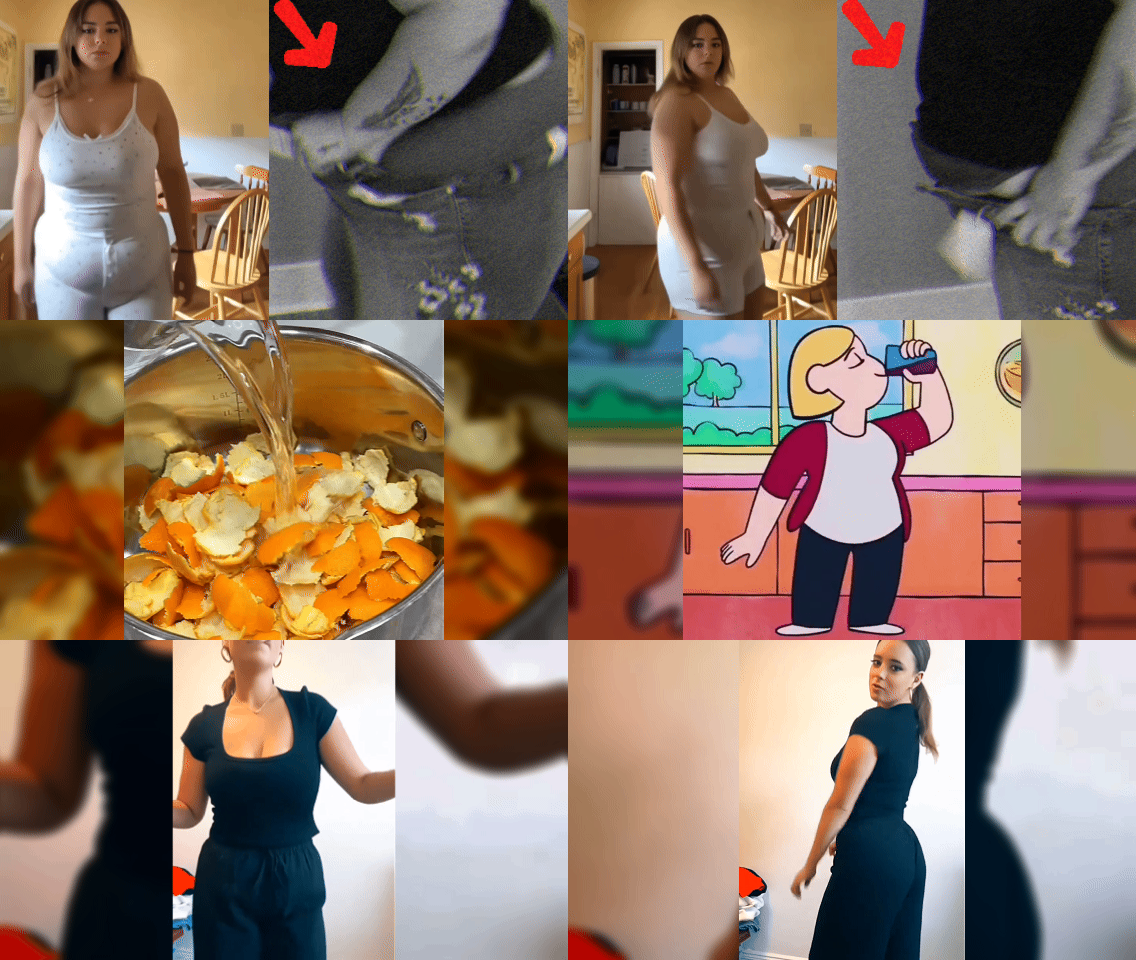
The Small Changes That Helped Me Lose Stubborn Fat

If you’ve ever felt like your body is holding onto fat no matter what you do, you’re not alone. Stubborn fat—especially around the belly, thighs, and hips—can feel impossible to lose. I used to believe I needed extreme diets, intense workouts, or some secret formula to finally see results.

But the truth is much simpler—and far more sustainable.

It wasn’t one dramatic change that transformed my body. It was a series of small, consistent habits that gradually shifted how my body burned fat. These changes didn’t just help me lose weight—they helped me keep it off without feeling deprived or exhausted.

In this article, I’ll walk you through the exact small changes that helped me lose stubborn fat, so you can apply them to your own journey in a realistic, sustainable way.

Why Stubborn Fat Is So Hard to Lose

Before diving into the changes, it’s important to understand why stubborn fat exists.

Your body is designed for survival, not aesthetics. When you try to lose weight too quickly or restrict calories too much, your body fights back by:

  • Slowing down your metabolism
  • Increasing hunger hormones
  • Holding onto fat stores (especially in “stubborn” areas)

This is why extreme diets often fail—and why small, consistent changes work better over time.

1. I Stopped Trying to Be Perfect

One of the biggest mindset shifts I made was letting go of perfection.

I used to think I had to eat “clean” 100% of the time or follow a strict plan. The moment I slipped, I felt like I had failed—and often gave up completely.

Instead, I adopted a simple rule: aim for consistency, not perfection.

  • If I ate well 80% of the time, that was enough
  • If I missed a workout, I didn’t quit—I just continued the next day
  • If I had a “bad” meal, I didn’t try to “punish” myself

This removed the all-or-nothing mindset that was holding me back.

2. I Started Walking Every Day

You don’t need intense workouts to lose fat. In fact, one of the most powerful changes I made was simply walking more.

Walking is underrated because it’s easy—but that’s exactly why it works.

  • It burns calories without stressing your body
  • It doesn’t increase hunger as much as intense exercise
  • It’s sustainable long-term

I started with 6,000 steps a day and gradually increased to 8,000–10,000.

This alone made a noticeable difference in my fat loss, especially when combined with better eating habits.

3. I Focused on Protein First

Instead of obsessing over calories, I shifted my focus to protein.

Protein is essential for fat loss because it:

  • Keeps you full longer
  • Helps preserve muscle while losing weight
  • Boosts metabolism through digestion

At each meal, I asked myself one simple question: “Where is my protein coming from?”

Some easy options I relied on:

  • Eggs or Greek yogurt for breakfast
  • Chicken, fish, or tofu for lunch and dinner
  • Protein-rich snacks like nuts or yogurt

This small shift naturally reduced my calorie intake without feeling restrictive.

4. I Improved My Sleep (Without Realizing How Important It Was)

Sleep was something I used to ignore.

But once I started prioritizing it, everything changed.

Lack of sleep affects fat loss more than most people realize:

  • It increases cravings for sugar and junk food
  • It disrupts hormones that regulate hunger
  • It lowers energy levels, making exercise harder

I didn’t aim for perfection—just improvement.

  • Going to bed 30–60 minutes earlier
  • Reducing screen time before sleep
  • Keeping a consistent sleep schedule

Better sleep made fat loss feel easier, not harder.

5. I Drank More Water (And Less Liquid Calories)

This sounds simple, but it had a huge impact.

I used to consume more calories than I realized through:

  • Sugary drinks
  • Coffee with cream and sugar
  • Juices and soft drinks

Replacing these with water helped me:

  • Reduce unnecessary calories
  • Improve digestion
  • Feel more full throughout the day

A helpful habit was drinking a glass of water before meals. It sounds small—but it adds up.

6. I Stopped “Eating Healthy” and Started Eating Smart

One of the biggest mistakes I made was assuming all “healthy” foods would help me lose weight.

In reality, many healthy foods are still high in calories:

  • Nuts
  • Avocados
  • Smoothies
  • Granola

Instead of avoiding these, I became more mindful of portions.

I also focused on foods that gave me the most volume for fewer calories:

  • Vegetables
  • Lean proteins
  • Whole foods

This helped me stay full while still being in a calorie deficit.

7. I Added Strength Training (Slowly)

I used to rely only on cardio. But adding strength training changed my body composition significantly.

Building muscle helps:

  • Increase metabolism
  • Improve body shape and tone
  • Burn more calories at rest

I didn’t jump into intense workouts. I started with:

  • 2–3 sessions per week
  • Basic movements like squats, push-ups, and dumbbell exercises

Over time, this helped reduce stubborn fat while making my body look leaner and stronger.

8. I Became More Aware of Mindless Eating

A surprising source of extra calories was mindless eating.

  • Snacking while watching TV
  • Eating out of boredom
  • Finishing food just because it was there

Instead of eliminating snacks, I became more intentional:

  • Asking, “Am I actually hungry?”
  • Eating without distractions
  • Slowing down and enjoying meals

This awareness alone reduced my calorie intake without strict dieting.

9. I Learned to Be Patient

This might be the hardest change of all.

Stubborn fat doesn’t disappear overnight. It often takes weeks—or months—of consistent effort.

But here’s what I realized:

If you focus on small, sustainable habits, results are inevitable.

Instead of chasing quick results, I focused on:

  • Building habits I could maintain for life
  • Tracking progress beyond the scale (energy, confidence, strength)
  • Celebrating small wins

Fat loss became a byproduct of a healthier lifestyle—not a constant struggle.

10. I Simplified Everything

In the past, I overcomplicated weight loss.

I tried:

  • Complex diet plans
  • Strict rules
  • Overly intense routines

What finally worked was simplifying everything:

  • Eat mostly whole foods
  • Move your body daily
  • Prioritize sleep and recovery
  • Stay consistent

That’s it.

No extremes. No shortcuts. Just small changes done consistently.

Final Thoughts: Small Changes Create Big Results

If you’re struggling to lose stubborn fat, you don’t need to overhaul your entire life.

You don’t need the perfect diet or the perfect workout plan.

What you need are small, realistic changes that you can stick to every day.

Because in the end, fat loss isn’t about what you do occasionally—it’s about what you do consistently.

Start with one or two habits from this list. Build momentum. Then add more over time.

That’s how real, lasting transformation happens.

And once you experience it, you’ll realize something powerful:

You were never stuck—you just needed a better approach.
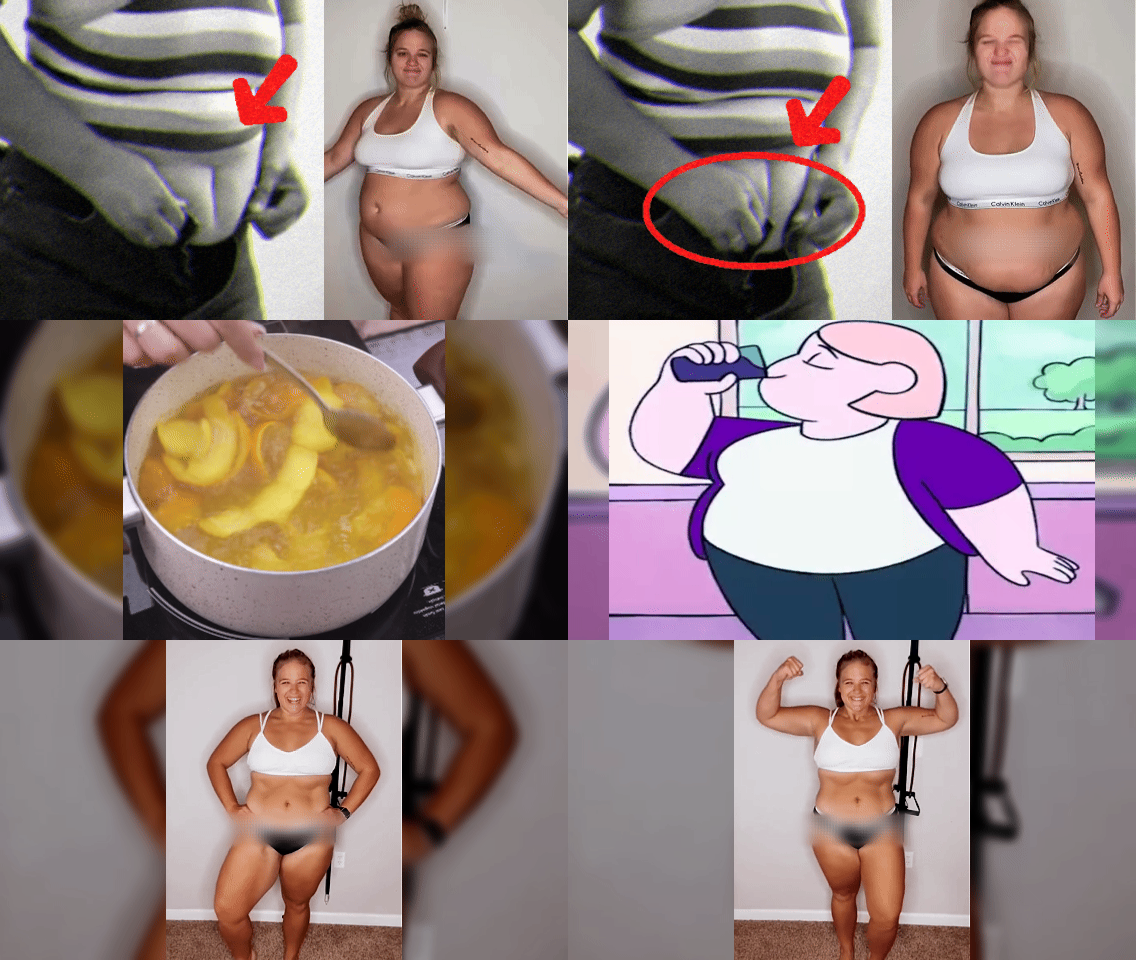
The Science Behind Fat Burning: How Your Body Uses Stored Fat

When it comes to weight loss, few topics are as misunderstood as fat burning. Many people chase quick fixes, miracle supplements, or extreme diets without fully understanding how the body actually uses stored fat for energy. The truth is, fat loss is not magic—it’s biology. And once you understand the science behind it, everything becomes clearer, more manageable, and far more sustainable.

In this in-depth guide, we’ll explore how fat burning really works, what triggers your body to use stored fat, and how you can align your habits with your biology to lose weight effectively.

What Is Body Fat and Why Do We Store It?

Body fat, also known as adipose tissue, is your body’s energy reserve. When you consume more calories than your body needs for immediate use, the excess is stored primarily as fat. This is an evolutionary advantage—our ancestors relied on fat stores during times of food scarcity.

Fat isn’t just “extra weight.” It plays essential roles in:

  • Hormone regulation
  • Protecting organs
  • Insulating the body
  • Supporting cell function

However, when fat storage consistently exceeds fat usage, it leads to weight gain.

The Core Principle: Energy Balance

At the heart of fat loss lies a simple concept: energy balance.

  • Calorie surplus → weight gain
  • Calorie deficit → weight loss

A calorie deficit occurs when your body uses more energy than it receives from food. When this happens, your body turns to stored energy—primarily fat—to make up the difference.

But how exactly does your body access and use that stored fat?

The Fat-Burning Process Explained

Fat burning is a multi-step biological process. Here’s how it works:

1. Lipolysis: Breaking Down Stored Fat

Stored fat exists in the form of triglycerides. When your body needs energy, it initiates lipolysis, a process where triglycerides are broken down into:

  • Fatty acids
  • Glycerol

These components are then released into the bloodstream.

2. Transportation in the Bloodstream

Once broken down, fatty acids travel through the bloodstream to tissues that need energy, such as muscles.

3. Oxidation: Turning Fat Into Energy

Inside the cells, fatty acids enter the mitochondria—the “powerhouses” of your cells—where they undergo fat oxidation. This process converts fat into usable energy (ATP), which fuels your body’s activities.

4. Byproducts: Where Does the Fat Go?

A common myth is that fat “turns into muscle” or simply disappears. In reality:

  • Most fat is exhaled as carbon dioxide
  • The rest is lost as water through sweat, urine, and other bodily fluids

Yes, you literally breathe out fat.

Hormones That Control Fat Burning

Your body doesn’t burn fat randomly—it’s tightly regulated by hormones. Understanding these can help you optimize fat loss.

Insulin

Insulin is the hormone responsible for storing energy. When insulin levels are high (after eating, especially carbs), fat storage is promoted and fat burning is reduced.

Lower insulin levels (such as during fasting or between meals) make it easier for your body to access stored fat.

Glucagon

Glucagon works opposite to insulin. It signals the body to release stored energy, including fat.

Adrenaline and Noradrenaline

These hormones increase during exercise and stress, stimulating fat breakdown and increasing energy availability.

Cortisol

Known as the stress hormone, cortisol can either help or hinder fat loss depending on context. Chronic stress and high cortisol levels can lead to fat accumulation, especially around the abdomen.

What Triggers Your Body to Burn Fat?

Your body switches to fat burning when it needs energy and doesn’t have enough readily available fuel (like glucose). Here are the key triggers:

1. Calorie Deficit

This is the most important factor. Without a calorie deficit, fat loss won’t occur consistently.

2. Exercise

Physical activity increases energy demand. Different types of exercise influence fat burning in unique ways:

  • Cardio burns calories during the activity
  • Strength training builds muscle, increasing resting metabolism
3. Fasting or Time Between Meals

When you go several hours without eating, insulin levels drop, making fat more accessible as a fuel source.

4. Sleep Quality

Poor sleep disrupts hormones like insulin and cortisol, making fat loss more difficult.

The Role of Metabolism in Fat Loss

Your metabolism refers to all the chemical processes that keep your body alive, including burning calories.

It consists of:

  • Basal Metabolic Rate (BMR): Calories burned at rest
  • Physical Activity: Calories burned through movement
  • Thermic Effect of Food (TEF): Energy used to digest food

Improving metabolism doesn’t mean “speeding it up overnight.” Instead, it’s about optimizing these components through lifestyle habits.

How to Support a Healthy Metabolism
  • Build muscle through resistance training
  • Stay physically active throughout the day
  • Eat enough protein
  • Avoid extreme calorie restriction
Why Some People Struggle to Burn Fat

If fat loss feels difficult, it’s not always about willpower. Several factors can interfere with fat burning:

1. Chronic Calorie Surplus

Even small daily surpluses can lead to gradual fat gain over time.

2. Hormonal Imbalances

Conditions affecting insulin, thyroid hormones, or cortisol can impact fat metabolism.

3. Sedentary Lifestyle

Low activity levels reduce overall energy expenditure.

4. Poor Diet Quality

Highly processed foods can disrupt hunger signals and make it harder to maintain a calorie deficit.

5. Unrealistic Expectations

Fat loss is a slow process. Expecting rapid results often leads to frustration and inconsistency.

The Truth About “Fat-Burning” Foods and Supplements

You’ve probably heard of foods or supplements that “burn fat.” While some may slightly boost metabolism or increase calorie burn, their effects are minimal compared to the fundamentals.

There is no food that can override:

  • Excess calorie intake
  • Lack of activity
  • Poor sleep

Green tea, caffeine, and spicy foods may provide a small boost, but they are not magic solutions.

Sustainable Fat Loss: Aligning With Your Biology

The most effective fat loss strategies work with your body, not against it. Here’s how to apply the science in a practical way:

1. Create a Moderate Calorie Deficit

Aim for a sustainable deficit rather than extreme restriction. This helps preserve muscle and maintain energy levels.

2. Prioritize Protein Intake

Protein supports muscle maintenance and increases satiety, making it easier to stay in a calorie deficit.

3. Combine Strength Training and Cardio

This combination maximizes fat loss while preserving lean muscle.

4. Improve Sleep and Manage Stress

Quality sleep and stress management directly influence hormones that control fat storage and burning.

5. Stay Consistent

Fat loss is not about perfection—it’s about consistency over time.

How Long Does It Take to Burn Fat?

Fat loss is gradual. A realistic and sustainable rate is:

  • 0.5 to 1 kg (1–2 lbs) per week

Faster weight loss often includes water loss or muscle loss, not just fat.

The timeline depends on:

  • Starting body composition
  • Calorie deficit size
  • Activity level
  • Consistency
Common Myths About Fat Burning
Myth 1: You Can Target Fat Loss in Specific Areas

Spot reduction is a myth. Fat loss occurs throughout the body based on genetics and overall fat levels.

Myth 2: Sweating Means You’re Burning Fat

Sweat is your body cooling down—not a sign of fat loss.

Myth 3: Eating Fat Makes You Fat

Weight gain is caused by excess calories, not a specific macronutrient.

Myth 4: You Must Exercise to Burn Fat

While exercise helps, fat loss can occur through diet alone. However, combining both is more effective and healthier.

Final Thoughts: Master the Process, Not the Hype

Understanding the science behind fat burning empowers you to make smarter decisions. Instead of chasing trends, you can focus on what actually works:

  • Maintain a calorie deficit
  • Support your metabolism
  • Stay consistent with habits
  • Be patient with results

Fat loss is not about punishing your body—it’s about working with it. When you respect the biology behind it, you create a path that is not only effective but sustainable for life.

The Most Common Fat Burning Mistakes Beginners Make

Starting a fat loss journey can feel exciting, motivating, and full of hope. Many beginners begin with strong determination, convinced that this time they will finally lose the weight and keep it off. However, after weeks or even months of effort, many people become frustrated when the results are slower than expected—or when progress stops completely.

The truth is that fat loss is not just about effort. It is about understanding how the body works and avoiding the mistakes that silently sabotage progress. Beginners often follow advice from social media trends, extreme diets, or fitness myths that promise fast results but lead to disappointment.

If you are new to weight loss, learning what not to do can be just as important as learning what to do. By avoiding the most common fat burning mistakes, you can save time, protect your health, and achieve results that actually last.

Below are the most common fat burning mistakes beginners make and how to avoid them.

Mistake 1: Trying to Lose Weight Too Quickly

One of the biggest mistakes beginners make is expecting rapid fat loss. Many people want dramatic changes in a very short time. This often leads to extreme dieting, excessive exercise, or unrealistic goals.

While quick weight loss may happen initially, much of the early weight lost is water and muscle rather than body fat. When calories are cut too aggressively, the body responds by slowing down metabolism to conserve energy.

This metabolic slowdown makes fat loss harder over time. It also increases hunger hormones and cravings, making it difficult to maintain the diet.

Sustainable fat loss is usually slow and steady. Losing about one to two pounds per week is considered healthy and maintainable. When you focus on gradual progress, you allow your body to adapt while preserving muscle and maintaining metabolic health.

Mistake 2: Cutting Calories Too Drastically

Another common mistake beginners make is drastically reducing calorie intake. Many people believe that the fewer calories they eat, the faster they will lose fat.

While creating a calorie deficit is essential for fat loss, extreme calorie restriction can backfire. When your body senses that it is not receiving enough energy, it enters a survival mode.

This response can lead to:

Reduced metabolism
Increased fatigue
Hormonal imbalances
Loss of muscle mass
Stronger food cravings

Instead of extreme restriction, aim for a moderate calorie deficit. This allows your body to burn fat while maintaining energy levels and muscle mass.

A balanced diet with adequate protein, healthy fats, and fiber will support fat loss far more effectively than starving yourself.

Mistake 3: Avoiding Strength Training

Many beginners believe that cardio is the only exercise necessary for fat burning. As a result, they spend hours running on treadmills, cycling, or doing other cardiovascular workouts while ignoring strength training.

Although cardio burns calories during exercise, strength training offers long-term fat burning benefits.

Building muscle increases your resting metabolic rate, meaning your body burns more calories even when you are not exercising. Muscle tissue is metabolically active, requiring more energy to maintain than fat tissue.

Strength training also helps preserve muscle during weight loss, which is critical for maintaining a healthy metabolism.

For beginners, combining strength training with moderate cardio creates the most effective fat burning strategy.

Mistake 4: Doing Too Much Cardio

While cardio is helpful for fat loss, too much cardio can actually slow down progress.

Many beginners believe that the more they exercise, the faster they will burn fat. However, excessive cardio can increase stress hormones like cortisol, which may promote fat storage, especially around the abdomen.

Too much cardio can also lead to:

Increased fatigue
Higher risk of injury
Loss of muscle mass
Reduced workout performance

Instead of spending hours doing cardio every day, focus on a balanced exercise routine that includes strength training, moderate cardio, and adequate rest.

Quality and consistency are far more important than extreme workout volumes.

Mistake 5: Not Eating Enough Protein

Protein plays a crucial role in fat loss, yet many beginners do not consume enough of it.

Protein supports muscle maintenance, helps regulate appetite, and increases the thermic effect of food—the amount of energy the body uses to digest and process nutrients.

When protein intake is too low, several problems can occur:

Loss of muscle mass during weight loss
Increased hunger and cravings
Slower metabolism
Poor recovery from workouts

Including protein in every meal helps keep you fuller for longer and supports the preservation of lean muscle tissue.

Common healthy protein sources include lean meats, fish, eggs, dairy, legumes, tofu, and plant-based protein sources.

Mistake 6: Ignoring Sleep

Sleep is often overlooked in fat loss discussions, but it is one of the most important factors influencing body composition.

When you do not get enough sleep, your body experiences hormonal disruptions that affect hunger and metabolism.

Lack of sleep increases the hormone ghrelin, which stimulates appetite, and decreases leptin, which signals fullness. This imbalance makes it much easier to overeat.

Sleep deprivation also increases cravings for high-calorie, sugary foods and reduces energy levels for physical activity.

For optimal fat loss and overall health, aim for seven to nine hours of quality sleep each night.

Improving sleep may be one of the most powerful yet underrated strategies for burning fat effectively.

Mistake 7: Relying on “Fat Burning” Supplements

The supplement industry markets countless products claiming to accelerate fat loss. Beginners are often drawn to these promises, hoping for a shortcut.

However, most fat burning supplements provide minimal benefits, and some may even have unwanted side effects.

True fat loss occurs when your body consistently burns more calories than it consumes. No pill, powder, or drink can replace the importance of healthy nutrition and regular physical activity.

Instead of relying on supplements, focus on habits that truly support fat loss:

Eating balanced meals
Staying physically active
Sleeping well
Managing stress

Supplements may play a minor role in some cases, but they should never replace foundational habits.

Mistake 8: Drinking Too Many Hidden Calories

Many beginners carefully track their meals but forget to account for the calories they drink.

Sugary beverages can quickly add hundreds of extra calories without providing lasting fullness. Drinks such as sodas, sweetened coffees, fruit juices, and energy drinks can easily sabotage a calorie deficit.

Alcohol can also contribute significantly to daily calorie intake while lowering inhibitions around food choices.

Replacing high-calorie beverages with water, herbal tea, or unsweetened drinks can make a significant difference in overall calorie balance.

Sometimes, simply improving beverage choices can lead to noticeable weight loss without changing anything else.

Mistake 9: Being Inconsistent

Consistency is the foundation of successful fat loss, yet many beginners struggle with maintaining healthy habits over time.

Some people follow strict diets during the week but overeat on weekends. Others exercise intensely for a few weeks before losing motivation.

Fat loss requires consistent behaviors repeated over months and years.

Small daily habits accumulate into significant long-term results. Missing a workout or enjoying an occasional treat is normal, but long-term progress depends on returning to healthy routines consistently.

Sustainable success comes from building habits that fit naturally into your lifestyle.

Mistake 10: Focusing Only on the Scale

Many beginners measure progress only by the number on the scale. While body weight can provide useful feedback, it does not tell the entire story.

Body weight fluctuates daily due to water retention, hormonal changes, digestion, and muscle gain. This means the scale may not always reflect fat loss accurately.

In some cases, beginners lose fat while gaining muscle, which may result in little change on the scale even though body composition is improving.

Other ways to measure progress include:

Body measurements
Progress photos
Strength improvements in workouts
Clothing fit
Energy levels and overall health

By focusing on multiple indicators of progress, you gain a clearer picture of your transformation.

The Truth About Fat Burning

Fat burning is not a mysterious process reserved for athletes or fitness experts. It is a natural biological function that occurs when your body uses stored energy to meet its needs.

The challenge is not forcing the body to burn fat—it is creating the right environment for fat loss to occur.

This environment includes:

Balanced nutrition
Regular physical activity
Adequate sleep
Stress management
Consistency over time

When these factors work together, the body becomes far more efficient at burning fat.

Building a Sustainable Fat Loss Lifestyle

Many beginners approach fat loss as a temporary project. They follow strict rules for a few weeks or months and then return to old habits once the goal weight is reached.

Unfortunately, this approach often leads to weight regain.

The most successful fat loss journeys are built on sustainable lifestyle changes rather than short-term diets.

Instead of asking, “How fast can I lose weight?” ask a better question:

“What habits can I maintain for the rest of my life?”

These habits might include preparing nutritious meals, exercising regularly, managing stress, prioritizing sleep, and practicing mindful eating.

Over time, these behaviors create a lifestyle that naturally supports a healthy body weight.

Final Thoughts

The beginning of a fat loss journey is often filled with enthusiasm, but it can also be confusing due to the overwhelming amount of conflicting advice available.

By understanding the most common fat burning mistakes beginners make, you can avoid unnecessary frustration and stay focused on strategies that actually work.

Remember that lasting fat loss does not come from extreme diets, endless cardio, or miracle supplements. It comes from consistent habits, patience, and a balanced approach to health.

Your goal should not only be to lose weight but to build a lifestyle that supports long-term well-being.

When you avoid the common pitfalls and focus on sustainable habits, fat loss becomes not only possible but achievable for the long term.