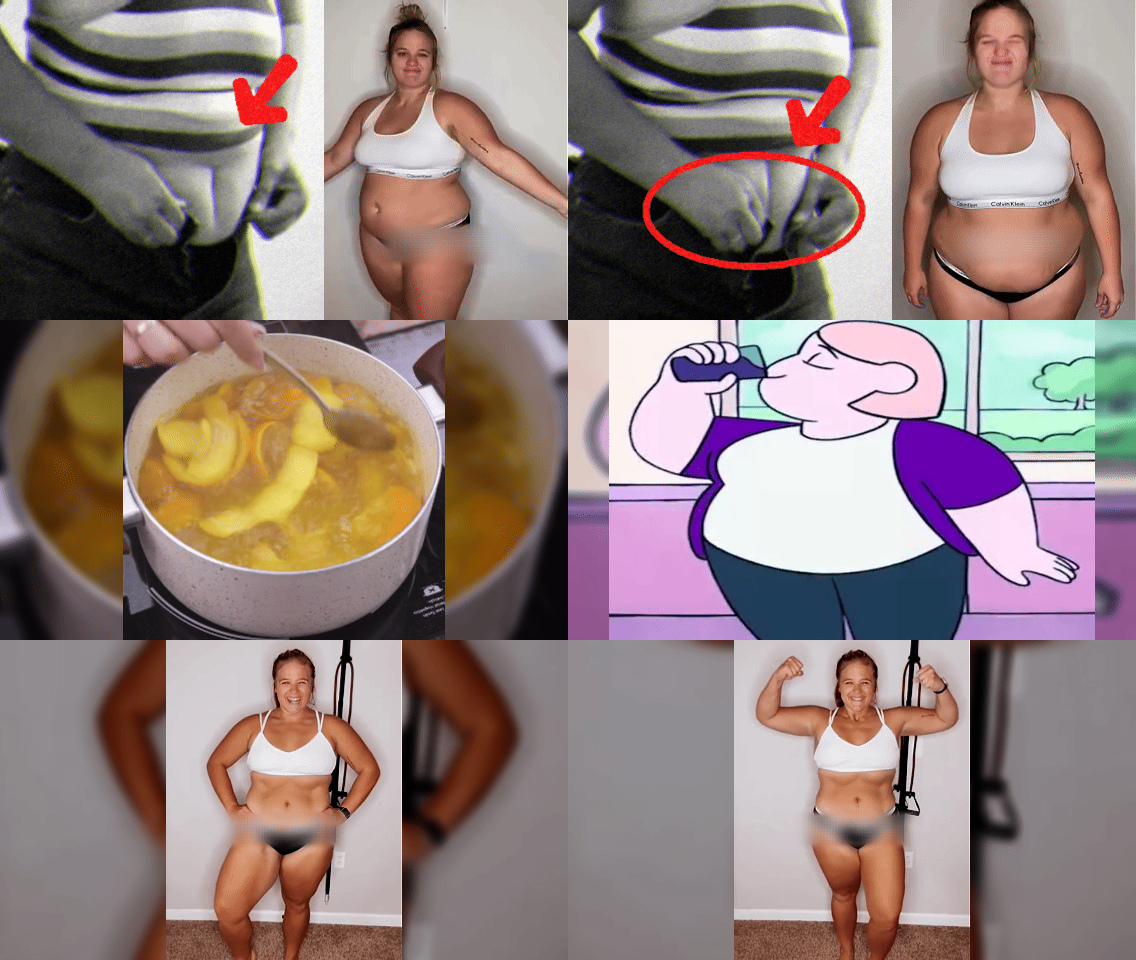
Losing weight is one of the most common goals people set for themselves—but it’s also one of the most misunderstood. Many beginners start with extreme diets, exhausting workout plans, or unrealistic expectations. The result? Burnout, frustration, and often gaining the weight back.
If you’re just starting your journey, here’s the truth: sustainable weight loss is not about doing everything perfectly—it’s about doing the right things consistently.
This guide will walk you through a simple, realistic, and science-backed beginner routine that you can actually stick to long-term.
Why Most Weight Loss Plans Fail
Before we dive into the routine, it’s important to understand why many people fail:
- They try to lose weight too fast
- They cut calories too aggressively
- They rely on motivation instead of habits
- They follow plans that don’t fit their lifestyle
Sustainable weight loss isn’t about intensity—it’s about consistency. The goal is to build a routine you can maintain for months and years, not just weeks.
The Foundation of Sustainable Weight Loss
At its core, weight loss comes down to one principle: being in a calorie deficit (burning more calories than you consume). But how you create that deficit matters.
A healthy approach focuses on:
- Balanced nutrition
- Regular movement
- Quality sleep
- Stress management
Let’s break this down into a beginner-friendly daily routine.
Morning Routine: Start Your Day with Intention
How you start your morning sets the tone for your entire day.
1. Hydrate Immediately
Drink a glass of water as soon as you wake up. This helps:
- Kickstart your metabolism
- Reduce morning hunger confusion
- Improve digestion
2. Light Movement (5–15 Minutes)
You don’t need an intense workout. Try:
- Stretching
- A short walk
- Light yoga
This wakes up your body and builds the habit of daily movement.
3. Eat a Balanced Breakfast (Optional)
If you’re hungry, eat. If not, don’t force it.
Focus on:
- Protein (eggs, yogurt, tofu)
- Fiber (fruits, oats)
Avoid high-sugar breakfasts that spike energy and cause crashes.
Midday Routine: Stay Consistent, Not Perfect
4. Build a Simple Plate
For lunch, use the “balanced plate” method:
- 1/2 plate: vegetables
- 1/4 plate: protein
- 1/4 plate: carbs
This keeps you full and prevents overeating later.
5. Walk More Than You Think You Need
Walking is underrated but powerful.
Start with:
- 5,000–8,000 steps per day (beginner)
- Gradually increase to 8,000–10,000
You don’t need a gym to lose weight—movement throughout the day matters more.
6. Smart Snacking
If you snack, choose:
- Fruit
- Nuts (small portions)
- Yogurt
Avoid mindless eating. Ask yourself: “Am I actually hungry or just bored?”
Evening Routine: Where Most People Struggle
Evenings are where most weight loss efforts fail—not because of hunger, but habits.
7. Eat a Satisfying Dinner
Don’t try to “eat less at night” by starving yourself. That often backfires.
Instead:
- Include protein (helps reduce late-night cravings)
- Add vegetables for volume
- Keep portions reasonable
8. Create a “Kitchen Closed” Habit
After dinner, set a rule:
- No more eating after a certain time (e.g., 8 PM)
This reduces unnecessary calorie intake and emotional eating.
9. Replace Night Snacking with a Ritual
Instead of eating, try:
- Drinking tea
- Reading
- Journaling
- Watching something relaxing
Weight loss is often about replacing habits, not removing them.
Weekly Exercise Routine for Beginners
You don’t need to work out every day. Start simple:
3–4 Days Per Week:
- 20–30 minutes per session
Mix of:
- Walking or light cardio
- Basic strength training (bodyweight exercises like squats, push-ups, lunges)
Strength training is especially important—it helps preserve muscle and boosts metabolism.
The Power of Small Habits
Here’s what most people overlook:
Small habits, done daily, create massive results over time.
Focus on:
- Drinking more water
- Sleeping 7–8 hours
- Eating slowly
- Tracking progress (not obsessively)
You don’t need to be perfect—you need to be consistent.
How to Stay Motivated (When Motivation Fades)
Motivation is temporary. Systems are permanent.
Instead of relying on motivation:
- Set a routine (same time, same actions daily)
- Make your environment supportive (healthy food visible, junk food hidden)
- Track small wins (not just weight)
Examples of progress beyond the scale:
- More energy
- Better sleep
- Clothes fitting differently
- Improved mood
Common Beginner Mistakes to Avoid
1. Doing Too Much Too Fast
Starting with extreme workouts or diets leads to burnout.
Start small. Build gradually.
2. Cutting Out Entire Food Groups
You don’t need to eliminate carbs or fats. Balance is key.
3. Obsessing Over the Scale
Weight fluctuates daily. Focus on trends, not daily numbers.
4. Skipping Meals to “Save Calories”
This often leads to overeating later.
5. Expecting Fast Results
Healthy weight loss is about:
- 0.5–1 kg per week
Anything faster is usually not sustainable.
A Sample Beginner Day
Here’s what a simple day might look like:
Morning:
- Water + light stretching
- Optional protein-rich breakfast
Midday:
- Balanced lunch
- Walk after eating
Afternoon:
- Light snack if needed
- Stay active
Evening:
- Balanced dinner
- Stop eating after a set time
- Relaxing activity instead of snacking
The Mindset That Changes Everything
Sustainable weight loss isn’t about punishment—it’s about self-respect.
You’re not trying to:
- Starve yourself
- Exhaust yourself
- Become someone else overnight
You’re learning how to:
- Take care of your body
- Build discipline gently
- Create a lifestyle you enjoy
The goal is not just to lose weight—but to become someone who naturally maintains a healthy lifestyle.
Final Thoughts
If you’re a beginner, remember this:
You don’t need the perfect plan.
You need a plan you can stick to.
Start small. Stay consistent. Be patient with yourself.
Your future body is built by what you do daily—not occasionally.
And the best routine?
The one you don’t quit.