
Activate Your Ability to Receive & Heal Your Sense of Worthiness

Many people spend years trying to improve themselves. They read books about productivity, set ambitious goals, and push themselves to work harder, give more, and become better. Personal development culture often emphasizes discipline, effort, and contribution.

But there is a quieter, often overlooked side of growth that many people struggle with: the ability to receive.

Receiving love, support, opportunities, kindness, and recognition may sound simple, but for many people it feels uncomfortable or even unsafe. Some instinctively reject help, minimize compliments, or feel guilty when something good comes their way.

If this resonates with you, you are not alone. Learning to receive is not just a social skill—it is deeply connected to your sense of self-worth. When you believe you are worthy, receiving feels natural. When you doubt your worth, receiving can feel like a burden.

Activating your ability to receive is one of the most powerful steps you can take in your personal development journey. It allows abundance, connection, and healing to enter your life.

This article explores why receiving can feel difficult, how it connects to your sense of worthiness, and practical ways to open yourself to receiving with confidence and peace.

Why Receiving Feels So Difficult for Many People

Most people assume that receiving should feel good. After all, who wouldn’t enjoy being supported, appreciated, or helped?

However, psychological and emotional patterns often make receiving surprisingly challenging.

Many people grow up in environments where love or approval feels conditional. You may have learned messages such as:

“You have to work hard to deserve praise.”

“Don’t depend on others.”

“Always put others first.”

“Don’t be a burden.”

While these beliefs may encourage responsibility and generosity, they can also create an unconscious barrier. Over time, the mind associates receiving with guilt, discomfort, or fear.

You may start believing that giving proves your value, while receiving threatens it.

As a result, when someone offers kindness, your instinct might be to decline, deflect, or downplay it.

This pattern quietly reinforces the belief that you are not worthy of being supported.

The Connection Between Receiving and Self-Worth

Your ability to receive is closely linked to how you see yourself.

When you believe you are worthy of care, respect, and kindness, receiving becomes a natural part of life. You can accept compliments without embarrassment and welcome opportunities without self-doubt.

But when your sense of worthiness is fragile, receiving can feel uncomfortable.

You might think:

“I don’t deserve this.”

“Someone else should have this opportunity.”

“They’re just being nice.”

“I don’t want to owe anyone.”

These thoughts may seem harmless, but they create emotional resistance. Even when life offers you something good, your internal beliefs push it away.

Over time, this resistance can limit your growth, relationships, and happiness.

Healing your sense of worthiness changes this dynamic. When you recognize your inherent value, receiving stops feeling like a risk and starts feeling like a natural exchange.

Signs Your Ability to Receive May Be Blocked

Before you can activate your ability to receive, it’s helpful to recognize the patterns that might be holding you back.

Here are several common signs.

You Downplay Compliments

When someone praises your work or appreciates something about you, your immediate response may be to dismiss it.

You might say:

“It was nothing.”

“I just got lucky.”

“Anyone could have done it.”

While humility is valuable, consistently rejecting compliments can indicate that you feel uncomfortable being seen or appreciated.

You Avoid Asking for Help

Many people feel comfortable helping others but struggle to ask for help themselves.

You may feel that asking for help makes you weak or burdensome. As a result, you carry responsibilities alone even when support is available.

This habit often leads to exhaustion and isolation.

You Feel Guilty When Receiving Kindness

Instead of feeling grateful when someone helps you, you may feel a strong urge to repay them immediately.

You might feel as if you owe something in return.

Healthy relationships involve giving and receiving freely, but guilt can turn generosity into a transaction.

You Push Away Opportunities

Sometimes receiving means accepting opportunities such as promotions, recognition, or new relationships.

If you struggle with self-worth, you might hesitate to pursue these opportunities because you feel unqualified or undeserving.

You Believe Your Value Depends on What You Give

If your identity is built around helping others, receiving can feel uncomfortable.

You may feel valuable only when you are the one giving support.

But true self-worth does not depend on constant sacrifice.

Why Learning to Receive Is Essential for Personal Growth

Receiving is not about taking advantage of others or expecting the world to serve you.

It is about participating in the natural exchange of life.

Healthy relationships and communities depend on balance. When people both give and receive, connection deepens and trust grows.

If you only give but never receive, several problems may arise.

You may experience burnout because your emotional energy is constantly flowing outward.

You may feel unappreciated because your needs are never acknowledged.

You may struggle with deeper intimacy because you never allow others to support you.

Learning to receive restores balance. It allows you to feel supported, valued, and connected.

The Emotional Healing That Happens When You Allow Yourself to Receive

Opening yourself to receiving can create powerful emotional shifts.

First, it challenges old beliefs about worthiness. When you accept kindness without rejecting it, you begin to rewrite your internal narrative.

Second, receiving strengthens relationships. When people are allowed to give to you, they feel valued and connected.

Third, receiving creates space for growth. Opportunities that once felt intimidating begin to feel possible.

Most importantly, receiving helps you experience life with greater openness and gratitude.

Instead of constantly striving to prove your worth, you begin to trust that you already have it.

Practical Ways to Activate Your Ability to Receive

Developing the ability to receive is a gradual process. It requires awareness, patience, and practice.

Here are several practical strategies that can help.

Practice Saying Thank You

One of the simplest ways to start is by accepting compliments and kindness with a sincere thank you.

Instead of deflecting praise, pause and acknowledge it.

This small habit begins to shift your comfort with receiving appreciation.

Allow Yourself to Be Supported

The next time someone offers help, consider accepting it.

Allowing support does not make you weak. It strengthens connection and trust.

Notice Your Inner Dialogue

Pay attention to the thoughts that arise when someone offers you something positive.

If you notice thoughts like “I don’t deserve this,” gently question them.

Ask yourself whether this belief is truly accurate or simply an old pattern.

Practice Self-Compassion

Healing your sense of worthiness requires treating yourself with kindness.

Instead of criticizing yourself for imperfections, recognize that every human being deserves care and understanding.

Self-compassion creates the emotional foundation that allows receiving to feel safe.

Embrace Balance in Relationships

Healthy relationships involve both giving and receiving.

If you are always the one giving, challenge yourself to let others contribute.

This balance strengthens mutual respect and emotional connection.

Healing Your Sense of Worthiness

At the core of the ability to receive lies a simple but powerful truth: you are worthy of good things.

You do not need to earn kindness through endless effort. You do not need to prove your value by sacrificing your needs.

Your worth exists simply because you are human.

Healing this belief may take time, especially if past experiences taught you otherwise.

But every moment you allow yourself to receive—whether it is a compliment, support, or opportunity—you take a step toward rewriting that story.

Living with Openness and Abundance

When you activate your ability to receive, your life begins to change in subtle but meaningful ways.

You feel more connected to others because relationships become reciprocal rather than one-sided.

You experience greater confidence because you no longer reject recognition or opportunities.

You feel more at peace because you stop fighting against the kindness that life offers.

Receiving does not diminish your generosity. In fact, it strengthens it.

When you allow yourself to receive, you replenish your emotional energy. This allows you to give from a place of fullness rather than exhaustion.

Life becomes a natural flow of exchange—support, appreciation, love, and growth moving freely between you and the world around you.

The journey of personal development is not only about becoming stronger, more disciplined, or more productive.

Sometimes the most profound growth happens when you open your heart and say:

“I am worthy of receiving.”

And in that moment, you allow life to meet you with the same generosity that you offer to others.

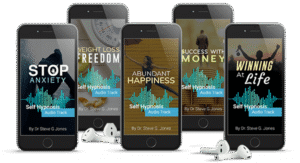
[Free Gift] Life-Changing Self Hypnosis Audio Track
5 Signs You May Be Blocking Yourself from Receiving

Many people spend years learning how to give—give love, give support, give effort, give time. Giving is often praised as a virtue. We are taught that generosity makes us good people and that sacrifice proves our worth. But there is another side of emotional health that is often overlooked: the ability to receive.

Receiving compliments, support, love, opportunities, and kindness can feel surprisingly difficult for many people. You might reject help, downplay praise, or feel uncomfortable when someone offers something generous. On the surface, these reactions may seem like humility or independence. But deep down, they can sometimes reveal a hidden emotional pattern: blocking yourself from receiving.

When we block ourselves from receiving, we unintentionally limit the abundance that life offers us. Opportunities, relationships, growth, and joy often require openness. If we constantly close the door to receiving, we create emotional barriers that prevent us from experiencing deeper fulfillment.

In this article, we will explore five powerful signs that you may be blocking yourself from receiving—and how learning to receive can transform your personal growth, relationships, and sense of self-worth.

Why Learning to Receive Is Essential for Personal Growth

Receiving is not selfish. It is not weakness. And it certainly is not a burden to others.

In healthy relationships and communities, giving and receiving form a natural cycle. One person gives support, and another receives it. Later, the roles reverse. This exchange creates connection, trust, and balance.

However, many people grow up with beliefs that make receiving uncomfortable. Some common beliefs include:

“I shouldn’t depend on anyone.”
“I have to earn love by giving more.”
“If someone helps me, I owe them something.”
“I don’t want to be a burden.”

These beliefs may develop from childhood experiences, cultural expectations, or past emotional wounds. Over time, they shape how we respond when someone offers kindness or help.

The truth is that allowing yourself to receive is an act of emotional maturity. It requires trust, vulnerability, and self-respect. When you allow yourself to receive, you send a powerful message to your mind and heart: I am worthy.

Let’s explore five signs that you might be unconsciously blocking yourself from receiving.

Sign 1: You Often Say “It’s Okay, I Don’t Need It”

One of the most common signs of blocking yourself from receiving is the habit of declining help automatically.

Someone offers assistance and your immediate response is:

“No thanks, I’m fine.”
“It’s okay, I can handle it.”
“Don’t worry about me.”

Even when you could genuinely benefit from help, you push it away.

At first glance, this may look like independence or strength. But sometimes it comes from a deeper fear of vulnerability. Accepting help means acknowledging that you cannot do everything alone. For people who learned to rely only on themselves, this can feel uncomfortable.

Over time, constantly rejecting help can lead to emotional isolation. Others may stop offering support because they assume you don’t want it.

Learning to pause before refusing help can open new possibilities. Sometimes the most empowering thing you can say is simply: “Thank you.”

Sign 2: You Downplay Your Own Achievements

Have you ever received a compliment and immediately dismissed it?

Someone says, “You did an amazing job,” and you respond with:

“It was nothing.”
“Anyone could have done it.”
“I just got lucky.”

Downplaying your accomplishments is another way people block themselves from receiving. Compliments are gifts. When we reject them, we reject the recognition and appreciation that others want to share.

This habit often comes from fear of appearing arrogant or from deeply rooted self-doubt. If you don’t believe you deserve praise, it can feel easier to minimize it.

However, accepting compliments does not make you arrogant. It simply means you acknowledge your efforts and allow others to express appreciation.

A healthier response might be as simple as: “Thank you. That means a lot.”

Accepting recognition helps build confidence and reinforces positive growth.

Sign 3: You Feel Uncomfortable Asking for Help

Many people are willing to help others but feel deeply uncomfortable asking for help themselves.

You may think:

“I should be able to handle this on my own.”
“I don’t want to bother anyone.”
“They probably have more important things to do.”

This mindset creates an invisible wall between you and the support systems around you.

Ironically, most people enjoy helping others. Offering support allows people to feel connected and meaningful. When you never ask for help, you unintentionally deny others the opportunity to contribute.

Asking for help does not make you weak. It demonstrates self-awareness and trust.

Some of the strongest relationships grow when people allow themselves to rely on one another.

Sign 4: You Don’t Believe You Deserve Good Things

Perhaps the most powerful block to receiving is the belief that you are not worthy.

This belief may appear quietly in thoughts like:

“Why would this happen to me?”
“I don’t deserve this opportunity.”
“Other people are more deserving.”

When we believe we are unworthy, we subconsciously sabotage opportunities that come our way. We may reject promotions, push away loving relationships, or avoid recognition.

These patterns often develop from early experiences where love, approval, or safety felt conditional.

Healing this belief requires practicing self-compassion. Your worth is not something you must earn through endless effort. It is something that already exists within you.

When you begin to accept your inherent worth, receiving becomes easier.

Sign 5: You Feel Indebted When Someone Gives You Something

Do you ever feel uneasy when someone does something kind for you?

Instead of feeling grateful, you feel pressure to repay the favor immediately. You might think:

“Now I owe them.”
“I have to do something back right away.”
“I don’t want to feel like I’m taking advantage.”

While reciprocity is a natural part of relationships, feeling intense guilt when receiving can signal an imbalance in how you view generosity.

Healthy giving is not transactional. When someone offers kindness freely, they often do it because they care, not because they expect repayment.

Allowing yourself to receive without guilt strengthens relationships. It allows generosity to flow naturally rather than turning it into a debt.

Sometimes the most meaningful response is simply appreciation.

The Hidden Cost of Blocking Yourself from Receiving

When we consistently block ourselves from receiving, we may experience:

Emotional exhaustion
Loneliness and isolation
Burnout from always giving
Low self-worth
Difficulty building deep relationships

We may feel like we are constantly pouring energy into others while rarely feeling supported ourselves.

Over time, this imbalance can lead to resentment or emotional fatigue.

Receiving is not just about material things. It is about allowing love, care, appreciation, and opportunity into your life.

How to Start Opening Yourself to Receiving

Learning to receive is a process, not an overnight transformation. Small steps can gradually shift your mindset.

Practice Accepting Compliments

When someone compliments you, resist the urge to deflect it. Pause, smile, and say thank you.

This simple practice helps retrain your mind to accept appreciation.

Allow Others to Help

The next time someone offers help, consider accepting it. Notice how it feels to be supported.

Receiving help can create deeper bonds and mutual trust.

Challenge Limiting Beliefs

Ask yourself where your beliefs about receiving come from.

Did you learn that you had to earn love?
Were you praised only when you sacrificed for others?

Recognizing these patterns is the first step toward changing them.

Develop Self-Worth

Remind yourself regularly that you deserve kindness, support, and opportunities.

Your value does not depend on how much you give to others.

Practice Gratitude Instead of Guilt

When someone offers you something generous, replace guilt with gratitude.

Gratitude acknowledges the gift while honoring the connection between giver and receiver.

Receiving Is an Act of Self-Respect

Personal development often focuses on discipline, productivity, and giving more to the world.

But true emotional growth also involves openness.

When you allow yourself to receive, you affirm that your needs matter. You create space for deeper relationships and greater abundance.

Receiving is not about taking from others. It is about participating in the natural flow of life where support, kindness, and generosity move freely between people.

You do not need to prove your worth by refusing help or minimizing your achievements.

You are allowed to accept love.
You are allowed to accept support.
You are allowed to accept good things.

And sometimes, the most powerful step in personal growth is simply learning to say:

“Thank you. I receive that.”

[Free Gift] Life-Changing Self Hypnosis Audio Track