Personal growth is often described as a journey toward clarity, confidence, and a better version of yourself. Books promise transformation, courses offer frameworks, and social media overflows with advice on how to heal, optimize, and level up your life. In theory, personal development should help you move forward. In reality, many people find themselves stuck in a strange paradox: the more they focus on self-improvement, the harder it becomes to take real action.
If you’ve ever felt like you’re constantly preparing to change but rarely changing, you’re not alone. This is what happens when personal growth turns into a loop of procrastination—one that feels productive on the surface but quietly delays the life you want to live.
The Illusion of Progress in Self-Improvement
One of the reasons this loop is so difficult to notice is that it looks like progress. You’re reading, reflecting, learning new concepts, and becoming more self-aware. You might even feel motivated or inspired for short bursts. From the outside, and even to yourself, it appears that you’re “working on yourself.”
But insight without action can become a comfortable substitute for change. Consuming content feels safer than applying it. Thinking about transformation feels easier than risking failure, discomfort, or uncertainty. Over time, learning becomes a place to hide rather than a bridge to growth.
This illusion of progress is especially common among thoughtful, introspective people. You care deeply about doing things “the right way,” so you keep researching, reflecting, and waiting for the moment when everything finally feels aligned.
Why Preparation Can Become a Form of Avoidance
At its core, procrastination in personal growth is rarely about laziness. More often, it’s about fear.
You may tell yourself you need:
- More clarity before you start
- More healing before you act
- More confidence before you commit
- More knowledge before you decide
While these needs sound reasonable, they can quietly become conditions that are never fully met. There is always another book to read, another limiting belief to unpack, another habit to optimize.
Preparation becomes a socially acceptable way to avoid risk. As long as you’re “still working on yourself,” you don’t have to face the possibility that your efforts might fail, your identity might change, or your comfort zone might disappear.
When Self-Awareness Turns Into Overthinking
Self-awareness is a powerful tool in personal development, but without balance, it can turn into paralysis. You start analyzing every emotion, motive, and decision. Instead of asking, “What’s the next step?” you ask, “Why am I like this?” over and over again.
This constant introspection can create mental exhaustion. You become so focused on understanding yourself that you forget to live. Decisions feel heavy because each one seems to reflect something deeper about your worth, your healing, or your readiness.
Ironically, the more you think, the less you move.
The Hidden Comfort of Staying in the Loop
There is a subtle comfort in staying stuck. As frustrating as it feels, the loop of personal growth without action offers predictability. You know how to reflect. You know how to plan. You know how to consume content. What you don’t know is who you’ll become if you actually follow through.
Action introduces uncertainty. It can challenge your self-image and expose gaps between who you think you are and how you actually behave. Staying in the loop allows you to keep your identity intact while postponing the discomfort of change.
This is why people often say they are “almost ready” for years.
Growth Is Not the Same as Feeling Ready
One of the biggest myths in personal development is that you need to feel ready before you act. In reality, readiness often comes after action, not before it.
Confidence is built through experience, not contemplation. Clarity emerges through movement, not endless planning. Emotional resilience develops when you face discomfort, not when you avoid it through self-analysis.
Waiting to feel ready can keep you stuck indefinitely, especially if your standards for readiness are based on feeling calm, motivated, and certain all at once.
How Personal Growth Culture Can Reinforce Procrastination
Modern personal growth culture often emphasizes optimization over embodiment. You’re encouraged to fix your mindset, heal your trauma, and remove all internal resistance before taking bold steps. While inner work is valuable, it can become an excuse to delay living.
The message becomes: “Once I’m fully healed, then I’ll start.” But life doesn’t wait for perfection. Growth happens in imperfect conditions, through trial, error, and repetition.
When self-improvement becomes a never-ending checklist, it stops being supportive and starts becoming a burden.
Breaking the Loop: From Insight to Action
Breaking out of the procrastination loop doesn’t require abandoning personal growth. It requires changing how you relate to it.
Start by shifting your focus from understanding to doing. Instead of asking, “Why am I procrastinating?” try asking, “What is one small action I can take today, even if I feel unsure?”
Small actions matter because they create momentum. They also provide real feedback, which no amount of thinking can replace. Action teaches you what works, what doesn’t, and what you’re actually capable of handling.
Another helpful shift is redefining success. Instead of measuring growth by how much you’ve learned or reflected, measure it by how often you show up despite discomfort.
Allowing Action to Be Messy
Many people stay stuck in personal growth loops because they associate action with getting it right. But action is not about perfection—it’s about participation.
You don’t need to be fully healed to start a new project. You don’t need to be fearless to make a decision. You don’t need to be completely confident to take a step forward.
Growth that stays in your head is safe but limited. Growth that enters your life is messy, unpredictable, and deeply transformative.
Reclaiming Personal Growth as a Living Process
True personal development is not something you finish before life begins. It happens alongside your choices, relationships, mistakes, and efforts. It’s not a prerequisite for living—it’s a result of living consciously.
When you notice yourself stuck in a loop, pause and ask: Am I using growth to move forward, or to delay action? There is no shame in either answer, only information.
The moment you let action lead—even imperfectly—personal growth stops being a loop and starts becoming a lived experience.
Final Thoughts
If personal growth feels like a cycle you can’t escape, it may be time to stop preparing and start participating. You don’t need another breakthrough to begin. You need permission to act while still learning, still healing, and still figuring things out.
Growth is not something you complete in isolation. It’s something you practice, one imperfect step at a time.
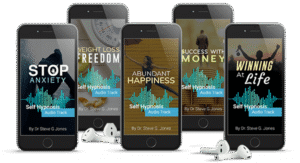
[Free Gift] Life-Changing Self Hypnosis Audio Track