
14-Day Emotional Energy Recovery Guide

If you feel tired even after sleeping, distracted even when nothing is urgent, or emotionally heavy without knowing exactly why, you are not alone. Millions of people today struggle with emotional exhaustion. It’s not always dramatic. Sometimes it’s quiet, subtle, and persistent. You simply wake up one day and realize you don’t feel like yourself anymore.

You’re not lazy. You’re not weak. You’re likely emotionally depleted.

The good news is that recovery doesn’t require a drastic life change or an expensive retreat. With small, intentional daily habits, you can gradually restore your emotional energy, rebuild resilience, and feel like yourself again.

This 14-day emotional energy recovery guide is designed specifically for people interested in personal development, self-care, mental wellness, and sustainable growth. It combines psychology, mindfulness, and practical life design into simple steps you can follow at home.

By the end of these 14 days, you’ll feel calmer, clearer, and more in control of your emotions.

Let’s begin your reset.

What Is Emotional Energy and Why Does It Matter?

Emotional energy is your inner capacity to think clearly, handle stress, connect with others, and make decisions without feeling overwhelmed.

When your emotional battery is full, you feel:

Motivated
Focused
Patient
Creative
Optimistic

When it’s empty, you feel:

Irritable
Numb
Anxious
Unmotivated
Easily exhausted

Unlike physical fatigue, emotional exhaustion can’t be fixed with sleep alone. It requires intentional restoration.

Many people try to push through burnout. But pushing harder only drains you faster.

Recovery requires slowing down before speeding up.

That’s exactly what this 14-day plan helps you do.

How This 14-Day Recovery Plan Works

This guide is built around one simple principle: small daily actions create powerful long-term change.

Instead of overwhelming you with a complete lifestyle overhaul, each day focuses on one gentle practice that supports emotional healing.

Think of it as emotional physiotherapy. Slow. Steady. Effective.

You only need 10 to 30 minutes per day.

Consistency matters more than intensity.

Day 1: Notice Your Energy Without Judgment

Before fixing anything, you must understand your current state.

Today, simply observe.

Throughout the day, ask yourself:

How do I feel right now?
What is draining me?
What is giving me energy?

Write short notes.

No judgment. No self-criticism.

Awareness is the first step of all personal growth. You can’t change what you don’t notice.

Day 2: Declutter One Small Space

Clutter creates invisible stress.

Your brain constantly processes messy environments, which drains mental energy.

Choose one small area:

Your desk
A drawer
Your bag
Your bedside table

Clean it slowly and mindfully.

A clear space often leads to a clearer mind.

Small order creates emotional relief.

Day 3: Digital Detox for 6–12 Hours

Your attention is your most valuable resource.

Social media, notifications, and endless scrolling silently steal emotional energy.

Take a half-day break.

Turn off notifications. Log out of apps. Put your phone away.

Notice how your mood changes.

Most people feel calmer within a few hours.

Silence is surprisingly healing.

Day 4: Gentle Movement

You don’t need intense workouts.

Just move.

Stretch for 10 minutes
Walk outside
Do light yoga
Dance to music

Movement releases stored tension and increases endorphins, the brain’s natural mood boosters.

Emotions live in the body. Movement helps them flow.

Day 5: Expressive Journaling

Set a timer for 15 minutes.

Write everything you’ve been holding in.

Frustrations
Worries
Unspoken thoughts
Hidden fears

Don’t edit yourself.

This practice reduces emotional pressure and improves clarity.

Sometimes healing begins with simply letting the truth out.

Day 6: Practice Saying No

Overcommitment drains emotional energy faster than almost anything else.

Today, say no to one non-essential request.

Protect your time.

Protect your boundaries.

Every healthy “no” is a “yes” to your well-being.

Day 7: Healing Music Session

Music directly affects your nervous system.

Choose calming, instrumental, or nature sounds.

Close your eyes. Breathe slowly. Just listen.

No multitasking.

Let the sound reset your mind.

This is meditation disguised as music.

Day 8: Gratitude Practice

Your brain naturally focuses on problems.

Gratitude balances that bias.

Write down three small things you appreciate today.

They can be simple:

A warm drink
A kind message
Sunlight through the window

Gratitude shifts your emotional baseline from lack to enough.

That shift saves energy you normally spend worrying.

Day 9: Deep Rest Without Guilt

Rest is not laziness. It’s recovery.

Schedule 30 minutes of intentional rest.

No productivity. No scrolling. No chores.

Just lie down, breathe, or daydream.

Allowing yourself to rest without guilt is a powerful act of self-respect.

Day 10: Mindful Hydration

Drink water slowly and consciously.

Feel each sip.

It sounds small, but mindfulness anchors you in the present moment and reduces mental chaos.

Dehydration also contributes to fatigue and brain fog.

Sometimes energy loss is physical and emotional at the same time.

Care for both.

Day 11: Connect With Someone Safe

Humans recharge emotionally through connection.

Text or call someone you trust.

Have a real conversation.

Share honestly.

You don’t need solutions. You need to feel heard.

Authentic connection restores emotional strength faster than isolation ever could.

Day 12: Limit Information Intake

Stop consuming constant news, videos, and advice for one day.

Too much information overwhelms your brain.

Instead, choose silence or slow activities like reading fiction or cooking.

Create mental space.

Your mind needs quiet to recover.

Day 13: Self-Compassion Check-In

Notice how you talk to yourself.

Would you speak to a friend the same way?

Replace harsh inner dialogue with kindness.

Try saying:

I’m doing my best
It’s okay to feel tired
I don’t have to be perfect

Self-compassion reduces emotional burnout dramatically.

You recharge faster when you stop fighting yourself.

Day 14: Design Your Personal Energy Routine

Now that you’ve tried many practices, reflect.

Which activities helped most?

Choose 3–5 habits to continue weekly.

Create your own sustainable routine.

Recovery isn’t a one-time fix. It’s a lifestyle.

Design something realistic, not idealistic.

Simple always wins.

Common Mistakes That Drain Emotional Energy

Even with good habits, some behaviors quietly sabotage your recovery.

Watch out for:

Perfectionism
People-pleasing
Constant comparison
Skipping rest
Ignoring emotions
Trying to “fix everything” at once

Growth is not about doing more. It’s about doing what matters.

Protect your energy like it’s your most valuable resource. Because it is.

Final Thoughts

Emotional energy is the foundation of everything you want to build: productivity, relationships, creativity, and personal success.

Without it, even small tasks feel heavy.

With it, challenges feel manageable.

This 14-day emotional energy recovery guide isn’t about becoming someone new. It’s about returning to yourself.

Gentler. Clearer. Stronger.

Start today. One small step. One intentional moment.

Your emotional battery can recharge. And you deserve to feel alive again.

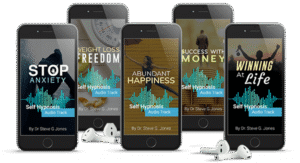
[Free Gift] Life-Changing Self Hypnosis Audio Track
6 Ways to Recharge Your Energy Without Leaving Home

In a world that glorifies hustle, constant productivity, and endless scrolling, feeling drained has quietly become the norm. Many people believe that to truly recharge, they must escape to a vacation, book a retreat, or completely change their environment. But what if restoring your energy didn’t require packing a bag or stepping outside your front door?

The truth is simple and empowering: you can reset your mind, body, and emotions right where you are.

If you’ve been feeling overwhelmed, burned out, unfocused, or emotionally tired, this guide will show you practical, science-backed, and soul-nourishing ways to recharge your energy at home. These methods are gentle, affordable, and accessible to anyone seeking personal growth, better mental health, and sustainable self-care.

By the end of this article, you’ll have six powerful habits you can use anytime to restore clarity, motivation, and inner calm.

Let’s begin.

Why You Feel Drained Even When You Stay Home

Before diving into the solutions, it helps to understand the problem.

Many people assume exhaustion only comes from physical activity. In reality, mental fatigue and emotional overload are often far more draining.

Common hidden energy leaks include:

Constant social media consumption
Multitasking all day
Saying yes to things you don’t want to do
Information overload
Unprocessed emotions
Lack of intentional rest

Even when you’re physically at home, your brain may never actually “switch off.”

Recharging isn’t about doing nothing. It’s about doing the right things that restore rather than deplete you.

These six practices will help you do exactly that.

1. Listen to Healing Music

Music has a direct impact on your nervous system. The right sounds can slow your heart rate, reduce cortisol (stress hormone), and guide your body into relaxation mode.

Think of music as emotional medicine.

Instead of playing background noise while multitasking, try intentional listening. Sit or lie down. Close your eyes. Let the sound wash over you.

Choose:

Soft piano or acoustic music
Nature sounds like rain or ocean waves
Instrumental ambient tracks
Gentle lo-fi or meditation playlists

When you listen mindfully, music becomes a form of therapy. It helps you process emotions you didn’t even realize you were holding.

Personal development isn’t always about learning something new. Sometimes it’s about allowing your system to slow down enough to feel safe.

Tip: Use headphones and spend at least 10–15 minutes doing nothing else. Treat it like a mini reset for your brain.

2. Journal for 15 Minutes

Your mind gets tired when it has to hold too many thoughts at once.

Unwritten thoughts become mental clutter.

Journaling clears that clutter.

You don’t need perfect grammar or beautiful sentences. Just write honestly and continuously for 15 minutes.

Try prompts like:

What’s weighing on me today?
What am I avoiding?
What do I need right now?
What am I grateful for?

Putting thoughts on paper reduces anxiety because your brain no longer has to “store” everything.

Research shows expressive writing improves emotional regulation, clarity, and problem-solving skills. But beyond the science, journaling simply feels like talking to a friend who never judges you.

When you empty your mind, you create space for new energy.

Tip: Set a timer. Don’t overthink. Just write.

3. Turn Off Social Media for One Day

This one might feel uncomfortable, which is exactly why it’s powerful.

Social media constantly stimulates comparison, distraction, and dopamine spikes. It trains your brain to seek quick rewards instead of deep rest.

Even “relaxing” while scrolling can leave you more exhausted than before.

Try a 24-hour digital detox.

No scrolling.
No checking notifications.
No endless feeds.

At first, you might feel bored. Then restless. Then strangely calm.

That calm is your nervous system resetting.

Without the noise, you’ll notice:

Clearer thoughts
Better focus
More time
Less comparison
Lower anxiety

Energy returns when you stop giving it away to everything and everyone online.

Tip: Delete the apps temporarily or log out to reduce temptation.

4. Practice Simple Meditation for 5 Minutes

Many people avoid meditation because they think it requires 30 minutes, perfect posture, or a completely blank mind.

None of that is necessary.

Five minutes is enough.

Sit comfortably. Close your eyes. Breathe slowly. Notice your breath moving in and out.

That’s it.

You’re not trying to stop thoughts. You’re just observing them without chasing them.

Meditation helps your brain shift from “fight or flight” into “rest and digest.” This state is where healing happens.

Just five minutes can:

Lower stress
Improve concentration
Reduce emotional reactivity
Increase self-awareness

Think of meditation as charging your internal battery.

If you say you’re too busy to meditate, that’s usually a sign you need it most.

Tip: Start small. Consistency matters more than duration.

5. Say “No” to One Unnecessary Task

Sometimes the biggest energy drain isn’t what you do for yourself. It’s what you do for others.

Overcommitting is one of the fastest ways to burnout.

Every “yes” costs energy. And many of those yeses are automatic.

Saying “no” is not selfish. It’s strategic self-preservation.

Today, choose one thing that isn’t essential:

A meeting you don’t need
A favor you don’t have capacity for
An obligation driven by guilt
Extra work that can wait

Politely decline.

Notice how it feels.

Relief is energy returning to you.

Personal development often focuses on adding habits. But growth also comes from subtracting what doesn’t serve you.

Boundaries protect your time, focus, and emotional health.

Tip: Use simple phrases like “I can’t commit to that right now” or “I need to prioritize something else.”

6. Drink Water Slowly and Mindfully

It sounds almost too simple, but hydration directly affects your mood, concentration, and energy levels.

Even mild dehydration can cause fatigue and brain fog.

But this practice isn’t just about water. It’s about mindfulness.

Instead of gulping water while distracted, try this:

Pour a glass
Sit down
Take slow sips
Feel the temperature
Notice the sensation

This turns an everyday action into a grounding ritual.

Mindful drinking pulls you back into the present moment. It interrupts autopilot mode.

Small rituals like this teach your brain to slow down and reset.

Energy isn’t only restored through big actions. Often, it’s the small, intentional moments that heal you most.

Tip: Pair this with deep breaths for extra relaxation.

The Power of Micro Self-Care

You don’t need a full day off to feel better.

You don’t need expensive tools or complicated systems.

You just need small, consistent moments of care.

These six practices work because they are:

Simple
Free
Flexible
Sustainable

When done regularly, they build emotional resilience, mental clarity, and long-term energy.

Think of them as micro self-care habits. Individually small, but powerful together.

Instead of waiting for burnout and then trying to recover, recharge daily.

Your future self will thank you.

Create Your Personal Recharge Routine

Here’s a simple example schedule you can try:

Morning: 5-minute meditation
Midday: drink water mindfully
Afternoon: 15-minute journaling
Evening: healing music
Weekend: social media detox
Anytime: say no when needed

Mix and match. Adapt to your lifestyle.

The goal isn’t perfection. It’s awareness.

Ask yourself often: “Does this give me energy or take it away?”

Choose accordingly.

Final Thoughts

Your home can be more than just a place to sleep or work. It can become your sanctuary.

Recharging doesn’t require escaping your life. It requires reconnecting with yourself.

When you listen to soothing music, journal your thoughts, unplug from social media, meditate briefly, set boundaries, and slow down enough to hydrate mindfully, you’re sending a powerful message to yourself:

My well-being matters.

And that simple belief changes everything.

Start with one habit today. Small steps create lasting transformation.

[Free Gift] Life-Changing Self Hypnosis Audio Track