
The Small Changes That Helped Me Lose Stubborn Fat

If you’ve ever felt like your body is holding onto fat no matter what you do, you’re not alone. Stubborn fat—especially around the belly, thighs, and hips—can feel impossible to lose. I used to believe I needed extreme diets, intense workouts, or some secret formula to finally see results.

But the truth is much simpler—and far more sustainable.

It wasn’t one dramatic change that transformed my body. It was a series of small, consistent habits that gradually shifted how my body burned fat. These changes didn’t just help me lose weight—they helped me keep it off without feeling deprived or exhausted.

In this article, I’ll walk you through the exact small changes that helped me lose stubborn fat, so you can apply them to your own journey in a realistic, sustainable way.

Why Stubborn Fat Is So Hard to Lose

Before diving into the changes, it’s important to understand why stubborn fat exists.

Your body is designed for survival, not aesthetics. When you try to lose weight too quickly or restrict calories too much, your body fights back by:

  • Slowing down your metabolism
  • Increasing hunger hormones
  • Holding onto fat stores (especially in “stubborn” areas)

This is why extreme diets often fail—and why small, consistent changes work better over time.

1. I Stopped Trying to Be Perfect

One of the biggest mindset shifts I made was letting go of perfection.

I used to think I had to eat “clean” 100% of the time or follow a strict plan. The moment I slipped, I felt like I had failed—and often gave up completely.

Instead, I adopted a simple rule: aim for consistency, not perfection.

  • If I ate well 80% of the time, that was enough
  • If I missed a workout, I didn’t quit—I just continued the next day
  • If I had a “bad” meal, I didn’t try to “punish” myself

This removed the all-or-nothing mindset that was holding me back.

2. I Started Walking Every Day

You don’t need intense workouts to lose fat. In fact, one of the most powerful changes I made was simply walking more.

Walking is underrated because it’s easy—but that’s exactly why it works.

  • It burns calories without stressing your body
  • It doesn’t increase hunger as much as intense exercise
  • It’s sustainable long-term

I started with 6,000 steps a day and gradually increased to 8,000–10,000.

This alone made a noticeable difference in my fat loss, especially when combined with better eating habits.

3. I Focused on Protein First

Instead of obsessing over calories, I shifted my focus to protein.

Protein is essential for fat loss because it:

  • Keeps you full longer
  • Helps preserve muscle while losing weight
  • Boosts metabolism through digestion

At each meal, I asked myself one simple question: “Where is my protein coming from?”

Some easy options I relied on:

  • Eggs or Greek yogurt for breakfast
  • Chicken, fish, or tofu for lunch and dinner
  • Protein-rich snacks like nuts or yogurt

This small shift naturally reduced my calorie intake without feeling restrictive.

4. I Improved My Sleep (Without Realizing How Important It Was)

Sleep was something I used to ignore.

But once I started prioritizing it, everything changed.

Lack of sleep affects fat loss more than most people realize:

  • It increases cravings for sugar and junk food
  • It disrupts hormones that regulate hunger
  • It lowers energy levels, making exercise harder

I didn’t aim for perfection—just improvement.

  • Going to bed 30–60 minutes earlier
  • Reducing screen time before sleep
  • Keeping a consistent sleep schedule

Better sleep made fat loss feel easier, not harder.

5. I Drank More Water (And Less Liquid Calories)

This sounds simple, but it had a huge impact.

I used to consume more calories than I realized through:

  • Sugary drinks
  • Coffee with cream and sugar
  • Juices and soft drinks

Replacing these with water helped me:

  • Reduce unnecessary calories
  • Improve digestion
  • Feel more full throughout the day

A helpful habit was drinking a glass of water before meals. It sounds small—but it adds up.

6. I Stopped “Eating Healthy” and Started Eating Smart

One of the biggest mistakes I made was assuming all “healthy” foods would help me lose weight.

In reality, many healthy foods are still high in calories:

  • Nuts
  • Avocados
  • Smoothies
  • Granola

Instead of avoiding these, I became more mindful of portions.

I also focused on foods that gave me the most volume for fewer calories:

  • Vegetables
  • Lean proteins
  • Whole foods

This helped me stay full while still being in a calorie deficit.

7. I Added Strength Training (Slowly)

I used to rely only on cardio. But adding strength training changed my body composition significantly.

Building muscle helps:

  • Increase metabolism
  • Improve body shape and tone
  • Burn more calories at rest

I didn’t jump into intense workouts. I started with:

  • 2–3 sessions per week
  • Basic movements like squats, push-ups, and dumbbell exercises

Over time, this helped reduce stubborn fat while making my body look leaner and stronger.

8. I Became More Aware of Mindless Eating

A surprising source of extra calories was mindless eating.

  • Snacking while watching TV
  • Eating out of boredom
  • Finishing food just because it was there

Instead of eliminating snacks, I became more intentional:

  • Asking, “Am I actually hungry?”
  • Eating without distractions
  • Slowing down and enjoying meals

This awareness alone reduced my calorie intake without strict dieting.

9. I Learned to Be Patient

This might be the hardest change of all.

Stubborn fat doesn’t disappear overnight. It often takes weeks—or months—of consistent effort.

But here’s what I realized:

If you focus on small, sustainable habits, results are inevitable.

Instead of chasing quick results, I focused on:

  • Building habits I could maintain for life
  • Tracking progress beyond the scale (energy, confidence, strength)
  • Celebrating small wins

Fat loss became a byproduct of a healthier lifestyle—not a constant struggle.

10. I Simplified Everything

In the past, I overcomplicated weight loss.

I tried:

  • Complex diet plans
  • Strict rules
  • Overly intense routines

What finally worked was simplifying everything:

  • Eat mostly whole foods
  • Move your body daily
  • Prioritize sleep and recovery
  • Stay consistent

That’s it.

No extremes. No shortcuts. Just small changes done consistently.

Final Thoughts: Small Changes Create Big Results

If you’re struggling to lose stubborn fat, you don’t need to overhaul your entire life.

You don’t need the perfect diet or the perfect workout plan.

What you need are small, realistic changes that you can stick to every day.

Because in the end, fat loss isn’t about what you do occasionally—it’s about what you do consistently.

Start with one or two habits from this list. Build momentum. Then add more over time.

That’s how real, lasting transformation happens.

And once you experience it, you’ll realize something powerful:

You were never stuck—you just needed a better approach.
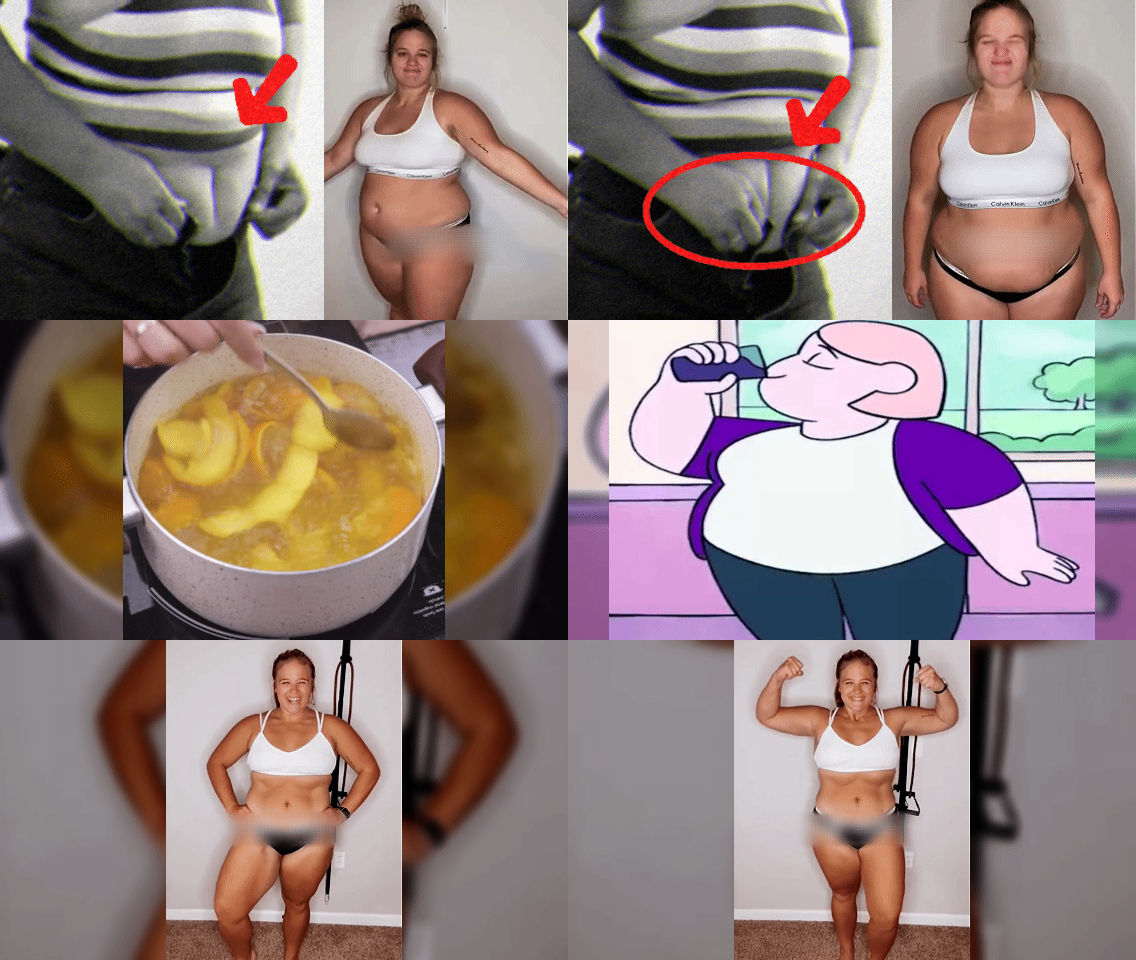
The Real Reason Your Belly Fat Won’t Go Away

Belly fat is one of the most frustrating challenges for people trying to lose weight. You may be eating healthier, exercising regularly, and even reducing calories, yet the fat around your stomach refuses to disappear. This stubborn fat can make it feel like your efforts are pointless, leading to discouragement and confusion.

The truth is that belly fat is not just about eating too much or exercising too little. There are deeper biological and lifestyle factors involved that most people never hear about. Understanding these hidden causes can completely change the way you approach weight loss and help you finally start seeing real progress.

In this article, we will explore the real reasons belly fat persists, the science behind stubborn abdominal fat, and what you can do to support your body’s natural ability to burn fat more effectively.

Why Belly Fat Is So Difficult to Lose

Not all body fat behaves the same way. Fat stored in the abdominal area is biologically different from fat stored in other parts of the body.

Belly fat, especially visceral fat, is metabolically active. It surrounds important organs such as the liver and intestines and is strongly connected to hormones, stress levels, sleep patterns, and metabolism.

Because of this, losing belly fat requires more than just reducing calories. Your body must be in the right hormonal and metabolic state to release this stored energy.

When your body senses stress, hormonal imbalance, or metabolic slowdown, it becomes extremely protective of belly fat. This is one of the main reasons people struggle with abdominal weight even when they are dieting.

The Hidden Role of Metabolism

One of the biggest reasons belly fat refuses to disappear is a slow metabolism.

Your metabolism determines how efficiently your body converts food into energy and how easily it burns stored fat. When metabolism slows down, the body becomes more efficient at storing energy rather than burning it.

Several factors can cause metabolic slowdown:

Long-term dieting
Chronic stress
Poor sleep
Aging
Hormonal imbalances
Lack of muscle mass

When metabolism becomes sluggish, your body may burn fewer calories than expected. This means even a modest amount of food can lead to fat storage, especially around the abdomen.

Many people mistakenly believe they simply lack discipline, when in reality their metabolism is working against them.

Stress and the Belly Fat Connection

Stress is one of the most overlooked causes of stubborn belly fat.

When you are under constant stress, your body releases a hormone called cortisol. Cortisol prepares the body for survival by increasing blood sugar and promoting fat storage.

Unfortunately, cortisol tends to store fat specifically in the abdominal region.

This means that even if you are eating well, high stress levels can prevent your body from burning belly fat efficiently.

Common sources of chronic stress include:

Work pressure
Financial worries
Relationship conflicts
Lack of rest
Emotional burnout

When stress becomes a daily experience, your body shifts into a protective mode that prioritizes fat storage.

The Sleep Factor

Sleep plays a massive role in weight management, yet it is often ignored.

Research consistently shows that people who sleep less than six hours per night are significantly more likely to gain weight and accumulate belly fat.

Poor sleep affects several hormones involved in appetite and fat burning, including:

Leptin, which signals fullness
Ghrelin, which stimulates hunger
Insulin, which regulates blood sugar

When sleep is insufficient, hunger hormones increase while fullness signals decrease. As a result, you may crave more high-calorie foods and feel less satisfied after eating.

Over time, this hormonal imbalance contributes to increased belly fat.

Hormones That Influence Belly Fat

Hormones act like messengers that control how your body stores and burns fat.

When these hormones are out of balance, fat loss becomes much more difficult.

Some of the key hormones involved include:

Insulin
Cortisol
Estrogen
Testosterone
Thyroid hormones

For example, high insulin levels encourage fat storage and prevent fat breakdown. Insulin resistance is one of the most common metabolic issues associated with stubborn belly fat.

Similarly, thyroid hormones regulate metabolism. When thyroid activity slows, fat burning becomes less efficient.

This is why some people struggle to lose belly fat despite eating less and exercising more.

The Impact of Dieting Too Much

Ironically, excessive dieting can make belly fat harder to lose.

When the body experiences long periods of calorie restriction, it interprets this as a potential threat to survival. In response, it lowers metabolic rate and conserves energy.

This metabolic adaptation can make weight loss stall or even reverse.

Over time, chronic dieting can lead to:

Reduced metabolic rate
Increased hunger
Lower energy levels
Greater fat storage

Instead of constantly cutting calories, a more balanced and sustainable approach to nutrition often leads to better long-term results.

Why Exercise Alone Isn’t Enough

Exercise is essential for health, but it is not always enough to eliminate belly fat.

Many people rely heavily on cardio workouts while neglecting other factors such as strength training, sleep, and nutrition quality.

While cardio burns calories during the workout, building muscle through resistance training helps increase metabolic rate throughout the day.

Muscle tissue burns more energy than fat tissue, meaning the more muscle you have, the more calories your body naturally burns.

This is why combining strength training with a balanced lifestyle is more effective for reducing belly fat.

The Role of Inflammation

Chronic inflammation is another hidden contributor to abdominal fat storage.

Inflammation can be triggered by several lifestyle factors, including:

Highly processed foods
Excess sugar consumption
Poor gut health
Chronic stress
Lack of sleep

When inflammation is present, the body becomes less efficient at regulating blood sugar and fat metabolism.

This creates an environment where belly fat accumulation becomes more likely.

Reducing inflammation through healthier food choices and lifestyle habits can significantly support fat loss efforts.

Gut Health and Belly Fat

Your gut microbiome plays a powerful role in weight regulation.

The trillions of bacteria in your digestive system influence how your body processes food, stores fat, and regulates hunger.

An imbalance in gut bacteria can lead to:

Increased cravings
Poor blood sugar control
Slower metabolism
Greater fat storage

Improving gut health by consuming fiber-rich foods, fermented foods, and whole ingredients can help restore metabolic balance.

Sustainable Strategies to Reduce Belly Fat

Instead of chasing quick fixes, focusing on sustainable habits can help your body gradually release stubborn fat.

Some effective strategies include:

Prioritizing high-quality sleep
Managing daily stress
Building lean muscle through strength training
Eating whole, nutrient-dense foods
Supporting gut health
Avoiding extreme calorie restriction

These lifestyle changes work together to create an environment where your body feels safe enough to burn stored fat.

The Psychological Side of Weight Loss

Weight loss is not just physical. It also involves mindset and emotional health.

Many people carry guilt, frustration, or shame related to their body and eating habits. These emotions can create a cycle of stress and self-criticism that actually makes weight loss harder.

Developing a compassionate and patient mindset can improve long-term success.

Instead of focusing on rapid results, shifting your attention toward building healthier daily habits can lead to lasting change.

Why Patience Is Essential

Belly fat often takes longer to disappear than fat in other areas of the body.

This does not mean your efforts are failing. It simply means your body is gradually adapting.

When you support your metabolism, reduce stress, and improve lifestyle habits, fat loss becomes more sustainable.

Consistency over time is far more powerful than short bursts of extreme dieting or exercise.

The Bigger Picture of Health

While many people focus on losing belly fat for aesthetic reasons, the deeper goal should always be improving overall health.

Reducing abdominal fat can lower the risk of several health conditions, including:

Heart disease
Type 2 diabetes
Metabolic syndrome
High blood pressure

By focusing on metabolic health rather than just weight, you create a foundation for long-term wellbeing.

Final Thoughts

If your belly fat refuses to go away, it does not necessarily mean you are doing something wrong. Often, the real issue lies beneath the surface in factors like metabolism, hormones, stress, sleep, and lifestyle patterns.

Understanding these deeper causes can transform the way you approach weight loss.

Instead of fighting your body with extreme diets or exhausting workouts, the key is learning how to work with your body’s natural systems.

When you support your metabolism, balance your hormones, reduce stress, and build sustainable habits, your body becomes much more capable of releasing stubborn belly fat.

Weight loss is rarely about one single factor. It is the result of many small improvements that work together over time.

Be patient with your body, stay consistent with healthy habits, and focus on progress rather than perfection. Over time, those changes can lead to meaningful and lasting transformation.