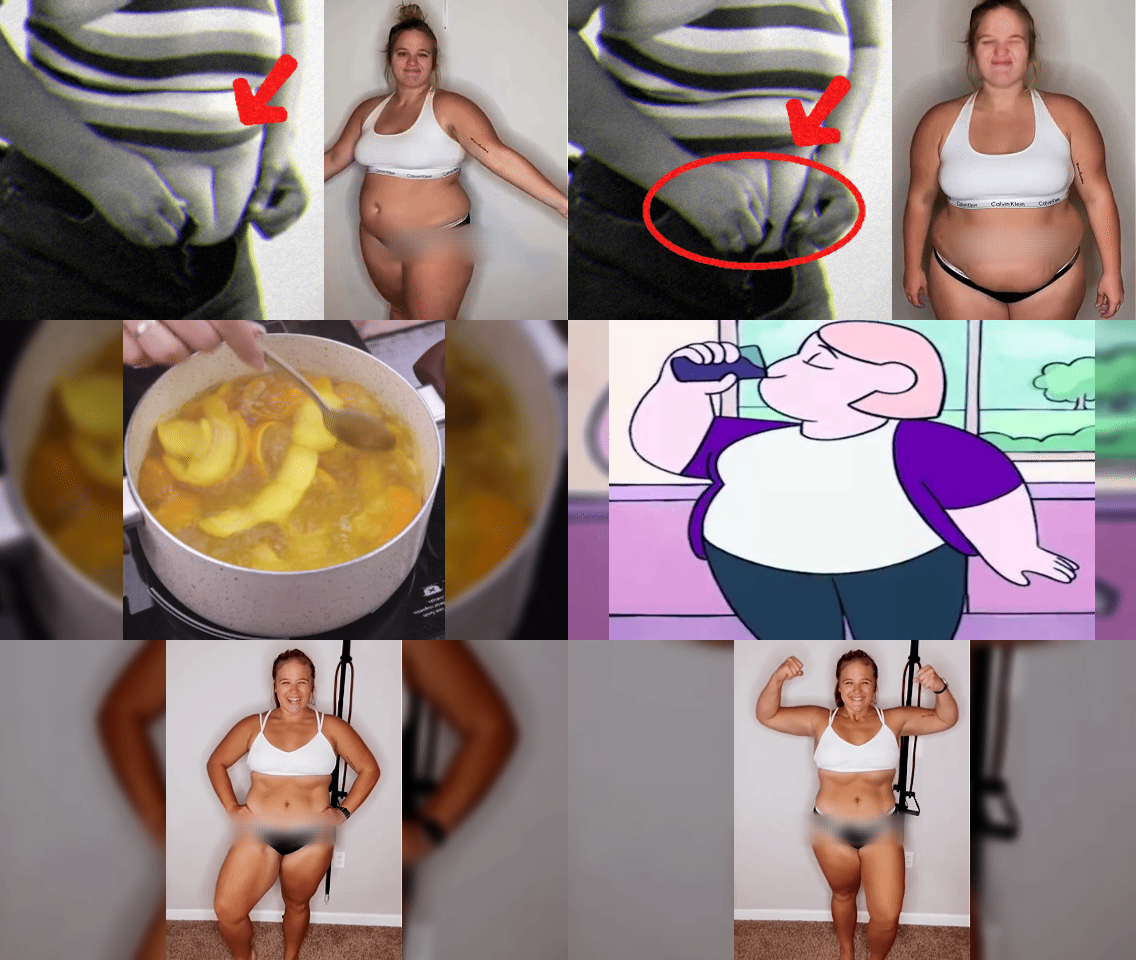
10 Surprising Reasons Your Body Stores Fat

For many people trying to lose weight, the biggest frustration is feeling like they are doing everything right—eating less, exercising more, and still not seeing the results they expected. If this sounds familiar, you are not alone. Millions of people struggle with stubborn fat despite their best efforts.

The truth is that fat storage is not just about calories. Your body is a highly intelligent system designed to protect you from starvation, stress, and environmental threats. When certain conditions are present, your body may store fat as a survival mechanism—even if you’re trying to lose weight.

Understanding the hidden reasons behind fat storage can help you stop fighting your body and start working with it. Below are ten surprising reasons your body may be storing fat and what you can do to address them.

1. Chronic Stress Is Telling Your Body to Store Energy

One of the most overlooked causes of fat storage is chronic stress. When your body experiences ongoing stress—whether from work, finances, relationships, or lack of sleep—it releases the hormone cortisol.

Cortisol plays an important role in survival. In dangerous situations, it helps your body mobilize energy. However, when cortisol levels remain high for long periods, your body shifts into a protective mode.

This protective state can lead to:

  • Increased appetite
  • Cravings for high-calorie foods
  • Slower metabolism
  • Greater fat storage, especially around the abdomen

Your body interprets chronic stress as a signal that resources may become scarce. As a result, it stores energy in the form of fat.

Managing stress through exercise, meditation, breathing techniques, or time outdoors can significantly support weight loss.

2. Poor Sleep Disrupts Fat-Burning Hormones

Sleep is one of the most powerful regulators of metabolism. When sleep quality is poor or sleep duration is too short, several hormones involved in hunger and fat storage become unbalanced.

Lack of sleep can cause:

  • Increased ghrelin (the hunger hormone)
  • Decreased leptin (the fullness hormone)
  • Higher cortisol levels
  • Reduced insulin sensitivity

This combination makes you feel hungrier, less satisfied after eating, and more likely to store fat.

Research consistently shows that people who sleep fewer than six hours per night have a higher risk of weight gain and obesity.

Improving sleep hygiene—such as maintaining a regular bedtime, limiting screen exposure before bed, and creating a relaxing nighttime routine—can help restore hormonal balance.

3. Eating Too Little Can Slow Your Metabolism

Many people believe that the fastest way to lose weight is to drastically reduce calories. While this might work temporarily, it often backfires over time.

When calorie intake drops too low, your body activates a survival response known as metabolic adaptation.

This response includes:

  • Slower metabolism
  • Reduced energy expenditure
  • Increased hunger signals
  • Greater fat storage efficiency

Your body becomes more efficient at conserving energy because it believes food is scarce.

Ironically, extreme dieting can make long-term weight loss harder.

A moderate calorie deficit combined with balanced nutrition is usually more sustainable and effective.

4. Highly Processed Foods Confuse Your Hunger Signals

Modern processed foods are engineered to be extremely palatable. They often contain high amounts of sugar, refined carbohydrates, unhealthy fats, and artificial flavor enhancers.

These foods can disrupt your body’s natural appetite regulation.

Unlike whole foods, processed foods are often:

  • Less filling
  • Digested quickly
  • High in calories
  • Low in nutrients

Because they do not trigger strong satiety signals, it becomes easy to consume more calories than your body needs.

Additionally, highly processed foods can spike blood sugar and insulin levels, encouraging fat storage.

Shifting toward whole foods—such as vegetables, fruits, lean proteins, whole grains, and healthy fats—helps regulate appetite naturally.

5. Hormonal Imbalances Affect Fat Storage

Hormones control many aspects of metabolism and fat storage. Even small hormonal imbalances can make losing weight more difficult.

Several hormones play key roles in weight regulation:

Insulin controls blood sugar levels and fat storage. When insulin levels stay elevated for long periods, the body stores more fat.

Leptin regulates feelings of fullness. In people with leptin resistance, the brain may not receive the signal that the body has enough energy stored.

Thyroid hormones regulate metabolic rate. An underactive thyroid can significantly slow metabolism.

Sex hormones such as estrogen and testosterone also influence body fat distribution.

If hormonal imbalances are present, addressing the root cause is essential for sustainable weight loss.

6. Your Gut Bacteria May Be Affecting Your Weight

Your digestive system is home to trillions of bacteria known as the gut microbiome. These microorganisms play a major role in digestion, metabolism, and even appetite regulation.

Some gut bacteria are associated with efficient calorie burning, while others are linked to increased fat storage.

An imbalanced gut microbiome may contribute to:

  • Increased inflammation
  • Slower metabolism
  • Greater fat absorption
  • Increased hunger

Diet plays a powerful role in shaping gut bacteria.

Eating fiber-rich foods, fermented foods, and a variety of plant-based ingredients can help promote a healthier microbiome.

7. Sedentary Lifestyle Reduces Daily Energy Burn

Exercise is important, but daily movement outside the gym also plays a huge role in calorie expenditure.

Many people spend most of their day sitting—at desks, in cars, or on the couch. This sedentary lifestyle reduces something known as non-exercise activity thermogenesis (NEAT).

NEAT includes all the calories burned through everyday activities such as:

  • Walking
  • Standing
  • Cleaning
  • Taking the stairs
  • Moving around the house

People with higher NEAT levels can burn hundreds of additional calories each day without structured workouts.

Simple changes like walking more, standing periodically, or taking active breaks can increase daily energy expenditure.

8. Emotional Eating Creates Hidden Calories

Food is not only fuel—it is also closely tied to emotions.

Many people eat in response to feelings such as:

  • Stress
  • Loneliness
  • Anxiety
  • Boredom
  • Sadness

Emotional eating often involves calorie-dense comfort foods that temporarily improve mood by triggering dopamine release.

However, these habits can gradually lead to excess calorie intake.

Recognizing emotional triggers and developing alternative coping strategies—such as journaling, exercise, or talking with supportive friends—can help break the cycle.

9. Dieting History Can Affect Future Weight Loss

People who have repeatedly lost and regained weight may experience changes in how their bodies regulate energy.

This phenomenon is sometimes referred to as weight cycling or “yo-yo dieting.”

Repeated dieting can lead to:

  • Reduced resting metabolism
  • Increased fat storage efficiency
  • Stronger hunger signals

The body essentially becomes better at defending its weight.

Instead of extreme diets, focusing on sustainable lifestyle changes can help restore metabolic balance over time.

10. Your Body Is Designed to Protect You

One of the most surprising truths about fat storage is that your body is not trying to sabotage you—it is trying to protect you.

From an evolutionary perspective, storing fat helped humans survive periods of famine and food scarcity.

Although modern society provides constant access to food, your body’s survival systems have not changed.

When it senses:

  • Stress
  • Lack of sleep
  • Food restriction
  • Hormonal disruption
  • Illness

It may store fat as a protective measure.

Understanding this perspective can shift your mindset from frustration to compassion for your body.

How to Work With Your Body Instead of Against It

The key to long-term weight loss is not forcing your body into extreme changes. Instead, the goal is to create an environment where your body feels safe enough to release stored fat.

Here are some foundational strategies that support this process:

Focus on balanced meals that include protein, fiber, and healthy fats.

Prioritize quality sleep and consistent sleep schedules.

Manage stress through relaxation practices and physical activity.

Build muscle through resistance training to support metabolism.

Increase daily movement outside of structured exercise.

Eat mostly whole, minimally processed foods.

Be patient with the process and avoid extreme dieting cycles.

Small, consistent changes often produce the most lasting results.

Final Thoughts

If you have struggled with stubborn fat despite your best efforts, it does not mean you lack willpower or discipline. Fat storage is influenced by many factors beyond simple calorie counting.

Stress, sleep, hormones, gut health, emotional patterns, and lifestyle habits all interact to determine how your body manages energy.

By understanding the deeper reasons your body stores fat, you can begin making changes that support your metabolism rather than fighting it.

Weight loss is rarely about a single diet or workout routine. It is about creating a balanced lifestyle that allows your body to function at its best.

With patience, awareness, and the right strategies, lasting change becomes possible.

Why Some People Lose Weight Easily While Others Struggle

Weight loss is one of the most talked-about health topics in the world. Yet despite thousands of diets, fitness programs, and weight loss supplements, many people still find themselves asking the same frustrating question: Why do some people lose weight easily while others struggle no matter how hard they try?

If you’ve ever felt like your body is working against you while others seem to shed pounds effortlessly, you’re not alone. The truth is that weight loss is influenced by a complex combination of biology, lifestyle, psychology, and environment. Understanding these factors can help you stop blaming yourself and start building a smarter, more sustainable approach to losing weight.

In this article, we’ll explore the real reasons behind weight loss differences and what you can do to work with your body instead of fighting it.

The Myth of “Just Eat Less and Move More”

For years, the most common advice for weight loss has been simple: eat fewer calories and exercise more. While this principle is technically true, it oversimplifies a much more complicated biological process.

Two people can follow the same diet and exercise routine yet experience completely different results. One person might lose weight quickly, while the other sees little to no progress.

This difference often leads people to believe they lack discipline or willpower. However, science shows that many factors influence how the body stores and burns fat.

Understanding these factors is the first step toward achieving lasting weight loss.

Genetics Play a Bigger Role Than You Think

Genetics significantly influence how easily someone can lose weight. Your genes affect:

  • Metabolism speed
  • Appetite regulation
  • Fat storage patterns
  • Hormone levels
  • Muscle composition

Some people are genetically predisposed to burn calories faster, while others naturally store more fat as a survival mechanism.

Researchers have identified multiple genes associated with obesity and metabolic efficiency. These genes can influence how hungry you feel, how satisfied you feel after eating, and how your body processes calories.

This doesn’t mean weight loss is impossible for someone with these genetic tendencies. It simply means their strategy may need to be more personalized.

Metabolism: The Engine Behind Weight Loss

Metabolism refers to the chemical processes that convert food into energy. Some people have naturally faster metabolisms, which means their bodies burn more calories even at rest.

Several factors affect metabolic rate:

Age

Metabolism tends to slow down as we age. Muscle mass gradually declines, and hormonal changes make it easier to gain weight.

Muscle Mass

Muscle burns more calories than fat. People with higher muscle mass typically have higher resting metabolic rates.

Hormones

Hormonal imbalances involving thyroid hormones, insulin, cortisol, and leptin can significantly affect weight regulation.

For example, high cortisol levels caused by chronic stress can promote fat storage, particularly around the abdominal area.

Hormones: The Hidden Weight Loss Influencers

Hormones control hunger, fullness, fat storage, and energy usage. Even small imbalances can make weight loss more difficult.

Some key hormones involved in weight regulation include:

Insulin

Insulin controls blood sugar levels and fat storage. When insulin levels remain elevated due to frequent high-sugar or highly processed foods, the body may store more fat.

Leptin

Leptin signals to the brain that you are full. In people with excess body fat, leptin resistance can develop, causing the brain to ignore these signals.

Ghrelin

Ghrelin is known as the “hunger hormone.” Higher ghrelin levels increase appetite and cravings.

Cortisol

Cortisol is the body’s primary stress hormone. Chronic stress keeps cortisol elevated, which can increase hunger and encourage fat storage.

These hormonal interactions help explain why dieting alone sometimes fails.

Gut Health and Weight Loss

In recent years, researchers have discovered that gut bacteria play a crucial role in metabolism and weight management.

Your gut contains trillions of microorganisms that influence digestion, inflammation, and even appetite regulation.

Some people have gut microbiomes that promote efficient calorie burning, while others have bacteria that extract more calories from food and store them as fat.

Diet, antibiotics, sleep patterns, and stress can all affect the balance of gut bacteria.

Improving gut health through fiber-rich foods, fermented foods, and reduced ultra-processed food intake may support weight loss.

Sleep: The Overlooked Weight Loss Factor

Sleep is one of the most underestimated components of weight management.

Poor sleep affects several hormones related to hunger and metabolism.

When you don’t get enough sleep:

  • Ghrelin increases (more hunger)
  • Leptin decreases (less fullness)
  • Cortisol increases (more fat storage)
  • Insulin sensitivity decreases

Studies consistently show that people who sleep fewer than six hours per night are more likely to gain weight.

Improving sleep quality can significantly improve weight loss results.

Emotional Eating and Psychological Factors

Weight loss isn’t just physical. It’s also deeply connected to emotional and psychological patterns.

Many people develop habits such as:

  • Stress eating
  • Reward-based eating
  • Boredom eating
  • Emotional comfort eating

Food can become a coping mechanism for difficult emotions.

If someone uses food to manage stress, loneliness, or anxiety, traditional dieting may fail because it doesn’t address the root emotional triggers.

Developing emotional awareness and healthier coping strategies is often an essential part of sustainable weight loss.

Diet History and Metabolic Adaptation

People who have followed many restrictive diets often experience something called metabolic adaptation.

When calorie intake drops dramatically, the body goes into energy-saving mode by slowing metabolism.

Over time, this can make weight loss increasingly difficult.

The body essentially becomes more efficient at storing fat and conserving calories.

This phenomenon explains why people who have dieted repeatedly may struggle more with weight loss compared to those who have never dieted.

Gradual, sustainable approaches tend to work better in the long run.

Environment and Lifestyle

Modern lifestyles create many obstacles to maintaining a healthy weight.

Factors that contribute to weight gain include:

  • Highly processed foods
  • Sedentary work environments
  • Constant food availability
  • Chronic stress
  • Digital entertainment reducing physical activity

Food companies design products to be extremely palatable and addictive. These foods often combine sugar, fat, and salt in ways that override natural satiety signals.

This environment makes it easy to consume excess calories without realizing it.

The Role of Physical Activity

Exercise plays a crucial role in weight management, but not always in the way people expect.

While exercise burns calories, its greatest benefits include:

  • Preserving muscle mass during weight loss
  • Improving metabolic health
  • Enhancing insulin sensitivity
  • Reducing stress
  • Improving sleep quality

Strength training, in particular, helps maintain lean muscle, which supports a higher metabolic rate.

Combining resistance training with moderate cardiovascular activity tends to produce the best long-term results.

Why Comparison Is Harmful

One of the biggest psychological barriers to weight loss is comparison.

Watching someone else lose weight quickly can be discouraging if your own progress feels slow.

But bodies respond differently due to genetics, hormones, metabolism, lifestyle, and personal history.

Weight loss is not a competition. Sustainable change often happens gradually.

Focusing on consistent healthy habits rather than short-term results can help you stay motivated.

Sustainable Strategies That Actually Work

Instead of searching for the perfect diet, focus on building habits that support long-term health.

Here are evidence-based strategies that can make weight loss more achievable:

Prioritize Protein

Protein helps preserve muscle mass and increases satiety, making it easier to maintain a calorie deficit.

Strength Training

Building muscle supports metabolism and improves body composition.

Improve Sleep

Aim for 7–9 hours of quality sleep each night.

Manage Stress

Practices such as meditation, walking, journaling, and deep breathing can help reduce cortisol levels.

Eat Whole Foods

Minimizing ultra-processed foods can help regulate appetite naturally.

Be Patient

Healthy weight loss typically occurs at a rate of 0.5–1 kg per week.

Slow progress is often more sustainable.

The Truth About “Easy” Weight Loss

When it seems like someone is losing weight effortlessly, there is usually more happening behind the scenes.

They may:

  • Have a naturally faster metabolism
  • Maintain higher daily activity levels
  • Have healthier eating habits from childhood
  • Sleep better
  • Experience lower stress levels

What appears effortless is often the result of many small habits working together.

Final Thoughts

If weight loss has always felt difficult for you, it doesn’t mean you’re doing something wrong or that you’re lacking discipline.

Your body is influenced by a complex system of hormones, metabolism, genetics, lifestyle habits, and emotional patterns.

Understanding these factors can help you stop fighting your body and start supporting it.

True, lasting weight loss rarely comes from extreme diets or quick fixes. It comes from consistent habits, patience, and learning how your unique body works.

The journey may take time, but with the right approach, progress is absolutely possible.